Fall is the season when a bedroom can become more atmospheric. Lightweight bedding, pale woods, bright white accessories, and cool lighting can feel disconnected from the richer mood outside.
The answer is not to cover every surface with pumpkins, orange leaves, or novelty seasonal decorations. The most current fall bedrooms feel collected rather than themed. They use deeper color, warm materials, intimate lighting, and generous layers of fabric to create a room that feels restful and personal.
One of the strongest directions for the season is moody brown. Chocolate, cocoa, walnut, espresso, caramel, and warm taupe are being treated as sophisticated neutrals rather than old-fashioned accents. They work beautifully with olive green, charcoal, burgundy, rust, cream, muted pink, and (my favorite!) powder blue. Together, these colors can turn an ordinary bedroom into a warm retreat without requiring a complete renovation.
Whether you want a dramatic paint transformation or a small refresh that can be completed in an afternoon, the ideas below will help you transition your bedroom into a fall aesthetic that feels cozy now and livable long after the leaves are gone.
Start With the Feeling, Not the Shopping List
Before choosing paint, bedding, or accessories, decide how you want the room to feel at night. “Fall bedroom” can mean several different things. You might want a dark, enveloping retreat that feels like a boutique hotel. You might prefer a lighter earthy room with oatmeal linen, pale wood, and a few burgundy accents. Or you may be drawn to a romantic vintage mood with patterned wallpaper, antique brass, and warm lamplight.
Identifying how you want it to feel prevents the room from becoming a collection of unrelated autumn “things”. A useful starting sentence is: I want my bedroom to feel ______ when I walk in after dark. Fill in the blank with words such as quiet, grounded, rustic, romantic, nostalgic, or restful.
That word should guide every decision. A restful bedroom may need soft contrast and fewer patterns. A dramatic bedroom can handle a dark ceiling and saturated bedding. A rustic room may benefit more from wood, wool, and woven materials than from a new paint color.
It also helps to separate the permanent elements of the room from the seasonal ones. Walls, flooring, and large furniture should support your year-round style. Throws, pillow covers, artwork, flowers, and scent can shift with the season. This approach gives you a fall-ready room without making it feel temporary or difficult to reverse.
Why Moody Brown Works So Well in a Bedroom
Brown has returned as a major interior color because it offers the comfort of a neutral with more depth and personality. A pale beige bedroom can feel calm, but a chocolate or walnut room feels grounded. Brown absorbs some of the sharpness from artificial light, gives white bedding a softer contrast, and makes natural materials look especially rich.
The key is to choose the right brown for your space. Chocolate brown creates an warm, elegant mood. Cocoa and chestnut feel softer and more relaxed. Walnut brings a refined wood tone that works well with vintage or modern furniture. Caramel and cognac add warmth without making a room dark. Mushroom and warm taupe are useful if you want an earthy look with plenty of brightness.
Brown also changes throughout the day. A shade that looks nearly charcoal in a north-facing room may appear warm and reddish in afternoon light. Always test paint in several places, including the wall behind the bed and the wall opposite the window. Look at the samples in the morning, afternoon, and evening before committing.
For a balanced scheme, think in terms of three levels of depth:
Keep the palette balanced by using a light neutral for brightness, one grounding brown, and one earthy accent. Repeat each color in at least two places so the scheme feels intentional rather than random.
Choose Your Level of Brown
You do not have to paint the entire bedroom brown to participate in the trend. There are several ways to introduce it, and each creates a different effect.
The Small-Dose Approach
If your room already has pale walls or furniture you love, begin with brown through textiles. A chocolate quilt, walnut-toned lumbar pillow, leather stool, or dark woven rug can shift the room toward fall immediately. This is the easiest option for renters or anyone who likes to change the room several times a year.
The small-dose approach works best when the brown appears at least three times. For example, pair a chocolate throw with a walnut picture frame and a brown ceramic lamp base. Repetition makes the color feel intentional instead of random.
The Focal-Wall Approach
Painting the wall behind the bed is a strong middle ground. A saturated brown creates a visual anchor while leaving the other walls lighter. It is especially effective when the bed sits against a plain wall with no competing architectural detail.
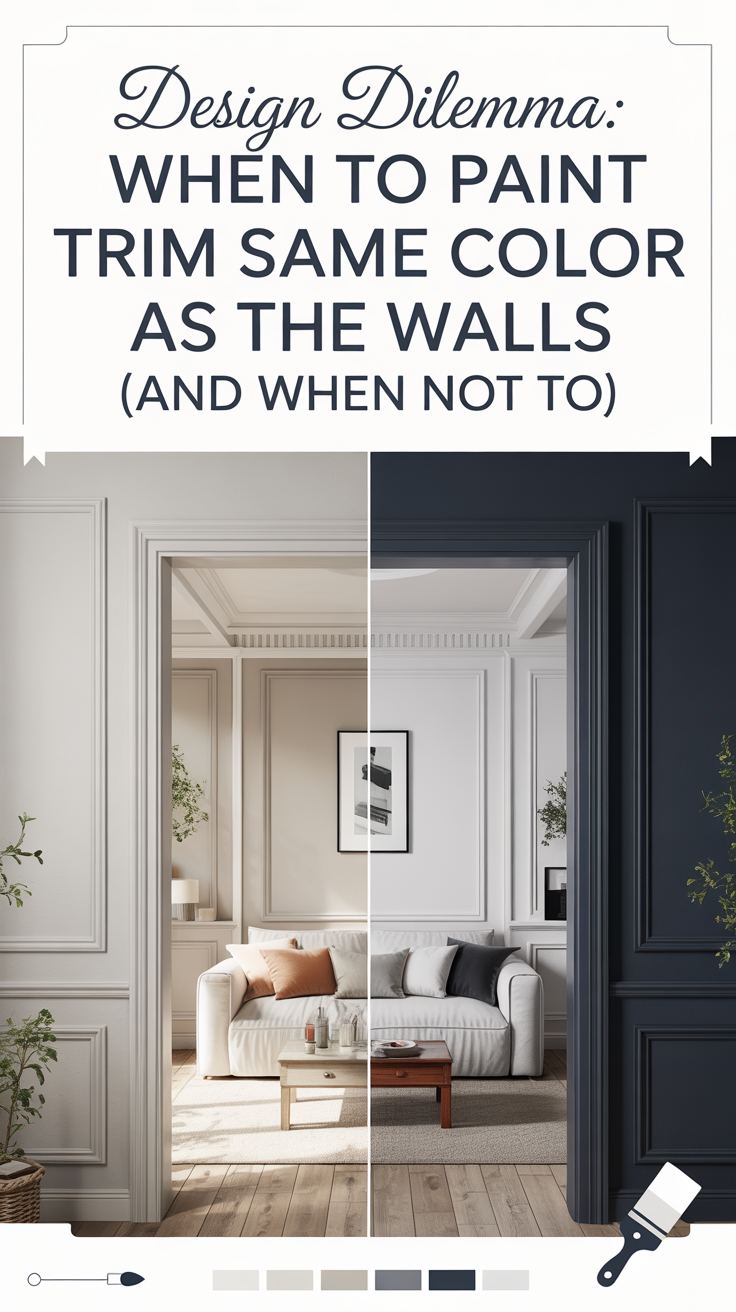
For a more finished look, paint the baseboards and door trim in a related shade rather than bright white. Tonal trim makes the wall feel more integrated and gives a small bedroom a tailored, almost built-in quality.
The Color-Drenched Approach
If you want the full moody effect, use one deep shade across the walls, trim, and possibly the ceiling. I’ve talked about this technique quite a bit over the past couple of years here, but if you’re new (welcome!), this is sometimes called color drenching. Instead of breaking the room into separate light and dark planes, it treats the architecture as one envelope.
A small bedroom can be especially successful with this approach because the continuous color makes the edges of the room less visually busy. The result feels intimate rather than cramped, provided you add enough light-colored bedding and varied texture.
Color drenching does not mean using the darkest possible brown. A muted cocoa, mushroom, olive-brown, or softened espresso can be more restful than a nearly black shade. The goal is depth, not gloom.
Build the Fall Look Around the Bed
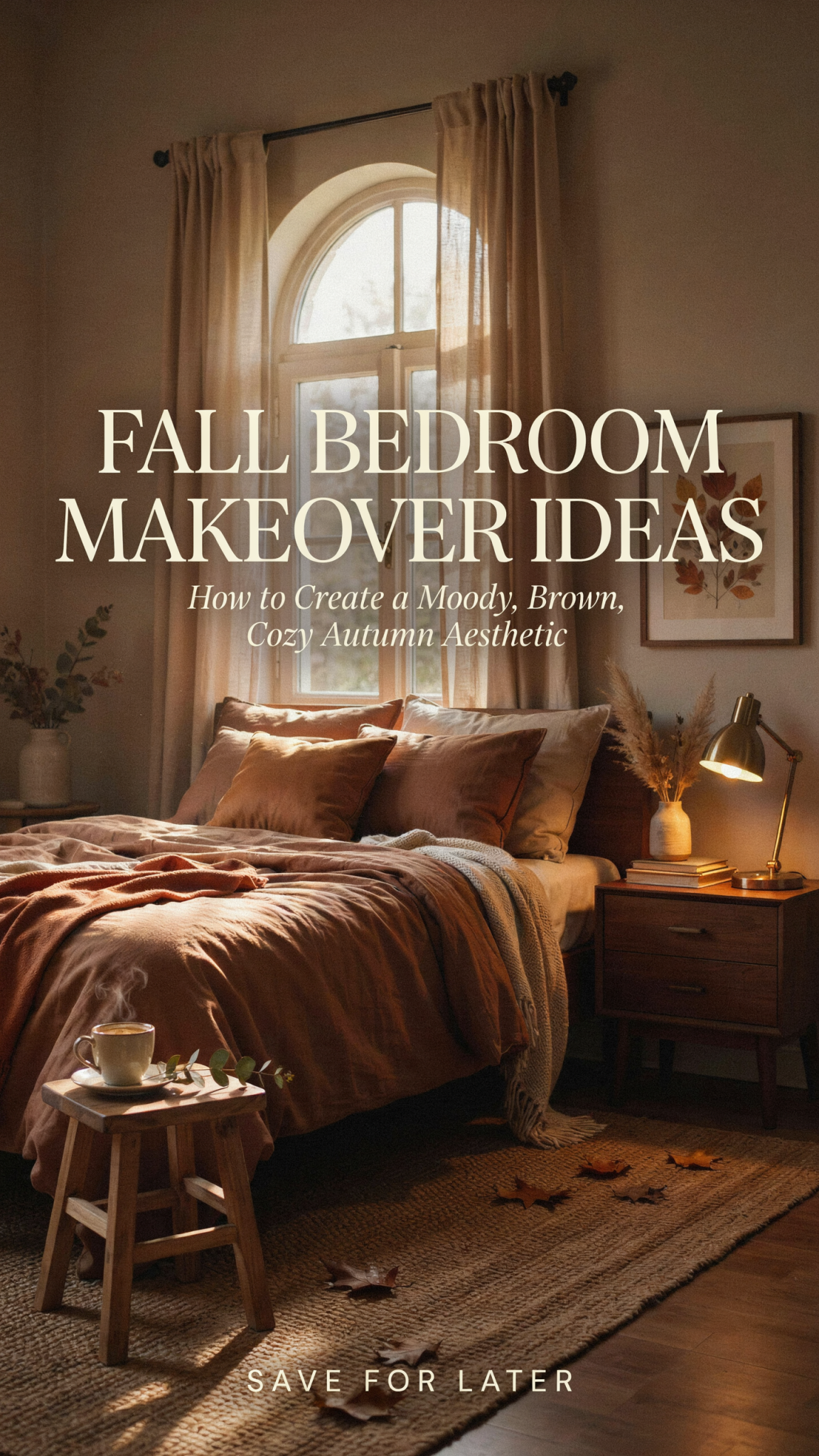
The bed is usually the largest visual element in a bedroom, so changing it is one of the fastest ways to create a seasonal transformation. Fall bedding should look inviting before it feels inviting. That means a combination of softness, structure, and visible layers.
Start with breathable sheets in cream, ivory, warm white, or a quiet earthy color. White is still a good choice in a moody bedroom because it keeps the bed from disappearing into the walls. If you want a more tonal effect, choose oatmeal, flax, or mushroom-colored bedding.
Add a quilt or coverlet as the middle layer. Quilting introduces pattern and texture without making the bed look overly decorated. A thin quilt can remain on the bed all season, while a heavier duvet or blanket can be added on colder nights.
Finish with one substantial throw folded across the lower third of the bed. Look for wool, brushed cotton, washed linen, chunky knit, or a soft woven fabric. A throw in rust, tobacco, olive, camel, or deep brown will immediately bring an autumn quality to neutral bedding.
Pillows should be layered by size, but they do not need to multiply. Two sleeping pillows, two larger shams, and one or two accent pillows are often enough. Choose contrast through fabric rather than adding many colors. For example, pair a smooth linen pillow with a ribbed velvet pillow and a nubby boucle or woven lumbar cushion.
Subtle pattern is particularly effective in a brown bedroom. Try a faded check, narrow stripe, small floral, block print, or traditional plaid. The pattern should look like part of the room’s history, not like a seasonal costume.
Use Texture to Keep Dark Colors From Feeling Heavy
A moody room needs tactile variation. If every element is smooth and flat, brown can look dull. When different surfaces catch light differently, the same palette feels rich and dimensional.
Mix at least four of the following materials:
- Washed linen for relaxed softness
- Velvet for depth and a gentle sheen
- Wool for warmth and visual weight
- Cotton quilting for structure
- Boucle for a nubby, light-catching surface
- Woven jute or sisal for natural texture
- Wood for warmth and solidity
- Leather for a small note of contrast
- Ceramic for handmade character
- Aged brass for a warm metallic accent
Texture should be distributed throughout the room. A thick rug underfoot, a fabric headboard, a woven basket, and a nubby throw will feel more cohesive than placing every textured object on the bed. The room should offer different tactile experiences as you move through it.
Layering does not mean clutter. Leave some quiet surfaces between textured ones. A plain wall, simple nightstand, or smooth cotton sheet gives the eye a place to rest.
Bring in Brown Through Furniture and Wood Tones
Brown furniture is an especially useful way to update a bedroom because it adds fall warmth without looking seasonal. Walnut, medium oak, antique pine, and dark-stained wood all work with the mood, but they create different personalities.
Walnut feels polished and sophisticated. It pairs well with chocolate walls, cream bedding, black accents, and simple contemporary shapes. Oak is lighter and more casual. It keeps a brown-and-olive palette from feeling too formal. Antique pine adds a farmhouse or cottage quality, especially when its surface shows knots, wear, or a visible grain.
You do not need to replace a bedroom suite. Introduce one meaningful wood piece instead. A vintage nightstand, small bench, stool, mirror frame, or narrow chest can be enough to break up a room dominated by painted or white furniture.
If you have several wood tones already, do not try to make them identical. Aim for a relationship between them. Repeat one undertone, such as warm golden brown or deep red-brown, and let the rest vary naturally. Too much matching can make the room feel like a showroom; thoughtful variation feels more collected.
A leather headboard or cognac-colored bench can also perform the same function as wood. Use leather sparingly in a bedroom so it reads as an accent rather than a hard, dominant surface.
Add Moody Lighting in Layers
Lighting may be the most important part of a fall bedroom makeover. A beautiful palette can feel cold under a bright overhead fixture, while an ordinary room can feel remarkably intimate under warm, layered light.
Begin with the room’s practical lighting. A ceiling fixture should provide enough light for cleaning and dressing, but it should not be the only source. Add a lamp on each side of the bed if possible. Matching lamps create symmetry, while mismatched lamps can give a more relaxed, collected look if they share a color or material.
Choose bulbs that produce a warm, gentle glow. A lamp with a fabric shade will diffuse light across the room. A ceramic, wood, or aged-brass base supports the fall palette without making the room feel overly themed.
Consider adding a small reading lamp, picture light, or wall sconce near a chair or artwork. These secondary pools of light make the bedroom feel larger at night because they draw attention to different areas instead of leaving one bright spot in the center.
Candles can add atmosphere, but use them safely and never leave a burning candle unattended. Flameless candles, amber glass lamps, and small rechargeable lights can create a similar sense of warmth without an open flame.
The most flattering fall lighting is usually indirect. Point a small lamp toward a wall, place a light behind a headboard, or use a shaded fixture that glows rather than glares. The aim is to soften the room’s edges.
Introduce Olive, Burgundy, and Rust Without Overdoing Them
Brown becomes more interesting when it is supported by neighboring colors. Olive and moss green are natural companions because they reinforce the earthy quality of brown. Burgundy and oxblood add drama. Rust and terracotta bring a sun-baked warmth. Ochre or muted gold adds brightness without becoming overly cheerful.
Choose one primary accent color and one supporting accent. A brown bedroom with olive and burgundy feels rich and dramatic. A brown bedroom with rust and ochre feels warmer and more rustic. A brown bedroom with muted blue and cream feels unexpected and balanced.
Use accent colors in small, repeated moments. An olive pillow can echo a piece of art, a plant pot, or the color inside a patterned rug. A burgundy throw can be repeated in a small vase or book cover. Repetition creates a visual rhythm that makes the room feel designed.
Avoid distributing every autumn color equally. If brown, olive, rust, burgundy, gold, black, and cream all receive the same amount of attention, the room may feel busy. Let the brown remain the dominant note and allow the accent color to support it.
Consider a Patterned Accent Wall
A patterned wall is one of the best ways to add personality to a fall bedroom. Wallpaper behind the bed can create a focal point without requiring art or a large headboard. Look for patterns that feel grounded: botanical drawings, faded geometrics, small checks, organic stripes, or painterly landscapes.
A brown room does not require brown wallpaper. A muted olive pattern on a cream background can soften dark furniture. A rust and ivory print can energize chocolate walls. A charcoal botanical motif can create a quiet, romantic effect.
If permanent wallpaper is not practical, try removable wallpaper or create a painted pattern with a simple stencil. Even a narrow panel behind the bed can provide the impression of a more intentional architectural feature.
Keep the rest of the wall relatively calm. A patterned accent wall already carries visual information, so choose simple bedding and a limited number of decorative objects around it.
Add a Rug for Warmth Underfoot
A rug changes how a bedroom feels both visually and physically. It softens the transition into a new season and provides a large area for introducing brown, cream, rust, or olive.
A wool rug is a natural choice for fall because it adds warmth and texture. A low-pile vintage-style rug can bring pattern without overwhelming the room. A jute or sisal rug creates a relaxed foundation, especially when layered beneath a softer wool rug.
Ideally, the rug should extend beyond the sides of the bed so your feet land on something comfortable in the morning. If a large rug is not in the budget, use two runners along the sides or a smaller rug at the foot of the bed.
When selecting a color, consider the floor. A dark brown rug on dark wood flooring can make the room feel heavy, while a faded cream-and-rust rug may provide the necessary lift. In a carpeted room, a patterned accent rug can still define the bed area and add texture.

Three Fall Bedroom Makeover Plans
The One-Afternoon Refresh
For a fast and affordable update, begin by removing visual clutter and storing overtly summery accessories. Change the bedding to cream, oatmeal, or cocoa. Add one textured throw, two accent pillow covers, a warm lamp bulb, and a small wood or ceramic object.
Move furniture slightly if the layout feels stale. Center the bed, clear the nightstands, and create a more comfortable path around the room. Finish with a branch, a warm-toned print, or a small bowl of seasonal fruit on the dresser.
The Weekend Makeover
For a more noticeable transformation, paint the wall behind the bed in chocolate, cocoa, warm taupe, or olive-brown. Add a large rug, update the curtains, and layer the bed with a quilt and substantial throw. Replace cool metal accessories with aged brass, dark wood, or ceramic.
Use art or patterned wallpaper to give the focal wall personality. Add a small chair or bench if the room has space, and style it with a folded blanket. The result should feel like a new room while relying on a limited number of larger changes.
The Full Moody Retreat
For the most dramatic version, color-drench the room in a softened espresso, deep olive, or charcoal-brown shade. Add dark wood furniture, a fabric headboard, layered lighting, and a large textured rug. Keep the bed relatively light with cream, flax, and muted brown bedding so it remains inviting.
Bring in one strong accent color, such as burgundy or rust, through a throw, artwork, or upholstered bench. Finish with natural materials, warm hardware, and carefully edited accessories. The room should feel enveloping but not overloaded.
A Final Formula for a Fall Bedroom That Lasts
The most successful fall bedroom makeovers do not depend on a single trend. They combine a restrained palette with inviting materials and lighting that supports the way the room is actually used.
A simple formula is to begin with one grounding brown, add one earthy accent such as olive or rust, and balance both with a soft neutral. Layer three or four tactile materials. Use two or three sources of warm light. Add one piece of pattern and one personal object. Then stop before the room feels crowded.
Moody brown works because it makes a bedroom feel settled. It creates depth without demanding attention, and it welcomes the softer rituals of the season: reading under a blanket, getting ready slowly in the morning, or retreating from a cold evening with a cup of tea. With thoughtful layers, the result is not merely a fall-themed bedroom. It is a room that feels warmer, more intimate, and more like your own.
The best place to begin is the element you notice first when you enter. If the bed looks bare, start with bedding. If the room feels washed out, test a richer wall color. If it feels cold at night, change the lighting. If it lacks personality, introduce a pattern or a meaningful piece of art. One intentional change can set the direction for everything that follows.
Fall decorating is ultimately about making the bedroom feel ready for lingering. Let the colors deepen, let the textures accumulate thoughtfully, and let the room become a quieter version of itself. That is the essence of the moody brown bedroom: warm without being fussy, dramatic without being harsh, and seasonal without losing its everyday comfort.