

The concept of the backyard swimming pool has undergone a profound transformation over the past decade. What was once simply a rectangular vessel filled with chlorinated water for cooling off on hot summer days has evolved into a sophisticated, multi-functional centerpiece of outdoor living. As we move into 2026, this evolution is accelerating. Homeowners are no longer just building pools; they are engineering comprehensive outdoor environments that rival luxury resorts, prioritizing wellness, sustainability, smart technology, and seamless architectural integration.
The events of recent years fundamentally shifted how we view our homes, turning them into sanctuaries for work, play, and relaxation. This shift has had a lasting impact on outdoor design. The backyard is now expected to deliver the experiences we once traveled for—the tranquility of a high-end spa, the entertainment value of a luxury hotel, and the aesthetic appeal of a designer retreat.
In 2026, the trends dominating pool design reflect a desire for spaces that are deeply personal, highly functional, and environmentally conscious. From the rise of the “architectural backyard” to the integration of cold plunge therapy, the pools being built today are smarter, darker, and more integrated than ever before. Whether you are planning a new build from scratch or looking to renovate an existing pool, understanding these trends is crucial for creating a space that enhances your lifestyle and adds lasting value to your home.
The Rise of the Architectural Backyard: Seamless Integration
Related: To coordinate the pool with its setting, explore creative pool landscaping ideas.
Perhaps the most significant macro-trend in 2026 is the move away from the “pool dropped in the yard” approach. Historically, pools were often designed as standalone features, separated from the house by expanses of lawn or basic concrete decking. Today, the focus is entirely on integration. The pool is viewed as an extension of the home’s architecture, designed to flow seamlessly from the interior living spaces to the outdoor patio and into the water itself.
Blurring the Lines Between Indoors and Outdoors
This seamless integration is achieved through careful planning of sightlines, materials, and elevations. Homeowners and designers are prioritizing continuous visual flow. When you stand in the living room or kitchen, the pool should look like a natural extension of the space. This is often accomplished by using large, sliding glass doors or folding wall systems that open the house entirely to the patio.
The materials used for the patio decking are increasingly chosen to match or complement the interior flooring. Large-format porcelain tiles, which can be used both indoors and outdoors, are incredibly popular for this purpose. By running the same (or visually similar) flooring from the living room right up to the pool’s edge, the boundary between inside and outside dissolves. Flush coping—where the pool deck meets the water at the exact same level without a raised edge—further enhances this modern, integrated look.
The Pool as a Structural Element
In 2026, pools are being designed in tandem with other outdoor structures, rather than as an afterthought. Covered patios, pergolas, and outdoor kitchens are planned simultaneously with the pool excavation. This holistic approach ensures that the entire backyard functions as a cohesive unit.
For example, a raised bond beam on one side of the pool might double as the retaining wall for an elevated outdoor dining area, or serve as the foundation for a linear fire feature that anchors a sunken conversation pit. By treating the pool as a structural element that interacts with the rest of the landscaping, designers are creating backyards that feel intentional, engineered, and highly customized.
Geometric Dominance: The Return to Clean Lines
Related: For more layouts and features to consider, browse inspiring pool design ideas.
While freeform, lagoon-style pools had a long period of popularity, 2026 is definitively the year of the geometric pool. Industry data shows a massive surge in the selection of rectangular and clean-lined shapes, with some manufacturers reporting that geometric designs now account for up to 85% of their new installations.
The Appeal of the Rectangle
The dominance of the rectangular pool is driven by several factors. First, it aligns perfectly with the modern, architectural aesthetic that homeowners are currently favoring. Clean, straight lines complement contemporary home designs and provide a sense of order and symmetry in the landscape.
Second, geometric pools are inherently more functional. A rectangular pool maximizes the usable swim space, making it ideal for swimming laps or playing water sports. It also allows for easier integration of automatic pool covers, which are becoming a standard feature for safety and energy efficiency.
The Evolution of the Shape
However, the geometric pools of 2026 are not the basic rectangles of the past. They are highly customized with internal features that add complexity and utility. The most prominent of these features is the integrated tanning ledge, also known as a Baja shelf or sun shelf.
These shallow, flat areas—typically submerged in 6 to 12 inches of water—extend into the pool like a submerged patio. They have become incredibly popular because they transform how the pool is used. Tanning ledges provide a perfect spot for lounging in the water without having to swim, a safe play area for toddlers, and a comfortable place for older adults or even pets to cool off. The inclusion of a tanning ledge turns a simple rectangular pool into a multi-zone aquatic living space.
The Dark Side: Moody and Sophisticated Finishes
For decades, the standard pool finish was white plaster or light blue tile, resulting in the classic, bright turquoise water we associate with swimming pools. In 2026, that paradigm has shifted dramatically. Homeowners are increasingly opting for dark, moody interior finishes that create a completely different aesthetic experience.
The Allure of Dark Water
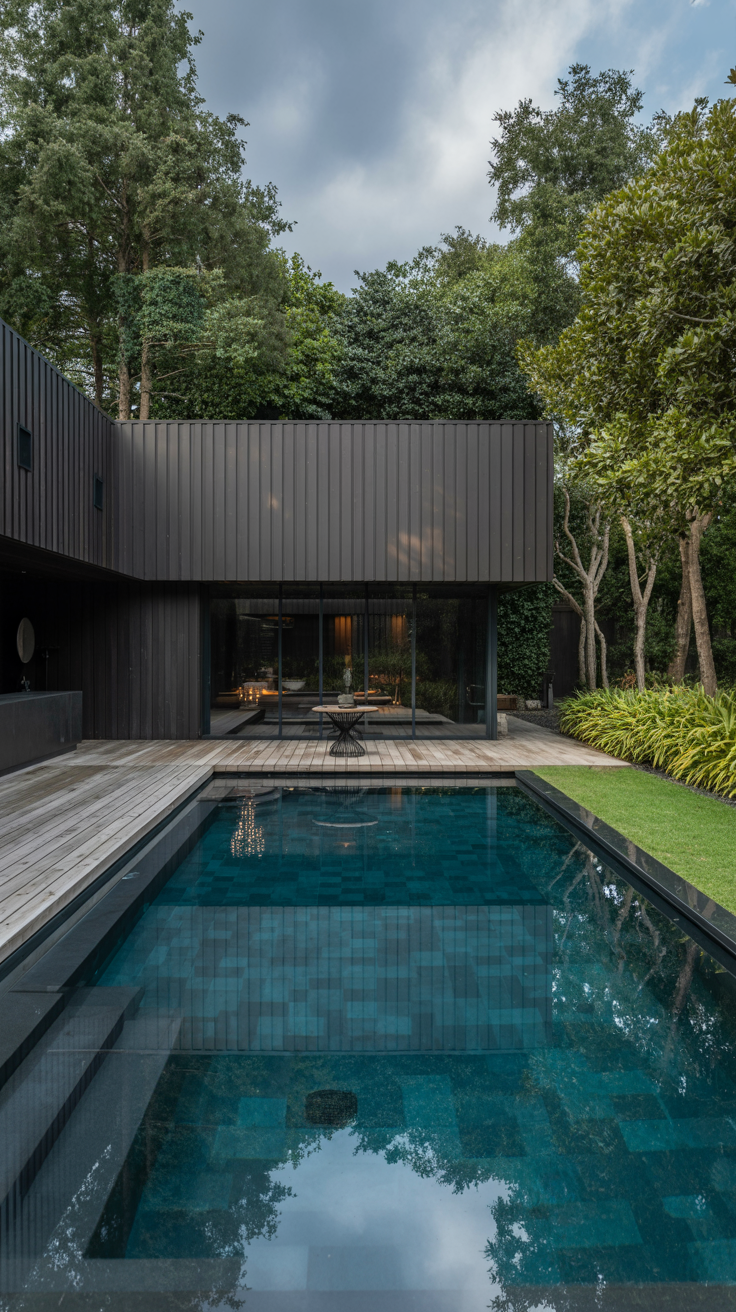
Deep blues, charcoal grays, rich teals, and even black finishes are dominating the luxury pool market. These darker colors transform the water, giving it a sleek, sophisticated, and sometimes mysterious appearance. Instead of looking like a standard suburban pool, a dark-finished pool evokes the feeling of a natural lagoon, a secluded mountain lake, or a high-end boutique hotel.
One of the most striking visual effects of a dark pool finish is its reflectivity. Dark water acts like a mirror, beautifully reflecting the sky, surrounding trees, and the home’s architecture. This mirror effect makes the pool feel deeper and more integrated into the landscape, rather than standing out as a bright blue artificial object.
Practical Benefits of Dark Finishes
Beyond aesthetics, dark pool finishes offer practical advantages. Dark colors naturally absorb more heat from the sun. In cooler climates or during the shoulder seasons, a dark-bottom pool can retain heat more effectively than a light-colored one, potentially reducing the reliance on artificial heating systems and lowering energy costs.
Furthermore, dark finishes can be more forgiving when it comes to hiding minor debris or imperfections, maintaining a sleek appearance with slightly less visible maintenance. Materials like dark pebble aggregates or deep-toned glass mosaic tiles are being used to achieve these rich colors while providing a durable, textured surface that sparkles under the water.
Wellness at Home: Plunge Pools and Cold Therapy
The global focus on health and wellness has profoundly influenced residential design, and the backyard is no exception. In 2026, the pool is increasingly viewed not just as a place for recreation, but as a vital tool for physical and mental well-being. This shift has given rise to two major trends: the popularity of plunge pools and the integration of cold plunge therapy.
The Rise of the Plunge Pool
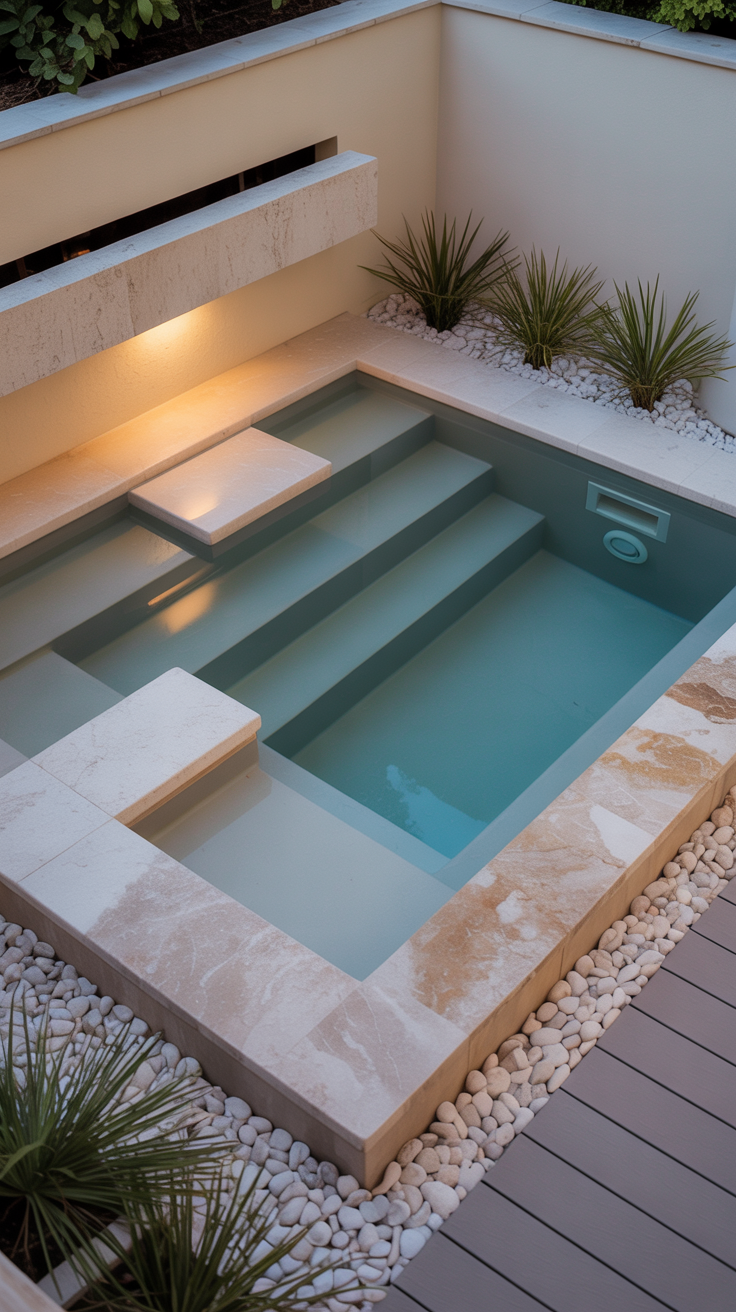
As lot sizes in many urban and suburban areas shrink, homeowners are realizing that they don’t need a massive, Olympic-sized pool to enjoy the benefits of water. Enter the plunge pool. Also known as “spools” (a hybrid of a spa and a pool), plunge pools are small, relatively shallow pools designed primarily for lounging, wading, and cooling off, rather than swimming laps.
Plunge pools are perfect for small backyards, courtyards, or even large terraces. They require less water, less energy to heat, and fewer chemicals to maintain than traditional pools. Despite their small footprint, they can be outfitted with luxury features like powerful hydrotherapy jets, built-in seating, and ambient lighting. For many homeowners, a beautifully designed plunge pool provides all the relaxation and aesthetic value of a large pool, without the massive footprint or maintenance requirements.
The Cold Plunge Phenomenon
Perhaps the most talked-about wellness trend of 2026 is cold plunge therapy. Driven by scientific studies highlighting the benefits of cold exposure—including reduced inflammation, accelerated muscle recovery, improved circulation, and boosted mood—athletes and wellness enthusiasts have made cold plunging a daily ritual.
This trend has moved from specialized wellness centers directly into the residential backyard. Homeowners are now incorporating dedicated cold plunge tubs or integrating chilling systems into their existing spas or plunge pools. The ultimate luxury setup in 2026 features contrast therapy: a hot spa situated immediately adjacent to a cold plunge pool, allowing users to alternate between the two temperatures for maximum therapeutic benefit. These systems are often beautifully designed, clad in natural wood or stone, to blend seamlessly with the rest of the outdoor environment.
Smart Pools: The Era of Automation
Related: As you plan easier maintenance, compare salt-water pool systems with chlorine pools.
Technology has infiltrated every aspect of our homes, and the backyard pool is no longer an exception. In 2026, “smart pool” technology has moved from a luxury add-on to an expected standard. Homeowners want their pools to be as easy to manage as their smart thermostats or lighting systems.
App-Based Control and Monitoring
The days of walking out to the pool pad to manually turn valves or adjust heater dials are over. Modern pool automation