

The concept of outdoor living has undergone a profound transformation over the past decade. What was once considered a simple backyard with a grill and a few folding chairs has evolved into a sophisticated extension of the home. As we move through 2026, the distinction between indoor and outdoor spaces is not just blurring, it is virtually disappearing. Homeowners and designers are embracing a holistic approach to residential architecture, where the patio is treated with the same level of care, investment, and design intention as the primary living room or kitchen.
This year, the essence of outdoor living lies in crafting sensory sanctuaries that nurture well-being, foster connection, and adapt seamlessly to the changing rhythms of daily life. From the rise of the all-weather lounge to the integration of biophilic design and smart technology, the 2026 patio is a testament to our enduring desire to live in harmony with nature without sacrificing the comforts of modern living. In this comprehensive exploration, we delve into the defining trends that are reshaping outdoor spaces, offering insights into how you can transform your patio into the ultimate indoor-outdoor retreat.
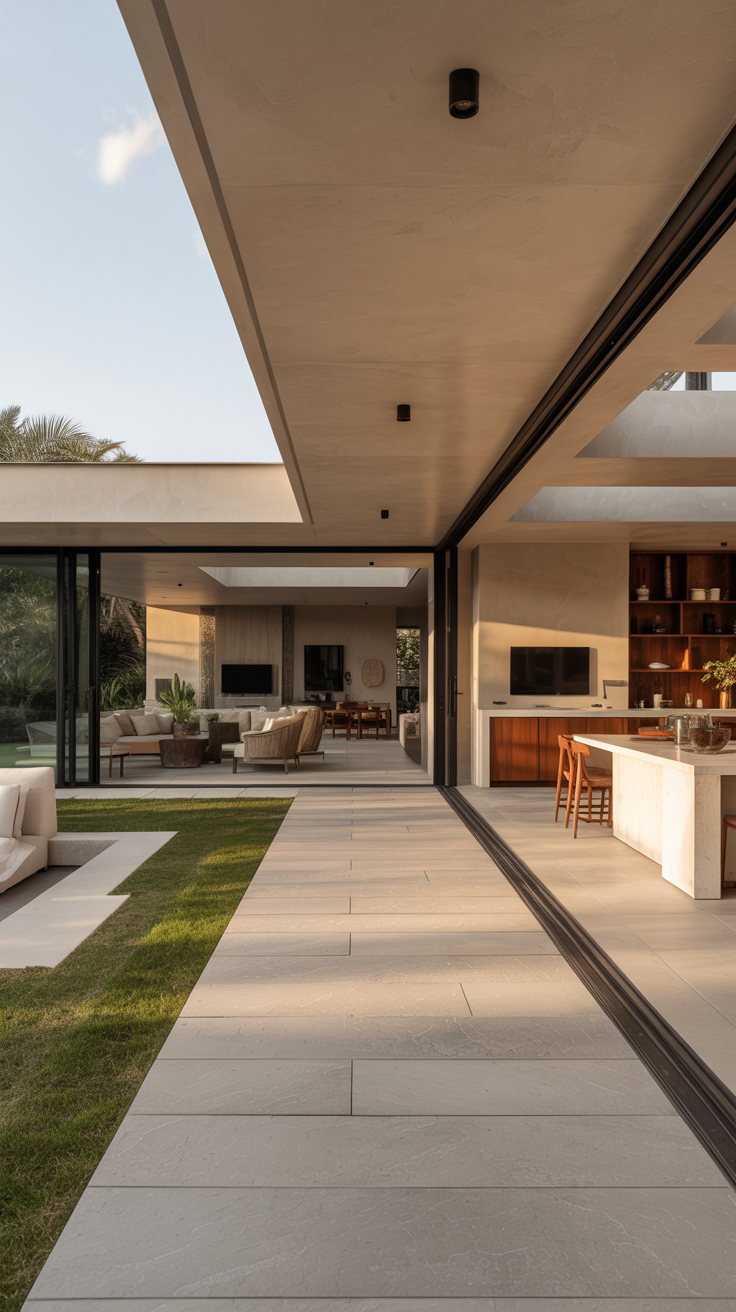
The Rise of the All-Weather Lounge
The most significant conceptual shift in 2026 patio design is the elevation of the outdoor space from a seasonal dining area to a year-round “second living room.” This evolution is driven by the desire for spaces that offer ultimate comfort regardless of the weather, and it represents a fundamental rethinking of what a patio is actually for.
Traditional outdoor furniture prioritized basic rain protection over ergonomic support and aesthetic appeal. The all-weather lounge of 2026 turns that logic on its head. Today, the focus is on creating luxurious outdoor living rooms that feature elements once strictly confined to indoor settings. We are seeing the widespread adoption of oversized modular outdoor sofas, plush area rugs, layered throw pillows, and even decorative artwork and bookshelves, all rendered fully weather-resistant through advanced material technology. High-performance fabrics that resist water, UV rays, and mildew allow homeowners to select pieces that look and feel as inviting as their indoor counterparts.
The design philosophy for the all-weather lounge is straightforward: if a piece of furniture does not look comfortable enough for a lazy weekend afternoon, it does not belong in the 2026 patio. Seating arrangements favor generous proportions and low, relaxed silhouettes. Deep-seated sectionals with adjustable backrests and built-in ottomans encourage people to settle in, rather than perch on the edge of their chair. This trend effectively expands the usable square footage of the home, turning the patio into a genuine gathering space for every season.
Biophilic Design: Nature as the Ultimate Architect
Biophilic design—the practice of connecting people and nature within our built environments—has moved from a niche architectural concept to a central pillar of 2026 patio trends. As urban sprawl and digital overload intensify, there is a profound psychological need to reconnect with the natural world. Research consistently shows that exposure to natural elements reduces cortisol levels, improves mood, and enhances creativity. In outdoor spaces, biophilic design goes beyond simply adding potted plants; it involves weaving nature’s rhythms, textures, and patterns into the very fabric of the patio.
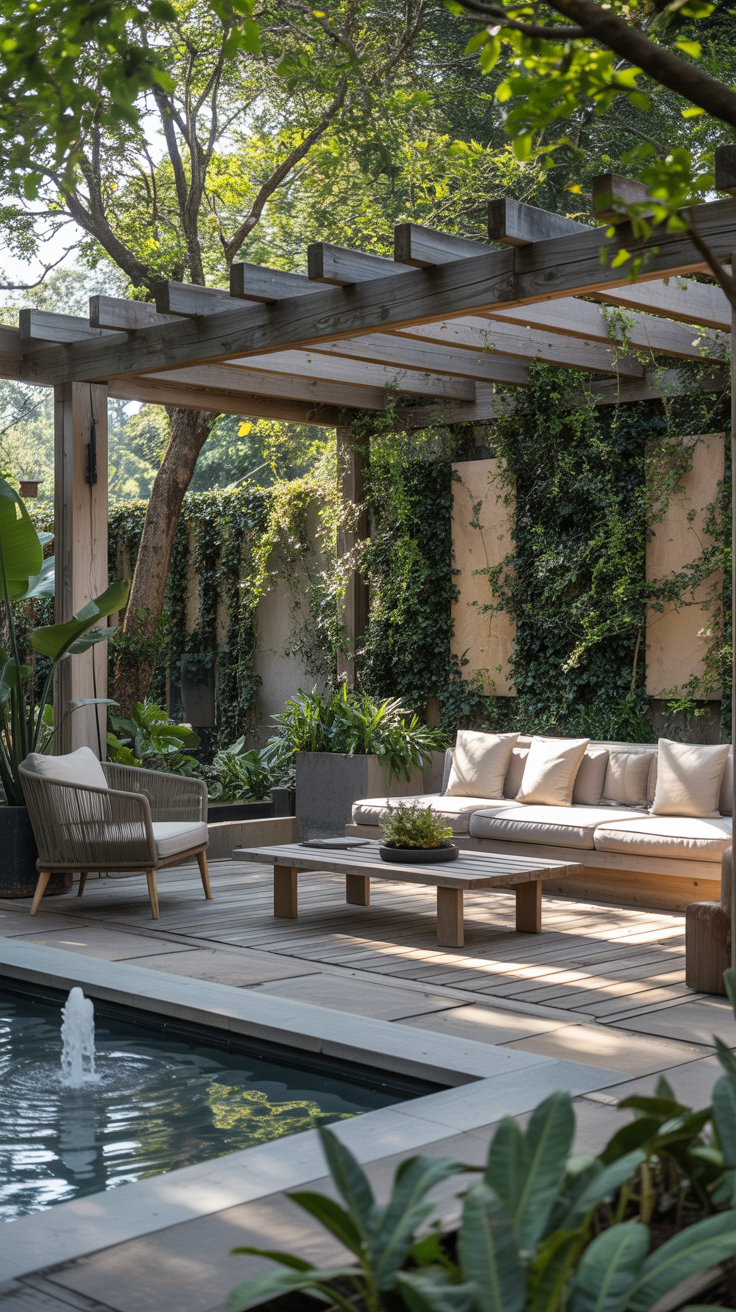
This year, we see a strong emphasis on creating immersive ecosystems. Vertical gardens and living walls are being used to soften the hard edges of fences and exterior walls, transforming them into lush, breathing tapestries of ferns, trailing vines, and flowering herbs. Water features—ranging from subtle bubbling fountains to integrated koi ponds and recirculating streams—are incorporated not just for visual appeal but for their acoustic benefits, masking urban noise and promoting tranquility.
Materials play a crucial role in biophilic design. There is a marked preference for organic, tactile surfaces such as reclaimed wood, natural stone, and woven rattan. These materials ground the space, providing a sensory contrast to the sleek screens and synthetic surfaces that dominate our indoor lives. The color palettes associated with this trend are equally rooted in nature, featuring muddy greens, warm terracottas, soft clay tones, and deep olive hues that harmonize with the surrounding landscape. Scent is also being considered as a design element, with aromatic plantings such as lavender, rosemary, and jasmine positioned near seating areas to engage another layer of the senses.
Architectural Pergolas and Smart Shade Solutions
As the patio becomes a primary living area, the need for reliable, adaptable shade and shelter has never been greater. In 2026, the pergola has evolved from a simple wooden structure into a sophisticated architectural feature that is as much a part of the home’s design language as any interior element.
Modern pergola designs are characterized by minimalist aluminum construction, offering crisp lines, refined proportions, and exceptional durability. High-grade aluminum allows for slimmer profiles and wider spans than traditional timber, enabling dramatic, uninterrupted forms that feel light and architecturally confident. Finished with high-quality European powder coating in monochromatic palettes in matte black, charcoal gray, pure white, or warm bronze, these structures complement both contemporary and transitional architecture.
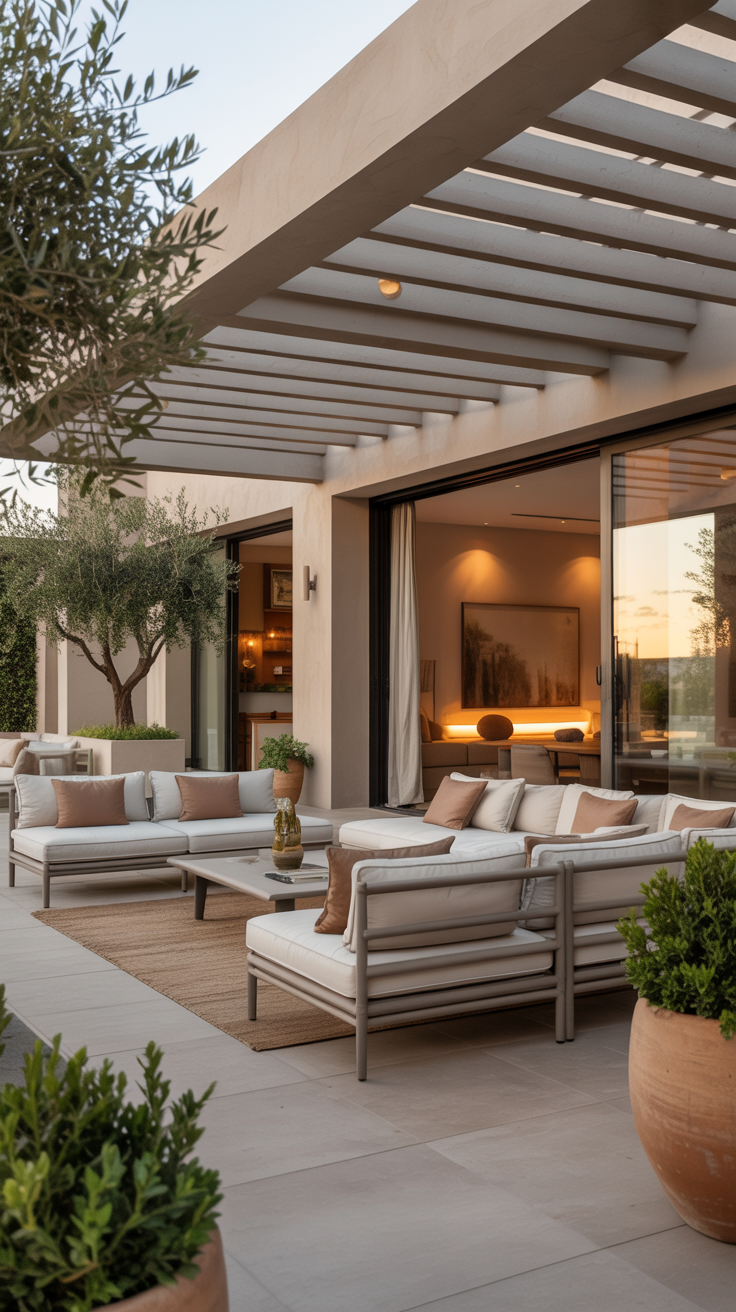
The standout feature of the 2026 pergola is the motorized louvered roof. These advanced systems allow homeowners to control light, airflow, and weather protection with precision. Using dual-walled, gapless louvers, the roof can rotate to track the sun, encourage ventilation, or seal tightly to provide complete rain protection at the touch of a button. This adaptability transforms the patio into a truly all-weather environment, extending its usability from the first warm days of spring through the cool evenings of autumn.
These structures are increasingly integrated with smart home technology. Automated systems can respond to changing weather conditions in real-time, closing the louvers at the first drop of rain or adjusting the angle to optimize shade throughout the day. Integrated LED lighting, infrared heating elements, and retractable screens are built directly into the pergola’s framework, ensuring that the space remains comfortable and inviting long after the sun goes down. The result is an outdoor environment that functions as an additional living space, designed with the same care and intention as the interior rooms it connects to.
The Evolution of the Outdoor Kitchen
Cooking and dining outdoors have reached new levels of sophistication in 2026. The outdoor kitchen is no longer just a standalone grill bolted to a concrete slab; it is a fully equipped culinary hub designed for both serious cooking and effortless entertaining. The trend is moving decisively away from massive, sprawling setups toward purposeful, highly functional designs that integrate seamlessly with the rest of the patio and the home’s interior.
Homeowners are prioritizing flow and usability above all else. The layout of the modern outdoor kitchen ensures that prep areas, cooking appliances, and landing spaces are logically arranged to support the natural rhythm of cooking. In addition to high-performance grills, we are seeing a surge in the popularity of outdoor pizza ovens, flat-top griddles, smokers, and specialized side burners. Wine refrigerators, under-counter ice makers, and deep sinks further elevate the outdoor kitchen to the level of a professional culinary station.
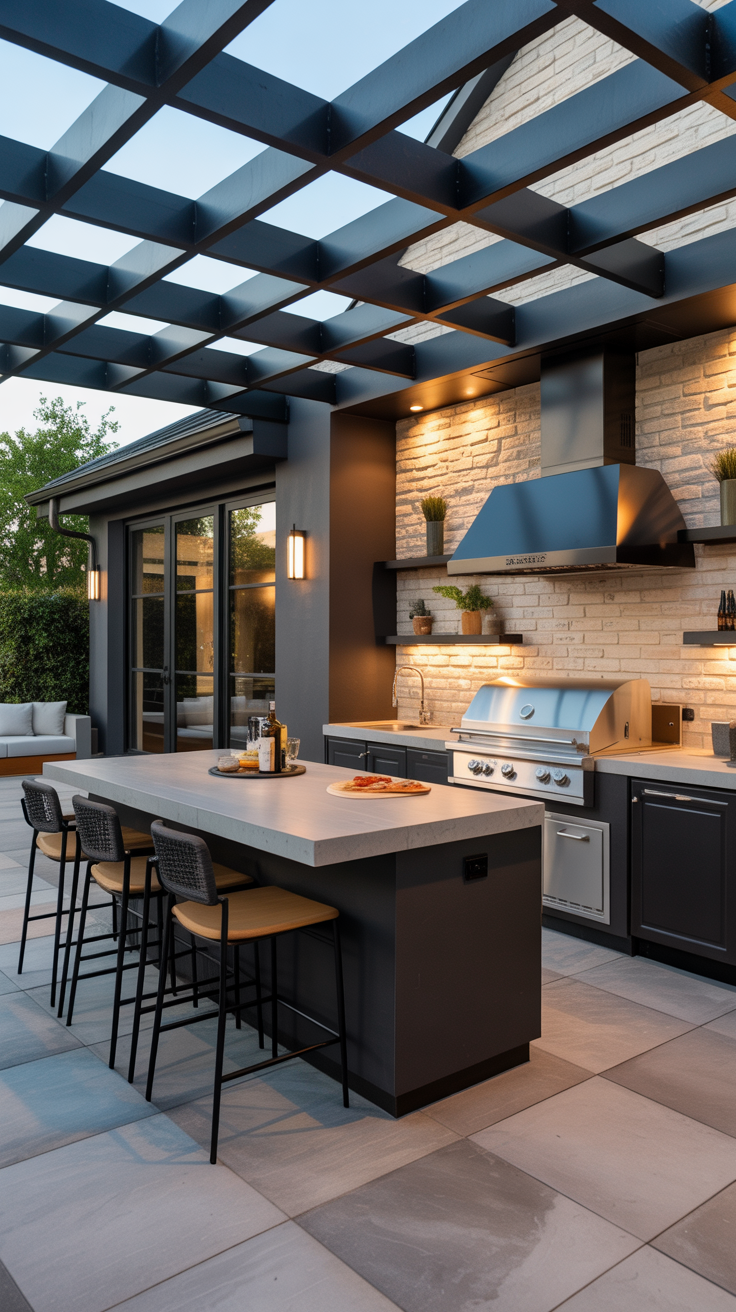
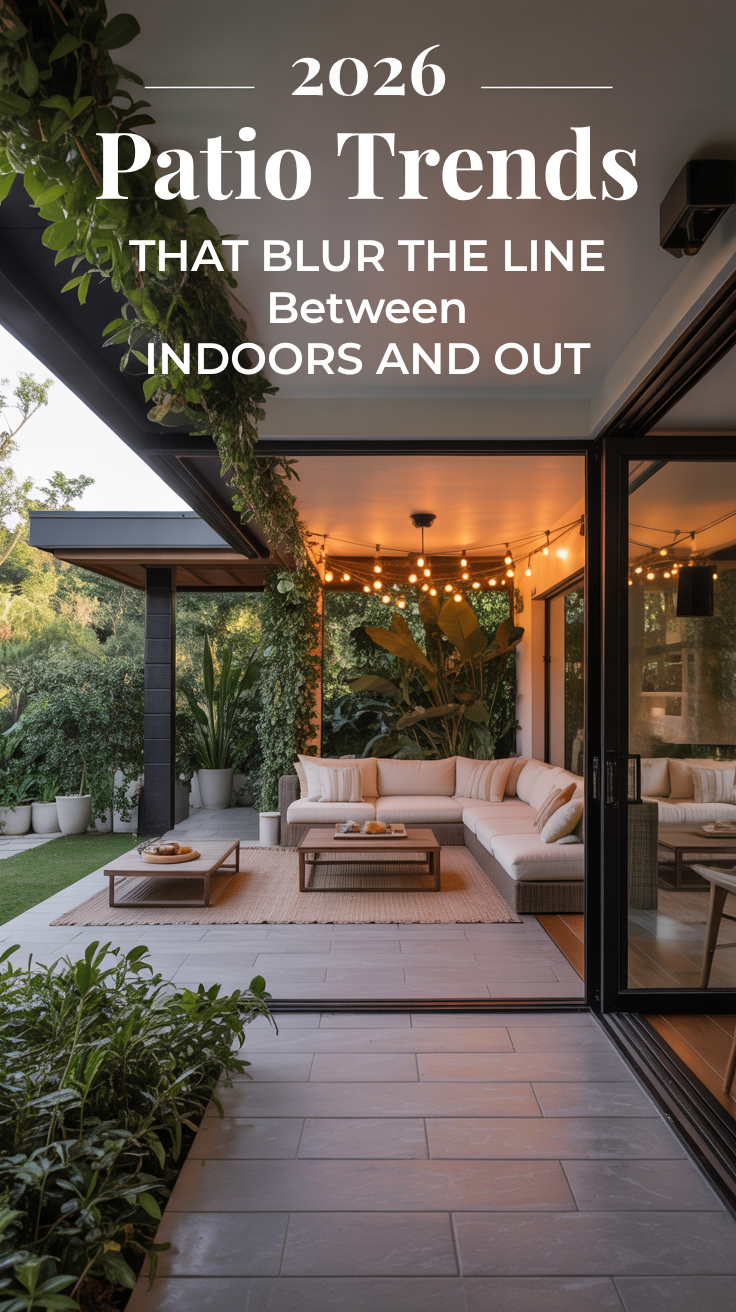
A key aspect of the 2026 outdoor kitchen is its visual integration with the home’s interior. Designers are using coordinated tones, complementary textures, and aligned architectural lines to create a sense of continuity. By echoing the materials and finishes used inside the house—matching the cabinetry style, countertop material, or tile palette—the outdoor kitchen feels like a natural extension rather than an isolated addition. This seamless transition is further enhanced by the use of continuous flooring materials that flow from the indoor kitchen directly out onto the patio, dissolving the visual boundary between the two spaces.
Shade and shelter are also integral to the modern outdoor kitchen. Pergolas, roof structures, and well-placed coverage protect both the people and the equipment from sun and rain, while also creating a defined “room” that anchors the cooking zone within the broader patio layout.
Flexible and Modular Layouts
As our homes are increasingly required to serve multiple functions, our outdoor spaces must follow suit. The rigid, matching furniture sets of the past have been replaced by flexible, modular layouts that can adapt to the changing needs of the day. In 2026, the guiding design philosophy is that furniture should adapt to life, rather than life adapting to furniture.
Modular outdoor sofas, standalone lounge chairs, and versatile ottomans allow homeowners to reconfigure their patios effortlessly. A space that serves as a quiet meditation nook or a sun-drenched home office in the morning can be easily transformed into a lively entertainment area or an outdoor cinema by evening. The “mix-and-match” approach is also gaining traction, with designers combining different materials and textures; smooth concrete with rough stone, sleek metal with plush fabric create layered, visually dynamic spaces that feel personal and unique.
This flexibility is particularly important for smaller patios and urban balconies. The “Bistro Culture” trend highlights the appeal of scaled-down dining zones, featuring elegant pedestal tables and foldable seating that maximize space without sacrificing style. These intimate setups evoke the charm of a Parisian street café or an Italian village piazza, proving that you do not need a sprawling backyard to create a sophisticated outdoor retreat. The key is in the curation: a few well-chosen pieces, arranged with intention, will always outperform a cluttered collection of mismatched furniture.
Sustainable and “Forever” Materials
Sustainability is no longer just a buzzword in 2026 patio design. It is a core performance metric. Homeowners are increasingly conscious of the environmental impact of their choices and are seeking materials that offer both ecological responsibility and long-term durability. This has given rise to the “Longevity Aesthetic”, a preference for materials that not only withstand the elements but actually improve in appearance as they age.
FSC-certified teak and reclaimed wood are highly sought after for their ability to weather naturally, developing a beautiful silvery-gray patina over time. Rather than applying paint or stain to mask the natural aging process, homeowners are embracing it, allowing the material to tell a story of time and exposure. Natu