

I remember the exact moment I realized my perfectly styled, cream-colored living room was a complete disaster for my actual life. It was a Tuesday afternoon, and my toddler had just discovered the joy of finger painting, not on paper, but on the side of my perfect linen sofa. As I frantically scrubbed at the bright blue streaks, I had an epiphany: a home can be beautiful, but if it doesn’t work for the people living in it, what’s the point?
This year, the design world seems to have finally caught up with that sentiment. As we move through 2026, the most exciting home trends aren’t about creating museum-like spaces or chasing fleeting aesthetics. Instead, they are deeply rooted in practicality, comfort, and the messy, wonderful reality of family life. We are seeing a massive shift toward homes that are resilient, flexible, and designed to support the way we actually live, rather than how we want our lives to look on social media.
If you are planning a renovation, a simple room refresh, or just dreaming about your future home, you are in luck. The trends dominating 2026 are all about making your life easier, your home cozier, and your spaces more adaptable. Let’s dive into the home trends that actually work for real families, focusing on solutions that bring both beauty and sanity to our daily routines.
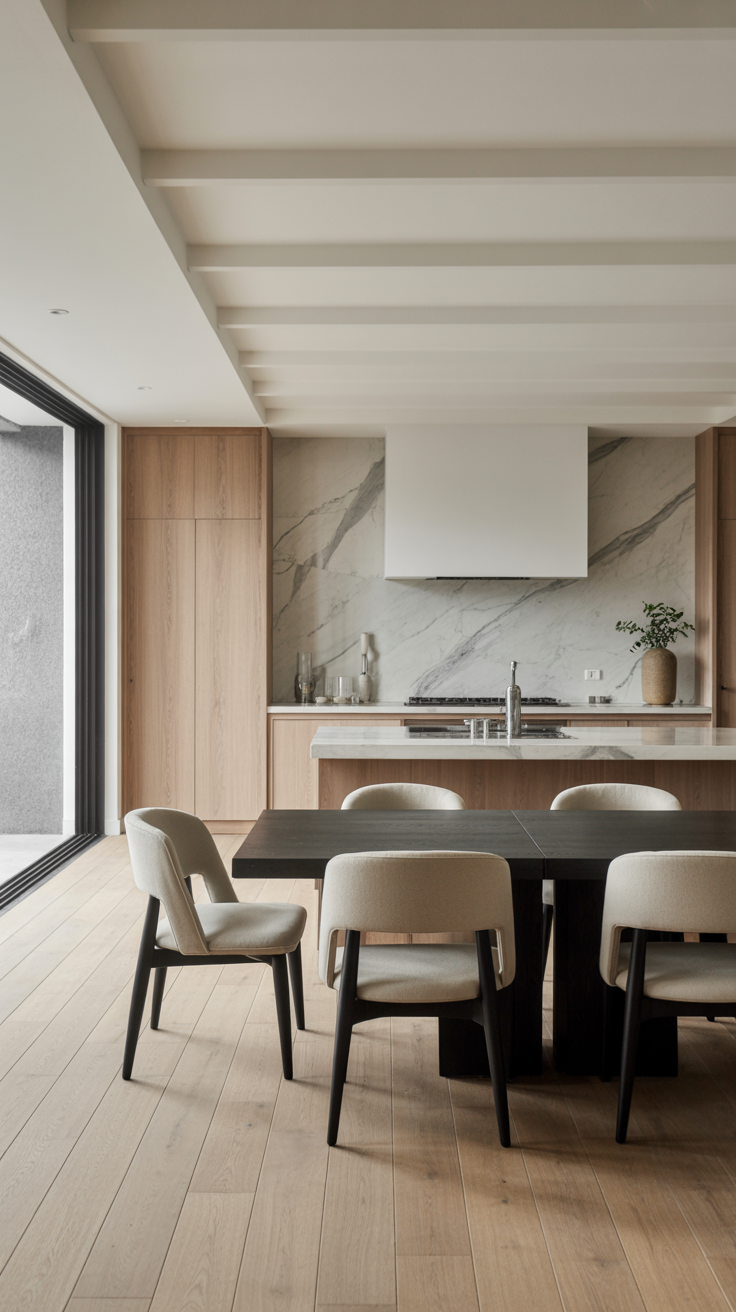
1. The Rise of Performance Fabrics Everywhere
For years, the holy grail of family living was finding a sofa that looked chic but could survive a spilled juice box. In 2026, that dream is a reality, and it extends far beyond the living room couch. Performance fabrics have undergone a massive evolution. They are no longer stiff, scratchy, or obviously synthetic. Today’s performance materials are virtually indistinguishable from high-end designer textiles.
We are seeing stain-resistant velvets, washable upholstery-grade linens, and incredibly soft bouclés that can withstand muddy paws, sticky fingers, and the inevitable coffee spill. These fabrics are being used on dining chairs, headboards, and even window treatments. The beauty of this trend is the freedom it provides. You no longer have to banish the kids from the “nice” room or cover your furniture in protective blankets. You can have the light-colored, textured sofa you’ve always wanted, knowing it is engineered to handle the chaos of daily life. This shift means that families can finally invest in beautiful furniture without the constant anxiety of ruining it, allowing for a more relaxed and enjoyable home environment. It is a game-changer for anyone who wants a stylish home but refuses to compromise on livability. The peace of mind that comes with knowing your furniture can survive a toddler’s tantrum or a teenager’s snack time is truly invaluable. It allows the home to be a place of relaxation rather than a source of constant stress.
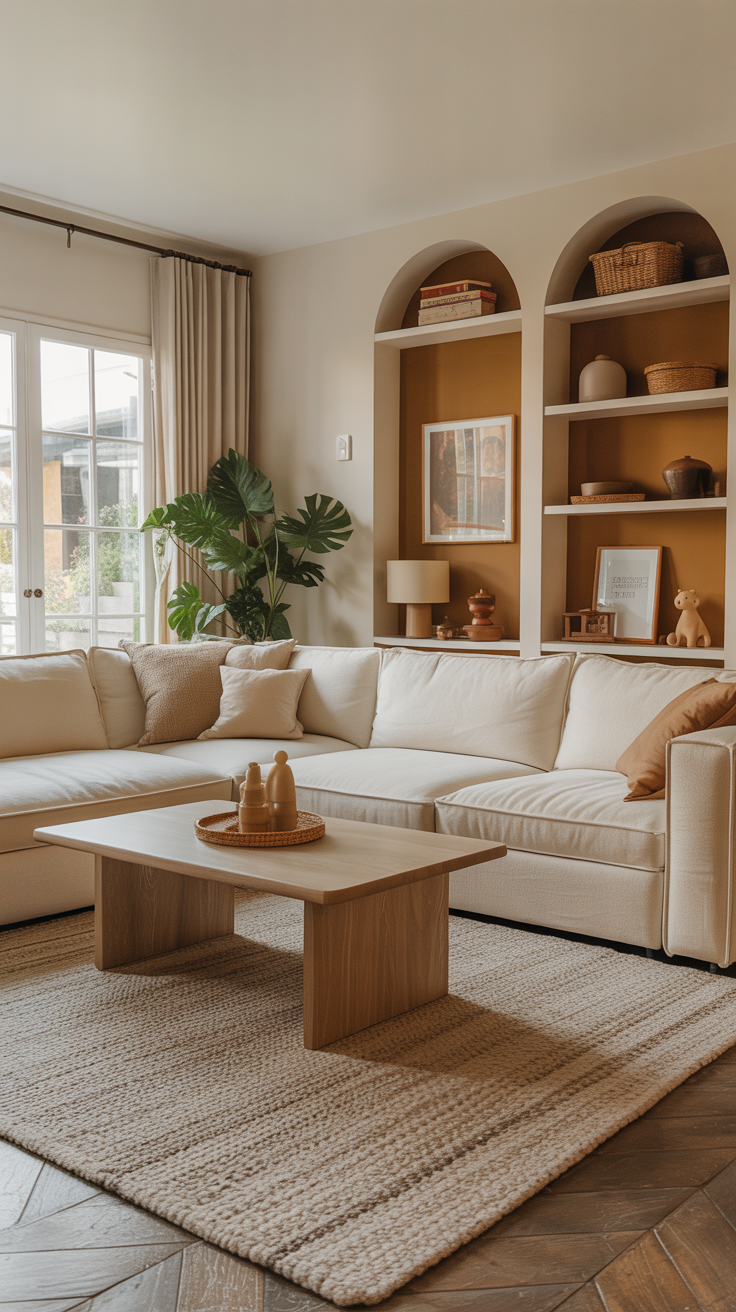
2. The “Command Center” Mudroom
The mudroom has always been a practical space, but in 2026, it is being elevated to the status of a “command center.” Families are realizing that a well-designed entry point is the key to keeping the rest of the house organized and calm.
These spaces are moving beyond a simple bench and a few hooks. Today’s mudrooms feature floor-to-ceiling custom cabinetry designed to hide the clutter of backpacks, sports equipment, and winter gear. We are seeing dedicated charging stations for tablets and phones, built-in dog washing stations, and even small desk areas for sorting mail and managing the family calendar. The focus is on creating a highly functional transition zone that catches the mess before it enters the main living areas. By investing in smart, closed storage in the mudroom, families are finding it much easier to maintain a tidy home. It is the first line of defense against the daily influx of stuff, and when designed well, it sets a peaceful tone for the rest of the house. A well-organized mudroom can genuinely reduce morning stress, making the rush out the door significantly smoother. It transforms a chaotic bottleneck into a streamlined system that supports the entire family’s daily routine. This level of organization is essential for busy families who need their homes to function efficiently.
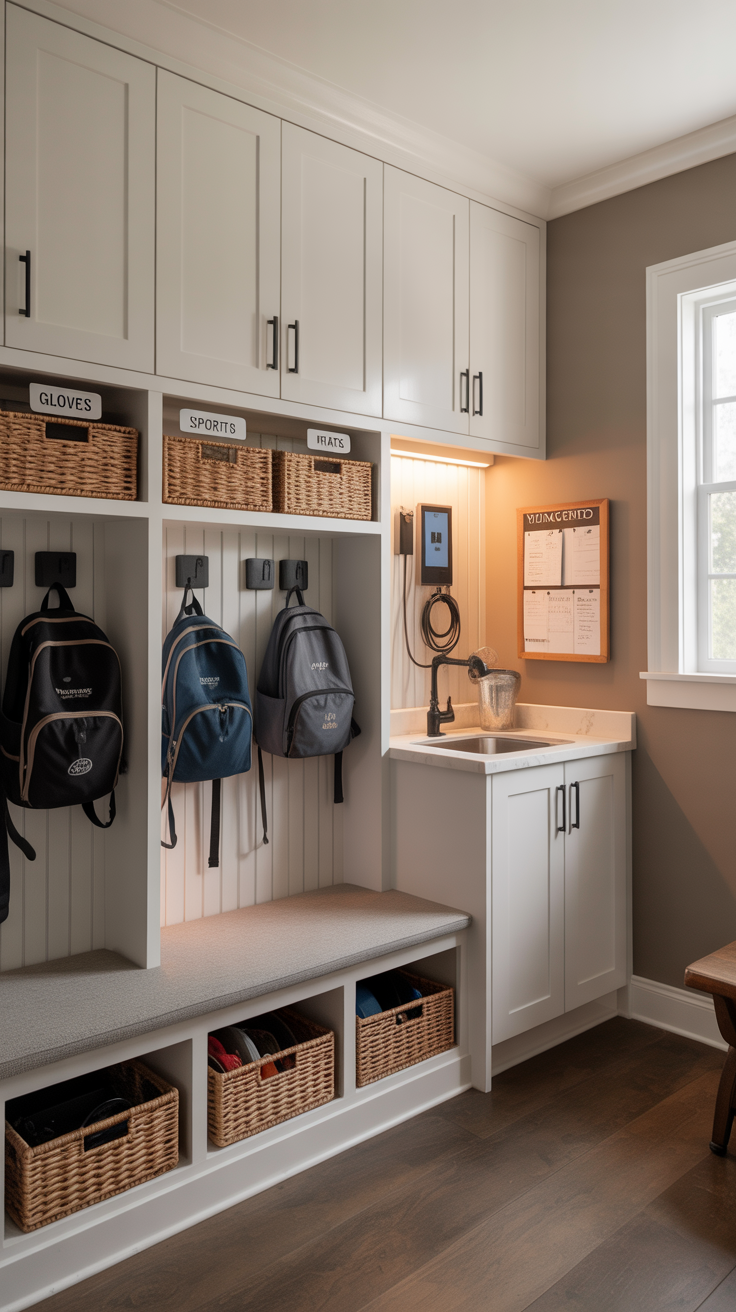
3. Warm, Earthy, and Forgiving Color Palettes
The era of the stark, all-white kitchen and the cool, gray living room is officially behind us. While these spaces looked stunning in photographs, they were notoriously difficult to keep clean and often felt a bit sterile. In 2026, the color palette has shifted dramatically toward warm, earthy tones that are inherently more forgiving and inviting.
Designers are embracing colors like terracotta, olive green, warm taupe, and deep mustard yellow. These hues not only hide minor scuffs and smudges better than stark white, but they also create a cozy, grounded atmosphere. We are seeing a lot of “color drenching,” where the walls, trim, and even the ceiling are painted in the same rich color. This technique creates a cocooning effect that feels incredibly comforting at the end of a long, chaotic day. It is a palette that says, “Come in, relax, and don’t worry about making a mess.” These colors also pair beautifully with the natural materials that are so popular right now, creating a cohesive and deeply comforting aesthetic. They bring a sense of the outdoors inside, fostering a connection to nature that is both calming and resilient. This shift towards warmer tones reflects a broader desire for homes that feel nurturing and emotionally supportive, providing a stark contrast to the often chaotic world outside. It is a return to colors that evoke a sense of safety and comfort, transforming the home into a true haven.
4. Flexible and Multi-Use Spaces
The way we use our homes has changed fundamentally over the last few years, and the rigid, single-use room is becoming a thing of the past. Families need spaces that can adapt to their shifting needs throughout the day and over the years.
In 2026, flexibility is a top priority. We are seeing dining rooms that double as homework stations, with built-in storage for school supplies. Guest rooms are being outfitted with high-quality Murphy beds or sleeper sofas so they can function as home offices or playrooms 90% of the time. Even living rooms are being designed with distinct “zones”, a cozy area for watching movies, a quiet corner for reading, and an open space for playing games. This trend is all about maximizing the square footage you have and ensuring that every room works hard for your family. It acknowledges that family life is dynamic, and our homes need to be able to pivot just as quickly as we do. By designing for multiple uses, we create homes that can grow and evolve alongside our families. This adaptability is crucial for long-term satisfaction, ensuring that the home remains functional even as the children grow and the family’s lifestyle changes. It is a smart approach to design that maximizes both space and utility.
5. The Evolution of the Open Concept
The open-concept floor plan has been the gold standard for family homes for decades, allowing parents to keep an eye on the kids while cooking dinner. However, the reality of a completely open home is that it can be noisy, chaotic, and lacking in privacy.
In 2026, we are seeing a more nuanced approach to the open concept. Families still want the flow and connection of open spaces, but they also want the ability to close things off when needed. This is being achieved through the use of “broken plan” designs. We are seeing large, sliding barn doors, glass partitions, and strategically placed bookcases used to create distinct zones within an open area. This allows for visual connection while providing acoustic separation. It means you can have the kids playing in the living room while you take a quiet phone call in the adjacent dining area, offering the best of both worlds. It is a more mature, practical take on the open floor plan that respects the need for both togetherness and individual space. It provides the flexibility to manage noise levels and visual clutter, which is essential for maintaining sanity in a busy household. This balanced approach allows families to enjoy the benefits of open living without sacrificing the peace and quiet that separate rooms provide.
6. Double Kitchen Islands
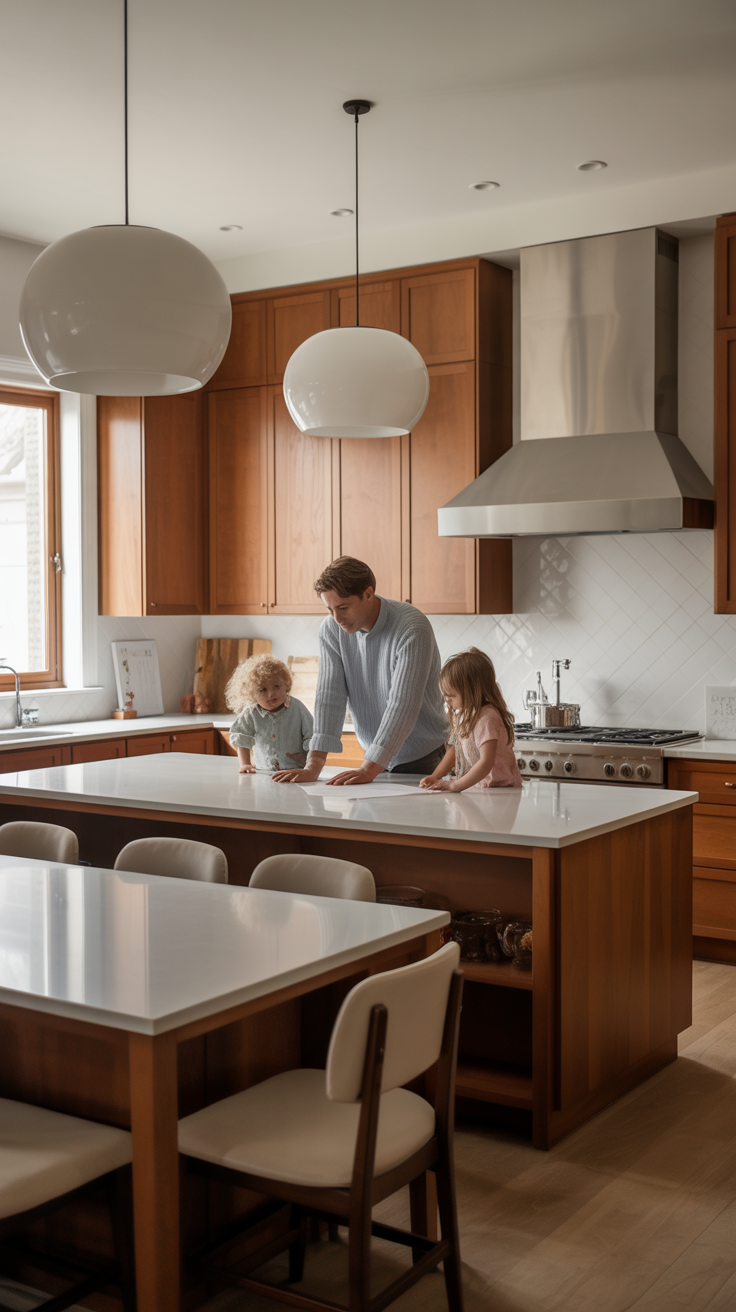
If you have the space, the double kitchen island is the ultimate family-friendly luxury in 2026. The kitchen is the undisputed heart of the home, and a single island often becomes a chaotic catch-all for mail, homework, meal prep, and casual dining.
The double island solves this problem by separating functions. One island is dedicated entirely to the “work” of the kitchen—prep space, the sink, and perhaps the dishwasher. The second island is designed for gathering, featuring comfortable seating, space for homework, and an area for serving buffet-style meals. This layout keeps the cook out of the traffic flow while still allowing the family to be together in the same space. It is a highly practical solution for busy households that love to entertain or simply spend a lot of time in the kitchen. It transforms the kitchen from a mere cooking space into a true living area, accommodating multiple activities simultaneously without feeling cramped or chaotic. The double island concept recognizes that the kitchen is no longer just for cooking; it is the central hub of family life, and it needs the infrastructure to support that role. It is a design choice that significantly enhances the functionality and social aspect of the kitchen.
7. Durable, Natural Materials
When it comes to finishes and surfaces, families are moving away from delicate, high-maintenance materials and embracing durability. But durability in 2026 doesn’t mean sacrificing style. There is a strong trend toward natural materials that are tough enough to handle daily wear and tear and actually look better as they age.
We are seeing a resurgence of medium and dark wood tones, like walnut and white oak, which hide scratches and dents better than painted finishes. For countertops, families are opting for durable quartz or heavily veined natural stones like quartzite, which offer the beauty of marble without the constant worry of etching and staining. Floors are featuring wide-plank engineered hardwoods or luxury vinyl plank (LVP) that can withstand spills, dropped toys, and heavy foot traffic. The goal is to choose materials that are resilient and forgiving, allowing you to live in your home without constantly worrying about ruining it. These materials bring a sense of permanence and quality to the home, grounding the space in natural beauty while standing up to the rigors of family life. They offer a timeless appeal that won’t need to be replaced every few years, making them a smart investment for the long haul. It