

The bedroom has always been a sanctuary, but in 2026, it is undergoing a profound transformation. Moving away from the stark minimalism and cool grays of the past decade, today’s luxury bedrooms are defined by warmth, intentionality, and a deep connection to wellness. The concept of luxury itself has shifted. It is no longer about ostentatious displays of wealth or rigid, hotel-like perfection. Instead, “quiet luxury” reigns supreme. It is a design philosophy that prioritizes the quality of materials, the thoughtfulness of the layout, and the sensory experience of the space.
In 2026, a luxurious bedroom is one that feels deeply personal, incredibly comfortable, and effortlessly sophisticated. It is a space designed not just for sleeping, but for restoration, reflection, and retreat from an increasingly fast-paced world. From the resurgence of rich, dark woods to the integration of invisible technology and biophilic design, the trends shaping this year’s most coveted bedrooms are all about creating a cocooning, multi-sensory environment.
Whether you are planning a complete renovation or looking for subtle ways to elevate your current space, understanding these shifts can help you create a room that truly supports your well-being. The modern bedroom is a holistic environment where every element, from the lighting to the textiles, works in harmony to promote relaxation and rejuvenation. It is a space that caters to both the physical need for rest and the emotional need for comfort and security. Here are the 12 bedroom trends making homes feel more luxurious in 2026.
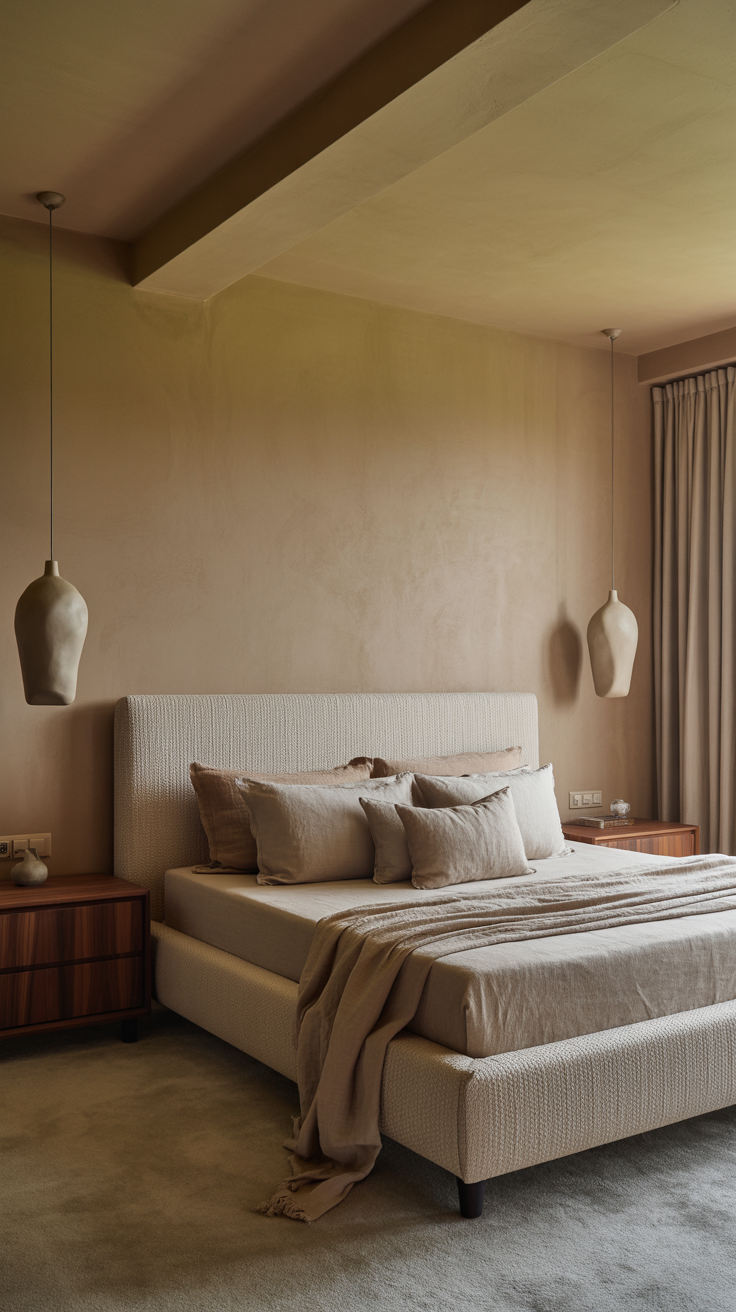
1. The Rise of “Quiet Luxury” and Intentional Restraint
The overarching theme of 2026 interior design is “quiet luxury.” Borrowed from the fashion world, this concept in interiors translates to spaces that do not try too hard. It is the antithesis of “fast furniture” and trend-chasing. Instead, quiet luxury focuses on restraint, exceptional craftsmanship, and materials that age beautifully.
In the bedroom, this means moving away from loud statement walls, overly branded decor, or anything that feels mass-produced. The luxury is found in the weight of a solid brass door handle, the subtle texture of a limewash wall, or the perfect drape of heavy linen curtains. The room is edited, not emptied. Every piece of furniture, every textile, and every light fixture is chosen with intention. This approach creates a space that feels settled, timeless, and inherently calming. The focus is on depth rather than noise, resulting in a bedroom that feels like a true retreat. It is about investing in pieces that will last a lifetime, rather than items that will be discarded when the next trend arrives. This philosophy encourages a slower, more mindful approach to decorating, where the story behind a piece is just as important as its appearance. The result is a bedroom that feels authentic, grounded, and deeply personal, reflecting the unique tastes and values of the people who inhabit it. It is a rejection of the superficial in favor of the substantial, creating spaces that resonate on a deeper level.
2. Warm, Earthy, and “New Neutral” Color Palettes
The era of cool, sterile grays and stark whites is officially over. In 2026, the “new neutrals” are taking over, bringing much-needed warmth and grounding energy to the bedroom. Designers are favoring creamy taupes, clay-toned beiges, soft caramels, and chalky off-whites. These colors create an inviting foundation that feels cozy rather than austere, reflecting the natural light in a way that softens the entire room.
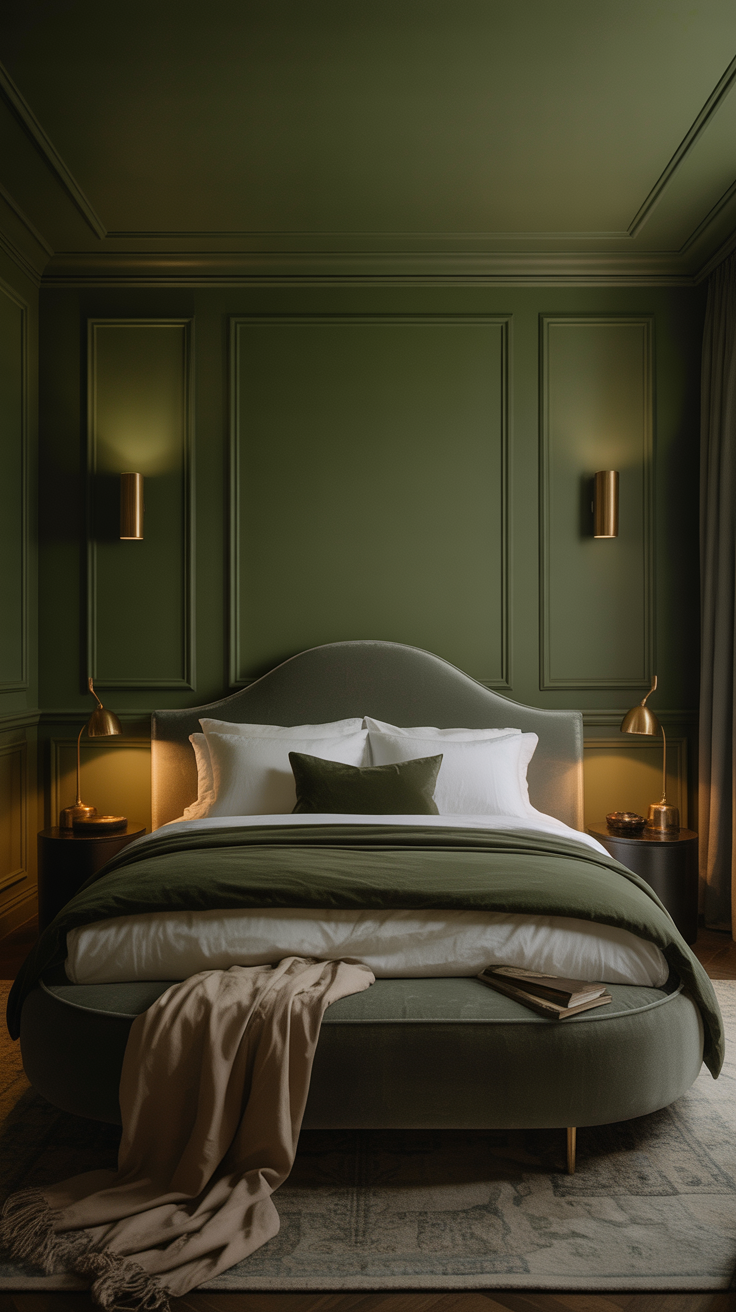
Beyond neutrals, richer, nature-inspired palettes are also dominating luxury spaces. Deep, cocooning colors like olive green, terracotta, deep burgundy, and inky blues are being used to create dramatic yet soothing environments. These colors are often applied using a “color drenching” technique, where the walls, trim, doors, and sometimes even the ceiling are painted in the same rich hue. This enveloping approach blurs the boundaries of the room, making it feel like a warm, protective embrace at the end of the day. It eliminates the visual interruption of contrasting trim, allowing the eye to rest and the mind to unwind. The result is a space that feels both expansive and incredibly intimate. This shift towards warmer, more saturated colors reflects a broader desire for homes that feel nurturing and emotionally supportive, providing a stark contrast to the often chaotic world outside. It is a return to colors that evoke a sense of safety and comfort, transforming the bedroom into a true haven.
3. Biophilic Design and the Indoor-Outdoor Connection
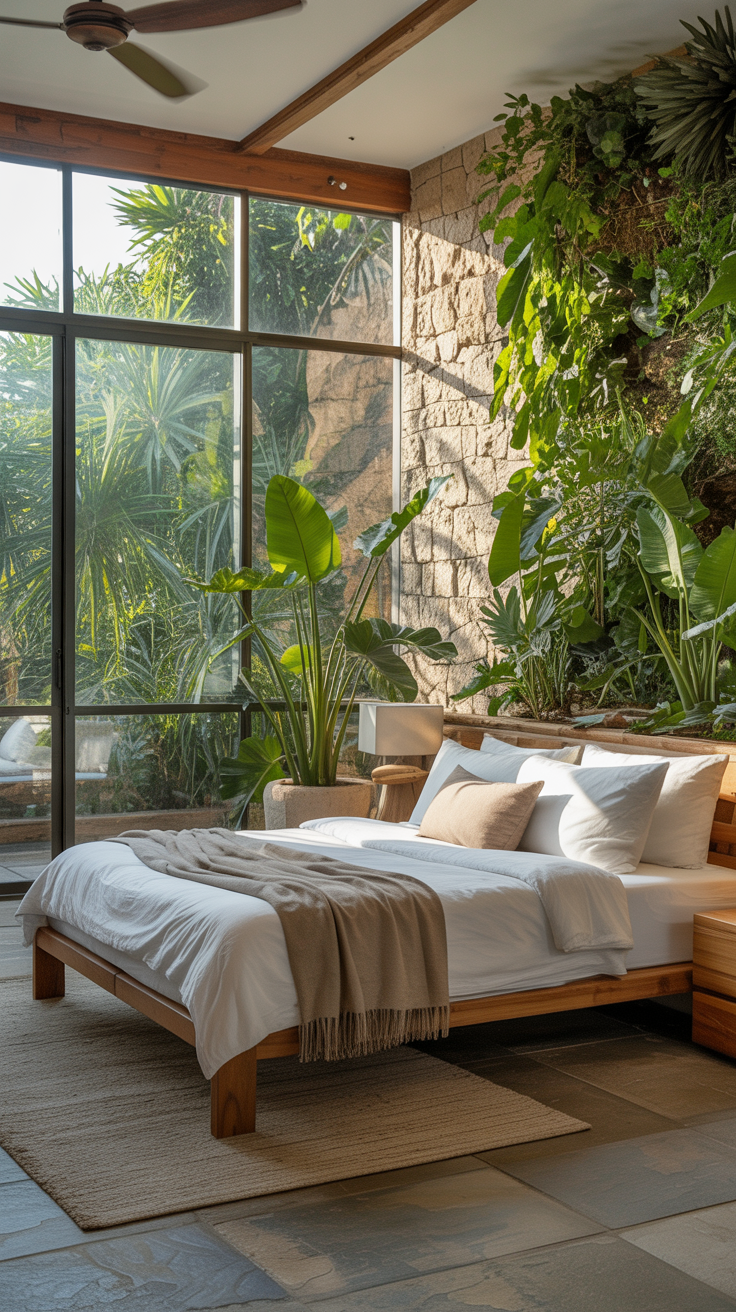
Biophilic design, or the practice of connecting indoor spaces to the natural world, is a major luxury trend in 2026. Research has shown that biophilic environments can significantly reduce stress, lower heart rates, and improve sleep quality, making this trend as much about wellness as it is about aesthetics.
In luxury bedrooms, this goes far beyond simply placing a potted plant in the corner. It involves maximizing natural light through oversized or floor-to-ceiling windows that blur the line between inside and out. It includes the use of natural, raw materials like unlacquered stone, reclaimed wood, and organic textiles that bring the textures of the earth indoors. Living walls, indoor gardens, and curated plant ledges with integrated lighting are becoming focal points. The goal is to create a space that feels alive and deeply connected to the rhythms of nature, fostering a sense of peace and tranquility. Even in urban environments, designers are finding ways to incorporate nature, whether through landscape-inspired artwork, botanical wallpapers, or the strategic placement of mirrors to reflect outdoor views. This connection to nature is not just a visual preference; it is a fundamental human need that, when met, profoundly enhances the luxurious feel of a space. It reminds us of our place in the natural world, offering a grounding perspective that is essential for true relaxation.
4. Upholstered and Sculptural Statement Beds
The bed is the undisputed centerpiece of the room, and in 2026, it is softer and more sculptural than ever. Upholstered beds have become the standard for luxury, replacing hard wooden or metal frames with inviting, tactile surfaces that prioritize comfort.
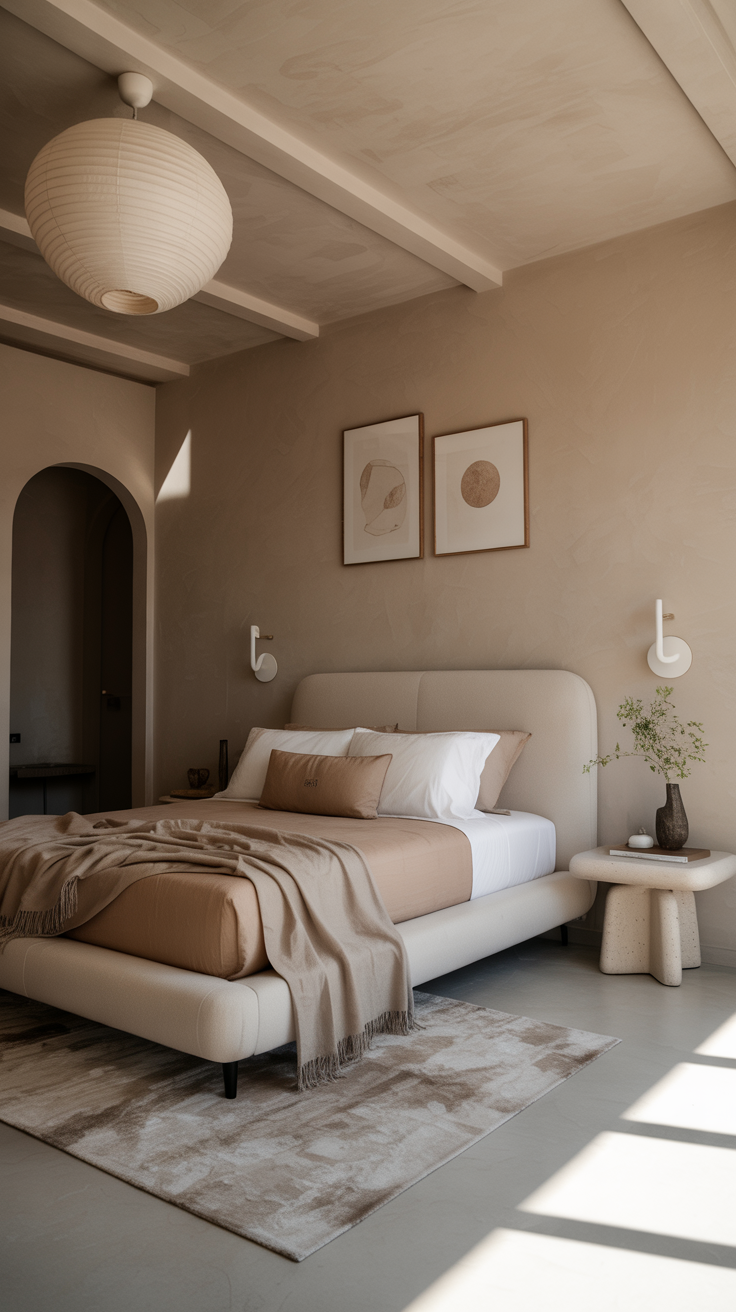
This year, headboards are oversized, often reaching toward the ceiling or extending horizontally to encompass the nightstands, creating a unified, built-in look. Curved silhouettes, arched designs, and channel tufting are incredibly popular, adding visual interest and a sense of softness that contrasts with the straight lines of the room’s architecture. Performance fabrics like velvet, boucle, and thick woven linens are the materials of choice, offering both durability and a sumptuous feel. These statement beds act as a plush anchor for the room, inviting you to sink in and relax. They are not just pieces of furniture; they are architectural elements that define the space and set the tone for the entire room. The emphasis on upholstery also contributes to the acoustic comfort of the bedroom, absorbing sound and creating a quieter, more serene environment conducive to restful sleep. The bed becomes a luxurious cocoon, a soft landing place at the end of a long day.
5. The Return of Dark Woods and Mixed Tones
After years of light oak and whitewashed finishes dominating the market, rich, dark woods are making a triumphant return. Walnut, espresso, mahogany, and charred oak are bringing depth, warmth, and a touch of traditional elegance back to the bedroom. These darker tones add a sense of history and gravitas that lighter woods often lack.
However, the application is decidedly modern. Rather than matching bedroom sets, which can feel heavy, predictable, and dated, designers are mixing wood tones to create a curated, collected look. A dark walnut bed frame might be paired with lighter oak flooring or a vintage mahogany dresser placed alongside modern, neutral nightstands. This mixing of tones adds character and visual interest, making the space feel as though it has evolved organically over time. It requires a more thoughtful approach to design, balancing warm and cool tones to ensure the room feels cohesive rather than chaotic. The resurgence of dark woods also pairs beautifully with the warmer color palettes and rich textures that define 2026 luxury, creating a sophisticated and deeply inviting atmosphere. It is a nod to classic design principles, reinterpreted for a contemporary lifestyle.
6. Tactile Surfaces and Immersive Textures
In 2026, luxury is something you can feel. The trend of “immersive texture” is replacing flat, painted walls and smooth surfaces with materials that invite touch. Bedrooms are becoming highly tactile environments, engaging the senses in a way that promotes relaxation and grounding.
This is seen in the widespread use of Venetian plaster and limewash on walls, which create a subtle, suede-like finish that shifts beautifully in the light, adding depth without the need for bold colors. Fluted and reeded millwork is being used on custom cabinetry, wall panels, and furniture to add architectural depth and rhythm. The layering of textiles is also crucial, mixing heavy linen drapery, bouclé seating, velvet cushions, and chunky wool throws. This rich layering of textures creates a cocooning effect, making the bedroom feel incredibly cozy and sophisticated. It is about creating a space that feels as good as it looks, where every surface offers a different sensory experience. This focus on tactility is a direct response to our increasingly digital lives, providing a much-needed physical connection to our physical surroundings. It encourages us to slow down and appreciate the material world, enhancing the overall sense of luxury and well-being.
7. Sleep-Centric and Wellness-Driven Design
The most luxurious bedrooms in 2026 are designed with a singular, primary goal: optimizing sleep and supporting overall wellness. The bedroom is increasingly viewed as a recovery space, and design choices are reflecting this shift, moving beyond mere aesthetics to focus on performance.
This “sleep-first” approach includes investing in high-performance, temperature-regulating bedding made from sustainable materials like eucalyptus, bamboo fibers, or high-quality linen. It involves acoustic design, using heavy drapery, upholstered walls, and plush rugs to dampen sound and create a quiet sanctuary. Blackout solutions are seamlessly integrated into window treatments to ensure complete darkness. Furthermore, luxury bedrooms are incorporating dedicated wellness zones, a quiet corner for meditation, a space for a yoga mat, or even integrated red-light therapy panels. The luxury lies in how the room makes you feel and how well it helps you recharge, recognizing that true luxury is a good night’s sleep. This holistic approach to bedroom design acknowledges that our physical environment plays a crucial role in our mental and physical health. It is a proactive approach to wellness, ensuring that the bedroom actively contributes to our overall vitality.