The outdoor spaces that feel easiest to enjoy are rarely the ones finished in a single ambitious project. They evolve in layers: a better place to sit, an appealing path through the garden, a little shade, and a few details that keep the setting useful after the sun goes down.
This collection is designed to help you shape those layers in an order that makes sense for your home. Mix practical improvements with a few playful touches, and let the way you gather, garden, and unwind guide your choices. The result can be a backyard with a stronger sense of comfort and personality all summer long.
1. Cluster Containers for Instant Color
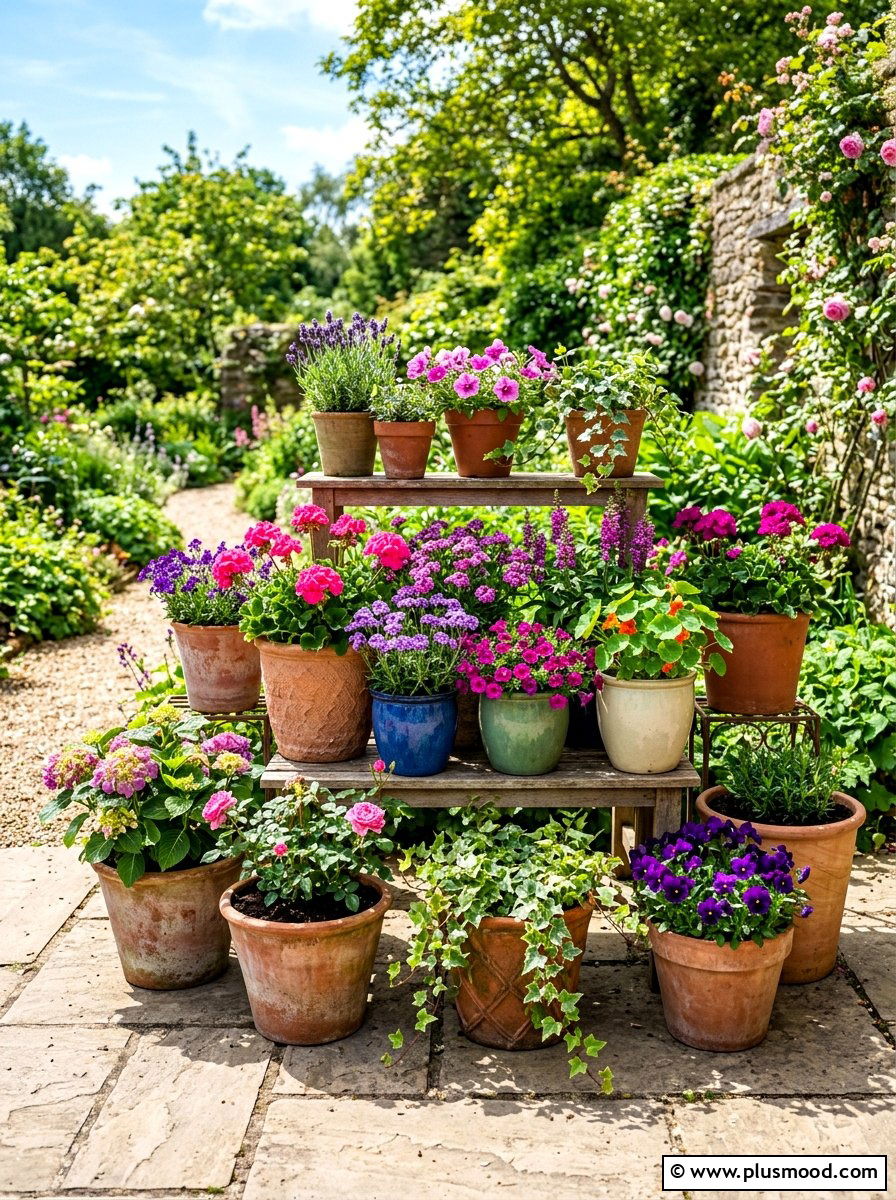
Pots make it possible to refresh an entry, patio edge, or bare corner without changing the landscape permanently. Combine three containers in different heights, then repeat one plant color or leaf texture to make the group feel composed rather than random.
Key Details
- Use containers with drainage holes.
- Group plants with comparable light and watering needs.
Pro Tip: Place the tallest container slightly behind the others so every plant remains visible from the main seating area.
2. Carve Out a Table for Two
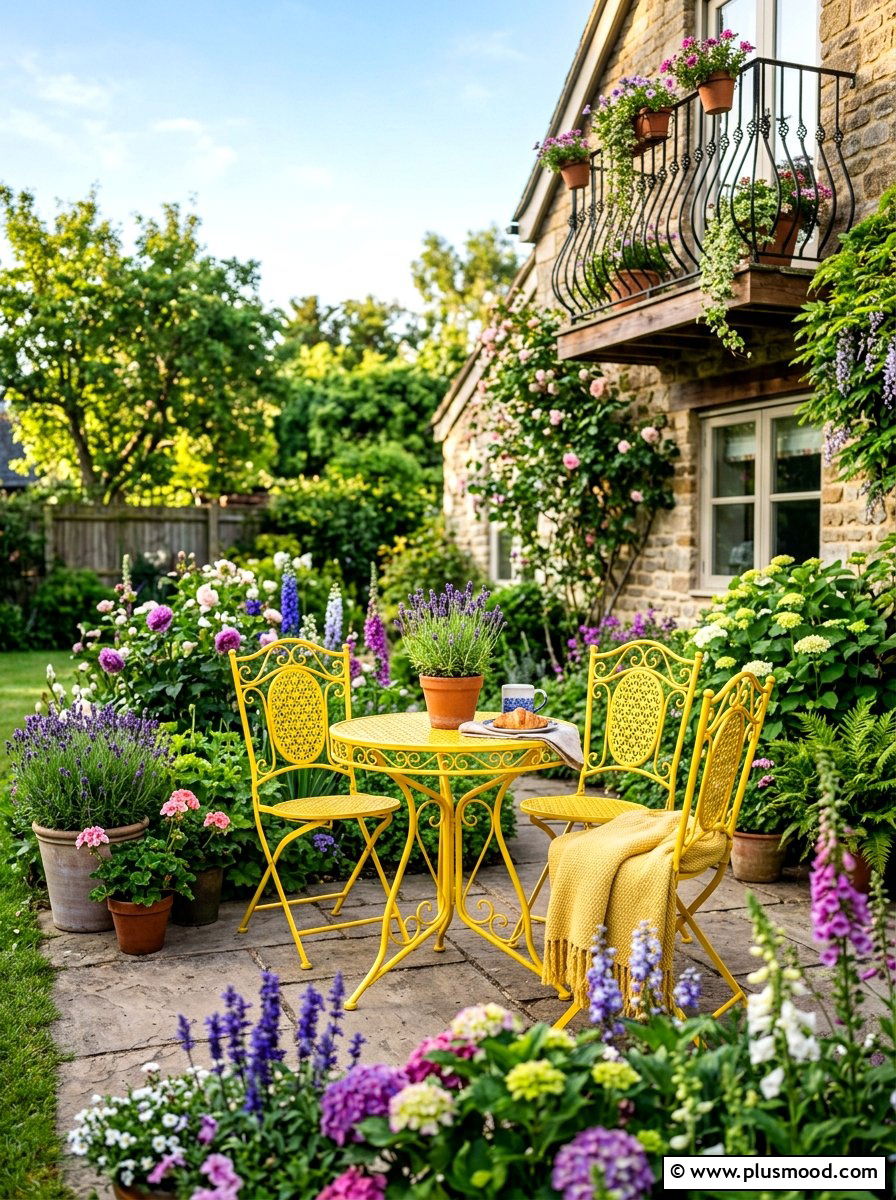
A small bistro set creates a useful destination even in a narrow side yard or on a modest patio. It is ideal for coffee, an evening drink, or a quiet meal away from the busier parts of the house.
Key Details
- Choose folding pieces if the area serves more than one purpose.
- Keep the set on a level, stable surface.
Pro Tip: Add one oversized planter nearby to give the compact arrangement a sense of privacy.
3. Make Dining Outdoors Feel Deliberate
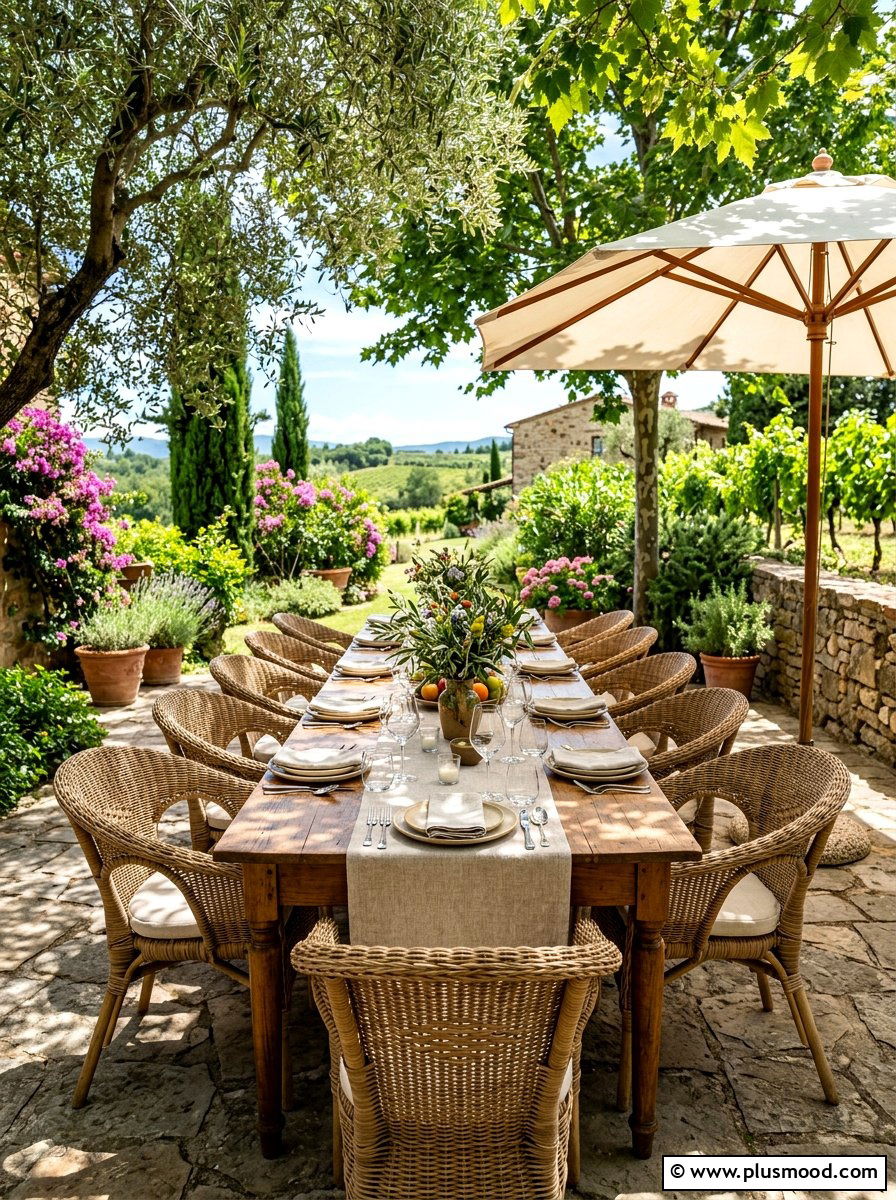
A dedicated table changes an outdoor meal from an improvised picnic into an experience people want to repeat. Shade, comfortable chairs, and a nearby place to set serving dishes will do more for the space than an elaborate centerpiece.
Key Details
- Leave room to pull chairs back comfortably.
- Use a washable tablecloth or placemats for easy clean-up.
Pro Tip: Keep a lidded bin close by with napkins, outdoor-safe utensils, and bug spray.
4. Give an Aging Deck a Fresh Foundation
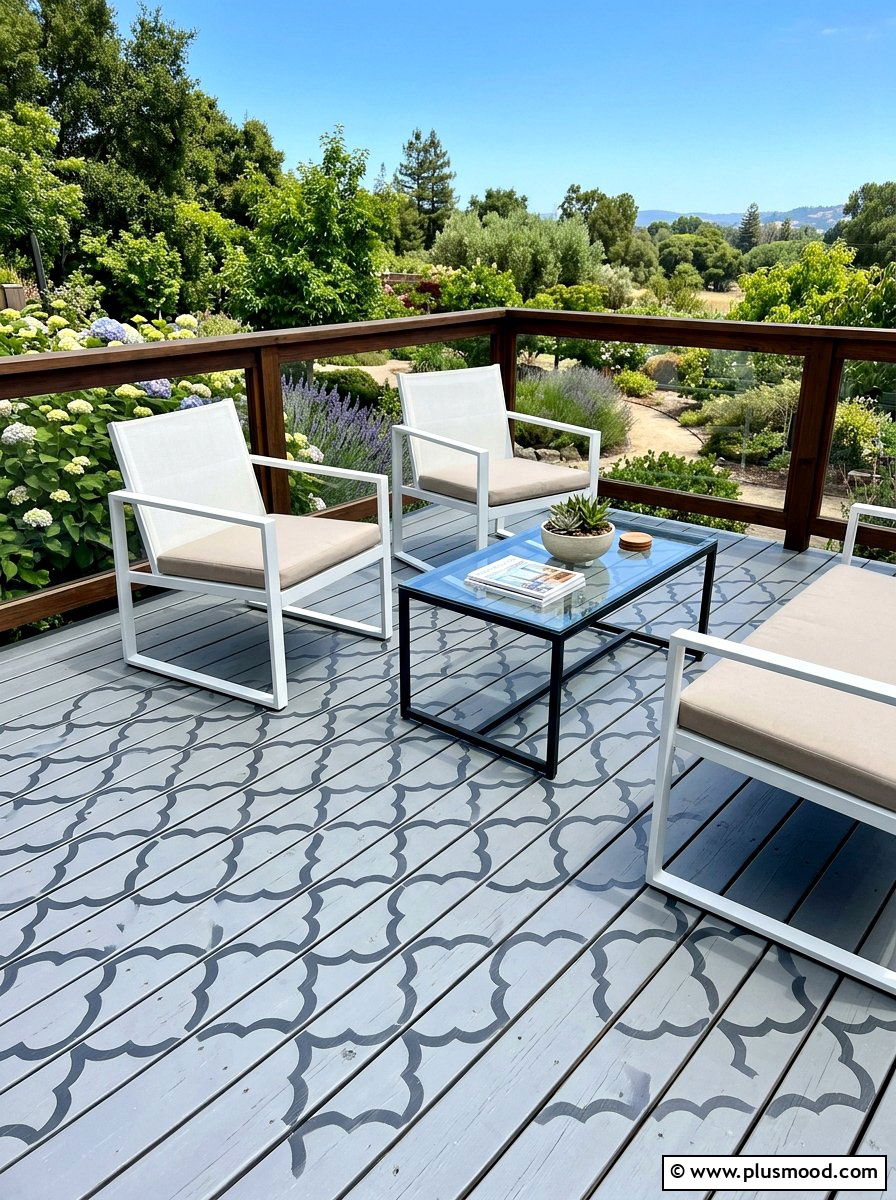
A new exterior coating can make a worn deck feel cleaner and more current before any furniture changes are made. Careful cleaning, repairs, and the right product for horizontal wood are the essential steps behind a finish that lasts.
Key Details
- Repair loose boards and popped fasteners first.
- Check the forecast for a dry application window.
Pro Tip: Sample colors on an inconspicuous board because bright outdoor light can shift their appearance dramatically.
5. Mark the Way With Small Solar Lights
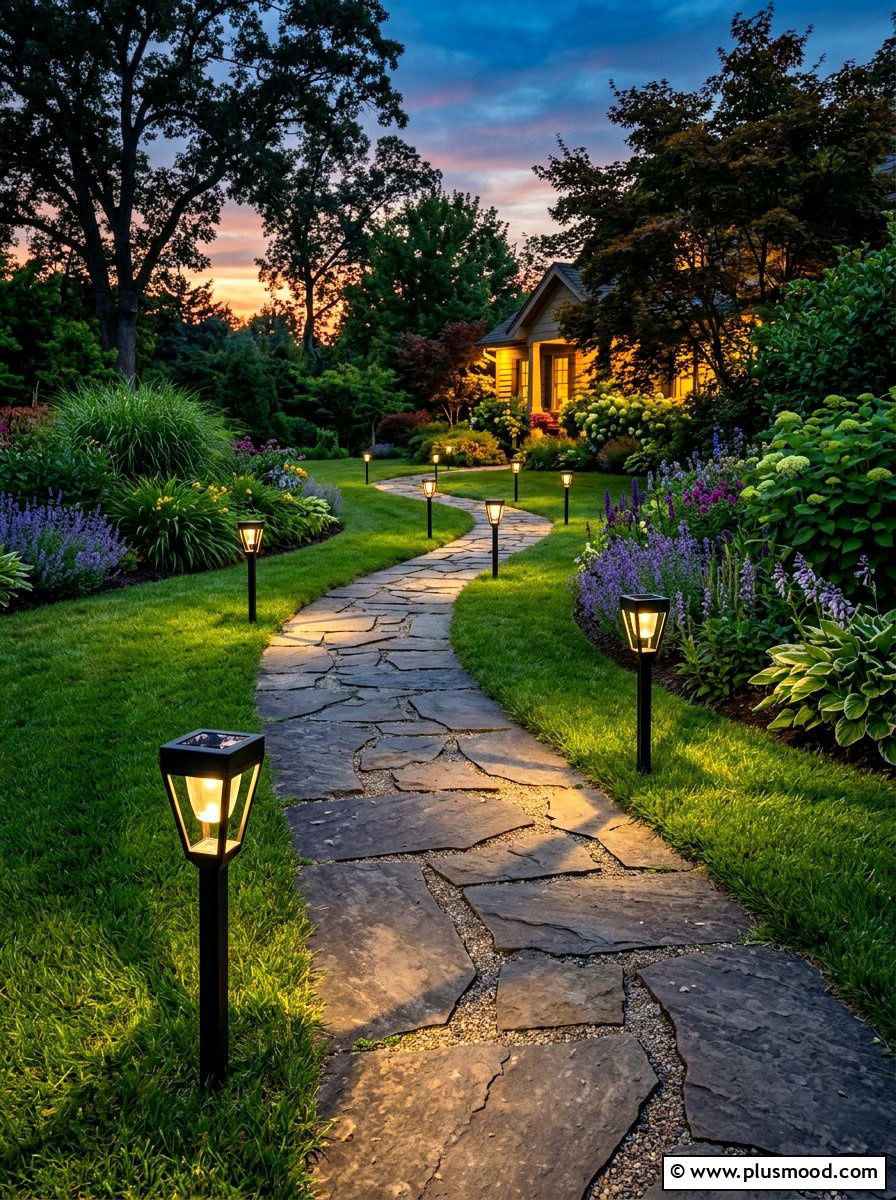
A line of subtle path lights helps a yard feel navigable after dusk without turning it into a runway. Use them to highlight the route to a gate, garden bench, or patio, keeping the pattern simple and evenly spaced.
Key Details
- Select fixtures that suit the scale of the path.
- Keep solar panels clear of dense foliage.
Pro Tip: Install a few additional lights where the path changes direction or meets a step.
6. Turn Ordinary Steps Into a Garden Route
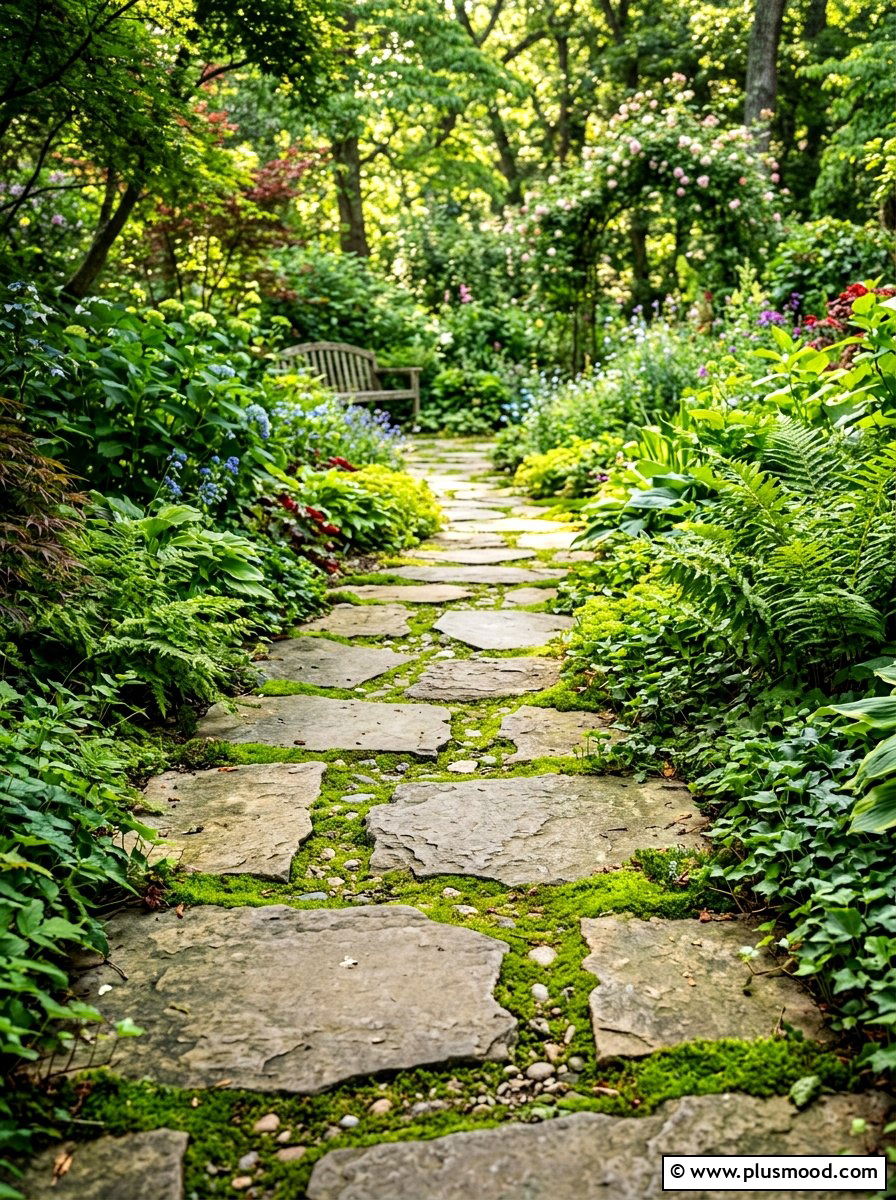
Stepping stones establish an intentional passage through grass, gravel, or planting areas while keeping feet out of damp soil. The material can be rustic and irregular or clean-lined and modern, depending on the rest of the garden.
Key Details
- Lay out the walking rhythm before digging.
- Set each stone securely to prevent rocking.
Pro Tip: Aim for comfortable, natural strides rather than spacing stones at identical measurements.
7. Add a Simple Stop for Visiting Birds
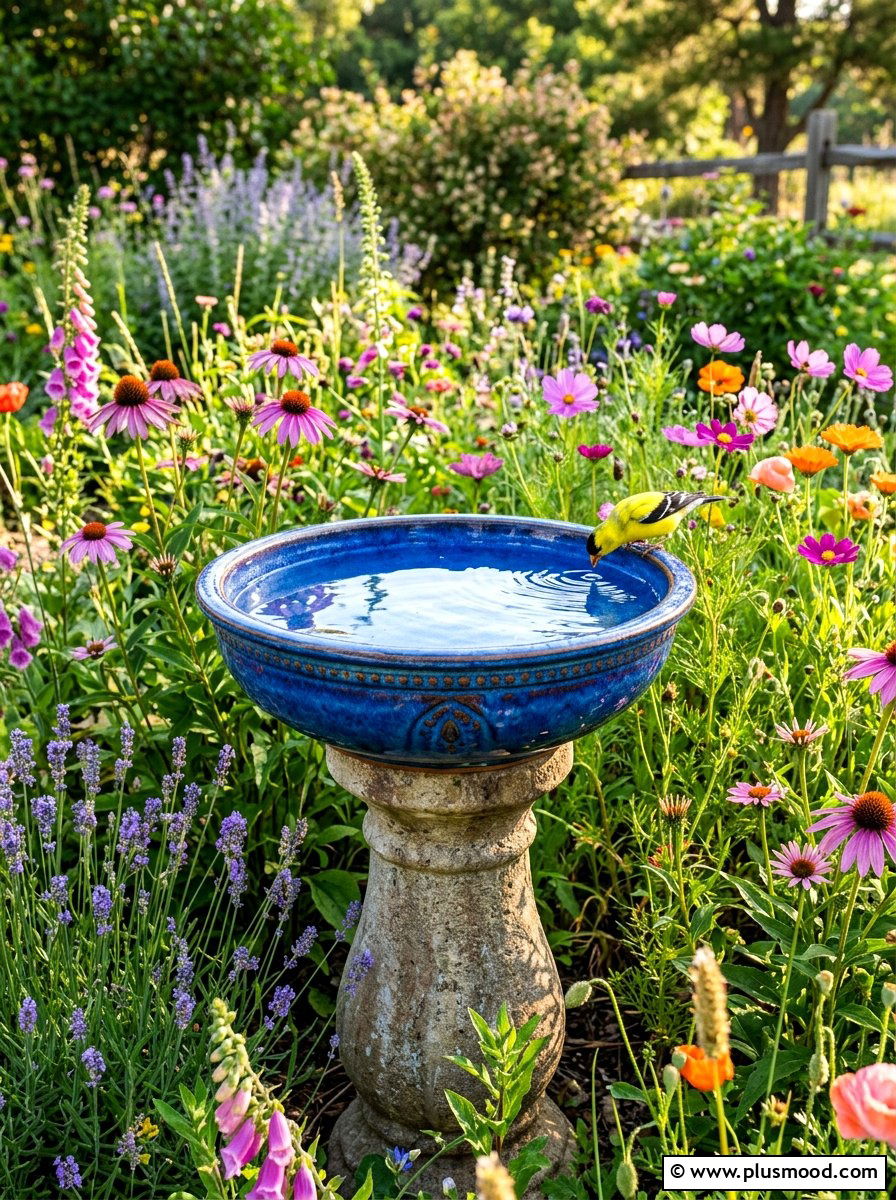
A shallow water source can bring movement and interest to a quiet planting bed, particularly when placed where it is visible from a window or chair. The setting works best when it is easy to refill, clean, and observe.
Key Details
- Refresh the water regularly.
- Place the basin near cover but away from hiding places for predators.
Pro Tip: Choose a textured basin or add a few stable stones so smaller birds can perch safely at the edge.
8. Let Herbs Become Part of the Decor
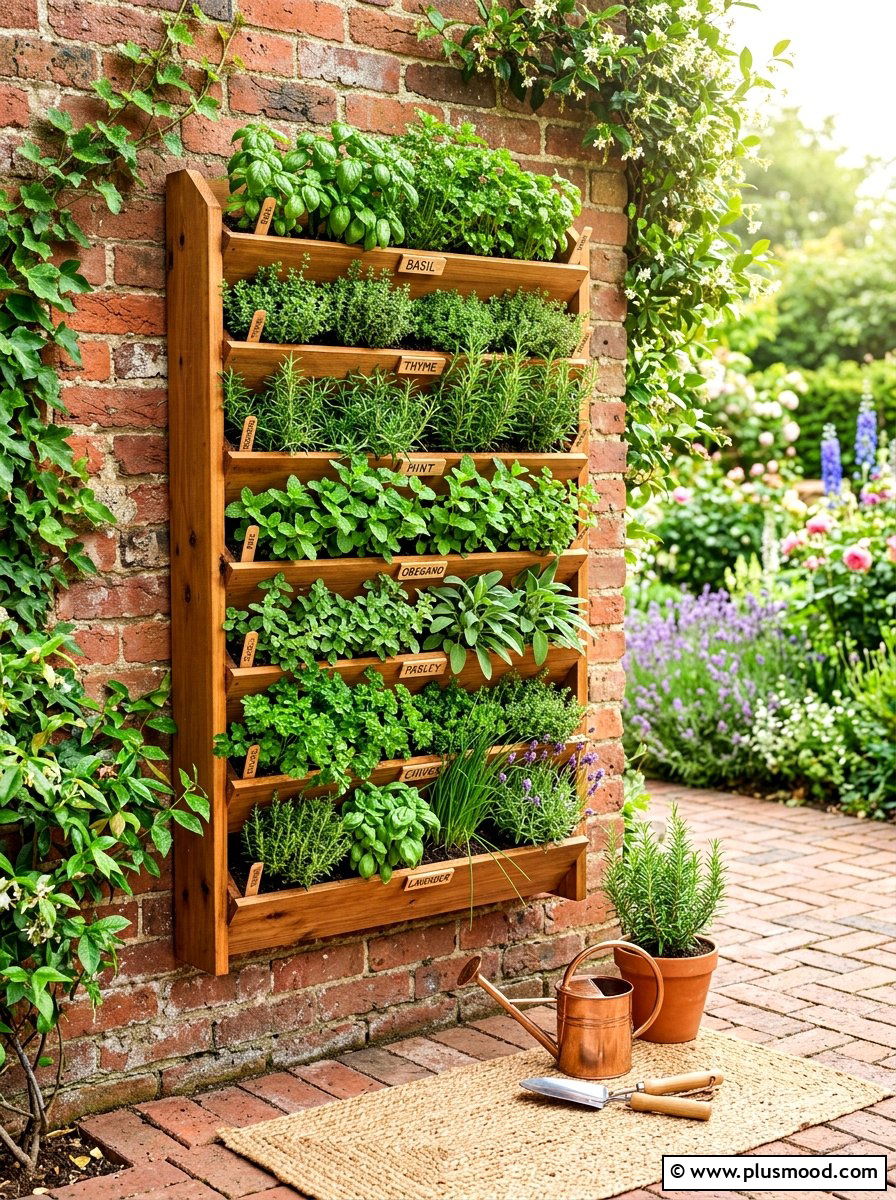
An upright herb display contributes scent, color, and kitchen convenience without taking over a small patio. Mount it on a sunny wall or use a freestanding structure that can be shifted as the season and shade patterns change.
Key Details
- Use a potting mix that drains well.
- Harvest often to encourage bushier growth.
Pro Tip: Plant a few culinary favorites together near the grill so you will actually use them.
9. Grow More With Raised Beds
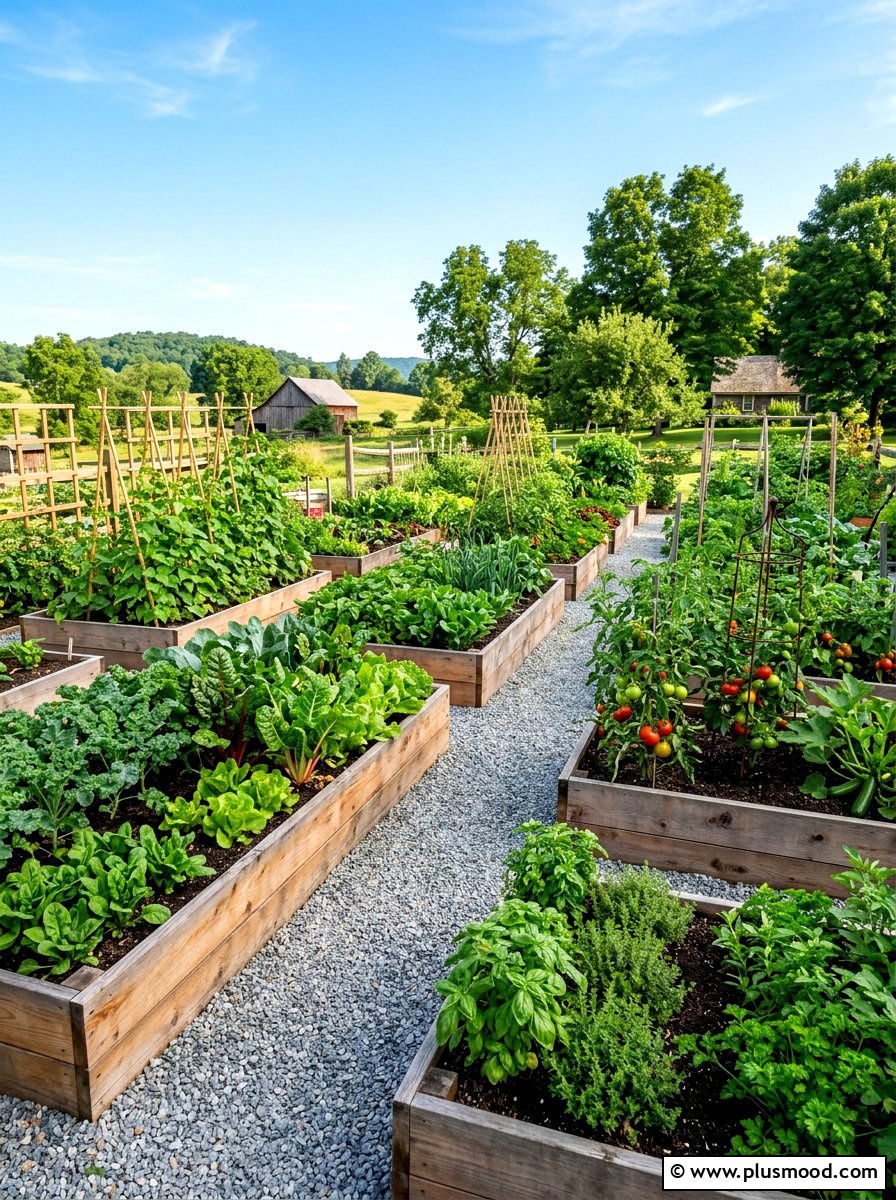
Raised beds give vegetables, flowers, and herbs a clear home while keeping soil workable and neatly contained. They can organize a sunny corner of the yard and make routine planting tasks easier to reach.
Key Details
- Position beds where they receive the light required by the plants.
- Leave wide enough paths for watering and harvesting.
Pro Tip: Use a simple grid or labels to plan succession plantings instead of filling every bed at once.
10. Soften a View With a Lattice Panel
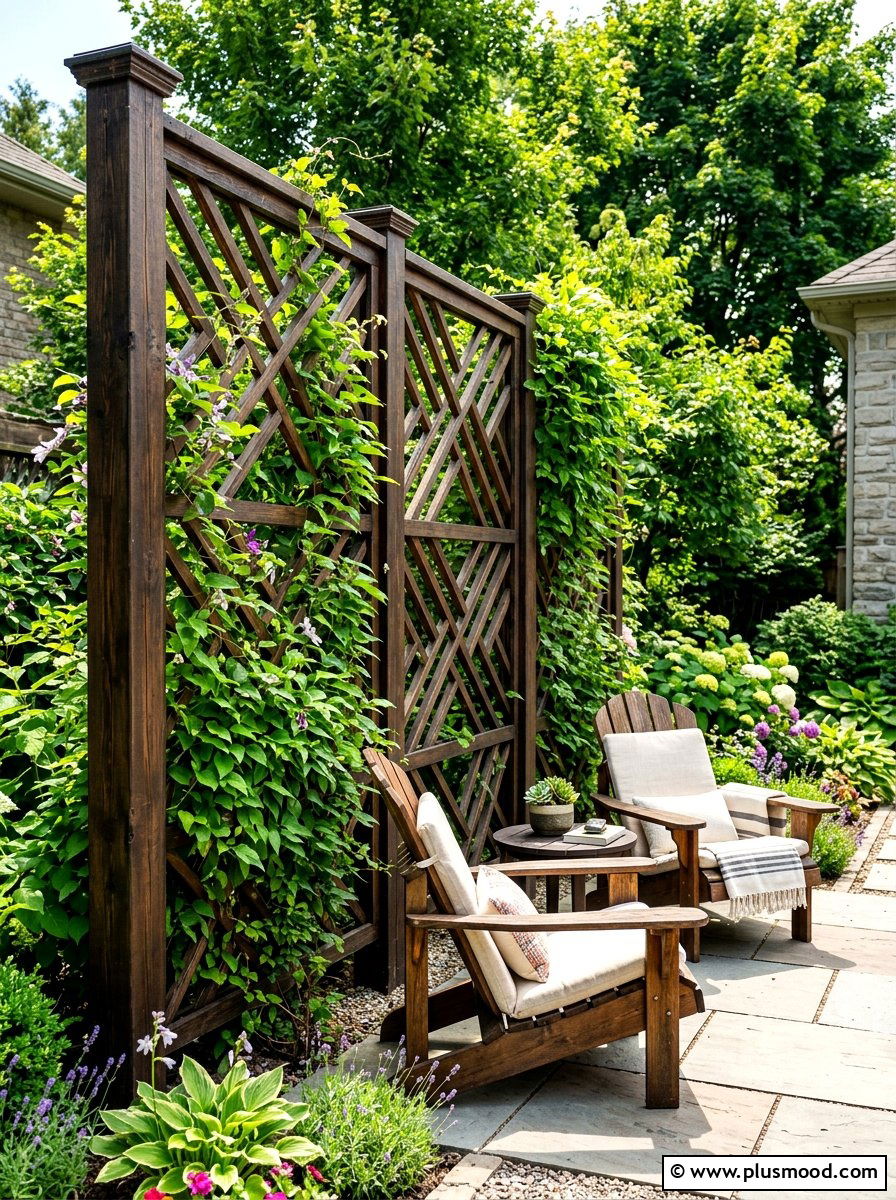
A lattice screen can make a close boundary feel gentler while offering support for climbing plants. It is especially effective beside a lounge chair or dining area where you want a little separation without blocking every breeze.
Key Details
- Use exterior-rated material and hardware.
- Anchor the panel securely against wind.
Pro Tip: Place a few containers at the base for a layered look before vines have filled in.
11. Use Gravel to Define a Flexible Patio
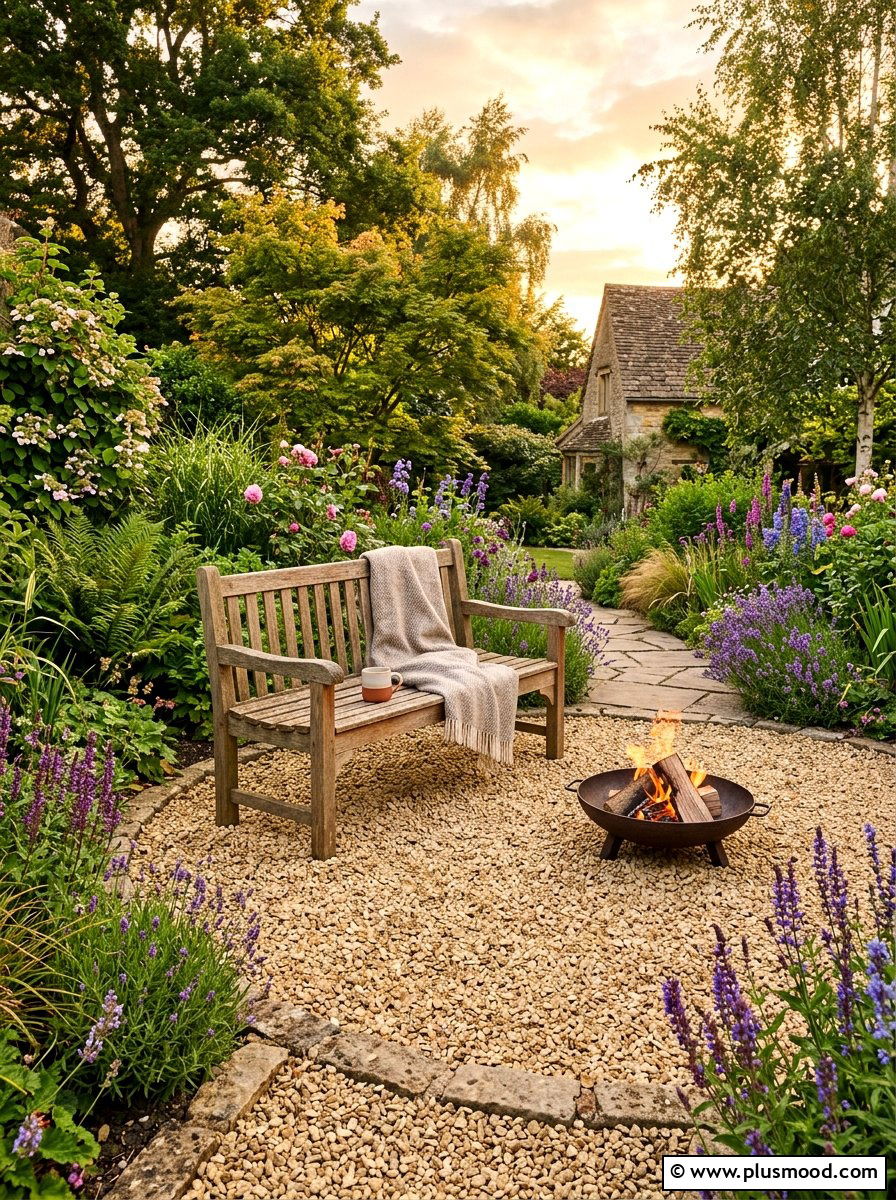
A gravel surface is a practical way to convert an unused patch of yard into a seating or dining zone. With a stable base and edging, it drains well and can be adjusted later if you decide to change the furniture layout.
Key Details
- Start with a compacted base for a steadier surface.
- Install edging before adding the top layer.
Pro Tip: Choose crushed gravel rather than very rounded stone when you want chairs to sit more securely.
12. Add a Quiet Water Note
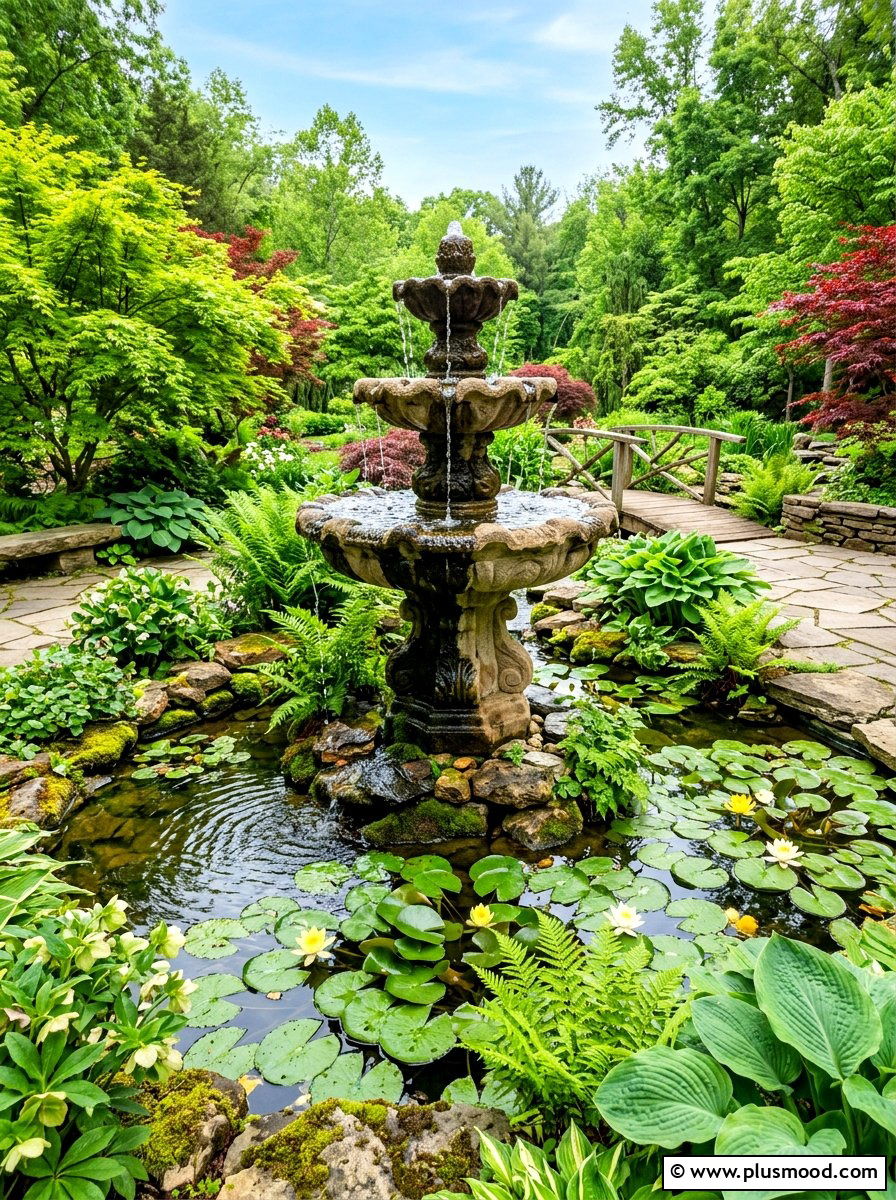
A fountain brings a gentle soundtrack to the garden and can make a patio feel more sheltered from street noise. The key is choosing a basin and flow rate that match the scale of the space rather than overpowering it.
Key Details
- Use a weather-rated pump and protected outlet.
- Monitor water level during dry spells.
Pro Tip: Set the fountain where falling leaves will be limited to make seasonal maintenance easier.
13. Define the Lounge With a Patterned Rug
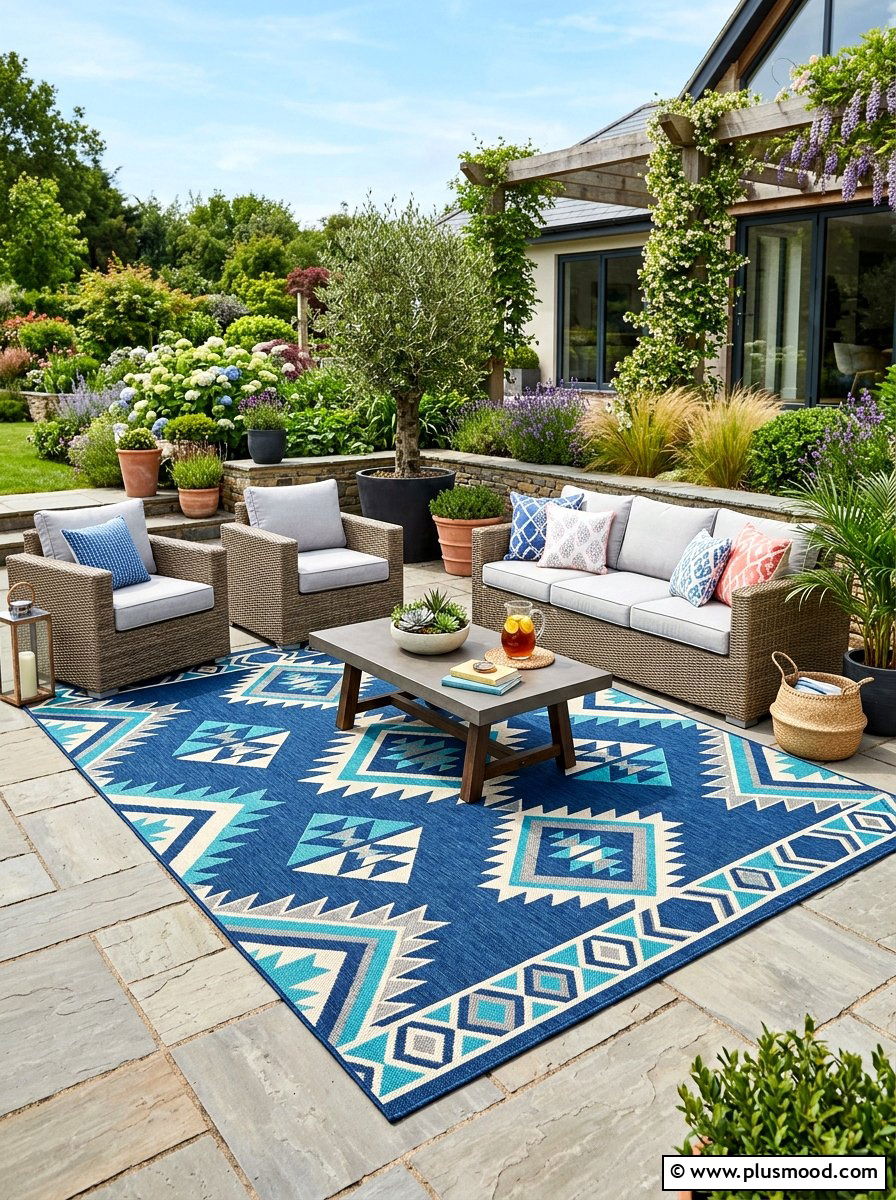
An outdoor rug brings visual structure to a sofa-and-chair grouping and softens hard flooring under bare feet. Choose a durable weave and a pattern that picks up colors already found in planters, cushions, or the home’s exterior.
Key Details
- Size the rug so front furniture legs sit on it.
- Allow it to dry fully after prolonged rain.
Pro Tip: Use a textured, medium-tone design that hides pollen and everyday outdoor debris between cleanings.
14. Invite Casual Evenings With Floor Cushions
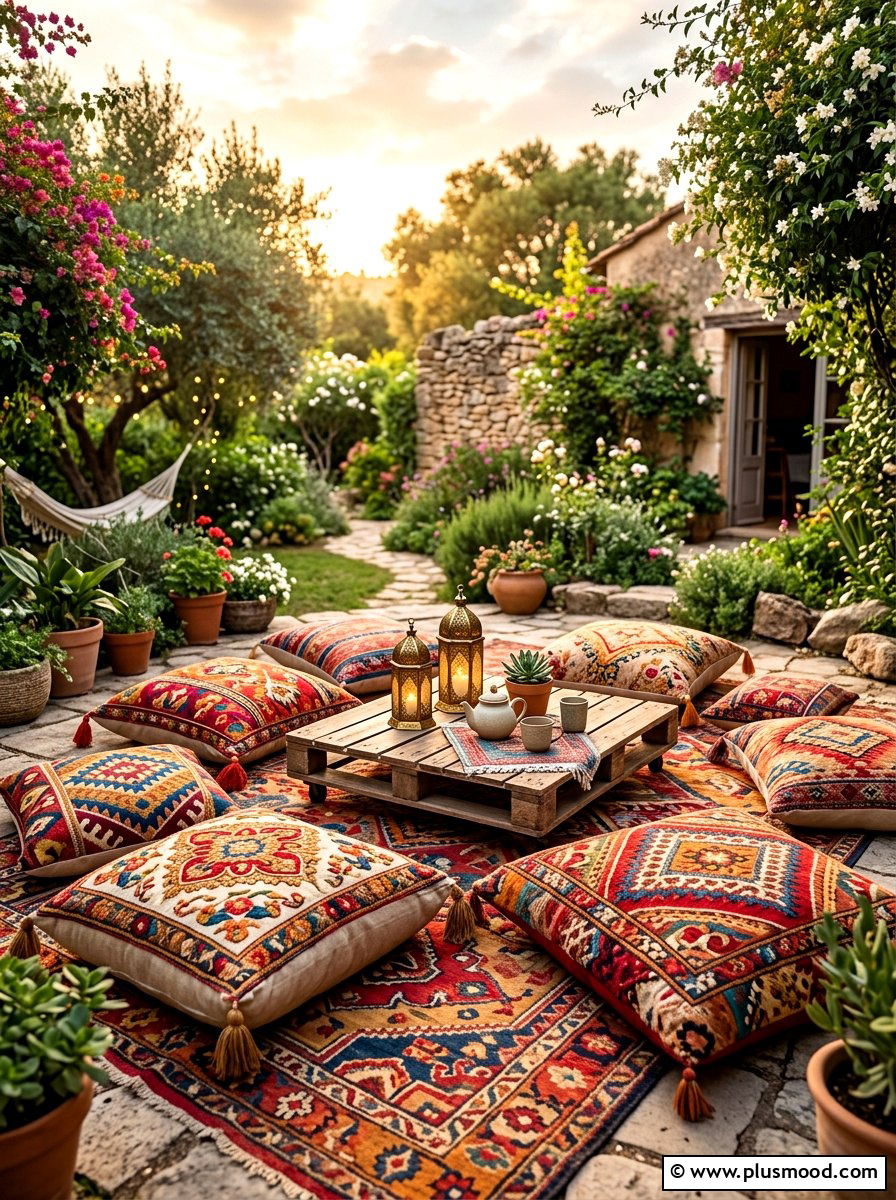
Low cushions can turn a deck, covered porch, or grassy nook into an informal gathering place without adding more bulky furniture. The look is relaxed and flexible, especially when cushions can be brought out only for company.
Key Details
- Choose covers that are removable or washable.
- Store soft furnishings indoors during extended wet weather.
Pro Tip: Layer a few firmer floor pillows behind the softer ones to give guests comfortable back support.
15. Use a Pergola to Frame the Main Hangout
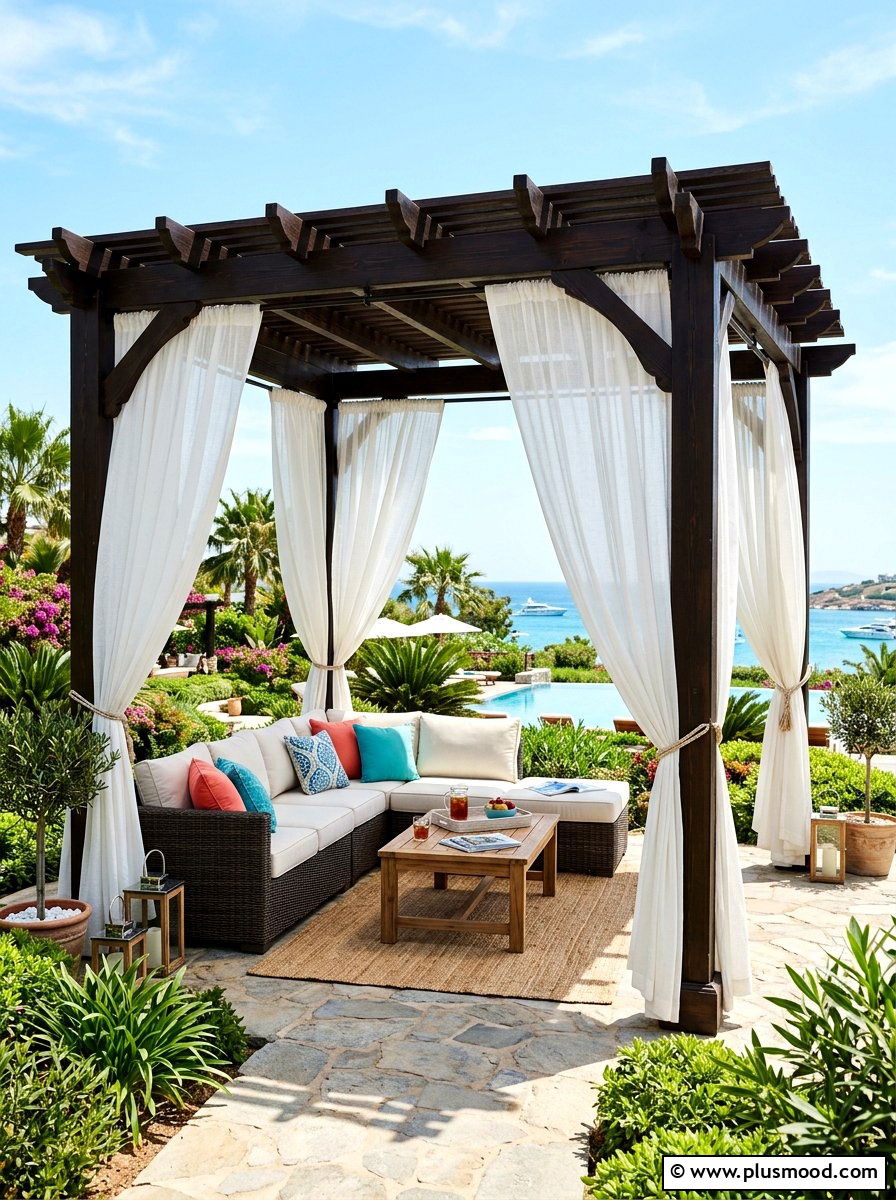
A pergola adds height and a room-like outline to a patio while leaving the yard connected to the sky. Weather-ready curtains can help manage low sun and nearby views, then be tied back when you want the area open.
Key Details
- Choose fabric made for exterior exposure.
- Keep moving panels secured in breezy conditions.
Pro Tip: Use curtain rings that glide easily, making the shade practical rather than purely decorative.
16. Create a Ceiling of Evening Light
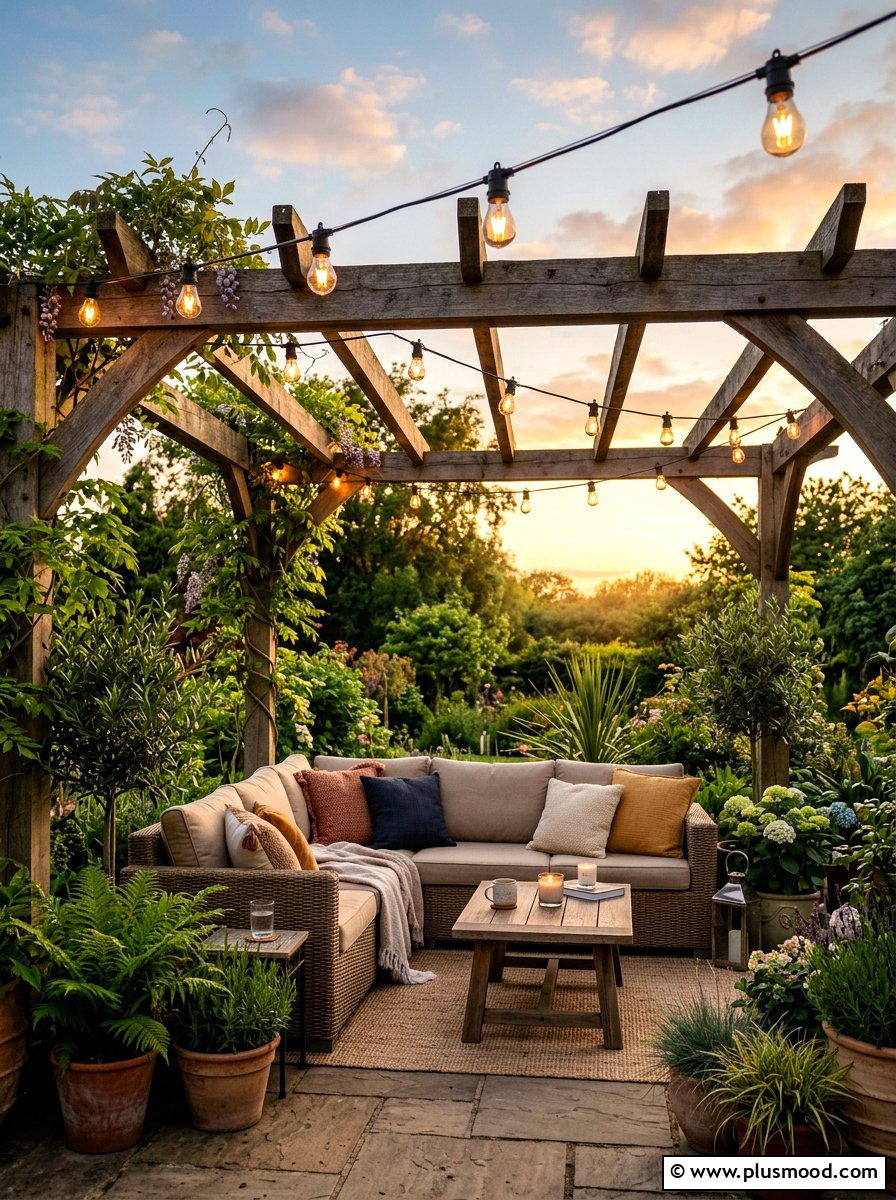
A few well-placed strands of exterior lights can make a familiar patio feel festive after sunset. Use solid anchors and plan the pattern around a table or seating group so the glow lands where people spend time.
Key Details
- Use only weather-rated electrical components.
- Keep cords clear of walking paths.
Pro Tip: Install a dimmer-compatible setup if you want the same space to work for dinner and later conversation.
17. Keep Drinks Close With a Rolling Cart
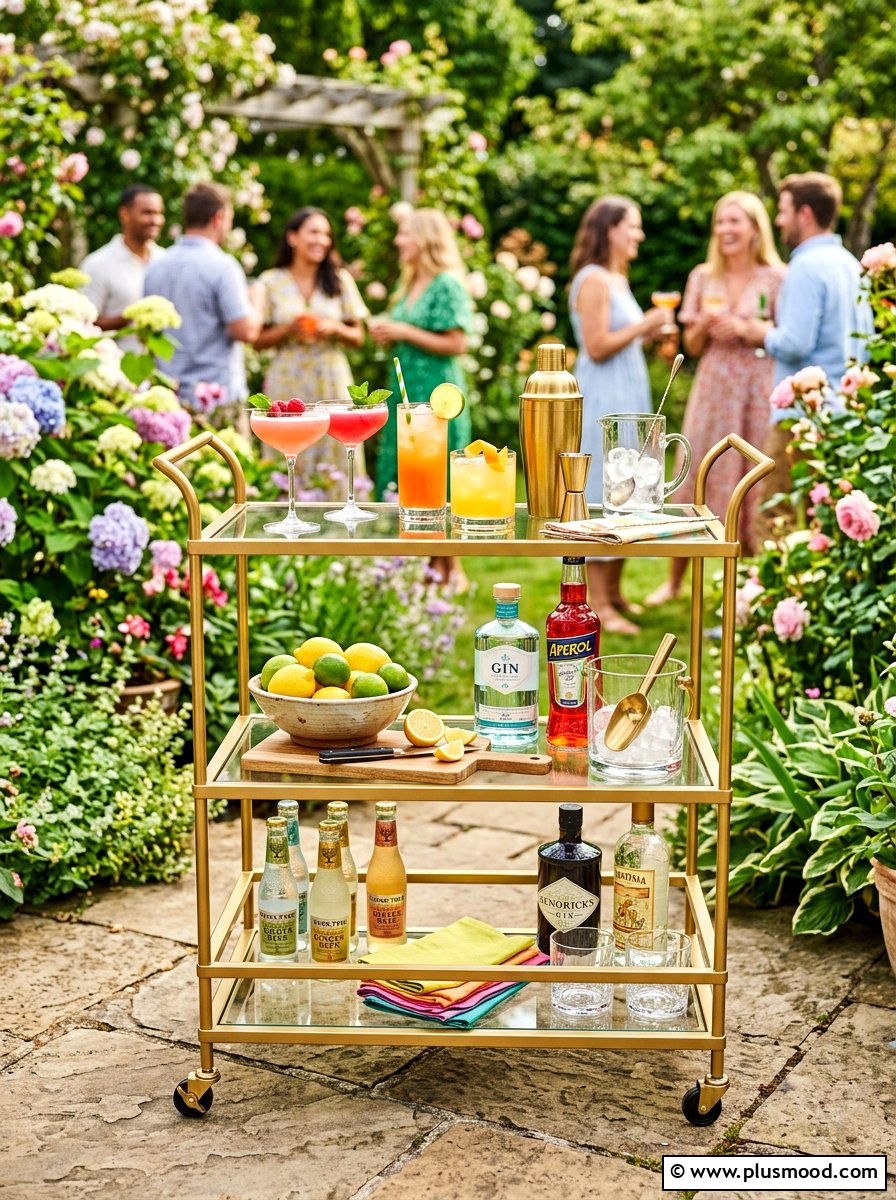
A bar cart gives outdoor gatherings a mobile serving surface that can shift from shade to sun as needed. Stock it with glasses, a pitcher, snacks, and a small ice bucket so the host is not constantly moving back inside.
Key Details
- Pick wheels that can handle the patio surface.
- Use trays to keep smaller items organized.
Pro Tip: Bring the cart inside after the gathering instead of leaving glassware and supplies exposed overnight.
18. Make Outdoor Cooking More Efficient
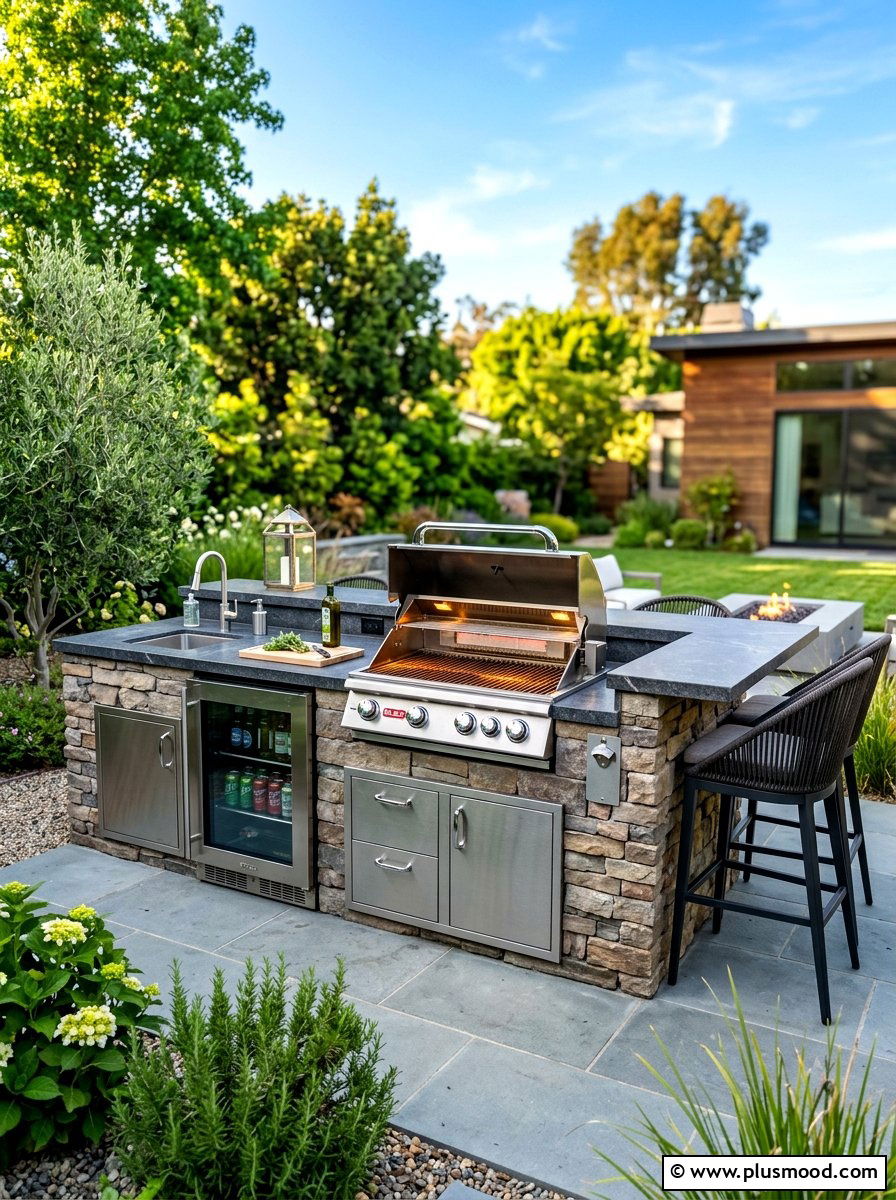
A compact prep station near the grill can transform the rhythm of an outdoor meal. It needs only a usable counter, a place for tools, and enough landing space for finished dishes to make cooking feel less improvised.
Key Details
- Use durable materials that tolerate grease and weather.
- Keep combustible storage away from open heat.
Pro Tip: Add a small task light or lantern nearby so the station remains useful through evening.
19. Give the Backyard a Warm-Weather Focal Point
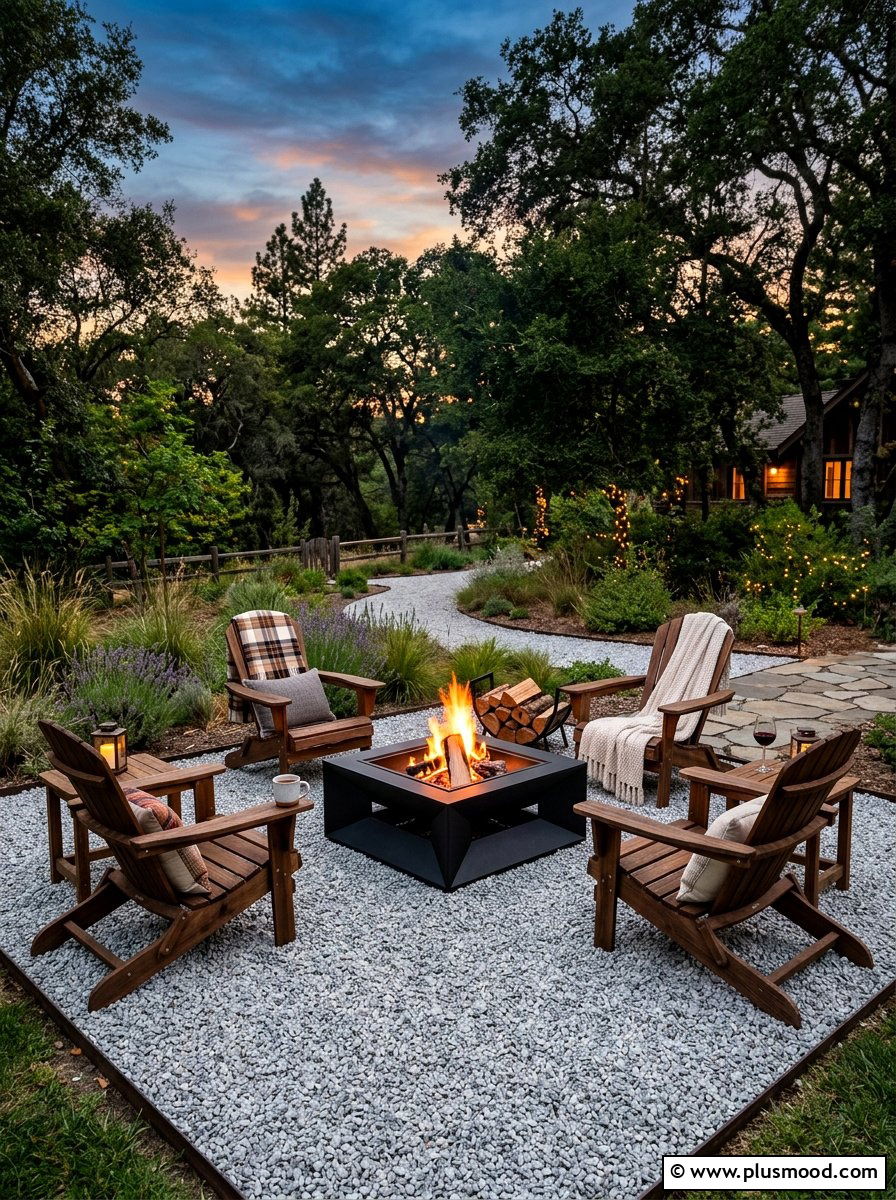
A fire feature draws a loose seating arrangement together and gives cool nights a reason to continue outside. Choose the style and fuel source that fit your space, then build the area around safe clearances and generous circulation.
Key Details
- Follow local fire regulations and manufacturer guidance.
- Use a stable, noncombustible base.
Pro Tip: Keep extra chairs lightweight so the circle can expand easily when friends stop by.
20. Arrange Adirondack Chairs for Conversation
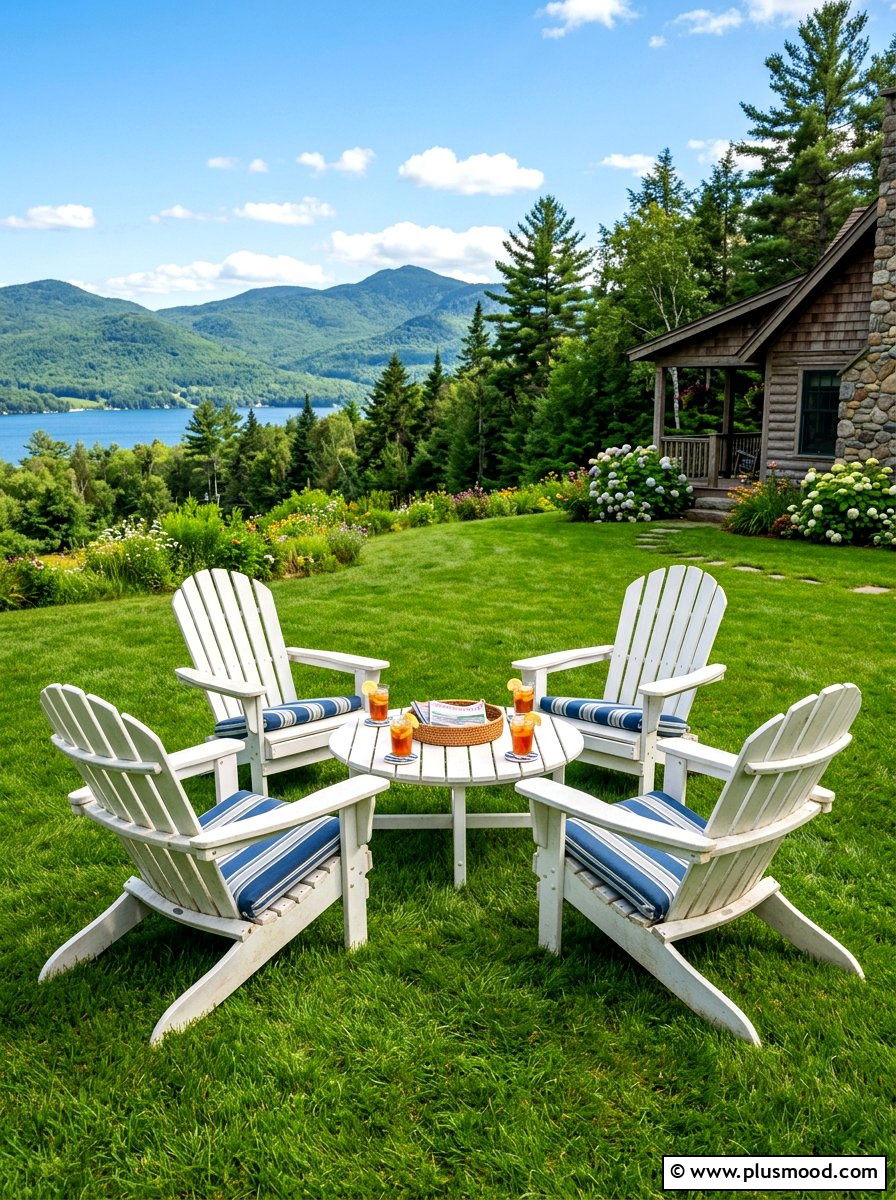
A circle of classic chairs makes a yard feel ready for company, whether it surrounds a fire bowl or simply faces a garden view. The arrangement works because everyone can see one another without the formality of a dining table.
Key Details
- Leave a comfortable entry point into the circle.
- Add small occasional tables for drinks.
Pro Tip: Angle chairs slightly toward the center but keep the best landscape view visible from each seat.
21. Keep Play Equipment Low Profile
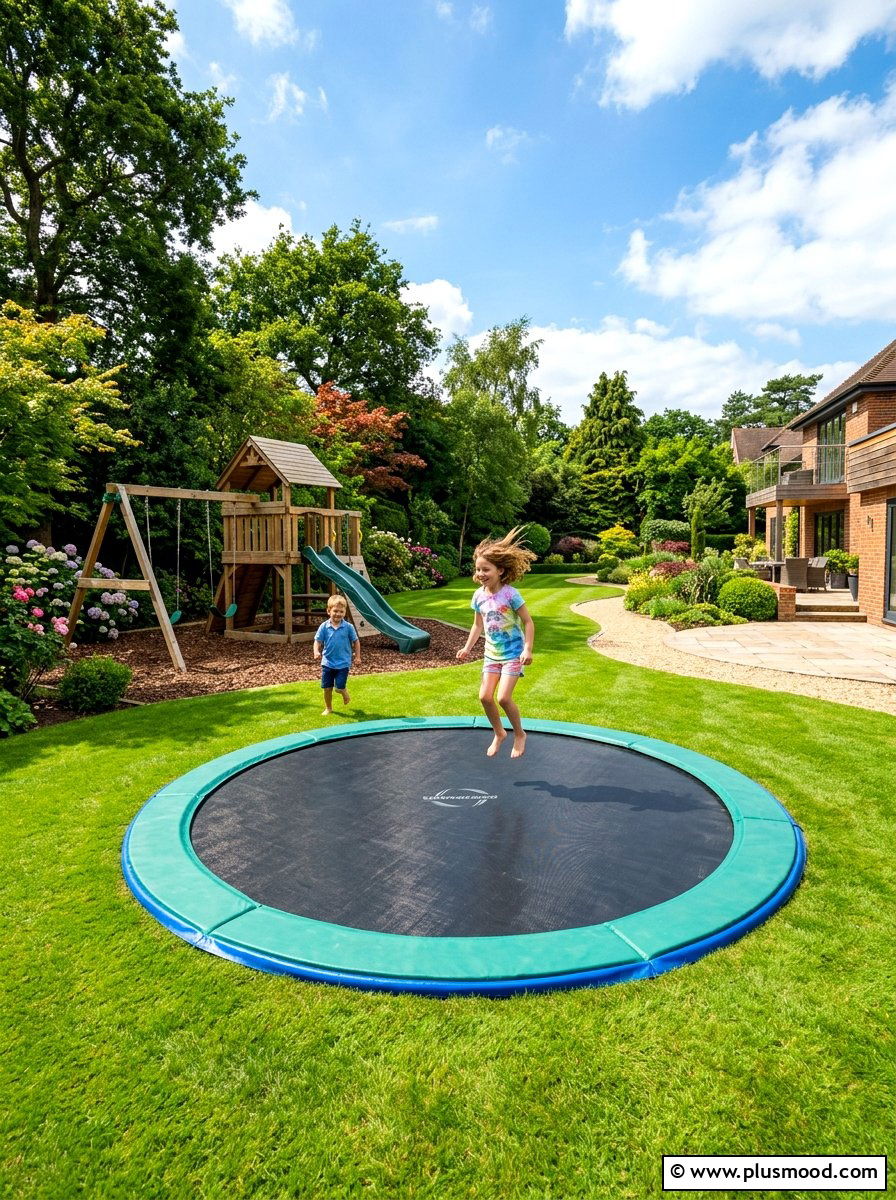
An in-ground trampoline can preserve broad sightlines across a family yard while giving children a dedicated place to play. It requires careful installation, drainage planning, and ongoing attention to the manufacturer’s safety requirements.
Key Details
- Use professional guidance for excavation and drainage.
- Inspect the enclosure and padding regularly.
Pro Tip: Position play equipment where it can be seen from the kitchen or the main outdoor seating zone.
22. Set Up a Compact Place to Cool Off
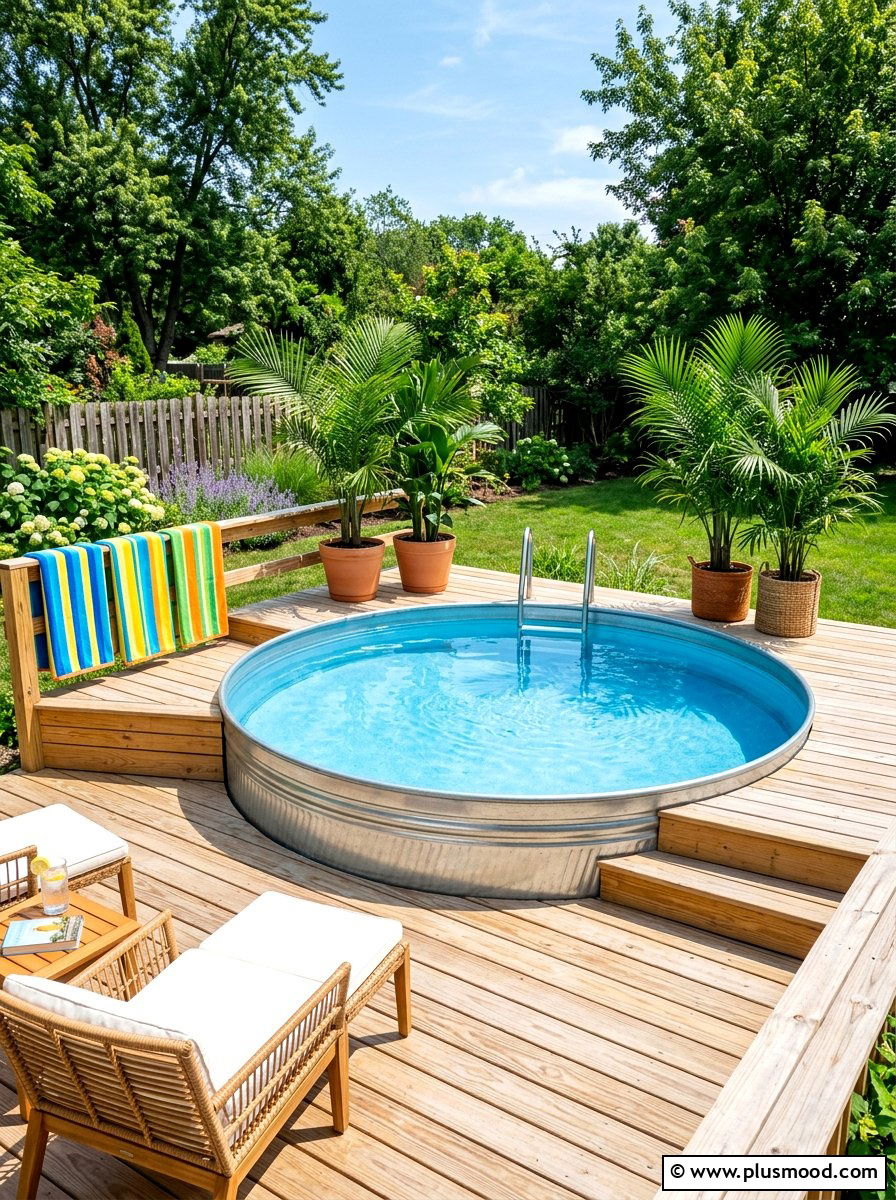
A stock tank offers a playful summer water feature without the scale of a permanent pool. Treat it as a real water installation: start with a level foundation, establish a proper cleaning routine, and follow local safety requirements.
Key Details
- Use appropriate filtration and sanitation for regular use.
- Keep the surrounding surface slip-resistant.
Pro Tip: A simple privacy screen and a pair of loungers can make the area feel like its own small retreat.
23. Claim the Shadiest Corner for a Hammock
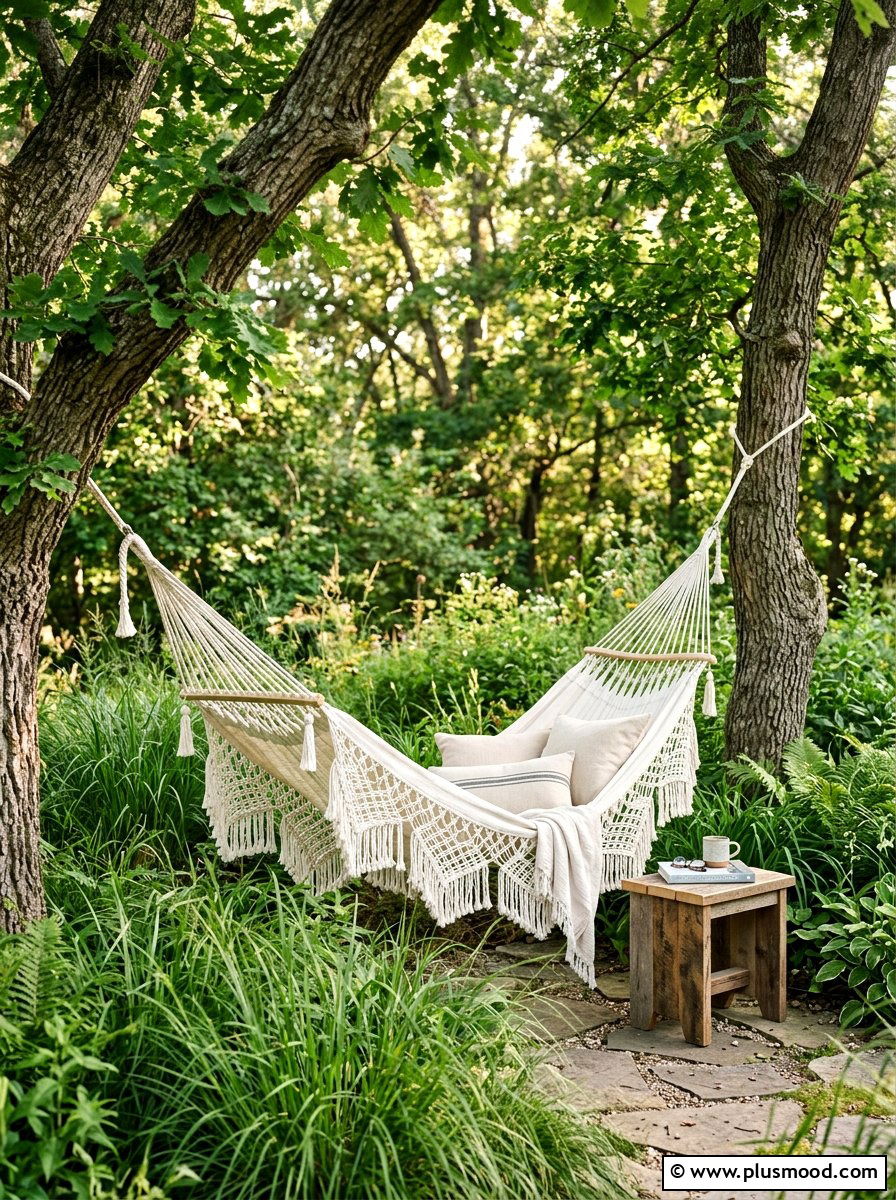
A hammock encourages a backyard to be used for actual rest, not just entertaining. Choose a freestanding stand or a carefully considered installation point, then give the area a small table and enough surrounding clearance to feel unhurried.
Key Details
- Use a hammock and stand rated for intended weight.
- Check hardware and fabric periodically for wear.
Pro Tip: Place the hammock away from the busiest path so it feels like a true escape.
24. Hang a Swing That Suits the Whole Family
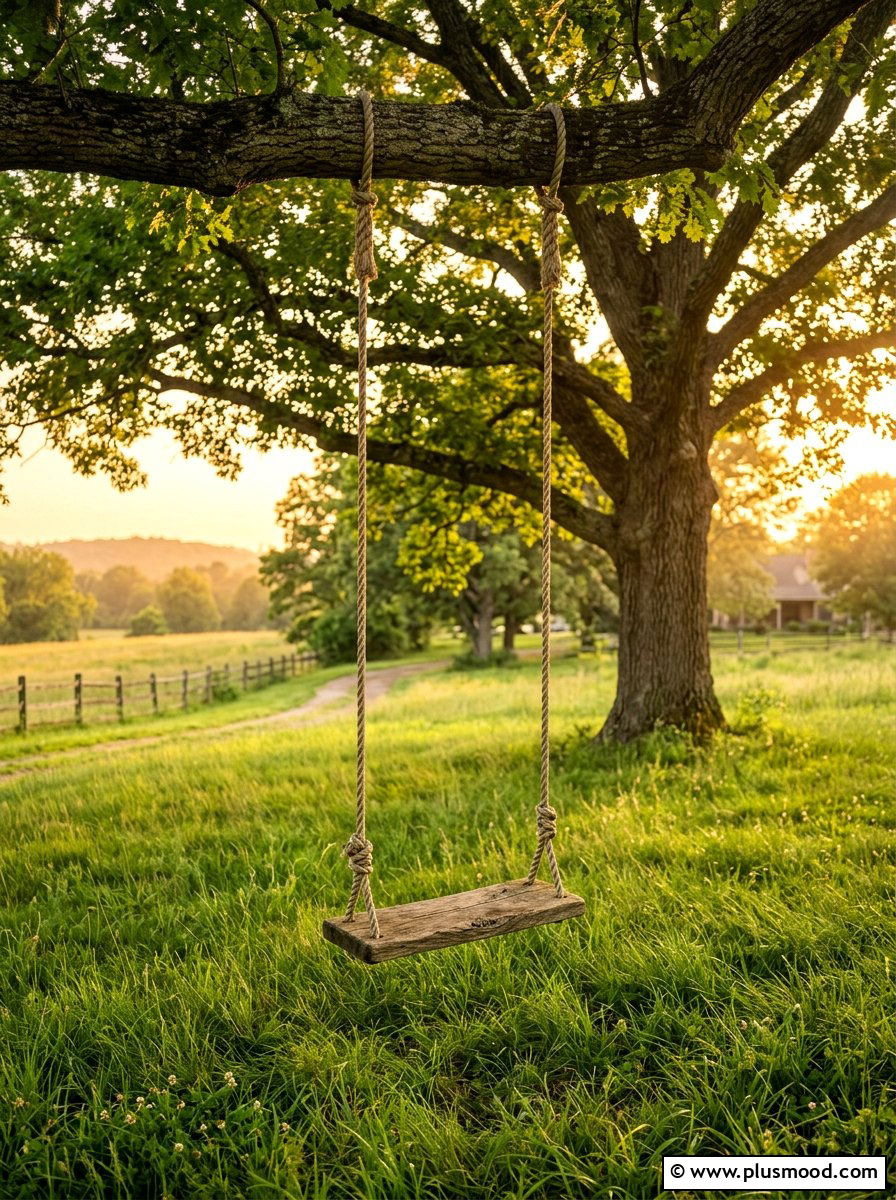
A thoughtfully installed swing adds a small element of joy to the garden and can make a mature tree more central to the landscape. Prioritize a sound support, correct hardware, and a clear landing area before choosing its style.
Key Details
- Use hardware designed for outdoor swinging loads.
- Maintain open space around the swing path.
Pro Tip: Choose a location with filtered shade so the seat stays more comfortable on bright afternoons.
25. Make One Night a Week a Backyard Cinema Night
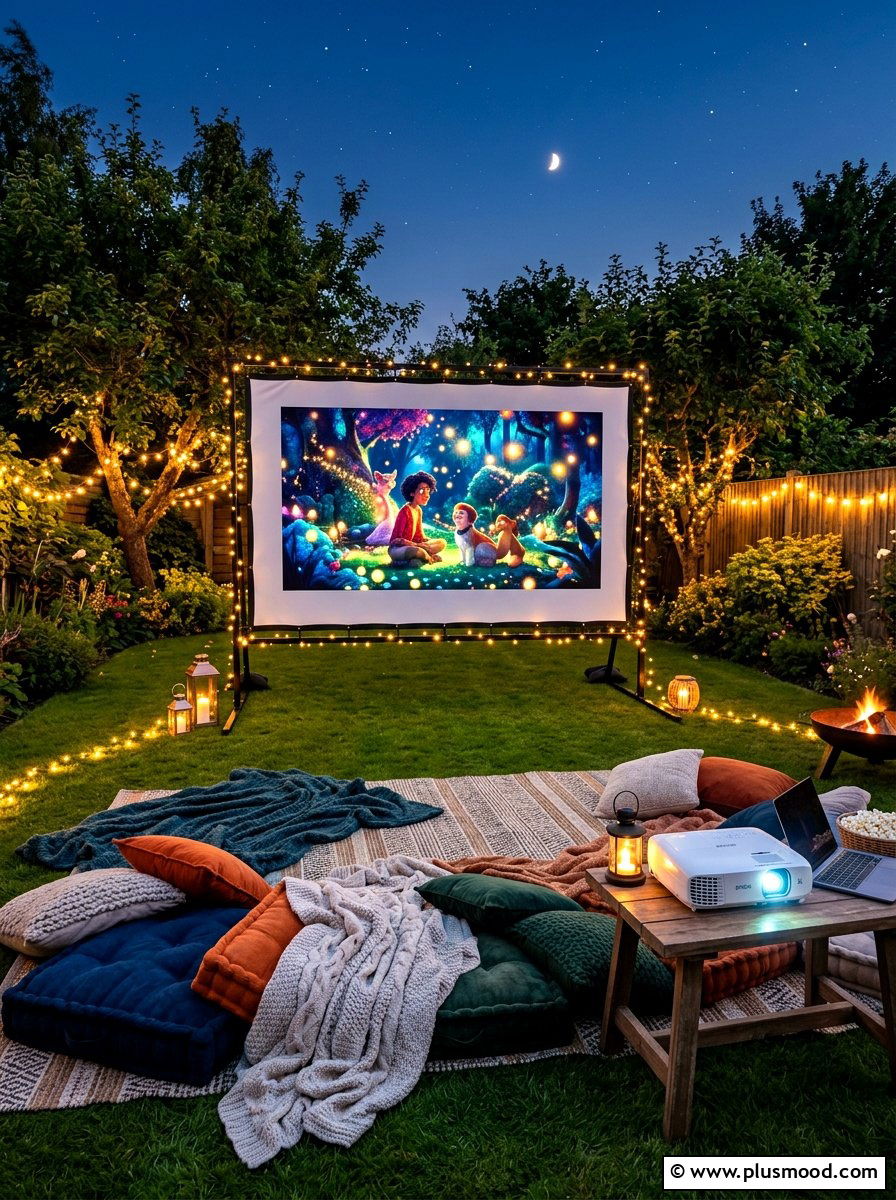
An outdoor movie setup gives friends and family a reason to gather in a way that feels different from an ordinary evening indoors. A reliable screen, comfortable seating, and a simple snack station are enough to make the tradition easy to repeat.
Key Details
- Test the projector and sound before guests arrive.
- Keep lighting low and away from the screen.
Pro Tip: Wait until the sky is properly dark before starting the film for the clearest picture.
Conclusion
A more inviting backyard is built through choices that make everyday use a little easier: a clear place to walk, comfortable places to pause, and settings that work from a sunny morning through a late dinner. You do not need every idea at once.
Choose a layer that will change how you use the space now, then return to the rest as the season unfolds. The best result is not a perfect show garden; it is an outdoor setting that fits naturally into the way you live.