The kitchen has always been the heart of the home, but as we move into 2026, its role is expanding and evolving in exciting new ways. No longer just a utilitarian space for preparing meals, the modern kitchen is a multi-functional hub for gathering, working, entertaining, and relaxing. It is the room where life happens, and the design trends for the coming year reflect this profound shift. We are moving away from the sterile, all-white laboratories of the past decade and embracing spaces that feel warm, lived-in, and deeply personal.
In 2026, the overarching theme in kitchen design is a blend of high-tech convenience and organic, tactile comfort. Homeowners and designers alike are seeking environments that soothe the senses while seamlessly supporting the demands of daily life. This means a return to natural materials, a celebration of earthy color palettes, and a focus on intuitive, “invisible” technology that works quietly in the background. The kitchen is becoming less of a showpiece and more of a sanctuary and a place that resonates with the way we actually want to live.
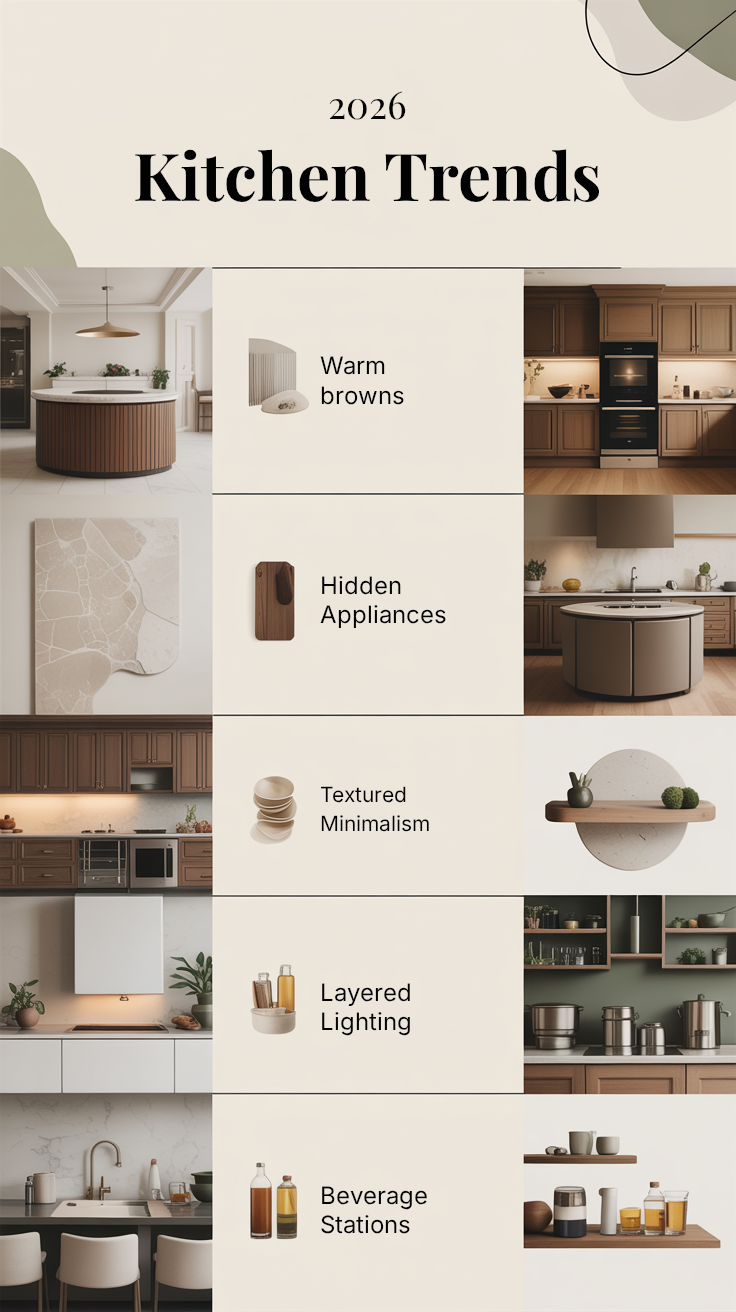
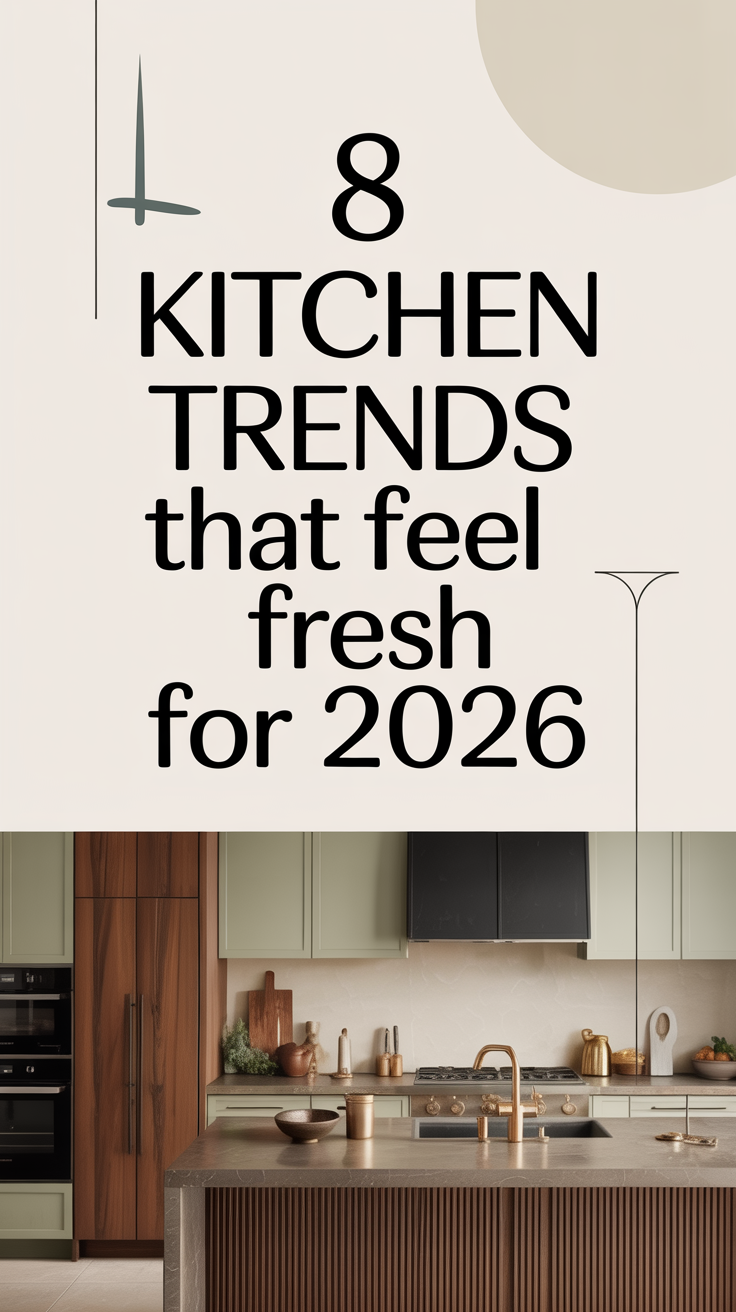
From furniture-style islands to the resurgence of rich brown tones, these eight trends are redefining the heart of the home, making it more beautiful, functional, and inviting than ever before.
1. The Return of Warm, Earthy Neutrals and the “Brown Renaissance”
For years, the crisp, all-white kitchen reigned supreme, prized for its clean, bright aesthetic. However, in 2026, the pendulum has firmly swung in the opposite direction. We are witnessing a massive shift toward warm, earthy neutrals that bring a sense of grounding and comfort to the space. The starkness of pure white is being replaced by softer, more nuanced shades like wool white, sand, greige, and soft taupe. These colors diffuse light gently, creating an atmosphere that feels calm, deep, and contemporary.
Perhaps the most significant color story of 2026 is the triumphant return of brown. After years of being sidelined in favor of cool grays and stark blacks, brown is back in a big way, bringing with it a rich, organic warmth that we are all craving. This isn’t the heavy, oppressive brown of the 1970s; rather, it is a sophisticated exploration of the hue. We are seeing it in dark wood stains on cabinetry and flooring, in honed marble countertops with “rain forest brown” or “glossy bark” veining, and in ceramic tiles that span the spectrum from caramel to deep espresso.
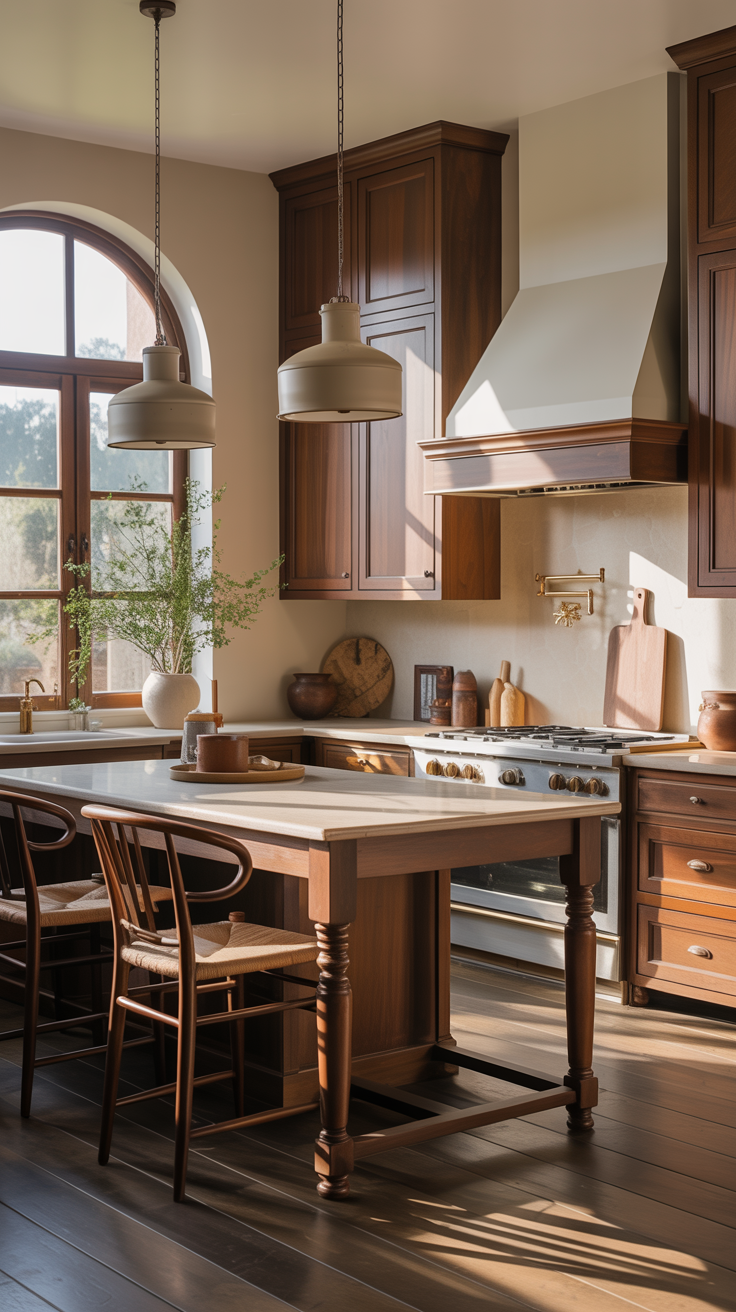
This shift toward earthy tones is driven by a desire to create kitchens that feel less like clinical workspaces and more like extensions of the living room. Warm colors naturally invite people to linger, making the kitchen a more convivial and welcoming environment. Designers are also experimenting with subtle, unexpected accents to complement these neutrals, such as soft violet hues, muted terracotta, and deep, muddy greens. These colors add character and depth without overwhelming the space, resulting in kitchens that feel both timeless and incredibly fresh.
2. The “Invisible Kitchen” and Integrated Technology
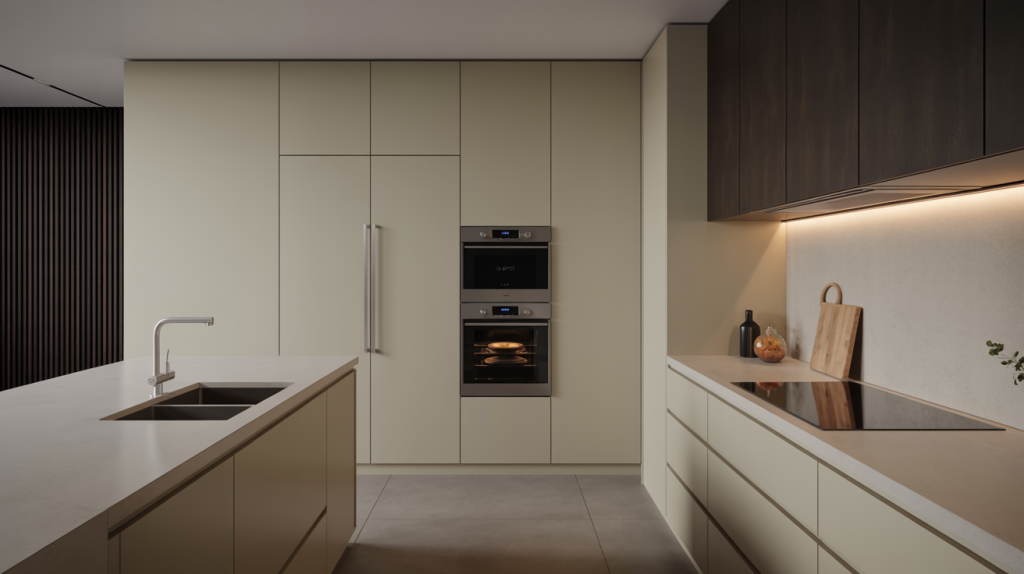
As our homes become smarter, our kitchens are following suit, but the approach to technology in 2026 is decidedly understated. The trend is moving away from flashy, space-age gadgets that dominate the room and toward what designers are calling the “invisible kitchen.” The goal is to have all the convenience and power of modern technology without the visual clutter. Appliances are being designed to blend seamlessly into the interior architecture, revealing their functions only when needed.
Panel-ready appliances are no longer limited to just the refrigerator and the dishwasher. In 2026, we are seeing a surge in fully integrated solutions for everything from wine storage to espresso machines. For example, under-counter wine refrigerators are being designed to slide perfectly into kitchen islands, completely camouflaged by custom cabinetry panels until cocktail hour arrives. This seamless integration allows the beauty of the materials and the overall design scheme to take center stage, rather than the appliances themselves.
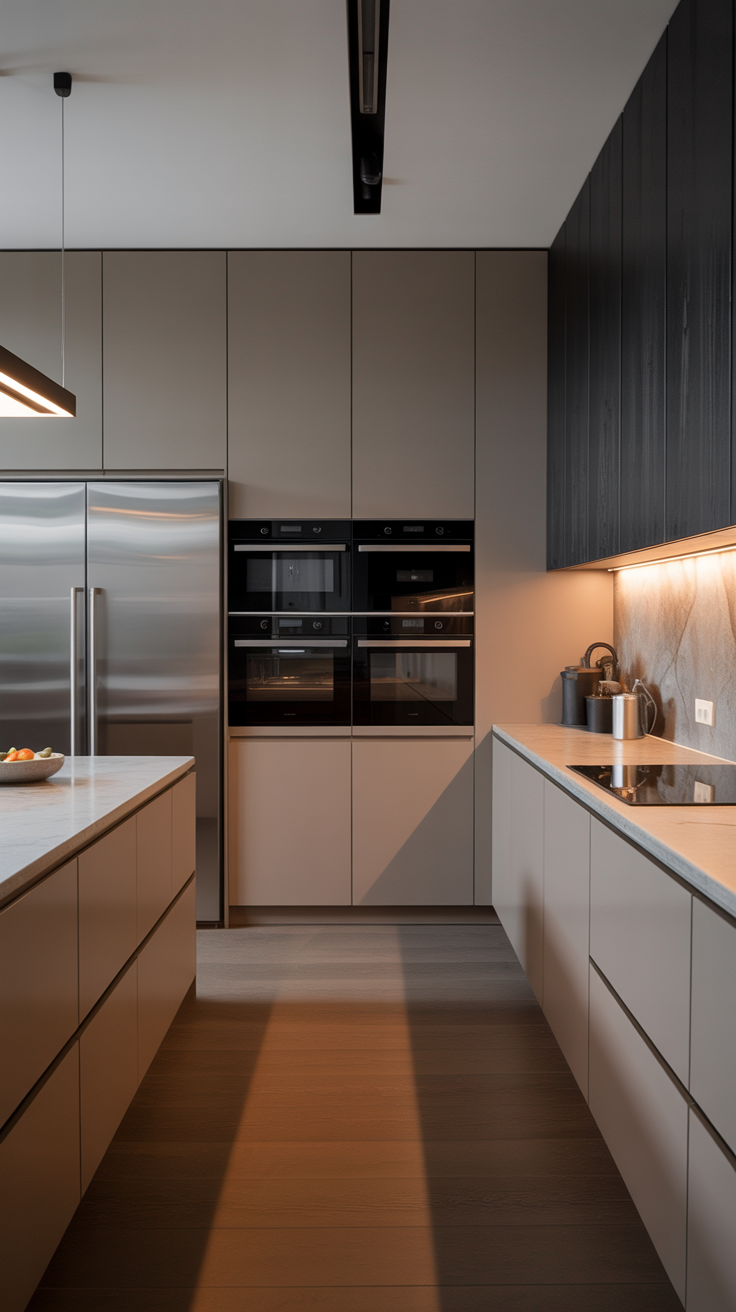
Beyond appliances, the concept of the invisible kitchen extends to storage and functionality. We are seeing the rise of “flip doors” that glide upwards to reveal hidden work surfaces or small appliance garages, keeping the main countertops completely clear. Wireless charging stations are being embedded directly into stone countertops, eliminating the need for messy cords. Even ventilation is becoming more discreet, with powerful downdraft systems and flush-mount ceiling hoods replacing bulky, traditional range hoods. The result is a kitchen that feels incredibly serene and uncluttered, yet is packed with intuitive, state-of-the-art functionality.
3. Furniture-Style Islands
The kitchen island has long been a staple of modern design, but in 2026, it is undergoing a significant transformation. We are moving away from the monolithic, block-like islands that have dominated recent years and embracing designs that look and feel more like freestanding pieces of furniture. This shift is part of the broader trend of making the kitchen feel like a true living space, blurring the lines between the culinary zone and the rest of the home.
Furniture-style islands often feature delicate, thoughtfully designed details that elevate them beyond mere prep stations. We are seeing islands with elegant, turned legs, open shelving for displaying curated collections of cookbooks or ceramics, and mixed materials that add visual interest. For instance, an island might feature a base painted in a rich, moody color, topped with a warm butcher block or a heavily veined Vermont soapstone, and finished with unlacquered brass hardware.
This trend also embraces the idea of mobility and flexibility. While large, fixed islands are still popular for expansive kitchens, there is a growing demand for smaller, movable islands or prep tables that can be repositioned as needed. These pieces often resemble antique baker’s tables or vintage apothecary counters, adding a layer of history and charm to the space. By treating the island as a distinct piece of furniture rather than just a continuation of the cabinetry, designers are creating kitchens that feel more collected, personal, and deeply inviting.
4. Tactile Materials and Unfussy Finishes
In 2026, the way a kitchen feels is just as important as the way it looks. There is a strong movement toward materials that have depth, texture, and a sense of authenticity. The pursuit of absolute perfection and high-gloss polish is giving way to a preference for surfaces that show the hand of the maker and the passage of time. This trend is all about creating a sensory experience that grounds us in the physical world.
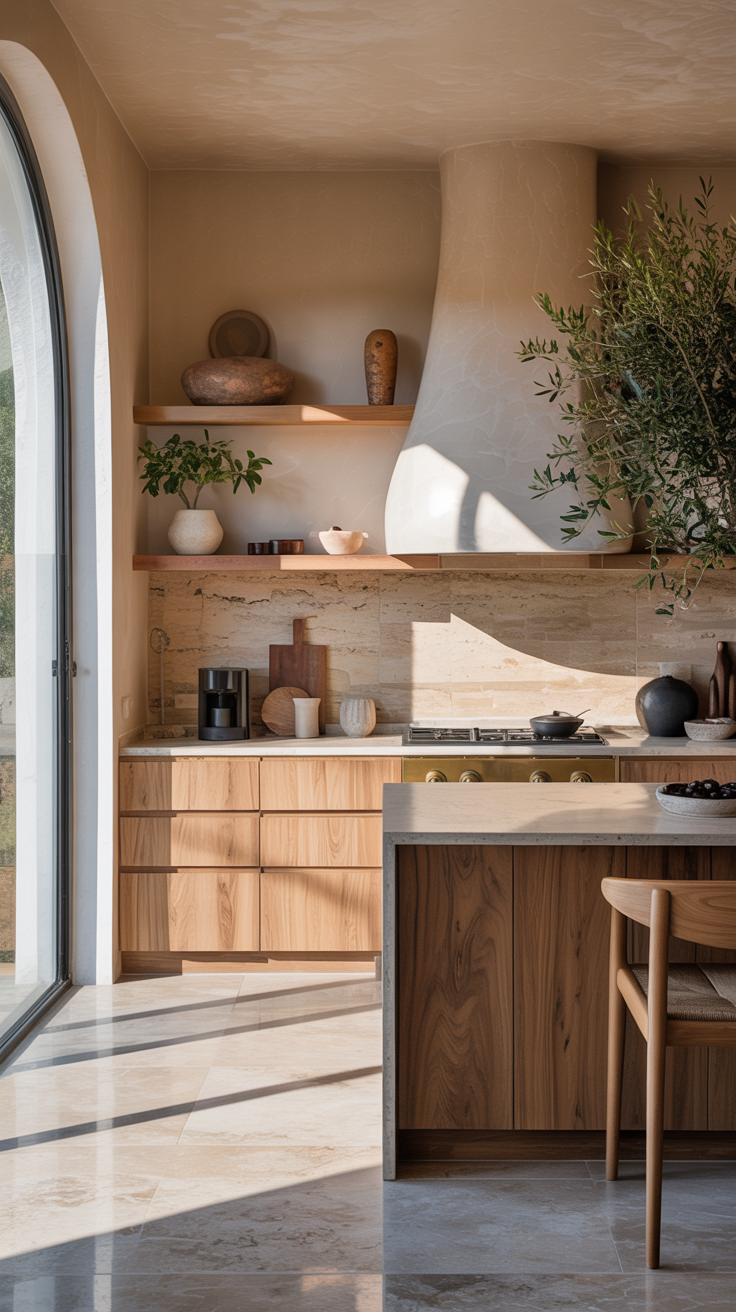
Wood is making a massive comeback, but not in the smooth, uniform finishes of the past. Instead, we are seeing a celebration of the natural grain, with wire-brushed oak, heavily textured walnut, and even reclaimed woods taking center stage. These materials invite touch and add an incredible amount of warmth to the room. Similarly, stone surfaces are moving away from high-polish finishes in favor of honed, leathered, or even raw textures. Travertine, terrazzo, and heavily veined marbles are being used not just for countertops, but for dramatic, full-height backsplashes and even integrated sinks.
The desire for tactile materials extends to the hardware and fixtures as well. Unlacquered brass, which develops a beautiful, unique patina over time, is incredibly popular, as are matte black and brushed bronze finishes. We are also seeing a rise in the use of textured glass like fluted, ribbed, or seeded glass for cabinet fronts and pantry doors. These materials add a layer of visual intrigue while softly obscuring the contents behind them. By embracing these unfussy, character-rich finishes, homeowners are creating kitchens that feel soulful, enduring, and meant to be truly lived in.
5. Soft Forms and Organic Architecture
The hard lines and sharp angles that have defined contemporary kitchen design for so long are softening in 2026. Inspired by the natural world and a desire for more comforting environments, designers are incorporating organic shapes and gentle curves into the architecture of the kitchen. This trend is a direct response to the need for spaces that feel less rigid and more accommodating to the flow of daily life.
We are seeing this softening in a variety of ways. Kitchen islands are featuring rounded corners or entirely curved, pill-shaped designs that encourage easy movement around the space. Cabinetry is incorporating arched details, whether in the form of curved range hoods, arched doorways leading into pantries, or softly rounded open shelving units. Even the hardware is taking on more organic, ergonomic shapes that feel good in the hand.
This shift toward soft forms is particularly effective in open-plan layouts, where the kitchen flows directly into the living and dining areas. The curved lines help to ease the transition between spaces, making the entire home feel more cohesive and harmonious. It is a design language that speaks of comfort, ease, and a more relaxed approach to living. By moving away from strict geometry, the kitchens of 2026 are becoming spaces that physically and visually embrace those who use them.
6. The Rise of the Secondary Kitchen
As the primary kitchen becomes more of a social and entertaining space, the demand for secondary, hard-working spaces is skyrocketing. In 2026, the “back kitchen”—whether it’s a fully equipped scullery, a spacious butler’s pantry, or a dedicated prep zone is becoming a highly sought-after feature in both new builds and renovations. These spaces allow the main kitchen to remain pristine and uncluttered while the messy work of cooking and cleaning happens out of sight.
These secondary kitchens are not just glorified closets; they are thoughtfully designed, highly functional spaces. They often house the larger, less attractive appliances, such as secondary refrigerators, double ovens, and heavy-duty dishwashers. They are the perfect place for storing small appliances like blenders, toasters, and stand mixers, keeping them plugged in and ready to use without taking up valuable counter space in the main kitchen. Many homeowners are also incorporating deep utility sinks and ample prep space into these areas, making them ideal for catering large parties or managing the daily chaos of family life.
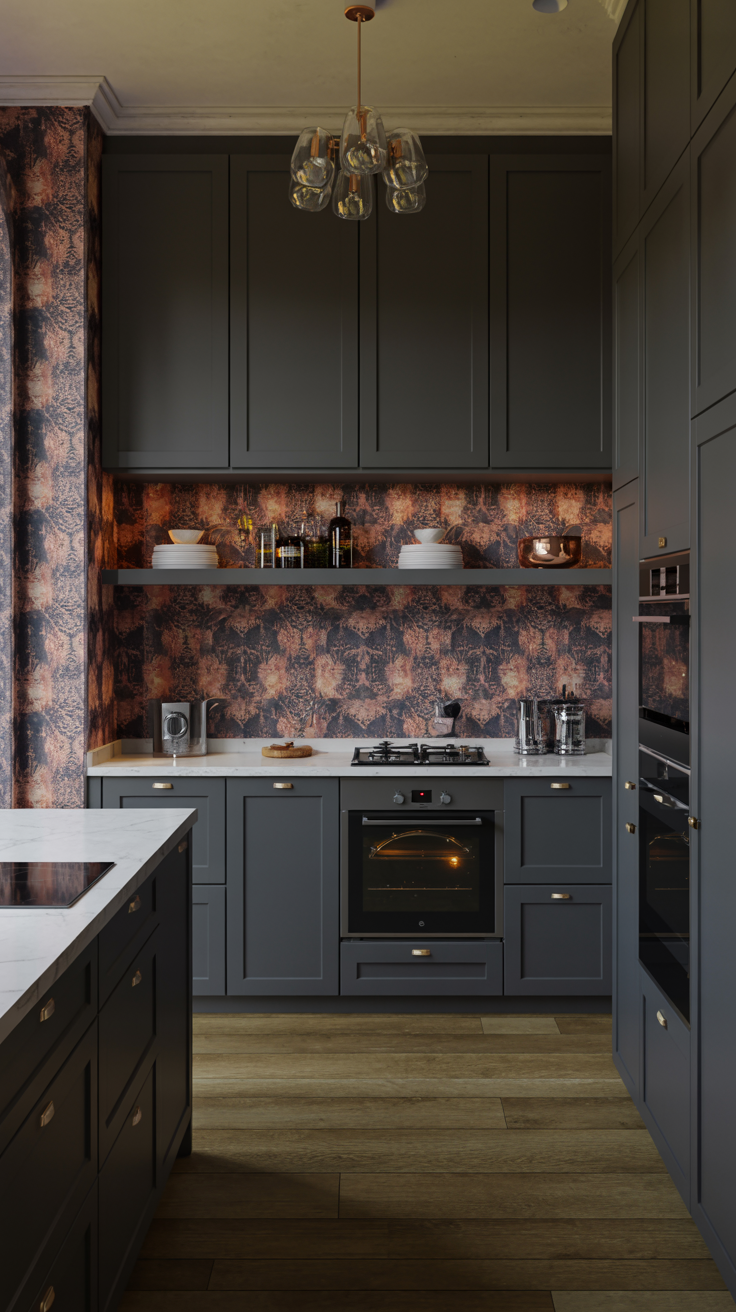
Interestingly, because these spaces are often tucked away, they have become a playground for bold design choices. While the main kitchen might feature a calm, neutral palette, the scullery is where homeowners are experimenting with vibrant cabinet colors, dramatic wallpaper, and statement lighting. It is a space where functionality meets uninhibited creativity, providing the perfect balance to the serene, social atmosphere of the primary kitchen.
7. Dedicated Beverage Centers and Lifestyle Zones
The concept of the kitchen as a multi-purpose hub is being taken to the next level in 2026 with the integration of highly specific “lifestyle zones.” Homeowners are no longer satisfied with a one-size-fits-all approach to kitchen layout; they want spaces that are tailored to their unique daily routines and passions. Chief among these customized zones is the dedicated beverage center.
The morning coffee routine and the evening cocktail hour have been elevated to daily rituals, and the kitchen design is reflecting this shift. We are seeing beautifully crafted coffee bars equipped with built-in espresso machines, dedicated mugs, and specialized storage for beans and syrups. Similarly, wet bars and wine stations are being integrated into the kitchen or adjacent dining areas, complete with under-counter refrigeration, custom glass storage, and moody, atmospheric lighting. These zones are often visually distinct from the rest of the kitchen, perhaps featuring a different cabinet color or a striking mirrored backsplash, making them feel like a special destination within the home.
Beyond beverage centers, we are seeing the rise of other personalized zones. Pet feeding stations, complete with built-in bowls and storage for food and treats, are becoming incredibly popular. Baking stations with lower counter heights for rolling dough and specialized storage for heavy mixers are a dream for avid bakers. Even small, integrated desk areas are making a comeback, providing a central command station for managing household schedules or doing homework. By zoning the kitchen to support specific activities, the space becomes infinitely more functional and deeply attuned to the way the family actually lives.
8. Layered and Statement Lighting
Lighting is no longer just an afterthought in kitchen design; in 2026, it is a central, defining element. The days of relying solely on a grid of recessed ceiling lights are gone. Today’s kitchens require a layered approach to lighting that addresses both the functional needs of the space and the desire for a warm, inviting atmosphere. Lighting is being used to highlight architectural features, create distinct zones, and serve as the “jewelry” of the room.
Task lighting remains crucial, but it is becoming more sophisticated. Under-cabinet lighting is a must-have, providing clear, shadow-free illumination for prep work. We are also seeing a rise in interior cabinet lighting, particularly in glass-fronted upper cabinets or open shelving, which adds a beautiful, ambient glow and highlights curated displays of dishware.
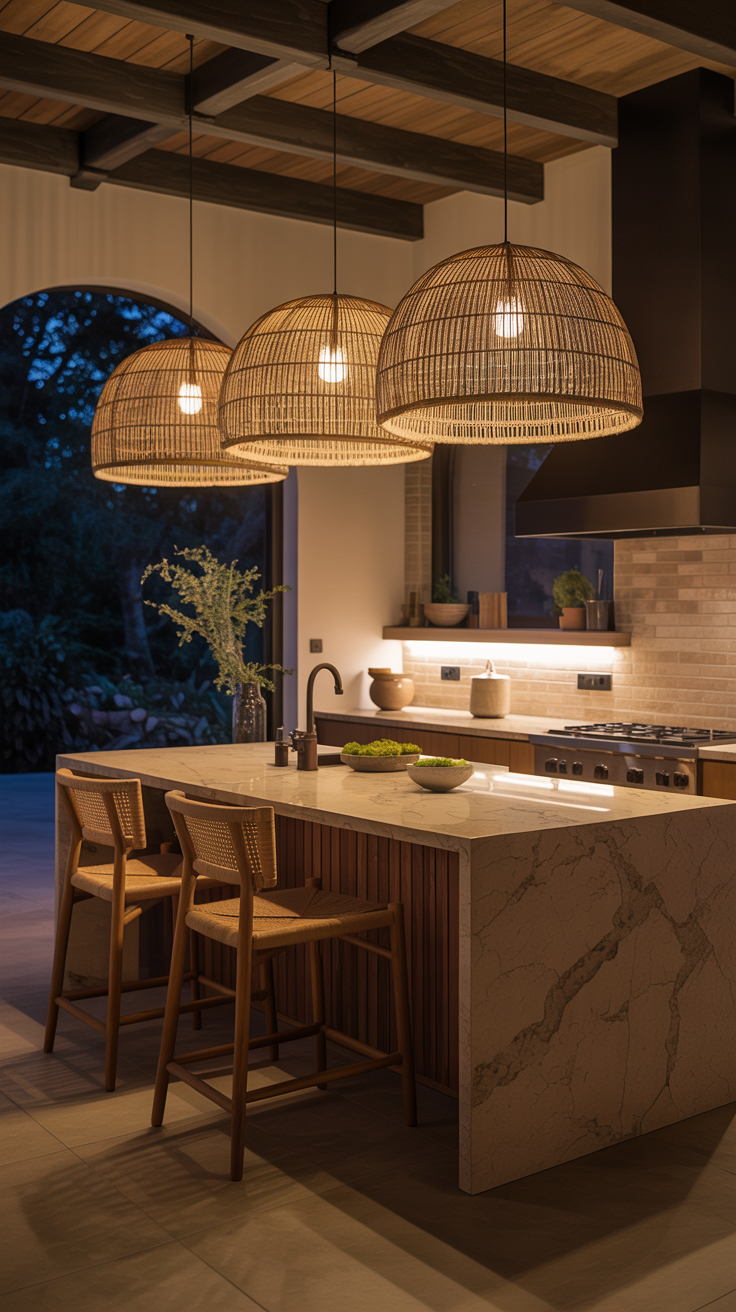
However, the most exciting development is the emphasis on statement decorative lighting. The kitchen island is the perfect stage for dramatic pendants or linear chandeliers that draw the eye and anchor the space. Designers are opting for fixtures made from natural materials like woven rattan, unlacquered brass, or hand-blown glass, which add texture and character. Furthermore, the use of wall sconces in the kitchen is surging. Placed above open shelving, flanking a range hood, or illuminating a cozy breakfast nook, sconces provide a soft, eye-level light that makes the kitchen feel incredibly cozy and room-like. By layering these different types of light, homeowners can easily shift the mood of the kitchen from a bright, energetic workspace during the day to a moody, intimate gathering space at night.
A Space That Resonates
The kitchen trends of 2026 represent a profound shift in how we view and interact with the heart of our homes. We are moving away from the pursuit of sterile perfection and embracing spaces that are rich in character, warmth, and intuitive functionality. By incorporating earthy neutrals, tactile materials, soft forms, and smart, invisible technology, the modern kitchen is becoming a true sanctuary.
These trends are not about following a rigid set of rules, but rather about creating a space that resonates with your personal lifestyle and aesthetic. Whether it is the addition of a dedicated coffee bar, the warmth of a furniture-style island, or the quiet convenience of a hidden scullery, the goal is to design a kitchen that supports and enhances the way you live. As we look to the future, the kitchen will continue to be the most important room in the house not just because it is where we cook, but because it is where we connect, comfort, and truly feel at home.
Expanding on the Trends
To truly understand the impact of these trends, it is helpful to look closer at how they are being implemented in real-world scenarios. The shift toward a more personalized, comfortable kitchen is not just about aesthetics; it is about fundamentally changing how the space operates. Let’s explore some additional nuances and practical applications of the 2026 kitchen trends.
The Evolution of Cabinetry: Beyond the Shaker
While the classic Shaker-style cabinet has enjoyed a long reign as the go-to choice for transitional and modern farmhouse kitchens, 2026 is seeing a diversification in cabinetry profiles. The desire for tactile materials and soft forms is influencing the very structure of the doors and drawers.
We are seeing a rise in “skinny Shaker” profiles, which offer a more refined, delicate take on the traditional style. The stiles and rails are significantly narrower, similiar to the classic look while feeling distinctly modern and less heavy. This works beautifully with the trend toward warmer, earthy colors, allowing the hue to take precedence over the architectural detail of the door.
Furthermore, flat-panel or slab doors are experiencing a resurgence, particularly when executed in richly textured woods or high-quality matte finishes. In the context of the “invisible kitchen,” slab doors are essential for creating a seamless, uninterrupted flow, especially when used to conceal appliances or large pantries. To prevent these flat surfaces from feeling too stark, designers are incorporating subtle details like integrated finger pulls or edge-pull hardware in warm metals, adding a touch of craftsmanship without breaking the clean lines.
Another exciting development is the use of reeded or fluted detailing on cabinetry. This adds a layer of architectural interest and texture that catches the light beautifully. Whether applied to the entire face of an island, a section of upper cabinets, or even the custom paneling of a refrigerator, fluting brings a bespoke, furniture-like quality to the kitchen that perfectly aligns with the 2026 ethos.
The New Approach to Backsplashes: Drama and Continuity
The backsplash is no longer just a practical necessity for protecting walls from splatters; it has become a major focal point in the 2026 kitchen. The ubiquitous white subway tile, while classic, is making way for more dramatic and continuous applications.
One of the most prominent trends is the slab backsplash, where the same material used for the countertops is carried seamlessly up the wall. This creates a stunning, cohesive look that feels incredibly luxurious. When executed in a heavily veined marble, a warm travertine, or a striking quartzite, the slab backsplash becomes a piece of natural art. It also eliminates grout lines, making it exceptionally easy to clean—a perfect marriage of form and function.
For those who prefer tile, the trend is moving toward handmade, artisanal options. Zellige tiles, with their imperfect edges and subtle color variations, continue to be popular, but we are also seeing a rise in larger format tiles and unexpected shapes. Deep, saturated colors like emerald green, navy blue, or rich burgundy are being used to create striking focal points behind the range or sink. The key is to choose materials that feel authentic and add a layer of texture and depth to the overall design.
The Importance of the “Fifth Wall”: Ceiling Treatments
In the quest to create kitchens that feel like true living spaces, designers in 2026 are paying closer attention to the “fifth wall”, as in the ceiling. Often overlooked in the past, the ceiling is now being utilized to add warmth, character, and architectural interest to the room.
Wood beams are a popular choice for adding a sense of history and rustic charm, particularly in kitchens that lean toward a modern farmhouse or organic aesthetic. Whether they are structural or purely decorative, beams draw the eye upward and make large, open spaces feel more intimate and grounded.
For a more subtle approach, tongue-and-groove paneling or shiplap applied to the ceiling can add a layer of texture that softens the acoustics of the room and provides a cozy, cottage-like feel. We are also seeing the use of wallpaper or bold paint colors on the ceiling, particularly in smaller spaces like sculleries or butler’s pantries, adding an unexpected element of surprise and delight.
Sustainability and Eco-Conscious Choices
While aesthetics and functionality are driving many of the 2026 trends, there is an underlying current of sustainability that is influencing the materials and products being chosen. Homeowners are increasingly aware of the environmental impact of their renovations and are seeking out eco-conscious options that do not compromise on style or performance.
This is reflected in the growing popularity of reclaimed woods for cabinetry, flooring, and accents. Not only does reclaimed wood offer unparalleled character and history, but it also reduces the demand for new timber. Similarly, we are seeing a rise in the use of recycled materials for countertops, such as surfaces made from recycled glass or paper set in resin.
Energy efficiency is also a major consideration. The “invisible” appliances that are so popular in 2026 are also some of the most advanced in terms of energy and water conservation. Induction cooktops, which are highly efficient and offer precise temperature control, are rapidly replacing traditional gas ranges. Smart home technology is being used to monitor energy usage and optimize the performance of appliances, ensuring that the kitchen is as green as it is beautiful.
The Kitchen as a Wellness Space
Finally, the 2026 kitchen is increasingly being viewed as a space that supports overall health and wellness. This goes beyond just preparing nutritious meals; it encompasses the entire environment and how it makes us feel.
The emphasis on natural light is a key component of this trend. Large windows, skylights, and glass doors that connect the kitchen to the outdoors are highly desirable, as they flood the space with mood-boosting sunlight and provide a connection to nature. The use of organic materials and earthy colors also contributes to a sense of calm and well-being, creating an environment that feels restorative rather than stressful.
Furthermore, the integration of specific wellness-focused appliances is on the rise. Steam ovens, which preserve the nutrients and flavor of food better than traditional cooking methods, are becoming a staple in high-end kitchens. Built-in water filtration systems and dedicated zones for growing fresh herbs or microgreens indoors are also popular additions that support a healthy lifestyle.
The 2026 kitchen is a holistic space that nourishes the body, mind, and soul. It is a reflection of evolving priorities, where comfort, connection, and well-being are just as important as culinary prowess.