

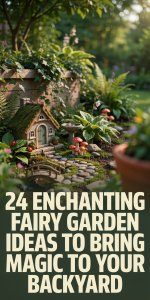
We’ve watched fairy gardens go from niche craft to a full-fledged backyard trend, and for good reason. They’re compact, creative, and surprisingly restorative: a tiny landscape can teach us plant care, design basics, and a playful approach to outdoor space. Whether you’re working with a postage-stamp balcony, a shaded woodland corner, or a large perennial border, a fairy garden adds scale, texture, and a dash of storytelling that invites frequent visits. In this guide we’ll walk through why fairy gardens are worth trying, how to plan one, the essential materials and miniatures to collect, and 24 enchanting ideas you can adapt for 2026. Our emphasis is practical: easy plans, plant choices that perform, and small creative touches that make a big impression.
Why Fairy Gardens Are Magical And Worth Trying
Fairy gardens are more than decorative whimsy, they’re small ecosystems that teach us observation, patience, and design in micro-scale. For families, they create a low-stakes gardening project kids can help with: for seasoned gardeners, they provide a chance to experiment with miniature plantings, texture contrasts, and seasonally changing vignettes.
We find fairy gardens rewarding for several reasons:
- Accessibility: You don’t need a big yard. Containers, window boxes, and tiny plots work beautifully, which lowers barriers to entry.
- Creative play: They invite storytelling. A single addition, a tiny bench or a pebble path, can transform a planter into a narrative scene.
- Biodiversity benefits: Thoughtful plant choices attract pollinators and beneficial insects, especially when we include native miniatures and nectar sources.
- Mental health payoff: Tending a small, contained garden reduces overwhelm. The scale is forgiving and mini projects are quick to complete, offering repeated satisfaction.
We also appreciate how fairy gardens promote reuse and improvisation. Broken ceramics, driftwood, and a few stones become architectural elements. That low-cost, high-imagination approach makes fairy gardening an affordable hobby with outsized joy.
From an aesthetic standpoint, fairy gardens let us practice key design principles, scale, repetition, contrast, without committing large resources. That’s why they’re worth trying whether you’ve never planted a thing or you’re a lifelong gardener looking for a playful side project.
How To Plan Your Fairy Garden
Planning a fairy garden is a mix of site analysis, plant selection, and narrative thinking. We recommend starting with three questions: Where will the garden live? How much maintenance can we commit to? And what mood or story do we want to create? Answering these helps narrow container choices, plant palettes, and miniature styles.
Below we break the planning process into two practical parts: choosing the right location, size, and containers: then matching plants, soil, and microclimates to ensure the scene thrives.
Choosing Location, Size, And Containers
Location governs plant choices and design. First, observe light and shelter for a few days: is the spot full sun, part shade, or deep shade? Does it stay moist or dry? We classify potential locations into three common setups:
- Balcony and windowsill: Best for sun-tolerant succulents and drought-tolerant mixes. Containers need excellent drainage.
- Patio containers and raised planters: Versatile, we can plant mixed annuals, miniature shrubs, or edgings here.
- Ground-level beds and shaded corners: Ideal for woodland-style fairy gardens using mosses, ferns, and spring ephemerals.
Size matters for storytelling. A saucer pot supports a single tiny scene (bench, path, one figurine), while a half-barrel or raised bed allows a village with multiple dwellings and layered plantings. When in doubt, choose a container that gives at least 12–18 inches across if you want multiple elements. That size balances plant choice with the ability to craft paths, steps, and miniature structures.
Container tips we’ve learned:
- Use porous materials like terracotta for sun-warm spots: plastic or glazed pots retain moisture for partial shade.
- Add a drainage layer or use pots with holes to avoid root rot. A shallow layer of gravel works: better yet, use potting mix designed for containers.
- Consider mobility: mounting small fairy gardens on trays or rolling plant caddies makes it easy to move scenes for weather protection or seasonal rearranging.
Finally, match the container scale to your miniatures. A massively ornate figurine in a tiny pot looks out of place: keep scale consistent (common miniature scales are 1:12 and 1:24).
Selecting Plants, Soil, And Microclimates
Choosing plants for fairy gardens is about texture, scale, and habit. We favor small-leaved, slow-growing species that hold scale and require minimal pruning. Here are reliable plant categories and specific suggestions:
- Groundcovers: Sedum spurium, thyme (Thymus serpyllum), baby tears (Soleirolia), and Mazus are great for paths and lawns.
- Miniature shrubs and perennials: Dwarf lavender, miniature roses, Saxifraga, and small heucheras add form.
- Accent plants: Small succulents (Echeveria ‘Gem’) and alpine plants (Alyssum saxatile) provide seasonal interest.
- Foliage contrasts: Use variegated heuchera or tiny Carex for texture shifts.
- Mosses and ferns: For shaded woodland scenes, sheet moss, Selaginella, and small maidenhair ferns sell the fairy-forest vibe.
Soil and drainage matter more in small containers because conditions can swing quickly. We use a high-quality potting mix, sometimes blended with 20–30% pumice or coarse sand for succulents. For woodland beds, topsoil mixed with leaf mold gives a moister, humus-rich base.
Microclimates exist in miniature: the north side of a fence is cooler and moister, a sun-facing pot heats faster. Pay attention to wind paths and reflective heat from walls. Grouping pots of similar water needs simplifies maintenance: all succulents together, all moisture-lovers together. That way we water deeply but infrequently, tailored to each group, reducing overwatering risks.
Finally, think seasonally. Incorporate early spring bulbs (crocus, miniature daffodils) and late-season sedums to keep the fairy garden interesting year-round.
Essential Materials, Miniatures, And Tools
Before building, gather a small toolkit and a modest collection of miniatures. You don’t need to buy everything at once: a few well-chosen items can be reused as the scene evolves.
Essential materials:
- Potting mix appropriate to the plants (all-purpose mix for mixed beds, cactus mix for succulents).
- Drainage materials: gravel, broken pottery shards, or horticultural perlite.
- Sheet moss or preserved moss for instant lawns and planting pockets.
- Small stones and pebbles for paths, edging, and dry riverbeds.
Miniatures we recommend starting with:
- A focal house or cottage (scale-matching your container).
- A few accessories like a bench, wheelbarrow, lanterns, and tiny birdbaths.
- Natural elements: twigs for fences, shells for ponds, acorn caps for bowls.
Tools and extras:
- A hand trowel and mini rake for shaping soil and paths.
- Long tweezers or chopsticks for placing tiny pieces without disturbing plants.
- A spray bottle for gentle watering of moss and delicate plantings.
- UV-resistant glue or waterproof craft adhesive for securing pieces when necessary.
Sourcing miniatures is part of the fun. We mix handcrafted finds from local artisans with repurposed items: a bottle cap becomes a pond, a thimble becomes a planter. Online marketplaces offer themed kits (woodland, nautical, holiday) that save time. But the best results come from blending purchased miniatures with natural, site-specific elements that anchor the scene to your backyard.
Finally, think about longevity: choose materials that survive outdoors if the garden will be exposed to sun and rain. For delicate resin figures, place them under a protected eave or bring them indoors during extreme weather.
24 Enchanting Fairy Garden Ideas To Try This Year
Below are 24 imaginative fairy garden ideas grouped by setting and approach. Each mini concept is designed to be achievable and adaptable: swap plants, materials, or color palettes to match your yard or balcony. We include quick how-tos and planting notes so you can start right away.
Six Container, Balcony, And Windowsill Ideas
- Succulent Pocket Fairy Pot
- Use a shallow terracotta dish with cactus mix. Plant a mix of small rosette succulents, add pebbles for pathways, and place a tiny bench. These need bright light and sparse watering.
- Teacup Cottage Scene
- Repurpose an old teacup as a container, fill with ericaceous or general-purpose compost depending on plants, and plant baby tears or small ferns for a soft lawn. Add a thimble pond and a miniature cottage.
- Window Box Riverside
- In a long window planter, create a pebble “river” down the center, edge with low thyme, and plant miniature hostas or heuchera at the back. Add a tiny bridge and reed-like sedges for height.
- Hanging Basket Treehouse
- Use a hanging basket lined with coco coir, plant cascading plants like Dichondra ‘Silver Falls’, add a small twig ladder and a suspended birdhouse to suggest a treehouse for fairies.
- Mini Zen Fairy Garden
- In a square shallow tray, lay sand, rake patterns, and place a single moss patch, a bonsai-style trimmed sedum, and a tiny pagoda statue for a tranquil vignette.
- Succulent and Stone Stairs
- Layer stones to form a stairway up to a small resin house in a half-barrel. Interplant sedums and small sempervivums between stone crevices for a drought-tolerant, sun-loving display.
Six Woodland, Shade, And Ground-Level Ideas
- Mossy Hollow and Stump Table
- Use a shaded bed to plant sheet moss around a low stump or a large rock, place a tiny table carved from bark, and add acorn-cap dishes. Ideal for deep shade and cool, moist soils.
- Fern Grotto with Lantern Path
- Line a shady border with small ferns (woodland ferns or Athyrium), create a pebbled pathway lit by mini solar lanterns, and tuck a doorway into the root flares of a tree for the ultimate hidden entrance.
- Spring Bulb Fairy Meadow
- Plant clumps of crocus, miniature tulips, and grape hyacinth in a ground-level plot. As flowers emerge, add tiny wagons or a little cart to suggest seasonal activity.
- Woodland Log Village
- Hollow out a log or use split wood to stage tiny houses built into the wood surface. Plant trailing ivy and small polypody ferns for an integrated, aged look.
- Pond-Edge Bog Garden
- Create a shallow pond or use a large saucer for water, surround it with marsh-loving plants like marsh marigold or miniature iris, and set frog or heron miniatures to draw wildlife attention.
- Deer-Resilient Fairy Clearing
- In areas with deer, choose deer-resistant plants like lamb’s ear (Stachys), hardy geraniums, and ornamental grasses. Use a simple ring of stones and a wind-drift branch to create a clearing that reads as a meeting place.
Six Themed Villages, Seasonal, And Upcycled Ideas
1. Holiday-Themed Mini Village
- Build a winter holiday scene with salt-dough “snow” sprinkled over preserved moss, miniature string lights, and tiny wreaths. Use weatherproof figures or bring delicate items indoors when wet weather hits.
- Beach Cottage Cove
- Use sand in a shallow container, add shells, a driftwood fence, and low salt-tolerant succulents. A tiny surfboard or a string of tiny flags completes the coastal mood.
- Upcycled Toy Town
- Repurpose old dollhouse furniture or broken toy pieces into eclectic village elements. Spray-paint for color cohesion and integrate plants like creeping thyme to soften plastic edges.
- Fairy Market Street
- In a larger planter, create small vendor stalls from matchboxes or scrap wood, plant aromatic herbs (basil, lemon balm) as market goods, and use tiny clay pots as displays.
- Lantern-Lit Night Garden
- Focus on evening ambiance: plant fragrant night-bloomers like nicotiana or night-scented stocks near a tiny path lined with battery tea-lights or solar mini-lanterns for magical after-dark visits.
- Storybook Author’s Nook
- Build a writer’s corner with a tiny desk, stacks of micro-books (use painted matchboxes), and a canopy of miniature vining plants. This idea pairs well with an in-ground bed near a reading bench for adults, letting the fairy nook be a companion to our human relaxation spot.
Conclusion
Fairy gardens are one of the most accessible ways to inject creativity into outdoor spaces. We’ve explored why they matter, how to plan them, the supplies to gather, and 24 adaptable ideas that work from sunny balconies to shady woodland corners. The important part is starting small: pick one concept that excites you, choose suitable plants and a durable focal element, and let the scene evolve. As we tend these tiny worlds, we learn to notice subtle seasonal shifts and delight in small successes, and that’s the real magic. Ready to pick your first fairy garden idea and get started this year?