

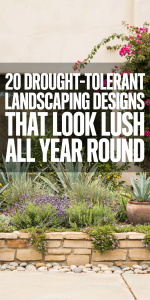
Water-wise landscaping has moved from niche to necessity, and the good news is we don’t have to sacrifice beauty for conservation. In this guide we show 20 drought-tolerant landscaping designs that look lush all year round, blending style, habitat value, and dramatic curb appeal. Whether you’re tackling a sunny slope, a shady courtyard, or a postage-stamp yard, these ideas pair smart plant choices with soil, mulch, and layout strategies that maximize water efficiency. We’ll walk through why drought-tolerant landscaping works, core design principles, inspiring design templates, plant picks for year-round interest, and realistic costs and maintenance expectations. Read on to find practical plans and visual concepts you can adapt to your climate and budget in 2026.
Why Drought-Tolerant Landscaping Works — Benefits And When To Choose It
Drought-tolerant landscaping does more than reduce your water bill, it reshapes how we think about resilience, biodiversity, and beauty in the yard. At its core, it’s about matching plants, soil, and irrigation to local conditions so landscapes thrive with minimal supplemental water.
Benefits we consistently see include substantial water savings (often 30–60% compared with conventional turf), lower maintenance time, fewer fertilizer and pesticide inputs, and increased wildlife value when native and pollinator-friendly species are used. There’s also financial resilience: landscapes designed for drought reduce long-term irrigation infrastructure needs and are less vulnerable to municipal water restrictions.
When should you choose drought-tolerant landscaping? Consider it if you live in an arid or Mediterranean climate, face frequent watering restrictions, want to reduce outdoor maintenance, or aim to create a more climate-resilient property. It’s also a smart choice for new builds and renovations where establishing a low-input garden from the start saves effort and money. Even in wetter climates, sections of a yard (south-facing slopes, gravel drive edges, rockeries) can benefit from drought-tolerant approaches.
Key takeaway: drought-tolerant landscapes are less about xeric austerity and more about intentional design, selecting plants and practices that create lush, year-round interest while using water wisely.
Design Principles For Lush, Low-Water Gardens
Successful drought-tolerant gardens rely on a handful of clear design principles. We recommend using these as a checklist when planning.
- Right plant, right place: Group plants by water need, hydrozones, so deep-rooted Mediterranean shrubs, succulents, and native perennials each get appropriate irrigation. Avoid scattering thirsty annuals among drought-tolerant specimens.
- Soil first: Improving soil organic matter and texture increases water-holding capacity. We favor deep incorporation of compost, mulching heavily (2–4 inches), and using soil amendments only after testing. In clay soils, create raised berms or amend minimally to avoid compaction: in sandy soils, organic matter is crucial.
- Layered structure and texture: Combine canopy shrubs, mid-story perennials, and groundcovers to create depth and seasonal interest. Texture and contrast, feathery grasses against bold succulents, or silver foliage next to glossy greens, make the garden read as lush even when water is limited.
- Mulch and groundcover for cooling: Mulch reduces evaporation, suppresses weeds, and moderates soil temperature. Choose inorganic aggregates (gravel) in desert settings or organic mulches where decomposition helps build soil.
- Water-smart irrigation: Use drip irrigation, micro-sprays, and smart controllers with local evapotranspiration data. We recommend short, deep irrigation cycles early in the morning to encourage deep rooting.
- Hardscape as design, not desert: Pathways, terraces, benches, and gravel areas should be integrated to define rooms and focal points. Hardscape reduces planting area, making maintenance easier, but balance is key, we want at least 40–60% living cover for a lush feel.
- Seasonality and succession planting: Stagger bloom times and select species with complementary seasonal interest, spring flowers, summer grasses, autumn berries, so the garden never feels empty.
When we design, these principles guide plant choices, irrigation placement, and hardscape proportions to achieve a landscape that’s both economical with water and abundant in aesthetic value.
20 Drought-Tolerant Designs To Inspire You
Below we present 20 designs organized into four practical families, Mediterranean/gravel, succulent/rock/alpine, native meadow/prairie/pollinator strips, and shade/container/vertical/small-space solutions. Each sub-section contains several adaptable concepts you can scale from a condo balcony to a large yard.
Mediterranean, Xeriscape, And Gravel Gardens
- Classic Mediterranean Courtyard: Olive trees, lavender hedges, rosemary, and stone paving create a warm, aromatic courtyard. We use decomposed granite paths and drip-fed root zones to keep trees thriving without surface irrigation.
- Formal Xeriscape Front Yard: Structural box hedges of drought-hardy shrubs (e.g., box honeysuckle or dwarf rosemary) paired with gravel beds and accent boulders for curb appeal and low upkeep.
- Gravel Oasis with Focal Citrus: A gravel matrix planted with Mediterranean perennials and a single citrus specimen in an irrigated basin, dramatic yet water-efficient when mature.
- Desert Modern Driveway Edge: Linear bands of colored gravel, agave, and ornamental grasses create a sculptural, low-water edge that frames contemporary architecture.
Succulent, Rock, And Alpine Garden Combinations
- Mixed Succulent Carpet: Layer echeveria, sedum, and low sedges over shallow rock terraces, minimal irrigation after establishment and an ever-changing textural quilt.
- Agave and Tree-Island Design: Large agaves punctuate a gently mulched lawn alternative of decomposed rock, with drought-tolerant understory perennials around a focal shade tree.
- Alpine Rockery with Seasonal Interest: Use alpine plants, thyme, and saxifraga in well-draining raised rock beds for spring blooms and year-round structure.
- Vertical Succulent Wall: A living wall of shallow-rooted succulents on a south or west-facing fence, irrigated with micro-drip lines, offers dramatic green without much ground irrigation.
Native Meadow, Prairie, And Pollinator Strips
- Native Meadow with Mown Paths: Replace a conventional lawn with a native grass and wildflower mix, adding mown paths for access. We plant in bands to ensure continuous bloom from spring to fall.
- Prairie Palette Front Yard: Tall native grasses, coneflowers, and asters create movement and seed-head interest through winter, attractive to birds and low on water.
- Pollinator Corridor: Narrow strips of native perennials along property edges or streetscape right-of-ways provide habitat for bees and butterflies while reducing irrigation footprint.
- Seasonal Wet-to-Dry Swale: A rain-harvesting swale planted with moisture-tolerant natives at the bottom and drier species upslope captures stormwater and reduces irrigation.
Shade, Container, Vertical, And Small-Space Solutions
- Shaded Courtyard with Drought-Tolerant Underplanting: Use drought-tolerant woodland natives and ferns where trees provide shade: mulch heavily to retain moisture.
- Container Groupings for Patios: Cluster pots with complementary drought-tolerant plants, rosemary, lavender, small salvias, and succulents, placed to reduce heat stress and watering needs.
- Balcony Mediterranean: Shallow-rooted herbs, dwarf olives in containers, and gravel surface dressings create a balcony that feels verdant with modest watering.
- Roof Garden with Lightweight Gravel and Sedums: Lightweight growing media and sedum mats reduce runoff and water use while adding thermal performance to the building.
- Pocket Park Conversion: Convert small municipal lawn strips into themed low-water gardens (e.g., native pollinator or Mediterranean) to demonstrate practicality at the neighborhood scale.
- Steep Slope Stabilization with Drought-Tolerant Groundcovers: Use deep-rooting native shrubs and mat-forming groundcovers to prevent erosion and create a lush hillside.
- Drip-Fed Raised Beds for Edible Drought Gardening: Mix drought-tolerant greens, Mediterranean herbs, and perennial edibles in raised beds with drip irrigation to harvest food with low water.
- Night-Shift Garden for Evening Use: Plant fragrant, drought-tolerant night-bloomers (night-scented stock, nicotiana) and soft, reflective paving for a lush late-evening patio that uses little water.
Each design can be adapted to scale and style. We recommend sketching simple plan options and testing one or two concepts at a time so you can see how plants establish and how microclimates perform on your property.
Plant Selection Guide For Year-Round Interest
Selecting the right plants is the backbone of any drought-tolerant garden that looks lush year-round. We approach selection by combining three categories: structural anchors (trees/shrubs), textural complements (grasses/succulents), and seasonal performers (perennials/annuals).
Structural anchors: Choose slow-growing, deep-rooted shrubs and small trees that provide scale and shade. Examples we frequently use: low-water oaks (where climate permits), olive (Olea europaea), manzanita (Arctostaphylos), and dwarf pines. These form the ‘bones’ of the landscape and reduce perceived empty space during lean seasons.
Textural complements: Grasses and succulents supply movement and contrast. Drought-tolerant grasses like Festuca, Muhlenbergia, and Nassella add soft motion: succulents (sedums, agaves, aloes) give sculptural focal points. Mixing leaf sizes and colors, silver foliage, burgundy leaves, lime-green grasses, keeps beds visually rich.
Seasonal performers: For color and pollinator value, include perennials timed to stagger bloom. Consider penstemon, echinacea, gaura, lavender, salvia, and native asters. Bulbs like alliums and narcissus provide spring punctuation in many zones.
Groundcovers and mulches: Use mat-forming sages, thyme, and low sedums as living mulch. They suppress weeds, moderate soil temperature, and visually fill gaps.
Evergreen vs deciduous balance: Evergreen drought-tolerant shrubs maintain winter presence: deciduous perennials and grasses contribute seasonal drama. We aim for roughly 50–70% evergreen structure in climates with cold or dry winters to keep the garden feeling lush year-round.
Plant sourcing and provenance: Whenever possible, choose regionally appropriate natives, they’re adapted to local precipitation patterns and support local pollinators. For Mediterranean or arid designs, use Mediterranean-climate species that tolerate summer drought once established.
Finally, test small batches before committing to large plantings. Microclimates, soil variability, and exposure matter. Observe how species perform in one corner of the yard and scale successful combinations across the site.
Installation, Maintenance, Costs, And Water Savings
Installation: A phased installation reduces upfront cost and lets us evaluate plant performance. Typical steps include site analysis, soil preparation (amendment and grading), hydrozone layout, irrigation installation, planting, mulching, and initial establishment watering. For complex grading or retaining walls, consult a landscape contractor: for simpler projects, we often DIY planting and drip irrigation installation.
Maintenance: Drought-tolerant doesn’t mean no maintenance. Expect seasonal tasks: pruning, dividing clumping perennials, replenishing mulch annually, and targeted irrigation adjustments. Drip systems need occasional flushing and emitter checks. We schedule heavier maintenance in spring and lighter touch-ups in late summer and fall.
Costs: Costs vary widely by region and scale. As a rough guide:
- DIY container or small-bed conversions: $200–$2,000
- Professional small-yard retrofits: $3,000–$12,000
- Full yard redesigns with hardscape and irrigation: $15,000–$60,000+
Material choices drive cost, large specimen trees, decorative stone, and built water-catchment systems increase budgets, while seed-based meadows and plug plantings lower them. We always recommend requesting multiple contractor bids and prioritizing soil improvement and irrigation quality over expensive ornamental features.
Water savings: Expect 30–60% reduction in outdoor water use depending on your previous landscape and climate. Replacing turf with native meadow or gravel beds typically yields the largest savings. Combining rainwater harvesting (barrels or cisterns) with efficient irrigation controllers can further reduce municipal water use.
Return on investment: Beyond monthly water savings, consider increased property resilience and lower long-term maintenance costs. Drought-tolerant landscapes often increase curb appeal, especially in regions where water-wise design is becoming the norm.
Permits and regulations: Check local water restrictions, tree protection ordinances, and HOA rules before starting. Many municipalities offer rebates for turf removal or efficient irrigation upgrades, we always check for incentives to offset costs.
Conclusion
Drought-tolerant landscaping doesn’t mean sacrificing lushness, it’s about smarter choices: better soil, layered planting, and efficient irrigation. By using the 20 designs above as templates, pairing thoughtful plant palettes, and phasing installation, we can create landscapes that look full, vibrant, and intent-driven all year round. Start small, observe microclimates, and iterate: the most successful projects evolve slowly and reward patience with long-term water savings, biodiversity gains, and enduring beauty.