

We love the cozy, lived-in charm of a rustic farmhouse bathroom, the warm wood tones, textured finishes, and that effortless mix of old and new. But renovating a bathroom can feel expensive and overwhelming. In this guide we’ll walk you through 17 budget-friendly rustic farmhouse ideas that deliver big visual impact without blowing your budget. Along the way we share planning tips, smart material sources, and a step-by-step DIY for a shiplap accent wall you can tackle in a weekend. Whether you’re working with a rental-friendly refresh or a full bathroom redo, our goal is practical inspiration: projects you can do yourself, swaps that look high-end, and where to score reclaimed wood and vintage fixtures for less. Let’s get started and make a farmhouse bathroom that feels authentic, comfortable, and distinctly yours, on a budget.
Why Rustic Farmhouse Works And How To Plan A Budget Makeover
Rustic farmhouse endures because it blends warmth, utility, and personality. It’s not about pristine perfection, it celebrates wear, texture, and salvaged materials. For a budget makeover, that philosophy works in our favor: patina and imperfection are assets, not problems. Before we swing a hammer, here’s how we plan so money goes where it matters.
Set priorities first. Decide whether function (storage, layout, lighting) or style (vanity, tile, fixtures) is most important. On a tight budget, prioritize fixes that improve daily use, better lighting, a fresh waterproof finish, or upgraded hardware, then layer stylistic touches.
Create a simple mood board. Gather images of fixtures, wood tones, metal finishes (oil-rubbed bronze, black, or aged brass), and textiles. A mood board keeps decisions consistent and prevents expensive impulse buys.
Budget realistically. Break costs into categories: demo/plumbing (if any), surfaces (paint, tile, floor), fixtures (sink, faucet, showerhead), cabinetry/hardware, and decorative elements (mirrors, shelves). We recommend reserving 60–70% of the budget for durable updates (plumbing, surfaces, fixtures) and 30–40% for decorative, high-impact items.
Know what you’ll DIY. Labor savings are the biggest cost cut. Painting, installing shiplap, reglazing a tub, or replacing hardware are high-value DIY tasks. Leave complex plumbing or electrical to pros unless you have experience.
Finally, embrace thrift and staging. Scuffed baskets, mismatched jars, and slightly weathered wood are part of the aesthetic, and they keep costs down. With a plan and a few targeted upgrades, a rustic farmhouse bathroom makeover can feel cohesive and intentional without exhausting the bank account.
17 Budget-Friendly Rustic Farmhouse Ideas — Overview
We’ve grouped 17 practical ideas into three tiers so you can pick projects that match your skill level and budget. Quick cosmetic swaps are fast wins: mid-level DIYs require more time but deliver real value: affordable statement upgrades are impact pieces that feel luxurious without a massive price tag. Use the list as a menu, mix and match according to your priorities.
Quick Cosmetic Swaps (Ideas 1–6)
- Repaint With Warm, Neutral Tones, A weathered cream, soft greige, or muted sage instantly softens a bathroom and pairs well with reclaimed wood. Use a semi-gloss in damp zones for durability.
- Swap Hardware, Replace dated knobs and pulls with oil-rubbed bronze, matte black, or antique brass. It’s a small expense with a surprisingly high visual return.
- Swap Out the Mirror, An ornate or distressed wood-framed mirror becomes a focal point. Look for secondhand frames and have glass cut to fit if needed.
- Add Rustic Lighting, Install barn-style sconces or a small metal pendant above the vanity. Hardwiring may require an electrician, but plug-in sconces are a renter-friendly option.
- Use Open Shelving, Replace upper cabinets with a single reclaimed-wood shelf or two. Shelves lighten the room and display folded linens, apothecary jars, and baskets.
- Update Textiles & Accessories, Swap shower curtains for linen or cotton, add waffle towels in neutral colors, and place woven baskets for storage. These finishing touches reinforce the farmhouse vibe without structural changes.
These swaps cost comparatively little and can be done in an afternoon or weekend. They deliver immediate style improvements and set the stage for larger updates later.
Mid-Level DIY Projects (Ideas 7–12)
- Paint or Refinish the Vanity, Sand and repaint an existing vanity in a muted color or stain. Add beadboard paneling or attach reclaimed boards for a farmhouse look. This is a weekend project that transforms the centerpiece of the room.
- Replace the Faucet & Showerhead, Swapping these fixtures is usually straightforward and affordable. Choose finishes that coordinate with hardware and lighting for a polished look.
- Install a Wood-Topped Vanity or Floating Shelf, Repurpose an old dresser top or build a simple butcher-block countertop for a unique vanity surface. Seal with a waterproof finish.
- Reglaze or Paint the Tub, If the tub is structurally sound but looks tired, reglazing saves the cost of a replacement. Alternatively, apply a tub-and-tile refinishing kit following manufacturer instructions: it’s a cost-effective refresh.
- Lay Peel-and-Stick Tile or Vinyl Planks, Modern peel-and-stick tiles and luxury vinyl planks are water-resistant and DIY-friendly. Use them for floors or shower walls for the look of ceramic tile or wood without the expense.
- Create Storage With Ladder Shelves or Built-Ins, A leaning ladder shelf or shallow built-in niche adds storage and display space. We’ve found that repurposing old ladders (lightly sanded and sealed) creates instant rustic charm.
These projects require more time and basic tools but remain within reach. They’re the sweet spot for homeowners who want meaningful change without hiring a contractor.
Affordable Statement Upgrades (Ideas 13–17)
- Reclaimed Wood Vanity or Accents, A thin reclaimed-wood facade on a vanity or a floating shelf made from salvaged barn wood reads expensive but can be sourced cheaply if we hunt local salvage yards or reclaimed-wood sellers. Finish with a clear, water-resistant coat.
- Exposed Pipe Vanity or Towel Rack, Use galvanized or black iron pipe for an industrial-rustic vanity base or towel shelving. It’s stylish, sturdy, and surprisingly affordable when bought in short lengths.
- Freestanding Pedestal Sink or Vintage Console, Scour flea markets or online listings for a vintage sink or console table that can be converted into a vanity. Plumbing may need adapting, but the character payoff is big.
- Accent Tile Backsplash or Shower Niche, Instead of tiling the whole shower, do a narrow backsplash strip or niche with patterned cement tile or penny tile. A small tile area reads custom without the full-room cost.
- Statement Mirror or Salvaged Window Frame, A large reclaimed window used as a mirror frame or a repurposed door panel can create drama above the vanity. It’s a single-piece upgrade that anchors the room.
These upgrades are statement-makers: they change the feel of the room and are often a single purchase or weekend install. They’re ideal for homeowners ready to invest a little more for a focal point.
Where To Find Affordable Materials, Vintage Finds, And Reclaimed Wood
Finding materials on a budget is half intuition, half strategy. Here are our go-to sources and tactics for scoring authentic rustic elements without overspending.
- Local Salvage Yards & Architectural Reuse Centers, These are treasure troves for reclaimed wood, vintage doors, windows, and hardware. Prices vary, but negotiating is common, especially for bulk or imperfect pieces.
- Online Marketplaces, Facebook Marketplace, Craigslist, and Nextdoor often list vanities, mirrors, and salvage materials for a fraction of retail. We set alerts for keywords like “reclaimed wood,” “vintage mirror,” or “bathroom vanity.”
- Habitat for Humanity ReStores, These nonprofit stores carry donated fixtures, cabinetry, and building materials at discounted prices. Profits support community projects, so it’s a feel-good buy.
- Habitat Salvage, Local Auctions & Estate Sales, Estate sales can yield high-quality vintage hardware and fixtures. Local auctions sometimes include deconstructed barn wood or architectural pieces.
- Big-Box Stores & Discount Retailers, For essentials like paint, fasteners, and primer, stores like Home Depot or Lowe’s frequently have value lines and seasonal sales. Some carry discounted pallets of clearance lumber that can be planed and repurposed.
- Salvage Facebook Groups & DIY Forums, Join community groups focused on upcycling. Members often trade or sell materials, and you’ll pick up installation tips and local leads.
- Reclaimed Wood Retailers & Kiln-Dried Options, For a cleaner, more predictable product, small reclaimed-wood retailers sell kiln-dried planks that are ready for interior use. They cost more than raw salvage but save time and reduce warping.
When transporting large pieces, measure beforehand and bring helpers or a vehicle with adequate capacity. We recommend inspecting wood for rot, pests, and excessive moisture: a quick moisture meter test saves headaches. Combine a few of these sources and you’ll find authentic materials at prices that fit a budget makeover plan.
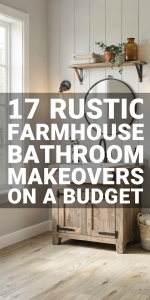
Step-By-Step DIY: Install A Shiplap Accent Wall On A Budget
A shiplap accent wall is iconic farmhouse and surprisingly affordable when done smartly. We’ll walk through a budget-friendly install using pine or MDF shiplap boards.
Materials & Tools (for a standard 8′ x 10′ wall):
- 1×6 or 1×4 pine boards or primed MDF shiplap (amount depends on wall size), consider 6–8′ lengths for less waste
- Nail gun and 1¼” finish nails (or hammer and finishing nails)
- Construction adhesive (optional)
- Caulk and paint (if painting)
- Stud finder, level, measuring tape, miter saw or circular saw
- Sandpaper, wood filler, drop cloths
Estimated time: 1 weekend (2–8 hours depending on prep)
- Prep the wall. Remove outlet covers and clean the surface. Use a stud finder to locate studs, we’ll nail into studs where possible. Patch any large holes and sand rough spots.
- Prime or paint boards (optional). If you plan to paint the shiplap white or a light color, it’s easier to prime on the back and face before installation. For a raw, rustic look, skip priming and finish after installation.
- Measure and cut the first board. Start at the bottom of the wall and work up. If the floor isn’t level, cut the first row to match the slope so upper rows sit straight. Use a level to ensure the first board is perfectly horizontal, it determines the alignment for every board above.
- Attach the boards. Apply a bead of construction adhesive to the back of the board (optional for extra hold). Nail into studs every 12–16 inches along the board using a nail gun or finishing nails. For MDF, be sure to pre-drill near edges if splitting is a concern.
- Continue upward. Butt next boards tightly or leave a consistent 1/8″ gap for shadow lines, depending on the profile you choose. Stagger board seams over studs for added strength.
- Finish corners and trim. Use quarter-round or simple casing to cover gaps at the ceiling and base if desired. Fill nail holes with wood filler. Lightly sand any rough joins.
- Caulk and paint (if painting). Caulk seams where boards meet trim and paint with two coats for a durable finish. For a washed look, thin paint with water and brush it on lightly, wiping excess to let wood grain show through.
Tips to save money:
- Use primed MDF for very tight budgets: it paints easily and is stable in indoor humidity.
- Buy imperfect lumber and plane or sand it yourself for character.
- Reuse leftover boards for shelves or mirror frames to keep the look cohesive.
With basic tools and careful measuring, shiplap turns a plain wall into a farmhouse focal point without major expense.
Conclusion
A rustic farmhouse bathroom doesn’t require a huge budget, it requires thoughtful choices. By prioritizing high-impact updates, embracing reclaimed materials, and doing the labor-intensive work ourselves, we can create warm, authentic spaces that feel both timeless and personal. Start with small cosmetic swaps, add mid-level DIY projects as confidence grows, and invest in one or two statement pieces that anchor the room. Above all, have fun with the process: the imperfections and stories behind reclaimed elements are what make a farmhouse bathroom truly inviting. Ready to pick your first project? We recommend tackling the shiplap accent wall or swapping hardware, both are affordable, transformative, and great confidence-builders.