

I recently found myself standing in the middle of a thrift store, clutching a slightly chipped, floral-patterned teacup like it was the Holy Grail. Just a few years ago, I would have walked right past it, my eyes scanning for sleek, mid-century modern lines or minimalist, neutral ceramics. But on this particular Tuesday, that delicate, rose-covered cup felt like exactly what my home was missing. It turns out, I’m not the only one feeling this shift. Across the design world, the pendulum is swinging hard away from stark minimalism and straight into the welcoming, slightly cluttered, and deeply comforting arms of the “vintage grandma” aesthetic.
Whether you call it Grandmacore, Grandmillennial style, or simply Granny Chic, this design movement is taking over our homes, our social media feeds, and our hearts. It is a rebellion against the cold, unlivable spaces that have dominated interior design for the past decade. Instead of hiding our belongings in sleek, handle-less cabinets, we are displaying them proudly. We are trading in our greige linen sofas for velvet tufted armchairs, and we are finally pulling our grandmother’s fine china out of the attic.
But why now? Why are so many of us suddenly drawn to the very things we once considered outdated or fussy? The answer lies not just in the cyclical nature of trends, but in a deep, collective craving for comfort, nostalgia, and spaces that actually feel like home.
\Why Nostalgia is the Ultimate Comfort
To understand the rise of Grandmacore, we have to look beyond the floral wallpaper and examine the psychology behind our design choices. For years, the prevailing aesthetic was minimalism. We were told that a clear space equaled a clear mind. We painted our walls white, bought furniture with clean lines, and ruthlessly purged anything that didn’t spark joy or serve a strictly functional purpose.
While minimalism certainly has its merits, it can also feel incredibly sterile. A perfectly curated, minimalist living room might look beautiful in a magazine, but it doesn’t always feel like a place where you can kick off your shoes, curl up with a good book, and actually relax. In our fast-paced, increasingly digital world, our homes need to be sanctuaries. They need to be places that offer a sense of grounding and emotional safety.
This is where nostalgia comes in. When the world outside feels chaotic or uncertain, we naturally gravitate toward things that remind us of simpler, safer times. For many of us, those memories are inextricably linked to our grandparents’ homes.
Think about the sensory experience of walking into your grandmother’s house. It wasn’t just about how it looked; it was about how it felt. It was the smell of something baking in the oven, the soft ticking of a grandfather clock, the feeling of sinking into a plush, slightly worn armchair. It was a space filled with history, with layers of memories woven into the very fabric of the room.
When we bring elements of that aesthetic into our own homes whether it’s a pieced quilt draped over the end of the bed or a collection of mismatched vintage plates on the wall, we are trying to capture that same feeling of unconditional comfort and warmth. We are creating environments that are rich in texture, pattern, and meaning. I had to look this up, but psychologists call this “environmental enrichment,” when our brains respond positively to spaces that are visually stimulating and filled with personal history.
The Key Elements of Granny Chic: How to Get the Look
So, how do we translate this craving for comfort into actual design choices? The beauty of the vintage grandma aesthetic is that it is inherently forgiving. It is not about achieving a perfect, catalog-ready look. It is about layering, mixing, and creating a space that feels collected over time. Here are some of the key elements that define the style.
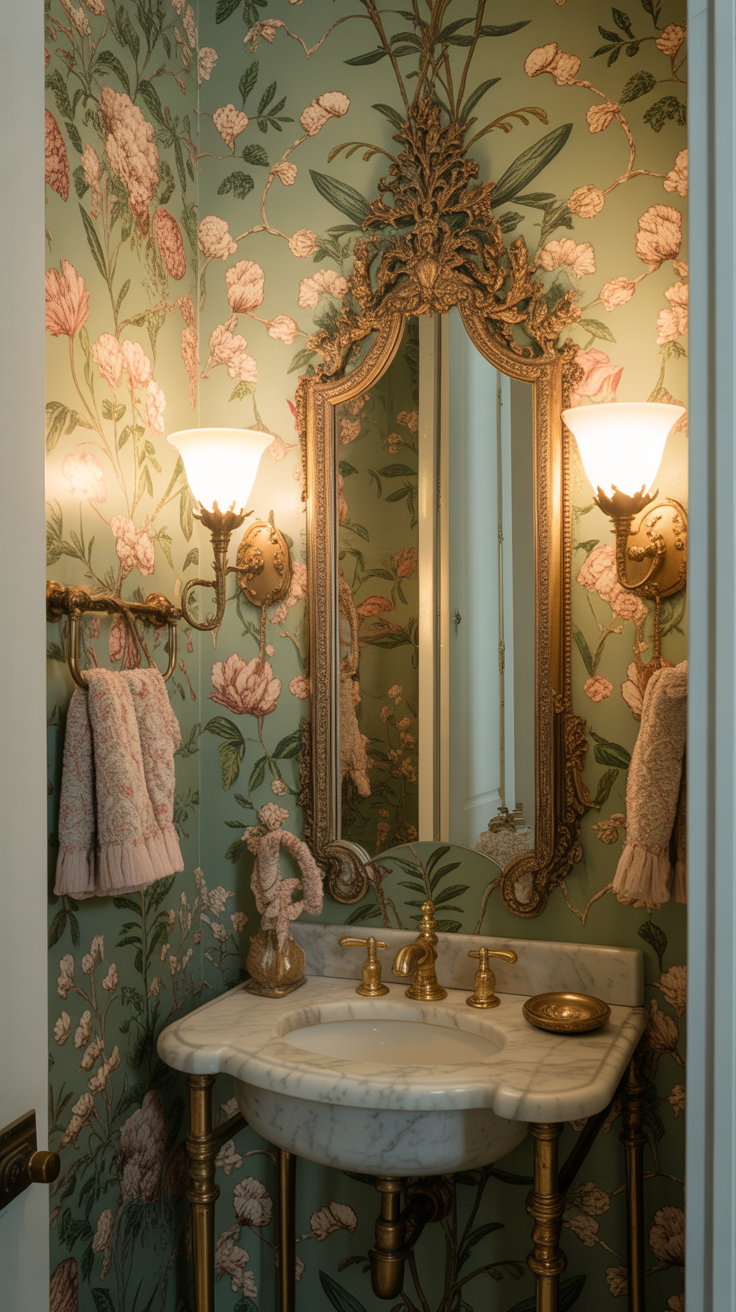
1. The Return of Chintz and Floral Patterns
If there is one defining characteristic of Grandmacore, it is the unapologetic use of floral patterns. For a long time chintz, that printed, multicolored cotton fabric with a glazed finish was considered the ultimate design faux pas. Chinz was a relic of the 1980s that was best left in the past. But today, chintz is back, and it is better than ever.
The modern approach to floral patterns is all about balance. Instead of covering an entire room in matching chintz from floor to ceiling, designers are using it more strategically. A floral upholstered armchair can serve as a beautiful focal point in a room with otherwise solid-colored walls. Floral wallpaper in a small powder room adds a touch of whimsy and surprise.
The key is to mix the scale of the patterns. Pair a large-scale floral print with a smaller, more delicate pattern, like a ticking stripe or a subtle gingham. This creates visual interest without feeling overwhelming.
2. Layered Textures: Velvet, Lace, and Quilts
Minimalism often relies on smooth, unadorned surfaces. Grandmacore, on the other hand, is all about texture. It is a tactile aesthetic that invites you to touch and feel your surroundings.
Velvet is a staple of this look, bringing a sense of luxury and warmth to any space. A velvet sofa in a rich jewel tone like emerald green, sapphire blue, or deep burgundy instantly anchors a room and provides a cozy spot to land at the end of the day.
Lace and doilies, once the punchline of interior design jokes, are also making a surprising comeback. The 2026 trend reports have highlighted lace as a major design element, driven largely by a younger generation that appreciates its delicate, handcrafted quality. Today, lace is being used in fresh, unexpected ways like trim on a linen throw pillow or as a delicate cafe curtain in a kitchen window.
And then there are the quilts. Pieced quilts, whether passed down through generations or discovered at a local flea market, are the ultimate symbol of cozy, handmade comfort. They look just as beautiful folded at the foot of a bed as they do draped over the back of a sofa.
3. Brown Furniture and Antique Wood
For years, the design world was obsessed with painted furniture. Every vintage dresser or antique table was quickly sanded down and covered in a coat of chalk paint. But the vintage grandma aesthetic celebrates the natural beauty of wood, specifically the rich, dark tones of mahogany, walnut, and cherry.
“Brown furniture” is back in a big way. These solid, well-crafted pieces bring a sense of history and permanence to a room. An antique wooden sideboard in the dining room or a vintage writing desk in the living room adds a layer of sophistication that simply cannot be replicated by mass-produced, flat-pack furniture.
The trick to making brown furniture feel fresh and modern is to mix it with lighter, more contemporary elements. Pair a heavy antique dining table with sleek, modern chairs, or place a vintage wooden dresser against a wall painted in a crisp, bright white.
4. Collections and Curiosities
A true Grandmacore home is never sparsely decorated. It is a space that celebrates the things you love, displayed proudly for all to see. This is the aesthetic of the collector.
Whether it’s a collection of vintage brass candlesticks, a shelf full of blue and white ginger jars, or a wall adorned with mismatched antique mirrors, these collections add personality and charm to a space. The key is to group items together intentionally, creating curated vignettes rather than random clutter.
This is also where the concept of “modern heirlooms” comes into play. You don’t need to have inherited a house full of antiques to achieve this look. It is about finding pieces that have meaning to you whether that’s a piece of art you picked up on your travels, a beautiful ceramic bowl made by a local artisan, or a quirky vintage find from a thrift store….and then giving them a place of honor in your home.
The Art of the Mix: Blending Vintage with Modern
One of the biggest misconceptions about the vintage grandma aesthetic is that it requires your home to look like a museum or a literal time capsule. The most successful Grandmillennial spaces are those that master the art of the mix, seamlessly blending antique and vintage pieces with modern design elements.
If a room is filled entirely with antiques, it can feel heavy and dated. If it is filled entirely with modern pieces, it can feel cold and generic. The magic happens in the tension between the old and the new.
When I started incorporating more vintage pieces into my own home, I was initially worried that my space would end up looking like an antique mall booth. But I quickly learned that the key is contrast.
If you have a highly ornate, vintage floral sofa, pair it with a sleek, modern coffee table. If you are using a traditional, antique rug, hang a piece of contemporary abstract art on the wall above it. This juxtaposition keeps the space feeling fresh, dynamic, and firmly rooted in the present day.
Lighting is another excellent way to bridge the gap between vintage and modern. A contemporary, sculptural light fixture can instantly update a room filled with traditional furniture. Conversely, a vintage crystal chandelier can add a touch of glamour and history to a more modern space.
Hosting Like a Grandma: The Return of the Dinner Party
The vintage grandma aesthetic isn’t just about how our homes look; it’s also about how we use them. And perhaps the most delightful aspect of this trend is the revival of old-school hosting and entertaining.
For a long time, entertaining was all about casual, effortless gatherings. We served food buffet-style on the kitchen island, handed out paper napkins, and encouraged guests to sit wherever they could find a spot. While there is certainly a time and place for casual get-togethers, there is a growing desire to return to a more intentional, thoughtful style of hosting.
We want to set the table again. We want to light the candles, pour the wine into actual wine glasses, and sit down for a proper meal. We want to host like our grandmothers did.
Dusting Off the Fine China
If you have a set of fine china sitting in a box in your basement or gathering dust in a china cabinet, now is the time to bring it out. The days of saving the “good dishes” for a special occasion that never seems to arrive are over. The new rule of Grandmacore hosting is that every day is a special occasion.
But setting a vintage-inspired table doesn’t mean it has to be stuffy or formal. In fact, the most charming tablescapes are those that feel a bit undone and eclectic.
Instead of using a perfectly matched set of china, try mixing and matching different patterns. Pair your grandmother’s delicate floral dinner plates with more modern, solid-colored salad plates. Mix vintage crystal goblets with simple, everyday water glasses. This high-low mix creates a table that is elegant but approachable.
The Details That Matter
Hosting in the Grandmacore style is all about the little details that make guests feel special and cared for. It’s about the cloth napkins, the real silverware, and the thoughtful touches that elevate a simple meal into an experience.
Consider adding a vintage lace runner down the center of the table, or using mismatched antique silver serving pieces. Instead of a massive, formal floral centerpiece, opt for small, low arrangements of flowers in vintage teacups or small pitchers scattered down the table. This not only looks beautiful but also allows guests to actually see and talk to each other across the table.
And don’t forget the ambiance. The right lighting is crucial for creating that cozy, nostalgic vibe. Turn off the overhead lights and rely on the soft, warm glow of lamps and candlelight.
The Menu: Comfort Food with a Twist
When it comes to the menu, Grandmacore hosting leans heavily into comfort food. We are moving away from overly complicated, fussy recipes and returning to the classics. I’m talking the kind of food that warms the soul and makes people feel instantly at home.
Think roast chicken with root vegetables, a beautifully baked lasagna, or a classic beef stew. But just like the decor, the food should have a modern twist. Maybe that roast chicken is flavored with za’atar and lemon, or the lasagna features a rich, homemade bechamel and fresh, seasonal greens.
The goal is to serve food that is deeply satisfying and made with love, presented beautifully on those vintage platters you scored at the flea market.
The Thrill of the Hunt: Thrifting Your Way to Granny Chic
One of the most appealing aspects of the vintage grandma aesthetic is that it is inherently accessible and sustainable. You cannot buy this look straight out of a catalog. It requires patience, a good eye, and a willingness to hunt for treasures.
Thrifting, antiquing, scouring estate sales, and even online sources like Facebook Marketplace are not just ways to find decor; they are part of the Grandmacore lifestyle. There is a unique thrill in discovering a beautiful, one-of-a-kind piece that has a history and a story to tell.
When shopping for vintage pieces, it’s important to look past the dust and the sometimes-questionable upholstery. A solid wood dresser with good bones can be transformed with a little polish and some new hardware. A vintage armchair with a great shape can be reupholstered in a fresh, modern fabric.
Here are a few tips for finding the best Granny Chic pieces:
- Look for Quality Materials: When shopping for vintage furniture, look for solid wood construction, dovetail joints, and sturdy frames. These pieces were built to last and will serve you well for years to come.
- Embrace Imperfection: A little wear and tear is part of the charm of vintage decor. Don’t be afraid of a scratched tabletop or a slightly faded rug. These imperfections add character and tell the story of the piece’s past life.
- Think Outside the Box: Repurpose items in unexpected ways. A vintage soup tu