

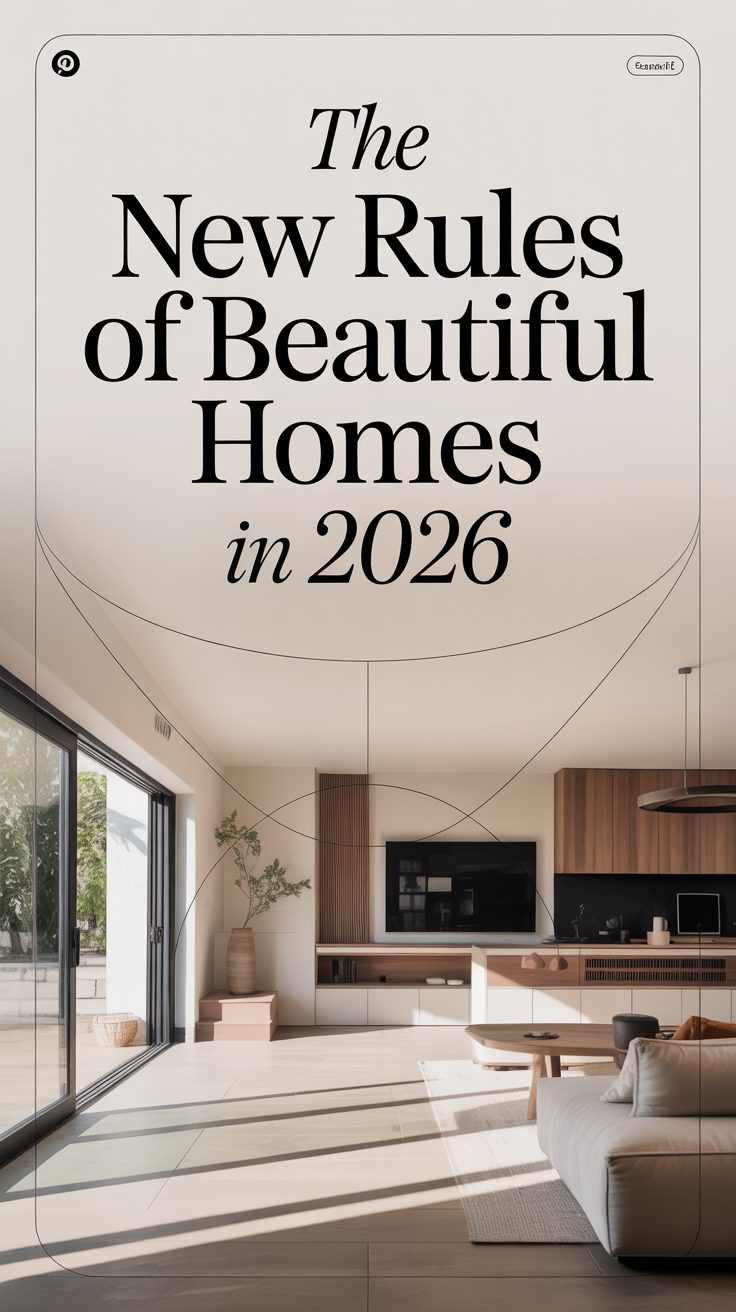
The interior design landscape for 2026 feels quieter, warmer, and more deeply personal than in recent years. Rather than chasing what is fleetingly new, designers and homeowners alike are doubling down on what lasts, creating homes rooted in comfort, craftsmanship, and personal meaning. This year’s defining trends reflect a collective shift from stark minimalism toward layered spaces, natural materials, and color palettes inspired by the world outside our windows. The new rules of beautiful homes in 2026 are not about strict adherence to a single aesthetic, but rather about embracing authenticity, wellness, and a profound connection to nature.
In an increasingly fast-paced and technology-driven world, our homes have become our ultimate sanctuaries. The desire for spaces that nurture our physical and emotional well-being has never been stronger. This shift is evident in every aspect of home design, from the materials we choose to the colors we paint our walls, and the way we structure our living spaces. It is more clear than ever that the most beautiful homes are those that tell a story, prioritize comfort, and seamlessly blend the indoors with the outdoors.
The Rise of Modern Heritage
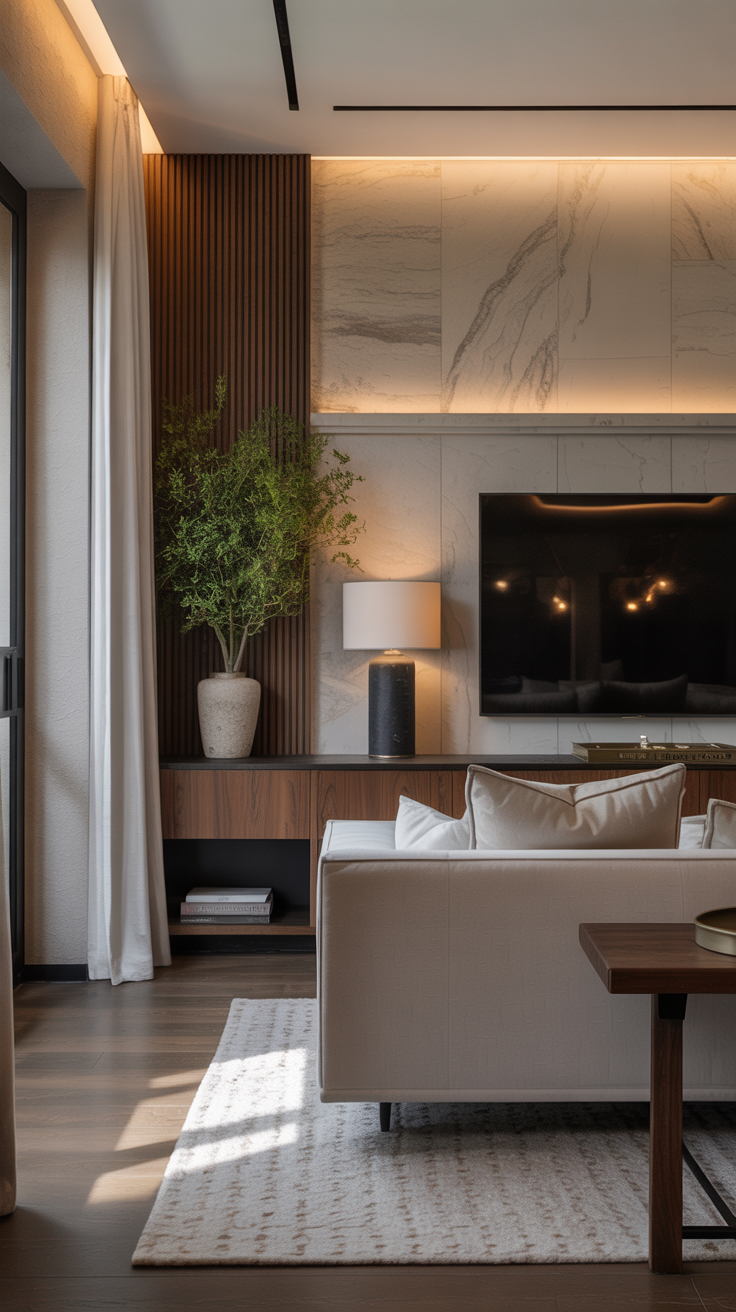
One of the most compelling design movements of 2026 is Modern Heritage. This style bridges the gap between past and present in a way that feels meaningful and intentional. At its core, Modern Heritage blends timeless architectural details, such as classic moldings, traditional millwork, and historical silhouettes, with modern materials, furnishings, and updated color palettes. The result is a space that honors craftsmanship and nostalgia while still feeling fresh, current, and highly livable.
What makes Modern Heritage especially appealing is its balance. Homes do not feel like replicas of the past, nor do they feel overly sleek or sterile. Instead, they strike a beautiful middle ground where character is the foundation and modern comfort is the finishing layer. In 2026, homeowners are increasingly drawn to spaces that tell a story, and this trend celebrates the layers of history a home can hold. Think inset cabinetry paired with contemporary lighting, rich wood tones set against crisp walls, or classic door profiles reimagined with modern hardware and finishes.
Beyond its aesthetic appeal, Modern Heritage encourages personalization. It embraces the idea that a home should evolve over time, collecting moments and memories. Vintage pieces can seamlessly coexist with new designs, allowing homeowners to curate interiors that feel authentic rather than one-note. This blend of old and new creates an interesting visual rhythm, one that feels curated, grounded, and distinctly human. As people seek deeper connection to their homes, Modern Heritage offers a way to bring warmth, authenticity, and a touch of storytelling into every room.
Personal, Lived-In, Layered Spaces
If there is one defining takeaway from designers this year, it is this: homes are becoming more personal than ever. Cookie-cutter interiors and trend-driven spaces are giving way to rooms that reflect the people who live in them. Collected pieces and layered textures bring warmth and individuality to spaces designed to reflect the people who live in them.
Designers note a strong shift toward deeply personal and layered spaces. Design is less about chasing a specific look and more about reflecting the people who inhabit the space. Expect things to be bold. Expect people to be brave and really try to make their own statement. 2026 is all about individuality and breaking the mold.
This trend is often referred to as “thoughtful maximalism” or “Grandma Chic.” After seeing so much minimalism in past years, many are finding this expression of pattern and softness very refreshing. Design features like small printed fabrics, florals, ruffled or pleated skirts on upholstery, shirred lamp shades, and lots of wallpaper are making a strong comeback. These elements add a feminine touch and a sense of nostalgia, creating spaces that feel cozy, inviting, and full of character.
However, a little Grandma Chic can go a long way. Intersperse a few of these design elements into a more modern space to see how it changes the look. You do not have to go all in to add some of this trend into your home. Thoughtfully layering colors, textures, and patterns creates a cozy, lived-in feel that is both elegant and approachable.
Natural, Tactile Materials Take Center Stage
Natural materials are not new, but in 2026, they are becoming the foundation rather than the finishing touch. Designers are gravitating toward materials that feel authentic, tactile, and designed to age beautifully. There is a growing emphasis on natural, tactile materials such as handmade tile, unlacquered metals, and warm woods that bring a sense of authenticity, warmth, and timelessness to interiors.
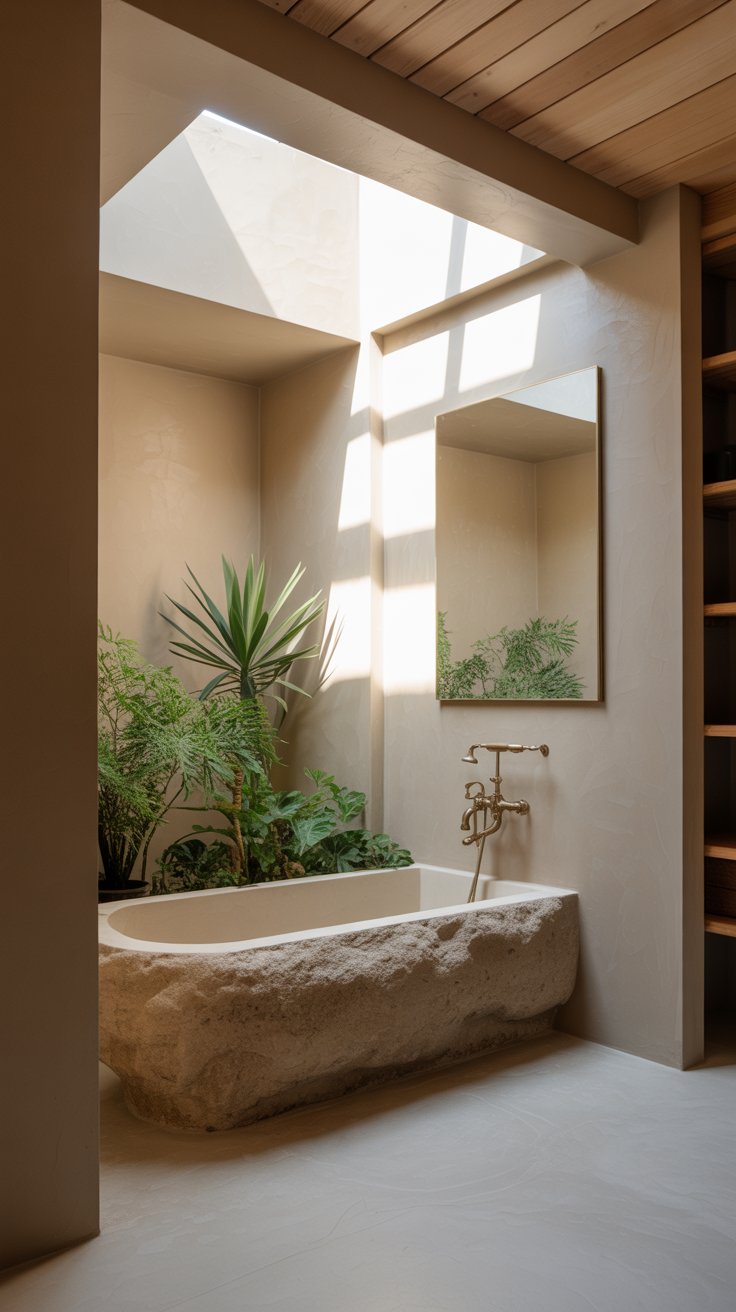
There is a clear shift away from overly polished and overly styled interiors and toward spaces that feel grounded and tactile. Natural woods with variation, plaster, stone, unlacquered metals, and textiles with real texture are becoming the foundation rather than accents. Materials selected for texture and longevity turn architectural details into focal points.
Statement Stone and Real Materials
Statement stone is making a big impact this year. While marble has long been a staple of luxury design, 2026 marks a shift toward even more dramatic expressions. Designers are incorporating rich burgundy and deep green tones, not just in bathrooms and kitchens, but extending to fireplace surrounds, smaller furniture pieces, and lighting fixtures. This trend emphasizes boldness, allowing homeowners to make striking statements throughout their spaces.
Along the same lines, there is a pivot away from faux stonework and toward natural materials in general. Interiors are being built around real materials rather than decorative finishes. Plaster walls, sculptural stone, rich wood tones, and natural textiles are defining spaces right now. People want materials that feel authentic and tactile.
Mixing Wood Tones
Mixing wood tones is becoming a defining look for 2026 as homeowners move away from the idea that all wood finishes must match perfectly. The design world is shifting toward layered, expressive interiors that feel warm, collected, and full of visual interest. Instead of relying on a single stain or species, designers are blending multiple tones that create depth and harmony throughout the home.
This trend is compelling because it brings character into a room without introducing clutter. Light woods are being paired with medium or dark tones, warm undertones are being balanced with cooler ones, and refined grains are complementing rustic or heavily textured finishes. When combined thoughtfully, these variations enhance one another and add a sense of warmth and authenticity.
Fluted and Reeded Millwork
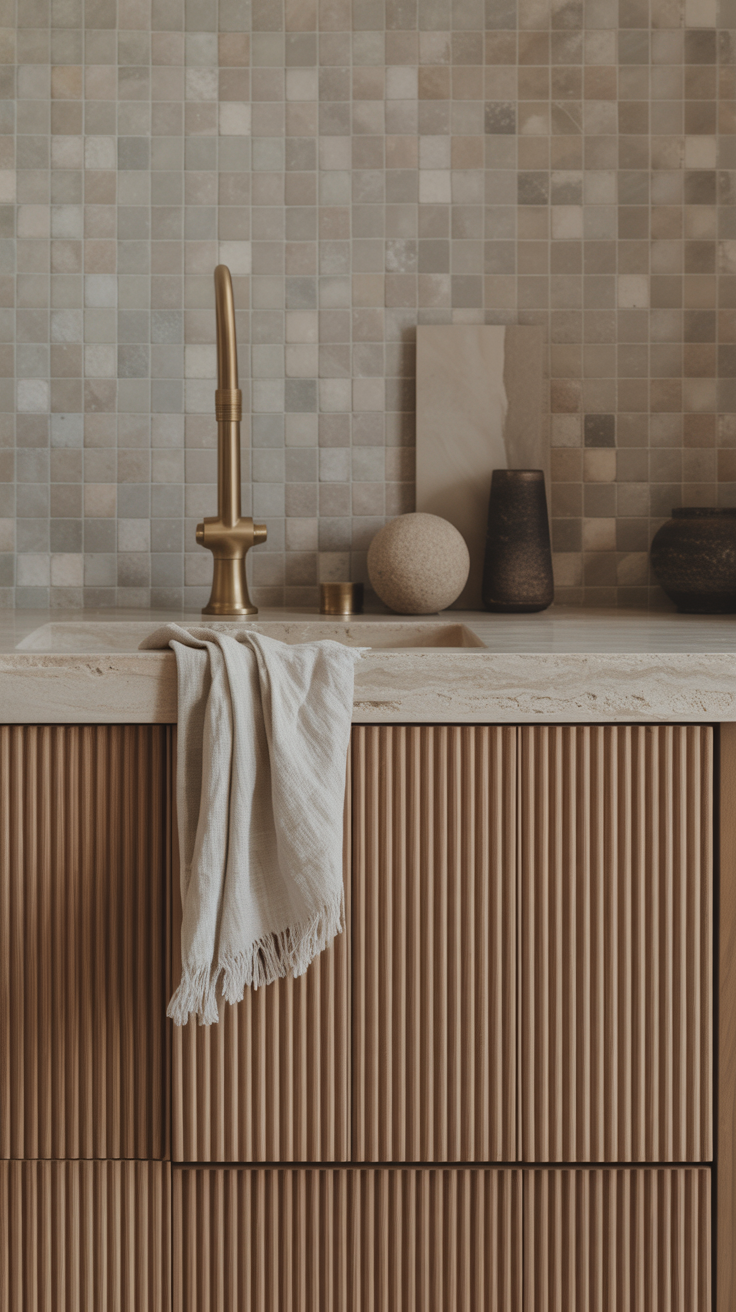
Fluted and reeded millwork is set to remain a major design element in 2026 as textured surfaces continue to replace smooth, flat planes. These architectural details, known for their linear grooves and sculptural rhythm, bring movement and visual depth into a space. As tactile materials become more desirable, fluting offers a beautiful combination of sophistication and artistry.
Designers are incorporating fluting into fireplace surrounds, kitchen islands, custom vanities, feature walls, and furniture pieces. These grooves draw the eye upward or across a surface, making even simple forms feel more dynamic. Because the texture catches light, it also adds a soft, dimensional effect that enhances both light and dark finishes.
Warm, Earthy Color Palettes
Cool grays and stark whites continue their exit, replaced by warmer tones drawn directly from nature. This means we can look forward to earthy tones and soft neutrals. These colors feel grounding and timeless, which is exactly what homeowners are gravitating toward.
The cooler greys that dominated interiors for years are giving way to warmer, nature-inspired tones—terracotta, clay, olive, and deep browns. These colors make spaces feel more grounded and comfortable.
Darker, Moodier Colors
We have definitely been seeing more dark and moody colors in interiors in the last few years, and this trend continues strong in 2026. Terracotta, dark green, chocolate brown, ruddy reds, and darker woods are all popular colors these days.
If you love these darker and more moody colors and haven’t tried any out yet in your home, start with a small space like a powder room or bedroom, something that is totally enclosed, with a door. See how you like it on a smaller scale before trying something like a kitchen or living room or a big, open plan area.
When painting a room a dark color, do not forget to address things like the trim, ceilings, doors, outlets, switches, and lighting. Including all these elements ensures the whole envelope is muted and works together, preventing high contrast items from screaming for attention.
Color-Drenched Rooms
While pattern drenching is trending, its forerunner, color drenching, isn’t going anywhere. Designers are increasingly drawn to spaces that feel immersive—rooms designed for evening conversation and a slower pace. In a color-drenched room, the walls, trim, and ceiling are fully painted in a deep tone, creating a cocoon-like envelope. A dramatic marble slab or a striking piece of art can anchor the space, introducing contrast while reinforcing the room’s sculptural presence.
Wellness Design: Creating a Healthy, Happy Home
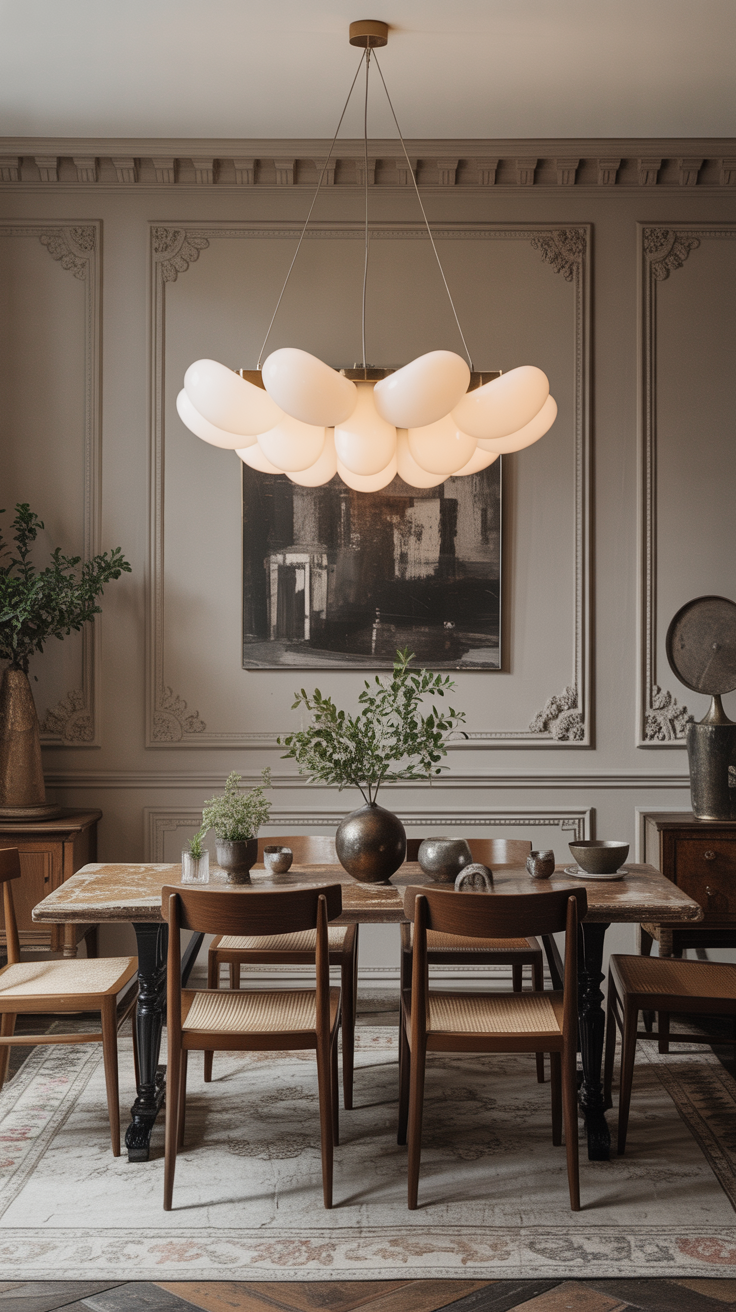
Wellness is having a major movement in 2026. We are seeing a huge surge in people wanting homes that do not just look good but actually feel good. Homes that support health, calm the mind, and feel like an extension of nature and an anchor for life.
You do not need a full remodel to bring wellness into your home. Whether it is as big as integrating air purification systems and circadian lighting, or as simple as choosing the right colors, fabrics, and materials, wellness design is for everybody and every home.
Rightsizing: Smaller Footprint, Bigger Intentionality
“Bigger” is no longer the goal, “better” is. Rightsizing is all about choosing a home that is attainable, functional, and perfectly sized for your lifestyle, not oversized just for the sake of it.
The magic is in the details. When you lean into intentional design, thoughtful color palettes, personality pieces, and smart space planning, even a small home can feel calm, open, and deeply personal. A smaller footprint also means a lighter impact on the environment, a huge win in wellness-centered living. Your home should not overwhelm you; it should support you.
Universal Design: Making Spaces Safe, Inclusive, and Beautiful
One of the biggest wellness design trends this year is universal design. Universal design means creating a home that works for everyone: small children, aging parents, guests, individuals with mobility challenges, and even your future self.
This includes features like wider doorways, walk-in showers, lever-style handles, accessible layouts, proper lighting, and flooring transitions that do not trip you. Modern universal design is stylish, simple, clean, and seamlessly integrated so your home is both beautiful and functional. Wellness includes safety, and a well-designed home should never compromise on that.
Natural Connections: Biophilic Design
If there is one wellness design trend that is absolutely exploding, it is biophilic design—designing your home to connect you to the natural world around you.
Biophilic design includes maximizing natural light, bringing greenery indoors, using materials like wood, stone, clay, and natural fibers, blurring the line between indoor and outdoor living, and framing views of nature like artwork. Studies show biophilic interiors reduce stress, boost mood, and support overall wellness, making your home feel alive.
Emotional Ties: Designing for Joy, Peace, and Personality
Your home should make you feel something—peace, comfort, inspiration, joy. Emotional wellness in design means choosing colors that calm your mind, textures that ground the room, shapes that soften the space, materials that feel good to touch, and décor that reflects your memories, values, and personality.
This trend is less about what is “in style” and more about creating emotional grounding. A home that feels deeply connected to you brings a sense of peace you cannot buy off a shelf.
Health and Wellness Spaces
People are carving out dedicated spaces for home gyms, meditation rooms, yoga studios, stretching zones, infrared saunas, cold plunges, quiet rooms for mindfulness, and technology-supported wellness like circadian lighting or smart HVAC systems.
There is also more interest in home automation—lighting that adjusts to your circadian rhythm, smart temperature control, advanced air purification systems, and soundscapes that support sleep or focus. These are not “extras” anymore; they are ways to design a life that feels balanced and supported.
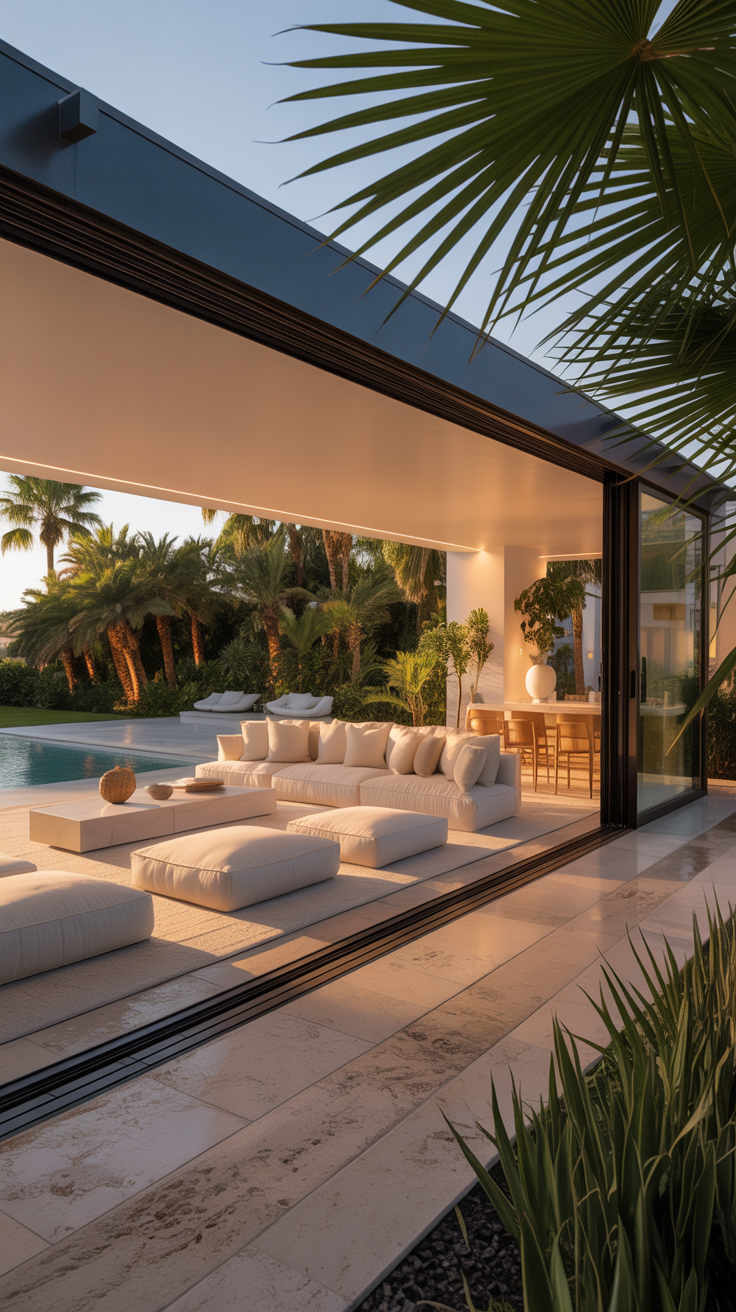
Blurring the Lines Between Indoors and Outdoors
Spring design will increasingly blur the boundaries between indoor and outdoor spaces. This is about letting nature inspire design more than anything else. The first blooms and budding trees always feel like an invitation to refresh our interiors in the same spirit. Colors that echo that awakening—lively greens, crisp whites, and soft purples—capture the feeling of rebirth and bring a lightness and optimism into a space.
Outdoor living spaces are being designed with the same level of care and attention to detail as indoor rooms. Comfortable seating, weather-resistant rugs, outdoor kitchens, and fire pits create inviting areas for relaxation and entertainment. By seamlessly connecting the indoors with the outdoors, homeowners can expand their living space and enjoy the benefits of nature year-round.
Warm Minimalism
Warm minimalism is rising as one of 2026’s most influential design styles. People still appreciate the simplicity and clarity of traditional minimalism, but they want it to feel more comfortable, expressive, and livable. Warm minimalism achieves that balance by introducing natural textures, soft neutrals, tactile materials, and inviting layers while maintaining an uncluttered look.