

When we think about landscaping, our minds naturally gravitate toward the front yard, the face we present to the neighborhood, or the backyard, our private oasis for entertaining and relaxing. But what about the space in between? The side yard is often the most neglected area of a property. It is frequently relegated to serving as a mere pass-through, a storage area for trash cans, or a graveyard for forgotten garden hoses and broken patio furniture. It is usually narrow, often heavily shaded by the house or a neighbor’s fence, and presents unique design challenges that leave many homeowners stumped.
However, dismissing the side yard is a massive missed opportunity. With a little creativity and strategic planning, this awkward, overlooked strip of land can be transformed into a functional, beautiful extension of your home. Whether you want to create a serene garden retreat, a practical utility area, or a seamless transition between your front and back yards, the potential is vast. A well-designed side yard not only improves the overall aesthetic of your property but can also solve practical issues like poor drainage and lack of storage. It can become a secret garden, a quiet reading nook, or a highly efficient workspace.
In this comprehensive guide, we will explore a multitude of side yard landscaping design ideas, addressing the specific challenges these spaces present and offering solutions that will turn your side yard from an eyesore into an asset.
Understanding the Challenges of the Side Yard
Before diving into design ideas, it is crucial to understand the specific constraints that side yards typically present. Acknowledging these challenges is the first step toward creating a successful landscape design. You cannot fight the inherent nature of the space; you must design with it in mind.
The Light Factor The most common issue with side yards is a lack of sunlight. Nestled between two structures, your house and a fence or a neighbor’s house, these areas often receive only dappled light or full shade for most of the day. This severely limits the types of plants that will thrive there. You cannot force sun-loving roses to bloom in a dark corridor. Conversely, if your side yard faces south or west and lacks mature trees, it might become a sun-baked wind tunnel, requiring tough, drought-tolerant vegetation that can withstand intense heat and reflected light from the siding. Understanding your specific microclimate is essential before purchasing a single plant.
The Space Constraint Side yards are inherently narrow. This limits the scale of what you can build or plant. Large, spreading shrubs or wide, meandering pathways are usually out of the question. The design must be linear and efficient, making the most of vertical space rather than horizontal spread. Every inch matters, and clutter must be strictly avoided to prevent the space from feeling claustrophobic. You must think in terms of layers and verticality, drawing the eye upward rather than outward.
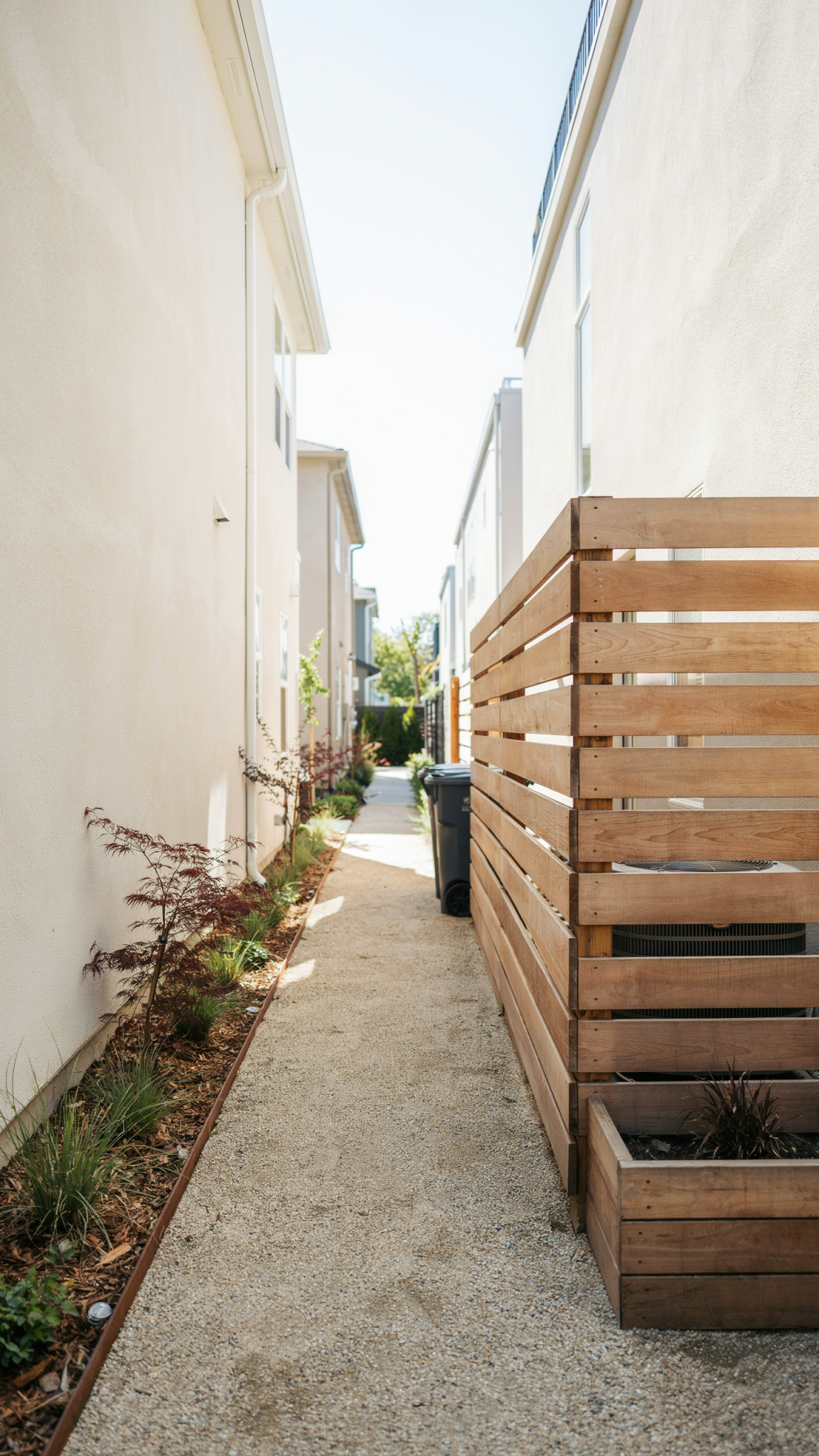
Drainage and Moisture Because they are often shaded and narrow, side yards can suffer from poor drainage. Water from the roof or adjacent slopes can pool in these areas, leading to soggy soil, moss growth, and potential foundation issues for your home. Proper grading and drainage solutions, such as French drains or dry creek beds, are essential before any aesthetic improvements are made. Ignoring drainage will quickly ruin even the most beautiful landscaping efforts, turning your new pathway into a muddy swamp after the first heavy rain.
Utility and Access Side yards must often accommodate essential utilities. Air conditioning units, gas meters, and electrical panels are frequently located here. Furthermore, the side yard is usually the primary route for moving large items, like lawnmowers, wheelbarrows, or patio furniture from the front to the back of the house. The design must allow for clear, unobstructed access. A beautiful pathway is useless if you cannot fit a lawnmower down it. You must balance the desire for lush plantings with the practical need for a clear, navigable path.
Designing for Function: Practical Side Yard Solutions
Sometimes, the best use of a side yard is purely functional. However, functional does not have to mean ugly. You can create highly practical spaces that are still visually appealing and organized.
The Elevated Utility Zone If your side yard must house trash cans, recycling bins, and HVAC units, the goal is concealment and organization. Build a simple, attractive wooden or composite screen to hide these items from view. Ensure the screen has a gate for easy access on trash day and allows for proper airflow around air conditioning units. Lay down a base of crushed gravel or concrete pavers to keep the area clean and mud-free. By corralling the utility items into one designated, screened-off zone, you free up the rest of the yard for more attractive landscaping and prevent the side yard from looking like a junkyard. This simple organizational step instantly elevates the look of the entire property.
The Dedicated Dog Run If you have a dog, a long, narrow side yard is the perfect location for a dedicated dog run. This keeps your main backyard free of pet waste and wear-and-tear, preserving your lawn for human use. The key to a successful dog run is the ground cover. Traditional grass will quickly turn to mud under heavy paw traffic. Instead, opt for artificial turf designed specifically for pets, which is easy to clean and drains well. Alternatively, use smooth river rock or pea gravel, which is gentle on paws and easy to hose down. Add a small shade structure or a doghouse, and ensure there is a fresh water source available. This creates a safe, dedicated space for your pet while protecting the rest of your landscaping.
The Hidden Compost and Potting Area For avid gardeners, the side yard is an ideal spot for a potting bench and compost bins. It keeps the messy work of gardening out of sight from the main entertaining areas. Install a sturdy, weather-resistant potting bench against the house or fence. Use the vertical space above the bench to hang tools on a pegboard or hooks. Place your compost bins nearby, ensuring they are easily accessible but tucked away. A pathway of simple stepping stones surrounded by mulch will keep the area functional and tidy, creating a dedicated workspace for your horticultural hobbies. This turns a neglected space into a highly productive zone for the gardening enthusiast.
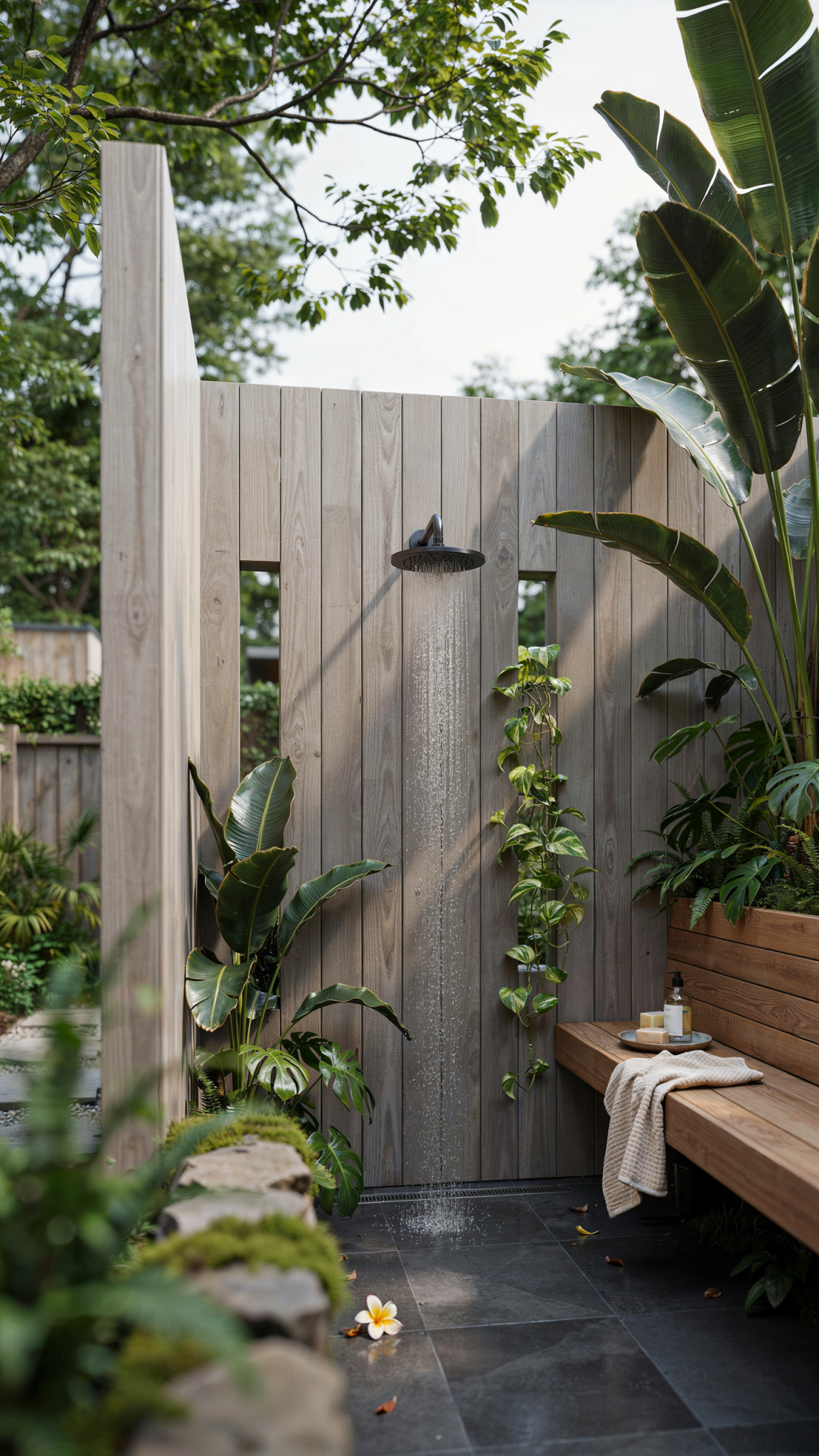
The Outdoor Shower If you live near the beach or have a pool, a side yard is an excellent location for an outdoor shower. It provides a private, convenient place to rinse off sand or chlorine before entering the house. A simple wooden enclosure, a slatted floor for drainage, and some moisture-loving plants like ferns or hostas can turn a basic shower into a spa-like experience. Ensure you have proper plumbing and drainage installed to handle the runoff.
Designing for Beauty: Creating a Side Yard Garden
If your functional needs are met elsewhere, the side yard can become a beautiful garden space in its own right. The key is choosing the right plants and materials for the specific environmental conditions.
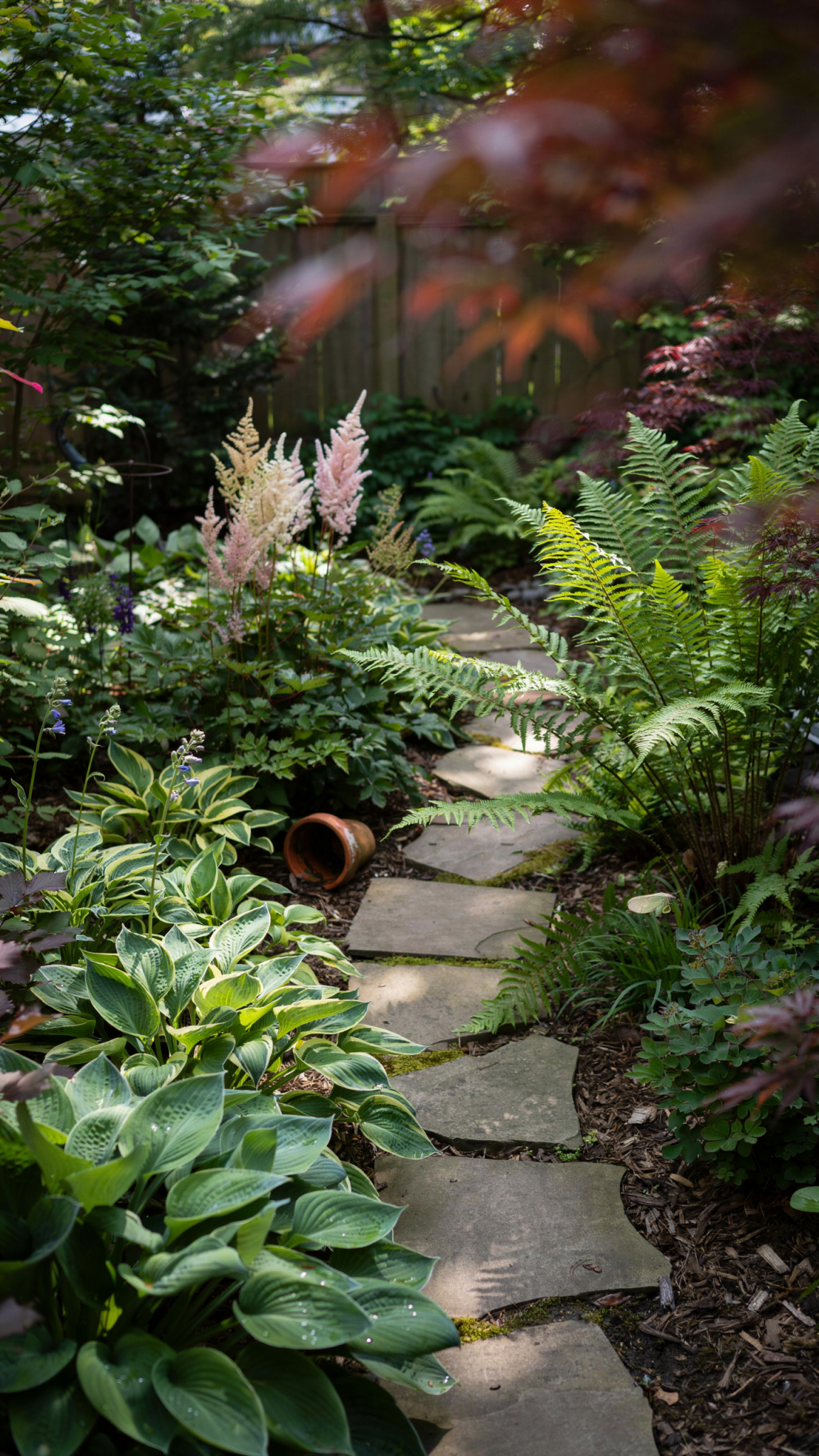
The Shade Garden Retreat If your side yard is perpetually in shadow, embrace it. Shade gardens can be incredibly lush, textural, and serene. Since you cannot rely on bright, sun-loving flowers for color, focus on foliage.
Hostas are the undisputed kings of the shade garden, offering a massive variety of leaf shapes, sizes, and colors, from deep blue-green to bright chartreuse. Pair them with the delicate, feathery fronds of ferns like the Japanese Painted Fern or the Ostrich Fern. Add Astilbe for its delicate, early-summer blooms, and Coral Bells (Heuchera) for their striking, ruffled foliage.
To brighten the space, incorporate plants with white or variegated leaves, which reflect the limited light. A pathway of light-colored flagstone or pale gravel will also help illuminate the area. Add a small, bubbling water feature; the sound of water echoing in a narrow space creates an instantly calming atmosphere, masking neighborhood noise and creating a true retreat. This transforms a dark, gloomy corridor into a peaceful woodland sanctuary.
The Sun-Drenched Succulent Path If your side yard is a hot, dry strip that receives full sun, fighting nature with thirsty plants is a losing battle. Instead, lean into a xeriscape design.
Create a modern, clean look using decomposed granite or crushed gravel as the primary ground cover. Plant a variety of succulents and cacti, such as Agave, Aloe, and Sedum. These plants thrive on neglect and require very little water. To add height and architectural interest, incorporate ornamental grasses like Mexican Feather Grass or Blue Oat Grass, which sway beautifully in the breeze. This type of landscape is incredibly low-maintenance and looks striking against modern or contemporary architecture. It is a sustainable choice that saves water and time, while still providing a visually compelling landscape.
The Vertical Garden When horizontal space is limited, the only way to go is up. Vertical gardening is the perfect solution for narrow side yards, allowing you to maximize greenery without encroaching on the pathway.
Utilize the blank canvas of a privacy fence or the side of your house. Install a sturdy trellis system and plant climbing vines. For shade, consider Climbing Hydrangea or Boston Ivy. For sun, Star Jasmine or climbing roses are excellent choices.
You can also install wall-mounted planters or a living wall system to grow herbs, small ferns, or trailing plants. This draws the eye upward, making the space feel larger and more immersive, transforming a boring fence into a lush, green tapestry. It is an excellent way to add color and life to a space that might otherwise feel like a sterile corridor. Vertical elements also help to soften the hard lines of fences and walls, creating a more organic feel.
The Edible Side Yard