

We have all been there. You are scrolling through Pinterest or watching a home improvement show, and suddenly, you are convinced that your life will not be complete until you knock down a wall, install a massive kitchen island, or turn your perfectly functional garage into a yoga studio. The vision is flawless. The reality, however, is often a very different story.
As a homeowner, the urge to customize and upgrade your space is incredibly strong. After all, your home is your sanctuary, and you want it to reflect your personal style. But there is a fine line between a brilliant upgrade and a costly mistake. Over the years, I have seen countless homeowners pour their hearts, souls, and savings accounts into renovations that they end up deeply regretting. Sometimes the regret sets in immediately—like when you realize that gorgeous marble countertop stains if you even look at a lemon. Other times, the regret hits years later when you try to sell your house and discover that buyers do not share your enthusiasm for a built-in indoor koi pond.
Before you swing that sledgehammer or sign a massive check to a contractor, it is crucial to understand which projects actually add value and improve your daily life, and which ones are likely to cause headaches down the road. Based on insights from real estate experts, interior designers, and the hard-learned lessons of homeowners who have been there, here are the 10 home renovations you will almost certainly regret doing.
1. The High-Maintenance Marble Countertop
There is no denying that marble is stunning. It is the darling of design magazines and Instagram feeds, instantly elevating a kitchen with its classic, luxurious veining. But if you actually use your kitchen for cooking, marble is a recipe for constant anxiety.
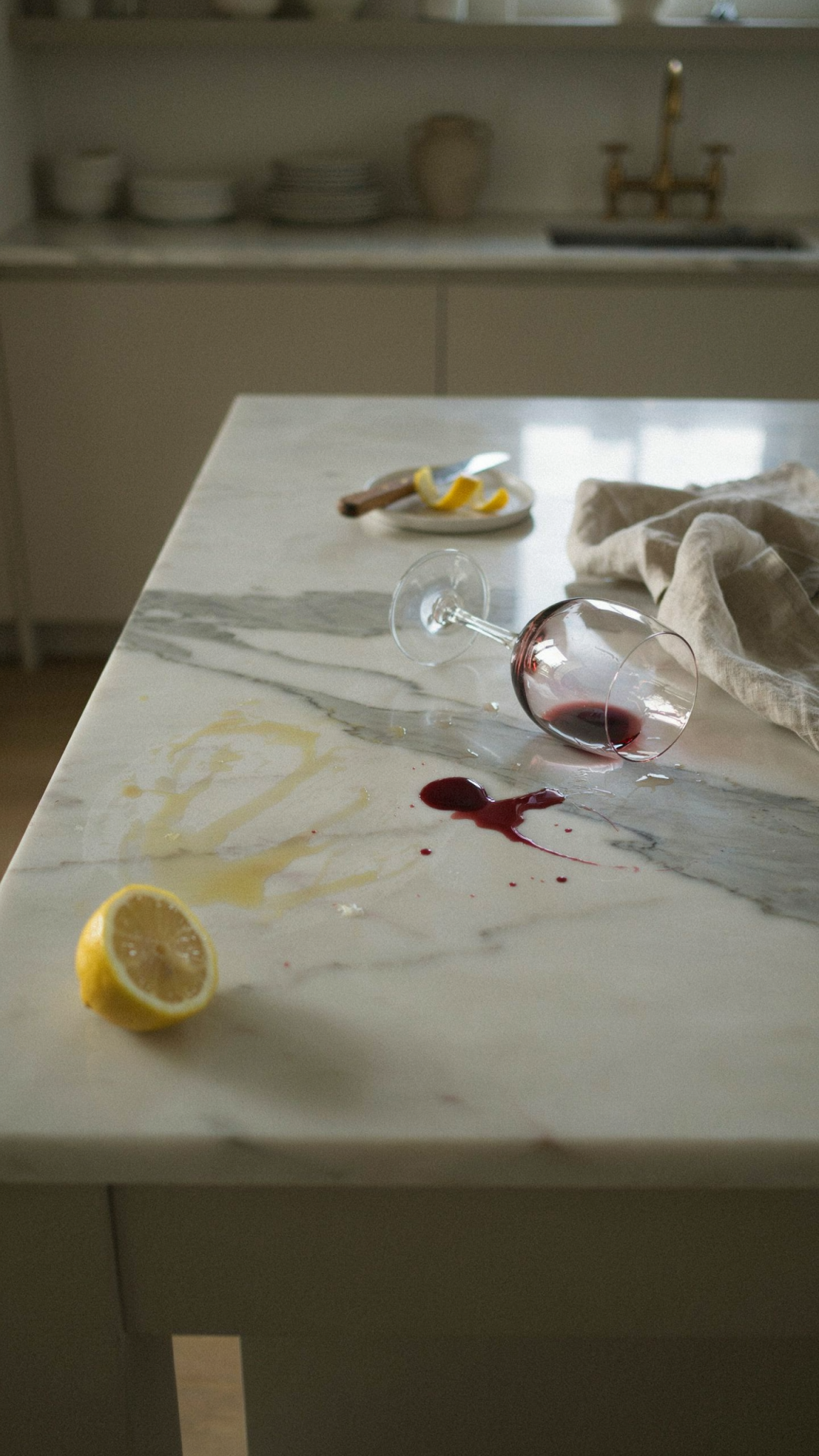
Marble is a relatively soft, highly porous stone. This means it is incredibly susceptible to staining, scratching, and etching. A spilled glass of red wine, a splash of tomato sauce, or even a slice of lemon left on the counter for too long can leave a permanent mark. Homeowners who install marble often find themselves hovering over their guests with coasters and wiping down the counters with a frantic intensity that completely ruins the joy of entertaining. The beautiful surface you paid thousands of dollars for quickly becomes a source of daily stress, requiring specialized cleaners and constant vigilance. It is a classic case of form over function, where the aesthetic appeal is quickly overshadowed by the practical drawbacks. The reality of living with marble is often far less glamorous than the pictures suggest, turning a dream kitchen into a high-maintenance nightmare.
The Smarter Swap: If you love the look of marble but want to actually live in your kitchen, opt for quartz or quartzite. These engineered and natural stones offer the beautiful veining of marble but are significantly more durable, non-porous, and resistant to stains and scratches. You get the high-end look without the high-stress maintenance, allowing you to chop, spill, and entertain with peace of mind.
2. The Completely Open Floor Plan
For the last decade, the open floor plan has been the holy grail of home design. The idea of knocking down all the walls on the main floor to create one massive, flowing space for cooking, dining, and lounging seemed like the ultimate way to live. But then, reality set in.
When your kitchen, dining room, and living room are all one space, there is nowhere to hide. The smell of last night’s fish dinner lingers in the living room. The sound of the blender drowns out the television. And if you have not done the dishes, you have to stare at them while you try to relax on the couch. Furthermore, the pandemic taught us the hard way that sometimes, family members actually need doors and walls to find a quiet place to work, study, or simply have a moment of privacy. The lack of acoustic separation in a fully open plan can make a busy household feel chaotic and overwhelming. It turns out that walls actually serve a purpose beyond just holding up the roof. They provide structure, intimacy, and much-needed quiet zones that are essential for a harmonious home life.
The Smarter Swap: Instead of a completely open barn-like space, aim for a “broken plan.” This involves creating distinct zones using partial walls, glass partitions, French doors, or strategically placed built-in shelving. You maintain a sense of flow and light, but you regain the ability to close off a messy kitchen or create a quiet corner when needed. It offers the best of both worlds: connection when you want it, and separation when you need it.

3. Converting a Garage into Living Space
It seems like a logical solution: you need more space, and the garage is just sitting there holding a car and some boxes. Why not turn it into a home gym, a playroom, or an extra bedroom? While it might solve a short-term space issue, converting a garage is one of the biggest regrets homeowners face, particularly when it comes time to sell.
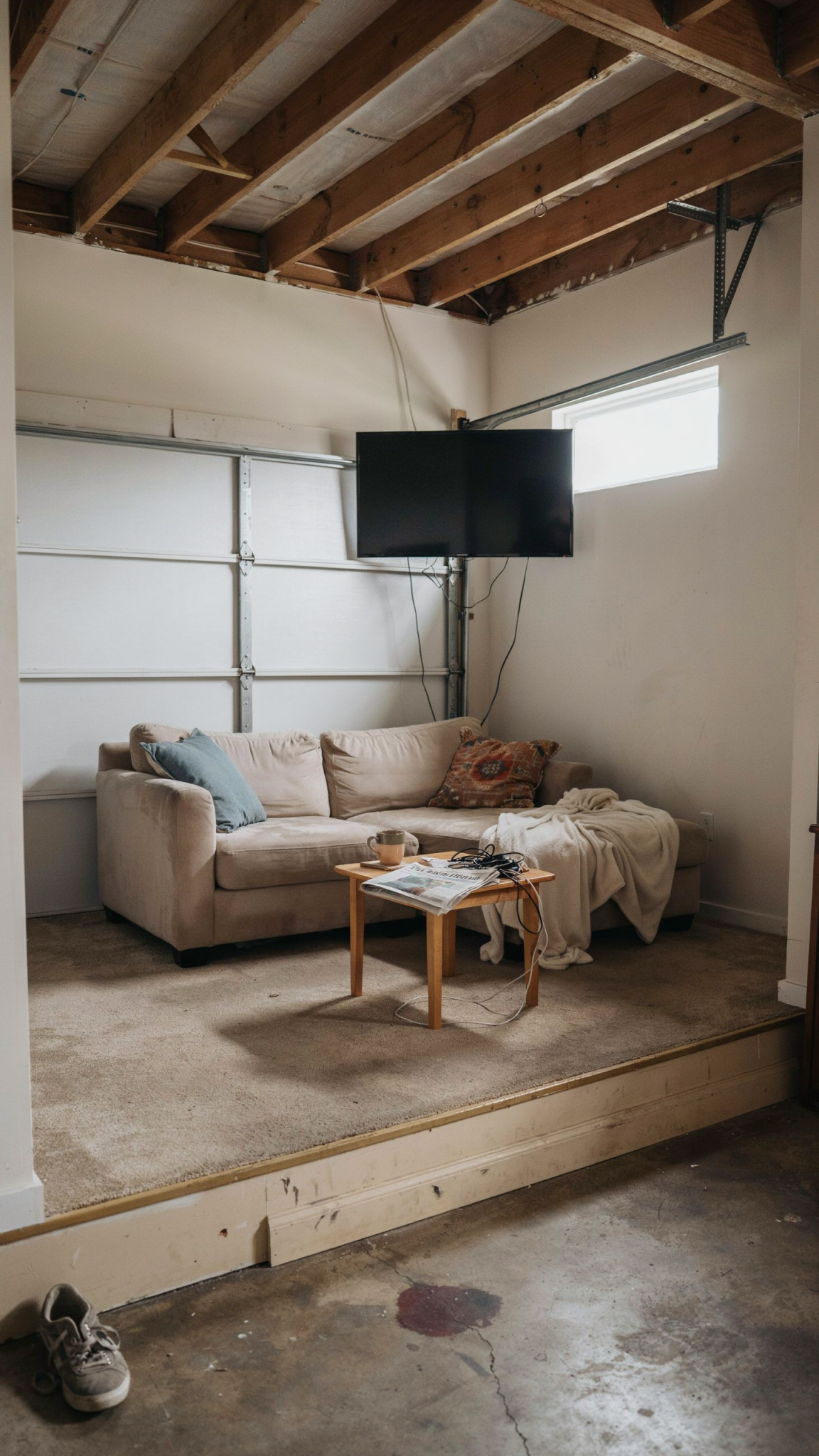
In most suburban and suburban-adjacent markets, buyers expect a garage. They want a secure place to park their cars, store their tools, and keep their bicycles out of the weather. When you eliminate the garage, you instantly alienate a massive portion of potential buyers. Furthermore, garage conversions are notoriously difficult to do well. They often feel like exactly what they are: a cold, poorly insulated box that used to hold a car. The floors are often sloped, the ceilings can be low, and the heating and cooling are rarely adequate, making the new space uncomfortable for year-round use. It is a renovation that often subtracts more value than it adds, leaving you with a compromised living space and a less marketable home. The loss of storage and parking space is rarely worth the awkward extra room.
The Smarter Swap: If you desperately need more space, look upward or downward first. Finishing a basement or an attic generally yields a much higher return on investment and does not eliminate a crucial functional element of the home. If those are not options, consider building an Accessory Dwelling Unit (ADU) in the backyard, which adds space without sacrificing the garage and can even provide rental income.
4. The Overly Specific, Hyper-Personalized Bathroom
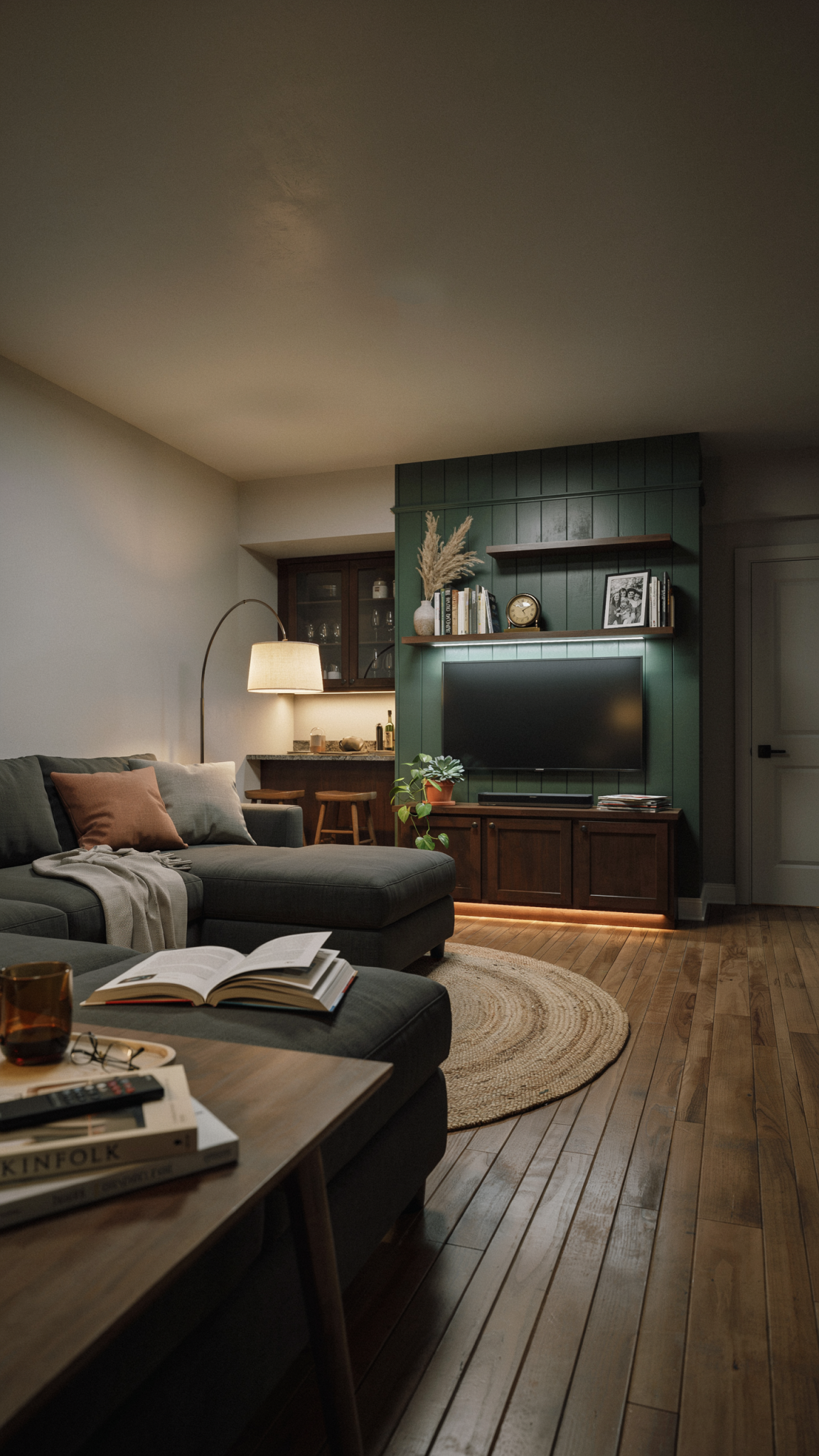
We all want a bathroom that feels like a personal spa, but there is a danger in making it too personal. Homeowners often regret installing highly specific, trendy features that are difficult and expensive to change later.
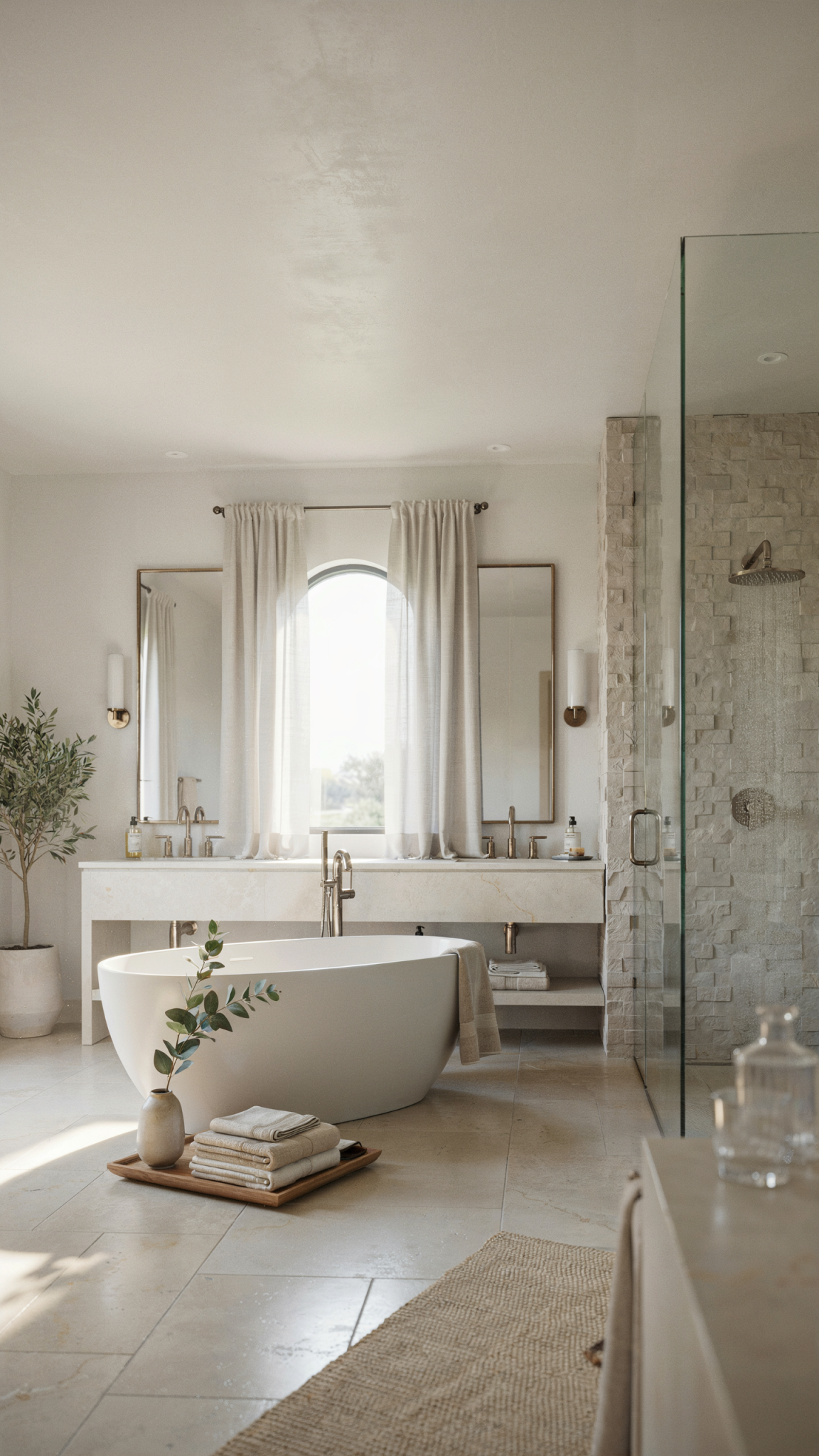
For example, the massive, doorless walk-in shower might look incredibly sleek, but many homeowners quickly realize that without a door to trap the steam, taking a shower in the winter is a freezing, drafty experience. Similarly, installing highly patterned, brightly colored, or unusually shaped tiles might seem fun today, but it will likely feel dated in five years. When you tire of that bold geometric tile, replacing it requires a messy, expensive demolition. The same goes for highly specific fixtures, like a massive, freestanding copper tub that takes an hour to fill and is impossible to clean around. These choices often prioritize a specific aesthetic over daily functionality, leading to long-term frustration and a bathroom that feels more like a chore than a retreat.
The Smarter Swap: Keep the “hard” finishes—like the tile, the tub, and the layout—classic and neutral. Use high-quality materials in timeless colors like white, cream, or soft gray. You can inject your personality and current trends through easily changeable elements like paint, wallpaper, mirrors, lighting fixtures, and towels. This approach allows your bathroom to evolve with your tastes without requiring a second mortgage.
5. Eliminating a Bedroom for a Massive Closet
It is a common fantasy: taking the small, unused guest bedroom next to the primary suite and knocking down the wall to create a massive, celebrity-style walk-in closet. While you might enjoy the sprawling wardrobe space while you live there, you will almost certainly regret it when you try to sell.
In real estate, bedroom count is king. The value of a home is heavily tied to the number of bedrooms it officially offers. When you turn a three-bedroom house into a two-bedroom house with a really big closet, you significantly lower the home’s value and drastically shrink your pool of potential buyers. A family looking for a three-bedroom home will not even see your listing in their search results. Even if the closet is spectacular, most buyers will view the lost bedroom as a major negative. It is a classic example of over-personalizing a space to the detriment of its market value, sacrificing broad appeal for a niche luxury that few buyers are willing to pay for.
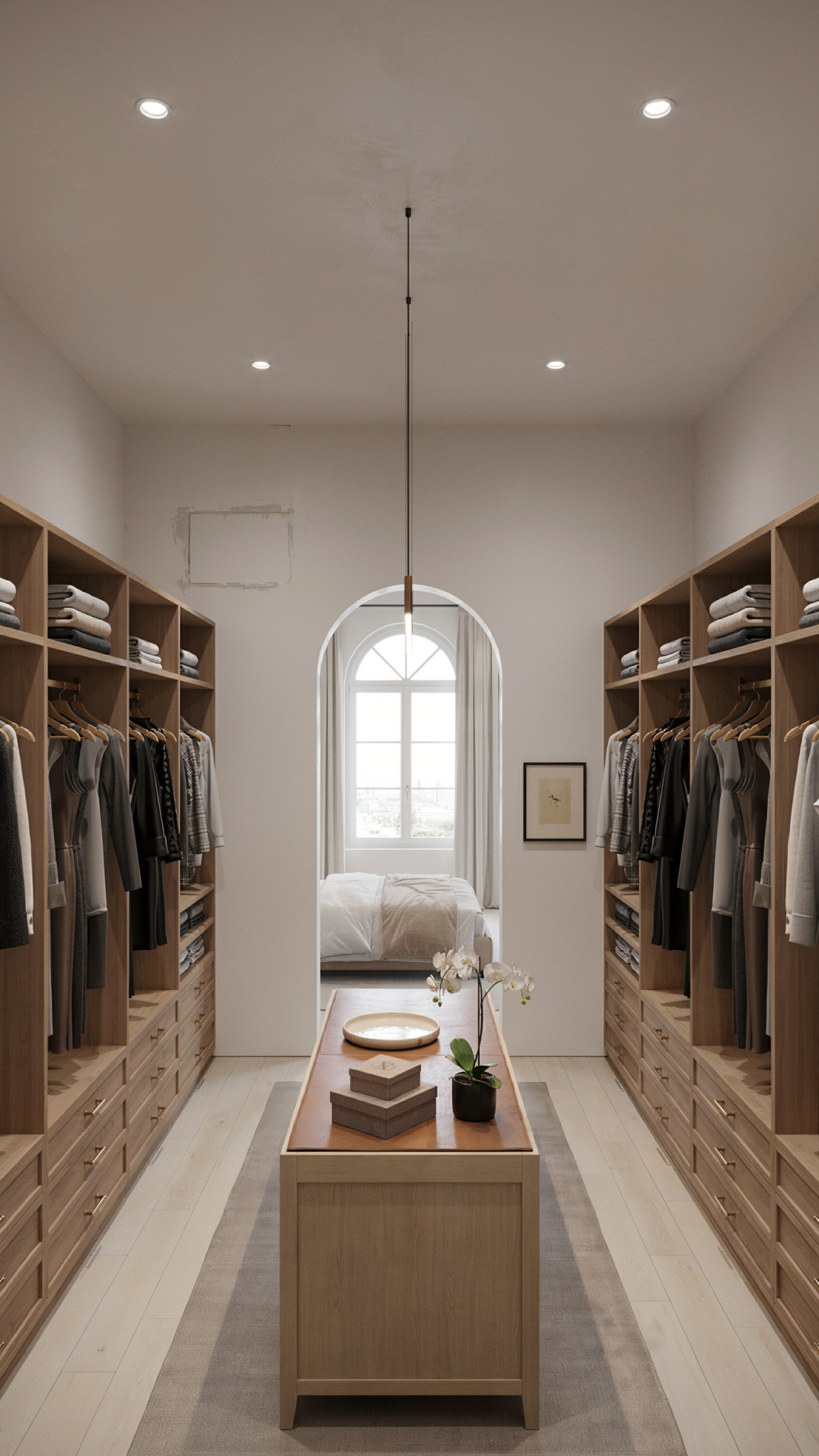
The Smarter Swap: Maximize the storage within your existing footprint. Invest in a high-quality, custom closet organization system for your current closet. If you absolutely must use the spare room for clothing, use freestanding wardrobes or modular systems that can be easily removed, allowing the room to be marketed as a bedroom when you sell. This preserves the home’s value while still giving you the storage you need.
6. The High-Maintenance Outdoor Oasis
Creating a beautiful outdoor living space is a great idea, but many homeowners go overboard, creating sprawling, complex landscapes that require a full-time groundskeeper to maintain.
Expansive wooden decks look gorgeous on day one, but they require annual power washing, staining, and sealing to prevent rot and splintering. Elaborate water features, like koi ponds or multi-tiered fountains, quickly become algae-filled nightmares if not constantly cleaned and balanced. Even extensive, intricate flower beds can become a source of regret when you realize you are spending every weekend pulling weeds instead of relaxing. The dream of a backyard retreat quickly turns into a weekend chore list, leaving you with little time to actually enjoy the space you created. The maintenance burden often outweighs the enjoyment, turning a sanctuary into a source of stress.