

There’s a common misconception that a beautiful home requires a big renovation budget, custom furniture, or a professional interior designer. In reality, designers know something most homeowners don’t:
It’s not the big pieces—it’s the details.
The homes that feel elevated, intentional, and “Pinterest-worthy” are rarely the ones with the most expensive furniture. They’re the ones where thoughtful upgrades, cohesive finishes, and subtle styling choices work together to create visual harmony.
The best part? Many of those upgrades cost under $100.
Whether you’re decorating a new home, refreshing a tired space, or simply craving that “something feels off but I can’t put my finger on it” fix—these designer-approved home upgrades deliver maximum impact for minimal investment.
Why Designers Focus on Small, Strategic Upgrades
Professional designers often work within tight budgets. That forces them to prioritize upgrades that:
Create instant visual polish
Improve flow and functionality
Add warmth and texture
Eliminate “builder-grade” cues
Photograph beautifully (important in today’s visual world)
These small decisions compound. One change might feel subtle—but together, they transform a space from average to elevated.
Think of these upgrades as design multipliers: low cost, high reward.
1. Replace Builder-Grade Cabinet Hardware
Cost: $2–$8 per piece
Where it works best: Kitchens, bathrooms, laundry rooms, built-ins
If there’s one upgrade designers recommend universally, it’s swapping out basic cabinet hardware.
Builder-grade knobs and pulls are usually:
Too small
Too shiny
Too generic
Why This Upgrade Works
Hardware acts like jewelry for your cabinetry. It’s one of the most touched and noticed elements in a space, yet it’s often overlooked.
Designer-Approved Finishes
Unlacquered brass (develops a beautiful patina)
Brushed brass or champagne bronze
Matte black for modern spaces
Oil-rubbed bronze for traditional homes
Leather pulls for warmth and texture
Designer Tip:
Go slightly larger than you think. Oversized hardware reads more custom and intentional—especially on drawers.
2. Upgrade Your Light Bulbs (The Most Underrated Design Hack)
Cost: $15–$40
Where it works best: Everywhere
Lighting temperature alone can make a home feel cozy and elevated—or cold and cheap.
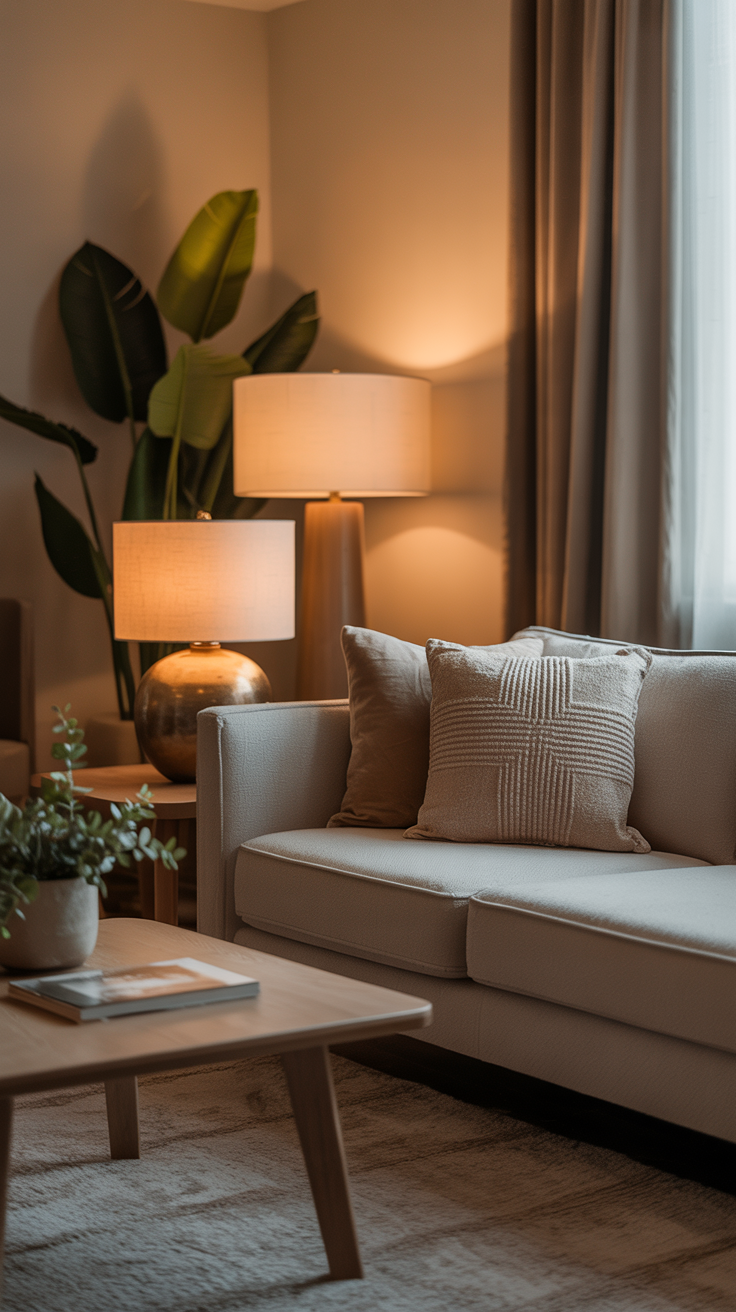
What Designers Use
2700K–3000K warm white bulbs
Dimmable bulbs whenever possible
Soft white, never harsh daylight indoors
Why It Matters
Cool-toned bulbs flatten colors, highlight flaws, and make spaces feel sterile. Warm lighting enhances textures, softens edges, and creates atmosphere.
Bonus Upgrade
Swap exposed bulbs for:
Vintage-style Edison bulbs
Frosted globes for diffused light
This is one of the fastest, cheapest, highest-impact upgrades you can make.
3. Add a Large Statement Mirror
Cost: $40–$100
Where it works best: Entryways, bedrooms, living rooms, bathrooms
Designers use mirrors constantly because they:
Reflect light
Make rooms feel larger
Add architectural interest
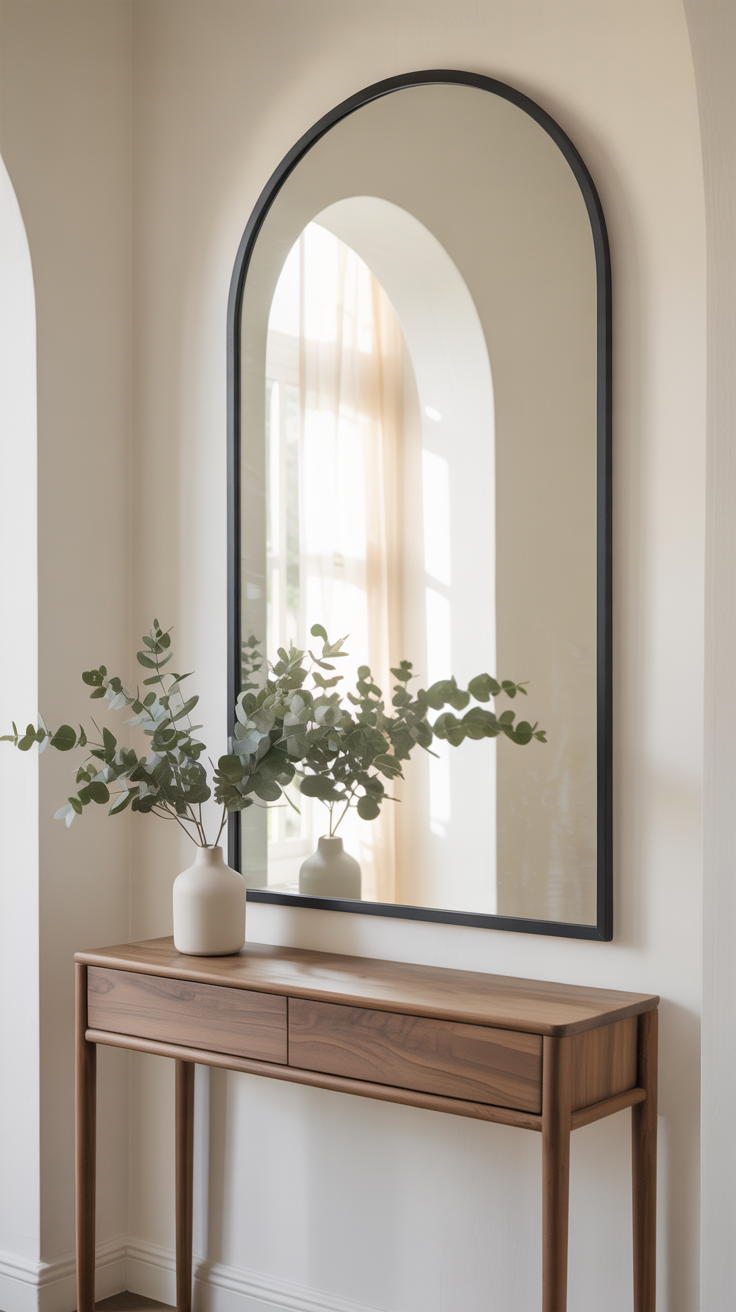
Designer-Approved Styles
Arched mirrors
Thin metal frames
Oversized leaning mirrors
Antique or brass finishes
Placement Tips
Opposite a window to bounce light
Above a console or dresser
In narrow hallways or small entryways
Rule of thumb: Bigger always looks more intentional than small.

4. Replace Switch Plates & Outlet Covers
Cost: $10–$40
Where it works best: Living areas, kitchens, hallways
This is a micro-upgrade designers swear by.
Why It Works
Yellowed plastic switch plates subconsciously age a home. Swapping them instantly makes walls feel cleaner and more modern.
Designer-Approved Options
Matte black
Brass or brushed metal
Wood or ceramic
Screwless minimalist designs
Once you notice the difference, you’ll never unsee it.
5. Use Decorative Trays to Create Visual Order
Cost: $15–$50
Where it works best: Coffee tables, vanities, kitchen counters
Designers rely on trays to make everyday clutter feel intentional.
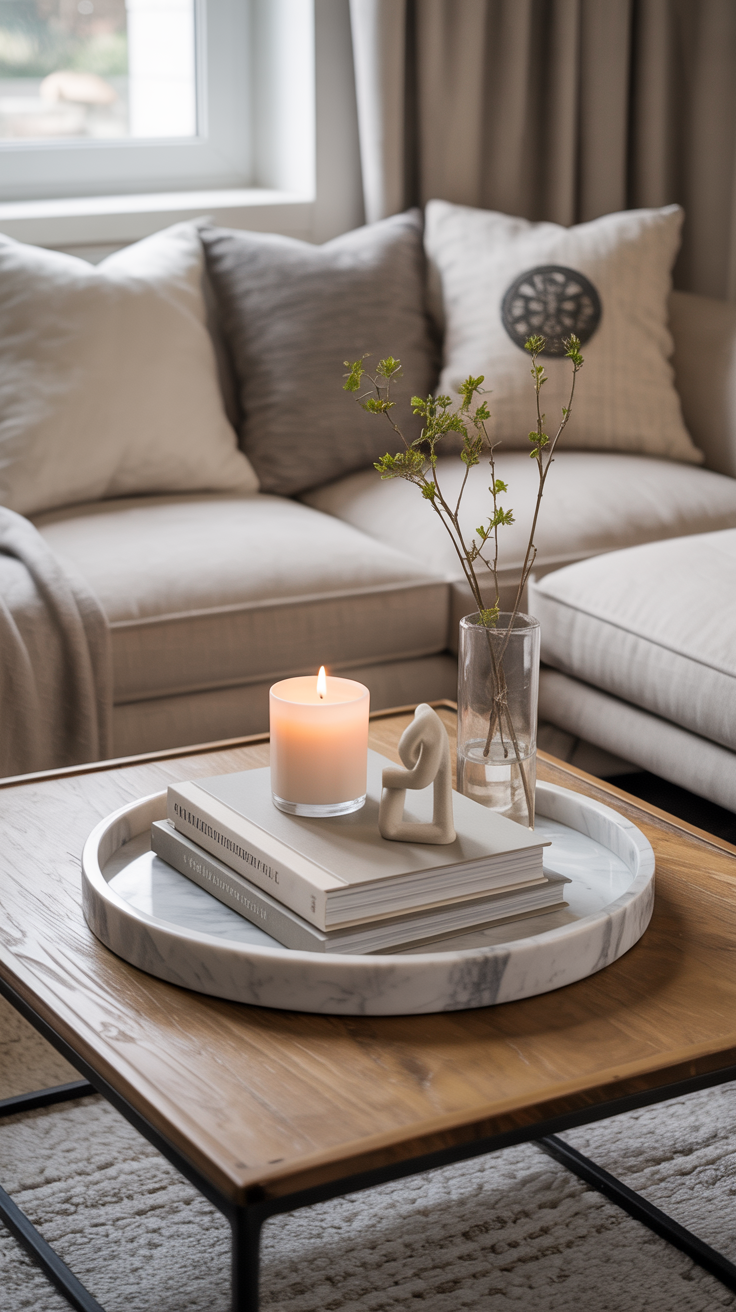
What Trays Do
Group objects visually
Create “zones”
Add texture and structure
Materials Designers Love
Marble
Wood
Woven rattan
Antiqued metal
A tray turns chaos into styling.
6. Refresh Throw Pillows (Covers Only)
Cost: $20–$80
Where it works best: Sofas, beds, chairs
Designers rarely buy full pillows—they buy covers.
Why Pillow Covers Are a Smart Upgrade
Affordable
Seasonal
Easy to store
Instant refresh
Designer-Approved Textures
Linen
Bouclé
Velvet
Block prints
Subtle embroidery
Styling Formula
Stick to 2–3 colors and vary texture instead of pattern overload.
7. Add Greenery (Real or Faux)
Cost: $15–$80
Where it works best: Living rooms, corners, shelves
Plants instantly bring life into a space.
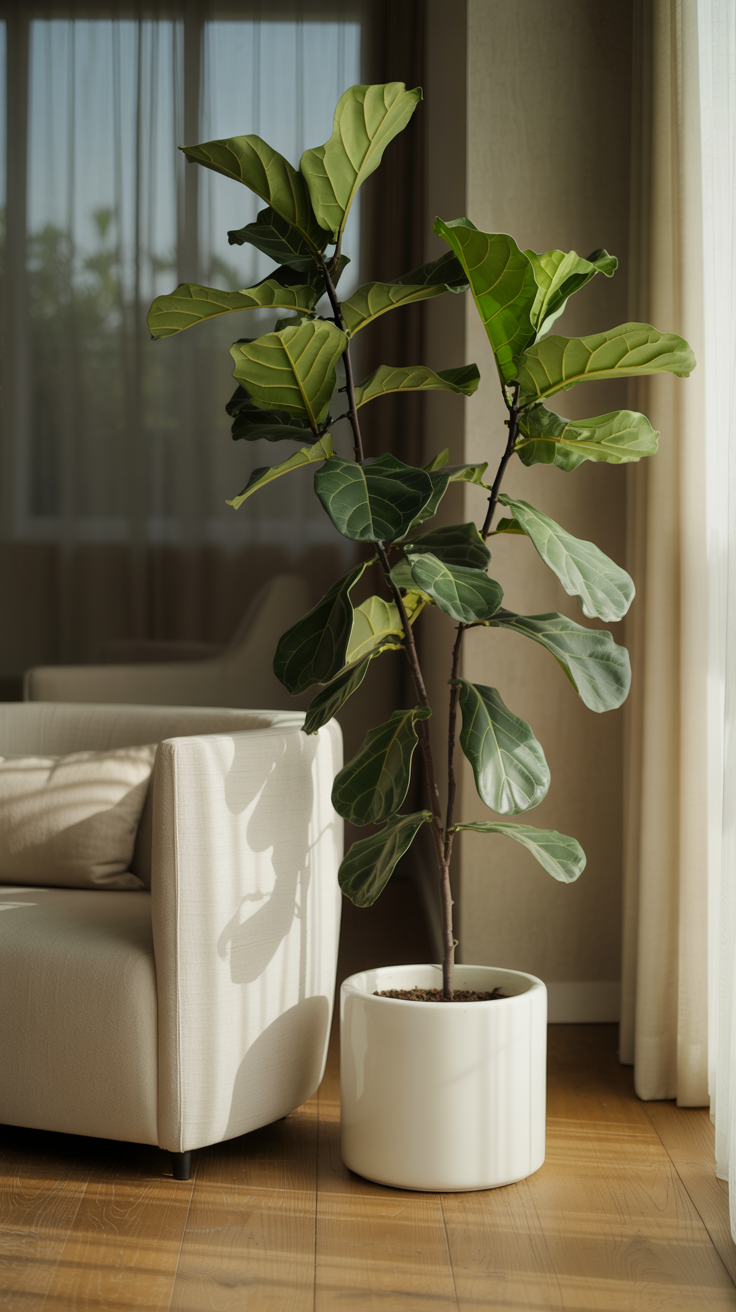
Designer Favorites
Olive trees
Fiddle leaf figs
Eucalyptus stems
Dried grasses
Faux Plant Rule
If it looks obviously fake, skip it. Choose matte leaves and natural variation.
8. Layer Cozy, Elevated Textiles
Cost: $30–$100
Where it works best: Living rooms, bedrooms
Texture creates depth—and depth creates luxury.
Easy Textile Upgrades
Knit or woven throws
Linen table runners
Neutral curtains
Plush bath mats
Designers layer contrasting textures to keep neutral spaces from feeling flat.
9. Upgrade Bathroom Accessories
Cost: $30–$100
Where it works best: Bathrooms, powder rooms
Bathrooms are small spaces—small upgrades go far.
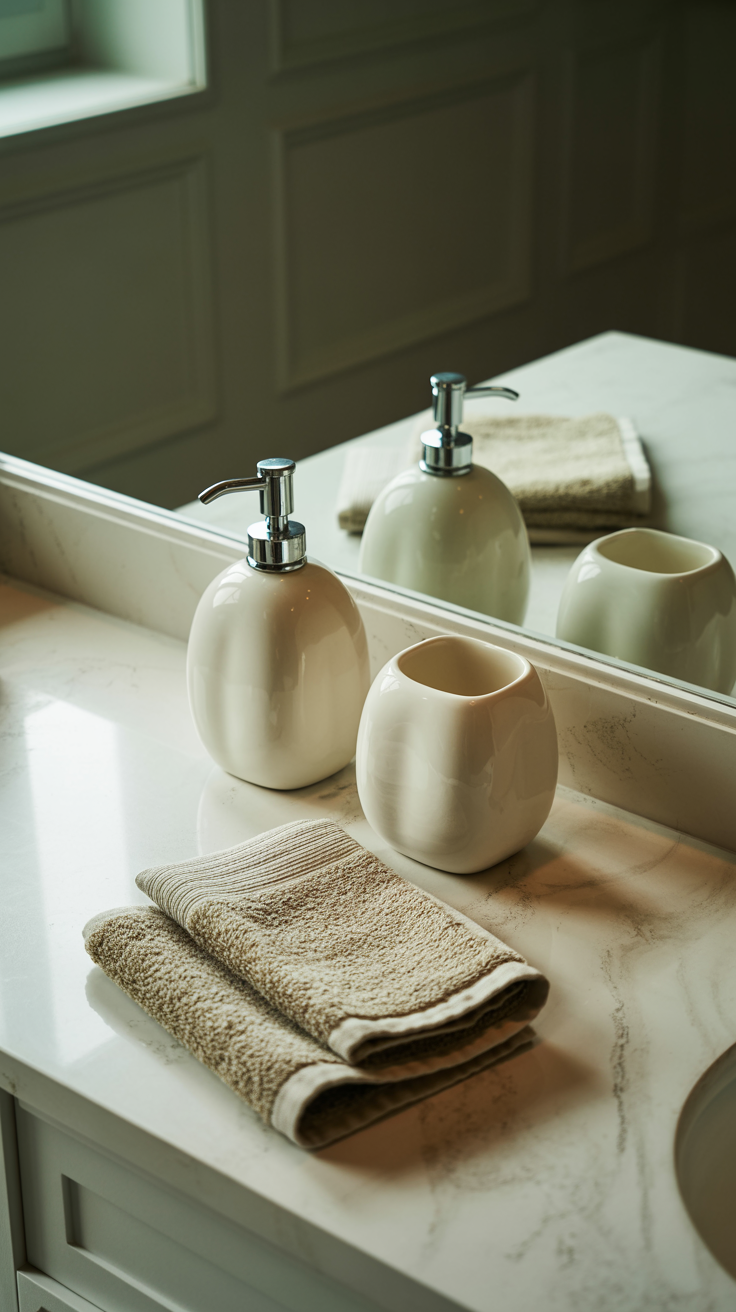
Swap Out
Plastic dispensers → ceramic or glass
Mismatched accessories → cohesive sets
Thin shower curtains → hotel-style fabric
Stick to one finish for instant polish.
10. Add Intentional Art
Cost: $20–$100
Where it works best: Living rooms, bedrooms, hallways
Art doesn’t need to be expensive—it needs to be intentional.
Affordable Art Ideas
Printable art in oversized frames
Thrifted frames with modern prints
- <