

Your bedroom in 2026 is no longer just a place to sleep—it’s your personal retreat. The newest trends focus on warmth, texture, and comfort, transforming ordinary spaces into calming sanctuaries that feel like boutique hotels. Think layered neutrals, soft lighting, and thoughtful design choices that support rest and relaxation.
Here’s a refreshed and reorganized look at the biggest bedroom trends shaping 2026.
1. Statement Beds Take Center Stage
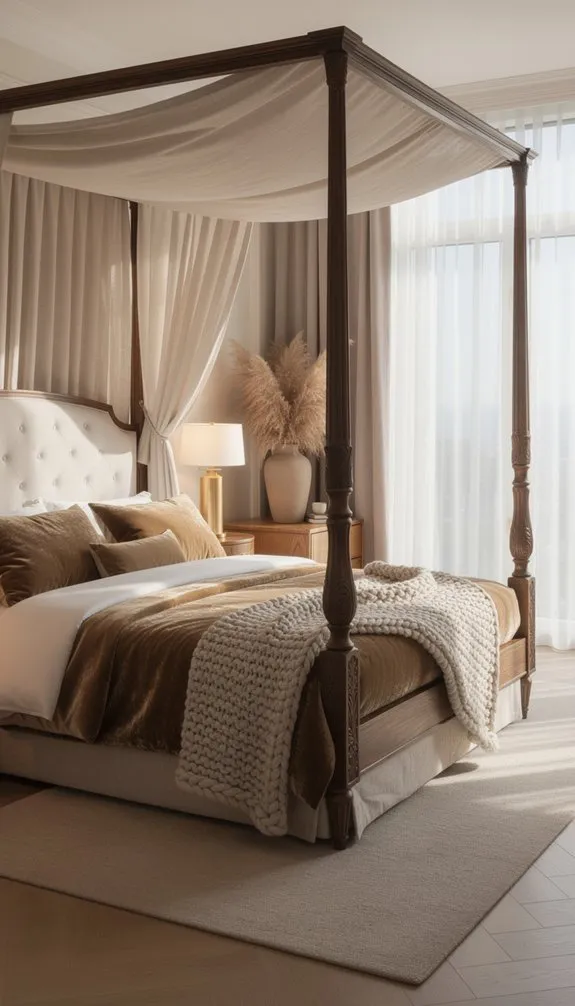
Beds are no longer just functional—they’re the focal point of the room. Canopy beds and four-poster frames are making a strong comeback, adding drama and elegance.
Modern versions blend classic structure with soft materials like velvet and linen, creating a cocoon-like feel. These beds also offer practical benefits, such as space for hanging lights or dividing open-plan layouts.
2. Earthy Neutrals Replace Cool Tones
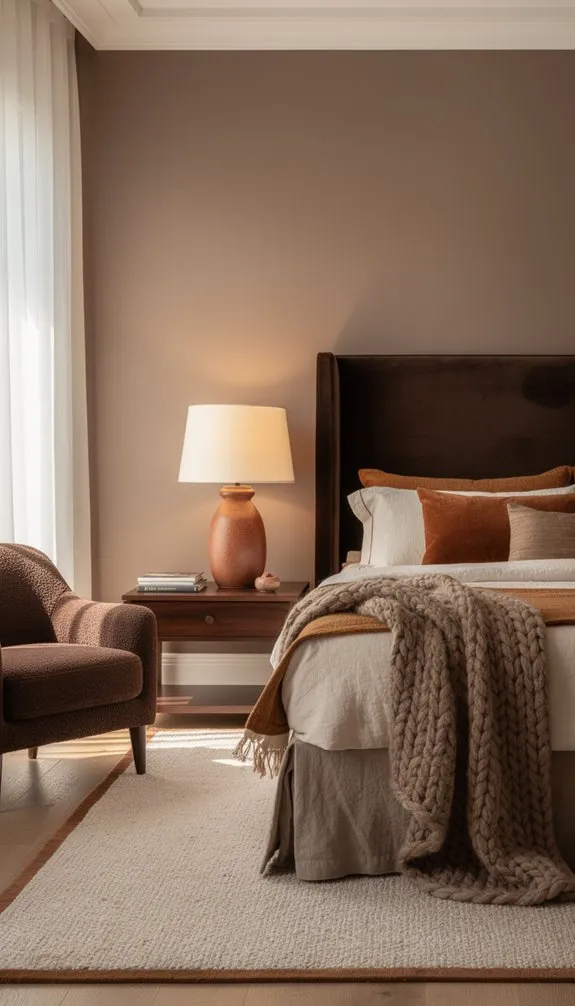
Cool grays are fading out, making way for warmer, more inviting shades. Creamy taupes, clay beiges, caramel tones, and soft off-whites now dominate bedroom palettes.
These colors create a grounded and cozy atmosphere, especially when paired with deeper accents like chocolate brown. The key is layering—combining different textures such as linen, wool, and plaster finishes to add depth and visual interest.
3. Curtains Become Room Dividers
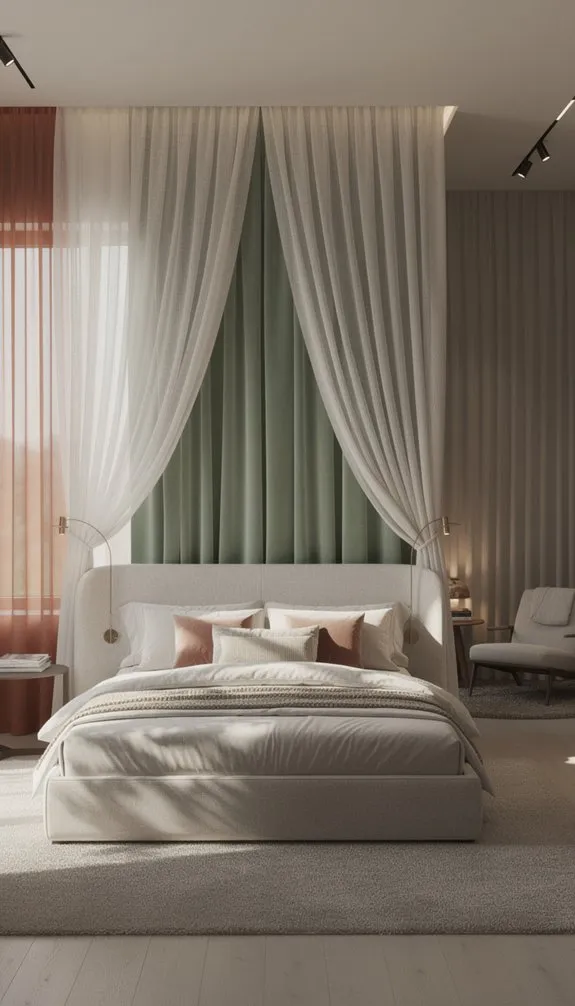
Curtains are no longer limited to windows. In 2026, they’re used to define spaces within the bedroom—framing beds, enclosing reading areas, or creating dressing zones.
Layered fabrics like sheer panels and heavy drapes add softness while improving acoustics and privacy. This trend is especially useful in multifunctional or open spaces.
4. Floor-to-Ceiling Headboards Make an Impact
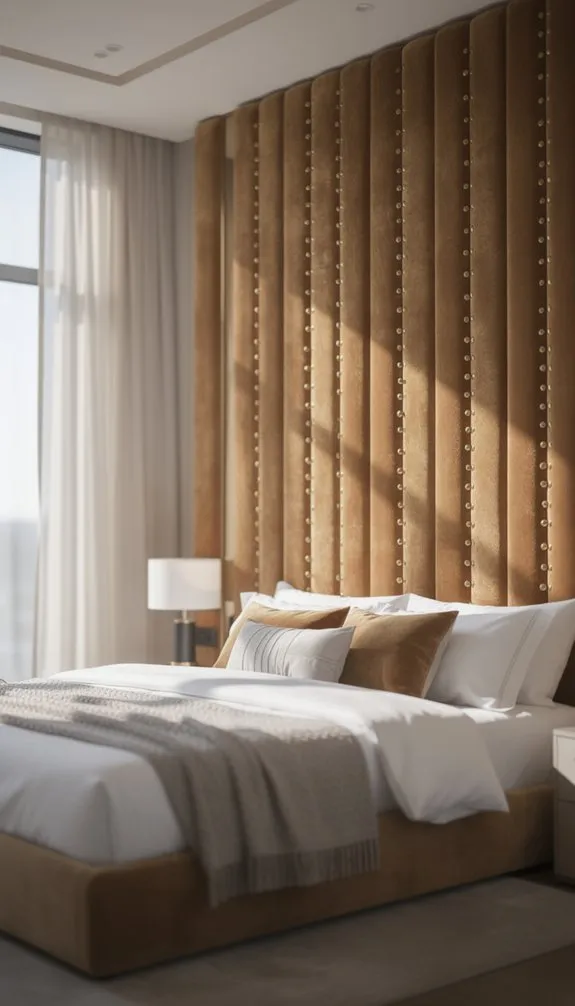
Headboards are evolving into architectural features. Instead of small accents, they now span entire walls or stretch up to the ceiling.
These oversized designs often include built-in lighting, hidden storage, and sound-softening materials. The result is a sleek, hotel-inspired look that combines style with function.
5. Plush Flooring Adds Comfort Underfoot
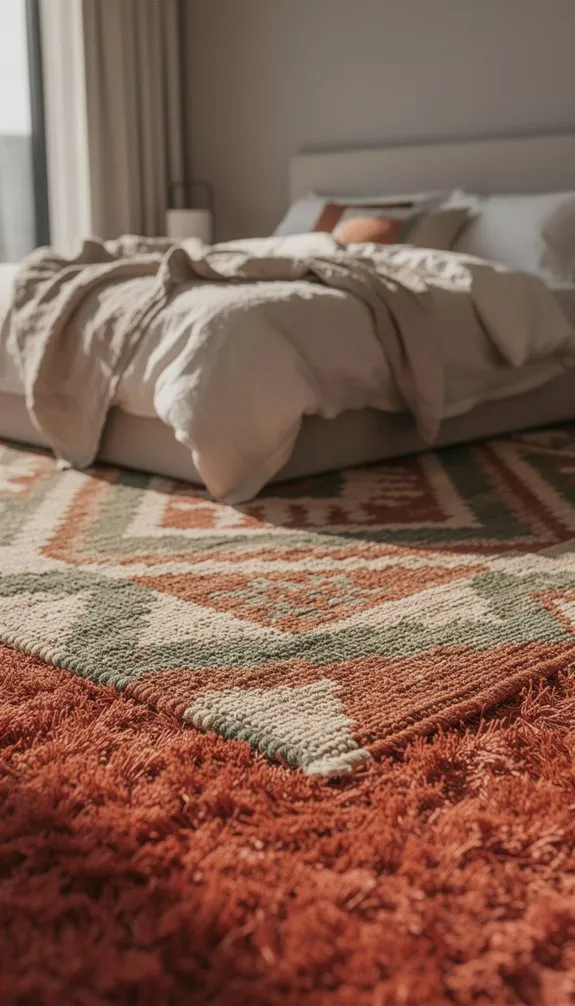
Hard flooring is being replaced by soft, cozy surfaces. Plush carpets and textured rugs in earthy tones are becoming essential for creating warmth.
Layering rugs, choosing thick piles, and incorporating natural materials like wool enhance both comfort and sound absorption—making the bedroom feel more relaxing and quiet.
6. Sensory Design Enhances Sleep Quality
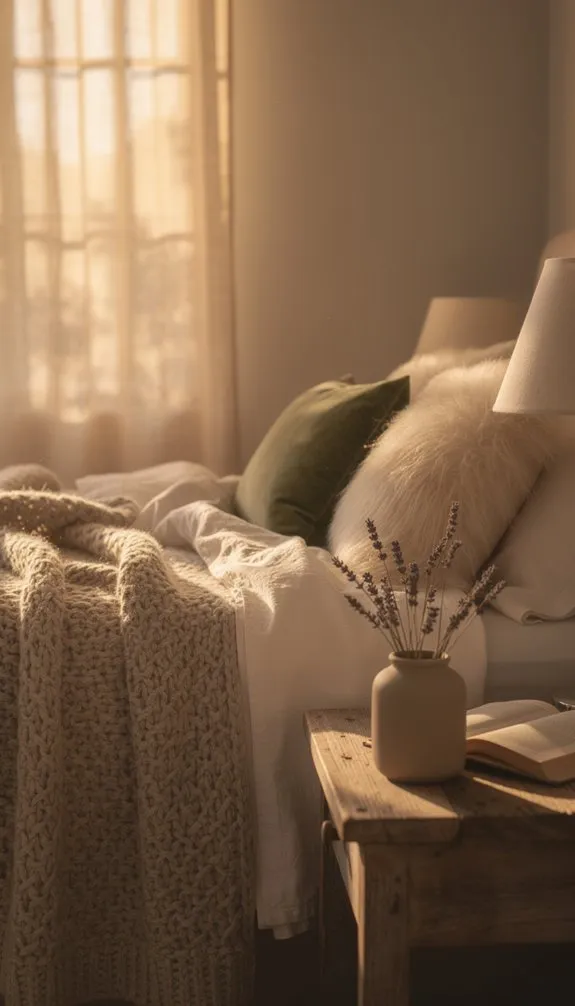
Bedrooms are now designed to engage the senses. Texture, scent, and lighting work together to promote rest and relaxation.
Soft fabrics, calming scents like lavender or eucalyptus, and warm, dim lighting help create a soothing environment. This approach turns your bedroom into a true sleep sanctuary rather than just a styled space.
7. Reading Nooks Replace Screen Time
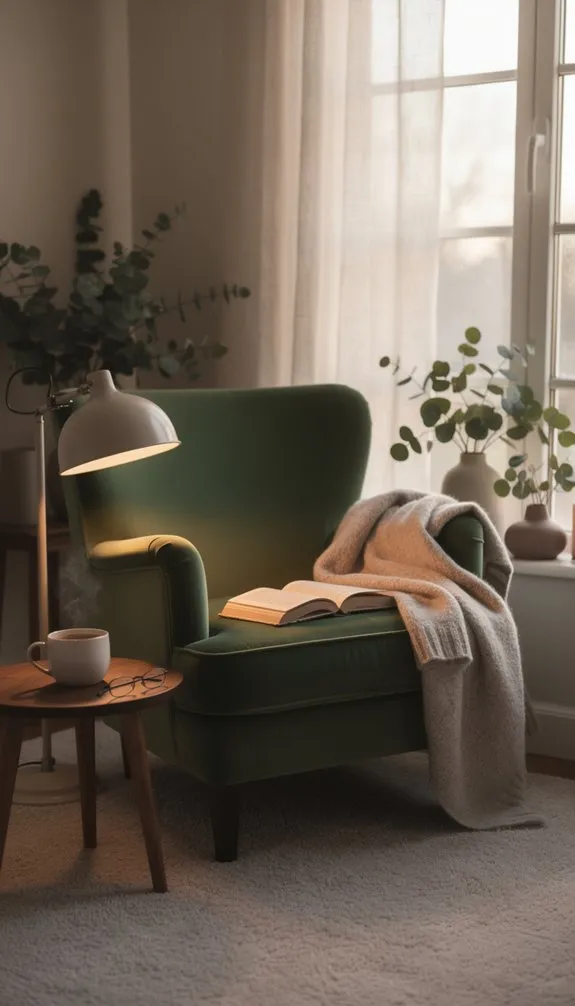
As people move away from nighttime screen use, reading nooks are becoming a must-have feature.
Whether it’s a cozy chair, a window seat, or a small banquette, these spaces encourage relaxation before bed. Soft lighting and layered textiles make them both functional and inviting.
8. Built-In Bed Nooks Create a Cocoon Effect
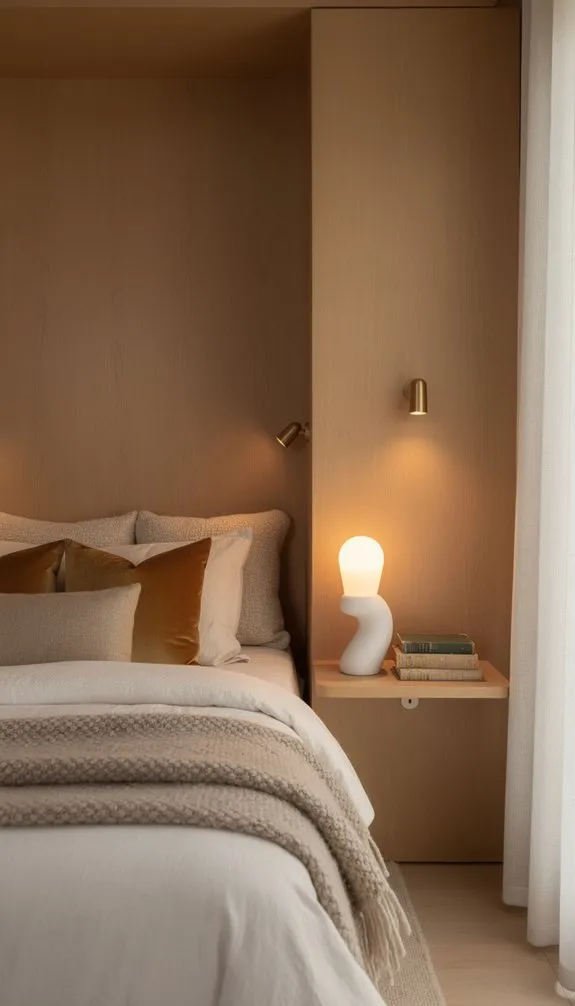
Built-in sleeping areas are gaining popularity for their cozy, enclosed feel. These designs often include shelving, hidden storage, and integrated lighting.
By surrounding the bed with structure and soft materials, these nooks create a calm, clutter-free environment that feels both private and luxurious.
9. Layered Lighting Replaces Harsh Overheads
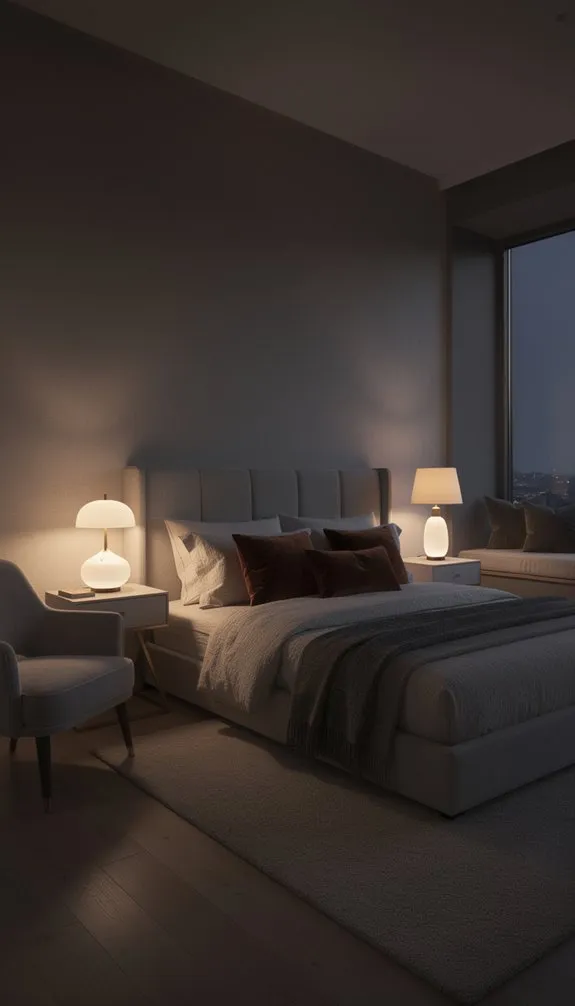
Overhead lighting is being replaced by softer, layered alternatives. Cordless lamps, wall sconces, and portable lighting create a more relaxed ambiance.
Warm light tones help support natural sleep cycles, while multiple light sources allow you to customize the mood throughout the room.
10. Bold Built-Ins Add Personality
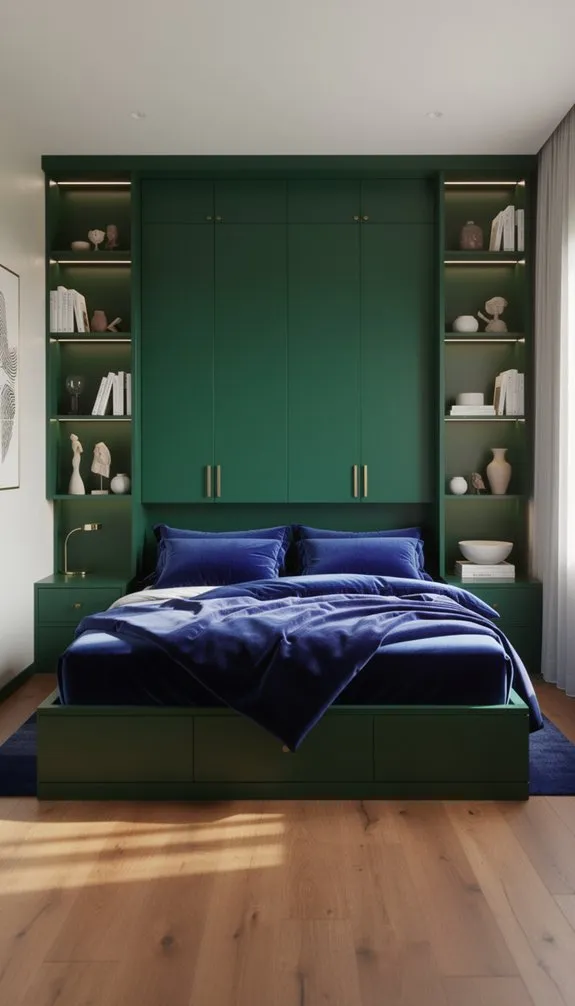
While neutral tones dominate, bold-colored built-ins are adding contrast and character—especially in smaller bedrooms.
Deep greens, rich browns, and clay tones bring warmth and depth. These features double as storage solutions while acting as standout design elements.
11. Bedding Focuses on Texture and Layers
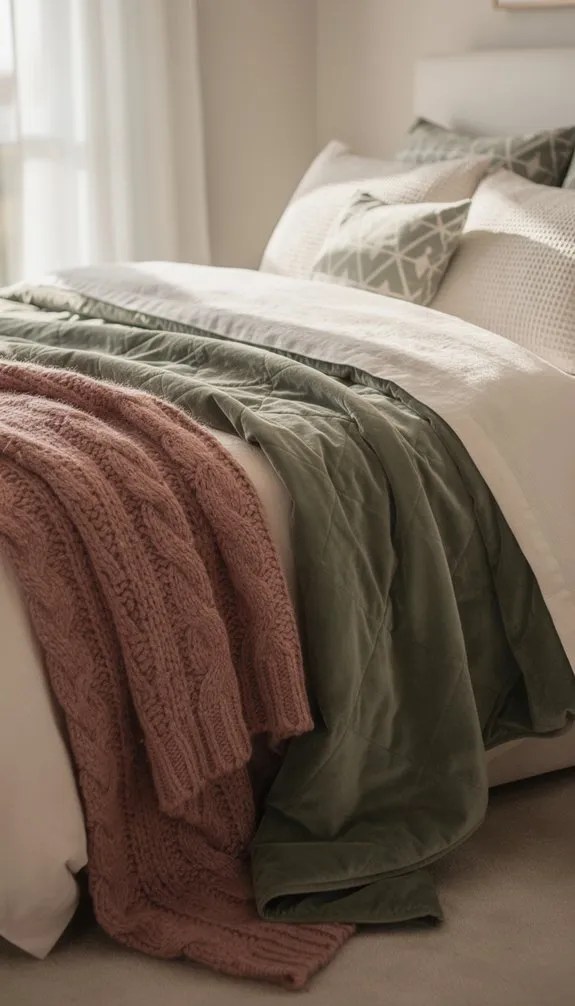
The bed itself becomes a sensory experience through layered bedding. Smooth sheets, textured quilts, and chunky throws create a balanced mix of comfort and style.
Subtle patterns and coordinated colors add depth without overwhelming the space, making the bed both visually appealing and inviting.
Conclusion
Bedroom design in 2026 is all about creating a space that feels warm, calming, and deeply personal. From earthy color palettes and plush textures to thoughtful lighting and multifunctional features, every detail is centered on comfort and well-being.
You’re not just decorating anymore—you’re designing a space that helps you rest, recharge, and feel completely at ease every day.