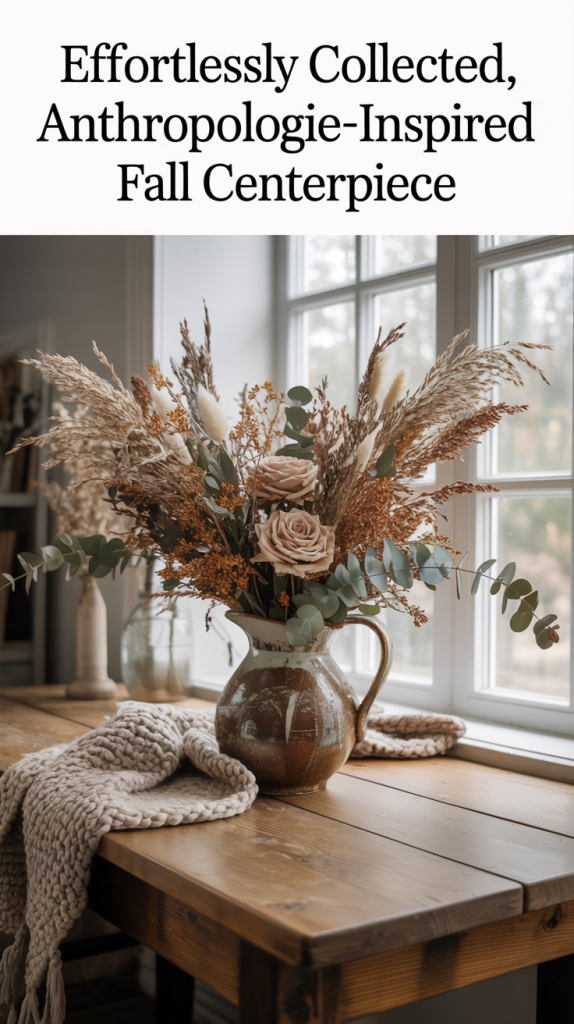
There’s something about fall that brings out our inner stylist. The air cools, the light softens, and suddenly we’re craving cozy textures, layered tones, and those quiet little moments of beauty that make home feel extra special. The centerpiece becomes the heart of it all — the piece that sets the tone, even when the table isn’t set.
The good news? You don’t need a florist, fresh blooms, or a designer’s budget to create a statement arrangement that feels collected, organic, and high-end. With a few thoughtfully chosen faux stems and an artful approach to layering, you can craft a fall centerpiece that looks like it was pulled straight from an Anthropologie catalog.
The secret lies in texture, tone, and storytelling — a blend of nature-inspired materials and pieces that look like they’ve been gathered over time.
Here’s how to build your own Anthropologie-inspired fall centerpiece step by step — one that’s timeless, cozy, and designed to evolve beautifully through the season. This DIY project is so fun, and definitely a favorite! Let’s do this!
1. Begin With a Vessel That Has Soul
The vessel sets the stage for everything else, and this is where you can really show your personality. Skip anything too polished or predictable. Instead, look for something that feels handmade or one-of-a-kind — a pedestal bowl, a wide-mouthed urn, or even a weathered ceramic crock with a story to tell.
Think of your vessel as the foundation of your narrative. Is your space warm and earthy? Try a terracotta bowl with a chalky matte finish. More minimal and modern? A footed concrete vase or stone-textured pot adds sculptural weight. For a softer, romantic look, go with a glazed ceramic in creamy ivory or soft gray — something that would feel right at home on an Anthropologie shelf.
Tip: If your vessel has a wide opening, place a smaller glass vase or floral frog inside. It helps hold stems in place and creates structure for a looser, more natural arrangement.

2. Build a Natural Base — Think Movement, Not Perfection
Your base layer gives the arrangement its shape and sense of movement. This is where faux greenery and textural branches come in. Look for pieces that mimic the way nature actually grows — stems that bend and arch, leaves that curl, branches that reach.
A few favorite choices for fall:
Seeded eucalyptus for that soft cascading effect
Dried ferns or grasses to add dimension
Magnolia branches for structure and those rich two-toned leaves
Faux olive stems for a modern, European feel
Start by inserting these base stems at different angles, letting a few spill gently over the edges. Don’t be afraid of asymmetry — it’s what makes your arrangement look alive. Anthropologie-style design is rarely rigid or centered; it’s all about that artful imbalance that feels like it just happened naturally.
Pro Tip: Step back every few minutes. Look at your arrangement from multiple sides. It should have flow and personality, not perfection.
3. Layer in Depth With Earthy Neutrals and Moody Tones
Anthropologie’s signature look comes from the contrast between soft and bold, matte and gloss, neutral and rich. In florals, that translates to color layering — combining warm neutrals with moodier fall hues.
Start with a soft base of creamy whites, wheat, or pale taupe. Then, add dimension with deep rust, ochre, and plum tones. Think of it as painting with flowers — each stem adds a brushstroke to your canvas.
A few ideas to try:
Faux artichoke stems for structure and a touch of whimsy
Rust-colored dahlias or peonies for warmth and romance
Amber or burgundy thistles to bring in a moody, textural note
Muted hydrangeas that mimic dried petals in soft blush, cream, or mauve
Delicate berry branches for that final pop of color and realism
When placing your stems, imagine a loose diagonal flow from one side of the arrangement to the other. This keeps the eye moving and adds a sense of natural rhythm.
Insider Tip: Anthropologie’s designers often layer color in tonal gradients — so if you start with deep rust on one side, transition through amber, then into cream or blush on the opposite side. It’s subtle, but it creates that beautifully curated effect.
4. Introduce “Statement Stems” for Character and Focus
Every great centerpiece needs one or two stems that stand out — the pieces that instantly draw attention and give your arrangement a sense of luxury. These are your statement stems — usually oversized blooms or sculptural elements that break the pattern just enough.
Think:
Large faux dahlias in a smoky terracotta hue
A single, dramatic protea stem
Oversized hydrangea heads with rich tonal depth
Even dried lotus pods or sculptural seed heads for something unexpected
Place these statement stems near the center or slightly off-center for balance. Keep them at varying heights — the goal isn’t to create a dome, but rather a dynamic, natural composition that feels layered and alive.
Design Note: The best Anthropologie-style arrangements always have one element that feels just a little “undone.” A stem that leans a bit too far, a petal that catches the light just right. That’s where the magic lives.

5. Refine the Shape — The Beauty of Artful Chaos
Once your main stems are in place, it’s time to finesse the shape. This is where your arrangement shifts from “assembled” to “artful.”
Stand back and look for balance, not symmetry. Trim a few stems to different lengths to create depth, and let others spill over the edges to soften the silhouette. Anthropologie’s aesthetic thrives on a sense of relaxed imperfection — every angle should feel slightly different but equally beautiful.
A few helpful reminders:
Vary height and direction. No two stems should stand perfectly straight.
Keep the center slightly open. It creates breathing space and draws the eye inward.
Texture matters. Mix glossy leaves with matte branches, delicate blooms with rougher textures like thistle or fern.
Less is more. If it feels too full, remove one or two stems — space creates sophistication.
6. Add the Finishing Touches That Tell a Story
This step transforms your centerpiece from a beautiful arrangement into a moment. The secret? Layering supporting elements around your vessel that complete the story.
Think:
A linen table runner in a soft neutral tone
Brass or glass candlesticks with flickering tapers
A few gathered pinecones or dried citrus slices nearby
Stacked coffee table books or a small ceramic dish for added dimension
If your table is large, balance your centerpiece with grouped vignettes on each end — a candle, a small pumpkin, or a cluster of votives. This creates a cohesive, lived-in look without overwhelming the table.
Mood Tip: Lighting changes everything. For evening, dim overhead lights and let your candles do the work. It creates that warm, layered glow Anthropologie interiors are famous for.
7. Seasonal Transitions — From Fall to Thanksgiving to Winter
One of the best parts about building your centerpiece with faux stems is flexibility. You can refresh it easily for the next season without starting from scratch. Here’s how to evolve your look seamlessly:
For Thanksgiving:
Add soft amber or copper accents — small metallic votives, brass pumpkins, or a woven table runner.
Tuck in a few dried wheat stalks or preserved oak leaves for a harvest feel.
Layer in taper candles in honey or rust tones for depth and warmth.
For Winter:
Swap out your warm-toned blooms for whites, soft blush, or deep emerald stems.
Replace berries with faux cedar or pine sprigs to hint at the holidays.
Add crystal glassware or mercury glass votives for a subtle sparkle.
Consider adding one dramatic winter bloom — like a white magnolia or hellebore stem — for a quietly festive feel.
This gentle evolution means your arrangement doesn’t just belong to fall — it becomes a living piece that adapts with the season, staying relevant and beautiful through the holidays.
8. Style It Beyond the Dining Table
Don’t limit your centerpiece to dinner parties. This kind of arrangement brings warmth to almost any surface. Try placing it on:
A kitchen island paired with a small stack of cookbooks
An entryway console with a mirror above it for reflection and light
A coffee table tray alongside candles and coasters
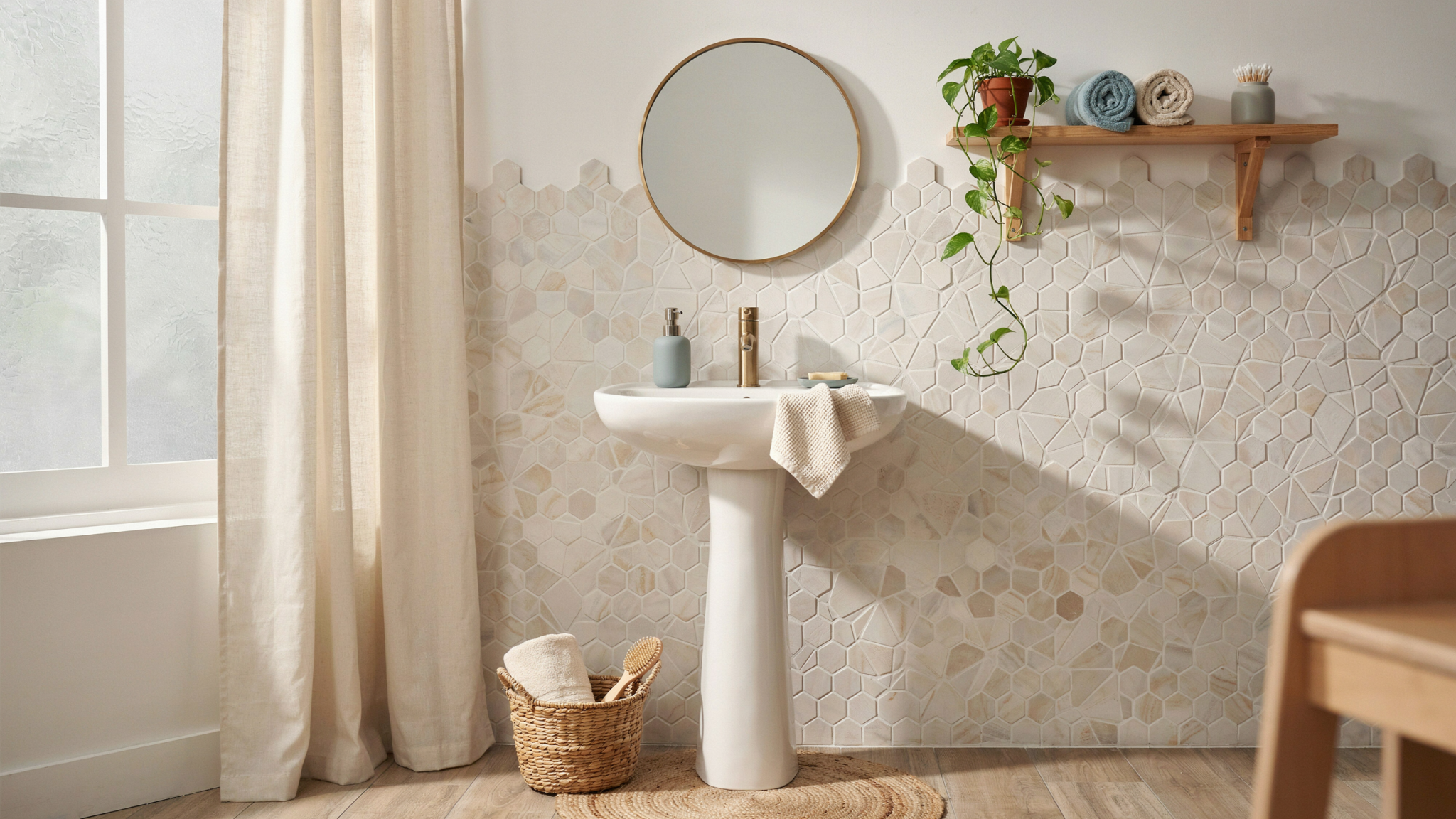
A bathroom counter for an unexpected hint of luxury
Because the palette is neutral and the materials are timeless, it can move around your home throughout the season, becoming a flexible accent wherever you need a touch of warmth.
Creating an Anthropologie-inspired fall centerpiece isn’t about following rigid rules — it’s about trusting your eye and embracing imperfection. It’s the art of layering texture, color, and form until it feels like something you might find in a cozy café or boutique hotel.
This kind of design celebrates warmth over polish, emotion over symmetry. It’s the difference between “decorated” and collected.
So gather your stems, choose a vessel that makes you smile, and let the process unfold naturally. Before long, you’ll have a centerpiece that feels both designed and deeply personal — a small, beautiful way to celebrate the season’s quiet magic.