Design Dilemma: Why Your Room Feels Flat (Even With Good Furniture)

Have you ever walked into a room you carefully decorated, looked around at the beautiful furniture you carefully selected, and felt… absolutely nothing? You bought the sofa you lusted after for months, the one you saved up for. You found the perfect modern coffee table. You even splurged on that gorgeous, hand-woven natural fiber rug. Yet, when you step back and take it all in, the space just feels flat. It lacks that spark, that magazine-ready finish, that elusive soul you were hoping for and just “knew” you would have (but don’t?).  

If this sounds familiar, you are not alone!  Actually, this is probably is one of the most common design dilemmas out there. I hear it all the time: “I bought all the right things, so why does it look so wrong?”

We often think that buying good furniture is the finish line of interior design. We assume that if we just get the big pieces right like the sofa, the bed, the dining table, the room will magically come together. But the truth is, a room full of good furniture is just a room full of good furniture. It’s the foundation, not the finished product. It’s like baking a cake and forgetting the frosting. The magic that is the warmth, the depth, the personality happens in the layers. It happens in the subtle interplay of textures, the careful balance of scale, the strategic use of lighting, and the infusion of your own unique story.

I want to talk about why your room might be feeling a little lifeless, despite your best efforts and your beautiful furniture. I’ll take my best shot at giving you some actionable, down-to-earth strategies to fix them. You don’t need to start over, and you certainly don’t need to throw out that expensive sofa. You just need to learn how to add the missing layers. 
The Missing Element: Visual Weight and Balance

Let’s talk about visual weight. It’s a concept that sounds incredibly technical, but it’s actually very intuitive once you understand it. One of the most frequent culprits behind a flat-feeling room is a lack of visual weight and balance.

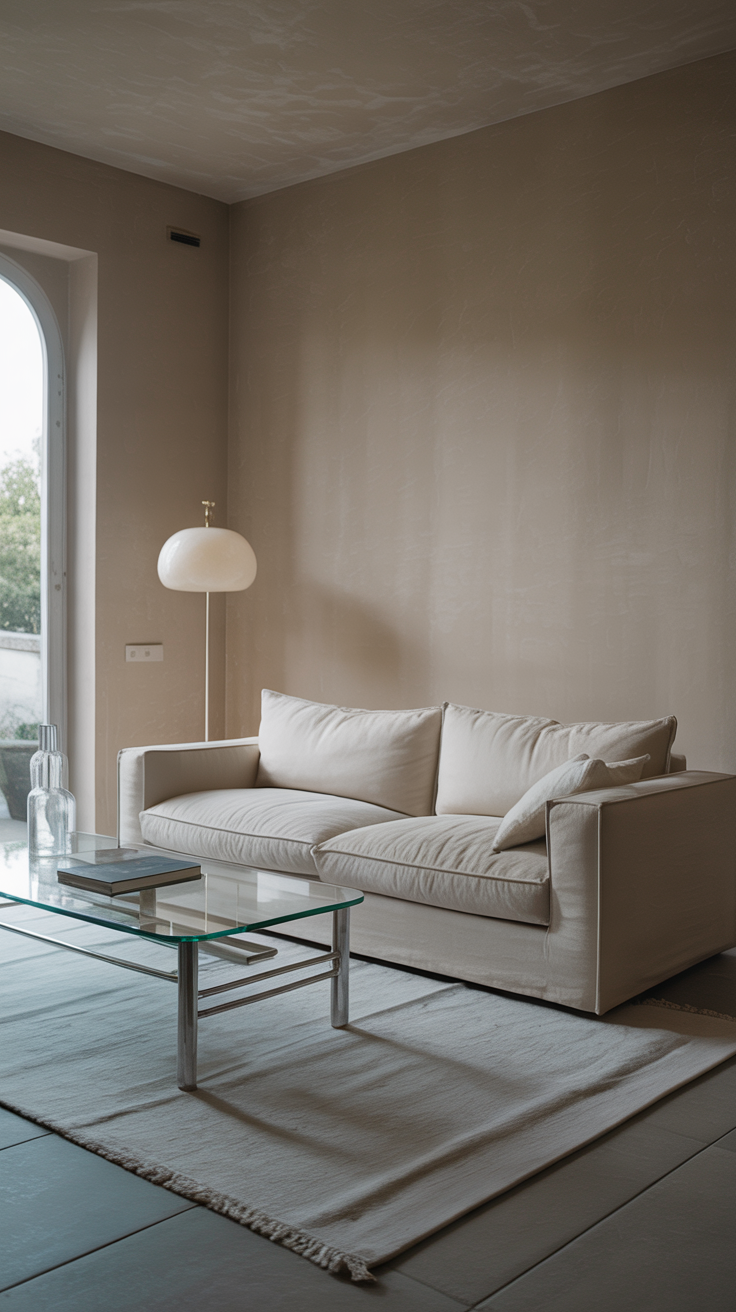
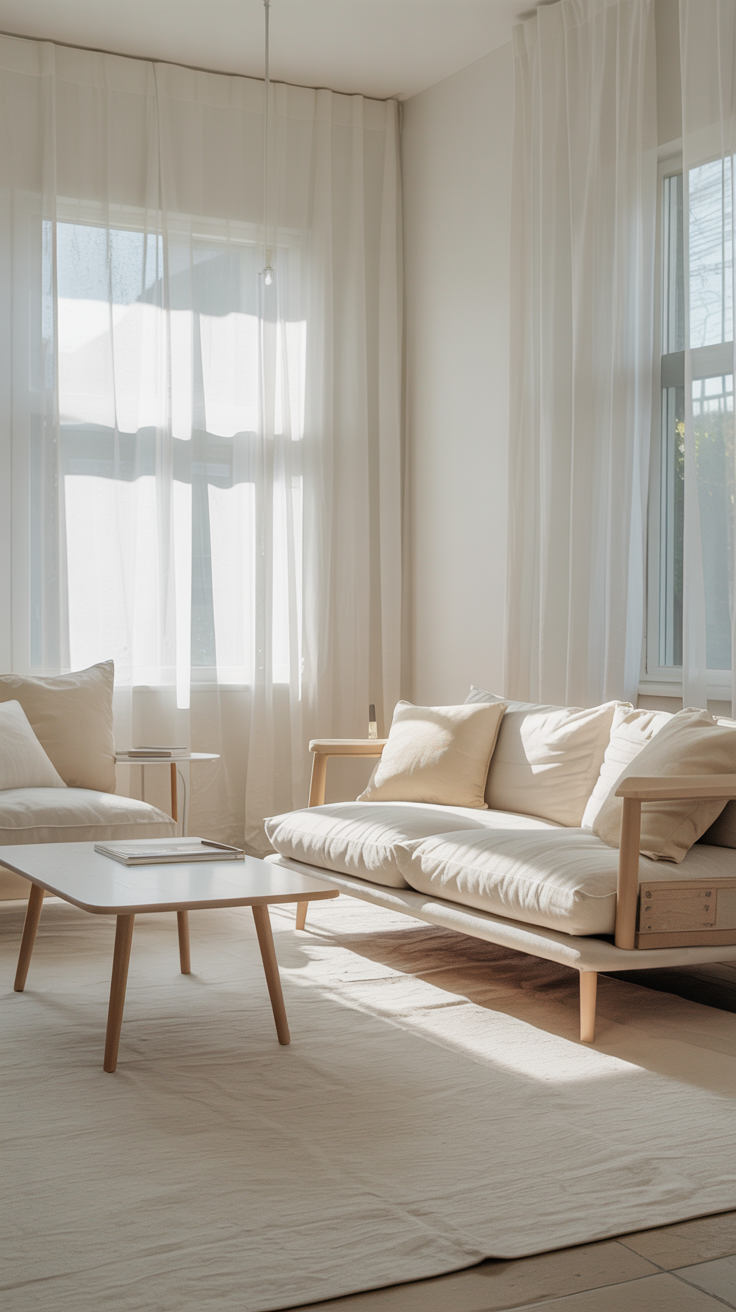
Imagine a room where everything is light, airy, and delicate. You have a pale linen sofa with thin metal legs, a glass coffee table, sheer white curtains, and light oak floors. While that might sound lovely and ethereal in theory, in practice, it often results in a space that feels floaty and ungrounded. Your eye doesn’t know where to land; it just sort of skims over everything. It feels like the furniture might float away if you open a window.
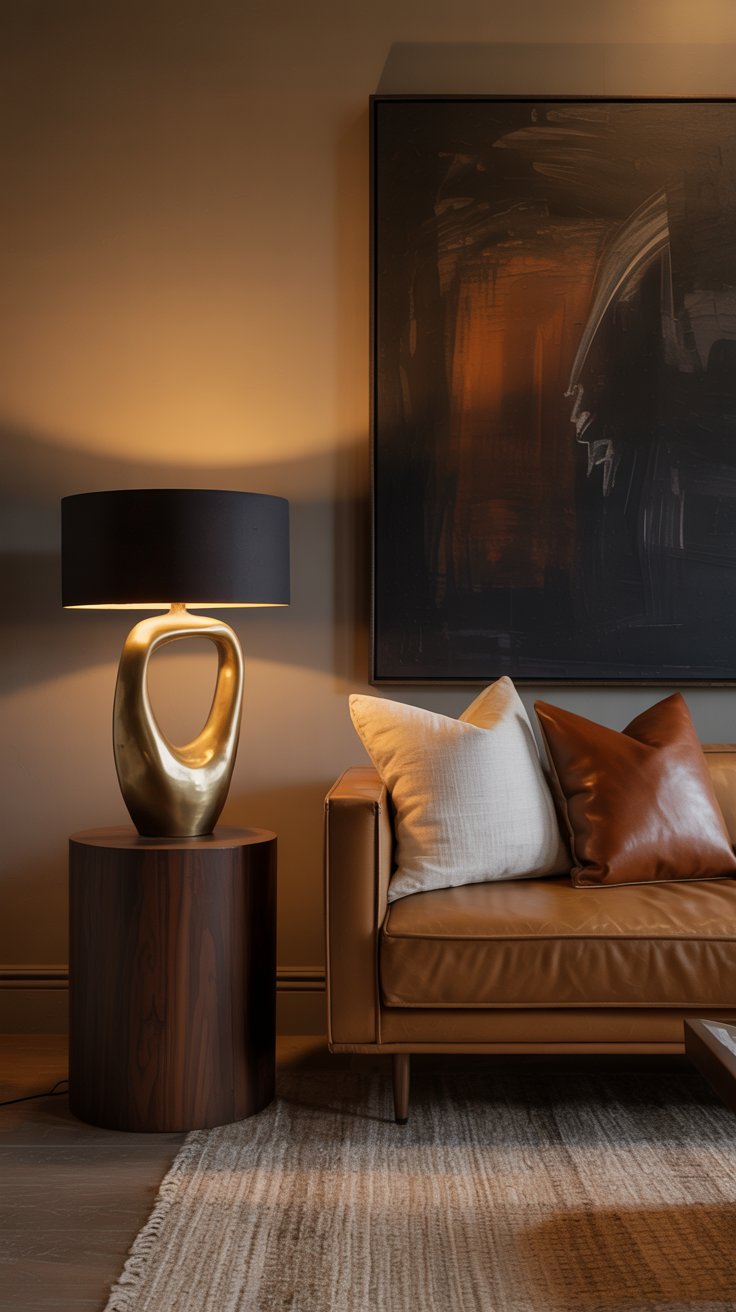
On the flip side, a room filled entirely with heavy, dark, chunky furniture like a massive dark leather sectional, a solid mahogany coffee table, heavy velvet drapes will likely feel cramped and visually exhausting.

Visual weight isn’t just about the physical size or actual weight of an object; it’s about how much presence it commands in the space. A dark color carries more visual weight than a light color. A solid, opaque object carries more weight than a transparent or leggy one. A highly textured piece carries more weight than a smooth one. A large, bold pattern carries more weight than a subtle, small-scale print.

When a room feels flat, it’s often because everything in it shares the exact same visual weight. It’s a sea of sameness. To fix this, you need to introduce contrast. 

Finding Your Anchor

Designers instinctively look for an anchor in a room which is a piece with enough substance to ground the lighter elements around it. If your living room is full of pale linen upholstery, light woods, and glass tables, it desperately needs a visual bass note.

This could be a deep, moody piece of art on the wall. It could be a dark-toned, richly textured textile draped over a chair. It could be a sculptural lamp with a solid, dark base. Or maybe it’s a vintage, dark wood side table that adds some patina or heritage.

The key is contrast, not necessarily bulk. Even a slim, blackened-metal side table can provide enough visual weight to reorient a pale, airy space. It gives the eye a focal ‘drop point,’ allowing the rest of the room to harmonize around it. It’s the puncutation for the space.  
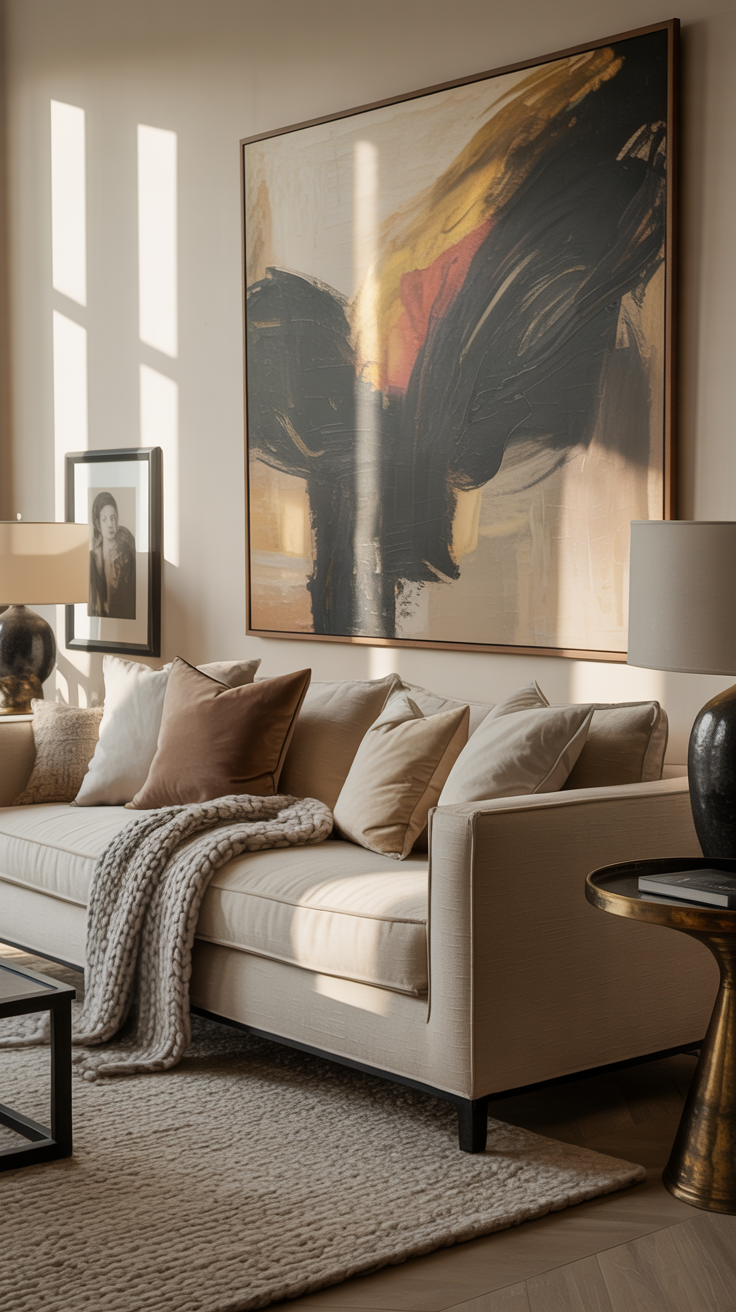
Is everything in your space roughly the same tone, weight, or visual presence? If the answer is yes, try bringing in just one element with significant depth or density. I often find that the easiest way to solve design dilemmas is to see the room through a different lens.  I recommend using Canva (the free version is all you need!) to upload an image of the room, and upload different elements in the room.  For instance, screenshot a coffee table that is darker with more visual weight and layer it over the image of your space and see how that feels.  Another option is just to borrow a dark throw pillow from another room, or move a heavier lamp into the space. You will likely feel the difference instantly. The room will suddenly feel grounded and intentional.

The Power of Texture: Breaking the Monotony

If visual weight is the anchor, texture is the absolute soul of a room. I cannot stress this enough: many rooms fall flat simply because they stick to a single texture family. Dimension comes from contrast, and texture is what gives a space depth, interest, and a tactile quality that makes you want to reach out and touch it. It is what makes a room feel lived-in and welcoming rather than like a sterile showroom.

Think about a room where everything is smooth and sleek: a leather sofa, a glass coffee table, polished hardwood floors, and silk pillows. It might look clean, modern, and expensive, but it will also feel cold and uninviting. 

Now imagine taking that exact same room and adding a few key textural elements. Toss a chunky knit wool throw over the arm of the leather sofa. Replace one of the sleek chairs with a nubby bouclé armchair. Layer a woven jute rug under the glass coffee table. Add some matte, handmade ceramic vases to the shelves. Suddenly, the room has dimension. It has life. It has a heartbeat.
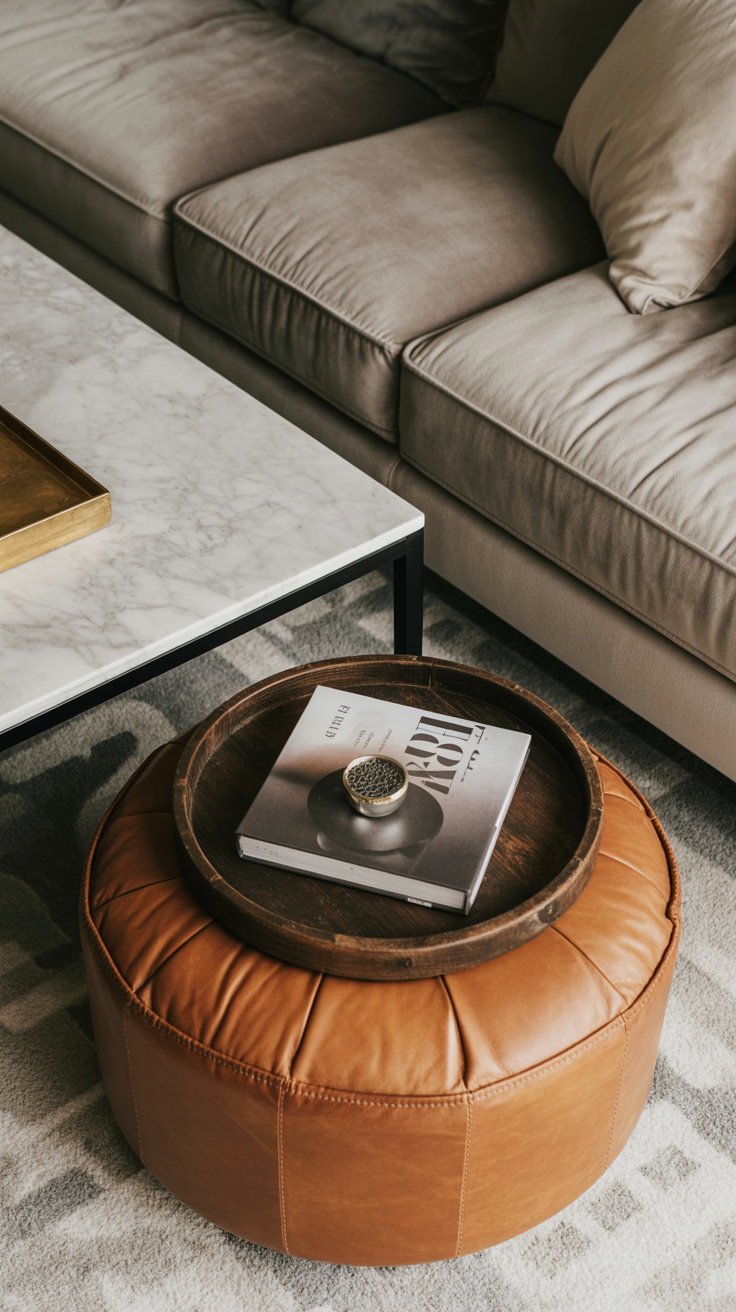
Layering Textures for Depth

Your eye needs places to land, and each material should play off the next. Without that mix, the room feels flat and lifeless. The solution is simple but incredibly effective: introduce contrasting textures. It is the quickest, easiest way to achieve designer-level depth, and the best part is, you don’t need to change any of your main furniture pieces to do it.

When layering textures, think about opposites. Pair smooth with rough, shiny with matte, hard with soft.

  • Soft and Hard: Contrast the luxurious softness of a velvet sofa with the cold hardness of a marble coffee table or a sleek metal floor lamp. The tension between the two materials makes both of them look better.
  • Shiny and Matte: Mix glossy ceramic lamps with matte linen lampshades. Or pair a polished brass mirror with a rustic, unvarnished wood console table.
  • Rough and Smooth: Place a rustic, reclaimed wood tray on a sleek, polished leather ottoman. The rough texture of the wood highlights the smoothness of the leather.

And don’t forget about the walls and floors! A textured grasscloth wallpaper, a woven wall hanging, or even just a flat-weave vintage rug layered over a larger, plusher carpet can add incredible depth to a space. Texture adds history, attitude, and emotion. It’s what gives a room soul and makes a house feel like a home. It tells a story of comfort and approachability.
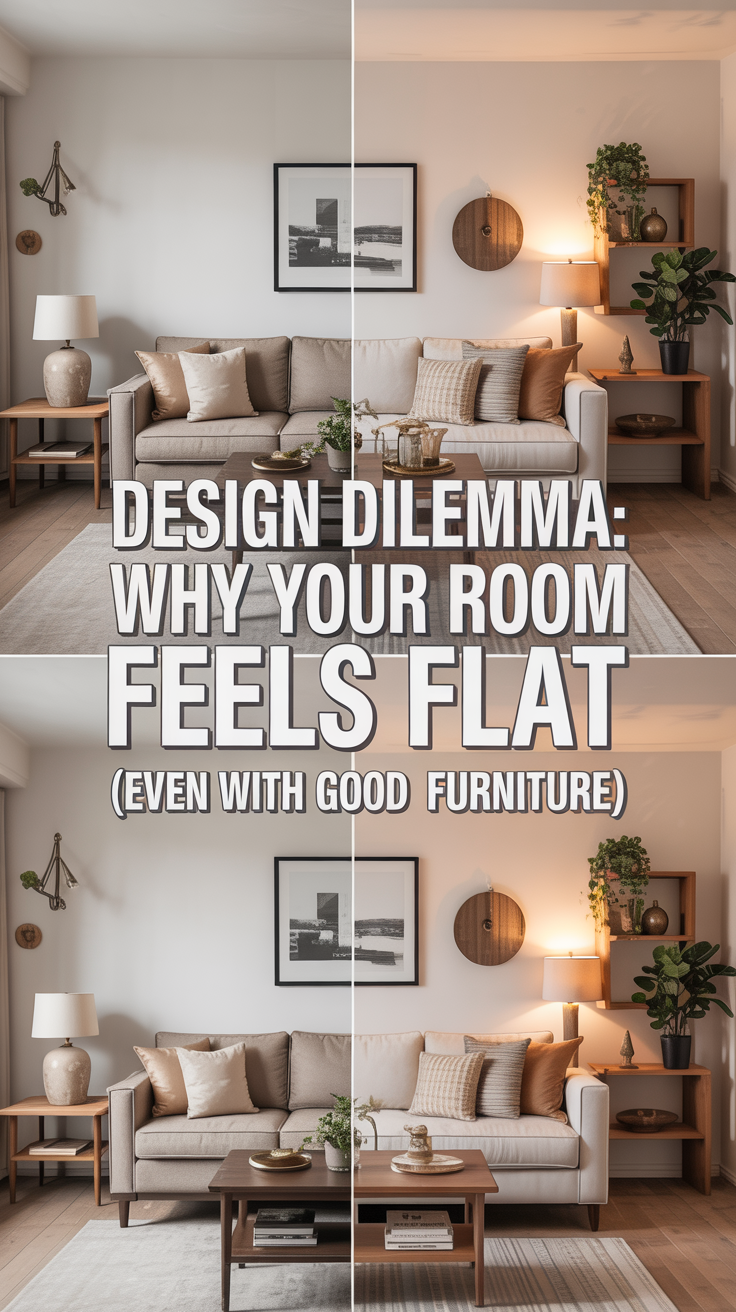
Scale and Proportion: The Silent Disruptors

This is a big one. Even perfectly coordinated décor, with the right visual weight and beautiful textures, can feel entirely off if it is the wrong size. Scale and proportion are the silent disruptors of interior design. When they are wrong, you might not be able to put your finger on exactly why the room feels awkward, but you will definitely feel it in your gut. It just won’t feel right.

I think people often misconstrue the terms scale and proportion in design so first let me clarify.  Scale refers to the size of an object in relation to the space it occupies. Proportion refers to the relationship between the sizes of different objects within that space.  Make sense?

A common mistake is using furniture that is simply too small for the room. This often happens when people move from an apartment to a larger house and bring their apartment-sized furniture with them. The result is a room that feels like a dollhouse, with tiny pieces floating in a vast sea of floor space. On the flip side, stuffing oversized, bulky furniture like a massive, puffy sectional into a small room makes it feel cramped and claustrophobic.

Getting the Proportions Right

This is not just about finding furniture to fit the room; it’s about the pieces fitting together. A tiny, delicate, spindly side table placed next to a massive, overstuffed sofa will look ridiculous. They don’t speak the same language. A tiny 8×10 piece of art floating alone on a huge, blank living room wall will look lost and sad.

Here are a few common scale and proportion mistakes that make rooms feel flat and awkward:

  • The ‘Floating’ Rug: This is perhaps the most common mistake I see. A rug that is too small makes the furniture look disconnected, like islands floating in an ocean. I know rugs (especially oversized rugs) are splurgey, but they need to be part of your budget for a space you will love. As a general rule, at least the front legs of your main seating pieces should rest on the rug. This anchors the seating area, defines the zone, and makes the room feel cohesive and generous.

  • Art Hung Too High or Too Small: Art should relate to the furniture below it and the wall it’s on. It shouldn’t be hung so high that you have to crane your neck to see it (a common mistake is hanging art at the standing eye level of a tall person, rather than seated eye level). And it shouldn’t be so small that it gets swallowed by the wall. If you have a small piece of art you love, group it with others to create a gallery wall that has a larger overall scale.
  • The ‘Matchy-Matchy’ Trap: Buying a complete matching set of furniture from a big-box store (sofa, loveseat, chair, coffee table, end tables all from the same collection) often results in a room that feels flat, predictable, and showroom-like. I feel like a broken record on this one 🙂 but I’ll die on this hill.  Mixing different styles, eras, and scales creates a much more dynamic, interesting, and personalized space.

Imagine everything in the room as having visual weight and physical volume. You want to balance those weights and volumes so that no single area feels too heavy, too light, too big, or too small. It’s a delicate dance, but when you get it right, the room just clicks.

Lighting: The Mood Maker (or Breaker)

Lighting is so often treated as an afterthought, a purely functional necessity to keep us from bumping into things in the dark. But in reality, lighting is a silent mood-killer or mood-maker. It is one of the most powerful, transformative tools you have to turn a flat, boring room into a dynamic, inviting, and magical space.

If your room relies solely on a single overhead light fixture especially the dreaded “boob light” in the center of the ceiling(!!), it is almost guaranteed to feel flat. Overhead lighting, especially when it’s bright and cool-toned, washes out textures, creates harsh, unflattering shadows on faces, and makes a room feel like a waiting area at a dentist’s office rather than a cozy home.

Layering Your Light

Just as you layer textures to create physical depth, you must layer your lighting to create visual depth and atmosphere. A well-designed room uses at least three types of lighting:

  1. Ambient Lighting: This is the general, overall illumination of the room. It can come from overhead fixtures (like a beautiful chandelier or flush mount), but it’s best when it’s soft, diffused, and ideally on a dimmer switch.
  2. Task Lighting: This is focused lighting for specific activities, like reading, cooking, or working. Think table lamps next to a reading chair, a desk lamp in an office, or under-cabinet lights in a kitchen.
  3. Accent Lighting: This is the jewelry of the room. It’s used to highlight specific features, like a beautiful piece of artwork, architectural details, or a large houseplant. Picture lights, wall sconces, or small uplights hidden behind a plant fall into this category.

By combining these different types of lighting, you create pools of light and shadow. This interplay of light and dark is what gives a room depth, drama, and atmosphere. It draws the eye to the things you want to highlight and lets the less important areas recede into the shadows.

Furthermore, pay close attention to the color temperature of your bulbs. This is crucial. Mismatched bulb temperatures (for example, a cool, bluish LED bulb in a lamp next to a warm, yellowish incandescent bulb in a ceiling fixture) create visual tension and make a room feel unsettling and chaotic. Aim for a consistent, warm color temperature around 2700K to 3000K for a cozy, inviting, flattering feel in living spaces and bedrooms.  Be sure to check out my big post all about lighting temperature and How To’s for every room here

The Layout: Creating Flow and Conversation

Sometimes, the reason a room feels off has absolutely nothing to do with the items in it, but rather how they are arranged. The layout of a room dictates how you move through it, how you interact within it, and how the space feels energetically. A poor layout can make even the most beautiful, expensive furniture feel awkward, uninviting, and flat.

One of the most common layout mistakes, and it’s one we’ve probably all been guilty of at some point, is pushing all the furniture against the walls. While this might seem like the logical way to maximize open space in the center of the room, it actually creates a disconnected feeling. It makes conversation difficult (you have to shout across the room!) and leaves a dead, empty zone in the middle. It feels like a waiting room.

Pulling It Together

Instead of hugging the walls, try pulling your furniture inward to create intimate, functional conversation areas.

  • Define a Focal Point: Every room needs a focal point and a reason for the furniture to be arranged the way it is. This could be a fireplace, a large window with a beautiful view, a stunning piece of art, or even a beautiful media console. Orient your main seating arrangement around this focal point.
  • Create Zones: In a large or open-concept room, don’t try to make one massive seating area. Instead, use rugs and furniture placement to define different zones. You might have a main seating area for watching TV, a small reading nook with a comfortable chair and a lamp in a corner, and a dining space. Each zone should feel purposeful and connected to the others.
  • Ensure Good Flow: Make sure there are clear, unobstructed pathways through the room. You shouldn’t have to squeeze past a chair, turn sideways, or trip over a coffee table to get from one side of the room to the other. A good rule of thumb is to leave at least 18 inches between a coffee table and a sofa, and at least 3 feet for major walkways.

A room that is laid out thoughtfully instantly feels calmer, more purposeful, and more inviting. It invites you to sit down, relax, and stay awhile. It makes sense.

The Magic of ‘Quiet Clutter’

We hear so much about minimalism these days. We are constantly told that clutter is the enemy of good design, that we need to purge, organize, and hide everything away. And while it’s true that a messy, disorganized room is stressful and chaotic, a room that is completely devoid of “stuff” can also feel sterile and impersonal. It lacks the signs of life and looks staged.

The thing is, people often assume they are missing a major piece of furniture when their room feels flat.  But most of the time, it’s  simply that the small details that are missing. It needs some “quiet clutter” that is the thoughtful, personal, lived-in touches that make a room feel inhabited rather than like a furniture showroom.

Adding Soul to the Space

These tiny elements soften hard edges, break up large, empty surfaces, and give the space soul!

  • Books: A home without books feels a little sad to me. A small stack of books on a coffee table, a few novels on a nightstand, or a styled bookshelf adds instant warmth, texture, and intrigue.  Here is a post with a few of my favorites.  
  • Plants and Flowers: Bringing nature indoors is one of the easiest, most effective ways to breathe life into a flat room. A leafy, sculptural plant in a corner, a small vase of fresh flowers on a table, or even a few dried branches in a vintage jar can make a huge difference.
  • Personal Mementos: Display items that have actual meaning to you. In my house this means little handmade treasures form my kids but it could be anything!  Maybe for you it’s that handmade ceramic bowl you picked up on a trip to Mexico, a framed candid photo of your family, a quirky vintage brass figurine you found at a flea market.  These peices do more to make a room feel warm, complete, and uniquely yours than almost anything else.
  • Textiles: A throw blanket that isn’t perfectly, rigidly folded, a slightly rumpled linen pillow.  These small imperfections make a room feel relaxed, approachable, and inviting. They say, “Come here and get comfortable.”

Start with one surface, whether it’s a coffee table, a console behind the sofa, or a nightstand. Layer three items of different heights and textures–always the rule of threes! Maybe a stack of two books, a small plant, and a vintage brass candle holder. That’s it. 

The Color Story: Cohesion vs. Chaos

Color is a powerful, emotional tool in interior design, but it can also be a tricky one to master. Sometimes rooms feel off not because you’ve chosen “bad” colors, but because the undertones clash or the overall palette is inconsistent and jumpy.

If you have too many competing colors in a room, let’s say a red rug, a blue sofa, yellow curtains, and green pillows, it can feel chaotic and overwhelming. On the other hand, if everything is exactly the same color, say beige walls, beige sofa, beige rug, it will feel boring and lifeless. You need to find that balance between cohesion and contrast.

Creating a Cohesive Palette

A good, foolproof rule of thumb is to stick to a warm or cool direction for your foundation and repeat it throughout the room. Layer your neutrals (whites, creams, grays, browns), mix your textures, and resist the urge to add too many bold colors until the basics feel harmonious.

When you repeat colors throughout the room, it allows the eye to travel comfortably and makes the space feel intentional. For example, if you have a warm terracotta-colored pillow on the sofa, try echoing that exact color in a small piece of art on the opposite wall, or in the pattern of your area rug, or even in a ceramic vase on the bookshelf. This creates a sense of flow and connection. It ties the room together.

And beware of the “too perfect” problem. If everything matches exactly it can also feel flat.  If you have the exact same wood tone on the floor, the coffee table, and the picture frames; the exact same metal finish on every lamp and doorknob; the exact same shade of blue on the pillows and the curtains, try mixing it up. Rooms need a little friction, a little contrast to feel alive. Mixing something old with something new, or a warm, rustic wood tone with a cool, sleek metal, is a great way to add subtle, sophisticated interest. Don’t be afraid to mix metals or wood tones; just do it intentionally.

Decorating at Your Own Pace

Perhaps the most important thing to remember when trying to fix a flat room, and the thing we most often forget, is that you do not have to do it all at once. In fact, rushing the process is often exactly what leads to mistakes, buyer’s remorse, and a space that feels generic. 

We live in a world of instant gratification. I too love watching the HGTV shows where the entire house is gutted and redecorated in 48 hours.  I’m no different and secretly love the idea of ordering an entire room fulll of furniture for a big wow reveal on Monday.  But realistically, I also know a truly beautiful, soulful, layered homes are not created overnight. The most beautiful space are always and without exception collected, curated, and refined over time.

The Evolution of a Room

Go slow. Be intentional. And please, don’t feel pressured to buy everything at once just to have it “done.” Move one thing, step back, and see how it feels. Live with it for a few days. Then swap another thing. Over time, your space will start to feel balanced, cozy, and totally yours without blowing your budget or causing unnecessary stress.

Homes come together in layers; slowly, thoughtfully, and in a way that actually fits your real, messy, beautiful life. Give yourself permission to collect pieces over time. Maybe this month your budget allows for a better rug. Next season, you might find the perfect piece of artwork at a local fair. Maybe next year you finally replace that hand-me-down coffee table.  

Really, this is a more budget friendly approach to completing a room anyway, rather than dropping a bunch of money at once to fill the entire room.  There is something really grounding and satisfying about decorating at a pace your budget and your life can handle. It keeps you from filling your home with rushed, panic-bought decisions just to cross a room off your to-do list.

A “finished” room isn’t really the goal. A room that feels like you is the goal. And that usually happens when you let it evolve naturally, adding meaningful pieces from your travels, mixing in things you genuinely love, and adjusting the space as your life changes and grows. There is no prize for the fastest room makeover. There is just the quiet, daily satisfaction of living in a space that feels settled, comfortable, and deeply personal because you built it thoughtfully over time.

Bringing It All Together

If your space feels “almost there” but not quite right, I promise you, you are not imagining it. Most rooms that feel flat are simply missing these crucial final layers. You have the good furniture; you’ve laid the foundation. Now you just need to give it the context, the depth, and the personality it deserves.

Remember the key principles we’ve discussed:

  1. Anchor the room with visual weight to ground the space and give the eye a place to rest.
  2. Introduce contrasting textures to add physical depth, warmth, and invite touch.
  3. Check your scale and proportion to ensure everything relates harmoniously and fits the space.
  4. Layer your lighting to create mood, atmosphere, and visual interest.
  5. Adjust your layout to encourage flow, conversation, and a sense of purpose.
  6. Add ‘quiet clutter’ to infuse the room with your unique personality and soul.
  7. Maintain a cohesive color story while allowing for subtle, intentional contrast.

Do these things, and the transformation will be immediate and surprisingly cinematic. The room will suddenly feel like you, rather than a catalog page or a half-finished project. The magic isn’t in buying more stuff; it’s in choosing the right final layers and arranging them with intention and care.

Take your time!  Start by rearranging what you already have. Shop your own home for items you can repurpose in a new room. Add layers slowly. Your home isn’t on a deadline, and neither are you.   

Leave a Reply

Your email address will not be published. Required fields are marked *