Design Dilemma: Blank Walls That Feel Intimidating

It’s true: a giant blank wall can be paralyzing. You can spend weeks agonizing over the perfect sofa, testing dozens of paint swatches, and curating the ideal mix of throw pillows, only to freeze completely when it comes time to put a nail in the drywall.

The result? The “art avoidance” phase. You tell yourself you are just waiting for the perfect piece to speak to you. You prop a tiny framed print on a console table and call it a day. You let months sometimes years slip by while that massive expanse of white paint continues to mock you.

It is time to call its bluff. Decorating a blank wall does not require an art history degree, a massive budget, or a lifelong commitment to a single aesthetic. Whether you are staring down a soaring, two-story cavern in a vaulted living room or trying to figure out what to do with an awkward, three-foot sliver of space in a hallway, there is a strategy to conquer it. 
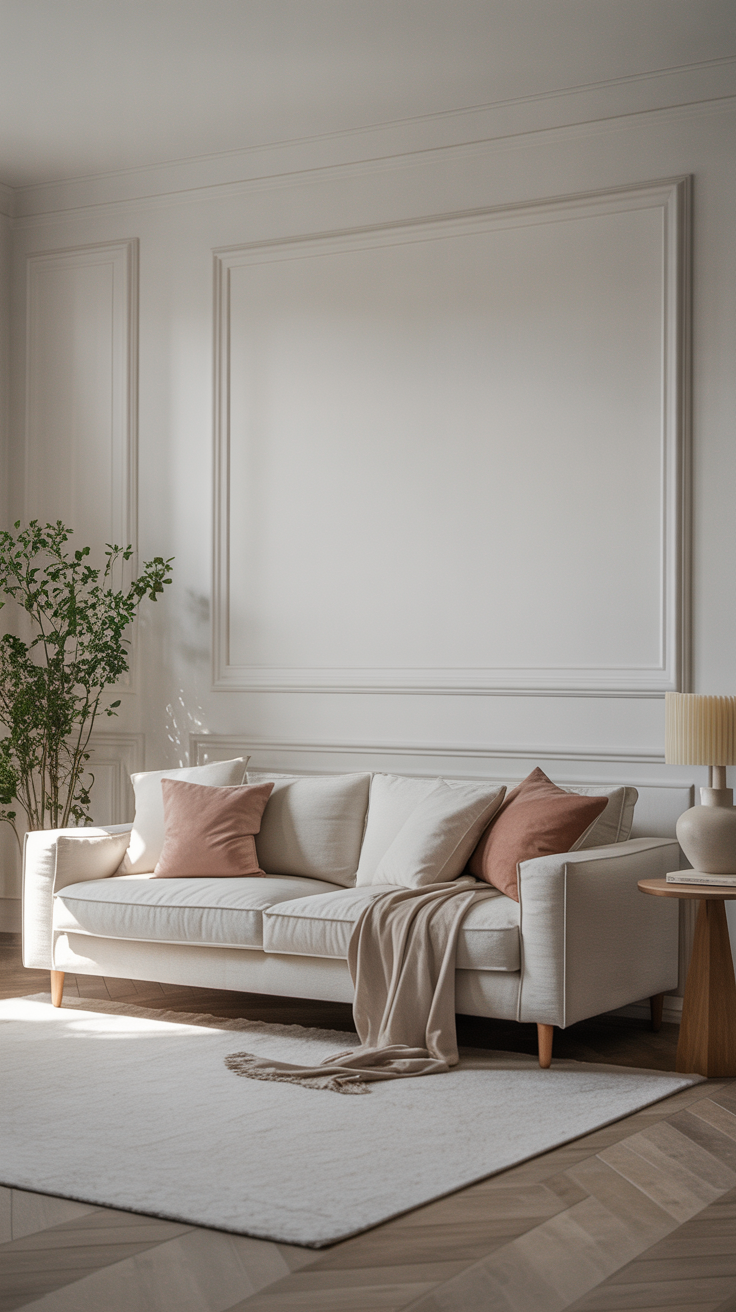
The Psychology of the Blank Wall

Before we start hammering nails, let’s talk about why blank walls freak us out so much. It usually comes down to two things: permanence and identity.

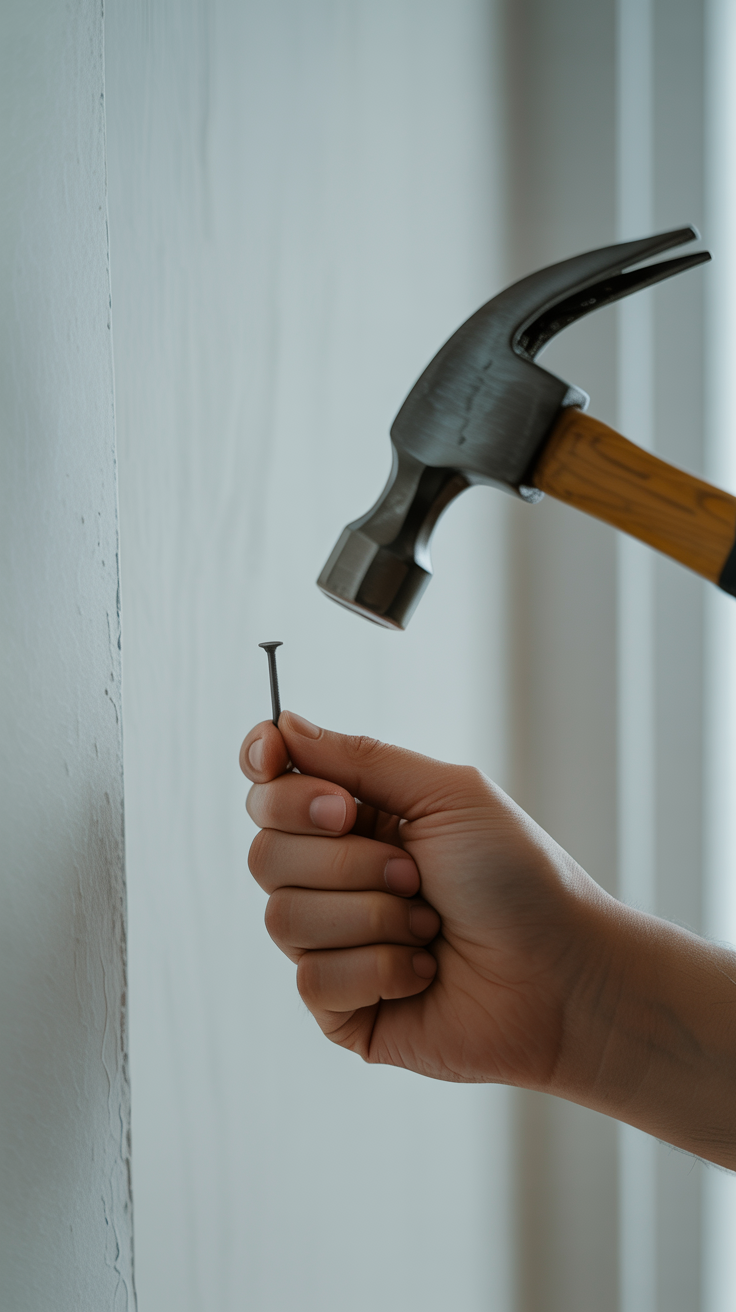
First, there is the fear of permanence. Putting a nail in the wall feels like a commitment. What if it is crooked? What if it is too high? What if I want to move it later? We let the fear of a tiny, easily patchable hole stop us from creating a home we love. (Spoiler alert: spackle is cheap, and patching a hole takes about thirty seconds. Do not let the fear of nails hold you back!)

Second, there is the fear of identity. We put a lot of pressure on art to represent who we are. We think that if we hang a painting, it has to be a profound statement about our soul, our travels, or our deep understanding of abstract expressionism. But here is a secret: it really does not have to be that deep. You can hang a picture of a bowl of lemons simply because you like the color yellow. You can hang a vintage landscape because it makes you feel calm. Art does not have to be a personality test; it just has to be something you enjoy looking at.

Once you let go of the pressure for perfection and profound meaning, decorating a wall becomes a lot more fun.

The Golden Rules of Wall Decor

There are a few universal rules of wall decor that will save you from the most common mistakes.

1. The 57-Inch Rule

If there is one rule you take away here, let it be this one. The biggest mistake people make when hanging art is hanging it too high. Art should be hung at eye level, which, in the design world, is generally considered to be 57 to 60 inches from the floor.

This means the center of your artwork (or the center of your gallery wall grouping) should be exactly 57 inches from the ground. Not the top of the frame, not the bottom—the center. This rule applies whether you are 5’2″ or 6’4″. It grounds the art and connects it to the furniture in the room, rather than leaving it floating up near the ceiling.
2. The Two-Thirds Rule

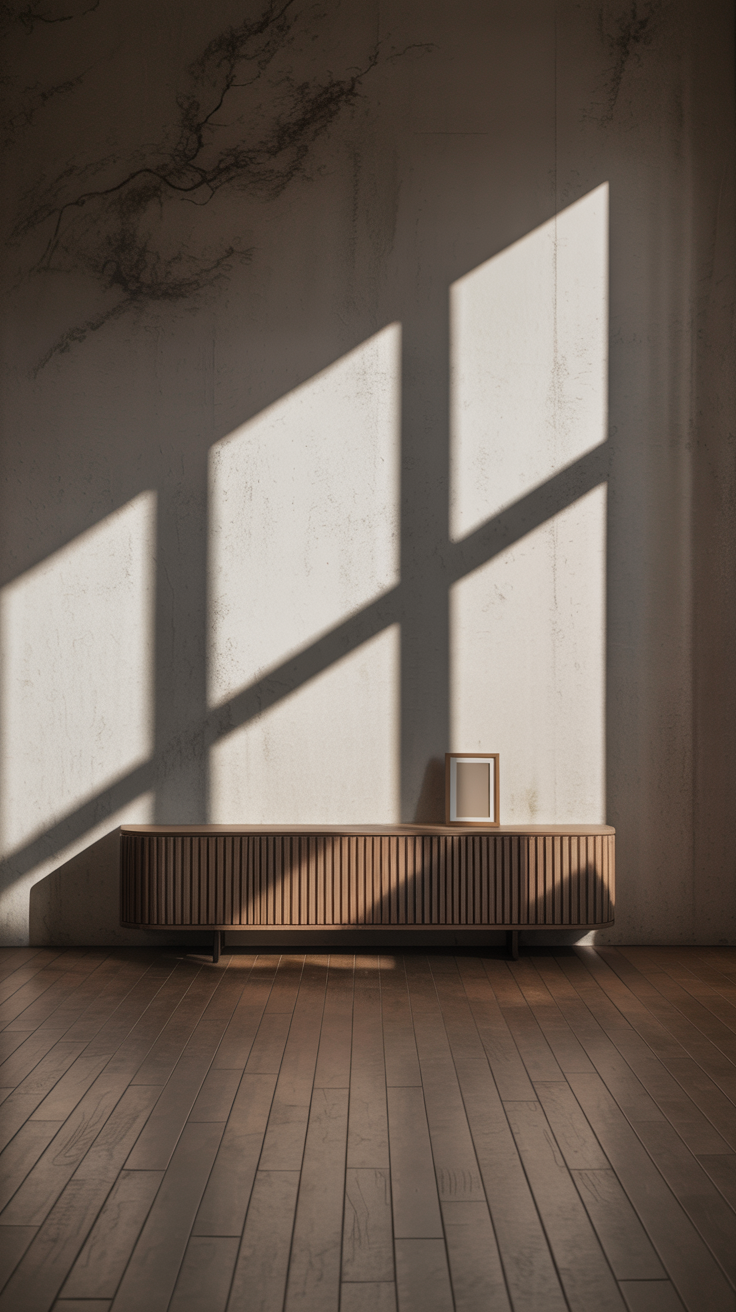
When hanging art above a piece of furniture, like a sofa, a bed, or a console table, the art should fill roughly two-thirds to three-quarters of the width of the furniture below it.

If you have a standard 84-inch sofa, your art (or grouping of art) should be about 56 to 63 inches wide. Hanging a tiny 8×10 frame over a massive sectional will make the art look like a postage stamp. Scale is everything.

3. The Breathing Room Rule

When hanging art above furniture, leave about 6 to 8 inches of space between the bottom of the frame and the top of the furniture. You want the art to feel connected to the piece below it, not floating away from it, but you also do not want it resting directly on the back of the sofa.

Now that we have the technicalities out of the way, let’s look at the best strategies for filling those intimidating blank walls.

Strategy 1: The Statement Piece

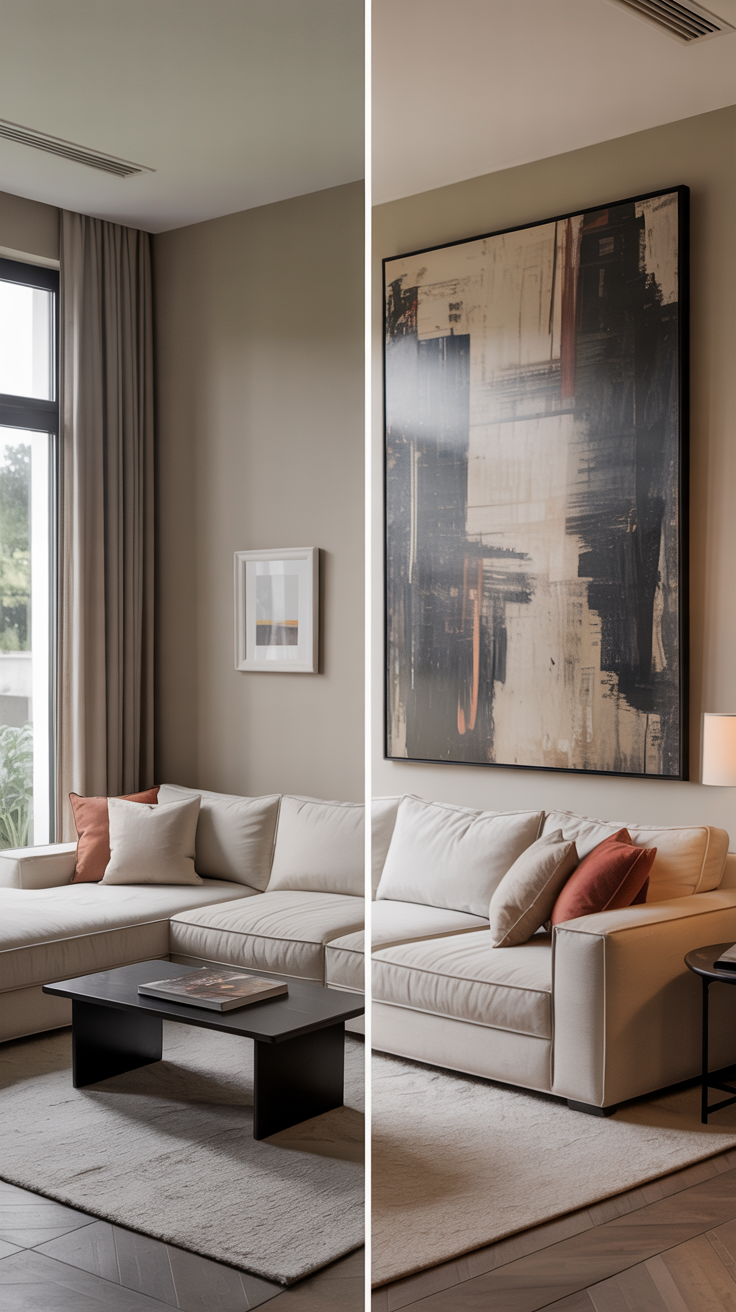
Sometimes, the best solution for a big, blank wall is the simplest one: one massive, show-stopping piece of art.

A single large-scale piece brings instant drama and sophistication to a room. It acts as an anchor, drawing the eye and setting the color palette for the entire space. It is clean, it is modern, and it requires exactly one nail.

Where to Find Large-Scale Art

The main reason people shy away from large-scale art is the cost. Original massive canvases can cost thousands of dollars. But you do not have to buy an original to get the look.

Look for oversized prints on canvas from online retailers, or buy a digital download from an independent artist on Etsy and have it printed at a local print shop. You can even frame a pretty piece of wallpaper, a vintage map, or a large textile (like mudcloth) to get that large-scale impact on a budget.

The Diptych and Triptych

If you cannot find one piece that is large enough, consider a diptych (two panels) or a triptych (three panels). These are pieces of art that are split across multiple frames. When hung together with a few inches of space between them, they read as one massive piece but are often much easier to transport and hang.
Strategy 2: The Gallery Wall

A well-executed gallery wall looks effortless, collected, and deeply personal. A poorly executed one looks like a chaotic jumble of frames that makes you feel slightly dizzy.

The secret to a great gallery wall is a mix of planning and intuition.

The Grid vs. The Eclectic Mix

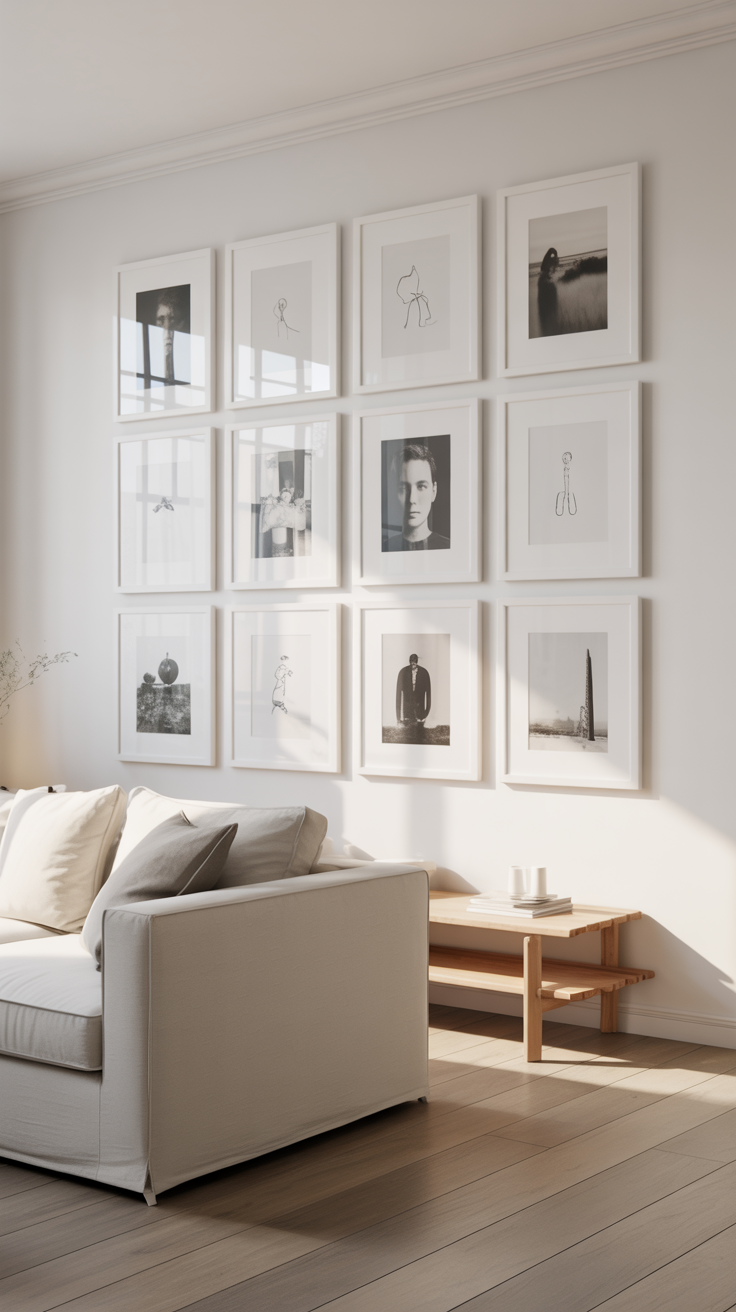
First, decide on your vibe. Do you want a clean, modern look? Go for a grid. A grid gallery wall uses identical frames, identical matting, and a cohesive theme (like all black-and-white photography or all botanical sketches) hung in a symmetrical pattern. It is chic and brings a sense of order to a room.

If you prefer a more relaxed, bohemian look, go for an eclectic mix. This involves mixing frame styles (wood, brass, black, ornate), sizes, and mediums (paintings, photos, sketches, and even 3D objects).
How to Plan an Eclectic Gallery Wall

Do not just start hammering nails. The best way to plan a gallery wall is on the floor.

  1. Clear a space on the floor that is roughly the size of your wall space.
  2. Start with your largest piece. Place it off-center (never dead in the middle, which can look just blah if you know what I mean). 
  3. Build around the large piece with your medium and small pieces.
  4. Balance the visual weight. If you have a heavy, dark painting on the left, balance it with a dark frame or a similarly heavy piece on the right.
  5. Keep the spacing consistent. Aim for about 2 to 3 inches of space between each frame.
  6. Once you love the layout, take a photo of it on your phone. Then, trace each frame onto kraft paper, cut out the templates, and tape them to the wall. This allows you to tweak the arrangement on the wall before making a single hole.

Think Beyond the Frame

The best gallery walls include things that are not flat art. Add a small mirror, a vintage pennant, a woven basket, a wall sconce, or a small shelf holding a trailing plant. These 3D elements break up the flatness of the frames, adding texture and interest.

Strategy 3: The Architectural Solution

If you have a massive wall and art just is not cutting it, it might be time to think about the wall itself. Adding architectural interest is a brilliant way to make a blank wall feel intentional and finished, even without a single picture hanging on it.

Molding and Millwork

Adding molding is one of the most cost-effective ways to elevate a room. Picture frame molding (boxes made of trim applied directly to the drywall) adds a classic, Parisian-apartment elegance to a space. It breaks up a large expanse of wall into manageable, visually pleasing sections.

Board and batten, shiplap, or vertical wood paneling can add a cozy, cottage, or modern farmhouse feel. The texture of the wood alone is often enough to make the wall feel “done.”

The Power of Paint and Wallpaper

If you cannot add physical trim, use paint or wallpaper to create a focal point. A bold, patterned wallpaper on a single accent wall completely eliminates the need for art. The wallpaper is the art.

Alternatively, try a painted arch or a color-blocked section. Painting a large, sweeping arch behind a console table or a bed creates a visual frame that grounds the furniture and fills the empty space above it.
Strategy 4: The Functional Wall

Sometimes, the best way to fill a blank wall is to make it work for you. If you are short on storage or display space, turn that intimidating empty wall into a functional feature.

The Wall of Shelves

A massive wall is the perfect candidate for floor-to-ceiling shelving. Whether you use built-in bookcases, floating shelves, or a modular shelving system, a wall of shelves provides endless opportunities for styling.

You can fill them with your book collection, display your favorite ceramics, add trailing plants, and lean small pieces of art against the back of the shelves. It adds so much depth and personality to a room.

The Console and Mirror Combo

If you have a long, blank wall in a hallway or living room, the console table and mirror combination is a classic for a reason.

Place a long console table against the wall. Above it, hang a massive mirror. The mirror reflects light, making the room feel larger, and fills a huge amount of vertical space. Flank the mirror with a pair of tall buffet lamps or wall sconces. Under the console, tuck a pair of woven baskets or upholstered ottomans. Suddenly, that blank wall is a beautifully styled, highly functional vignette.

The Floating Credenza

For a modern, streamlined look, install a floating credenza or a row of sleek, wall-mounted cabinets. Because they hover above the floor, they keep the room feeling airy while providing massive amounts of hidden storage. Top the credenza with a leaning piece of art, a stack of books, and a sculptural vase.

Strategy 5: The Textile Approach

If you want to fill a large wall but want something softer and more unexpected than framed art, look to textiles. Textiles add warmth, texture, and a sense of coziness that hard frames simply cannot provide.

The Tapestry or Wall Hanging

A large, woven wall hanging, a vintage tapestry, or a beautiful piece of mudcloth can cover a massive amount of square footage. Because they are lightweight, they are incredibly easy to hang (often requiring just a single nail or a simple curtain rod), making them perfect for renters or anyone terrified of heavy anchors.

The Curtain Trick

Here is a designer secret for dealing with a blank wall that has a small, awkward window: fake it with curtains.

Hang a curtain rod high and wide—almost to the ceiling and extending far past the edges of the window. Hang multiple panels of beautiful, heavy fabric (like velvet or lined linen) and keep them drawn closed over the blank parts of the wall, leaving only the actual window exposed. It creates the illusion of a massive, luxurious window and completely covers the awkward blank wall space.

Strategy 6: The Plant Wall

If you are a nature lover, why not turn that blank wall into a living, breathing installation? Plants add vibrant color, organic shapes, and literal life to a room.

The Floating Plant Shelf

Install a series of staggered floating shelves and fill them exclusively with plants. Mix trailing plants (like pothos or string of pearls) that will cascade down the wall with upright plants (like snake plants or ZZ plants) for varied heights.

Wall-Mounted Planters

You can buy beautiful ceramic or brass planters designed specifically to be mounted directly to the wall. Grouping three or five of these together creates a stunning, sculptural display that feels fresh and modern.

Overcoming the “Rules” for Different Rooms

While the strategies above work almost anywhere, different rooms present unique blank-wall challenges. Here is how to tackle the specific dilemmas of each space.

The Bedroom: Above the Bed

The wall above the headboard is notoriously tricky. You want something grounding, but you do not want anything heavy that feels like it might fall on your head in the middle of the night.

If you are nervous about heavy art, this is the perfect place for a textile wall hanging or a lightweight canvas. If you prefer a cleaner look, a long, horizontal piece of art (like a panoramic landscape) works beautifully. Just remember the two-thirds rule: the art should be narrower than the headboard.

The Living Room: The TV Wall

The wall with the television is often a design black hole. You have a massive black rectangle floating in a sea of drywall.

To combat this, you have to integrate the TV into the decor. You can build a gallery wall around the television, incorporating the black screen into the grid of frames. Alternatively, paint the entire TV wall a dark, moody color (like charcoal or navy). When the TV is off, it will blend into the dark wall, making it far less obtrusive.

The Staircase: The Angled Dilemma

Staircase walls are intimidating because of the angle. How do you hang art on a slope?

The easiest approach is a staggered gallery wall. Start at the bottom of the stairs and hang your first piece at eye level (57 inches from the step you are standing on). Move up a few steps, and hang the next piece at eye level from that step. Continue this process, allowing the gallery wall to naturally step up the wall at the same angle as the stairs.

The Final Polish: Lighting and Layering

Once you have chosen your strategy and filled your blank wall, there is one final step to make it look truly professional: lighting and layering.

Picture Lights

Nothing elevates a piece of art or a gallery wall quite like a picture light. A sleek brass or matte black picture light mounted above a frame instantly makes the art look expensive and important. If you do not want to deal with hardwiring, there are fantastic battery-operated, remote-controlled picture lights available that look incredibly high-end.

Layering

Do not be afraid to layer objects in front of your newly decorated wall. If you hung a large piece of art above a console table, place a tall vase of branches or a table lamp in front of it, slightly obscuring the edge of the frame. This layering creates depth and makes the room feel relaxed and lived-in, rather than stiff and staged.

Embrace the Blank Canvas

A blank wall is not a problem to be feared. It is a blank canvas waiting for your personal touch.

Whether you choose to anchor the room with a massive statement canvas, tell your family’s story through an eclectic gallery wall, add architectural elegance with picture frame molding, or bring the outdoors in with a cascading plant shelf, the most important thing is simply to start.

Strategy 7: The Power of Mirrors

When in doubt, hang a mirror. Mirrors are the unsung heroes of interior design, especially when dealing with large, intimidating blank walls. They are the perfect solution when you cannot commit to a specific piece of art, or when you want to fill a space without adding visual clutter.

The Illusion of Space

Mirrors are magical because they essentially double the visual space of a room. If you have a blank wall in a small or narrow room, hanging a large mirror will instantly make the room feel twice as big. It bounces light around the space, making everything feel brighter and more open.

The Floor Mirror

For a truly massive blank wall, a large floor mirror is a stunning choice. Instead of hanging it, simply lean it against the wall. This creates a relaxed, effortless vibe that feels incredibly chic. A heavy, ornate gold frame adds a touch of vintage glamour, while a sleek, thin black frame feels modern and industrial.

Leaning a floor mirror also solves the problem of having to find the studs or use heavy-duty wall anchors. It is a low-commitment, high-impact solution.

The Mirror Gallery

If one large mirror feels too formal, try a mirror gallery wall. Collect vintage mirrors in various shapes and sizes, round, oval, arched, and rectangular, and hang them together in an eclectic grouping. Because they all share the same reflective quality, the grouping feels cohesive even if the frames are entirely different. It is a beautiful, romantic way to fill a wall and bounce light around a dark room.

Strategy 8: The “Un-Decorated” Approach

Sometimes, the most sophisticated way to handle a blank wall is to intentionally leave it blank, but frame it in a way that makes it feel purposeful rather than forgotten. This is what I call the “un-decorated” approach.

The Pedestal and Sculpture

Instead of hanging something on the wall, place something in front of it. A beautiful, simple pedestal holding a striking sculpture or a massive, textured ceramic vase creates a museum-like quality. The blank wall behind it acts as negative space, allowing the object to truly shine. This approach requires restraint and a love for minimalism, but when done correctly, it is breathtaking.

The Statement Chair

A single, beautifully designed chair placed against a blank wall can be a work of art in itself. Choose a chair with a strong, sculptural silhouette—perhaps a vintage mid-century modern piece or a chair upholstered in a bold, unexpected fabric. Pair it with a small, sleek side table and a minimalist floor lamp. The blank wall serves as the perfect backdrop for this curated vignette.

Troubleshooting Common Wall Decor Issues

Even with the best strategies, you might run into a few hiccups along the way. Here is how to troubleshoot some of the most common wall decor issues.

The “Too Small” Mistake

We have all done it: bought a piece of art we loved, hung it on a massive wall, and realized it looks ridiculously small. If you have a piece of art that is too small for the wall, you do not have to get rid of it. You just have to trick the eye into thinking it is bigger.

The easiest way to do this is to reframe it. Take the art to a custom framer (or buy a larger frame online) and have them cut a massive, oversized mat for it. A small 5×7 photo placed inside a 16×20 frame with a huge white mat instantly looks important, substantial, and large enough to hold its own on a big wall.

The “Off-Center” Dilemma

What do you do when the wall is centered, but the furniture below it is not? For example, if your sofa has to be pushed to the left side of the wall to allow for a walkway on the right. Do you center the art on the wall, or center it over the sofa?

The general rule is to always center the art over the furniture, not the wall. The art and the furniture should act as one cohesive unit. If you center the art on the wall, it will look disconnected from the sofa and throw the balance of the room off. If the empty space on the right side of the wall bothers you, fill it with a tall floor plant or a floor lamp to balance the visual weight.

The “Fear of Commitment” Fix

If you are renting, or if you simply change your mind frequently, the thought of putting dozens of holes in the wall for a gallery wall might be paralyzing.

Enter the picture ledge. A picture ledge is a very shallow floating shelf designed specifically for leaning art. You only have to drill a few holes to install the ledge, but once it is up, you can display dozens of frames. The best part? You can swap the art out, rearrange it, and layer it as often as you like without ever picking up a hammer again. It is the ultimate solution for the commitment-phobic decorator.

Trust Your Gut

At the end of the day, your home is your sanctuary. It should reflect what you love, what makes you comfortable, and what brings you joy. The “rules” of design like the 57-inch rule or the two-thirds rule are incredibly helpful guidelines, but they are not laws.

If you want to hang a tiny, vintage oil painting way off-center on a massive white wall because you love the quirky, minimalist look of it, do it. If you want to cover every square inch of your hallway in floor-to-ceiling family photos, do it.

The only true mistake you can make with a blank wall is letting it intimidate you into doing nothing. That blank wall is waiting.


Leave a Reply

Your email address will not be published. Required fields are marked *