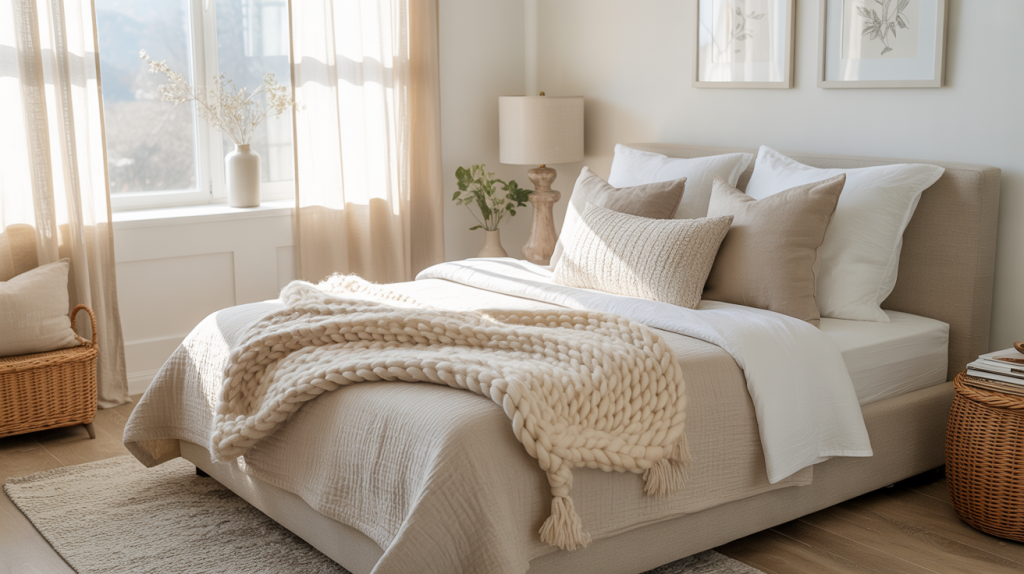
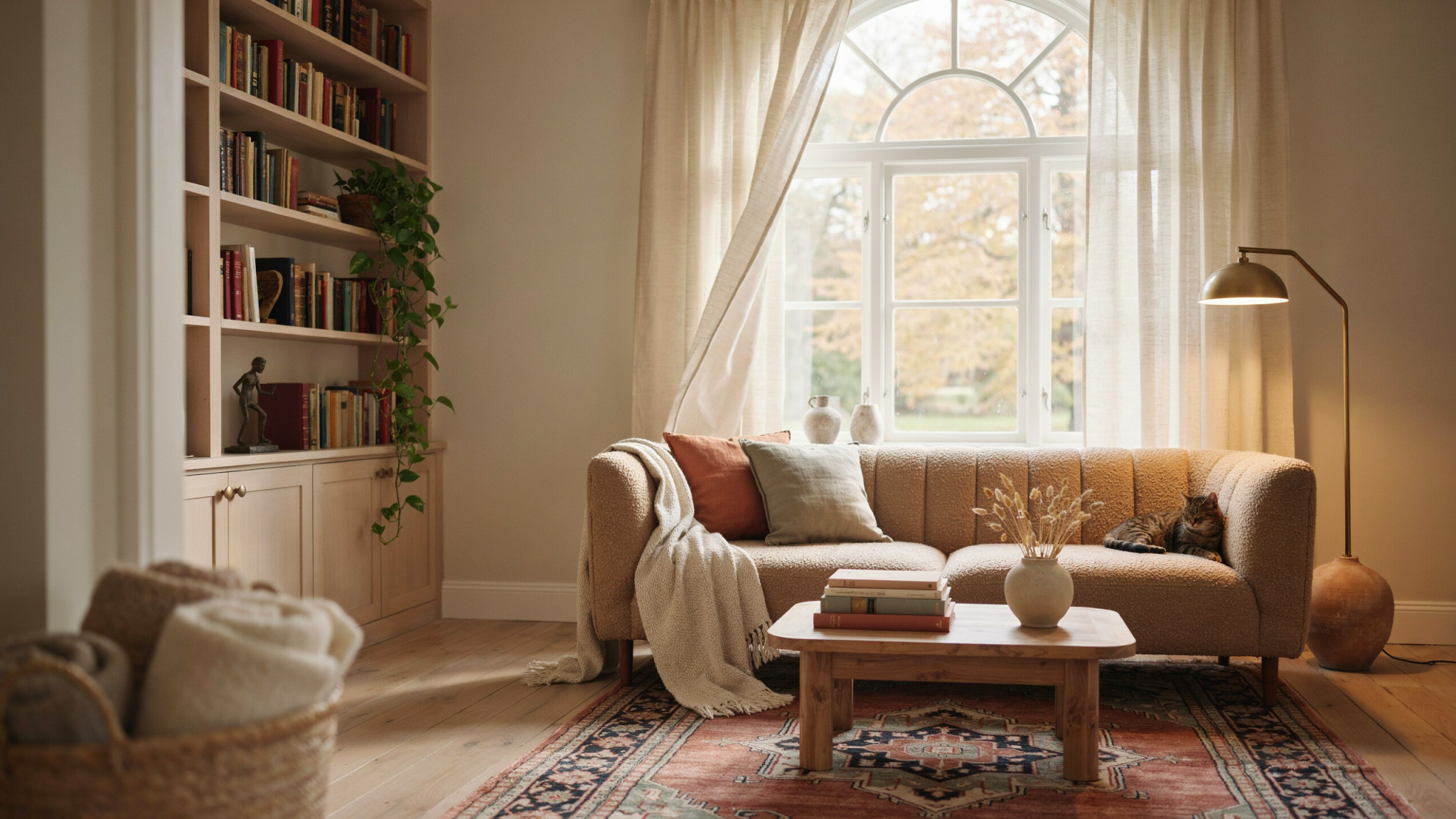
Spring (and specifically the month of April) is always my favorite time of year for a bedroom refresh. The bedroom has always been a place of rest, but in recent years, it has evolved into something much more profound: a personal sanctuary, a wellness retreat, and a canvas for self-expression. As the lines between public and private lives blur, the desire to create a deeply comforting and aesthetically pleasing personal space has never been stronger. Enter “bedscaping,” the interior design trend that has taken the world of home decor by storm. Much like landscaping transforms an outdoor space into a curated oasis, bedscaping is the art of dressing and styling your bed to resemble a luxury hotel suite or a high-end designer showroom. It is a deliberate, thoughtful approach to layering textures, colors, and accessories to elevate the humble bed into the undeniable focal point of the room.
Bedscaping is not just about making the bed; it is about curating an experience. Gone are the days of hastily pulling a wrinkled duvet over a set of mismatched sheets. Today, design enthusiasts and everyday homeowners alike are embracing a more intentional approach to their sleeping quarters. This trend champions the idea that your bed should be an inviting, plush, and personalized haven that welcomes you at the end of a long day. It involves a meticulous selection of base layers, the strategic placement of pillows, the artful draping of throw blankets, and the harmonization of the bed with its immediate surroundings, including nightstands and lighting.
The rise of bedscaping coincides with a broader cultural shift toward wellness and self-care. As we spend approximately one-third of our lives in bed, it stands to reason that this environment should be optimized for both physical comfort and mental tranquility. Interior designers and stylists have long known the secrets to creating a visually stunning bed, but these techniques are now accessible to anyone willing to invest a little time and creativity. Whether you lean toward a minimalist, serene aesthetic or a bold, maximalist display of patterns and rich fabrics, bedscaping offers a framework to bring your vision to life. In this comprehensive guide, we will explore the psychology behind the trend, break down the essential components of a perfectly styled bed, and share expert tips on how to achieve a designer look in your own home.
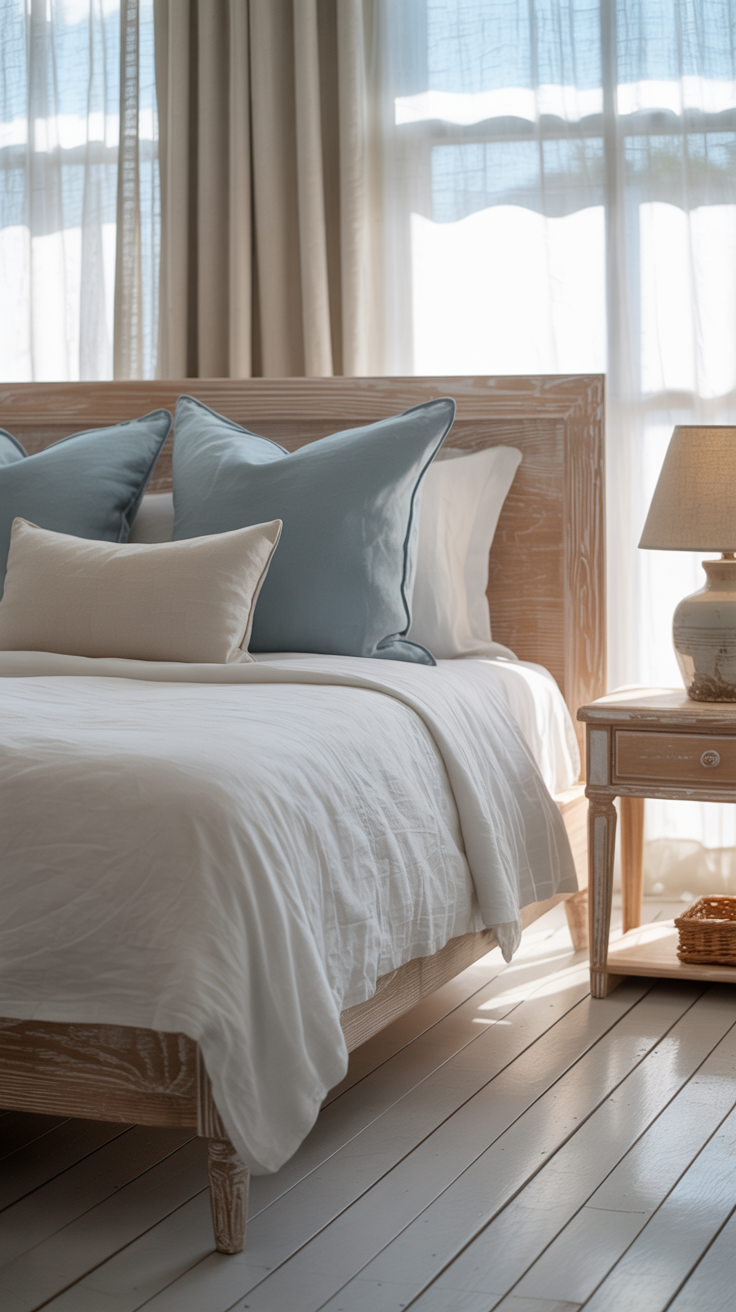
The Psychology and Wellness Benefits of Bedscaping
At first glance, bedscaping might appear to be purely an aesthetic endeavor—an effort to make a bedroom look “Instagram-ready” or worthy of a magazine spread. However, the roots of this trend run much deeper, intertwining with environmental psychology and sleep science. The way we design and maintain our personal spaces has a profound impact on our emotional state, stress levels, and overall well-being.
Emotional Regulation Through Sensory Design
Our surroundings deeply influence our emotional state. A cluttered, chaotic bedroom can subconsciously elevate cortisol levels, making it difficult to unwind. Conversely, a thoughtfully designed bedscape can serve as a powerful tool for emotional regulation. When you engage with your environment through your senses—sight, touch, and even smell—you can actively promote a sense of calm and safety.
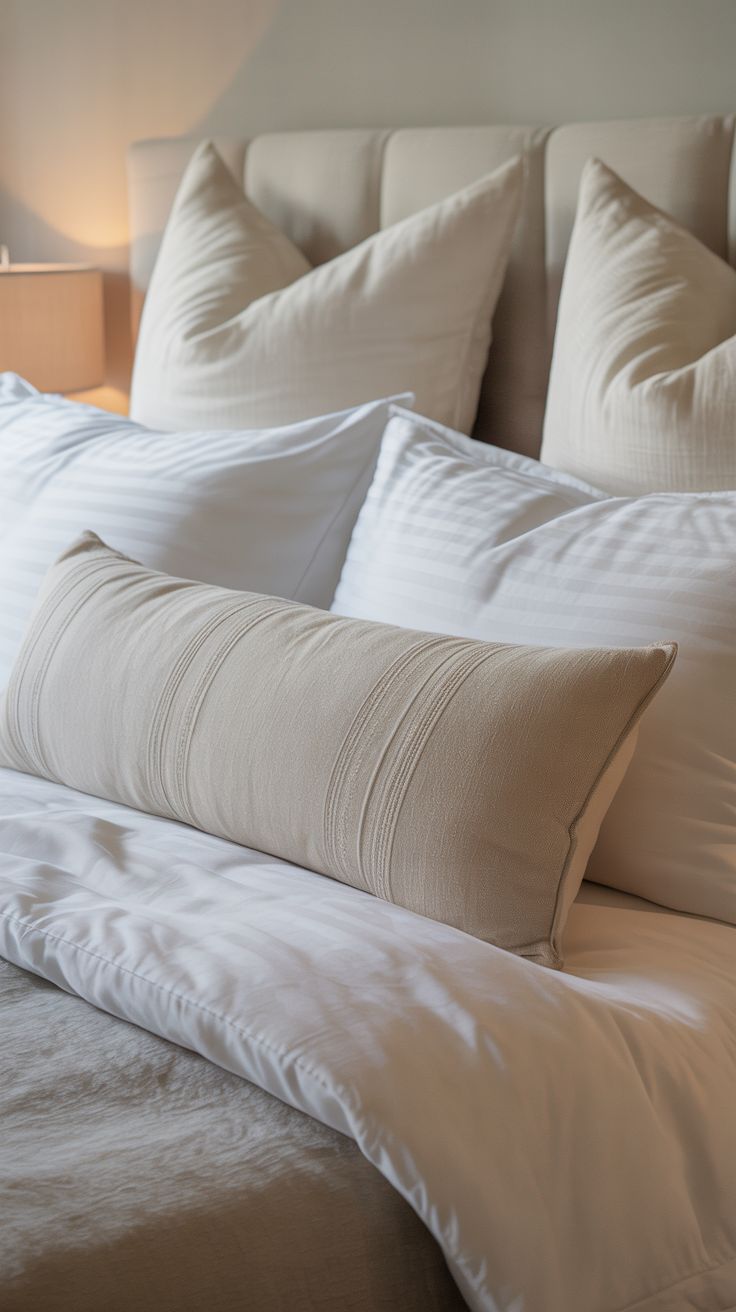
Bedscaping relies heavily on tactile experiences. The feeling of crisp percale sheets against the skin, the weight of a chunky knit throw, and the softness of a velvet bolster pillow all contribute to a sensory-rich environment. These natural, high-quality materials provide physical comfort that translates into emotional reassurance. Visually, a harmonious color palette and balanced proportions signal to the brain that the environment is orderly and secure. This sensory stimulation is particularly beneficial for managing anxiety and stress, offering a daily retreat where the mind can truly power down.
Promoting Optimal Sleep Hygiene
Sleep hygiene refers to the habits and environmental factors that facilitate consistent, uninterrupted sleep. The National Sleep Foundation has long emphasized that the bedroom environment plays a crucial role in sleep quality. Bedscaping naturally aligns with the principles of good sleep hygiene by prioritizing comfort, temperature regulation, and a soothing atmosphere.
The layers involved in bedscaping are not just decorative; they are highly functional. By utilizing breathable natural fibers like cotton and linen, bedscapers ensure proper temperature regulation throughout the night. The ability to add or remove layers—such as a lightweight quilt or a heavier duvet—allows for personalized comfort depending on the season or individual preference. Furthermore, the intentionality behind bedscaping often extends to the entire room, encouraging the removal of electronic distractions and the introduction of calming elements, all of which signal to the brain that it is time to rest.
The Ritual of Making the Bed
Beyond the physical components, the act of bedscaping itself can be a grounding daily ritual. Taking a few minutes each morning to smooth the sheets, plump the pillows, and arrange the throws can serve as a mindfulness practice. It provides a sense of accomplishment right at the start of the day and ensures that when evening arrives, you are greeted by a serene, inviting space rather than a reminder of the morning’s rush. This small act of self-care reinforces a positive feedback loop, making the bedroom a place of intentionality and peace.
The Foundation: Choosing the Right Mattress and Base Layers
Every masterpiece requires a solid canvas, and in the art of bedscaping, that canvas is the mattress and the foundational linens. You cannot build a luxurious, designer-quality bed on a lumpy, unsupportive mattress or scratchy, synthetic sheets. The base layers set the tone for both the aesthetic drape of the bedding and the physical comfort of the sleeper.
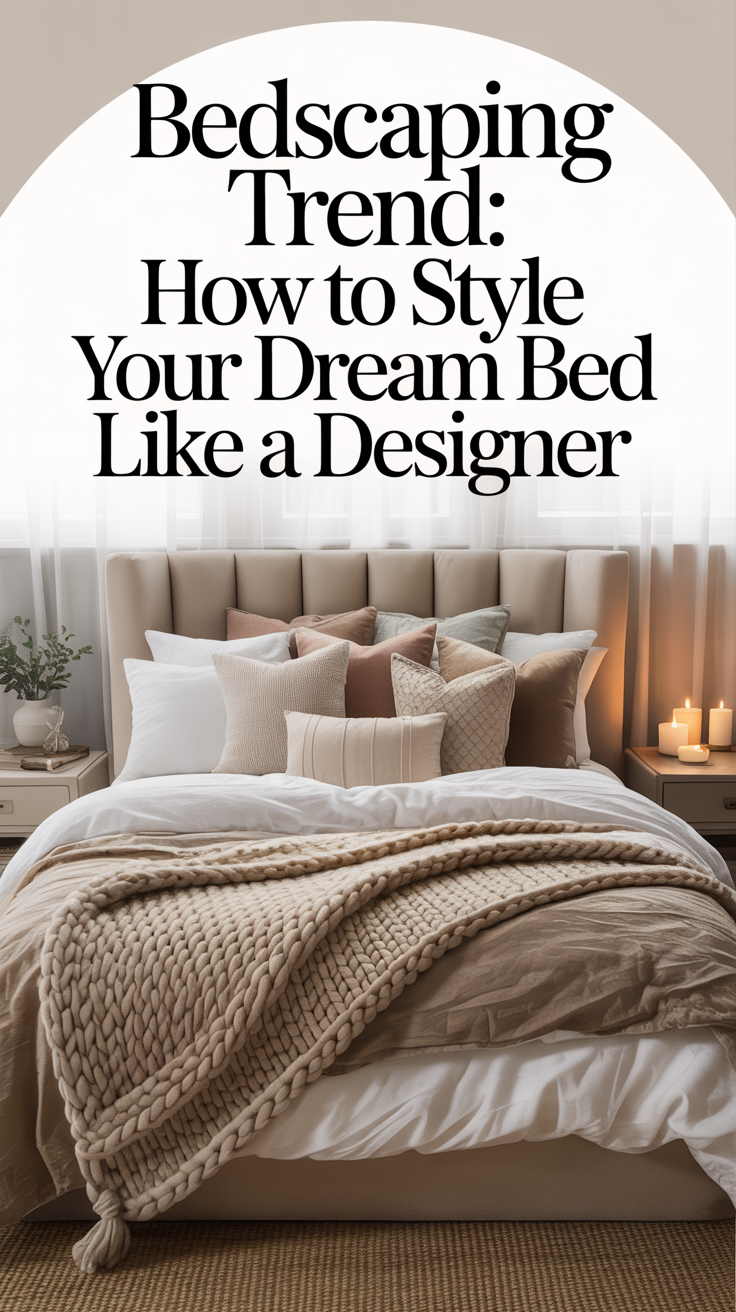
The Mattress and Topper
Before considering fabrics and colors, evaluate the core of your bed. A high-quality mattress that provides the right balance of support and contouring is non-negotiable. For those looking to achieve the ultimate “cloud-like” hotel experience, interior designers often recommend adding a mattress topper. A topper made of down, feather, or high-density memory foam—typically two to three inches thick—adds an immediate layer of sumptuousness. It gives the bed a plump, inviting profile that looks incredibly comfortable even before the sheets are added.
Selecting the Perfect Sheets: Percale, Sateen, or Linen?
The sheets are the layer that comes into direct contact with your skin, making their selection a deeply personal and critical choice. The fabric you choose will dictate not only how the bed feels but also how it looks.
- Cotton Percale: Percale is a classic, tightly woven cotton fabric known for its crisp, cool feel and matte finish. It is highly breathable, making it an excellent choice for hot sleepers or warmer climates. Visually, percale provides a clean, tailored look that works beautifully in minimalist or traditional bedscapes. It is the quintessential “hotel sheet,” offering a fresh, structured foundation.
- Cotton Sateen: Sateen is woven differently than percale, resulting in a fabric that is exceptionally smooth, silky, and slightly luminous. It drapes beautifully and tends to be slightly warmer and heavier than percale. Sateen is ideal for those who prefer a luxurious, gliding feel against the skin and a subtle sheen that catches the ambient light in the bedroom. It pairs wonderfully with elegant, sophisticated decor.
- Natural Linen: Linen has surged in popularity in recent years, particularly for those seeking a relaxed, lived-in aesthetic. Made from the flax plant, linen is highly breathable, moisture-wicking, and naturally temperature-regulating. Aesthetically, linen embraces a slightly rumpled, effortless look. It adds immediate texture to the bedscape and is perfect for bohemian, coastal, or rustic design styles. While it may feel slightly textured at first, high-quality linen softens beautifully with every wash.
The Importance of the Fitted and Flat Sheet
When bedscaping, the application of the sheets matters just as much as the material. Ensure your fitted sheet has deep enough pockets to accommodate your mattress and topper without slipping off during the night. For the flat sheet, designers swear by the “hospital corner” tuck. This technique involves tightly folding the corners of the flat sheet under the mattress, creating a crisp, uniform edge that prevents the bedding from looking sloppy. Some modern bedscapers choose to forgo the flat sheet entirely, opting for a washable duvet cover instead, but a neatly folded flat sheet folded back over the duvet or quilt adds a classic, layered detail that designers love.
The Art of Layering: Quilts, Duvets, and Comforters
The true magic of bedscaping happens in the middle layers. This is where you build volume, introduce texture, and create that irresistible, sink-in feeling. The secret to a designer-looking bed is avoiding a flat, one-dimensional appearance. Instead, you want to create depth through strategic layering.
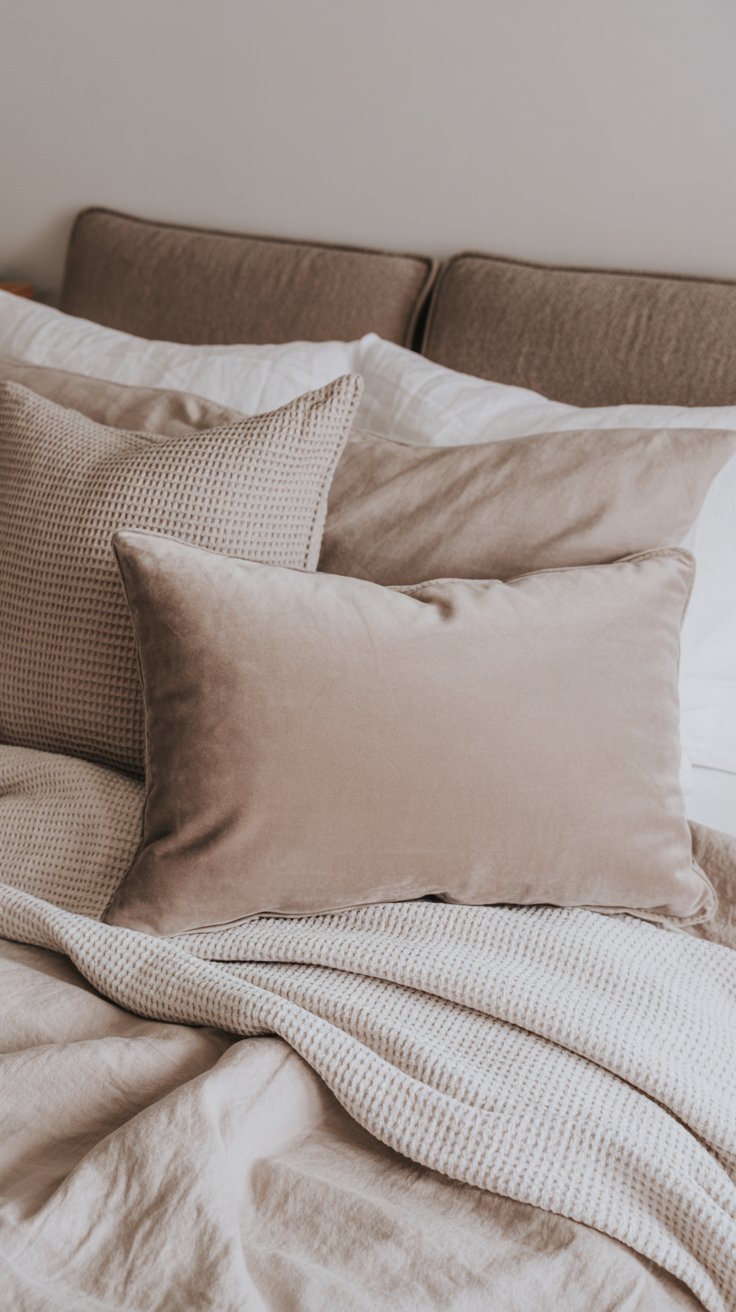
The Quilt or Coverlet
A quilt or coverlet is an essential component of a well-scaped bed. Placed over the flat sheet, it serves as a versatile middle layer. In the warmer months, a lightweight cotton or gauze quilt might be all you need. In the winter, it provides an extra layer of insulation. Aesthetically, a quilt adds immediate texture—whether through intricate stitching, a subtle waffle weave, or a bold patchwork design. Designers often recommend pulling the quilt all the way up to the pillows and then folding it back slightly to reveal the sheets beneath, creating a welcoming, tiered effect.
The Duvet and Insert
The duvet is the crown jewel of the bedscape, providing the bulk of the visual weight and physical warmth. To achieve that plush, luxurious look, designers employ a clever trick: sizing up the duvet insert. For example, if you have a queen-size bed, use a king-size duvet insert inside a queen-size cover. This overstuffs the cover, eliminating flat edges and creating a wonderfully billowy, cloud-like appearance.
When it comes to styling the duvet, there are several approaches. The traditional method involves pulling the duvet up to the pillows and folding it down once or twice to create a thick band of fabric at the foot or middle of the bed. Alternatively, for a more relaxed, European-inspired look, some designers prefer to let the duvet drape naturally over the sides, perhaps slightly rumpled to emphasize a lived-in coziness.
The “No-Duvet” Approach
Interestingly, a growing trend within bedscaping is the omission of the duvet entirely. Some interior designers argue that duvets can be lumpy and cumbersome. Instead, they advocate for layering multiple quilts, heavy linen bedcovers, and wool blankets. This approach results in a more collected, bespoke look that feels less staged and more organic. It allows for the mixing of various patterns and weights, creating a bed that is rich in character and highly adaptable to changing temperatures.
Mastering the Pillow Arrangement
If the duvet is the crown jewel, the pillows are the architectural framework of the bedscape. Pillow arrangement is perhaps the most debated aspect of bed styling, with opinions ranging from extreme minimalism to maximalist abundance. The key is finding a balance that looks inviting without requiring a daily excavation project just to get into bed.
The Sleeping Pillows
Start with your functional sleeping pillows. For a queen or king bed, you will typically have four standard or king-size sleeping pillows. A common designer technique is to stack these flat on top of each other (two on the left, two on the right) rather than standing them upright. This creates a neat, low-profile foundation that doesn’t overwhelm the headboard. To elevate the look, consider using Oxford pillowcases (which have a fabric border or flange) for the top sleeping pillows, as they give the illusion of a larger, more luxurious cushion.
Euro Shams
Euro shams are large, square pillows (typically 26×26 inches) that sit at the very back of the arrangement, resting against the headboard. They provide excellent back support for reading or watching television and add significant height and structure to the bedscape. For a queen bed, two Euro shams are standard; for a king, three are often used to span the width of the mattress. Euro shams are an excellent opportunity to introduce a subtle pattern or a contrasting texture, such as velvet or heavy linen, that complements the main bedding.
Decorative Accents: Lumbar and Bolster Pillows
The modern consensus among interior designers is to move away from a mountain of small, mismatched throw pillows. Instead, the trend favors a more curated, streamlined approach using one or two statement pieces.
The long lumbar pillow is currently the darling of the bedscaping world. A single, extra-long lumbar pillow placed in front of the sleeping stack or Euro shams creates a clean, contemporary line that ties the whole look together. Alternatively, a cylindrical bolster pillow adds a touch of vintage elegance and unexpected geometry. These accent pillows are the perfect place to experiment with bold colors, intricate embroidery, or rich fabrics like silk and bouclé, serving as the focal point of the bed.
Adding Visual Intrigue: Throw Blankets and Textures
A bedscape is not complete without the final flourish of a throw blanket. This element serves a dual purpose: it anchors the foot of the bed visually and provides a practical layer of warmth for chilly nights or afternoon naps.
Styling the Throw
How you place the throw blanket can dramatically alter the mood of the room.
- The Neat Fold: For a tailored, structured look, fold the blanket neatly into a rectangle and lay it horizontally across the foot of the bed. This works exceptionally well with crisp, patterned blankets or heavy wool throws.
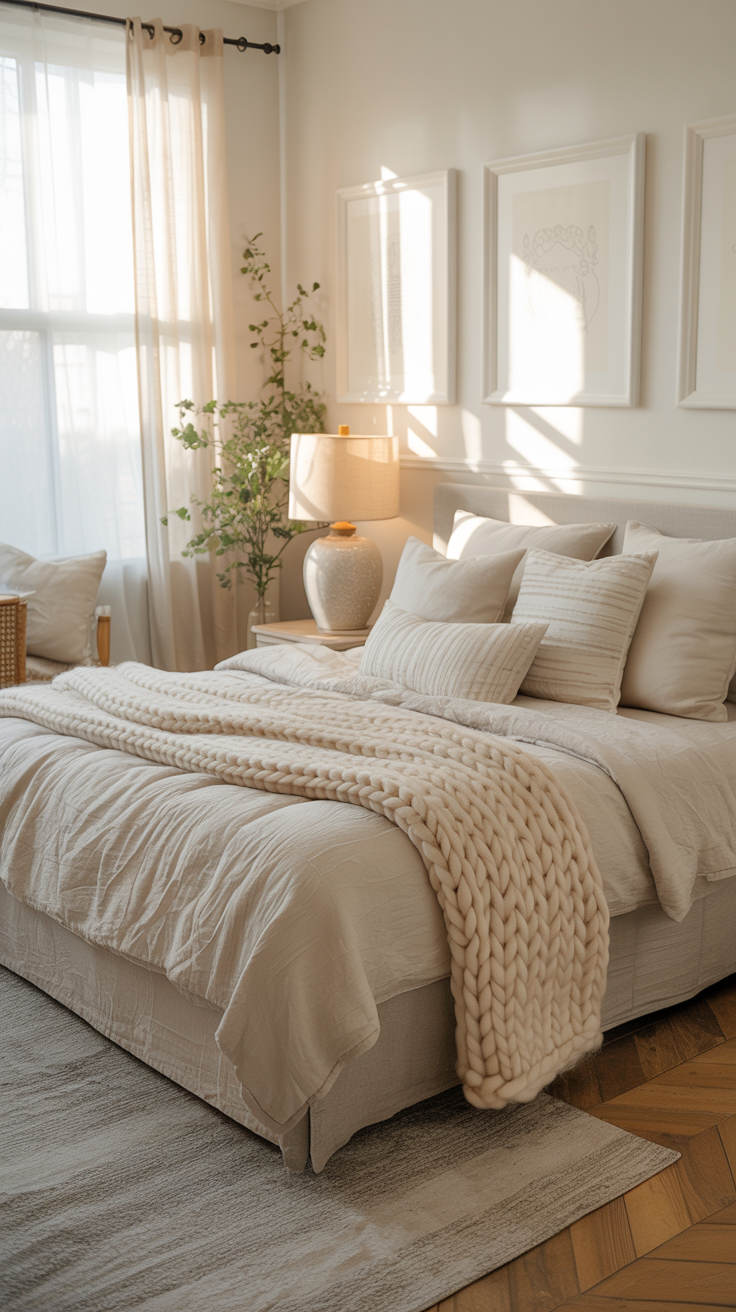
- The Casual Drape: For a more relaxed, effortless vibe, pinch the blanket near the center and let it drape diagonally across one corner of the bed, allowing the edges to cascade naturally toward the floor. This technique is perfect for soft, fluid materials like lightweight linen, cashmere, or chunky knits.
- The Layered Look: If you have a large bed, consider layering two contrasting throws—perhaps a solid, textured blanket beneath a smaller, patterned one—to add incredible depth and dimension.
The Power of Texture
When bedscaping, texture is just as important as color. A bed dressed entirely in smooth cotton can look flat and uninviting, regardless of how beautiful the color palette is. The goal is to create a tactile landscape. Mix crisp percale sheets with a nubby waffle-knit blanket, a smooth sateen duvet, and a plush velvet lumbar pillow. The interplay of light and shadow across these different surfaces is what gives a bed that coveted, high-end designer feel.
Harmonizing Color Palettes and Patterns
The color scheme of your bedscape sets the emotional tone for the entire bedroom. While there are no strict rules, certain palettes and combinations are particularly effective for creating a restful sanctuary.
Soothing Neutrals and Earth Tones
For a serene, spa-like environment, you cannot go wrong with a foundation of soft neutrals. Crisp whites, warm ivories, oatmeal, and soft taupe create a clean, airy feel. To prevent a neutral bed from looking sterile, it is crucial to rely heavily on texture (as mentioned above) and subtle tonal variations. Earth tones, such as muted terracotta, sage green, and dusty clay, are incredibly popular in 2025, bringing a grounding, nature-inspired warmth to the space.
The “Sliding Scale” of Pattern
If you prefer a more dynamic look, mixing patterns is a fantastic way to personalize your bedscape. The secret to successful pattern mixing is tonal balance and scale. Interior stylists often recommend working on a “sliding scale.” Start with a small, subtle pattern for the sheets—such as a classic ticking stripe or a delicate ditsy floral. Then, introduce a medium-scale pattern on the quilt or Euro shams, and finish with a larger, bolder print on the decorative lumbar pillow or throw blanket. As long as the patterns share a unifying color thread, they will look cohesive rather than chaotic.
The Unexpected Pop of Color
Even in a relatively neutral room, a bedscape benefits from a moment of surprise. Designers often start by pulling a color from an existing element in the room—such as a piece of artwork, an area rug, or an upholstered chair—and echoing that tone in the bed’s accent pillows or throw. To keep the look fresh, introduce one unexpected, contrasting hue. For example, a bed styled in soft blues and greens might feature a single, vibrant mustard-yellow velvet cushion. This deliberate disruption draws the eye and elevates the design from predictable to professional.
Beyond the Bed: Lighting, Nightstands, and Ambiance
True bedscaping recognizes that the bed does not exist in a vacuum. To achieve a holistic, designer-quality bedroom, you must consider the immediate surroundings that frame the bed.
Ambient Lighting
Lighting is the unsung hero of bedroom design. Harsh, overhead lighting instantly shatters the cozy illusion of a beautifully styled bed. Instead, focus on warm, layered ambient lighting. Sconces mounted on either side of the headboard provide a sophisticated, hotel-like symmetry and free up valuable space on the nightstands. If sconces aren’t an option, choose bedside lamps with fabric shades that diffuse the light, casting a soft, warm glow over the bedscape. Smart bulbs that can be dimmed or adjusted to a warmer color temperature in the evening are an excellent investment for promoting sleep hygiene.
Curating the Nightstand
A cluttered nightstand detracts from the serenity of the bedscape. Treat your bedside tables as an extension of the bed’s design. Keep the surface relatively clear, displaying only a few carefully selected items: a small stack of books, a carafe of water, a soothing scented candle, or a small vase with fresh greenery. Ensure your nightstand has a drawer or a decorative box to hide away unsightly necessities like charging cables, lip balm, and reading glasses.
Framing the Space
Finally, consider how the bed is framed within the room. A statement headboard—whether it’s an oversized upholstered piece, a vintage wooden frame, or a modern rattan design—anchors the bedscape and provides a visual backdrop for your pillow arrangement. For added drama and coziness, some designers are reviving the use of fabric canopies or hanging curtains behind the bed to create a cocoon-like effect. Even a large, textured area rug placed partially under the bed helps to define the sleeping zone and adds a layer of softness underfoot when you step out of your beautifully scaped bed in the morning.
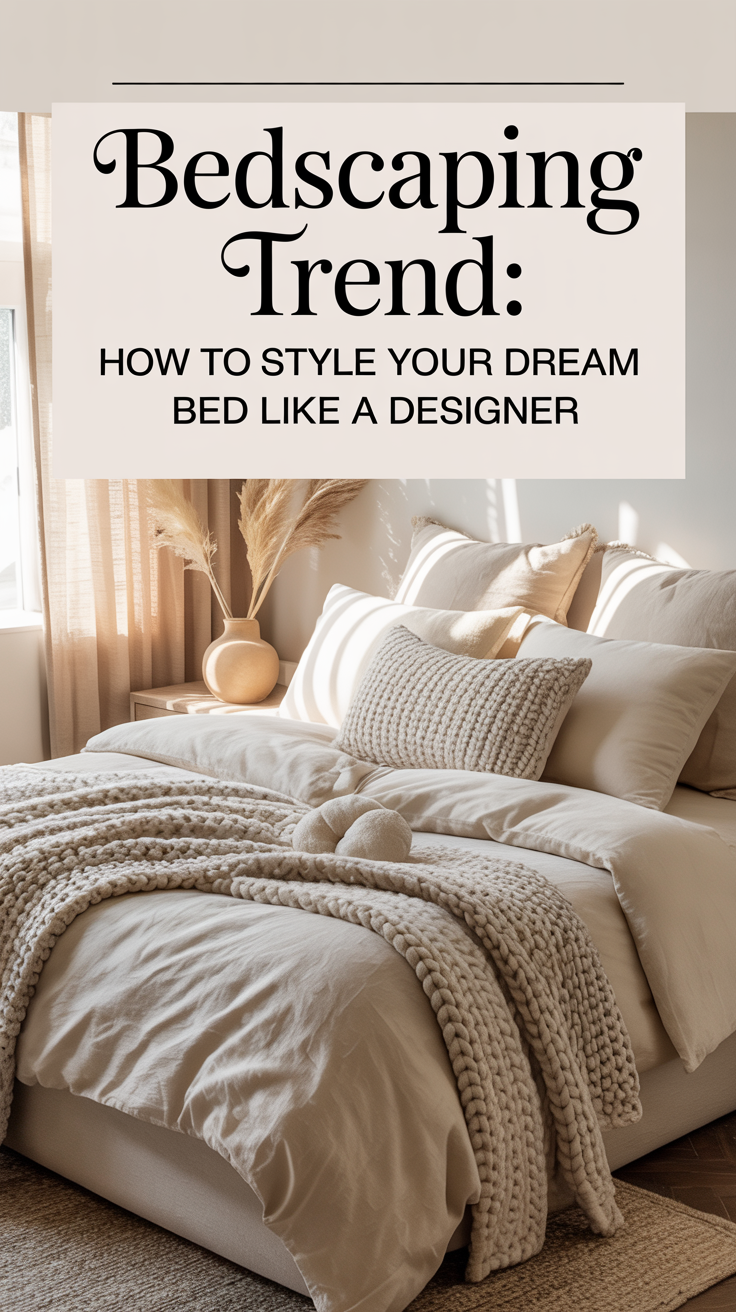
The bedscaping trend is a testament to the growing recognition that our personal spaces profoundly impact our daily lives. It is a rejection of the purely utilitarian bedroom in favor of a space that actively nurtures our physical and emotional well-being. By thoughtfully selecting high-quality base layers, mastering the art of layering and pillow arrangement, and playing with textures and colors, anyone can transform their bed into a luxurious, designer-worthy retreat.
Ultimately, bedscaping is a deeply personal endeavor. It is about creating a space that feels authentically “you”—a sanctuary that you look forward to retreating to every night and waking up in every morning. Whether you prefer the crisp, minimalist elegance of a boutique hotel or the rich, layered warmth of a bohemian hideaway, the principles of bedscaping provide the tools to style the bed of your dreams. Your mind, your body, and your bedroom will thank you.