

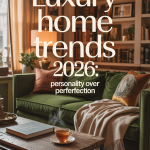
I had a conversation with a friend the other day that really stuck with me. We were talking about our dream homes, and she said something that perfectly captured the shift I’ve been seeing in the world of design. “I don’t want a house that looks like it belongs in a magazine,” she said. “I want a house that feels like it belongs to me.”
I think for so long, the idea of a “luxury home” has been tied to a very specific and usually impersonal, aesthetic. It was about all-white rooms, gleaming marble surfaces, and a kind of sterile perfection that felt more like a museum than a home. My house has been that before too. These houses are beautiful to look at, but not a place where you could kick off your shoes, curl up on the sofa, and truly live. This aesthetic, heavily influenced by a minimalist movement that dominated design for years, was all about subtraction. These homes look like they are always staged without any signs of life and personality. It was about removing personal items, hiding family photos, hiding clutter, and creating a space that was as pristine and unblemished as a modern art gallery. The problem, of course, is that people don’t live in art galleries. We have lives, and our lives are messy, and beautiful, and filled with objects that tell our stories. As a designer, I feel a lot of this tension in my own home between the idea of perfection and lived-in comfort. I am thrilled by this new movement that really feels like the essence of “home”. It’s about thoughtful addition, not subtraction. It’s about adding layers of texture, color, and personality to create a space that is rich, inviting, and deeply personal.
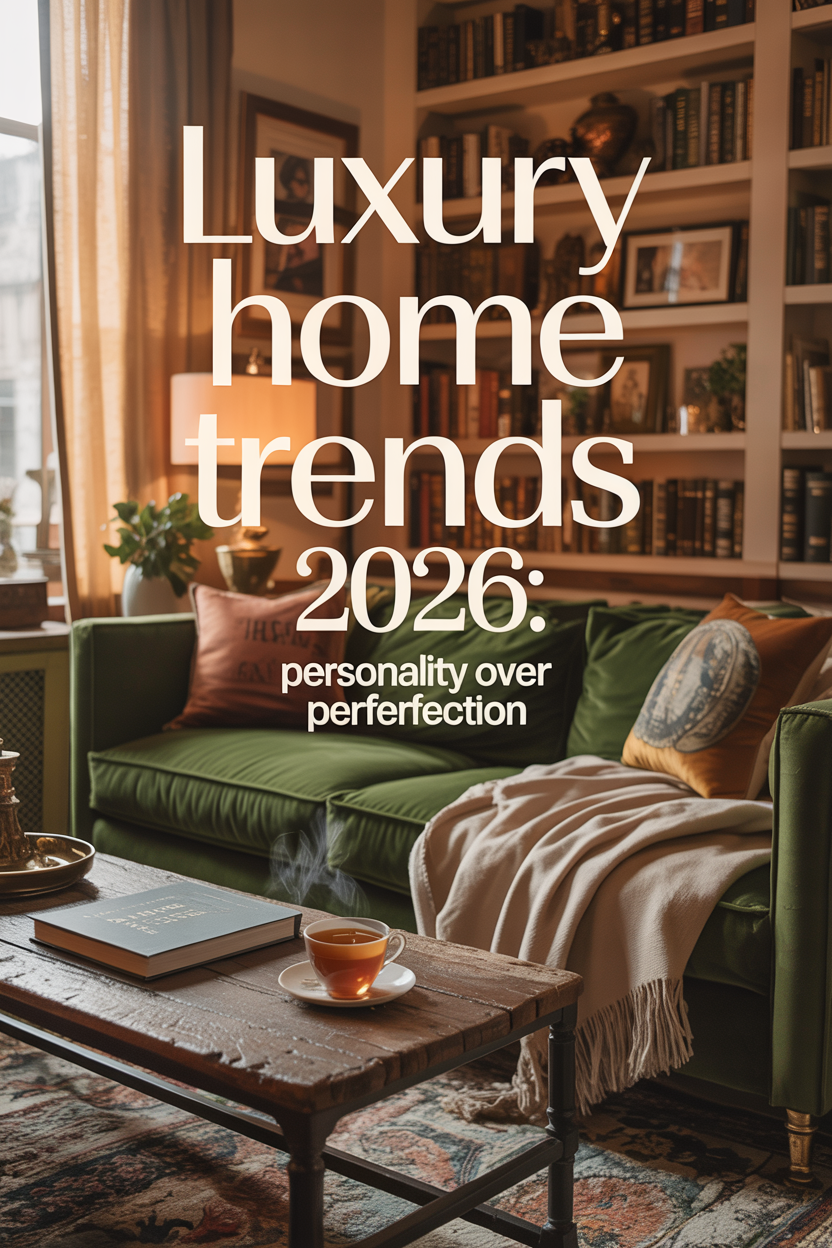
As we look towards 2026, the very definition of luxury is being rewritten. It’s no longer about ostentatious displays of wealth; it’s about a deeper, more personal form of living. It’s about creating a home that is not only beautiful but also a true reflection of who you are, a sanctuary that nurtures your well-being, and a smart, resilient investment that is ready for the future. This isn’t just a trend; it’s a movement. And for homeowners, it’s an incredible opportunity to not only fall more in love with their own space but also to add serious, tangible value in a market that is increasingly rewarding personality and purpose over polished perfection.
I have done a lot of roundups the past few weeks but now I want to talk about trends shaping luxury homes based on housing data for 2026 and then share some DIY-friendly ways to bring these ideas into your own home. The idea is talk about ways to add value to your home not just in the eyes of a future buyer, but in the context of your own daily life. Let’s talk about ways to finally make your home feel more authentically, unapologetically, and luxuriously you.
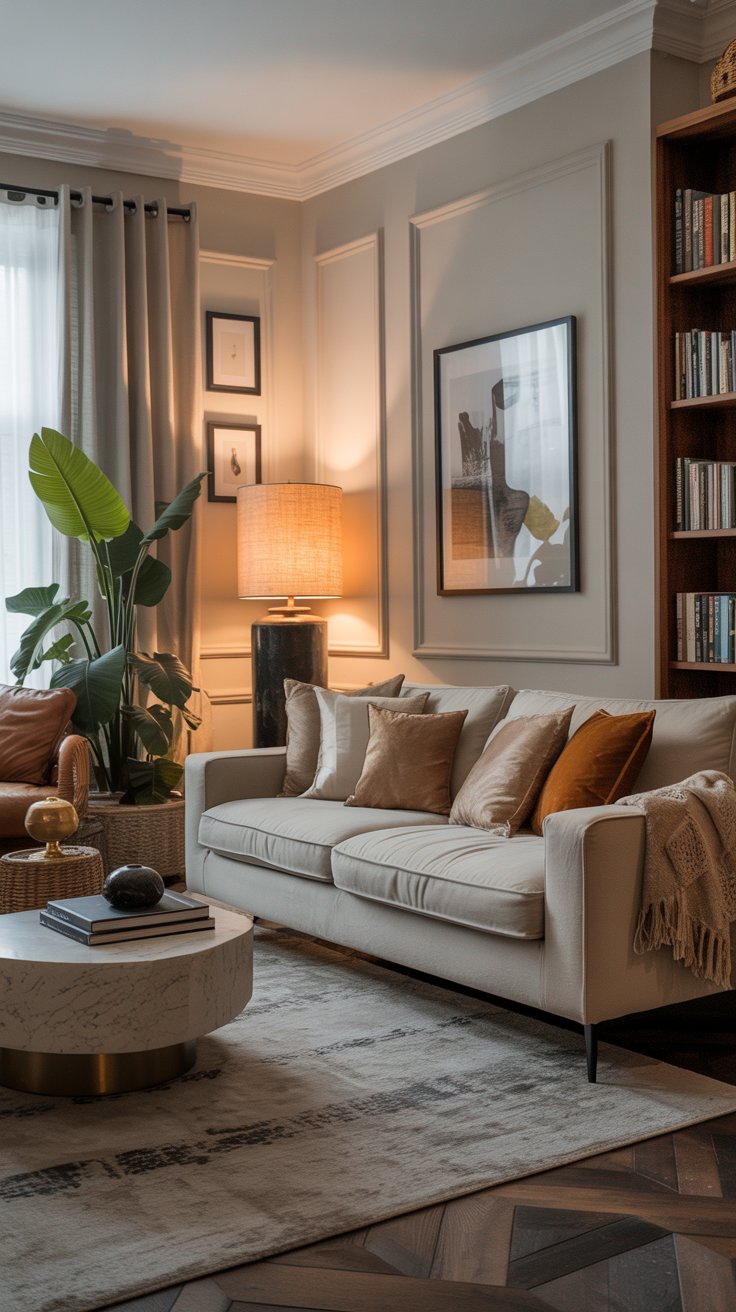
It’s Personal, Not Just Polished
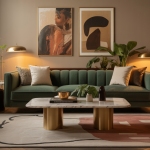
The biggest shift in luxury home design for 2026 is a full on rejection of the cookie-cutter aesthetic. The era of the generic, all-white box is officially over. Buyers (especially at the high-end, luxury) are craving homes with soul, character, and with a story to tell. Here’s where you come in! You can infuse your home with a personality that no builder-grade home can ever replicate. And it appears that is a hot commodity. Add value to your home but infusing your personality and your story! Sounds easy enough to me.
The Rise of the “Color Drench”: A Bold Embrace of Mood
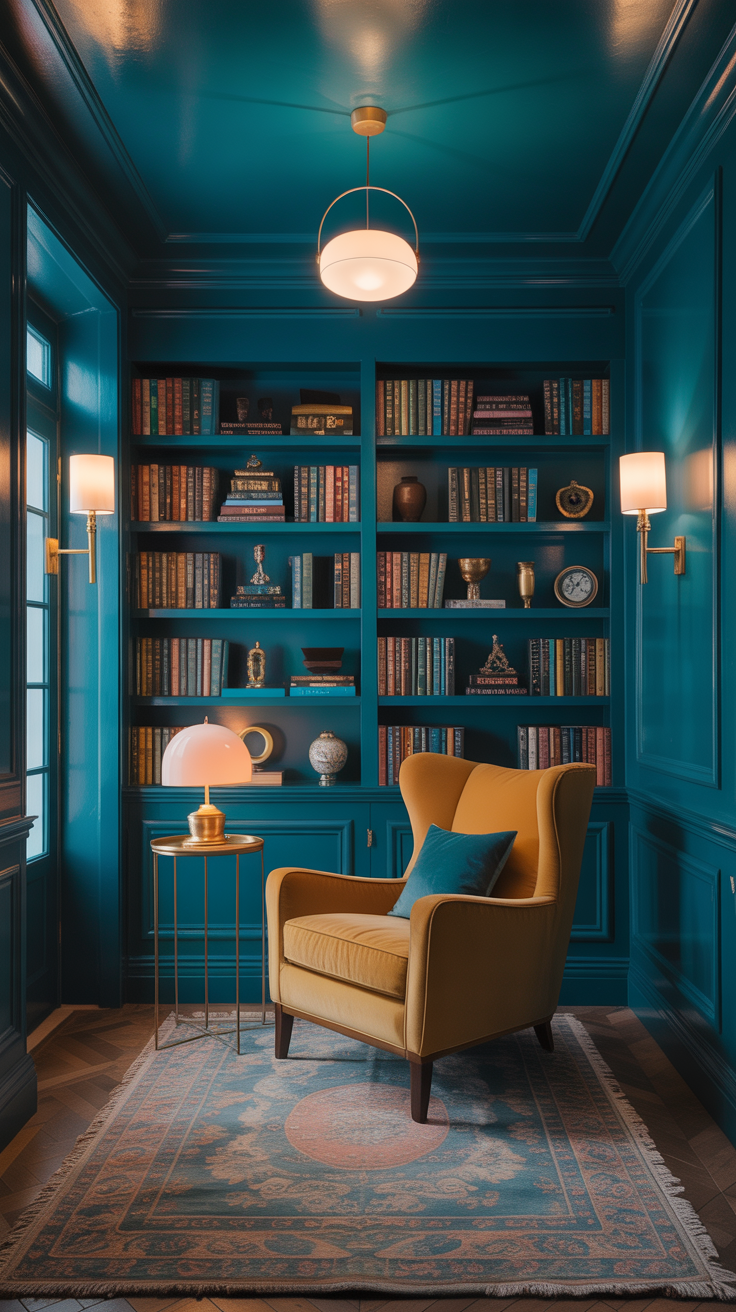
One of the most dramatic and exciting trends on this front is what I’ve talked about before like here , here, and here called “color drenching.” You won’t believe the data: this design choice in Zillow listings have skyrocketed by 149%!!! So, what is it? It’s the practice of painting an entire room—walls, ceiling, trim, doors, and sometimes even furniture—in a single, bold, immersive hue. It’s a move that takes guts, but the payoff is a space that feels incredibly cohesive, dramatic, and emotionally resonant.
Think of a library painted in a deep, moody teal, where the color wraps around you allowing quiet contemplation. Imagine a dining room drenched in a rich, earthy terracotta, creating a warm, convivial atmosphere that makes every meal feel like a special occasion. Picture a bedroom in a soft, dusty rose, a color that feels like a gentle hug at the end of a long day. This trend is the literal opposite of the more “safe” neutral palettes of the past. This trend is about creating a mood, an experience.
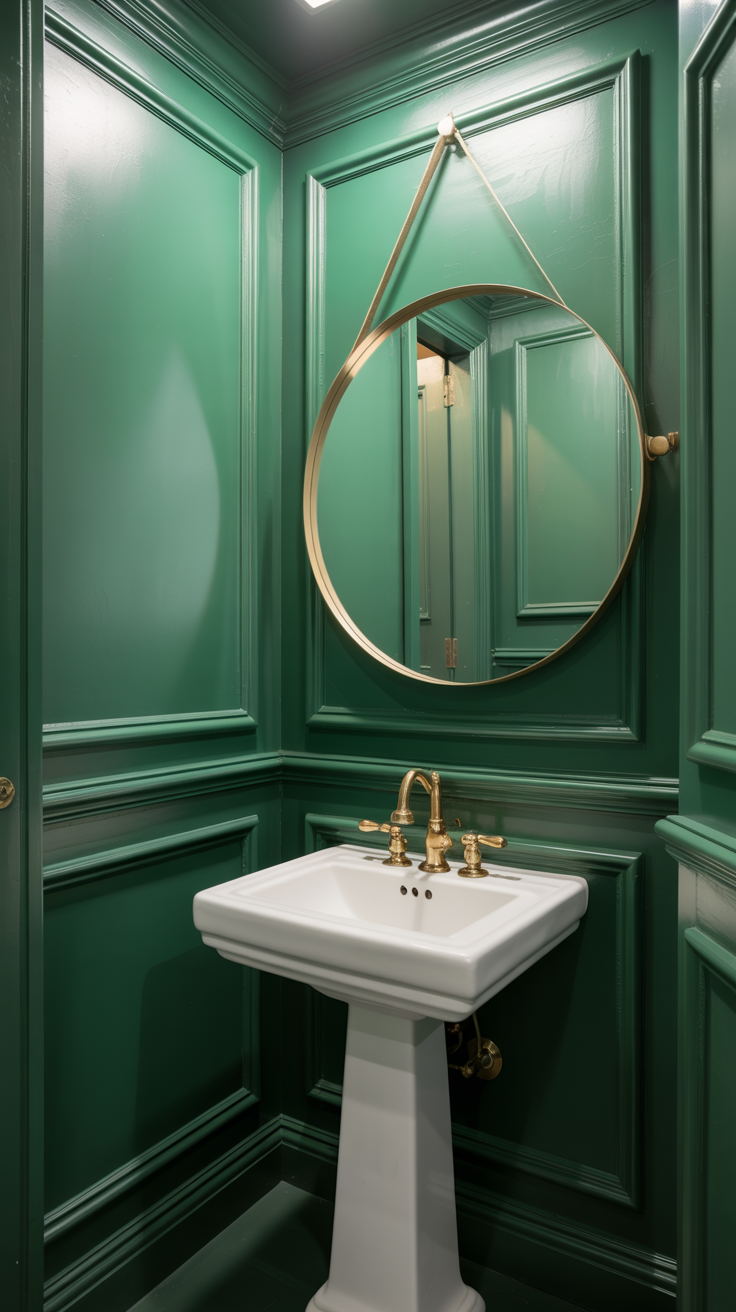
DIY Project: Your First Color Drench—A Weekend Powder Room Makeover
If you’re intrigued but intimidated, the powder room is always my top recommendation to try new fun things in a small space and go bold without a massive overhaul.
- Choose Your Color: This is the fun part. Go for something with depth and personality. A deep green, a rich navy, a warm charcoal. Buy a high-quality paint with a built-in primer to make your life easier.
- Prep is Everything: Clean the walls, fill any holes, and sand them smooth. Remove the outlet covers, the light fixture, and the mirror. Tape off the toilet and the vanity.
- Start with the Ceiling: It seems counterintuitive, but you always want to work from the top down. Cut in the edges with a brush, then roll the ceiling.
- Move to the Walls and Trim: Once the ceiling is dry, tackle the walls, the trim, and the door. The beauty of the color drench is that you don’t have to be precious about cutting in between the walls and the trim. It’s all the same color!
- The Finishing Touches: Once everything is dry, reinstall your fixtures. Consider upgrading your light fixture or your faucet to a finish that complements your new color, like a warm brass or a matte black. In a single weekend, you’ll have a jewel-box of a room that makes a huge statement.
The Soul of the Home: Artisan, Vintage, and Whimsical Touches
In the same vein as the color drench, I’ve been noticing a trend toward more personalized details. From the Zillow report for 2026 there was actually a 21% increase in mentions of “artisan craftsmanship,” a 17% increase in “vintage accents,” and a 15% increase in “whimsical touches.” This is about celebrating the imperfect, the one-of-a-kind, the things that have a story.
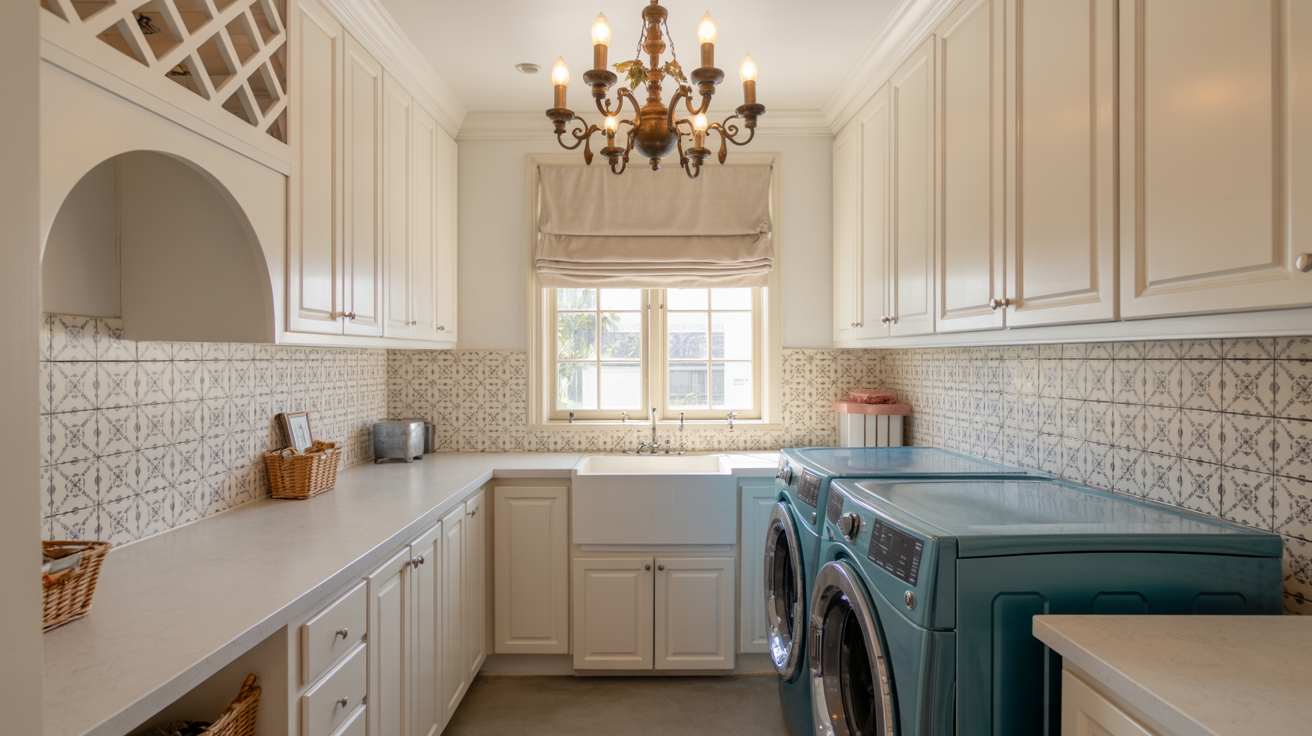
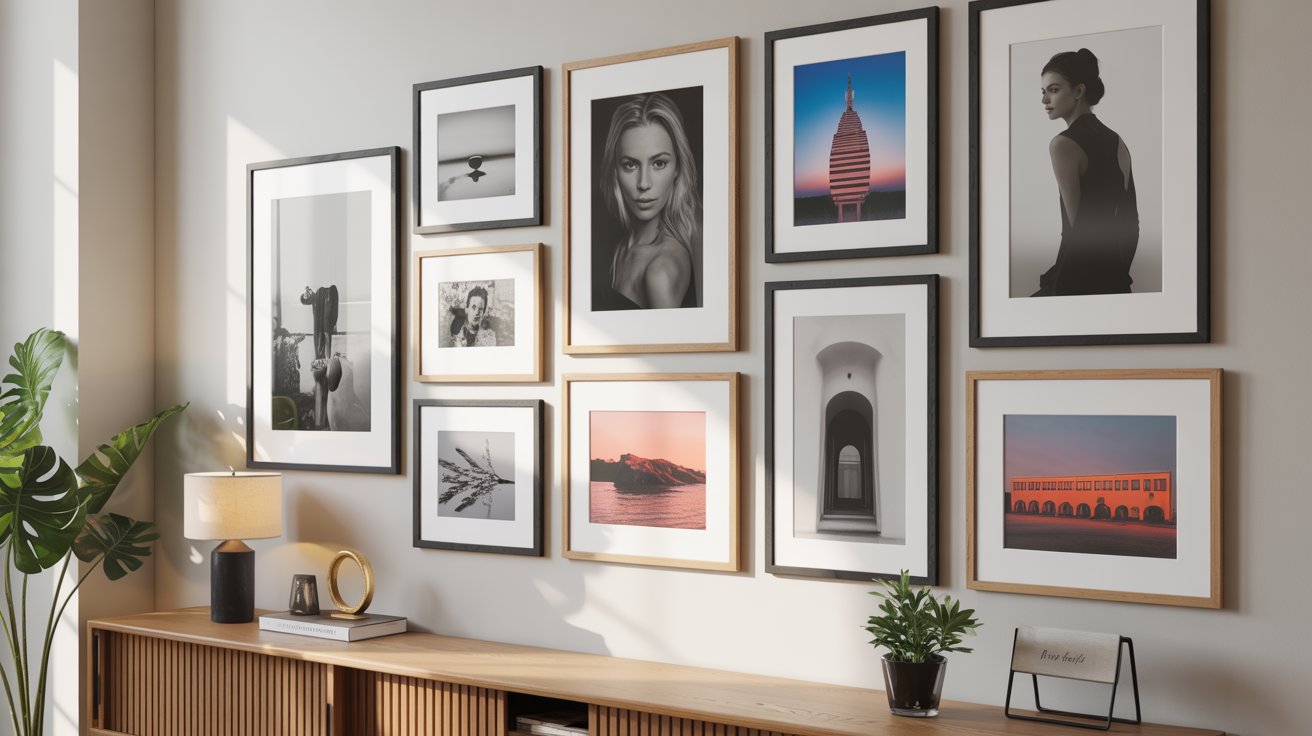
This could be anything from handmade zellige tiles in the kitchen backsplash, with their subtle imperfections and beautiful variations in color, to a vintage credenza in the dining room that has a few nicks and scratches, each one a testament to a life well-lived. It could be a quirky, unexpected piece of art from a local artist hanging in the hallway, or a collection of hand-thrown pottery displayed on open shelves. Even my daughter’s textural and colorful troll display! These are the details that make a house feel like a home, not a sterile showroom. They add a layer of warmth, history, and personality that you just can’t buy off the shelf. They are the conversation starters, the memory holders, the things that make your home uniquely yours.
DIY Project: The Art of the Hunt—Integrating Vintage Finds
Adding vintage pieces to your home is one of the most accessible and rewarding ways to add character. It’s also a fantastic way to make your home feel more curated. I think for most, this step can be overwhelming and feel time consuming. Here are some of my best tips:
- Know Where to Look: Your local flea market, antique shops, and online marketplaces like Facebook Marketplace and Chairish hold so many treasures. Don’t be afraid to dig! I love Facebook marketplace. Don’t be afraid to expand your radius when you’re searching for items.
- Start Small: You don’t have to buy a massive, 18th-century armoire. Start with smaller, more manageable pieces. A vintage lamp, a set of old botanical prints, a unique piece of pottery, a small side table.
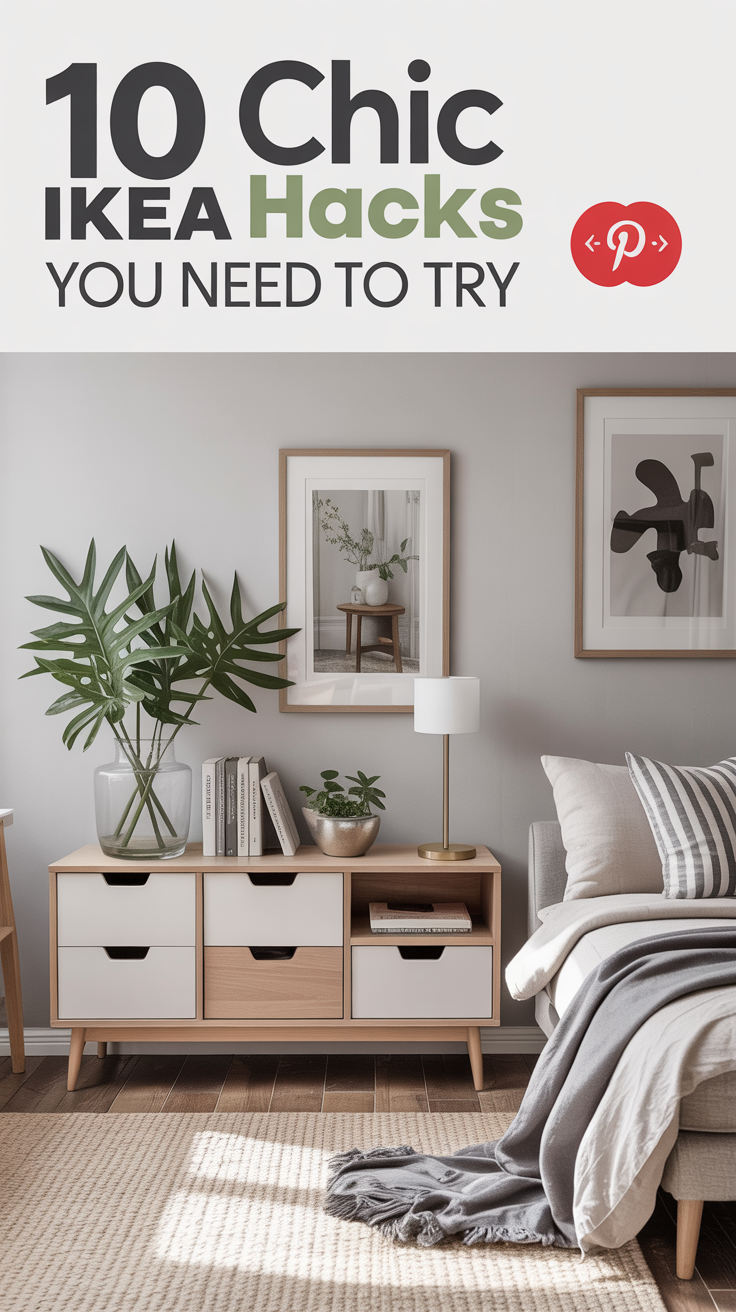
- Look for Good Bones: Don’t be scared off by a bad paint job or some dated hardware. Look for pieces with interesting shapes and solid construction. I’ve said this a million times (like here and here) about IKEA furniture and the same goes for vintage pieces with SOUL: a new coat of paint and some modern hardware can completely transform a piece.
- Mix and Match: The key to making vintage work in a modern home is the mix. Pair a sleek, modern sofa with a rustic, antique coffee table. Hang a contemporary piece of art over a vintage console. It’s this juxtaposition of old and new that creates a dynamic and interesting space.
The Home as a Wellness Sanctuary
The new luxury is also about well-being. We can probably credit this to COVID, but I think it’s been a really good thing. Our homes are no longer just places to eat and sleep; they are our gyms, our offices, our spas, and our playgrounds. And buyers are willing to pay a premium for homes that support a healthy, balanced, and fun-filled life.
The Shift from Man Caves to “Activity Hubs”
Remember the man cave? That dark, leather-clad room in the basement with a giant TV and a beer fridge? Well, its days are numbered. According to Zillow, mentions of “man caves” in listings are down 10%. What’s replacing them? Bright, airy, multi-functional “activity hubs” designed for the whole family.
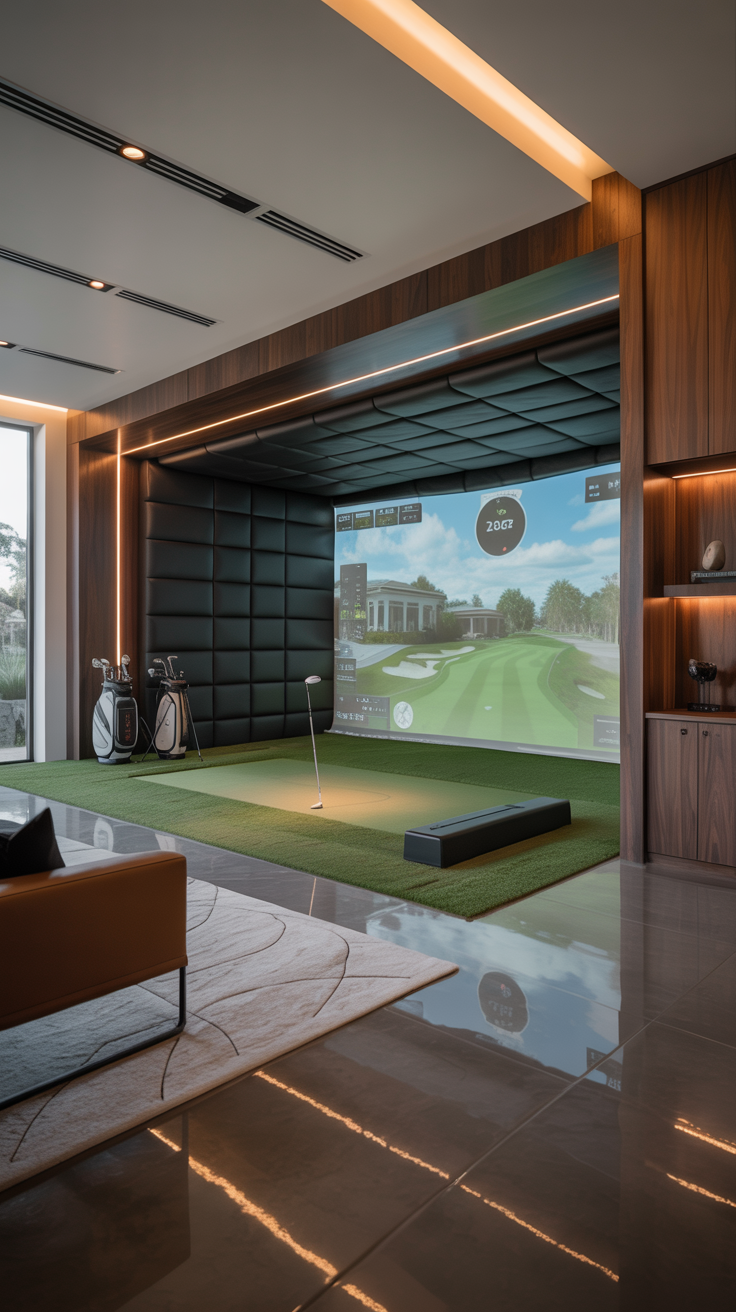
Zillow noted a surge in demand for dedicated spaces for hobbies and recreation. Mentions of “golf simulators” and “pickleball courts” are both up a staggering 25%. Even “batting cages” are up 18%. But it’s not just about sports. It’s about creating dedicated zones for whatever brings you joy. This could be a yoga studio with a mirrored wall and a calming view, a fully equipped home gym that rivals your local fitness center, a soundproofed music room for the aspiring rockstar, or a craft room with custom storage for all your supplies. This is about creating a home that is a destination in itself, a place where you can pursue your passions without ever leaving your property. And from a value perspective, it’s a brilliant move. You’re not just selling a house; you’re selling a lifestyle. You’re selling the dream of a life where your hobbies are not just something you do in your spare time; they are an integrated part of your daily existence.
The Spa-Inspired Bathroom: Your Daily Dose of Serenity
I talked about this recently in great detail here, but the bathroom has been elevated from a purely functional space to a private sanctuary for self-care. Mentions of “spa-inspired bathrooms” are up 22%, and it’s about more than just a fancy bathtub. It’s about creating a holistic experience.
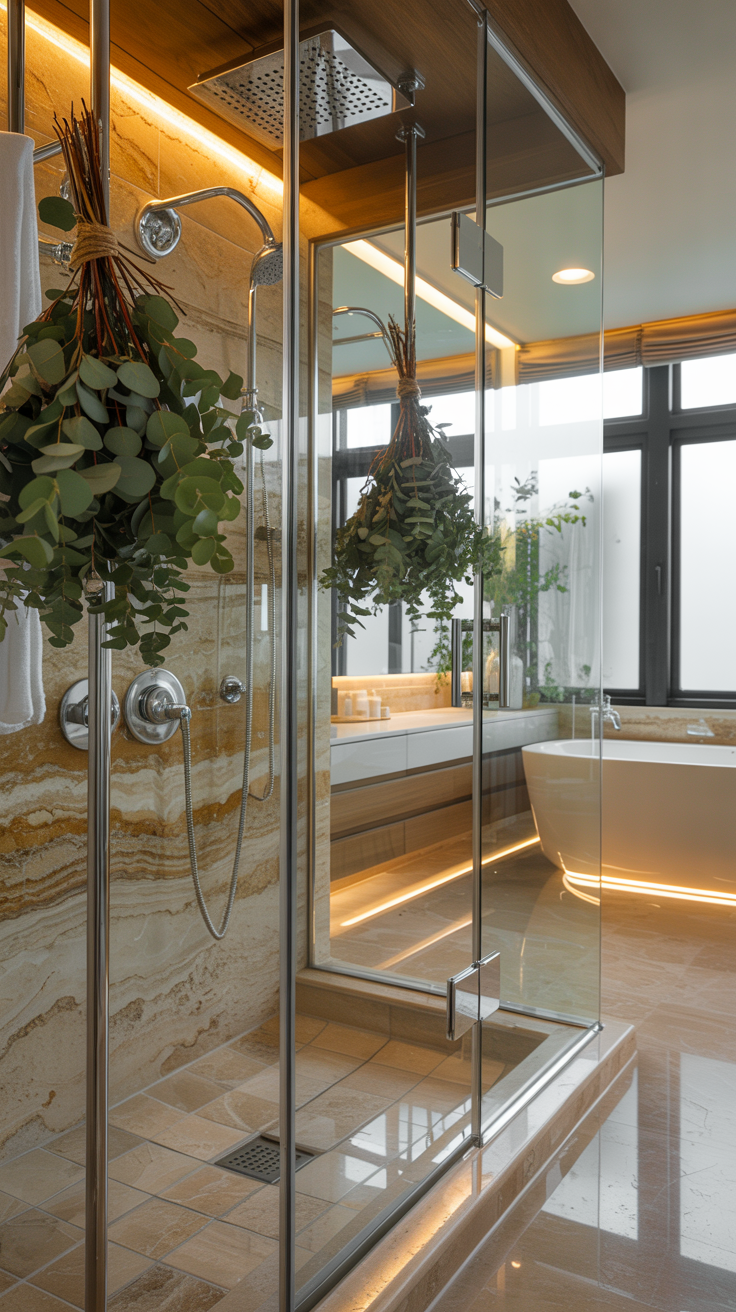
Think steam showers with built-in aromatherapy diffusers that can fill the space with the scent of eucalyptus or lavender. Imagine heated floors that warm your feet on a cold morning, a small luxury that makes a huge difference, especially in colder climates. And can we just talk about the toilets? High-tech smart toilets with bidet functions, heated seats, and even self-cleaning features are becoming the new standard in luxury bathrooms. I just finished a bathroom remodel project for a client and their one non-negotiatable on design was a bidet toilet with a heated seat!! It’s about bringing the pampering and relaxation of a five-star resort into your daily routine. And while a full bathroom renovation can be a significant investment, the return on that investment, both in terms of your own well-being and your home’s resale value, is undeniable. A beautifully appointed, spa-like bathroom is a major selling point that can set your home apart from the competition.
DIY Project: The 24-Hour Bathroom Retreat—5 Easy Upgrades
You don’t have to gut your bathroom to give it a spa-like feel. Here are five simple, high-impact upgrades you can do in a weekend:
- Upgrade Your Showerhead: This is the easiest and most impactful change you can make. Swap out your standard showerhead for a large, rainfall-style one. It’s a small change that feels oh-so luxurious.
- Install a Dimmer Switch: Ambiance is everything. Replacing your standard light switch with a dimmer allows you to create a soft, relaxing glow for your evening bath. While you’re at it make you have the right bulb temperature for maximum relaxation. Have no idea what I’m talk about? I break it all down for you here!
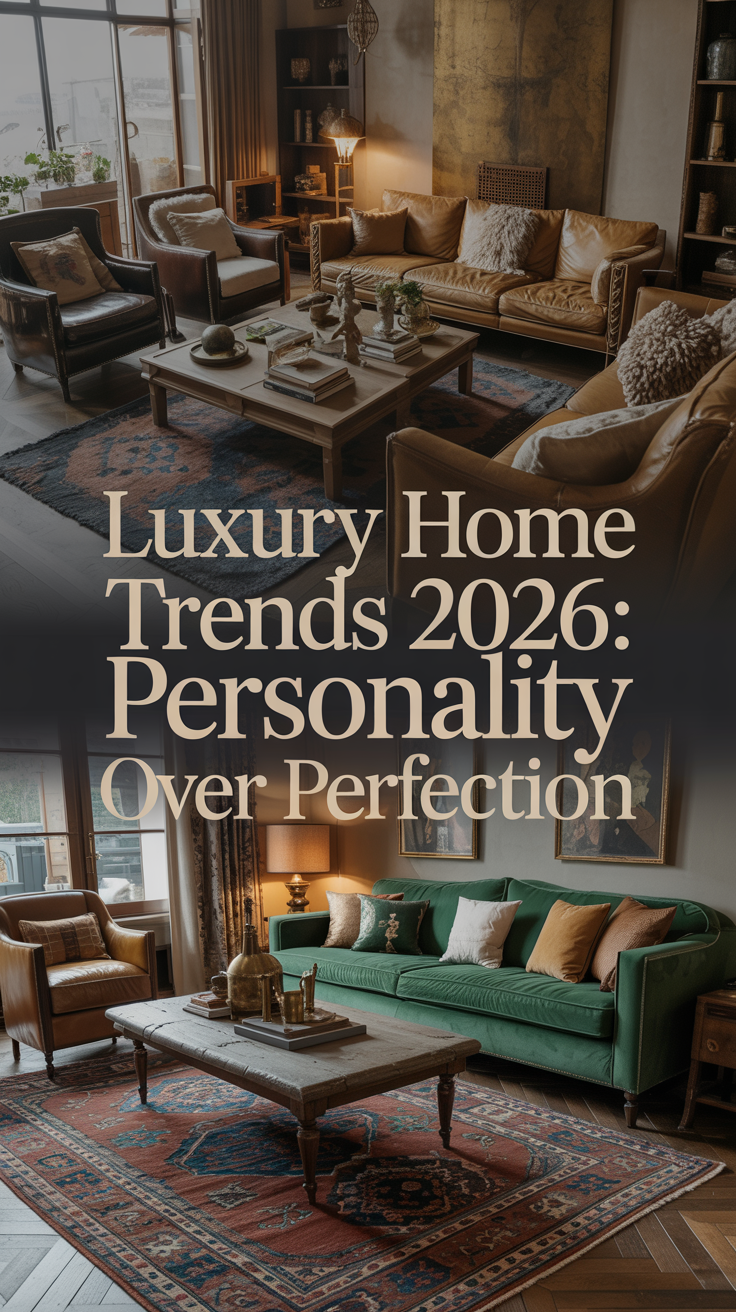
- Add Some Greenery: A few well-placed plants can instantly make a bathroom feel more serene and spa-like. Ferns, orchids, and snake plants all thrive in the humid environment of a bathroom. I also love just hanging some fresh eucalyptus in the shower for aromatherapy.
- Decant Your Products: Get rid of all those mismatched plastic bottles. Buy a set of beautiful, refillable glass or ceramic dispensers for your soap, shampoo, and conditioner. I usually buy amber colored glass containers from Amazon for my products. It’s a small detail that makes a huge difference.
- Invest in a Bathtub Caddy: A simple wooden or bamboo caddy that can hold a book, a glass of wine, and a candle will elevate your bath time from a routine to a ritual.
The Quiet Corner: The Return of the Reading Nook
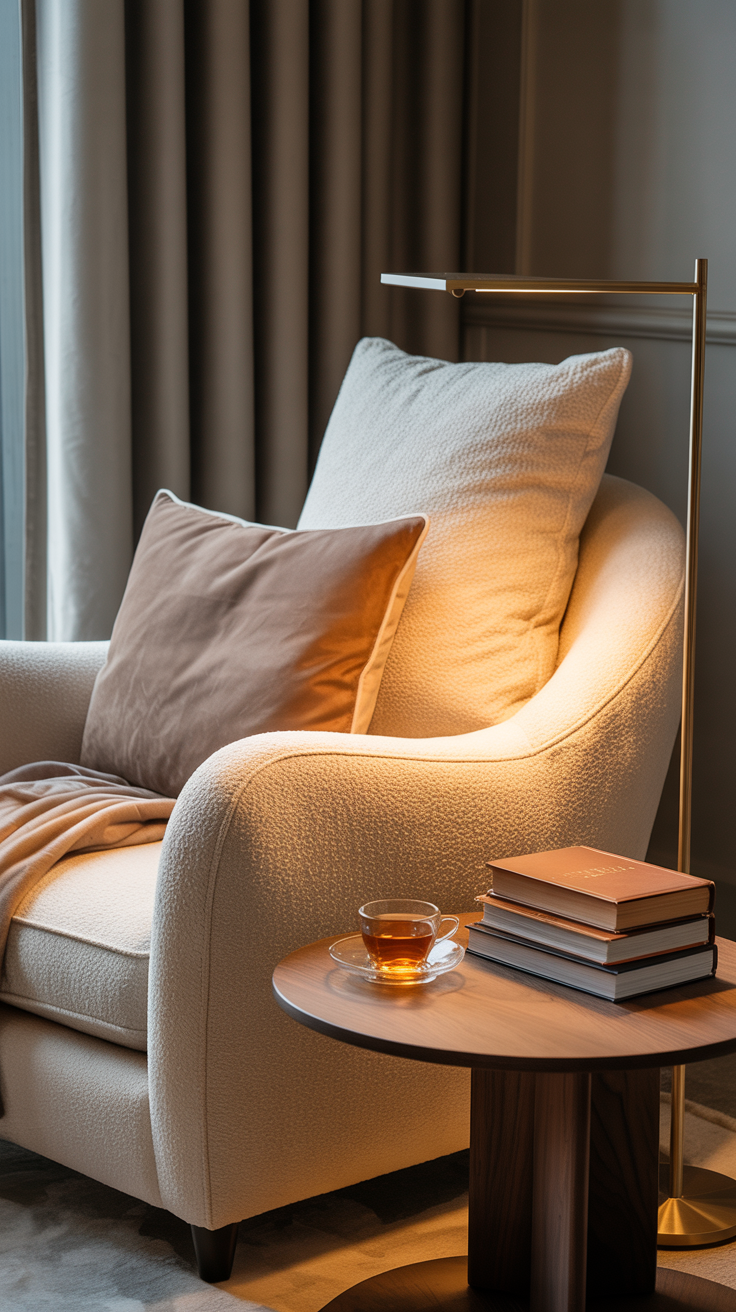
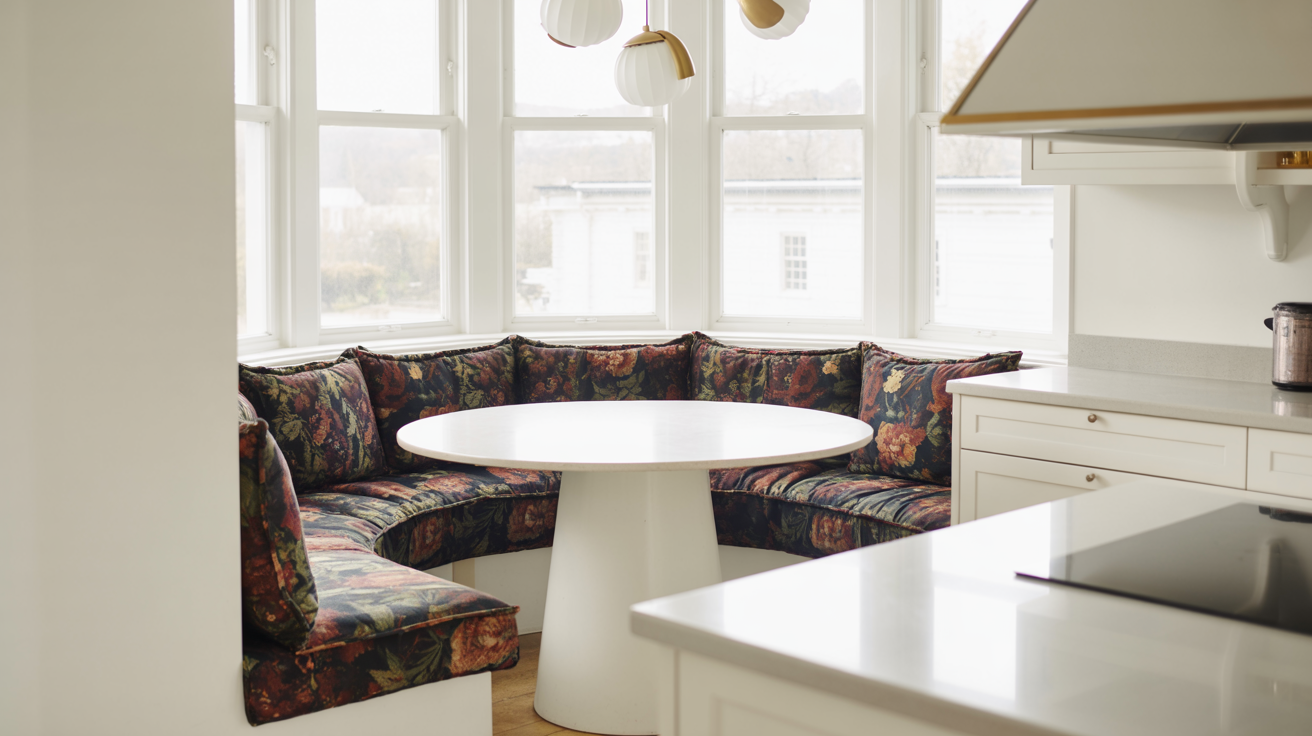
The demand for a quiet space to unplug and recharge has never been greater. This is reflected in the 48% increase in mentions of “reading nooks” in home listings. These are small, cozy corners, often tucked under a staircase, nestled into a bay window, or carved out of a larger room, designed for the simple pleasure of getting lost in a good book. It’s a trend that speaks to a desire for a slower, more mindful way of living, and it’s a feature that adds a huge amount of emotional value to a home.
DIY Project: Create Your Own Reading Nook
Creating a reading nook is a wonderful weekend project that doesn’t have to cost a fortune.
- Find Your Spot: Look for an underutilized corner in your home. It could be the landing at the top of the stairs, a wide hallway, or even a deep closet with the doors removed.
- Get Comfortable: The key to a good reading nook is comfort. This is non-negotiable. A plush armchair that you can sink into, a small chaise lounge where you can stretch out your legs, or even a custom-built bench with a thick, upholstered cushion will work. Pile on the pillows—a mix of textures and sizes will make it feel extra cozy—and have a soft, chunky-knit throw blanket at the ready for chilly evenings. The goal is to create a space that is so comfortable, you’ll never want to leave.
- Light it Right: Good lighting is essential. A stylish floor lamp or a wall-mounted sconce will provide focused light for reading. Make sure the light is warm and inviting, not harsh and clinical.
- Add Some Storage: You’ll need a place to keep your books. A small side table, a stack of floating shelves, or a narrow bookcase will do the trick.
- Make it Yours: This is your personal retreat, so add the things that bring you joy. A small piece of art, a favorite candle, a plant. This is your space to escape and recharge.
Loving your new nook? Be sure to also check out my post on how to create a cozy coffee nook if you’re interested too 🙂
Smart Living
The final piece of the new luxury puzzle is about looking ahead. It’s about creating a home that is not only beautiful and comfortable but also smart, efficient, and resilient in the face of a changing world. This is where your home’s value proposition becomes incredibly powerful. A home that is future-proofed is a home that is a wise and secure investment. It’s a home that says, “I’m ready for whatever comes next.”
The Resilient Home
Data is showing that there is a massive increase in demand for homes that are built to withstand the elements. Mentions of “flood protection” are up 64%, “defensible space landscaping” (for fire safety) is up 36%, and “fire protection systems” are up 28%.
This is about more than just peace of mind; it’s about insurability and long-term viability. A home that is already equipped with these features is a much more attractive and secure investment for a buyer.
Sustainability as a Status Symbol
Being “green” is no longer a niche interest; it’s a mainstream expectation, especially in the luxury market. But it’s about more than just a recycling bin in the kitchen. It’s about a fully integrated, high-performance home. According to the Zillow article, mentions of “zero-energy-ready homes” are up 70%, “whole-home batteries” are up 40%, and “EV charging” is up 25%.
A home that produces its own energy, stores it for later use, and is ready for the electric vehicle revolution is a home that is significantly cheaper to run. This movement may not be for everyone but in an era of rising energy costs, that is a major selling point.
DIY Project: The Weekend Energy Audit
While installing solar panels or a whole-home battery is a job for the pros, there are plenty of smaller, DIY-friendly things you can do to boost your home’s energy efficiency.
- Seal the Gaps: Air leaks are one of the biggest sources of energy loss in a home. Spend a weekend going around your house with a can of spray foam and some caulk and seal up any gaps around your windows, doors, and pipes.
- Upgrade Your Thermostat: A smart thermostat, like a Nest or an Ecobee, can learn your habits and automatically adjust the temperature to save energy when you’re not home. It’s a simple installation that can pay for itself in a year.
- Switch to LEDs: This is a no-brainer. Go through your house and replace every single incandescent bulb with an energy-efficient LED. They use a fraction of the energy and last for years.
- Check Your Insulation: Pop your head up into your attic. Do you have at least 12 inches of insulation? If not, adding more is a relatively easy and inexpensive DIY project that can make a huge difference in your heating and cooling bills.
The New ROI is You
The luxury home of 2026 is a fascinating blend of bold self-expression, deep-seated wellness, and forward-thinking resilience. It’s a home that is as smart as it is beautiful, as personal as it is practical.
And the wonderful thing about these trends is that they are not just for the ultra-wealthy. The principles of personalization, well-being, and sustainability can be applied to any home, at any budget. Whether you’re color-drenching your powder room, hunting for the perfect vintage lamp, or sealing up the air leaks in your attic, you are not just making your home more beautiful and more valuable; you are making it more you. And in the new landscape of luxury real estate, that is the most valuable asset of all.








2 Comments
this was a great article. I usually don’t read most I find on Pinterest. But so glad I found this thank you.
Thank you so much for your kind words! Pinterest can be overwhelming, so I’m so happy you found something here that felt worthwhile.