In a world that often feels chaotic and unpredictable, our homes have increasingly become our ultimate sanctuaries. For years, the prevailing wisdom in interior design leaned heavily toward minimalist with stark white walls, monochromatic gray furnishings, and an aesthetic that prioritized clinical cleanliness over personal expression. This “millennial beige” era created spaces that, while undeniably tidy, often felt devoid of life. However, a vibrant counter-movement has emerged, sweeping through the design world with an infectious energy: dopamine decor.
Dopamine decor is not merely a passing trend; it is a profound shift in how we approach our living spaces. It is an interior design philosophy rooted in the science of happiness, encouraging the intentional use of bold colors, eclectic patterns, and deeply personal items to create environments that actively boost our mood. This article explores the fascinating origins of dopamine decor, the neuroscience that supports it, and practical, vibrant ideas for transforming your living room into a joyful, colorful haven.
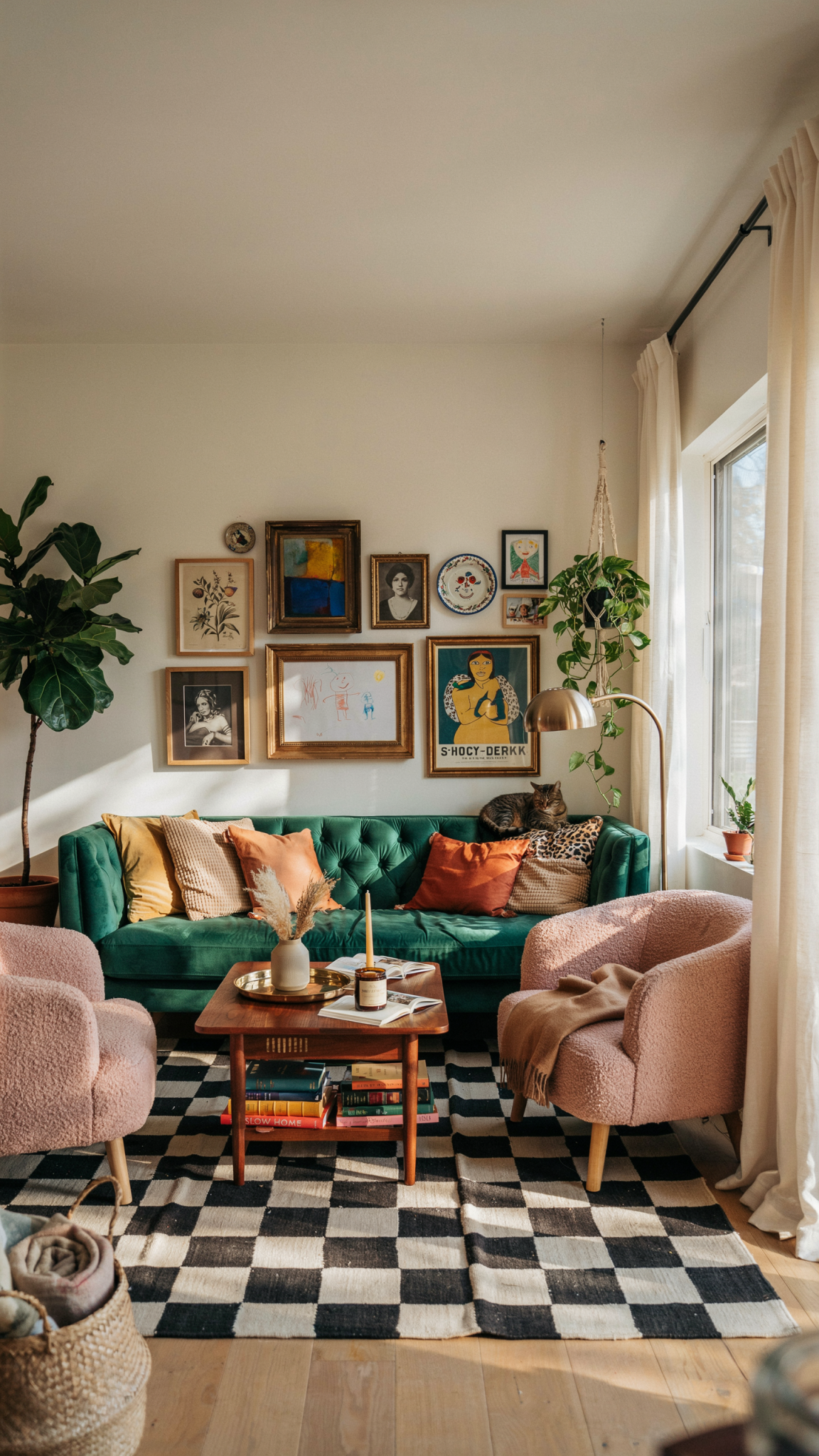
Understanding Dopamine Decor: The Chemistry of Happiness
To truly appreciate dopamine decor, one must first understand its origins and the science that underpins it. The term itself is borrowed from the fashion world’s “dopamine dressing,” a post-pandemic movement where people began wearing bright, cheerful clothing to intentionally lift their spirits during difficult times. This concept naturally evolved into interior design, as individuals spent more time at home and realized the profound impact their environment had on their mental well-being.
Dopamine is a neurotransmitter in the brain, often referred to as the “feel-good hormone.” It is a crucial component of the brain’s reward system, released when we experience pleasure, achieve a goal, or encounter something visually or emotionally stimulating. While dopamine is just one part of a complex chemical cocktail that includes serotonin (mood regulation), oxytocin (comfort and bonding), and endorphins (well-being), “dopamine decor” serves as a catchy shorthand for designing spaces that trigger this positive chemical response.
Neurobiological research supports this approach. Studies have shown that when individuals look at art or colors they find beautiful, the medial orbitofrontal cortex, the brain’s reward center, lights up. This is the same area activated when we experience love or taste delicious food. Furthermore, sensory-rich environments have been proven to be more restorative and effective at reducing anxiety than sterile, minimalist spaces. By surrounding ourselves with colors, textures, and objects we love, we are essentially hacking our brain chemistry to promote daily joy.
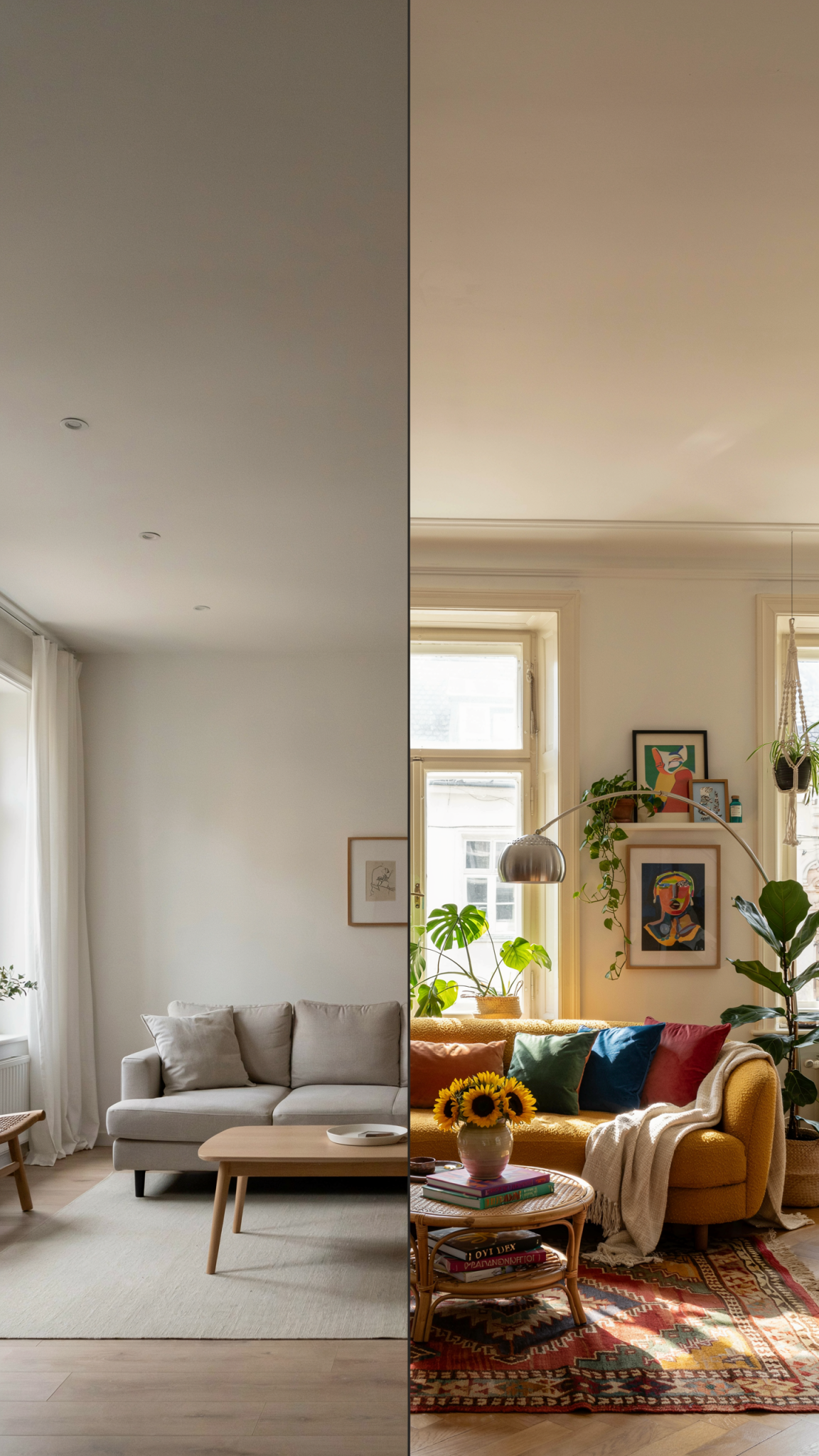
The Departure from Minimalism: Why Now?
The rise of dopamine decor is intrinsically linked to our collective experience over the past few years. The global pandemic forced people to spend unprecedented amounts of time within their own four walls. Suddenly, the pristine, minimalist spaces that looked great in a magazine spread felt cold, uninspiring, and lacking in comfort during a time of high stress.
Homeowners began to crave spaces that felt like a warm embrace. The minimalist approach, which often dictated what was considered “good taste,” felt too restrictive. Dopamine decor emerged as a rebellion against these rigid design rules. It is the high-energy, maximalist revival that prioritizes personal pleasure over prescribed aesthetics. It champions the idea that your home should not look like a sterile waiting room or a staged real estate listing; it should look and feel uniquely like you.
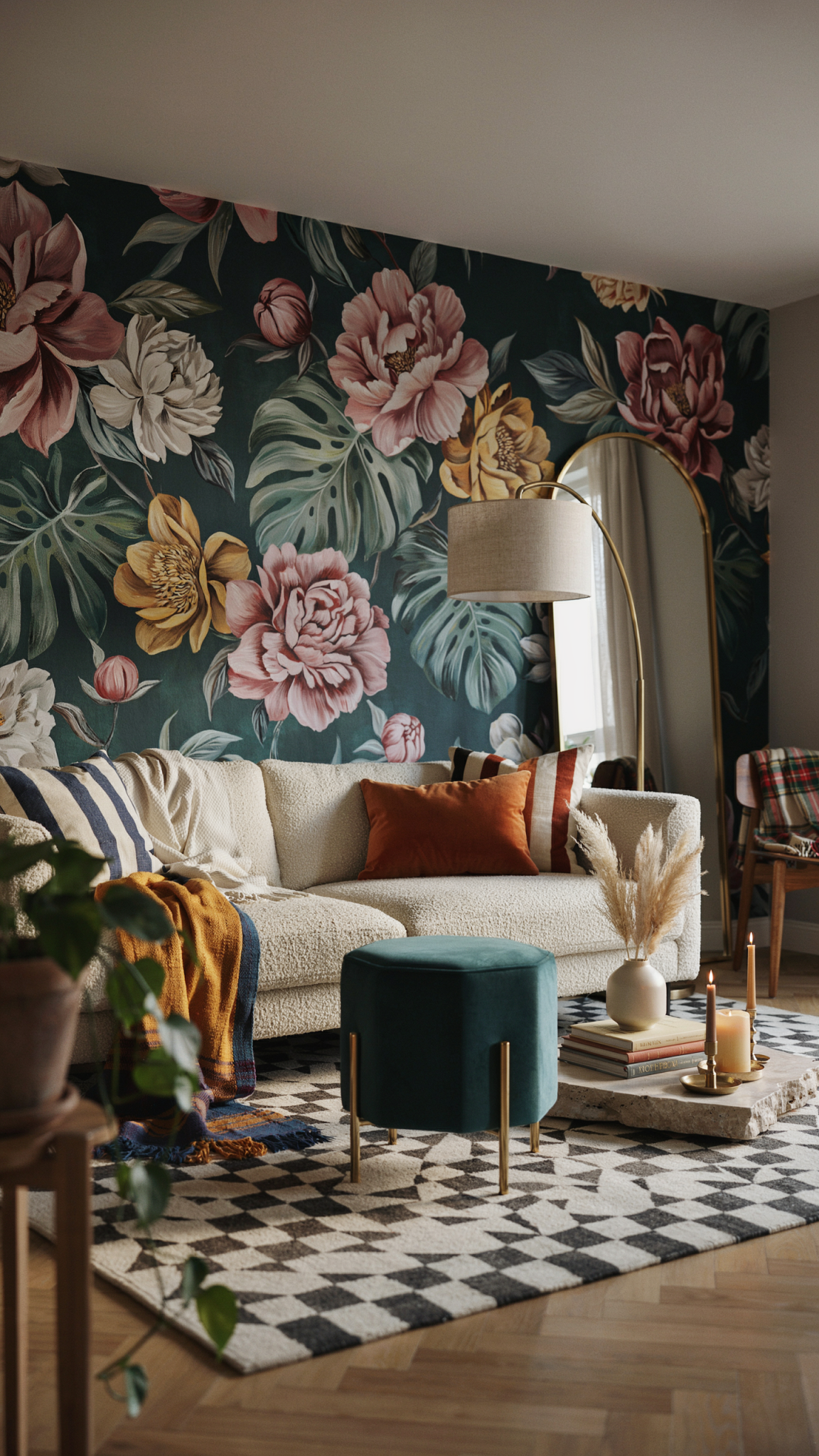
Core Principles of a Dopamine-Drenched Living Room
Transforming a living room into a dopamine-rich environment does not mean simply throwing every bright color and random object into a space. While it embraces a “more is more” attitude, successful dopamine decor requires thoughtful curation. Here are the core principles to guide your design.
1. Color Therapy: Painting with Emotion
Color is arguably the most powerful tool in the dopamine decor arsenal. Different hues have distinct psychological effects, and choosing the right palette can instantly alter the energy of a room.
- Yellows and Oranges: These warm tones are the quintessential colors of joy, optimism, and energy. A sunny yellow accent wall or a burnt orange velvet sofa can inject a sense of cheerfulness into the living room, reminiscent of sunshine and warmth.
- Pinks and Magentas: From soft blush to vibrant hot pink, these colors exude fun, playfulness, and a touch of romance. They are highly stimulating and can make a space feel youthful and vibrant.
- Blues and Greens: While dopamine decor is known for brights, saturated cool tones are equally important. Emerald greens and cobalt blues offer a sense of lushness and depth. They provide a grounding, calming effect that balances the high energy of warmer colors.
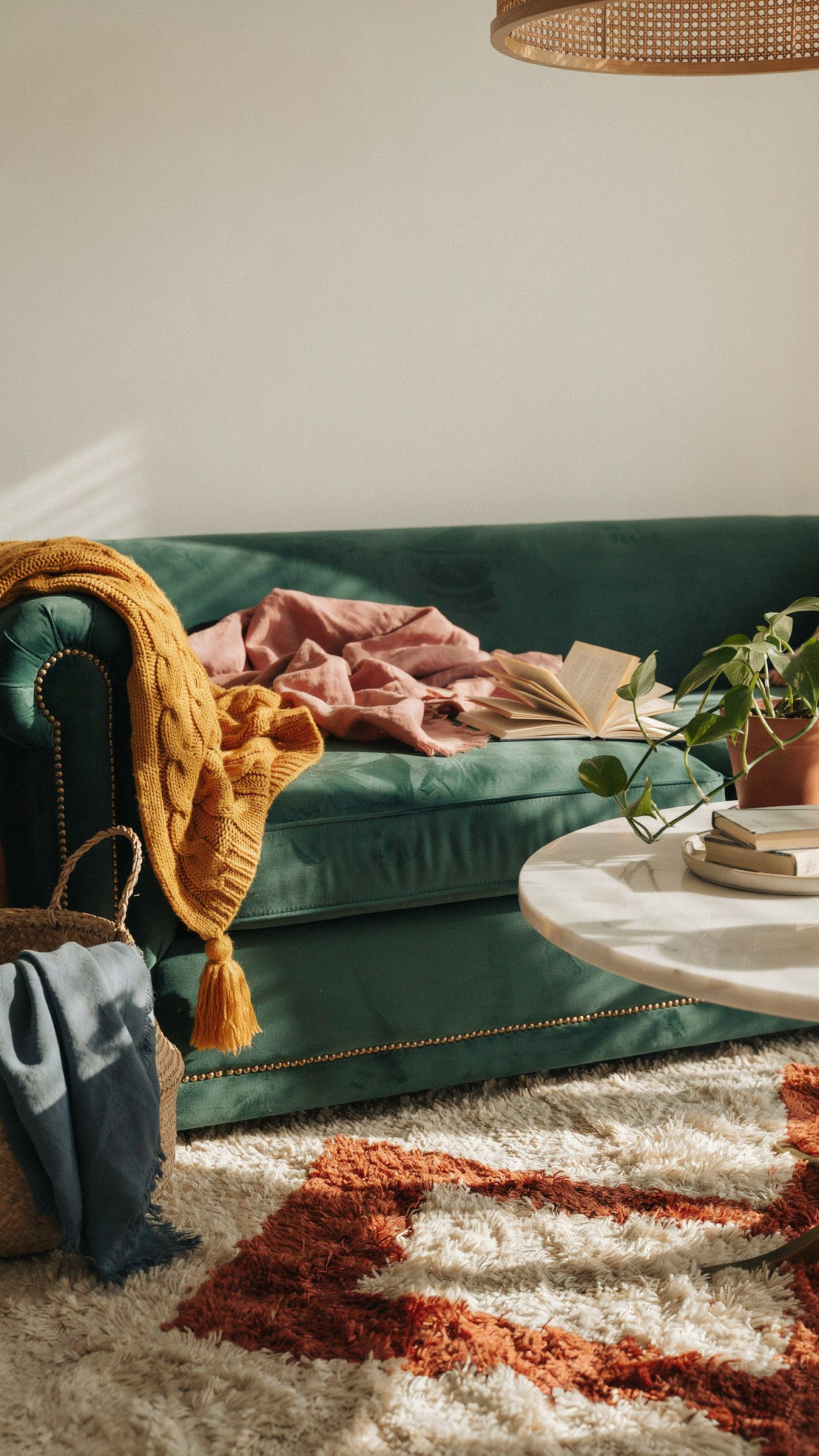
The key is to choose colors that resonate with you personally. If a specific shade of teal reminds you of a cherished vacation, use it. The “rules” of color matching are secondary to the emotional response the color evokes.
2. The Power of Pattern Play
Minimalism often shies away from patterns, favoring solid blocks of neutral color. Dopamine decor, conversely, revels in them. Patterns add visual interest, movement, and a sense of whimsy to a living room.
- Geometrics: Bold stripes, checkerboards, and abstract geometric shapes provide a modern, energetic feel. They can be introduced through rugs, throw pillows, or even painted wall designs.
- Florals and Botanicals: Large-scale, colorful floral prints bring the beauty of the outdoors inside, evoking feelings of growth and vitality.
- Animal Prints: Leopard or zebra prints, when used as accents, add an element of surprise and playful luxury.
The secret to mixing patterns in dopamine decor is varying the scale. Pair a large, sweeping floral wallpaper with a small, tight geometric print on an armchair to prevent the designs from competing for attention.
3. Tactile Delights: Designing for the Senses
Dopamine decor is a multi-sensory experience. Touch is a vital component of how we perceive comfort and luxury. A visually stunning room falls flat if the furniture is stiff and uninviting.
Layering textures is essential. Imagine the contrast between a smooth, cool marble coffee table and a deeply textured, shaggy Moroccan rug. Incorporate plush velvets, chunky knits, soft silks, and natural rattan. These varied tactile experiences invite interaction and make the living room a place where you genuinely want to linger and relax.
4. Nostalgia and Personal Narrative
Perhaps the most defining characteristic of dopamine decor is its emphasis on personal meaning. A truly joyful space is filled with items that tell your story. This is the antithesis of buying a matching furniture set from a catalog.
Display your collections proudly. Whether it is vintage cameras, travel souvenirs, quirky ceramic figurines, or a wall of family photographs, these items serve as daily visual reminders of happy memories. This approach embraces a curated “cluttercore,” where objects are arranged thoughtfully to spark joy rather than create chaos.
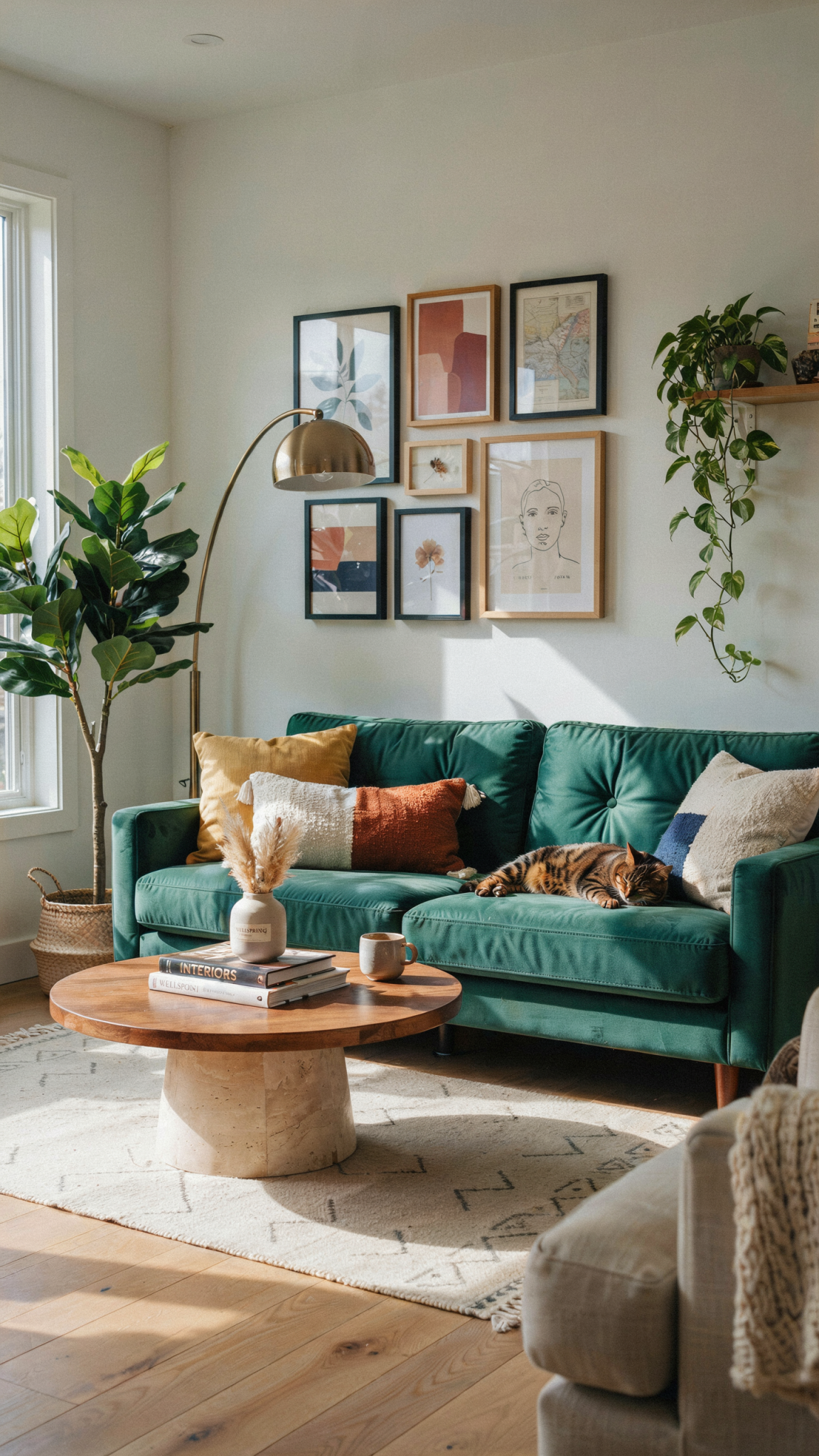
Vibrant Ideas for Your Living Room
Now that we understand the philosophy, let us explore specific, actionable ideas for infusing your living room with dopamine decor.
The Statement Accent Wall
An accent wall is a classic design technique, but in the context of dopamine decor, it is an opportunity to go wild.
- Funky Wallpaper: Wallpaper has made a massive comeback. Choose a design that makes you smile every time you see it. Think oversized tropical leaves, whimsical animal motifs, or vibrant retro waves. If you are renting or hesitant to commit, peel-and-stick wallpapers offer a brilliant, temporary solution.
- Custom Murals: Elevate your space with a hand-painted mural. This could be an abstract sweep of your favorite colors, a stylized landscape, or geometric color-blocking. A mural acts as a massive piece of bespoke art that defines the room’s energy.
- Color Drenching: Instead of painting just one wall, consider “color drenching”, or the technique of painting the walls, ceiling, doors, and trim all in the same highly saturated hue. This creates an immersive, jewel-box effect that is incredibly striking and cozy.
Joyful Furniture Choices
Move away from the standard gray sectional and let your furniture be the star of the show.
- The Colorful Sofa: A sofa in a bold color, like mustard yellow, emerald green, or deep plum instantly anchors the room in joy. Opt for tactile fabrics like velvet or corduroy to enhance the sensory experience.
- Curved and Quirky Silhouettes: Dopamine decor favors playful shapes over rigid, angular lines. Look for sofas with curved backs, scalloped edges, or chubby, oversized armchairs. These shapes feel inherently more relaxed and fun.
- Painted Vintage Finds: Upcycling is a sustainable and highly personal way to embrace this trend. Take a vintage wooden sideboard or coffee table and paint it in a bright, unexpected color, like electric blue or coral.
The Art of the Gallery Wall
A gallery wall is the perfect vehicle for dopamine decor, allowing you to display a multitude of joyful images in one place.
- Mix and Match: Do not limit yourself to just framed prints. Incorporate mirrors, neon signs, woven wall hangings, or 3D objects like ceramic plates or sculptural masks.
- Eclectic Framing: Use frames in various colors, sizes, and styles like ornate gold vintage frames mixed with sleek, modern acrylic ones. This mismatched approach adds character and breaks away from formal rigidity.
- Art that Speaks to You: Choose art that evokes a visceral, positive reaction. It could be typography with an uplifting quote, a bright abstract painting, or a vintage movie poster.
Lighting as Decor
Lighting should do more than just illuminate the room; it should contribute to the joyful aesthetic.
- Whimsical Fixtures: Swap out standard builder-grade lighting for something with personality. A chandelier that resembles a cluster of colorful balloons, a lamp shaped like an animal, or a mid-century sputnik fixture can serve as functional art.
- Warm and Layered Glow: Ensure your lighting is warm and inviting. Use a mix of ambient overhead lighting, task lighting for reading, and accent lamps to create a cozy, layered glow. Avoid harsh, cool-toned bulbs that can make a vibrant room feel sterile.
The Finishing Touches: Rugs and Accessories
The magic of dopamine decor often lies in the details.
- The Statement Rug: A rug is an excellent way to introduce a massive punch of color and pattern without altering the walls. Look for vibrant Persian-style rugs, bold geometric flatweaves, or playful, irregularly shaped tufted rugs.
- Unexpected Red Theory: A popular micro-trend within dopamine decor is the “unexpected red theory.” This involves placing a pop of bright red in a room where it doesn’t necessarily “belong.” It acts as a visual palate cleanser and instantly makes the design feel more intentional and designer-led.
- Lush Greenery: Houseplants are natural mood boosters. They bring literal life into the living room, improve air quality, and provide a vibrant, organic green that complements almost any color palette. Use colorful, patterned ceramic pots to double the dopamine effect.
Balancing the Boldness: Avoiding Visual Chaos
With so much color, pattern, and personality, there is a fine line between a joyful dopamine haven and an overwhelming, chaotic mess. Balance is crucial.
- Neutral Anchors: Even the most vibrant rooms need a place for the eye to rest. Incorporate neutral elements such as a natural wood floor, a cream-colored ceiling, or a solid-colored rug to ground the bold choices.
- Curated Collections: Displaying personal items is encouraged, but they must be curated. Group similar items together on a tray or a dedicated shelf rather than scattering them randomly across every surface. This creates intentional vignettes rather than clutter.
- The 60-30-10 Rule: If you are unsure how to balance colors, rely on the classic 60-30-10 rule. Let your dominant color (perhaps a soft, cheerful pastel on the walls) take up 60% of the space. Use a secondary, bolder color (like the sofa and rug) for 30%. Finally, use your brightest, most vibrant accent color (throw pillows, art) for the remaining 10%.

Designing for Your Happiness
Dopamine decor is more than a fleeting aesthetic; it is a permission slip to design your home exactly how you want it, free from the constraints of minimalist perfectionism. It acknowledges that our living spaces have a profound impact on our mental health and encourages us to take an active role in curating our own joy.
By embracing bold colors that energize you, patterns that make you smile, textures that comfort you, and objects that tell your unique story, you can transform your living room into a true sanctuary. It is about creating a space where, the moment you walk through the door, your brain registers the beauty, releases that hit of dopamine, and allows you to let out a deep, contented sigh. In the end, the most beautiful living room is simply the one that makes you the happiest.

The Evolution of the Trend: From Fashion to Furniture
The trajectory of dopamine decor is a fascinating study in how cultural shifts influence personal spaces. The concept initially took root in the fashion industry as “dopamine dressing.” Coined by fashion psychologists, this practice suggested that wearing brightly colored, expressive clothing could actively improve one’s mood and self-perception. During the height of the global pandemic, when many felt isolated and anxious, dopamine dressing became a viral sensation on platforms like TikTok and Instagram. People began sharing videos of themselves wearing vibrant pinks, neon greens, and clashing patterns simply to feel better while stuck at home.
As the world slowly opened up, this desire for mood-boosting aesthetics naturally bled into interior design. The home, having served as a multi-functional space for work, rest, and play, was ripe for a reinvention. The sterile, minimalist environments that had dominated the previous decade characterized by “millennial beige” and stark Scandinavian influences, suddenly felt inadequate. Homeowners were no longer decorating for resale value or to impress guests; they were decorating for their own mental health and daily happiness.
This shift marks a significant democratization of interior design. Dopamine decor is not about purchasing the most expensive, designer-approved pieces. It is fundamentally accessible because it relies on personal taste rather than a rigid set of rules. A thrifted chair painted in a favorite shade of coral is just as valid if not more so than a high-end, neutral designer sofa. This accessibility has fueled the trend’s explosive growth, making it a beloved aesthetic for renters, young homeowners, and seasoned decorators alike.
Deep Dive into Color Psychology
To master dopamine decor, one must become a student of color psychology. While personal preference is paramount, understanding the general emotional responses evoked by different hues can help you craft the specific atmosphere you desire in your living room.
The Energizing Warm Tones
Warm colors like reds, oranges, and yellows are inherently stimulating. They advance toward the eye, making large rooms feel cozier and more intimate.
- Red: The color of passion, energy, and excitement. While a fully red room might be too intense for some, red accents are incredibly powerful. As mentioned earlier, the “unexpected red theory” suggests that a pop of red can instantly elevate a room’s design. Consider a cherry red lamp base, a vibrant red picture frame, or a bold red throw pillow.
- Orange: Often associated with enthusiasm, creativity, and warmth. Burnt orange and terracotta are particularly popular in dopamine decor, offering an earthy, grounding energy that pairs beautifully with natural textures like wood and leather.
- Yellow: The ultimate color of joy and sunshine. Yellow stimulates the nervous system and encourages communication. A soft, buttery yellow can make a dark room feel luminous, while a bold mustard adds a retro, 1970s-inspired flair.
The Calming Cool Tones
Cool colors like blues, greens, and purples recede from the eye, making spaces feel larger, calmer, and more serene. In dopamine decor, these colors are often used in highly saturated forms to provide balance.
- Blue: Associated with tranquility, stability, and trust. While pale blue is soothing, dopamine decor often favors bolder shades like cobalt, navy, or bright turquoise. These deep blues can create a sophisticated, dramatic backdrop that allows warmer accent colors to pop.
- Green: The color of nature, growth, and renewal. Green is incredibly versatile and restful for the eyes. Emerald and forest greens bring a sense of lush luxury, while lime or mint greens inject a youthful, playful energy.
- Purple: Historically linked to royalty and luxury, purple also has a deeply creative and spiritual connotation. Lavender and lilac offer a soft, romantic vibe, whereas deep plum or magenta can create a rich, moody atmosphere.
The Role of Neutrals
It is a misconception that dopamine decor completely banishes neutrals. In fact, neutrals are essential for preventing visual fatigue. However, instead of relying solely on stark white or cool gray, dopamine decor often incorporates warmer, richer neutrals.
- Warm Whites and Creams: These provide a softer, more inviting backdrop than stark, hospital-white. They allow bright colors to stand out without creating harsh contrasts.
- Earthy Browns and Tans: Natural wood tones, leather, and woven materials introduce warmth and texture, grounding the vibrant colors and preventing the room from feeling overly synthetic.
- Soft Blacks: Used sparingly, black can provide necessary contrast and definition. A thin black picture frame or a black lamp cord can sharpen the edges of a highly colorful room.
Incorporating Dopamine Decor on a Budget
One of the most appealing aspects of dopamine decor is that it does not require a massive budget. Because the focus is on joy and personal expression, many of the most effective techniques are surprisingly affordable.

The Magic of Paint
Paint is the most cost-effective way to transform a room. A single gallon of brightly colored paint can completely alter the energy of your living space.
- Painted Furniture: Do not discard old or mismatched furniture. A fresh coat of vibrant paint can give a tired wooden chair, a scuffed side table, or a dated bookshelf a completely new life.
- Color Blocking: You do not need to paint an entire wall. Use painter’s tape to create bold geometric shapes—like an arch behind a bookshelf or a large circle framing a piece of art. This technique adds architectural interest and a pop of color for the cost of a sample pot of paint.
- Painted Trim and Doors: If painting the walls feels too intimidating, try painting the skirting boards, window frames, or the interior door in a contrasting, cheerful color.
Thrifting and Upcycling
Dopamine decor celebrates the unique and the slightly imperfect, making thrift stores, flea markets, and estate sales treasure troves for decorators.
- Vintage Textiles: Look for colorful vintage blankets, embroidered cushions, or retro curtains. These items often feature unique patterns and high-quality materials that are difficult to find in modern, mass-produced goods.
- Quirky Accessories: Hunt for unusual lamps, colorful glassware, or interesting ceramic figurines. These small, inexpensive items are perfect for styling shelves and coffee tables, adding layers of personality to the room.
- Reupholstering: If you find a chair with a great shape but terrible fabric, consider reupholstering it yourself. Choosing a bold, patterned fabric can turn a cheap thrift store find into a bespoke statement piece.
DIY Art and Wall Decor
You do not need to invest in expensive fine art to create a joyful gallery wall.
- Frame the Unexpected: Frame colorful postcards, vintage magazine covers, beautiful wrapping paper, or even a piece of patterned fabric.
- Create Your Own Abstract Art: Purchase a large, inexpensive canvas and some acrylic paints. Do not worry about technique; focus on using colors that make you happy and creating broad, sweeping strokes. The process itself can be a dopamine-boosting activity.
- Washi Tape Designs: Washi tape comes in countless colors and patterns and is easily removable. Use it to create temporary geometric murals, frame posters directly on the wall, or add colorful stripes to the edge of a bookshelf.
Dopamine Decor for Different Lifestyles
Dopamine decor is highly adaptable and can be tailored to suit various living situations and personal preferences.
The Renter-Friendly Approach
Renters often face strict rules regarding painting walls or making permanent changes. However, dopamine decor can easily be achieved without risking a security deposit.
- Peel-and-Stick Everything: Removable wallpaper and vinyl decals are a renter’s best friend. Use them to create accent walls, line the back of bookshelves, or even cover an ugly refrigerator.
- Maximize Textiles: Rely heavily on colorful rugs, vibrant curtains, and an abundance of throw pillows. These items are entirely portable and can dramatically change the feel of a room with white walls.
- Large-Scale Art: If you cannot paint, hang a massive, colorful canvas or a large, vibrant tapestry to cover a significant portion of the wall space.

The Subtle Dopamine Look
Not everyone wants a living room that looks like an explosion in a paint factory. If you prefer a more subdued aesthetic, you can still embrace the principles of dopamine decor.
- Pastel Power: Instead of neon pink and electric blue, opt for a palette of soft pastels like mint green, baby pink, butter yellow, and lavender. This creates a joyful, uplifting atmosphere that is gentle and soothing rather than highly stimulating.
- One Statement Piece: Keep the walls and major furniture neutral, but invest in one spectacular, colorful statement piece like a brightly patterned armchair, a massive, colorful rug, or an oversized piece of vibrant art.
- Focus on Texture: If you prefer neutral colors, generate dopamine through an abundance of luxurious textures. Layer sheepskin rugs, chunky knit throws, and velvet cushions to create a deeply comforting, tactile environment.
The Psychological Benefits of a Joyful Home
The impact of dopamine decor extends far beyond aesthetics; it has tangible psychological benefits. Our environment plays a crucial role in our daily mental state. A cluttered, drab, or uninspiring living room can contribute to feelings of lethargy and mild depression. Conversely, a space designed specifically to spark joy can act as a daily mental health booster.
- Stress Reduction: Returning home to a space filled with colors and objects you love can significantly lower cortisol levels (the stress hormone) and promote relaxation.
- Increased Creativity: Vibrant, stimulating environments have been shown to enhance cognitive flexibility and creative problem-solving.
- Enhanced Mood: The visual stimulation of bright colors and pleasant patterns genuinely triggers the release of dopamine, providing a subtle but consistent mood lift throughout the day.
- A Sense of Control: In an unpredictable world, designing your home to be a personal sanctuary provides a profound sense of agency and control over your immediate environment.

Your Home, Your Rules
The most liberating aspect of the dopamine decor trend is its absolute rejection of the idea that there is a “right” or “wrong” way to design a home. It is a movement that celebrates individuality, quirkiness, and unapologetic joy.
As you embark on transforming your living room, remember that the goal is not to create a space that looks perfect for social media, but rather a space that feels perfect for you. Trust your instincts. If a bright orange lamp makes you smile, buy it. If you want to paint your ceiling pink, paint it. Surround yourself with the colors, textures, and memories that uplift your spirit.
Dopamine decor is a testament to the fact that interior design is not just about arranging furniture; it is about crafting an environment that nurtures your soul. By intentionally designing for happiness, you can turn your living room into a vibrant, joyful sanctuary that supports your well-being every single day.


