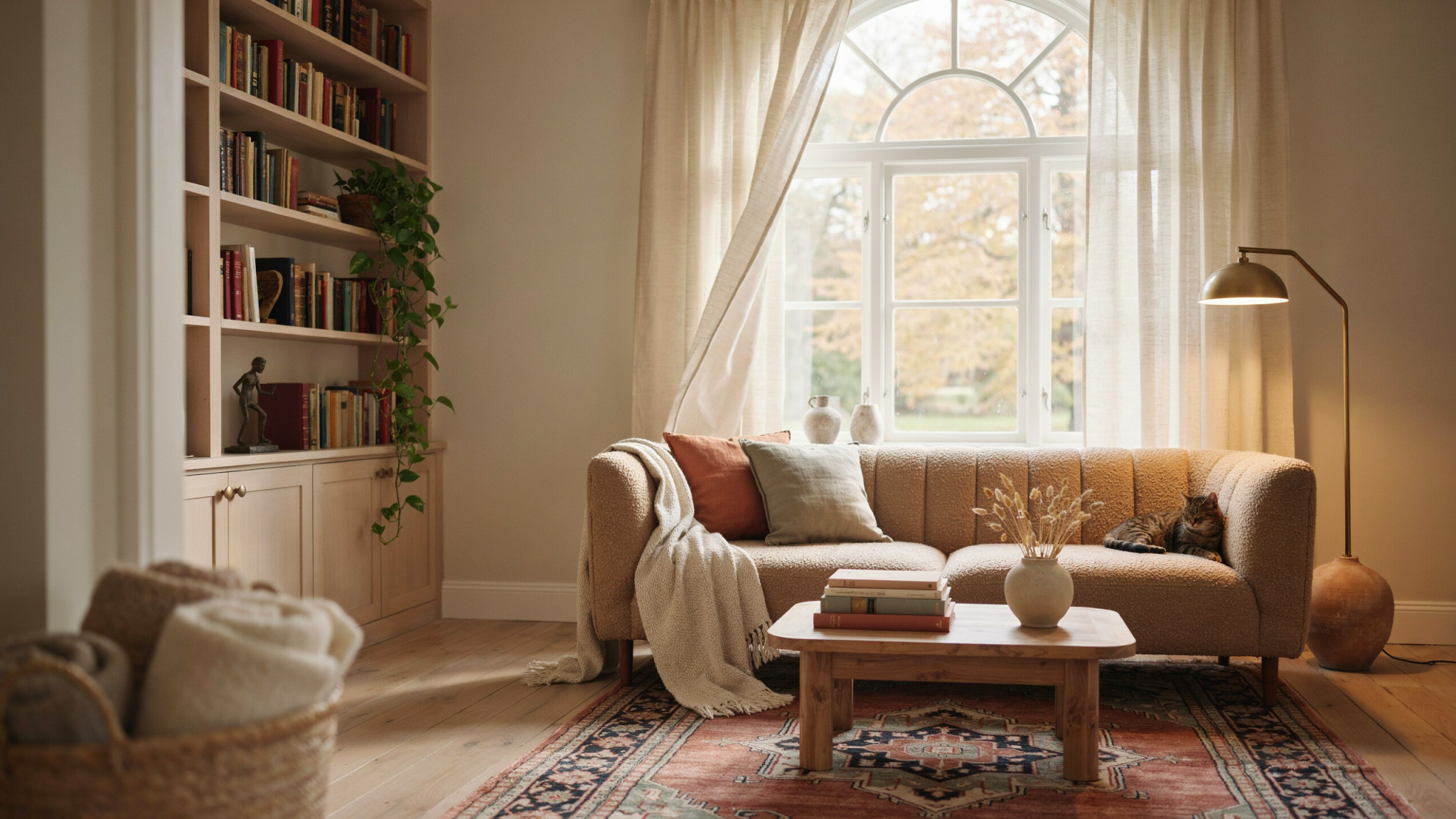
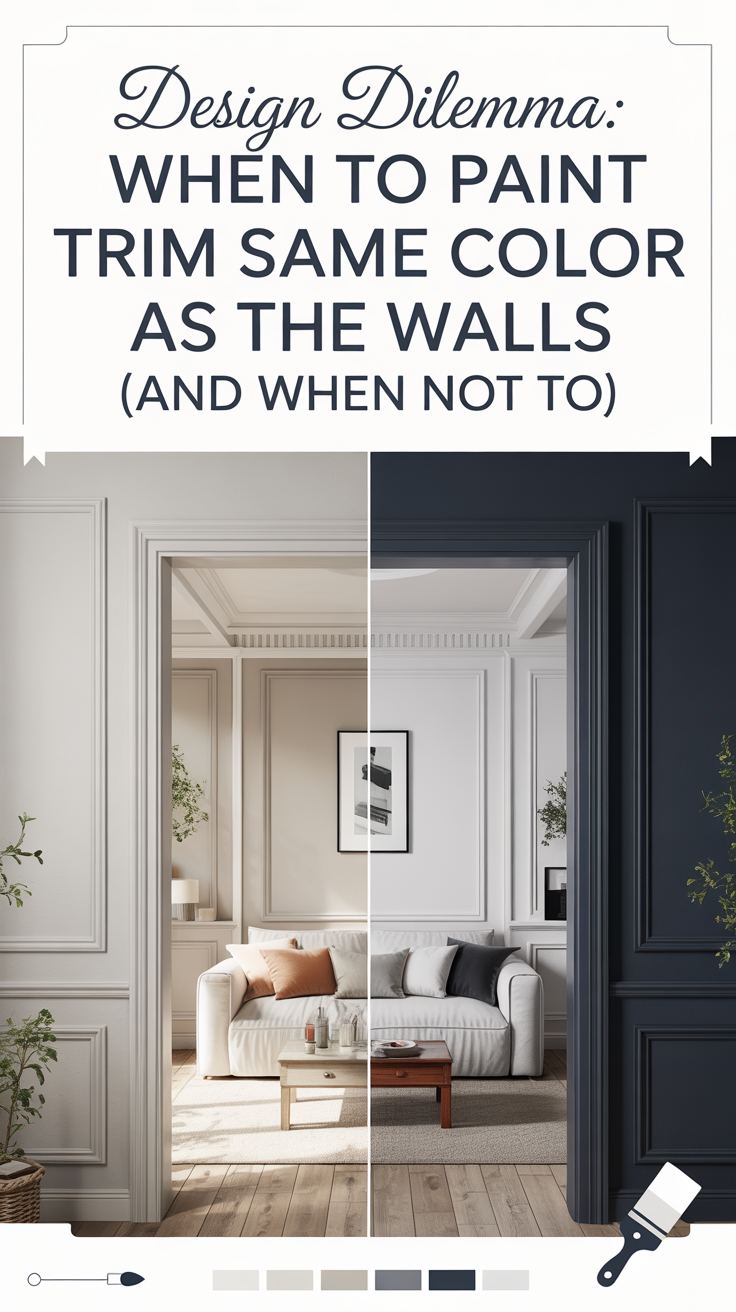
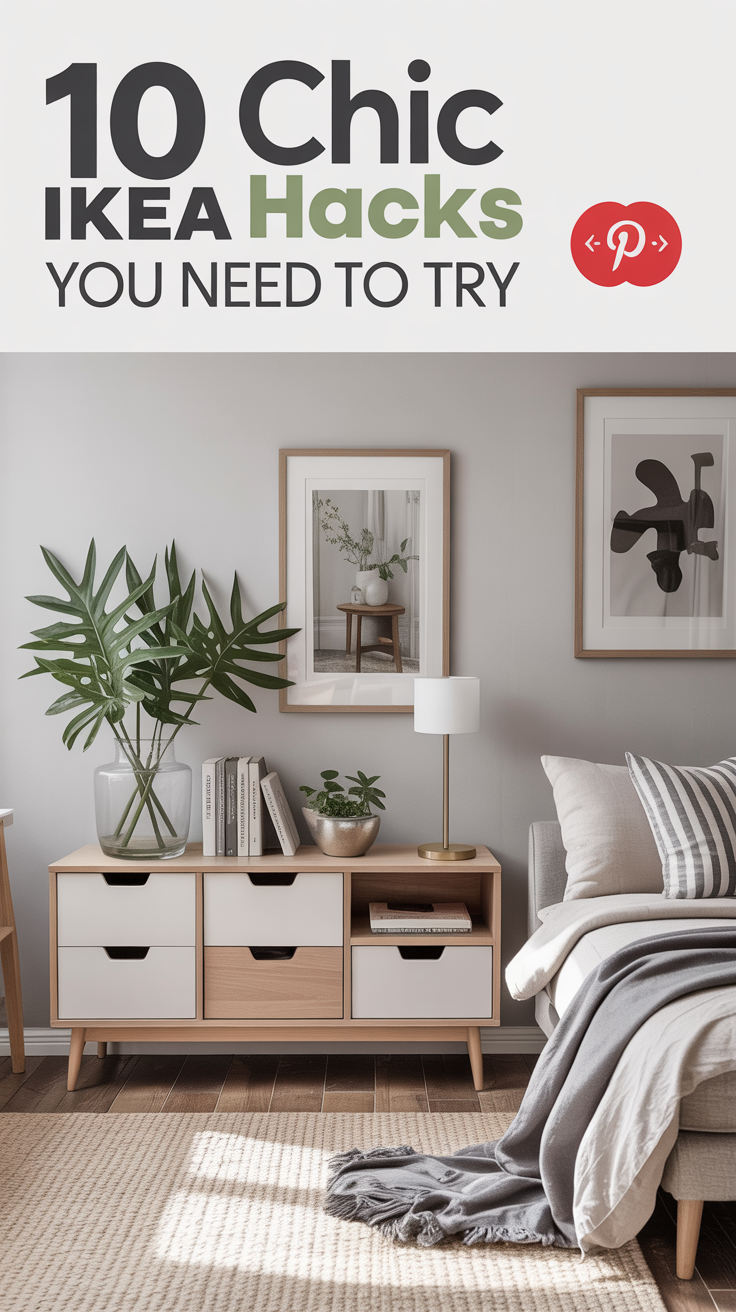
As a designer and design enthusiast, this is the time of year, I get asked the same question again and agin: “What are the hot new design trends for next year?” Clients, colleagues, and even friends are eager to know what’s “in” and what’s “out.” And every year, my answer is the same, but this year it has a twist: the hottest trend in interior design is, ironically, to ignore the trends. The trend is you. It’s about creating a space that is so authentically personal that it can’t be replicated, a space that is the antithesis of the copy-and-paste designs that flood our social media feeds.
I’ll admit, that’s not the answer most people are looking for. They want to know if brass is still in, if we’re over open-plan living, or if a particular shade of green is the new “it” color. But I’ve built my career on a simple, unwavering belief: your home should be a deeply personal sanctuary, a collection of things you love, a space that tells your story. It should not be a carbon copy of a magazine spread or a showroom floor.
This obsession with trends is a relatively new phenomenon. For centuries, homes were furnished with inherited pieces, items collected over a lifetime of travel, and functional objects that were built to last. A home was a living history of a family. Today, we’re bombarded with images of perfectly styled homes on Instagram and Pinterest, and it’s all too easy to fall into the trap of trying to replicate what we see. The result is a sea of sameness, homes that are technically beautiful but lack soul. We’re told to embrace “maximalism” one year and “minimalism” the next, as if our entire way of life can be neatly packaged into a convenient label. The internet has created a culture of copy-and-paste design, where personal expression is sacrificed for the sake of a fleeting aesthetic.
But what happens when you fall into the trend trap? You end up with a home that feels impersonal and dated in a few years. That “it” color you painted your living room suddenly feels tired, and those trendy chairs you bought on a whim now seem out of place. You’re left with a space that doesn’t truly feel like your own, and you’re already looking for the next trend to chase.
The Psychology of Home: Why Your Space Matters More Than You Think
Before we talk about the “how,” let’s talk about the “why.” Why is it so important to have a home that reflects you? The answer lies in the profound psychological impact our environment has on us. Our homes are not just shelters; they are the backdrop to our lives. They are where we celebrate our triumphs, weather our storms, and retreat from the world. A home that is aligned with our personality and values can be a powerful tool for well-being.
Think about the feeling of walking into a space that just feels “right.” It’s a sense of calm, of belonging, of being truly at ease. That feeling doesn’t come from having the trendiest sofa or the most popular paint color. It comes from being in a space that resonates with your inner world. A home that is a true reflection of you can lower stress, boost creativity, and even improve your relationships. It becomes a source of comfort and inspiration, a place where you can recharge and be your most authentic self.
Conversely, a home that is out of sync with your personality can be a source of low-grade, chronic stress. It can feel like wearing a costume in your own life, a constant reminder of an identity that isn’t truly yours. This is the hidden cost of trend-chasing: we sacrifice our own well-being for the sake of external validation.
How to Discover Your Authentic Style
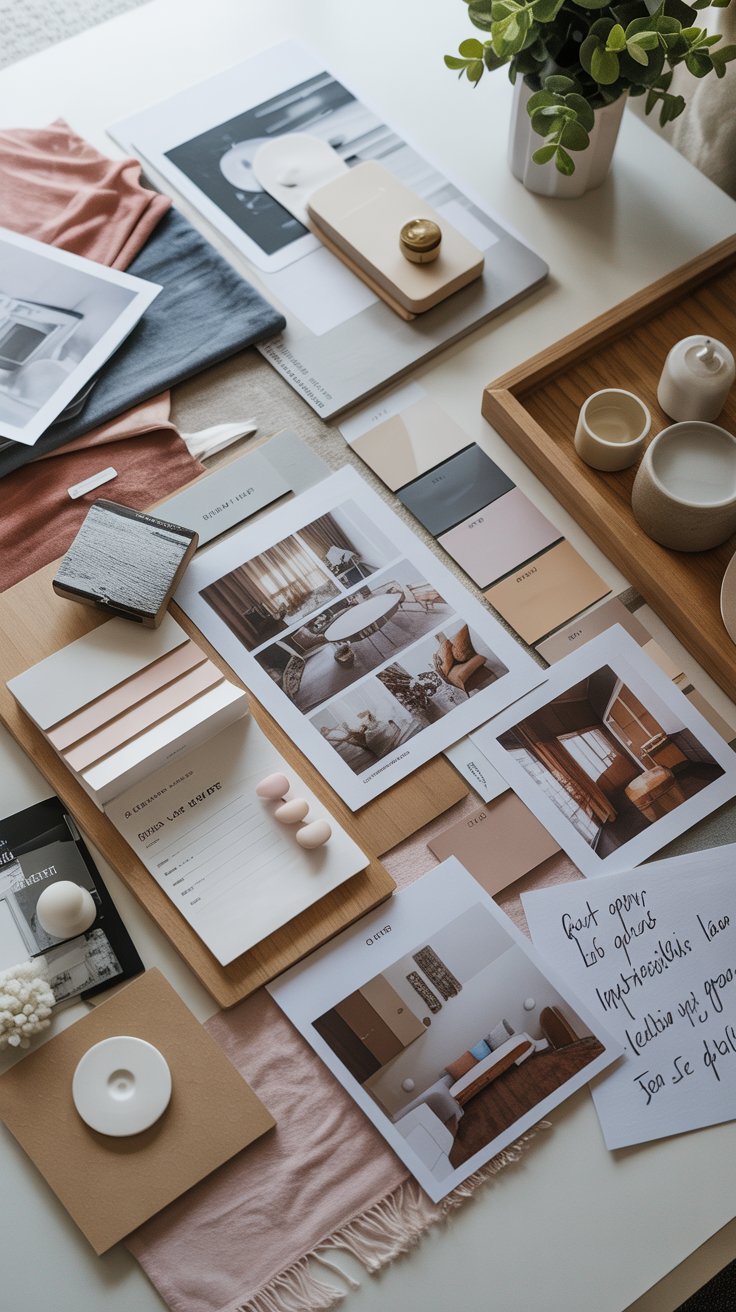
But how do you tune into your own authentic style, especially when you’re constantly bombarded with outside influences? It’s a process of introspection and observation. Here are a few tips to get you started:
Look to Your Wardrobe
Your closet is often the most personal expression of your taste. What colors, patterns, and textures do you gravitate towards? Do you prefer tailored, structured pieces or soft, flowing fabrics? These preferences can be a powerful clue to the kind of atmosphere you’ll find most comfortable at home. If your wardrobe is full of classic, timeless pieces in neutral colors, you might be drawn to a more minimalist, serene home. If you love bold patterns and bright colors, you might be happier in a more eclectic, vibrant space.
Think About Places, Not Just Pins
Instead of scrolling through Pinterest, think about the real-world places where you’ve felt most at ease. Was it a cozy, book-filled library? A minimalist art gallery? A rustic cabin in the woods? A vibrant, bustling café? The feeling these places evoke is a powerful starting point for your own design. Try to deconstruct that feeling. What elements contributed to it? The lighting? The colors? The materials? The sounds? The smells? By identifying the key ingredients of the places you love, you can start to recreate that feeling in your own home.
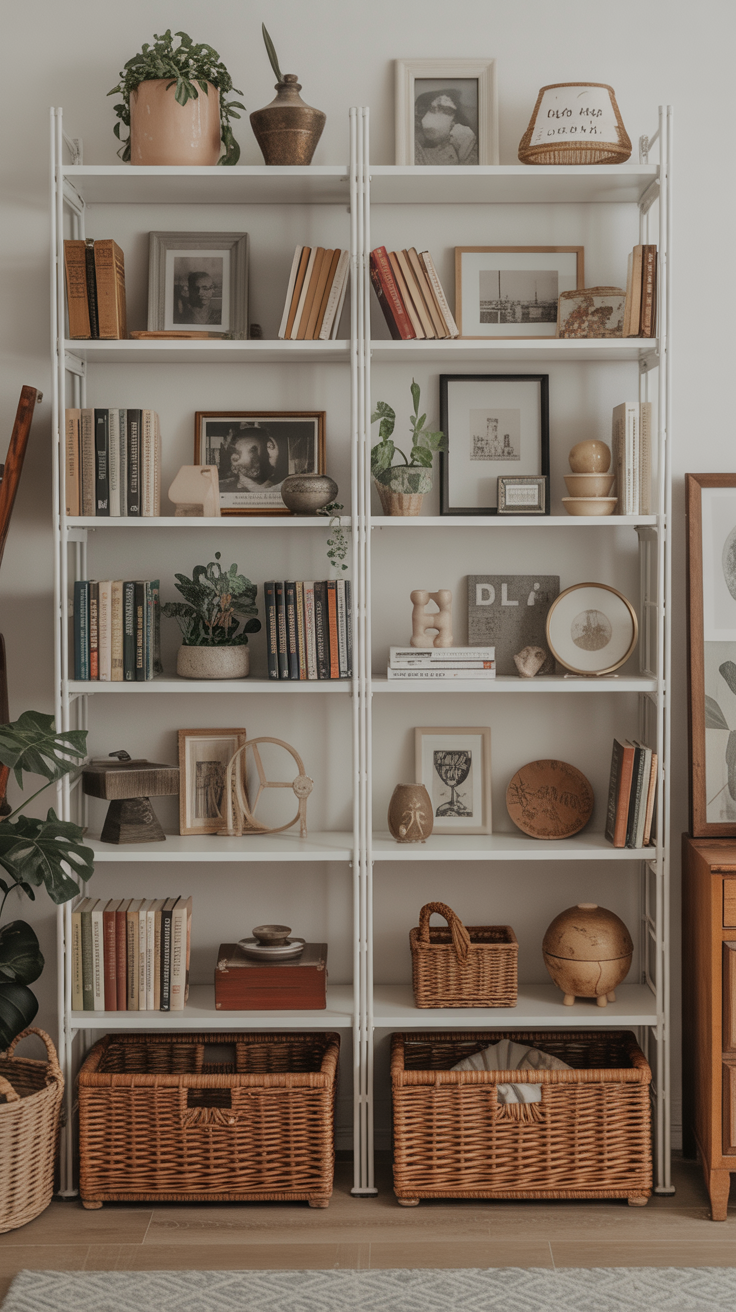
Create a Private Inspiration Board
Create a mood board—digital or physical—but keep it entirely for yourself. The goal isn’t to create something for an audience, but to collect images that you have a gut reaction to, without overthinking why. After a while, you’ll start to see patterns emerge—a recurring color, a certain type of lighting, a specific material—that form the foundation of your personal style.
The “Five Things” Exercise
Imagine you have to evacuate your home and can only save five objects (people and pets are safe). What would you choose? This is a powerful exercise for identifying what you truly value. Are your five things sentimental? Beautiful? Functional? Do they represent a memory, a passion, or a person? The answers to these questions will give you a glimpse into your core values, which should be the foundation of your home’s design.
Write Your “Style Story”
Take a few minutes to write a short paragraph describing your ideal home. Don’t focus on what it looks like; focus on how it feels. For example: “My ideal home is a calm, quiet retreat filled with books, natural light, and the smell of fresh coffee. It’s a place where I can think, create, and recharge. It’s cozy, comfortable, and uncluttered.” Or: “My ideal home is a vibrant, energetic hub for friends and family. It’s filled with music, laughter, and the delicious aromas of cooking. It’s a place for connection, celebration, and joy.” This “style story” becomes your North Star, a guiding principle that you can refer back to whenever you’re making a design decision.

The Art of the Mix: Making Your Treasures Work Together
Once you start collecting pieces you genuinely love, the next question is inevitable: how do you make them all work together? The fear of creating a chaotic, disjointed space is what often sends people running back to the safety of a pre-packaged trend. But creating a cohesive look from eclectic pieces is easier than you think. It’s not about matching; it’s about creating harmony.
Find a Common Thread
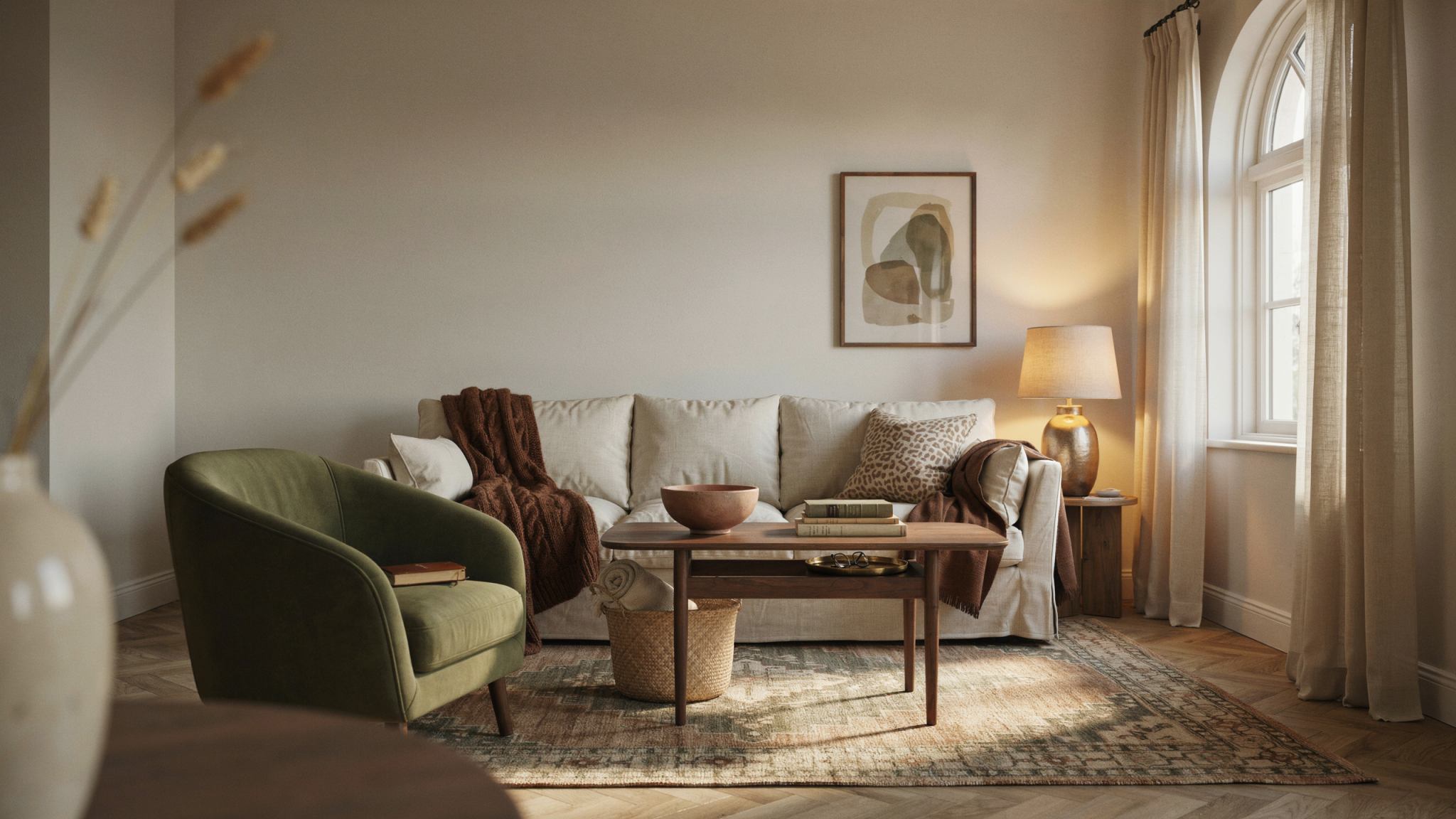
A consistent color palette is the single most effective tool for unifying a room. You can have a Victorian-era sofa, a mid-century modern coffee table, and contemporary art, but if they all share or complement a core group of colors, they will feel connected. A bold rug or a unifying wall color can act as the anchor that ties everything together.
Play with Scale and Proportion
Variety in scale is what makes a room interesting. A large, modern sofa can be beautifully balanced by a collection of smaller, antique side tables. Don’t be afraid to mix big with small, tall with short. This dynamic interplay creates visual interest and ensures that no single piece dominates the room.
The 80/20 Rule
This is a great guideline for beginners. Let about 80% of your room consist of a neutral, calming base—think neutral walls, a simple sofa, or a classic rug. Then, use the remaining 20% for your more eclectic, personal, and bold pieces. This allows your special items to truly shine without overwhelming the space.
Repetition Is Your Friend
Create a sense of rhythm and harmony by repeating a color, a material (like a specific wood tone or metal), or a shape throughout the room. That brass lamp you love? Echo its finish in the hardware on a cabinet or the frame of a picture. This subtle repetition helps the eye move around the room and connects the different elements.
Bridge Styles with a “Translator” Piece
Sometimes, you need a piece that acts as a bridge between two different styles. For example, if you have a very traditional sofa and a very modern coffee table, a rug that incorporates both traditional patterns and modern colors can tie them together. A piece of art that shares colors with both traditional and modern elements in the room can also act as a translator.
The Slow Decorating Movement: An Antidote to Fast-Fashion Interiors
In a world of instant gratification, the idea of taking things slow can feel revolutionary. But that’s exactly what the “slow decorating” movement is all about. It’s a conscious choice to reject the fast-fashion mentality of interior design and instead, to build a home over time, piece by meaningful piece.
Slow decorating is about savoring the process. It’s about living in a space, understanding its quirks and its light, and then making thoughtful decisions about what to bring into it. It’s about saving up for that one special piece you’ll cherish for a lifetime, rather than filling your home with disposable, trendy items that will end up in a landfill in a few years.
This approach not only results in a more personal and authentic home, but it’s also more sustainable. By choosing well-made pieces that you truly love, you’re less likely to replace them, which means less waste and a smaller environmental footprint. It’s a win-win for you and the planet.
Where to Find Unique Pieces: A Treasure Hunter’s Guide
So, where do you find these unique, personal pieces that will tell your story? The answer is: everywhere but the big-box stores. Here are a few places to start your treasure hunt:
Flea Markets and Antique Shops
This is where the real magic happens. Flea markets and antique shops are treasure troves of one-of-a-kind finds with a history. You might find a vintage armchair with the perfect patina, a set of hand-painted dishes, or a quirky piece of art that speaks to you. Don’t be afraid to dig, to haggle, and to fall in love with the unexpected.
Artisan Markets and Craft Fairs
Support independent artists and makers while finding beautiful, handcrafted pieces for your home. From ceramics and textiles to furniture and lighting, artisan markets are a great place to find items that are made with skill, passion, and a personal touch.
Your Own Family’s Attics and Basements
Sometimes, the most meaningful pieces are the ones that are already in your family. That old armchair in your grandmother’s attic? With a little love and new upholstery, it could be the star of your living room. That set of dishes your parents received as a wedding gift? It could be the start of a beautiful collection. These pieces are not just objects; they are a tangible connection to your history and your heritage.
Travel Souvenirs
Instead of buying a generic souvenir, bring back something for your home that will remind you of your travels. A hand-woven rug from Morocco, a ceramic vase from Mexico, a piece of art from a local gallery—these are the things that will infuse your home with a sense of adventure and a global perspective.
Beyond the Living Room: Infusing Authenticity into Every Corner
This philosophy of personal expression isn’t just for the main living areas. It can and should be applied to every room in your home.
The Kitchen: The Heart of the Home
Instead of chasing the latest cabinet color or countertop material, think about how you use your kitchen. Are you a passionate cook who needs a functional, durable space? Or are you a social butterfly who uses the kitchen as a gathering spot for friends and family? Let your lifestyle dictate the design. Display your grandmother’s collection of colorful mixing bowls. Hang a piece of art that makes you smile. Choose a backsplash tile that you’ll love for years to come, not just for a season.
The Bedroom: Your Personal Sanctuary
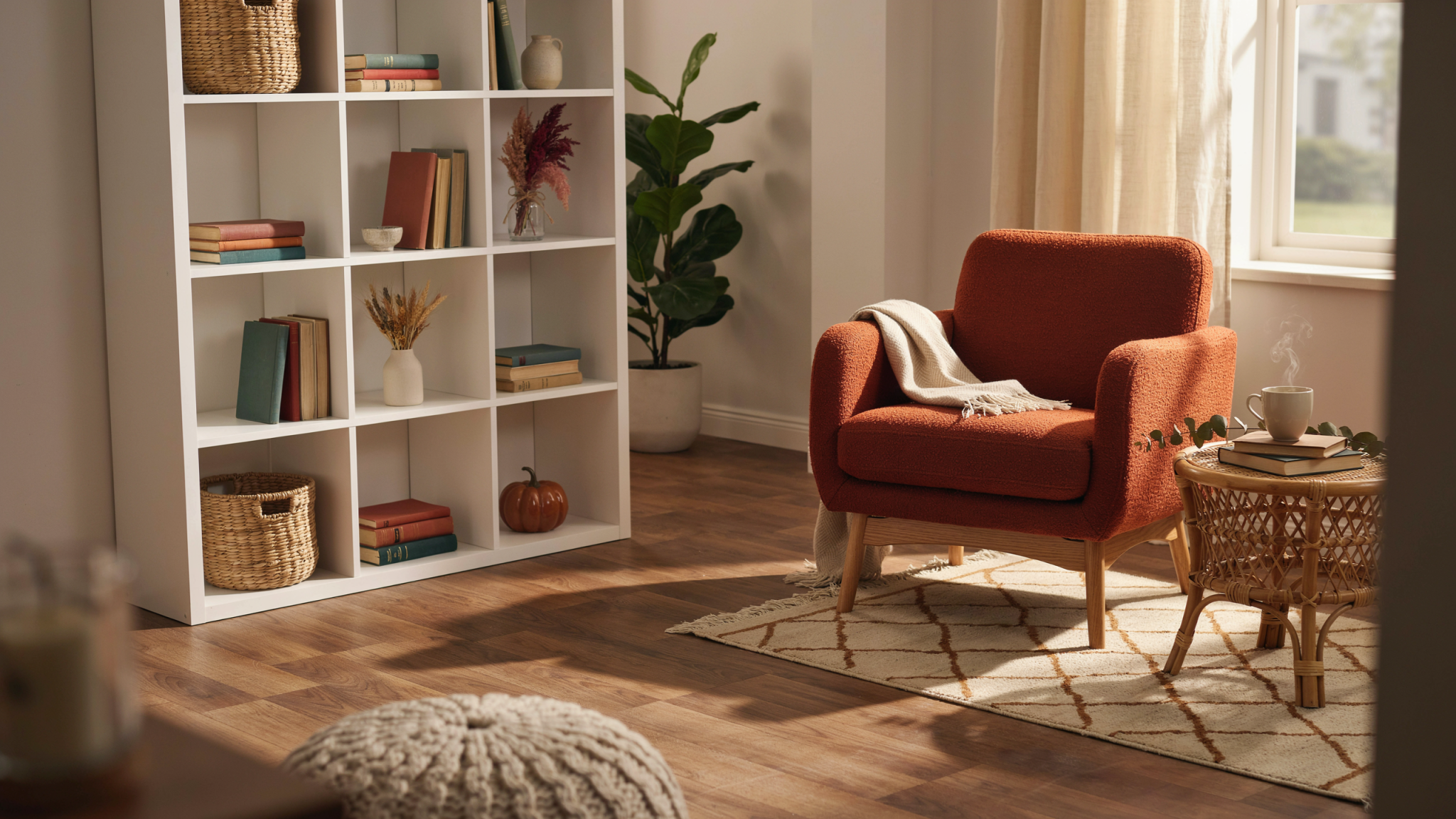
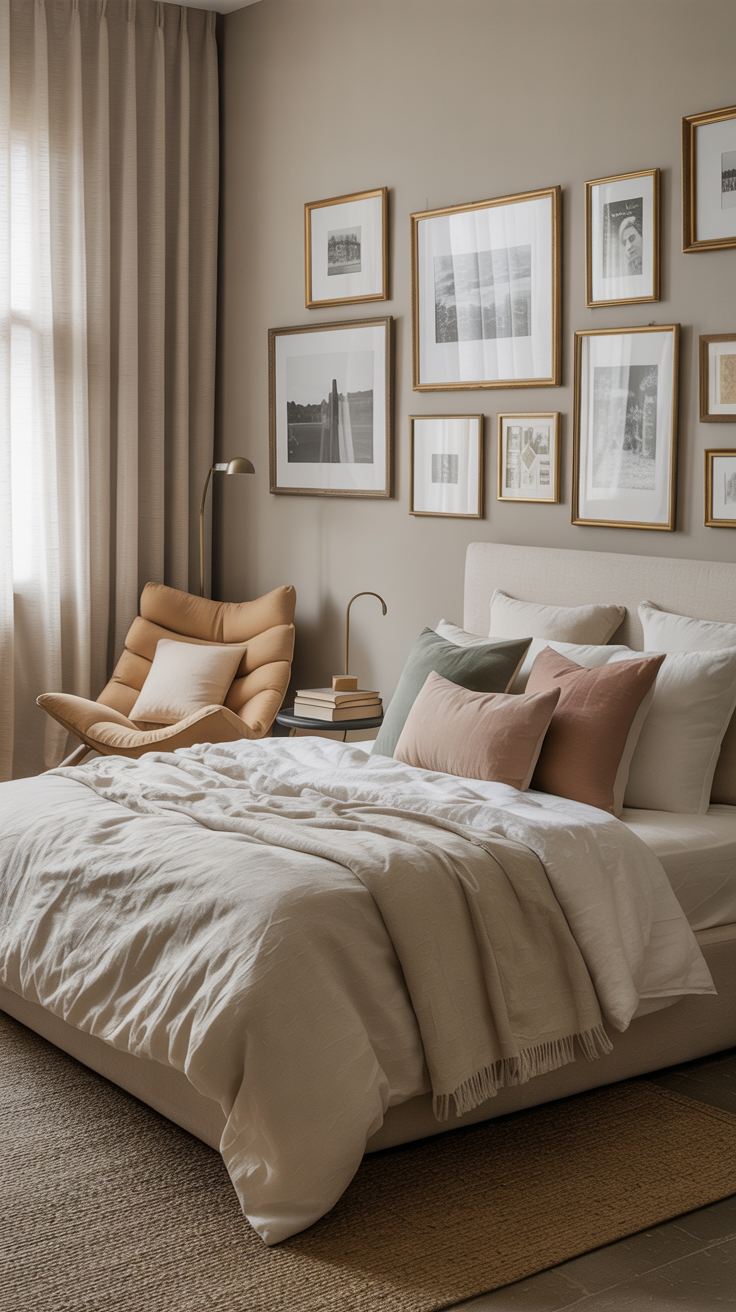
Your bedroom should be the most personal room in your home. It’s your retreat, your sanctuary, the one place where you can truly be yourself. Forget about what a “master bedroom” is supposed to look like. Do you love to read in bed? Create a cozy reading nook with a comfortable chair and good lighting. Do you need a calm, serene space to unwind? Choose a soothing color palette and invest in high-quality bedding. Do you love to be surrounded by memories? Create a gallery wall of personal photos and mementos.
The Bathroom: A Space for Ritual and Renewal
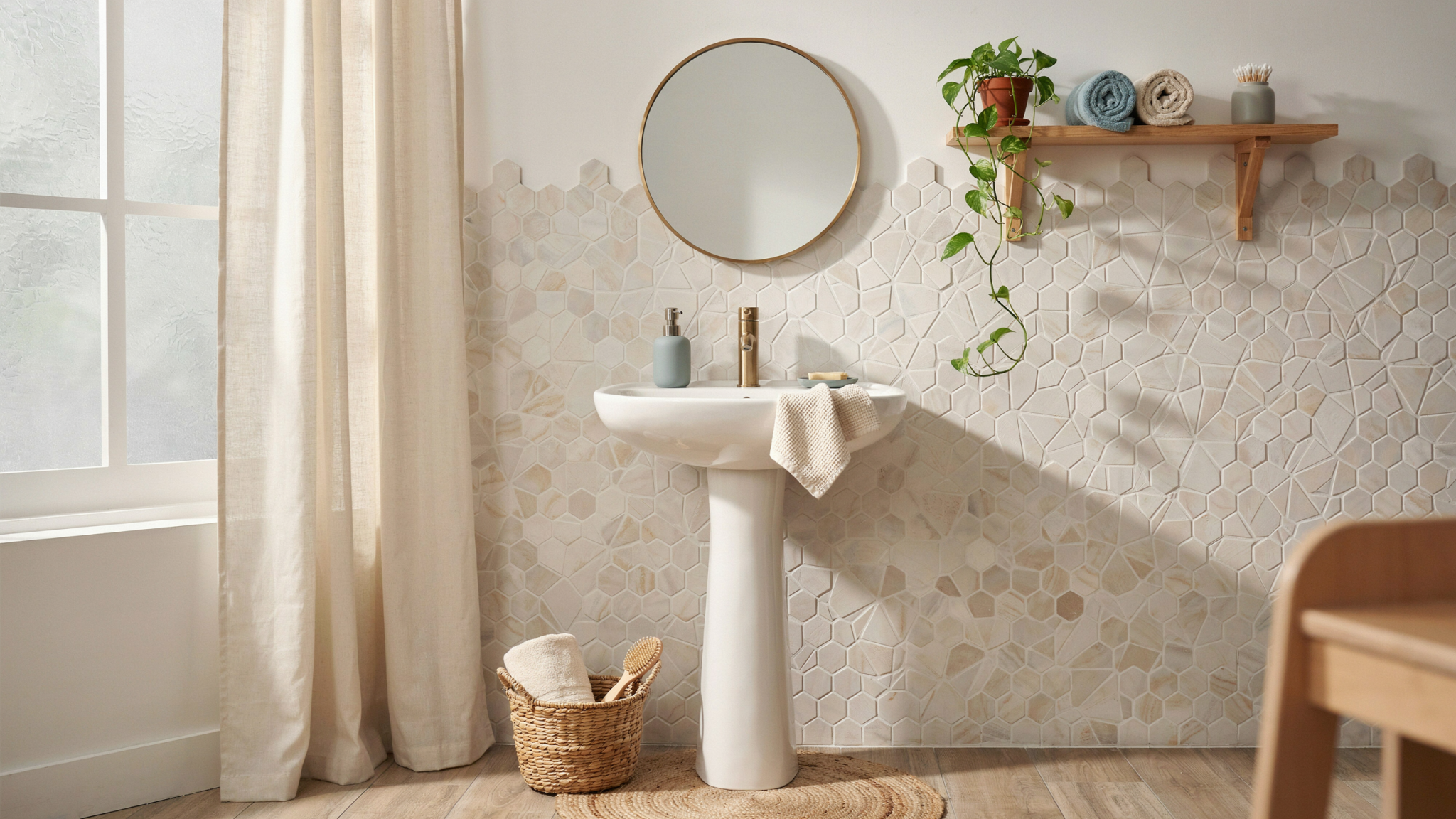
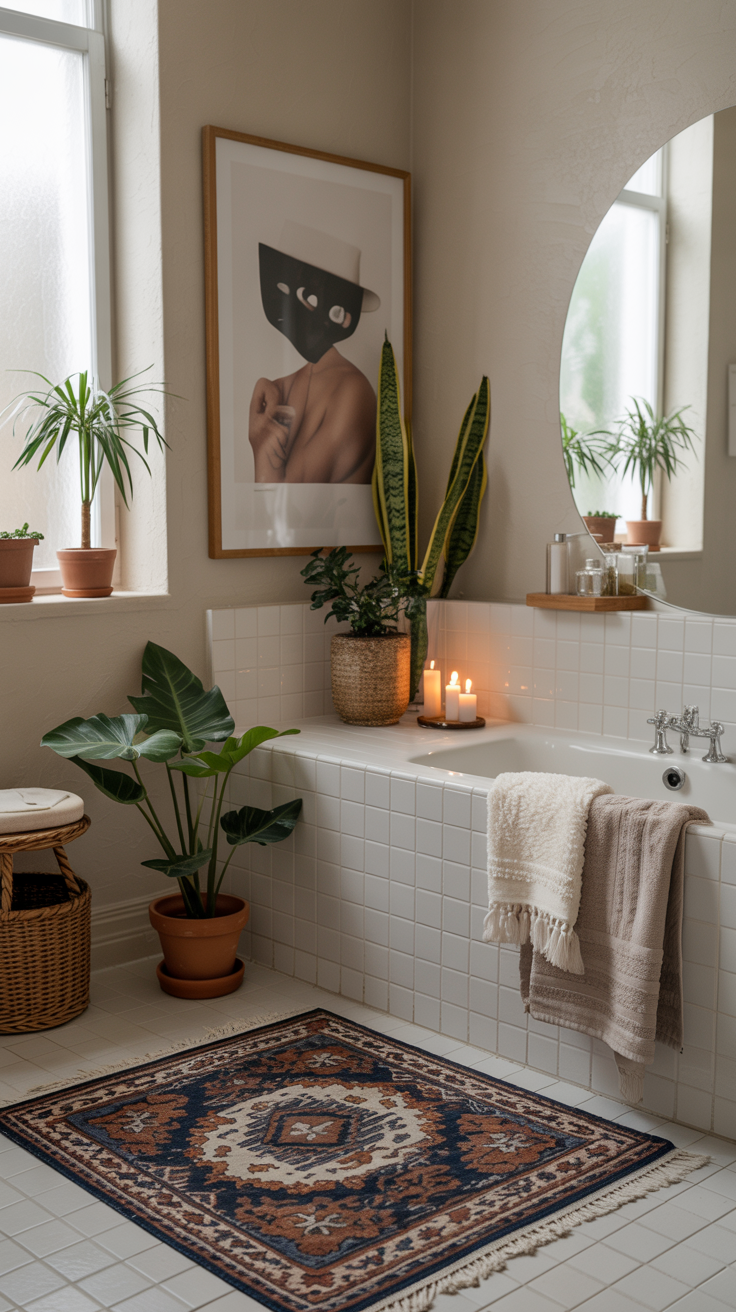
Even the bathroom can be a reflection of your personality. Instead of a generic, hotel-style bathroom, why not create a space that feels like a personal spa? Add a vintage rug, a unique piece of art, or a beautiful plant. Choose a shower curtain with a pattern you love. Invest in luxurious towels and a beautifully scented candle. These small touches can transform a purely functional space into a place of ritual and renewal.

The Joy of the Evolving Home
Perhaps the most important thing to remember is that a home is not a static object. It’s a living, breathing entity that evolves with you. It’s a collection of stories, a repository of memories, a reflection of your journey. Don’t be afraid to experiment, to make mistakes, to change your mind. The most beautiful homes are not the ones that are perfect; they are the ones that are loved.
So, as we head into a new year, I urge you to embrace the most important trend of all: authenticity. Let’s make this the year we stop scrolling and start creating. Let’s build homes that are as unique as we are, spaces that tell our stories and reflect our passions. Let’s champion the personal, the eclectic, and the one-of-a-kind. Because in a world of copy-and-paste design, the most rebellious and beautiful thing you can do is to be yourself.