Bathrooms are more than just functional spaces—they’re personal retreats. They’re where you start your day with energy and end it with relaxation. With so many design choices—tiles, vanities, fixtures, lighting, and storage—the process of creating your dream bathroom can feel overwhelming.
Recently, I decided to take a bold step: I asked AI to design my dream bathroom on a $15,000 budget. I was curious: Could artificial intelligence understand my style, prioritize my must-haves, and stay within budget? The results were surprising, inspiring, and, in some cases, a little unexpected. Here’s the full story of how AI helped shape my dream bathroom.
Why I Turned to AI for Bathroom Design
Designing a bathroom can feel daunting for a few reasons:
Too many options: There are endless choices for tiles, vanities, faucets, mirrors, and lighting.
Budget constraints: It’s easy to get carried away with luxury materials.
Time constraints: Researching products, comparing styles, and visualizing layouts can take weeks—or months.
AI offered a unique solution. I wanted a tool that could:
Analyze my preferences
Suggest layouts and finishes
Optimize a design to fit my $15,000 budget
Provide a visual concept I could take to a contractor or designer
After feeding my style preferences, measurements, and priorities into the AI platform, I hit “generate,” and within minutes, I had a concept to work with.

Step 1: Setting the Parameters
Before letting AI work its magic, I had to define the scope:
Budget: $15,000
Size: Approximately 120 square feet
Style: Modern with warm, natural elements
Must-Haves:
Double vanity with storage
Walk-in shower with glass enclosure
Freestanding tub
Heated flooring (if budget allowed)
Ample storage and lighting
These parameters were crucial. Without them, AI could have suggested anything from extravagant marble floors to over-the-top luxury fixtures, which would blow my budget.
Step 2: The AI-Generated Layout
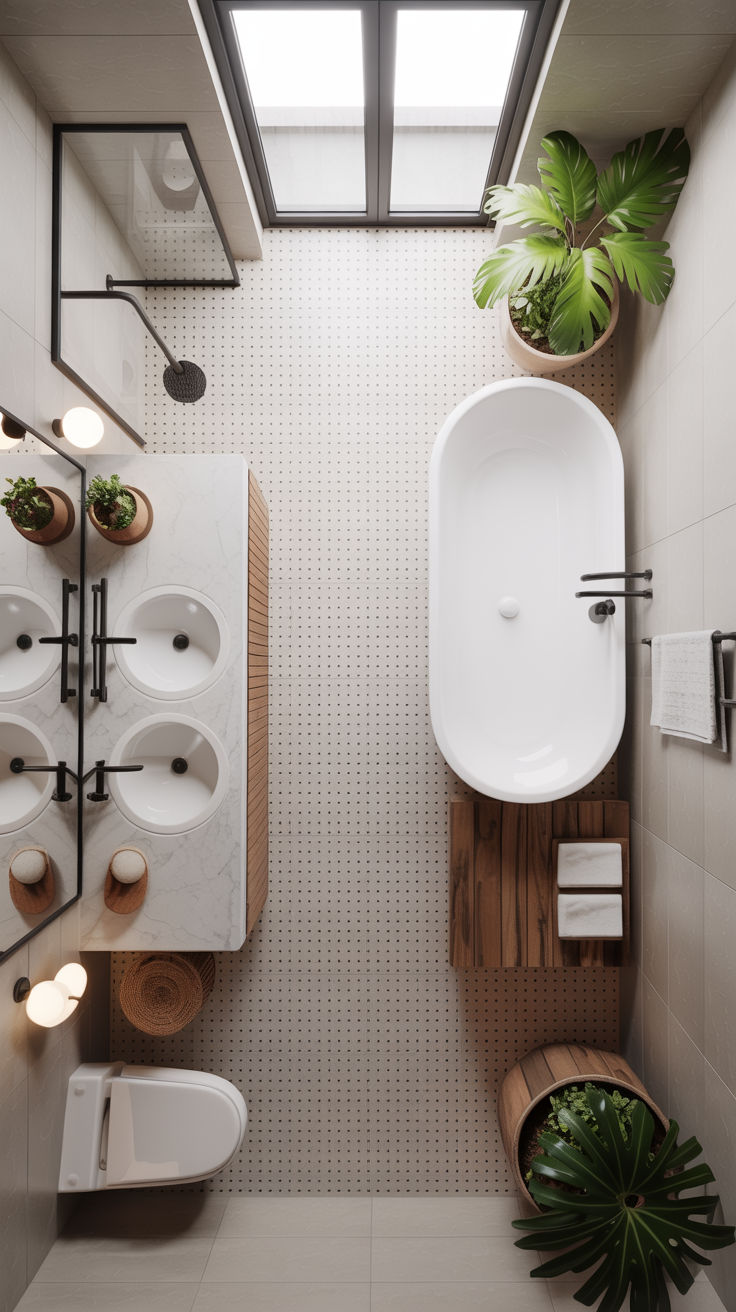
Within minutes, AI provided a floor plan and layout. Here’s what I got:
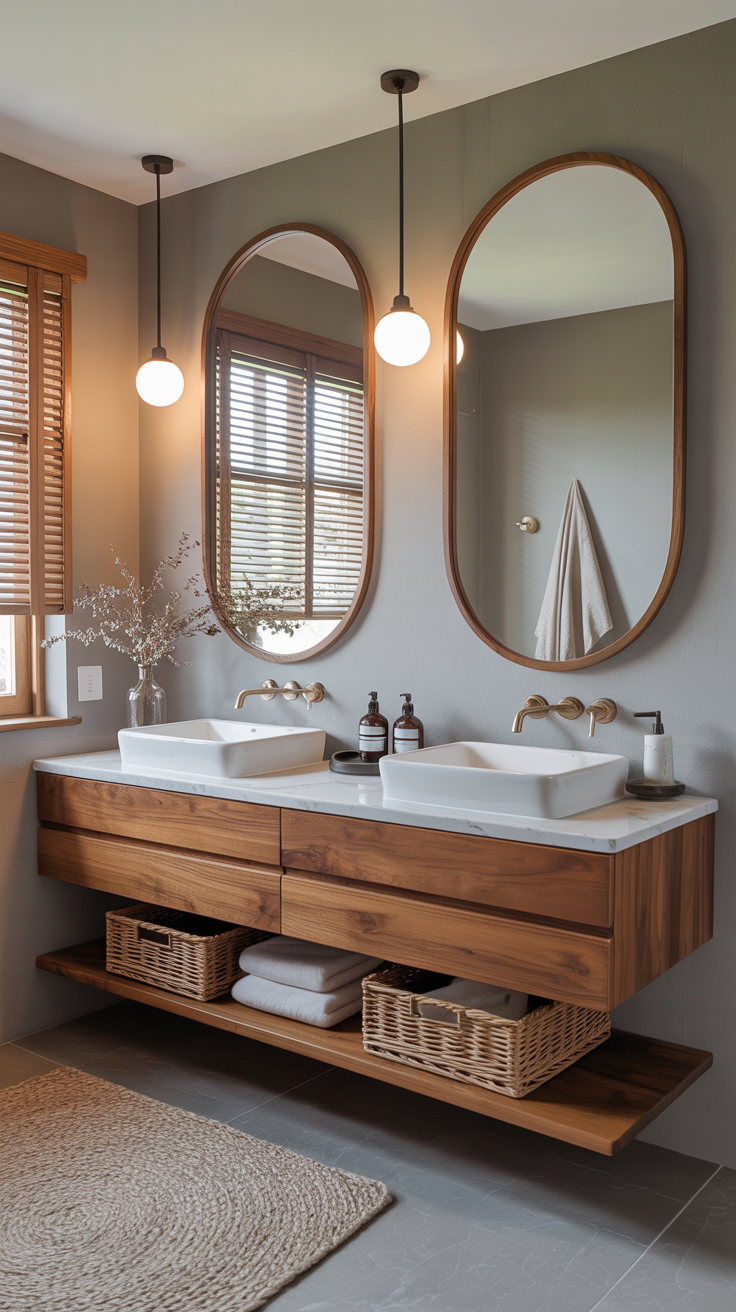
Double Vanity: AI suggested a floating vanity in natural wood tones with soft-close drawers, maximizing under-vanity storage while keeping the space airy. It also recommended a quartz countertop that is durable and low-maintenance.
Walk-In Shower: The shower was placed in a corner with frameless glass, a rainfall showerhead, and a bench. AI suggested porcelain tiles that mimic natural stone for a spa-like feel while staying within budget.
Freestanding Tub: AI suggested a compact, sleek tub near a window to maximize natural light. The design positioned the tub as a centerpiece without crowding the room.
Heated Flooring: The AI recommended installing radiant floor heating in the areas near the shower and tub for comfort, but suggested cost-saving alternatives like strategically placing heated zones rather than heating the entire floor.
Lighting: Layered lighting was suggested—vanity lights, recessed ceiling lights, and accent LED strips around mirrors—to make the space functional and ambient.
The layout balanced luxury and functionality while staying realistic for a mid-range budget.
Step 3: Material and Finish Recommendations
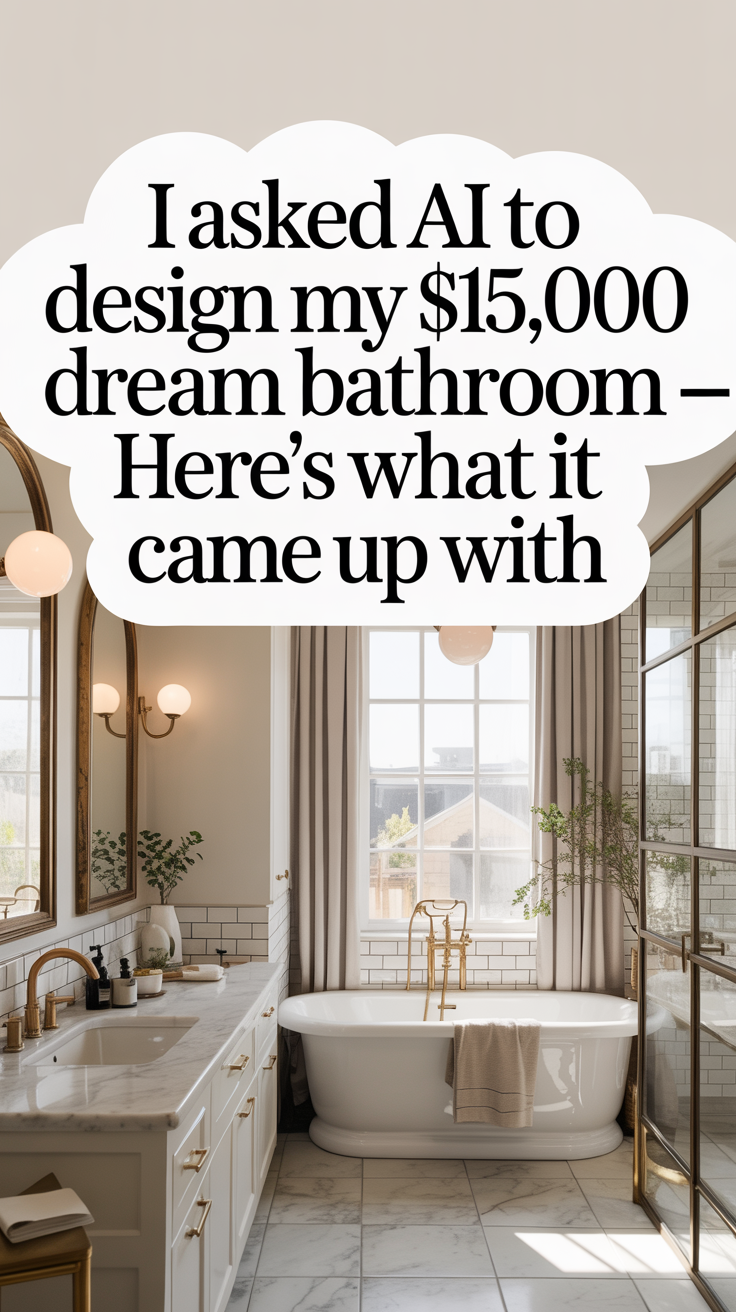
AI didn’t just stop at the layout. It provided specific material and finish suggestions to give the bathroom a high-end feel without overspending:
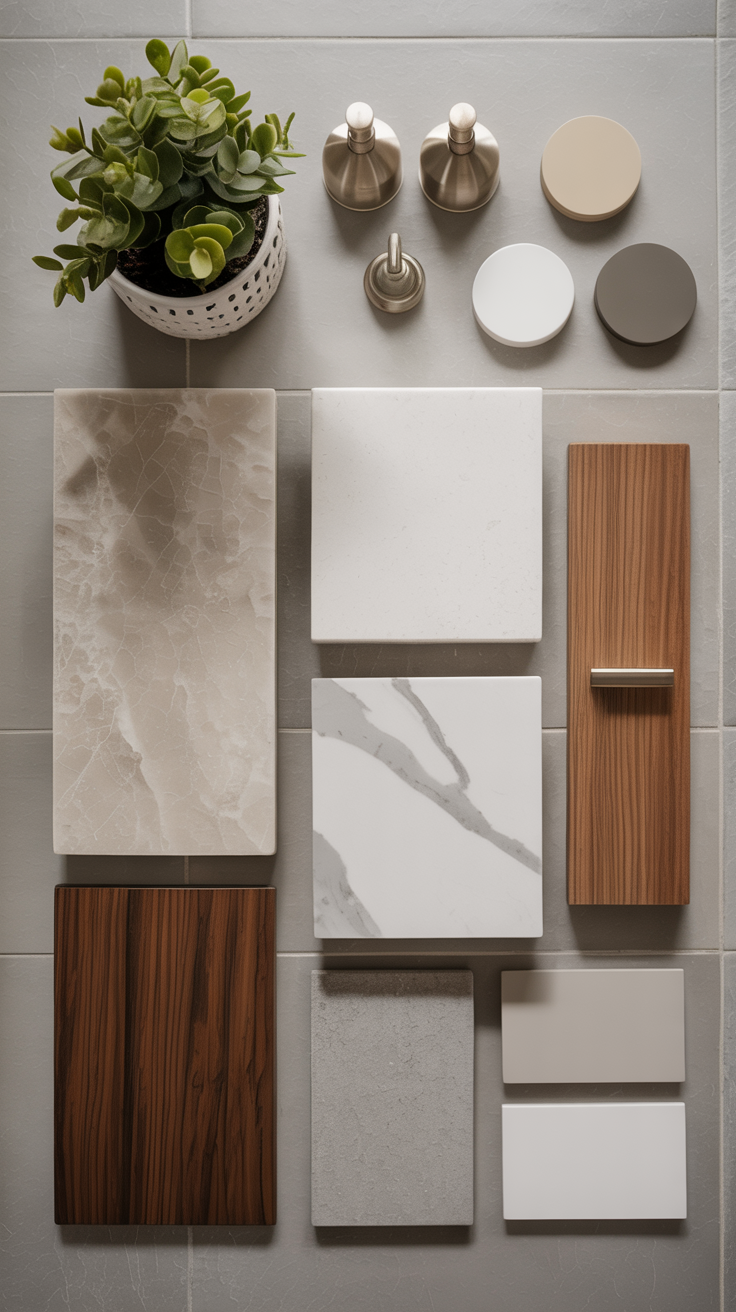
Flooring: Porcelain tile in a matte stone-look finish, budget-friendly yet elegant.
Walls: White subway tiles in the shower for timeless appeal, paired with a soft neutral paint elsewhere.
Countertops: Quartz in a warm beige tone with subtle veining.
Cabinetry: Floating walnut or oak vanities, chosen for durability and warmth.
Fixtures: Brushed nickel faucets and showerheads for a contemporary look without the cost of polished brass.
Accessories: Minimalist towel racks, sleek mirrors with LED backlighting, and hidden storage for toiletries.
AI’s material suggestions balanced durability, aesthetic appeal, and cost efficiency, keeping the $15,000 budget in mind.
Step 4: Budget Breakdown
One of the most impressive parts of the AI design was budget allocation. It provided a detailed breakdown:
Vanity & Cabinets: $4,500
Tub & Shower: $3,500
Tiles & Flooring: $3,000
Fixtures & Faucets: $1,500
Lighting & Accessories: $1,000
Labor & Installation: $1,500
This level of detail was helpful because it showed me exactly where I could upgrade or save. For example, if I wanted a higher-end vanity, I could reduce flooring costs slightly.
Step 5: AI’s Styling Advice
Beyond layout and materials, AI also suggested styling tips to make the space feel cohesive and high-end:
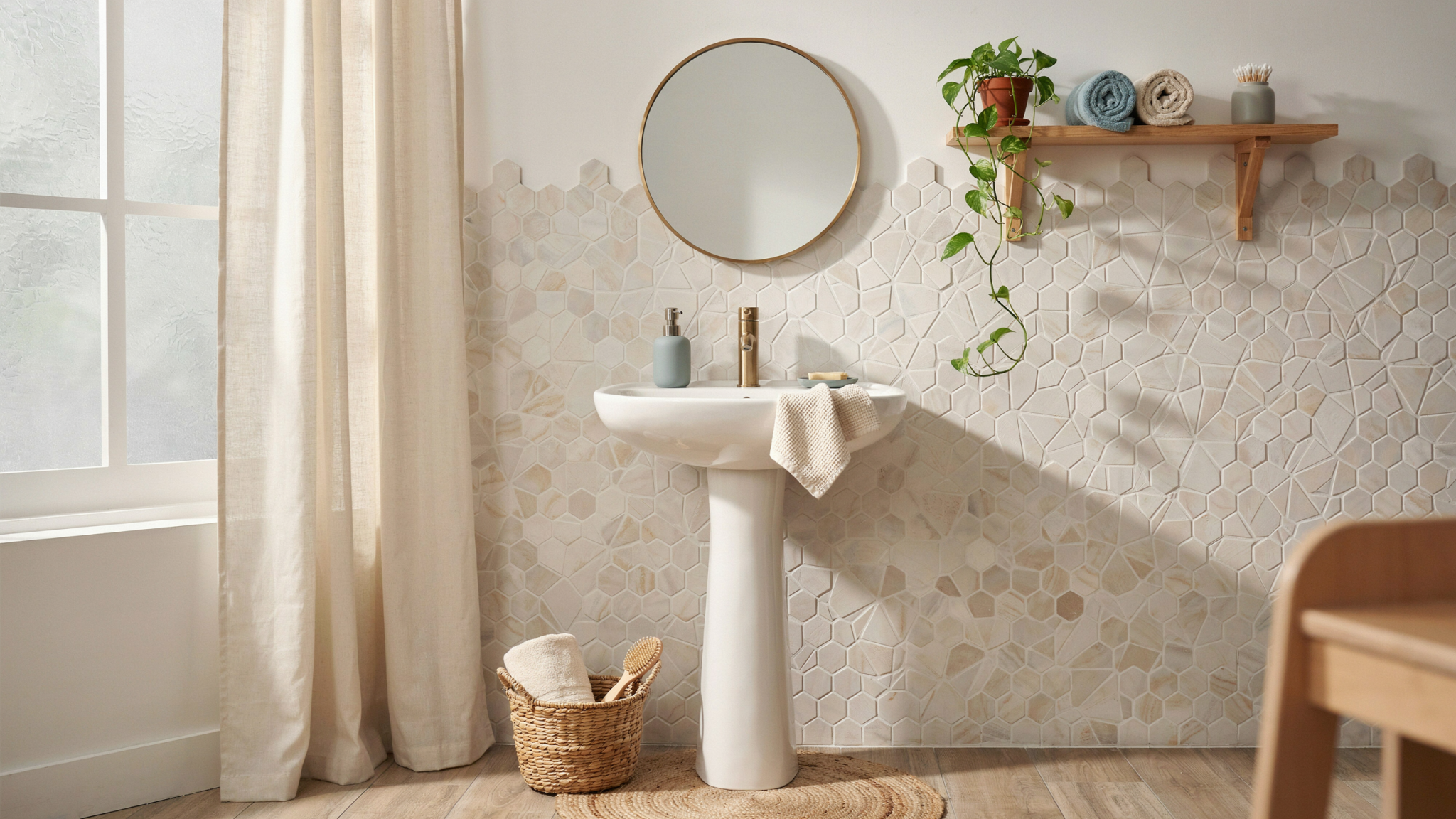
Add plants near the tub for a spa-like vibe
Use neutral, textured towels and rugs to add warmth
Incorporate subtle metallic accents in accessories
Keep surfaces clutter-free to maintain a clean, airy feel
These suggestions helped me visualize how the bathroom would look once fully styled—something I often struggle with when using mood boards alone.

Step 6: Pros of Using AI for Bathroom Design
After reviewing the AI-generated design, several benefits became clear:
Speed: The AI provided a comprehensive layout, material suggestions, and budget breakdown in minutes.
Cost Awareness: Budget-conscious suggestions helped me avoid overspending on non-essential items.
Visualization: I could see how materials, finishes, and layouts would work together before making any purchases.
Customization: AI allowed me to input style preferences and must-haves, creating a highly personalized concept.
For anyone who feels overwhelmed by bathroom design, AI can be a powerful starting point.
Step 7: Limitations of AI
While AI was impressive, it wasn’t perfect:
Lack of tactile experience: AI suggested materials, but I couldn’t feel the texture or see the exact color in real life.
Local availability: Some product suggestions were not available in my area or required special orders.
Creative nuance: AI provided a functional layout, but certain design “spark” elements—like how natural light hits the tub—needed my judgment.
Ultimately, AI is best used as a starting point, not a complete replacement for human expertise or personal taste.
Step 8: My Takeaways from the AI Design
After reviewing AI’s design, I realized:
AI accelerates decision-making: It helped me narrow down options quickly.
Budget optimization is easier: I could see trade-offs clearly and make informed choices.
Inspiration is unlimited: AI introduced ideas I might not have considered, like mixing floating vanities with floor-mounted storage.
Human touch still matters: Lighting, accessories, and the final aesthetic still require personal input and experimentation.
Step 9: Bringing the AI Design to Life
Once I had the AI concept, the next steps involved making it real:
Confirming product availability locally
Getting contractor quotes for installation
Testing paint and tile samples
Adjusting minor layout elements based on my space
This phase reminded me that AI is a tool, not a replacement for thoughtful planning and hands-on work.
Step 10: Could You Use AI to Design Your Dream Bathroom?
Absolutely. Here’s why:
Budget-Friendly: AI can generate realistic designs that fit your financial parameters.
Time-Saving: It condenses weeks of research into minutes.
Idea Generation: AI can suggest layouts, color palettes, and materials you might not have considered.
Confidence: It provides a visual roadmap that helps you make final decisions with clarity.
Step 11: Tips for Using AI in Bathroom Design
If you’re considering AI for your own project, here are a few tips:
Define your budget upfront to avoid unrealistic suggestions.
Input your style preferences—modern, traditional, boho, spa-like, etc.
List your must-haves and deal-breakers for layout and fixtures.
Use AI as a guide, not the final word. Confirm dimensions, materials, and costs in real life.
Test samples in your space before finalizing finishes.

Step 12: The Verdict
AI exceeded my expectations in speed, creativity, and practicality. I walked away with a fully-realized $15,000 bathroom concept that blended style, function, and budget awareness. While human judgment and tactile experience remain essential, AI proved to be a powerful partner for modern home design.
Would I fully trust AI to finalize every detail? Not yet. But as a design starting point, it’s a game-changer. The combination of AI insight and personal touch results in a bathroom that feels both luxurious and livable—exactly what a dream bathroom should be.
Designing a bathroom is no small feat. Using AI, I learned that technology can:
Simplify overwhelming choices
Provide budget-conscious alternatives
Inspire creativity
Help visualize your dream space
For anyone hesitant about using AI in interior design, my advice is simple: try it, explore its ideas, and then add your personal flair. You might just find your dream bathroom faster than you imagined.