Interior design is constantly evolving—but not in the “rip everything out and start over” kind of way. As we head into 2026, the biggest design shift isn’t about chasing the newest trend. It’s about intentional spaces, timeless materials, and homes that feel lived-in, personal, and layered.
Many trends that once felt fresh and exciting are now starting to feel predictable, impractical, or simply disconnected from how we actually live. That doesn’t mean your home is “wrong”—it just means there’s an opportunity to refine, soften, and modernize your space in thoughtful ways.
Below, we’re breaking down 12 outdated design trends to ditch in 2026, plus exactly what to try instead so your home feels current without becoming trend-chasing or disposable.
1. All-White Everything
Why It’s Outdated
For years, all-white interiors dominated social media and home design. White walls, white kitchens, white sofas—it was clean, minimal, and photographable. But in reality, all-white homes often feel sterile, impractical, and oddly unfinished.
In 2026, homeowners are craving warmth, depth, and personality—things an all-white palette struggles to deliver.
What to Try Instead
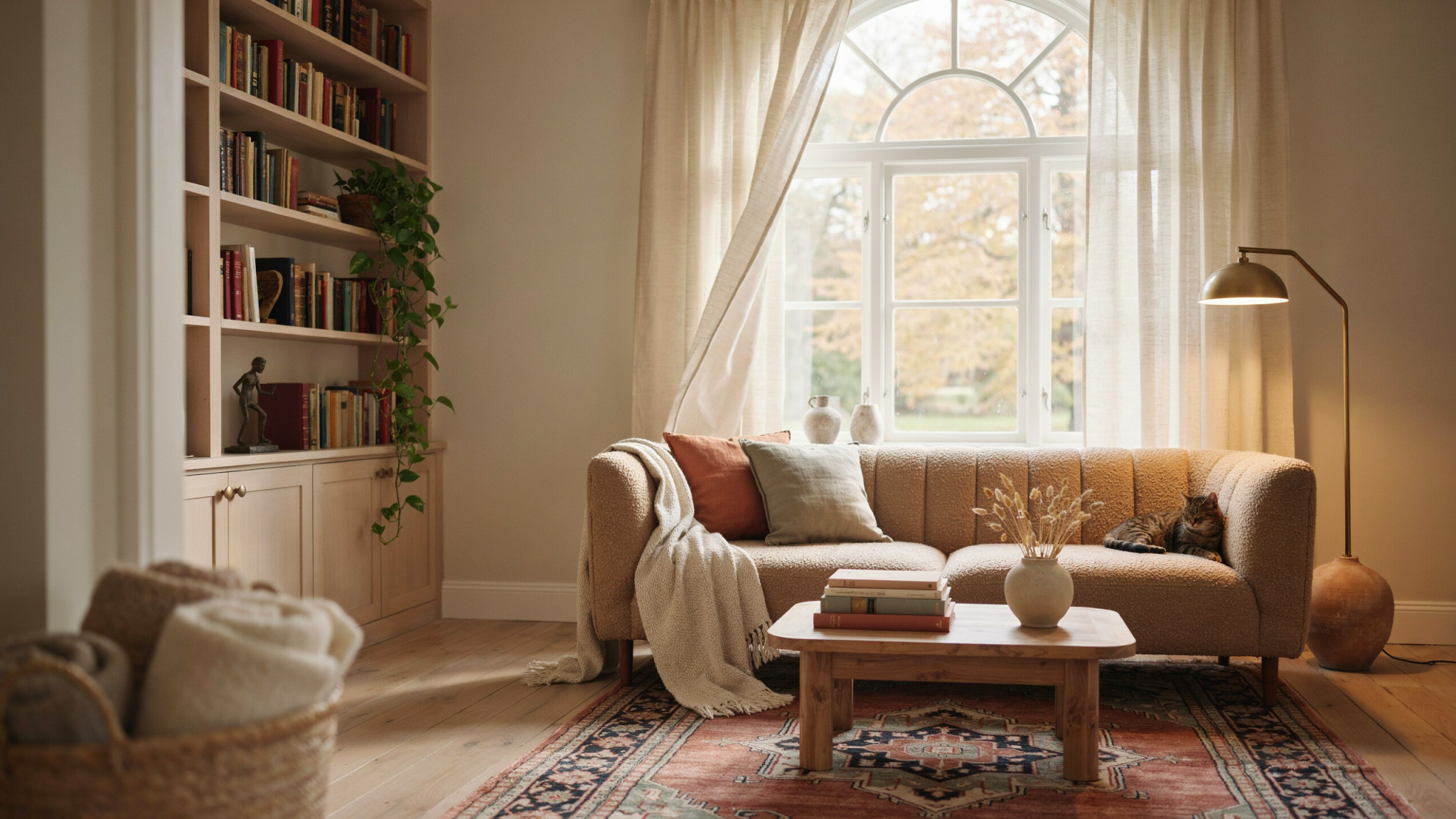
Warm neutrals and layered whites.
Instead of pure white, opt for:
Soft creams
Warm ivories
Greige or mushroom tones
Light taupes
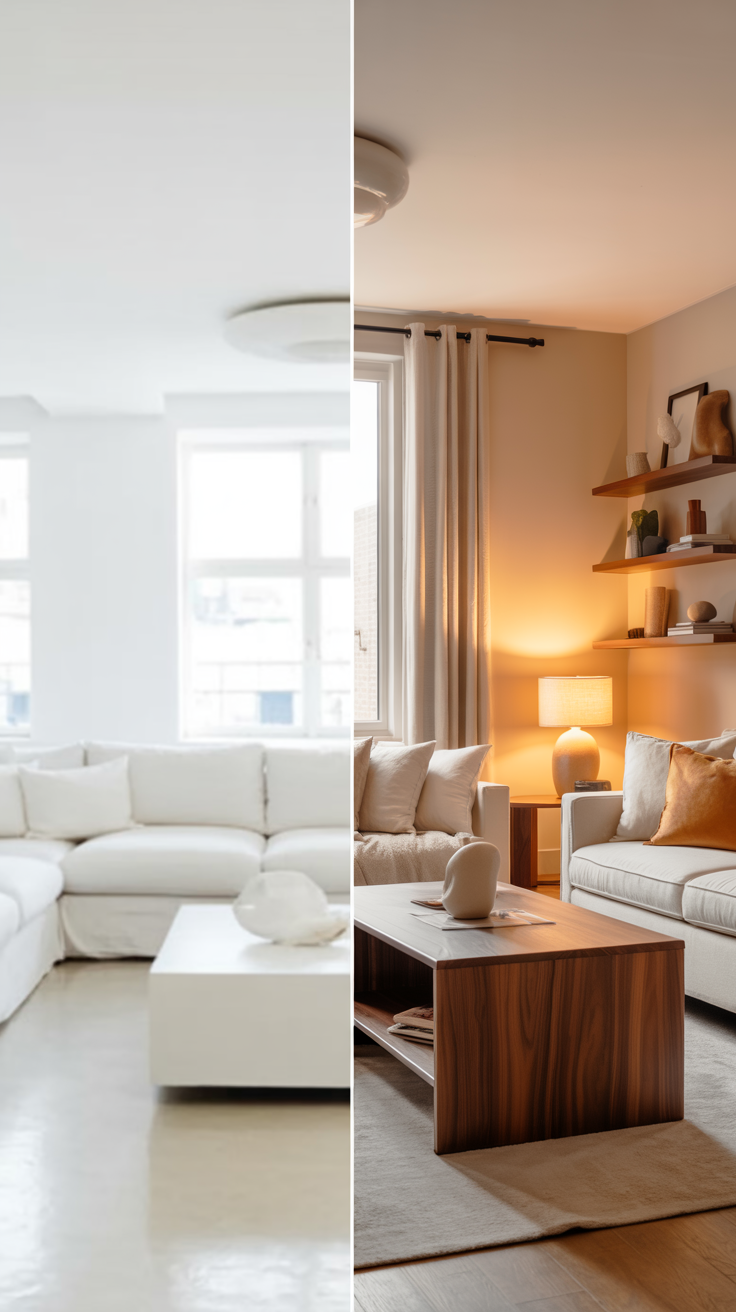
Layer different shades within the same space and introduce texture through wood, stone, plaster, and textiles. The goal is light and airy—but not clinical.
2. Ultra-Modern, High-Gloss Finishes
Why It’s Outdated
High-gloss cabinets, shiny floors, and ultra-sleek finishes once signaled “luxury,” but they now read cold and overly manufactured. They also show fingerprints, scratches, and wear far too easily.
Homes are moving away from looking like showrooms and toward spaces that feel human.
What to Try Instead
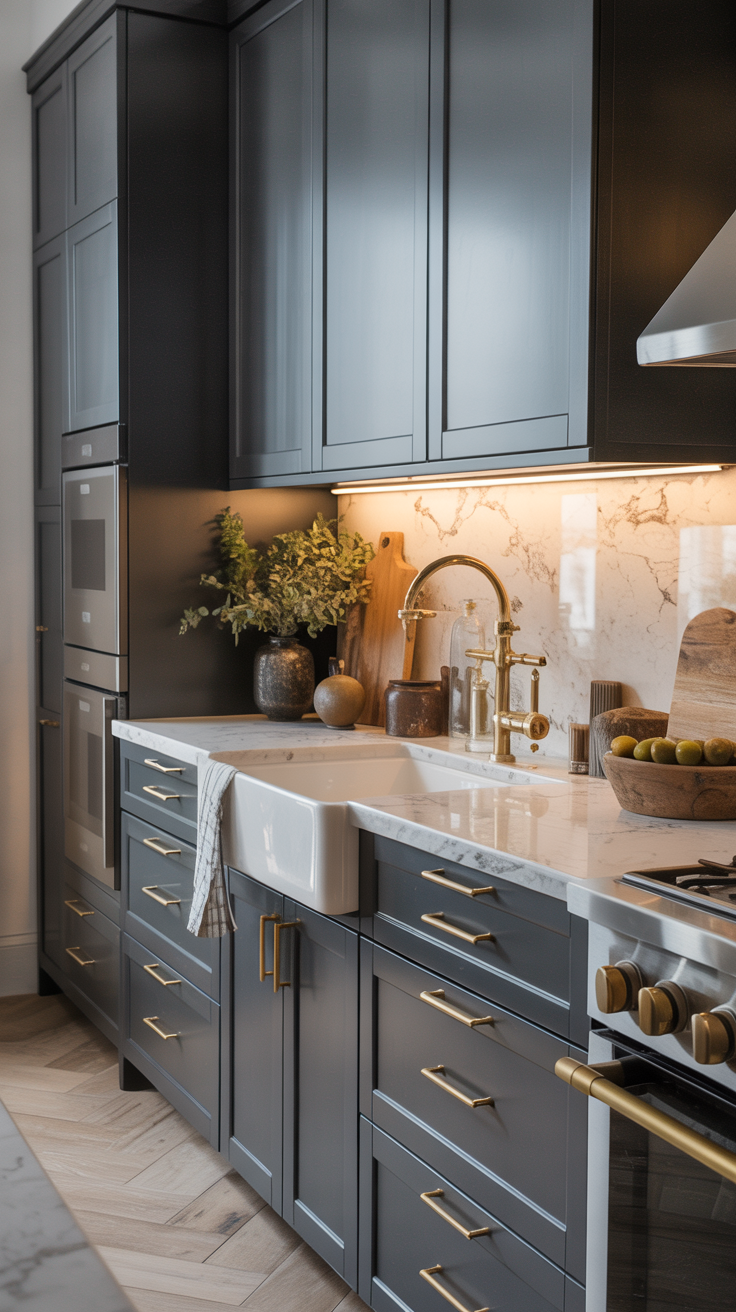
Soft matte finishes and tactile surfaces.
Think:
Satin or matte cabinetry
Honed stone countertops
Limewash or plaster walls
Brushed or antiqued metals
These finishes age beautifully and feel far more inviting.
3. Fast-Furniture Culture
Why It’s Outdated
Disposable furniture made purely for aesthetics (and price) is losing its appeal. Cheap materials, poor craftsmanship, and trend-driven designs often end up in landfills after just a few years.
In 2026, longevity matters.
What to Try Instead
Buy fewer, better pieces.
Invest in:
Solid wood furniture
Timeless silhouettes
Neutral foundations you can restyle over time
Mix in vintage or secondhand pieces for character and sustainability.
4. Overly Matchy-Matchy Rooms
Why It’s Outdated
Matching furniture sets, perfectly coordinated pillows, and “everything from one store” rooms feel flat and impersonal. While cohesive, they lack soul.
Homes are no longer meant to look staged—they’re meant to tell a story.
What to Try Instead
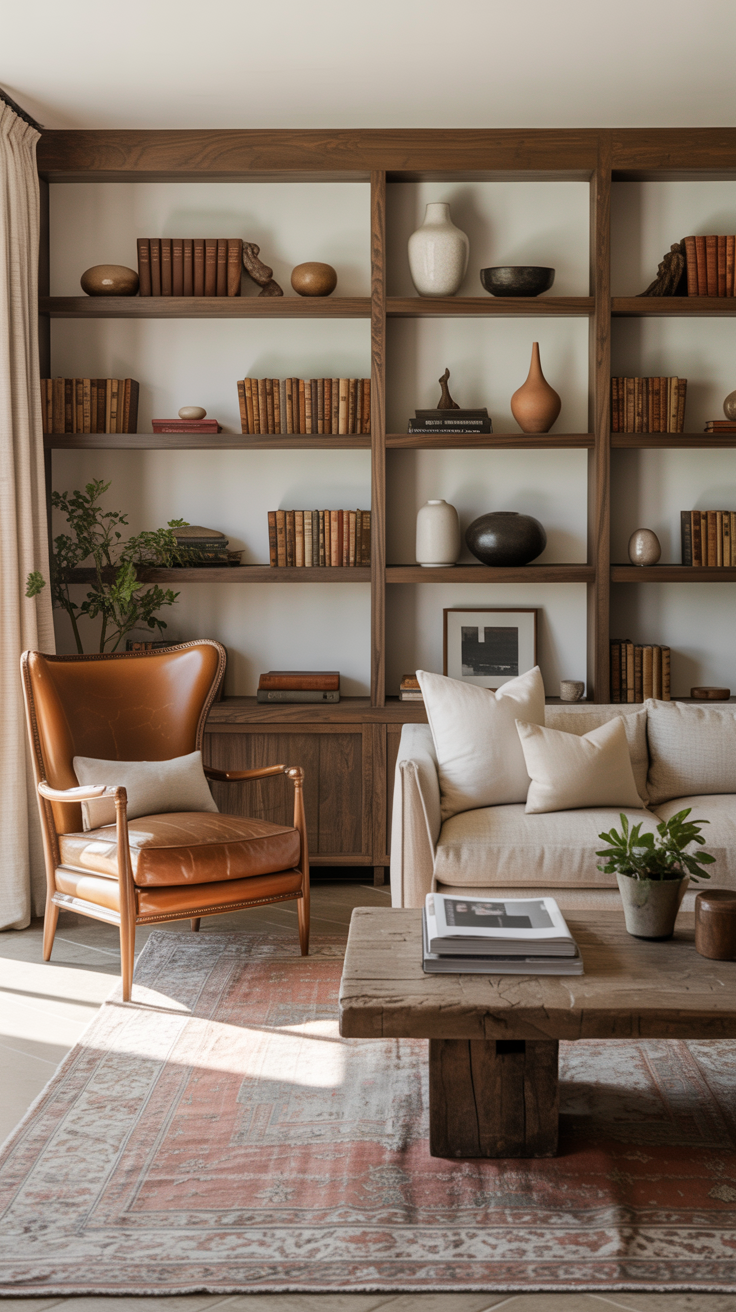
Collected, layered interiors.
Mix:
Different wood tones
Old and new pieces
Varied textiles and patterns
Aim for cohesion, not duplication. A room should feel curated over time, not purchased in one afternoon.
5. Gray-on-Gray Interiors
Why It’s Outdated
Gray had a long reign, especially in the 2010s. Gray floors, gray walls, gray cabinets—it was safe and modern. But in 2026, it feels flat and overdone.
Gray isn’t gone—but monotone gray spaces are.
What to Try Instead
Warm undertones and earth-inspired palettes.
Replace cool grays with:
Taupe
Clay
Sand
Olive
Soft browns
If you love gray, warm it up with wood, brass, leather, or creamy whites.
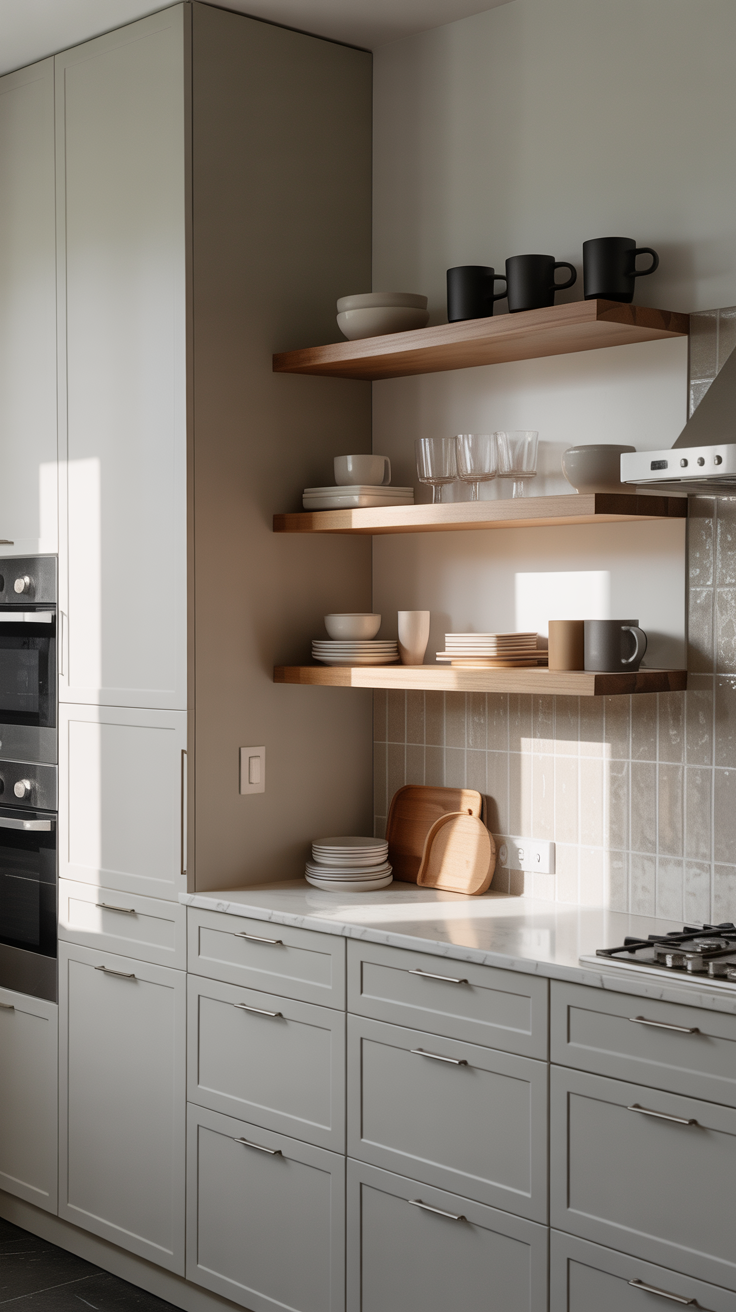
6. Open Shelving Everywhere
Why It’s Outdated
Open shelving in kitchens and bathrooms looks great in photos—but in real life, it requires constant styling and cleaning. Dust, clutter, and visual noise quickly take over.
The novelty has worn off.
What to Try Instead
A balance of open and closed storage.
Use open shelving sparingly:
For everyday items you actually use
In smaller sections, not entire walls
Pair it with closed cabinetry to keep your space functional and calm.
7. Trendy Statement Walls with No Longevity
Why It’s Outdated
Highly specific accent walls—chevron paint, bold geometric murals, or ultra-trendy wallpaper—can feel dated almost as soon as they’re installed.
In 2026, homeowners want flexibility.
What to Try Instead
Texture over pattern.
Consider:
Limewash
Venetian plaster
Subtle grasscloth
Soft, tonal murals
These add interest without locking you into a moment in time.
8. Minimalism Taken Too Far
Why It’s Outdated
Extreme minimalism—bare rooms, no personality, zero decor—can feel cold and uninviting. While simplicity still matters, emptiness does not equal elegance.
Homes should feel comforting, not vacant.
What to Try Instead
Soft minimalism or “warm minimalism.”
Keep clean lines, but layer in:
Cozy textiles
Personal objects
Organic shapes
Art with meaning
The result is calm, not cold.
9. Industrial Overload
Why It’s Outdated
Exposed pipes, raw concrete, metal everything—industrial design once felt edgy and urban. Now, it often feels harsh and unlivable, especially in residential spaces.
What to Try Instead
Industrial elements softened with warmth.
If you love the look:
Balance metal with wood
Add upholstered furniture
Introduce warm lighting
Think “industrial-inspired,” not industrial-dominated.
10. Over-the-Top Farmhouse Decor
Why It’s Outdated
Shiplap everywhere, word art signs, distressed finishes—modern farmhouse had its moment. But overuse has turned it into a caricature of itself.
What to Try Instead
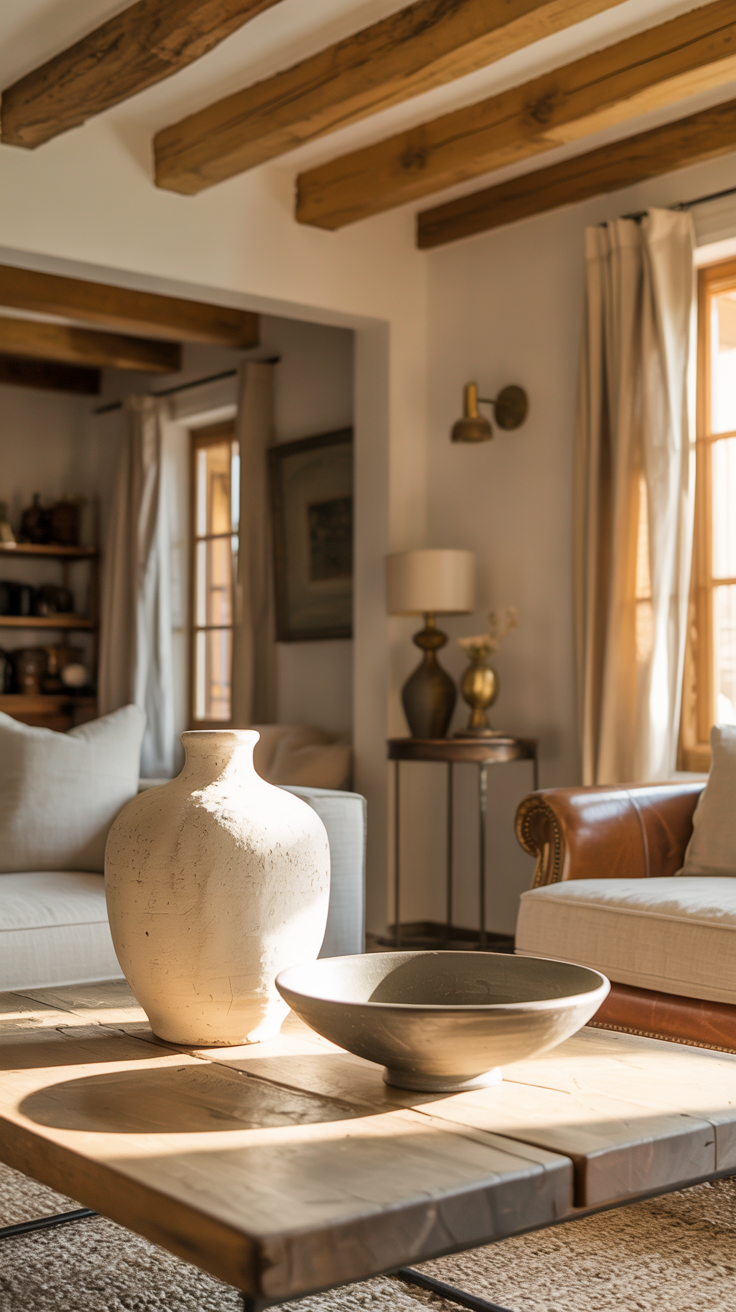
Refined rustic or heritage-inspired design.
Incorporate:
Natural wood beams
Handmade ceramics
Subtle vintage touches
Neutral, earthy palettes
This keeps the warmth without the kitsch.
11. Harsh, Cool LED Lighting
Why It’s Outdated
Bright white or blue-toned lighting makes homes feel sterile and unwelcoming. It’s especially unflattering in living spaces.
Lighting can make or break a room.
What to Try Instead
Layered, warm lighting.
Use:
Warm-temperature bulbs
Multiple light sources (ambient, task, accent)
Lamps instead of overheads whenever possible
A well-lit home should feel cozy, not clinical.
12. Designing Only for Social Media
Why It’s Outdated
Homes designed purely for Instagram or Pinterest—without considering comfort, durability, or daily use—often don’t age well.
Trends come and go. Life happens.
What to Try Instead
Design for real life first.
Ask yourself:
Is this comfortable?
Will this hold up?
Does this reflect how we live?
The most timeless homes prioritize function, comfort, and personal meaning over likes and saves.
The Bigger Design Shift of 2026
More than anything, 2026 is about intentional design. Homes are becoming:
Warmer
More personal
More sustainable
Less trend-driven
Instead of asking, “What’s in right now?” the better question is:
“What will I still love five or ten years from now?”

How to Update Your Home Without a Full Renovation
You don’t need to start from scratch to stay current. Small changes make a big impact:
Swap hardware
Update lighting
Add texture through textiles
Repaint with warmer tones
Edit clutter and restyle intentionally
Design evolution is about refinement, not replacement.
Outdated doesn’t mean “bad”—it simply means it’s time for a shift. By letting go of trends that no longer serve you and embracing warmth, longevity, and authenticity, your home can feel modern and timeless in 2026 and beyond.
Design isn’t about perfection. It’s about creating spaces that support your life, reflect your story, and feel like home.