

The bathroom has long been considered a purely functional space, a room of necessity rather than a sanctuary of design. However, as we move deeper into 2026, the paradigm has shifted dramatically. Homeowners and designers are reimagining the bathroom as a personal retreat, a wellness sanctuary, and a canvas for bold, expressive design. The trends defining this year are not just about aesthetics; they are about creating environments that support physical and mental well-being while reflecting individual style. From the resurgence of warm, earthy tones to the integration of smart, sensory technology, the bathroom trends of 2026 are transforming these spaces into the ultimate home luxury.
The Shift Toward Wellness and Sensory Design
The most significant overarching trend in 2026 is the transformation of the bathroom into a wellness-oriented sanctuary. This goes beyond the inclusion of a large bathtub; it encompasses a holistic approach to design that engages all the senses and promotes relaxation.
Spa-Inspired Sanctuaries
The desire for a personal spa experience at home has never been stronger. In 2026, this translates into spaces that prioritize calm and comfort. Designers are using natural materials, soothing color palettes, and ambient lighting to create environments that feel restorative. The integration of radiant floor heating is a key component of this trend, ensuring that the physical comfort of the space matches its visual appeal. Stepping onto a warm floor on a cold morning instantly elevates the experience from routine to luxurious.
Sensory and Tech-Driven Environments
Technology in the bathroom is no longer just about smart mirrors or digital shower controls; it is about creating a fully immersive sensory experience. In 2026, we are seeing the rise of circadian lighting systems that adjust their color temperature throughout the day, mimicking natural light patterns to support the body’s internal clock. This means energizing, cool-toned light in the morning and warm, relaxing hues in the evening.
Furthermore, HVAC-integrated scent systems and built-in soundscapes are becoming increasingly popular. These technologies allow homeowners to curate the atmosphere of their bathroom, turning a simple shower into a multi-sensory ritual. The combination of personalized lighting, soothing sounds, and calming aromas creates an environment that actively reduces stress and promotes well-being.
Sauna Showers and Steam Rooms
The traditional shower is being upgraded to a comprehensive wellness feature. Sauna-style showers, which enclose the space to integrate steam features, are a major trend for 2026. These installations offer the health benefits of a traditional sauna such as improved circulation and relaxation without requiring a separate room. Paired with features like mirror defoggers, these steam showers provide a seamless and luxurious experience.
A Return to Warmth and Color
For years, the dominant aesthetic in bathroom design has been cool, stark minimalism—think all-white subway tiles and gray marble. In 2026, there is a decisive move away from this clinical look toward spaces that feel warm, inviting, and full of character.
The Reign of Amber and Earthy Tones
One of the most striking color trends of the year is the broad use of amber, caramel, and earthy mustard tones. These colors bring an immediate sense of warmth and depth to a space. Amber-colored tiles, particularly in artisanal or zellige styles, are being used to create stunning focal points, whether in a shower stall or as a vanity backsplash.
These earthy hues are incredibly versatile. They pair beautifully with traditional elements, such as chrome fixtures and floral wallpapers, adding a touch of contemporary warmth. They also work exceptionally well with other saturated colors, like deep blues or olive greens, allowing for rich, layered design schemes. The move toward these tones reflects a broader desire for spaces that feel grounded and connected to nature.
Candy-Colored Accents
While earthy tones provide a grounding base, 2026 is also seeing a playful embrace of pastel and “candy” colors. Shades of bubblegum pink, lilac, apricot, and pistachio are being used to inject joy and personality into bathrooms. This trend associated with “Dopamine Décor” (I talk more about this here and here) is applied with a sophisticated touch. Clean lines, elegant hardware, and glossy lacquered surfaces ensure that these colors feel grown-up and chic rather than childish. A candy-colored vanity or a pastel tiled wall can instantly lift the mood of a room, proving that bathrooms do not have to be neutral to be elegant.
Colored Plumbing Fixtures
Perhaps the most surprising departure from tradition is the rising popularity of colored plumbing fixtures. White porcelain and standard chrome are no longer the default choices. Designers are incorporating toilets, sinks, and faucets in unexpected shades from pistachio green to candy-apple red.
This trend allows for a high degree of personalization. A brightly colored faucet can serve as a playful accent in an otherwise neutral room, while a vintage-inspired azure sink can become the centerpiece of the design. Colored fixtures break the mold of the “safe” bathroom, encouraging homeowners to make bold, expressive choices that reflect their unique tastes. For more details on this trend and how to impelment it in your own home, be sure to check out my big post here.
Material Innovations: Texture and Fluidity
The materials used in 2026 bathrooms are chosen not just for their durability, but for their tactile qualities and visual interest. There is a strong emphasis on texture, craftsmanship, and organic forms.
Microcement Finishes
Microcement is emerging as a highly sought-after finish for modern bathrooms. I’ve covered this topic quite a bit on the blog so be sure to check out some of my post here, here, and here all on microcement and how to incorporate it in your own home. This ultra-thin, hand-applied cement coating creates a seamless, grout-free surface that can be applied over existing tiles or walls. The result is a sleek, minimalist look that mimics the appearance of polished concrete but with a softer, more refined texture.
The appeal of microcement lies in its versatility and its ability to create a cohesive, uninterrupted visual flow. It is particularly effective in creating “wet room” style spaces or for achieving an industrial-chic aesthetic without the coldness often associated with concrete.
Stone in Fluid Forms
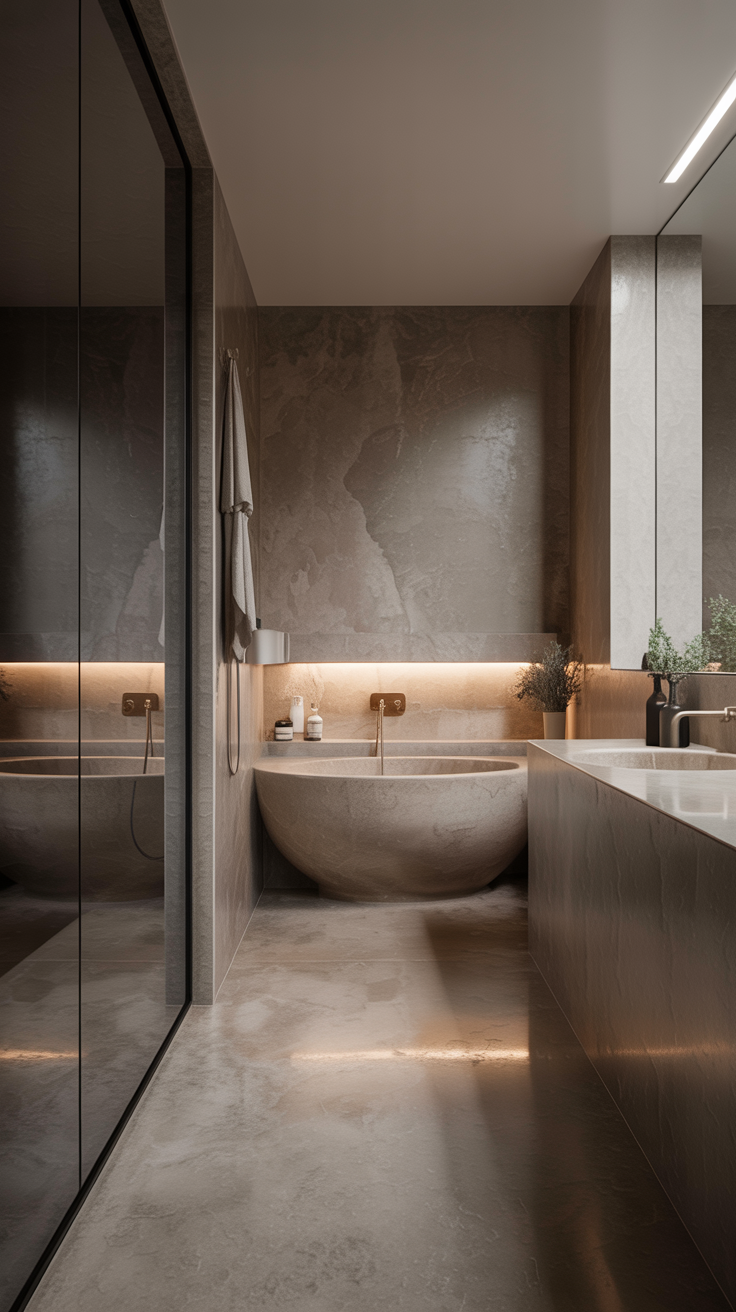
Natural stone remains a staple of luxury bathroom design, but the way it is being used is evolving. In 2026, designers are moving away from flat, rigid slabs and sharp edges in favor of fluid, carved forms. We are seeing curved vanities, wave-like ledges, and bathtubs that appear to have been sculpted directly from the earth.
These organic shapes highlight the natural beauty and veining of the stone, allowing the material’s inherent patterns to flow uninterrupted across rounded surfaces. This approach softens the overall look of the bathroom, making the hard materials feel more approachable and harmonious.
Vintage-Inspired and Artisanal Tiles
While large-format tiles have their place, there is a significant resurgence of vintage-inspired and artisanal tiles. Homeowners are gravitating toward hand-painted designs, delicate motifs (such as Delft-style patterns), and irregular brushstrokes. These tiles add a sense of history, charm, and craftsmanship that mass-produced options simply cannot replicate.
The trend is less about bold, graphic statements and more about subtle, bespoke patterns that feel collected over time. Whether used as a subtle border or to cover an entire wall, these tiles bring a layer of narrative and texture to the space.
Creative Tile Drenching
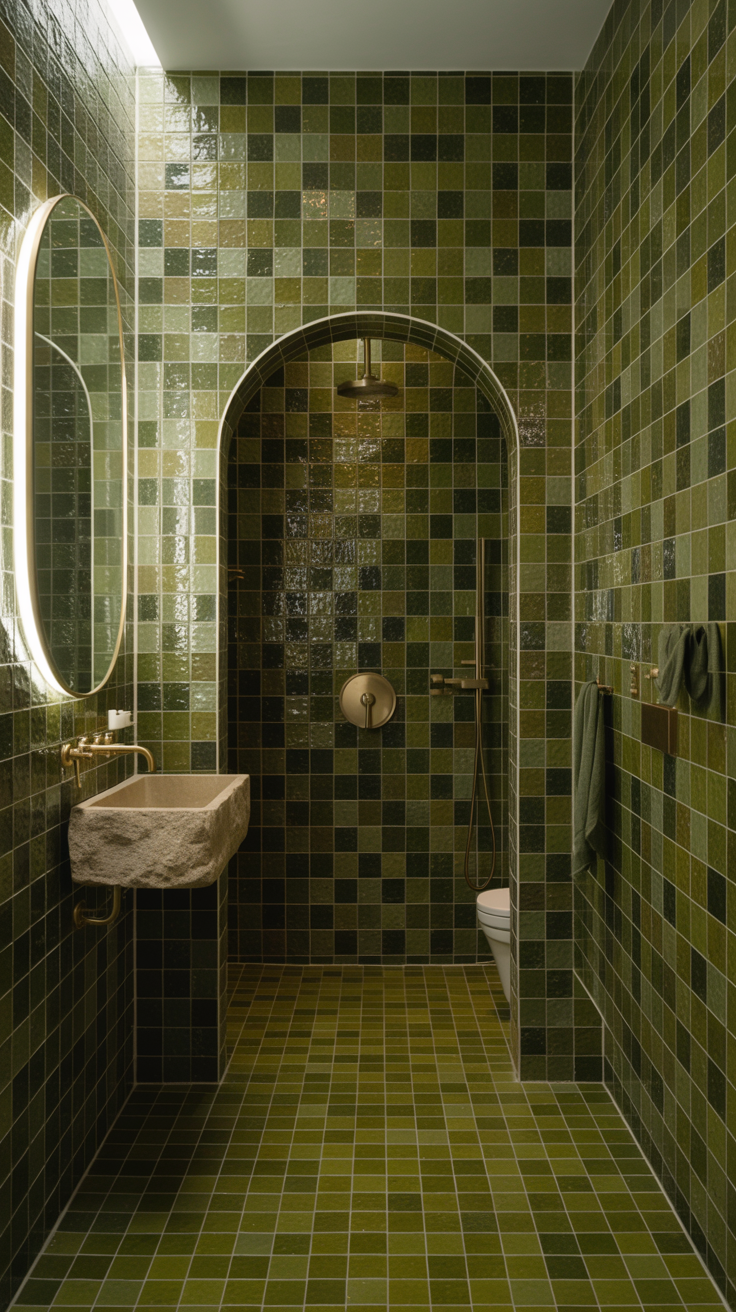
The concept of “color drenching” or painting a room entirely in one color, including the ceiling and trim has been popular in living spaces for a few years. In 2026, this concept is being translated into the bathroom through “tile drenching.”
This involves using the same tile across multiple surfaces to create a cohesive, immersive environment. This might mean running the floor tile up the walls, or tiling the entire space from floor to ceiling in a single color or pattern (discussed in detail a while back here). Tile drenching makes a strong visual statement and can actually make small spaces feel larger by blurring the boundaries between the floor and walls.
Rethinking Layout and Functionality
The way we use our bathrooms is changing, and the layouts of 2026 reflect a desire for spaces that are both highly functional and visually appealing.
Built-In Tub Surrounds
The freestanding bathtub has been a symbol of luxury for over a decade, but 2026 is seeing a return to the built-in tub surround. However, these are not the basic, utilitarian surrounds of the past. Today’s built-in tubs are designed as integral architectural features of the room.
Designers are using high-end materials, such as large-format stone or custom tile, to create seamless transitions from the floor or walls to the tub surround. These surrounds offer practical benefits, providing ample surface area for bathing supplies, candles, or a glass of wine, while also anchoring the tub within the room’s overall design scheme.
Laundry-Bathroom Hybrids
As urban living spaces become more compact, the integration of laundry facilities into the bathroom is becoming a sophisticated design solution rather than a compromise. In 2026, laundry-bathroom hybrids are being designed with intention.
Instead of simply tucking a washing machine into a corner, designers are creating full utility zones with custom joinery, integrated benchtops, and proper ventilation. These spaces are designed to look cohesive and elegant, proving that utility and beauty can coexist seamlessly.
Smart Storage Solutions
Clutter is the enemy of a relaxing environment. Therefore, smart, integrated storage is a crucial element of 2026 bathroom design. Floating vanities, recessed niches in showers and walls, and custom built-in shelving are essential for maintaining a clean, minimalist aesthetic. These solutions maximize space, particularly in smaller bathrooms, ensuring that everyday items are easily accessible but out of sight.
The Importance of Lighting and Details
The final touches in a bathroom like the lighting, the hardware, the textiles are what truly elevate the space from functional to exceptional.
Oversized and Sculptural Lighting
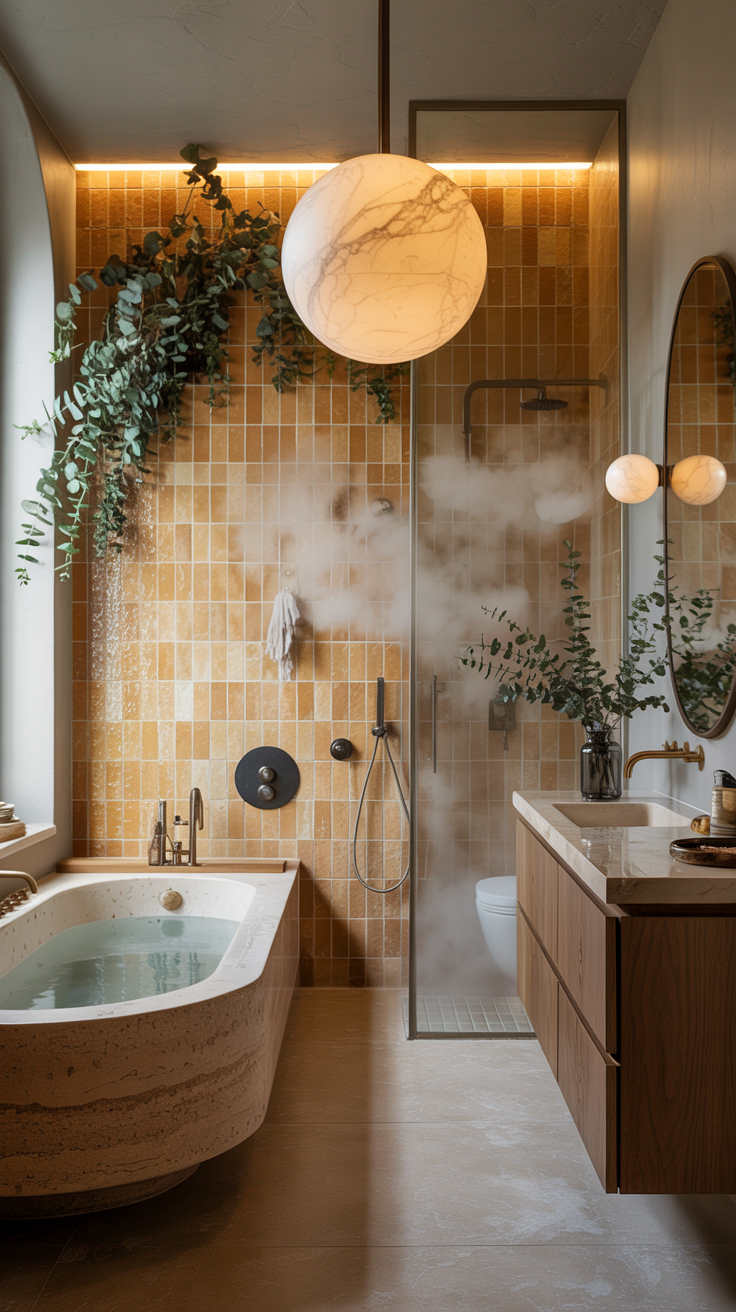
Lighting in the bathroom is moving far beyond the standard vanity sconce or recessed ceiling light. In 2026, oversized, sculptural light fixtures are making a major statement. Cloud-like pendants, pleated lanterns, and organic forms are being used to add visual weight and soften the hard lines of the room’s architecture.
These statement pieces act as functional art, drawing the eye upward and adding a layer of sophistication. They transform the lighting from a purely practical necessity into a key design feature.
Bathroom Lamps
In addition to statement overhead lighting, the use of lamps in the bathroom is a growing trend. Table lamps on vanities, cordless sconces, and waterproof portable lights are being used to create a softer, more atmospheric glow.
This trend borrows from the lighting strategies typically used in living rooms or bedrooms, making the bathroom feel warmer and less clinical. A small lamp on a vanity can completely change the mood of the room, providing the perfect low-level lighting for a relaxing evening bath.
Heritage Soft Finishes
Not every update requires a major renovation. In 2026, there is a renewed appreciation for heritage-inspired soft finishes. Classic details, such as striped or inset-border towels, vintage-style bath mats, and woven accents, are being used to bring character and comfort into the space.
These thoughtful textiles add a sense of history and warmth. They are a simple, accessible way to update a bathroom and introduce a layer of traditional craftsmanship to a modern space.
Ceiling-Height Shower Curtains
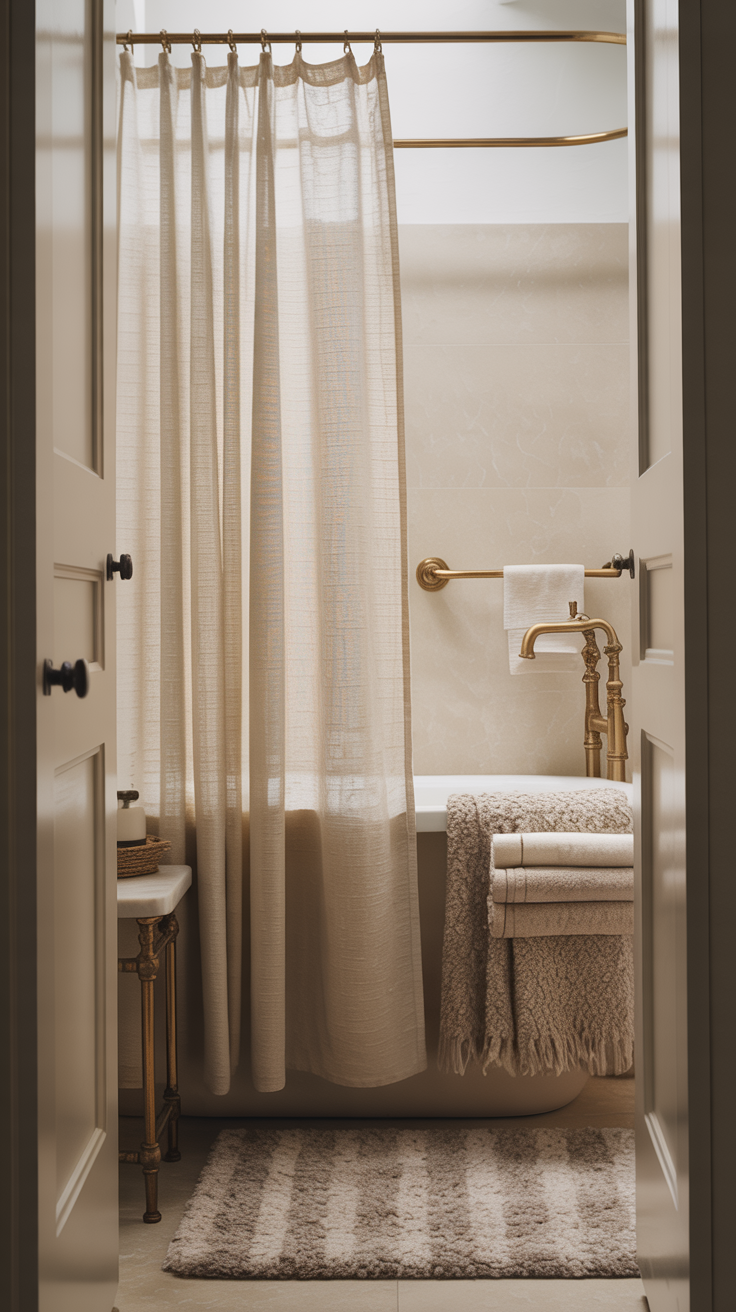
For those who prefer a shower curtain over a glass door, the way the curtain is hung can make a significant difference. The trend for 2026 is to hang the shower curtain from the ceiling, allowing it to drape all the way to the floor.
This simple technique, often used with window treatments in living areas, draws the eye upward and creates the illusion of a higher ceiling and a larger space. It adds a touch of drama and elegance to a standard bathroom feature.
Designing for the Future
The bathroom trends of 2026 represent a fundamental shift in how we view and design these essential spaces. The move toward wellness-oriented design, the embrace of warm colors and organic textures, and the integration of smart technology all point to a desire for bathrooms that are deeply personal and restorative.
Elevating a home in 2026 is not about adhering to a strict set of rules; it is about creating a space that supports your lifestyle and reflects your aesthetic preferences. Whether you choose to embrace the bold statement of colored plumbing fixtures, the immersive experience of a sauna shower, or the subtle charm of vintage-inspired tiles, the key is to design with intention.
By focusing on comfort, craftsmanship, and sensory experience, the modern bathroom can become more than just a room. It can become a true sanctuary within the home. As these trends continue to evolve, they offer endless inspiration for creating spaces that are not only beautiful but also profoundly enriching.