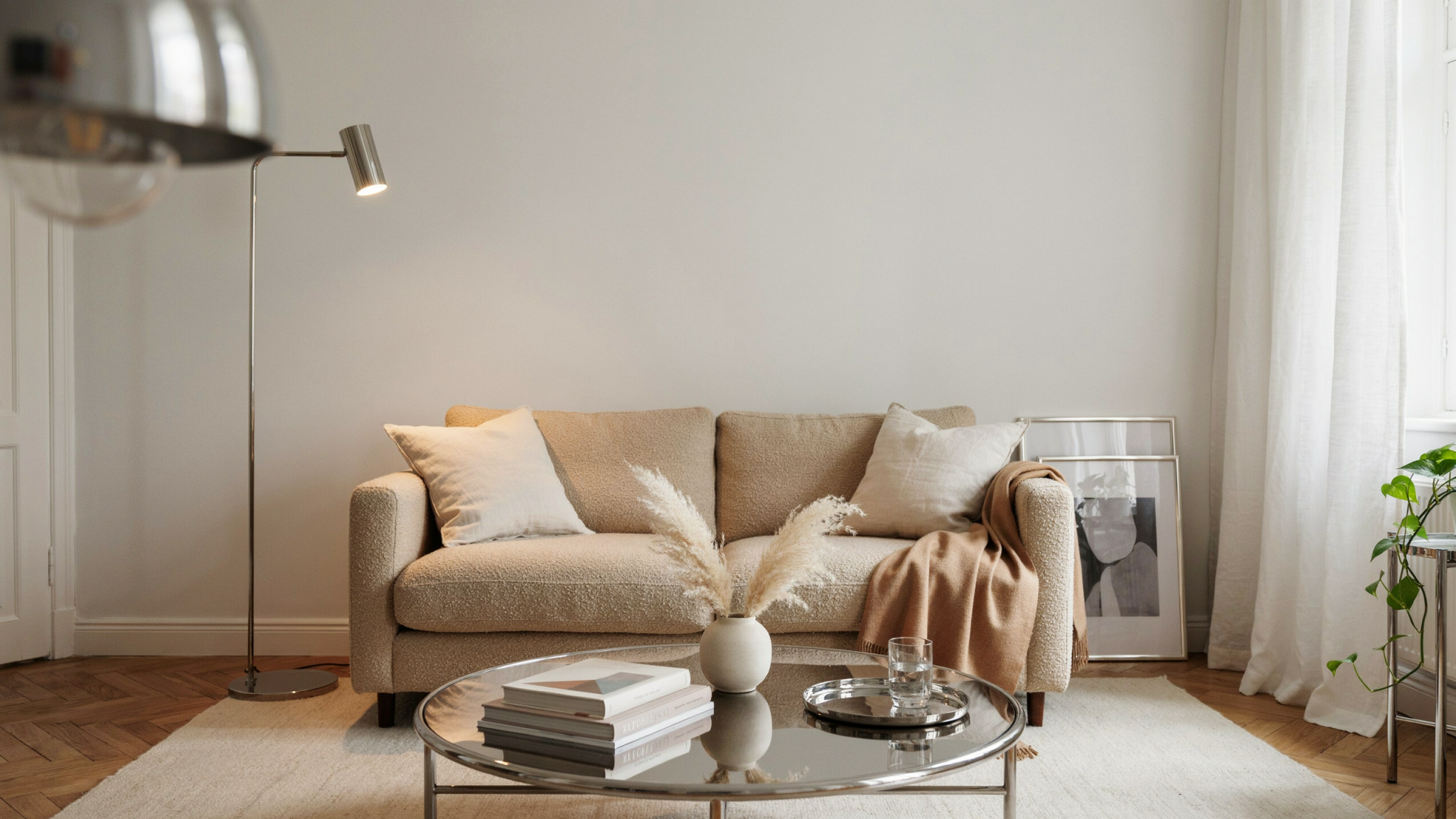
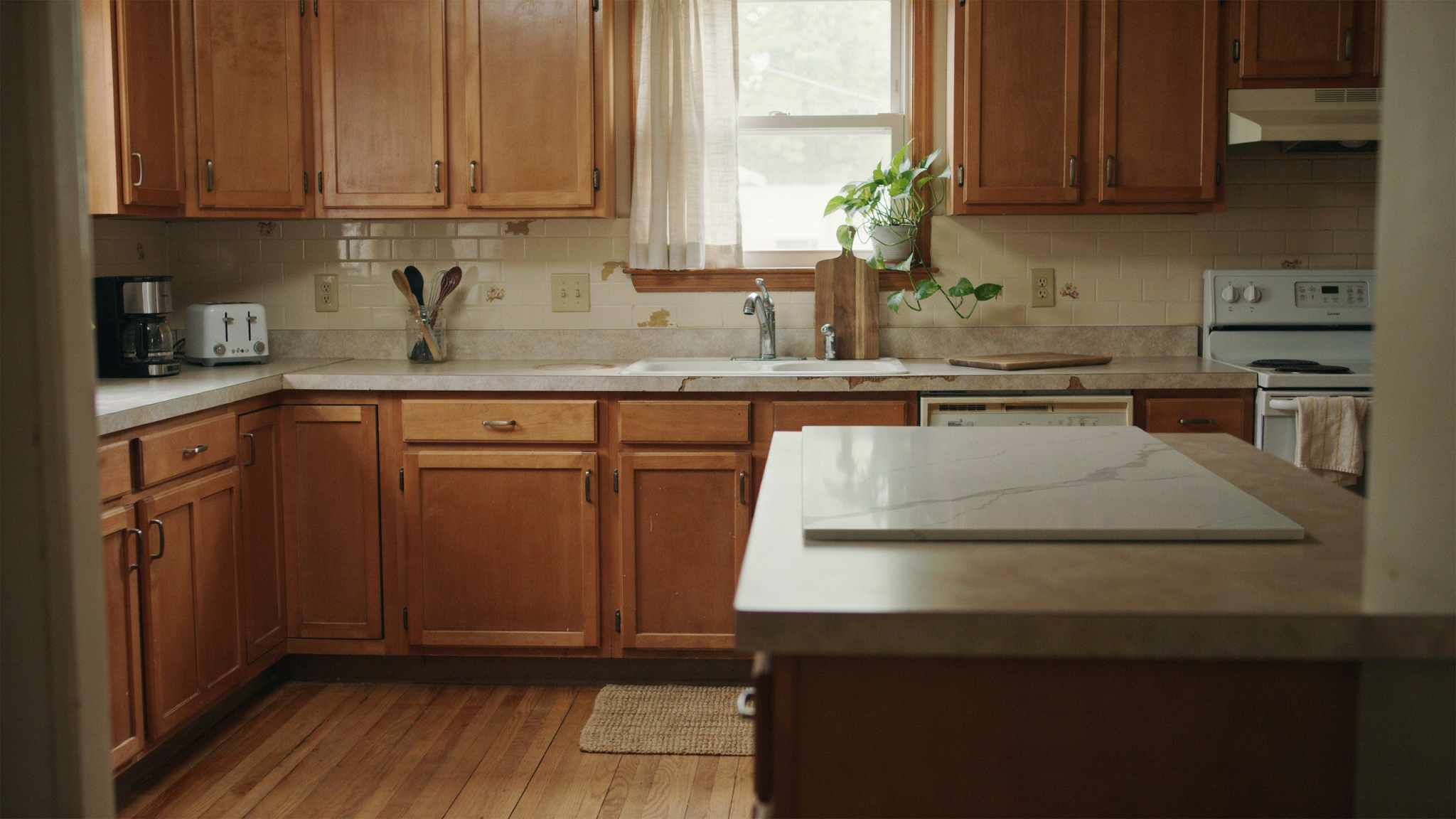
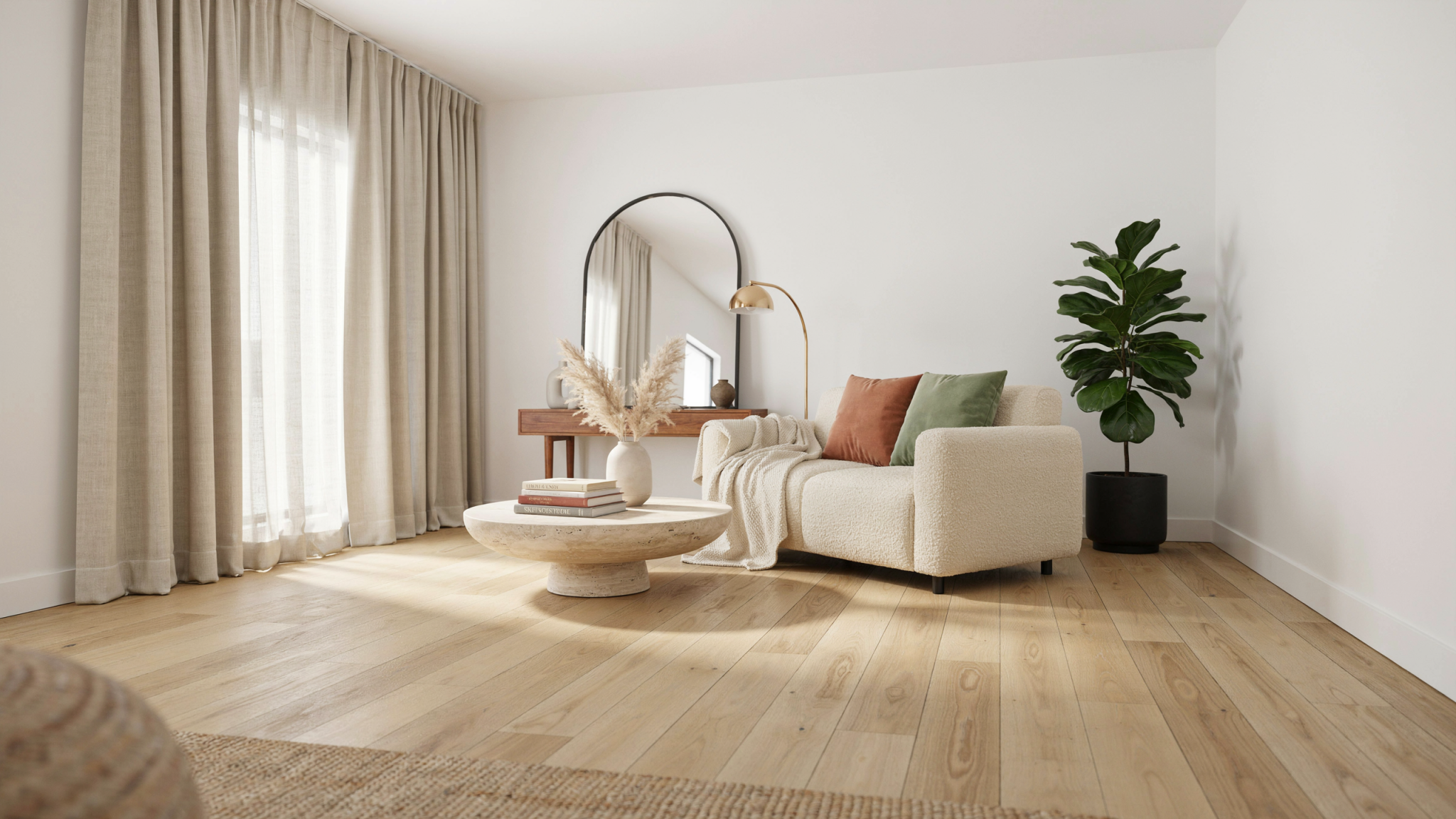
Have you ever walked into a room in your house and just felt… underwhelmed? Not because it’s messy, and not because you hate your furniture, but because something just feels a little off. A little flat. A little too “lived-in” in the wrong kind of way. I know the feeling all too well. For the longest time, I thought the only way to fix that feeling was to rip everything out and start over. I’d spend hours scrolling through Pinterest, dreaming of massive renovations, knocking down walls, and completely overhauling my space. But let’s be real: who has the time, the energy, or the budget for that?
What I’ve learned over the years of tweaking, adjusting, and sometimes completely messing up my own spaces is that the magic doesn’t always happen in the sledgehammer moments. The real magic happens in the micro-upgrades. It’s the tiny, almost imperceptible changes that suddenly make a room feel intentional, polished, and, most importantly, like you.
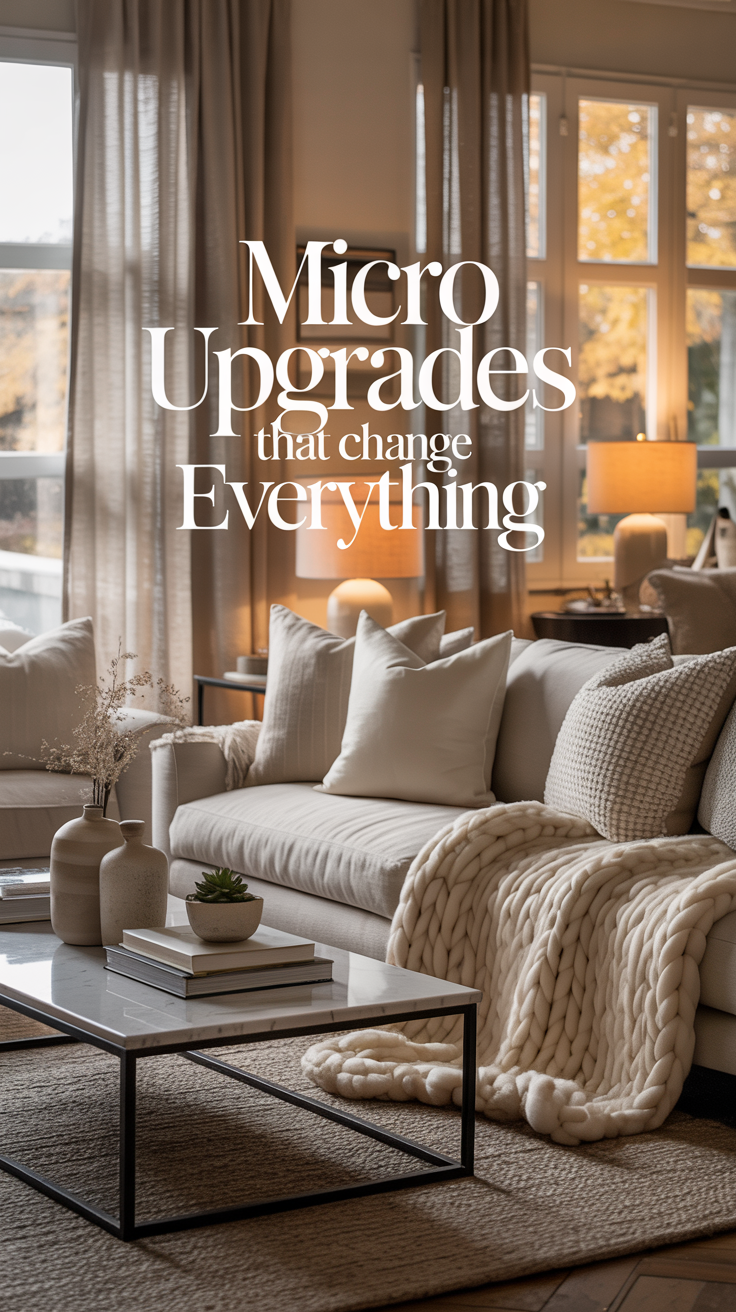
These aren’t the kinds of projects that require a contractor, a permit, or a second mortgage. These are the weekend warriors, the afternoon delights, the “I can’t believe I didn’t do this sooner” tweaks. They are the small shifts that yield massive results. So, if you’re ready to fall back in love with your home without losing your mind (or your savings), here are 12 micro-upgrades that change absolutely everything.

1. Swap Out the “Builder Grade” Hardware
Let’s start with the easiest, most satisfying upgrade of all: hardware. If you live in a home that was built in the last twenty years, there’s a good chance you have what we affectionately call “builder grade” hardware. You know the stuff—those generic, brushed nickel or shiny brass knobs that look like they were bought in bulk. They aren’t terrible, but they certainly aren’t doing your space any favors. They blend in, they lack personality, and they scream “standard issue.”
Swapping out your cabinet knobs, drawer pulls, and even your interior door handles is like putting on a great piece of jewelry with a basic outfit. It instantly elevates the entire look. I recently swapped the standard silver knobs in my kitchen for unlacquered brass pulls, and I swear, the whole room suddenly looked custom. The brass has this incredible living finish that patinas over time, making the kitchen feel lived-in but luxurious. The best part? All you need is a screwdriver, a measuring tape (if you’re changing the size of the pulls), and an afternoon.
When choosing new hardware, think about the feeling you want to evoke. Matte black feels modern, grounded, and slightly industrial. Polished nickel is classic, clean, and reflects light beautifully. Brass adds warmth, a touch of vintage charm, and a sense of history. Don’t be afraid to mix metals, either! A brass faucet with matte black cabinet pulls can look incredibly chic and intentional. The key is to make sure the finishes complement each other rather than compete. If you’re feeling adventurous, you can even try leather pulls or ceramic knobs for a truly unique, bespoke feel that guests will immediately notice. It’s a small investment that pays off every single time you open a drawer.

2. Upgrade Your Switch Plates and Outlet Covers
I did a whoooooole long post on this here. This is one of those things you don’t notice until you notice it, and then you can’t un-see it. Take a look at the light switch plates and outlet covers in your home right now. Are they that slightly yellowed, cheap plastic? Do they have paint smudges on the edges from a sloppy paint job five years ago? Are the screws mismatched or slightly rusted?
Replacing these is a micro-upgrade that costs mere dollars but makes a room feel instantly cleaner and more finished. It’s the visual equivalent of tucking in your shirt. You can go for crisp, bright white for a seamless look that blends into the wall, or you can have a little fun with it. In my powder room, I swapped the plastic switch plate for a heavy, antique brass one, and it feels so much more luxurious every time I turn on the light. It’s a tiny detail, but it’s the tiny details that separate a house from a home. If you have dark walls, swap out the white plates for black or dark bronze so they don’t stick out like a sore thumb. You can even find paintable switch plates if you want them to completely disappear into your wall color. The tactile difference of flipping a solid metal switch versus a flimsy plastic one is surprisingly satisfying.

3. The Magic of Motion-Sensor Lighting
Okay, this one is a game-changer, especially if you have kids, pets, or just a tendency to stumble around in the dark looking for a midnight snack. Adding motion-sensor lights to strategic areas of your home is a micro-upgrade that feels incredibly high-end and futuristic, but costs next to nothing.
I’m not talking about those harsh, blinding security lights that make you feel like you’re in an interrogation room. I’m talking about soft, warm LED strips under your bathroom vanity that gently illuminate when you walk in at 2 AM, saving you from the jarring glare of the overhead light. Or a small, battery-operated motion light in the hallway, on the stairs, or inside a deep pantry. I put one in my coat closet, and suddenly, finding my favorite jacket in the dead of winter isn’t a frustrating excavation project. It’s a small touch of automation that makes daily life just a little bit smoother and a lot more pleasant. You can even find motion-sensor bulbs that screw right into your existing fixtures, making this upgrade literally as easy as changing a lightbulb. It’s the kind of upgrade that makes your house feel like it’s actively taking care of you.
4. Elevate Your Window Treatments
If your windows are currently sporting those flimsy, plastic mini-blinds or curtains that are hung just a little too low, it’s time for an intervention. Window treatments are the eyebrows of a room. They frame the space, give it expression, and can completely alter the perceived proportions of the architecture.
The biggest mistake I see (and one I made for years) is hanging curtains right above the window frame. It makes the ceilings look lower and the windows look smaller. To make your ceilings look higher and your windows look grander, hang your curtain rod high and wide. Aim for just a few inches below the ceiling or crown molding, and extend the rod a good 6 to 12 inches past the window frame on either side. This allows the curtains to frame the window without blocking the natural light when they are open.

When it comes to the curtains themselves, ditch the shiny, synthetic fabrics that look cheap and clingy. Opt for natural textures like linen, cotton blends, or even a heavy velvet for a cozy, dramatic look. Even inexpensive curtains can look custom if you hang them correctly, use enough panels (they should look full, not stretched tight), and take the time to steam out the wrinkles. It’s a weekend project that completely changes the architecture of a room. If you want to take it a step further, add bamboo or woven wood shades behind the curtains for a layered, designer look that adds incredible texture and warmth. The combination of soft fabric and natural wood is always a winner.
If you are looking for budget options be sure to check out my post here on 10 DIY Window Treatments If You’re On A Budget.

5. Add Dimmers to Everything
Lighting is everything. I cannot stress this enough. You can have the most beautifully designed room in the world, filled with expensive furniture and gorgeous art, but if it’s lit by a single, glaring overhead bulb, it’s going to feel like a cafeteria or a waiting room.
Installing dimmer switches is a micro-upgrade that gives you total control over the mood of your home. It allows you to transition a room from bright and functional during the day to soft, cozy, and inviting in the evening. I put dimmers in my dining room and living room, and it completely changed how we use those spaces. Suddenly, dinner feels more intimate, and movie nights feel more cinematic. If you’re intimidated by electrical work, call a pro—it’s a quick job for them and worth every penny for the ambiance it creates. Alternatively, invest in smart bulbs that you can dim from your phone or with a voice command. Being able to say “dim the living room lights to 20%” while you’re curled up on the couch is a luxury you will never want to live without. It instantly makes any room feel more expensive and thoughtfully designed.
6. Rethink Your Rug Placement
Sometimes, a micro-upgrade doesn’t cost a dime; it just requires a little heavy lifting and a fresh perspective. The way you place your rugs can make or break a room. A rug that is too small makes a space feel disjointed and cramped, like the furniture is floating away from each other on a tiny island.
The general rule of thumb is that at least the front legs of all your major furniture pieces should rest on the rug. If you have a tiny 5×7 rug sitting in the middle of a large living room with the sofa pushed up against the wall, try pulling the furniture in and anchoring it with a larger rug (an 8×10 or 9×12). It creates a cohesive “zone” and instantly makes the room feel larger, more grounded, and more inviting. If you love your small rug and can’t bear to part with it, try layering it over a larger, inexpensive jute or sisal rug for a textured, designer look that fills the space appropriately. This trick works wonders in bedrooms, too—make sure the rug extends at least two feet on either side of the bed so you have a soft place to land when you wake up. A well-placed rug acts as the foundation for the entire room, tying all the disparate elements together.
7. Upgrade Your Shower Head
Let’s move to the bathroom for a minute. If you are still using the standard, low-flow shower head that came with your house, you are missing out on one of life’s simple, daily pleasures. Upgrading your shower head is a ten-minute job that requires nothing more than a wrench, some plumber’s tape, and a little elbow grease, but it transforms your daily routine.
Swap that sad little nozzle for a wide rain shower head or a multi-setting fixture with a handheld wand. I recently installed a dual shower head, and it feels like I’m at a luxury spa every morning. The water pressure is better, the coverage is wider, and it makes the mundane task of washing my hair feel like a treat. It’s a small luxury that pays dividends in how you feel starting and ending your day. Plus, it’s a great way to add a touch of modern design to an otherwise dated bathroom without tearing out any tile. If you rent, this is a perfect upgrade because you can simply unscrew it and take it with you when you move, putting the old one back in its place. It’s a tiny change that significantly improves your quality of life.
8. Frame Your Bathroom Mirrors
Speaking of dated bathrooms, let’s talk about those giant, frameless, wall-to-wall mirrors that were so popular in the 90s and early 2000s. They are functional, sure, and they bounce a lot of light around, but they lack personality and look incredibly unfinished.
Instead of ripping the mirror off the wall (which is messy, dangerous, and often damages the drywall behind it), frame it! You can buy custom framing kits online that stick right onto the existing mirror using heavy-duty double-sided tape, or if you’re handy, you can DIY it with some baseboard molding, a miter saw, and construction adhesive. Adding a frame gives the mirror a finished, intentional look and instantly elevates the entire vanity area. I painted a simple wooden frame black for my guest bathroom, and it completely modernized the space for less than fifty bucks. It’s amazing how a few pieces of trim can make a generic mirror look like a custom, high-end piece. It frames your reflection beautifully and adds architectural interest to a flat wall.
9. Create a “Drop Zone”
Clutter is the enemy of a peaceful home. And the worst kind of clutter is the everyday detritus: keys, mail, sunglasses, dog leashes, random receipts. If you don’t have a designated spot for these things, they end up scattered across the kitchen counter, the dining table, or the back of the sofa, making the whole house feel messy and chaotic.
Creating a “drop zone” is a micro-upgrade for your sanity. It doesn’t have to be a massive, custom-built mudroom. It can be as simple as a beautiful tray on a console table near the front door, a set of stylish hooks on the wall, and a small basket for mail. The key is to make it look intentional and to train yourself to actually use it. When everything has a place, it’s much easier to keep the rest of your home tidy. I added a small floating shelf with brass hooks underneath right by my garage door, and it has saved me countless hours of frantically searching for my keys while running late. It also provides a visual cue that you are transitioning from the outside world into your sanctuary. It’s a small organizational shift that has a massive impact on how you feel when you walk through the door.
10. Upgrade Your Everyday Essentials
We spend so much time thinking about the big pieces: the sofa, the dining table, the bed—that we often overlook the things we interact with every single day. Upgrading your everyday essentials is a micro-upgrade that brings joy to the mundane tasks of life.
Think about your hand soap dispensers. Are you using the plastic bottles covered in loud branding from the grocery store? Swap them out for beautiful glass or ceramic dispensers. What about your dish towels? Toss the stained, mismatched ones and invest in a set of high-quality linen or waffle-weave towels in a cohesive color palette. Upgrade your salt and pepper shakers, your coffee mugs, or even your trash can. These are the items you touch constantly. When they are beautiful, tactile, and functional, they elevate the entire experience of living in your home. It’s the difference between drinking your morning coffee out of a chipped promotional mug and a beautifully crafted ceramic cup that feels perfectly weighted in your hands. These small moments of beauty add up to a much more enjoyable daily routine.

11. Add Life with Plants (Real or Faux)
A room without plants often feels a little sterile, a little lifeless, like a furniture showroom rather than a home. Adding greenery is the easiest way to breathe fresh air (literally and figuratively) into a space. Plants add texture, color, and a sense of organic movement that you just can’t get from furniture or art.
If you have a green thumb, go wild with a mix of large floor plants like a Ficus Audrey or a Bird of Paradise to fill empty corners, and smaller trailing plants like Pothos or Philodendrons on shelves and mantels. If you are a notorious plant killer (no judgment here, we’ve all been there), invest in high-quality faux plants. The technology has come a long way, and a good faux olive tree or a realistic faux fern can fool almost anyone. Just make sure to put them in a real planter with some actual dirt or moss on top to sell the illusion. Even a small vase of fresh grocery store flowers on the kitchen island can completely change the energy of the room. Plants bring a sense of vitality and calm that is essential for a welcoming home.
12. Curate Your Art and Photos
Finally, let’s talk about what’s on your walls. Art is deeply personal, but how you display it can make a huge difference in how your home feels. A common mistake is hanging art too high (it should generally be at eye level, about 57 to 60 inches from the floor to the center of the piece) or scattering small pieces randomly across a large wall, where they get lost.
Take an afternoon to curate your walls. Group smaller pieces together to create a gallery wall, which feels much more impactful than a single small frame floating in a sea of drywall. Upgrade your frames—swap out cheap plastic for solid wood or sleek metal. Use mats to make small prints look larger and more expensive. And don’t be afraid to mix mediums! Combine family photos with abstract art, vintage finds, or even framed textiles. When your walls tell a cohesive story, your home feels collected, intentional, and deeply personal. It shows that the space belongs to you, not a catalog. It’s an opportunity to showcase your personality and the things you love most.

The Takeaway
Creating a home you love isn’t about having an unlimited budget, hiring a fancy designer, or tearing down walls. It’s about paying attention to the details. It’s about recognizing that the way a door handle feels in your hand, the warmth of a lightbulb in the evening, and the placement of a rug all contribute to the overall feeling of a space.
These 12 micro-upgrades are proof that you don’t need a massive renovation to transform your home. You just need a little intention, a free weekend, and the willingness to see the potential in the small things. So pick one, grab a screwdriver or a paintbrush, and start making your home a little bit better, one tiny detail at a time. You might be surprised at just how much everything changes. When you focus on the micro, the macro takes care of itself, leaving you with a home that feels uniquely, beautifully yours.