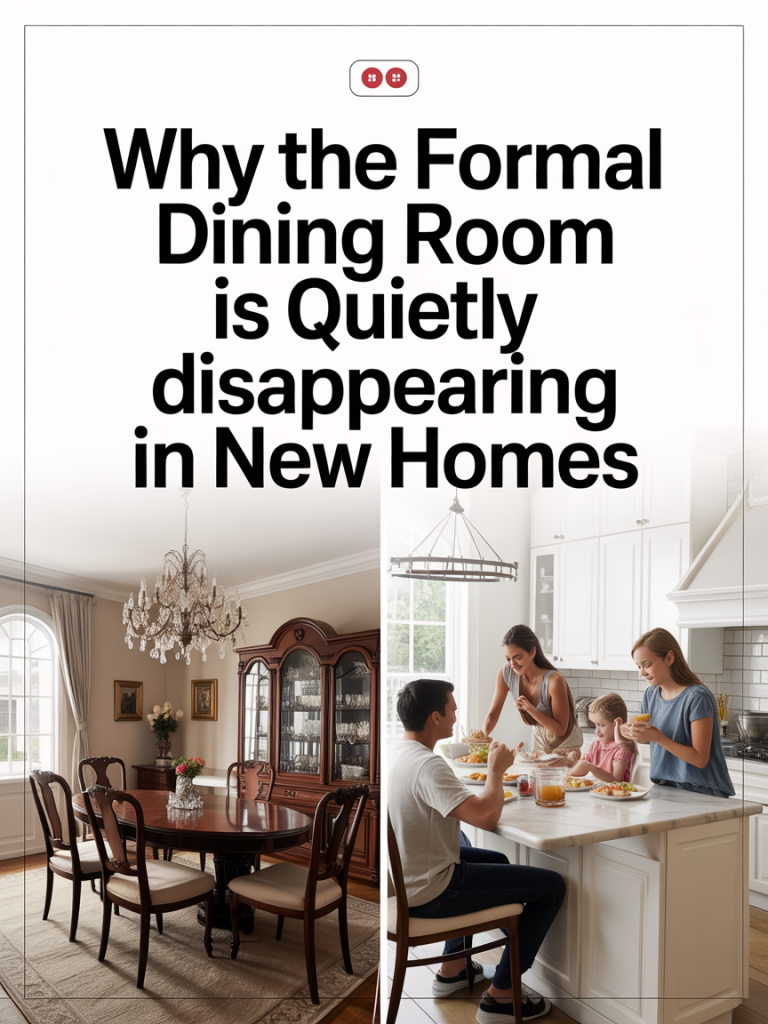
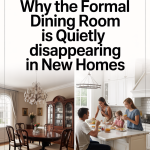
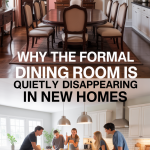
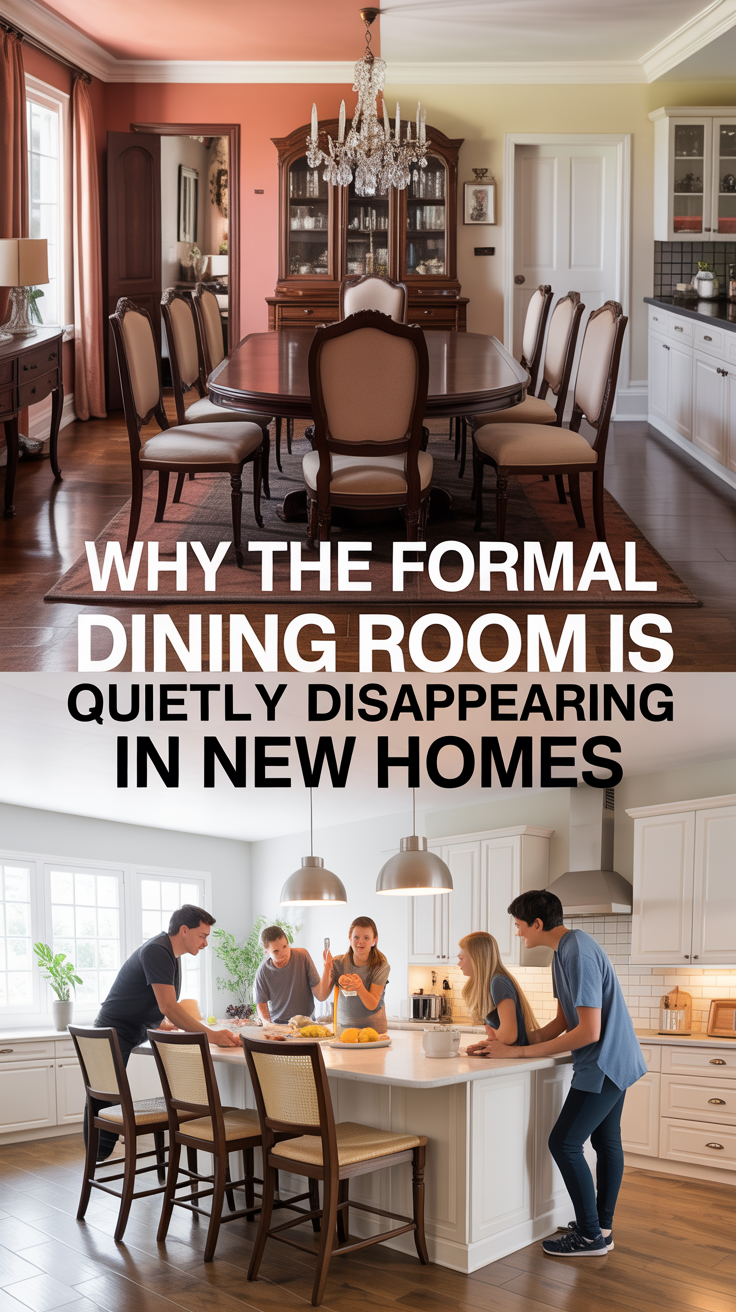
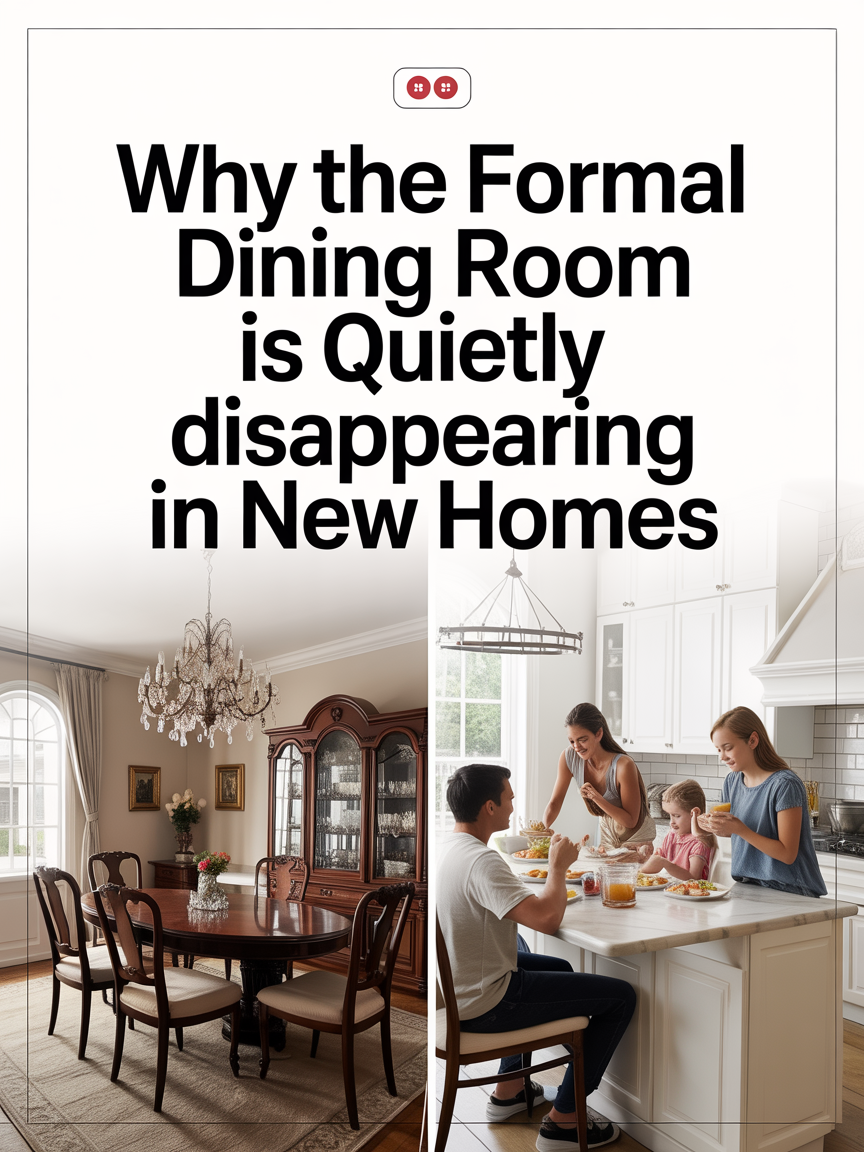
Walk into a home built even 15 years ago, and chances are you’d be greeted by a formal dining room—a stately space that seemed to promise Sunday dinners, holiday gatherings, and perhaps a little social prestige. The perfect place for your grandmother’s china or your carefully curated centerpiece.
Fast forward to 2026, and that same room is becoming rare. In fact, in many new builds, the formal dining room is all but extinct. But don’t panic—it’s not that we’re losing the art of gathering. Rather, the way we live, work, and eat has evolved, and home design is following suit.
Goodbye, Formal Dining. Hello, Versatility
The decline of the traditional dining room isn’t some fleeting trend; it’s part of a larger cultural shift. Homeowners and designers alike are asking: why dedicate a whole room to something you only use a handful of times per year?
Formal dining rooms are just no longer part of our vocabulary. Across the country, builders and designers are increasingly opting for spaces that do double duty: an office by day, a guest room by night, a playroom in between.
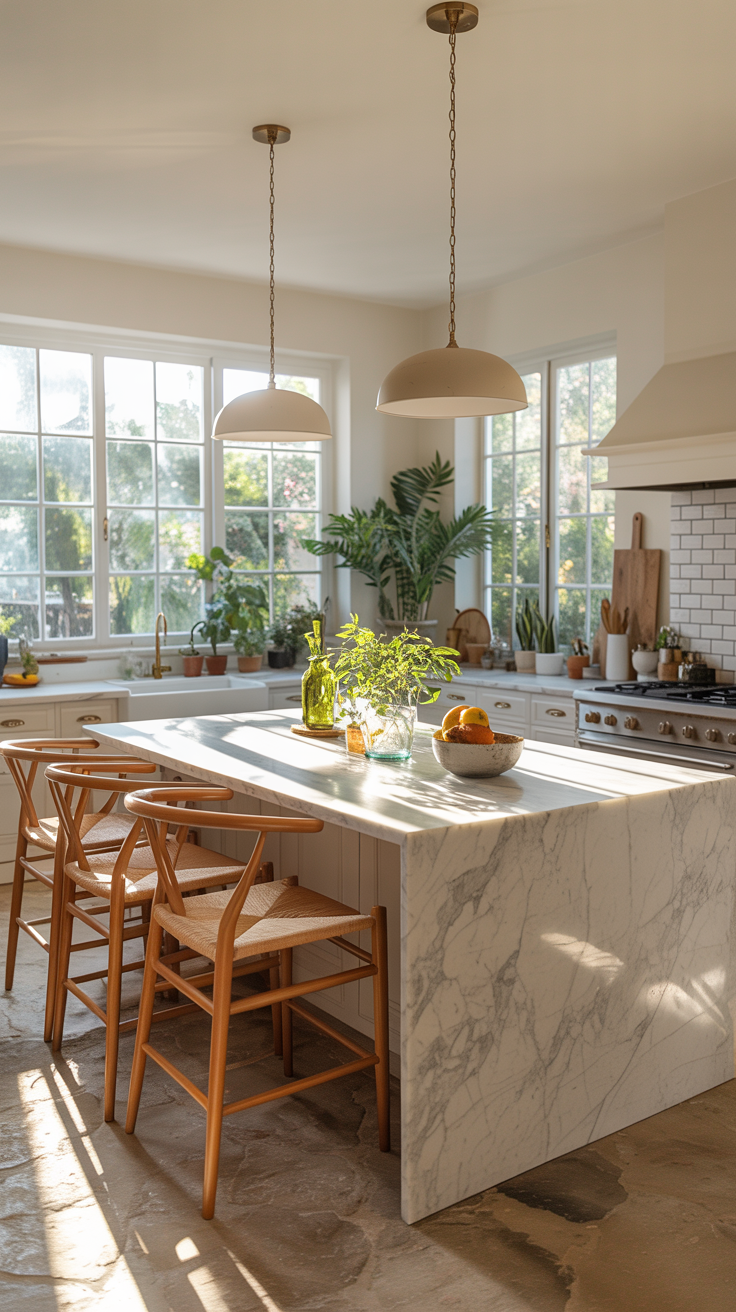
In place of the dining room, kitchens are stretching to accommodate large islands, casual seating, and extra storage. These spaces feel lived-in, practical, and inviting—perfect for a family that wants style without the formality.
What’s Driving the Change?
Several forces are quietly reshaping the modern home:
1. Rising Costs
Building a home today is more expensive than ever. Labor, materials, and tariffs are pushing budgets higher, and buyers are often adjusting their wish lists accordingly. A room you might only use a few times a year suddenly seems extravagant—or even wasteful.
2. Mortgage Realities
With mortgage rates higher than they were a few years ago, homebuyers are thinking practically. They’re prioritizing rooms they’ll use every day—like kitchens, living areas, and home offices—over rarely used formal spaces.
3. Shifts in Lifestyle
The pandemic temporarily reversed the downsizing trend, as families craved extra space for remote work and home schooling. But today, convenience and versatility have returned as top priorities. Families are eating at islands or breakfast nooks, working from flexible home offices, and embracing casual entertaining.
And what are Nick and I are hearing in Austin from both buyers and home-owners in need of design advice? They are wanting more storage and living spaces that really align with daily routines. In short, they want a modern home that is full of practical spaces.
The Modern Alternatives
So if the dining room is gone, what’s replacing it? The answer is anything that supports the way we actually live:
Expanded Kitchens
The kitchen is no longer just a place to cook—it’s the heart of the home. Modern kitchens feature oversized islands, multi-level countertops, and built-in seating that can double as casual dining. These spaces invite interaction, allow multitasking, and keep everyone together.
Flexible Spaces
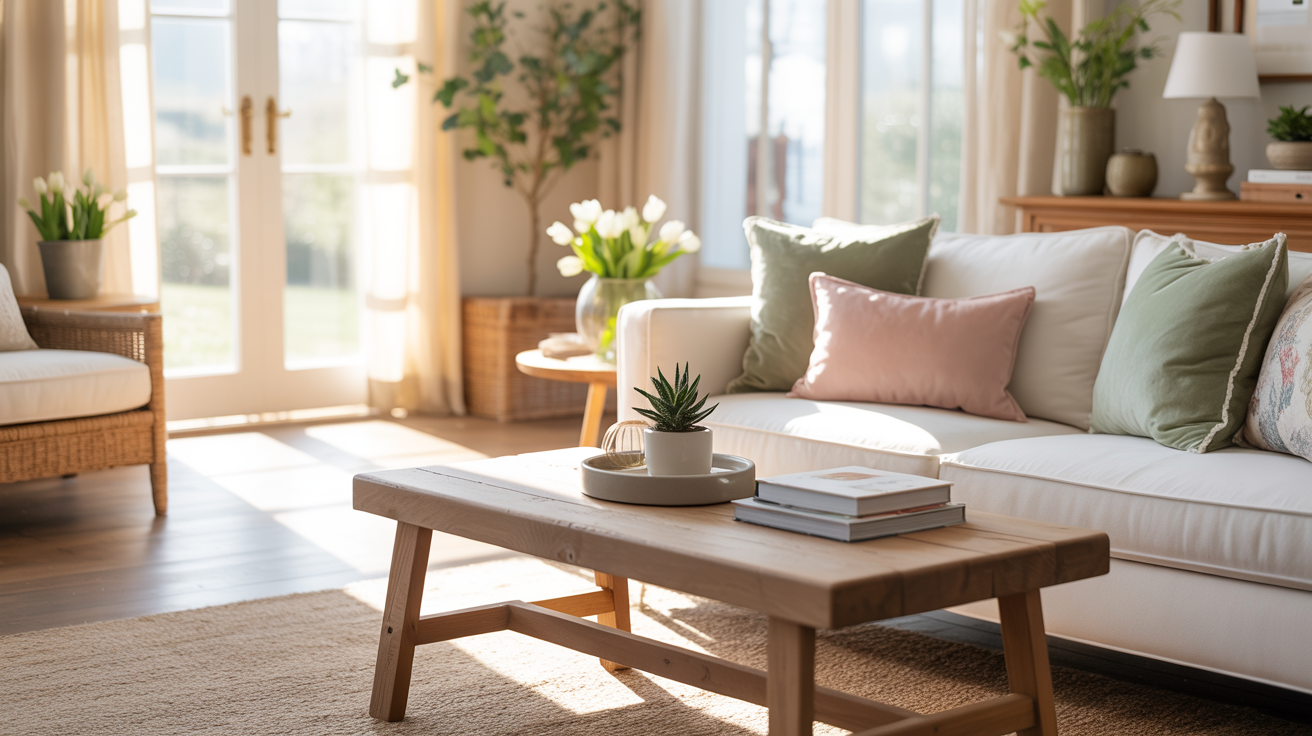
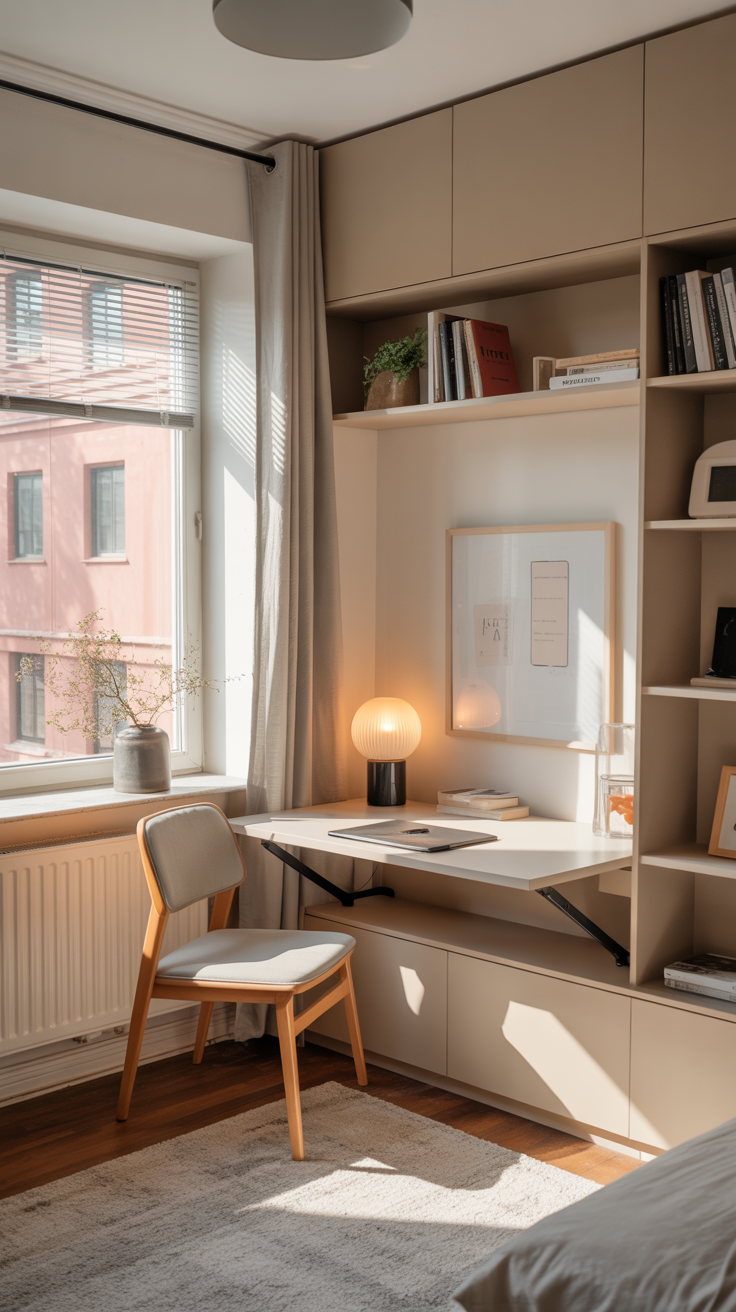
Rooms that can pivot between office, playroom, guest room, or mini gym are increasingly common. Furniture that moves, folds, or transforms allows homeowners to maximize utility without increasing square footage.
Casual Dining Areas
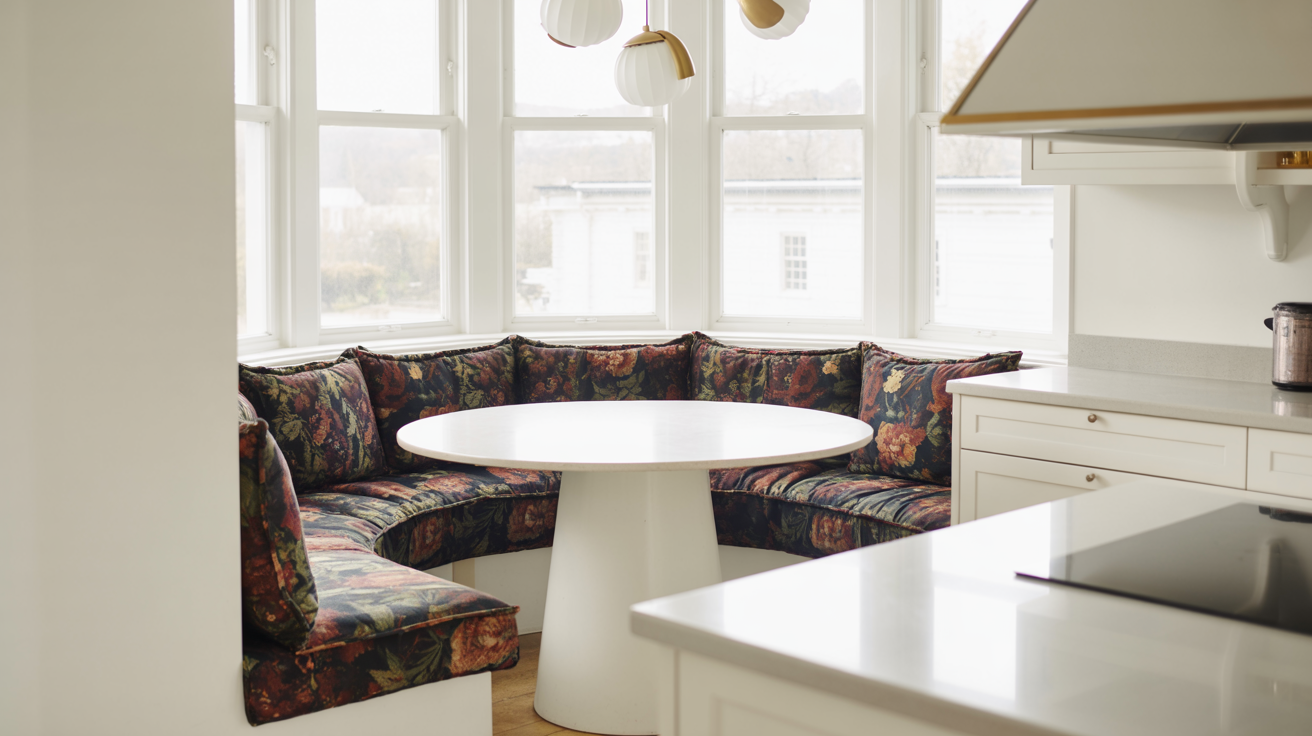
Breakfast nooks, banquettes, and cozy window seats have replaced formal dining tables in many homes. They’re intimate, practical, and stylish—a perfect setting for everyday meals that don’t require a dress code.
Outdoor Living Spaces: Bringing the Dining Experience Outside
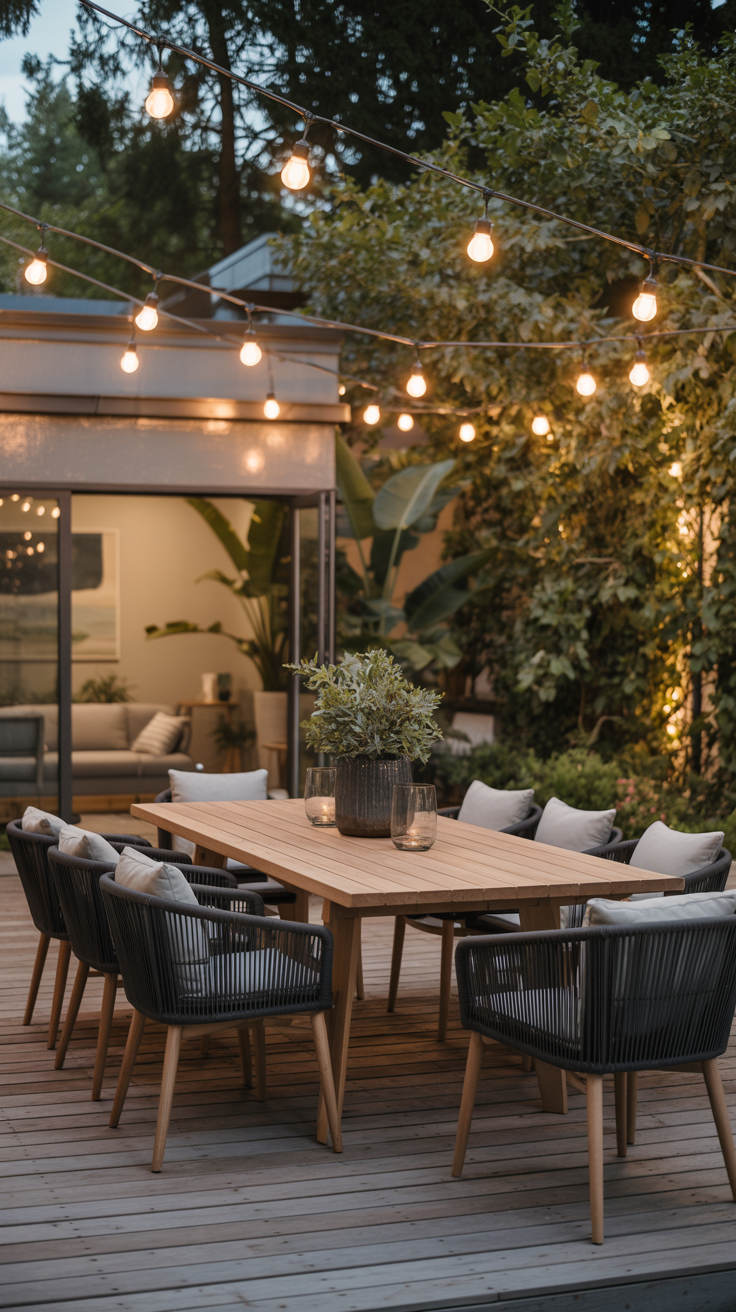
With formal dining rooms fading, more homeowners are bringing meals outdoors. Patios, decks, and backyard kitchens are becoming the new “dining rooms.” Al fresco eating offers flexibility and style—perfect for summer nights, weekend brunches, or casual entertaining.
Designers suggest investing in:
Durable outdoor tables and seating that can handle the elements.
String lights or lanterns for atmosphere.
Outdoor heaters or fire pits to extend usability into cooler months.
Outdoor dining areas don’t just replace indoor space—they enhance the experience of gathering, blending nature, style, and functionality.
Technology and the Modern Dining Experience
Technology is subtly reshaping how we gather around meals. Homes without traditional dining rooms are embracing:
Smart appliances that allow meal prep and cooking to happen simultaneously in one space.
Integrated charging stations in islands or tables, keeping devices close without cluttering counters.
Entertainment setups for casual meals, like built-in TVs or streaming options for family movie nights at the kitchen table.
The goal is to blend dining with lifestyle, turning mealtime into a multi-sensory, multifunctional experience.
The Psychology of “Flexible Living”
Why do modern layouts feel so appealing? Designers say it’s about human behavior and daily habits. Spaces that serve multiple purposes:
Reduce stress by keeping everything accessible and functional.
Encourage family interaction by eliminating “dead zones” in the home.
Make homes feel alive and adaptable, rather than rigid and formal.
This approach isn’t just practical—it’s emotionally satisfying, creating homes that feel comfortable and personalized for real life.
How to Transition Your Current Home
Even if your home already has a formal dining room, there are ways to update it without a full remodel:
Convert it into a multipurpose space: Add a fold-out desk, storage solutions, or a cozy reading nook.
Add a casual seating area: Replace the large dining table with a small banquette or high-top table.
Use décor to signal versatility: Mirrors, rugs, and lighting can define zones without walls.
These small changes make a formal dining room feel modern, functional, and aligned with today’s lifestyle trends.
If your home is losing rooms, furniture can pick up the slack:
Expandable tables for extra guests.
Convertible desks and benches that switch from work to dining.
Storage ottomans and benches that hide clutter while offering seating.
These choices make small spaces feel larger, more organized, and versatile—a necessity in homes without formal dining areas.
Looking Ahead: What’s Next in Home Design?
The trend away from formal dining rooms is just one part of a larger evolution in home design:
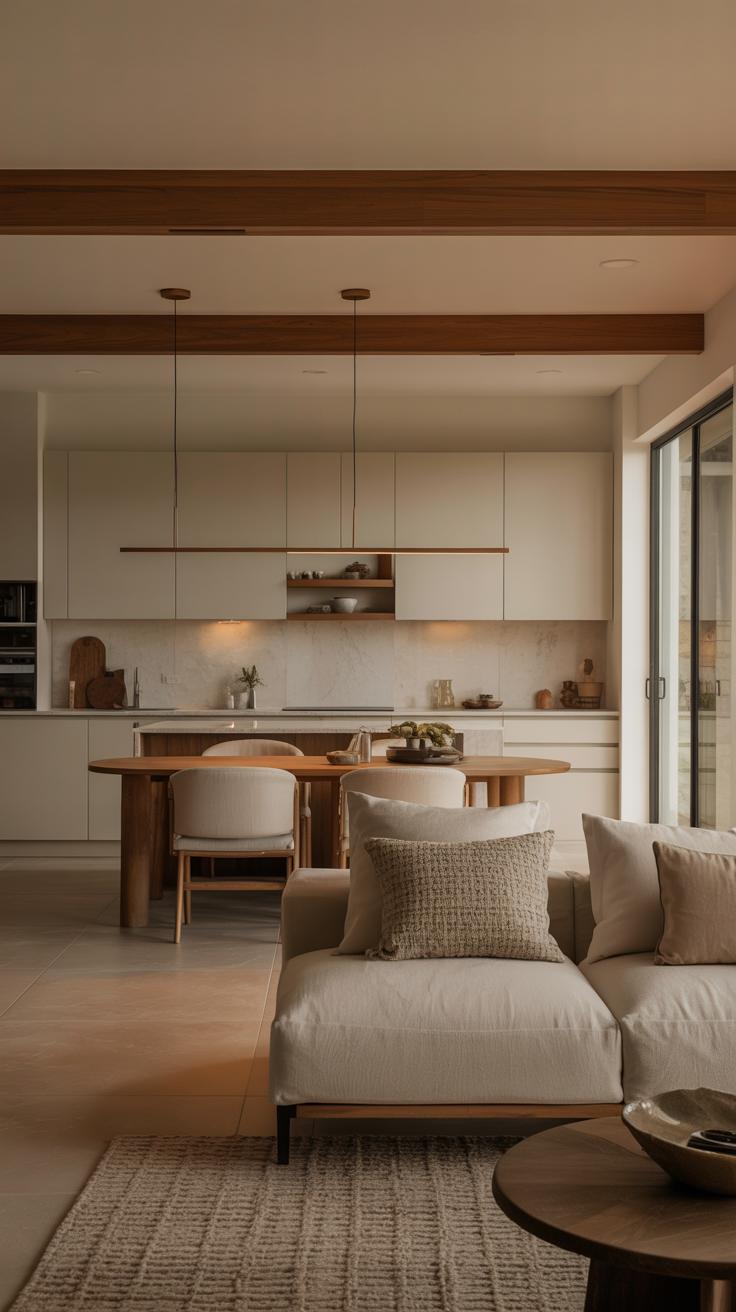
Open, adaptable layouts will dominate new builds.
Multipurpose rooms and furniture will continue to grow in popularity.
Outdoor and indoor integration will blur the line between indoor and outdoor living spaces.
Design focused on lifestyle, not tradition, will become the new standard.
In other words, the modern home is practical, beautiful, and built for real life—where rooms serve your life, not the other way around.
The Future of the Home
The shift away from formal dining rooms reflects a larger trend toward homes that adapt to life as it is lived. Bedrooms, kitchens, and living spaces now double as offices, homework stations, or yoga studios. Homes are smarter, smaller, and more intentional, designed for comfort, convenience, and versatility.
Gone are the days of rooms that sit empty most of the year. Instead, today’s homes reflect the practical needs and habits of real families: spaces where people cook, work, play, and gather—not for formality, but for living.
The formal dining room isn’t disappearing because style is dead—it’s disappearing because our needs and lifestyles have evolved. Today’s homes prioritize function, flexibility, and daily enjoyment, and in the process, they’ve found a new kind of elegance: spaces that are beautiful and usable, every single day.
So if you’re building, remodeling, or simply dreaming about your next home, consider the power of multipurpose spaces, casual dining, and open layouts. The modern home doesn’t just accommodate life—it enhances it.