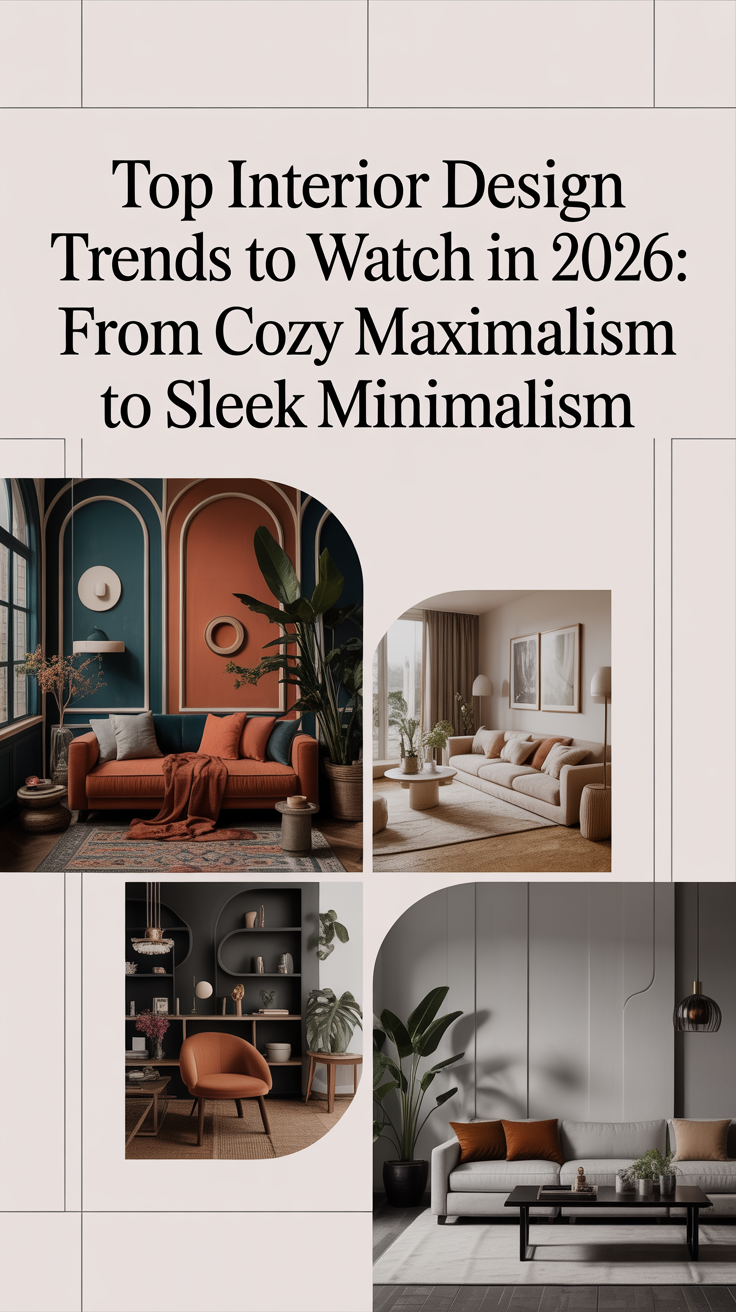
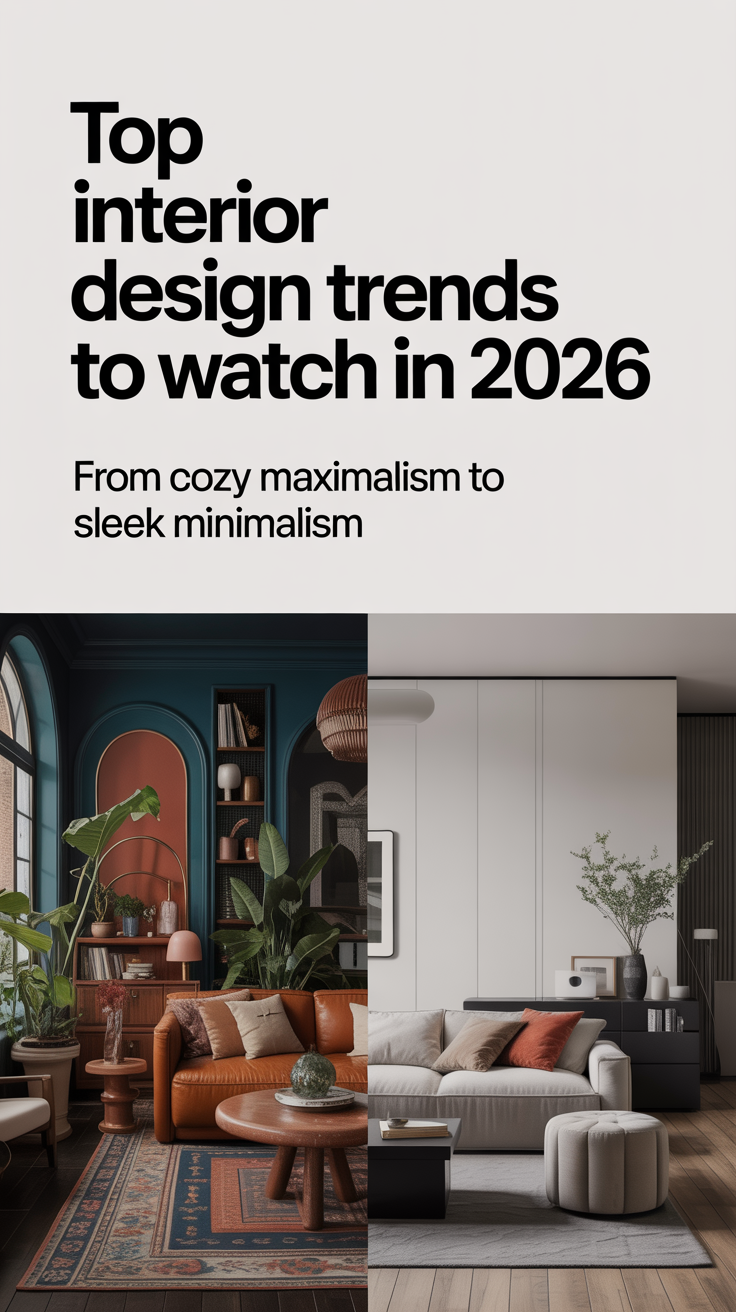
As we look ahead to 2026, interior design is truly embracing a dual personality: on one hand, cozy maximalism—bold, expressive, deeply personal; on the other, sleek minimalism—refined, warm, and uncluttered. These two seemingly opposite trends are not just coexisting but defining how we live now.
Why this split? After years of ultra-clean, impersonal minimalism, people are craving soul. But they’re also leaning into simplicity—not chaos. Designers predict that 2026 will be the year of intentional contrast, where homes feel layered and meaningful yet serene and functional.
In this article, let’s talk top design trends shaping 2026, including color palettes, materials, furniture, lighting, tech integration, and how to choose what fits your style.
1. The Return of Maximalism — But With Depth
1.1 Maximalism with Meaning
Maximalism is making a strong comeback in 2026, but it’s not about clutter for clutter’s sake. According to several industry forecasts, designers are embracing what some call “maximalism with meaning” — curated, intentional layers rather than overstuffed chaos.
This means: vintage finds, gallery walls, patterned textiles, and personal collections, all thoughtfully arranged to tell a story. Designers are increasingly pulling from heirlooms, travel mementos, and one-of-a-kind pieces.
1.2 Rich, Earthy, and Dramatic Color Palettes
Color trends reflect this expressive maximalism. According to a 1stDibs survey, designers are gravitating toward earthy, moody hues in 2026: chocolate brown, deep burgundy, sage green, and other saturated tones.
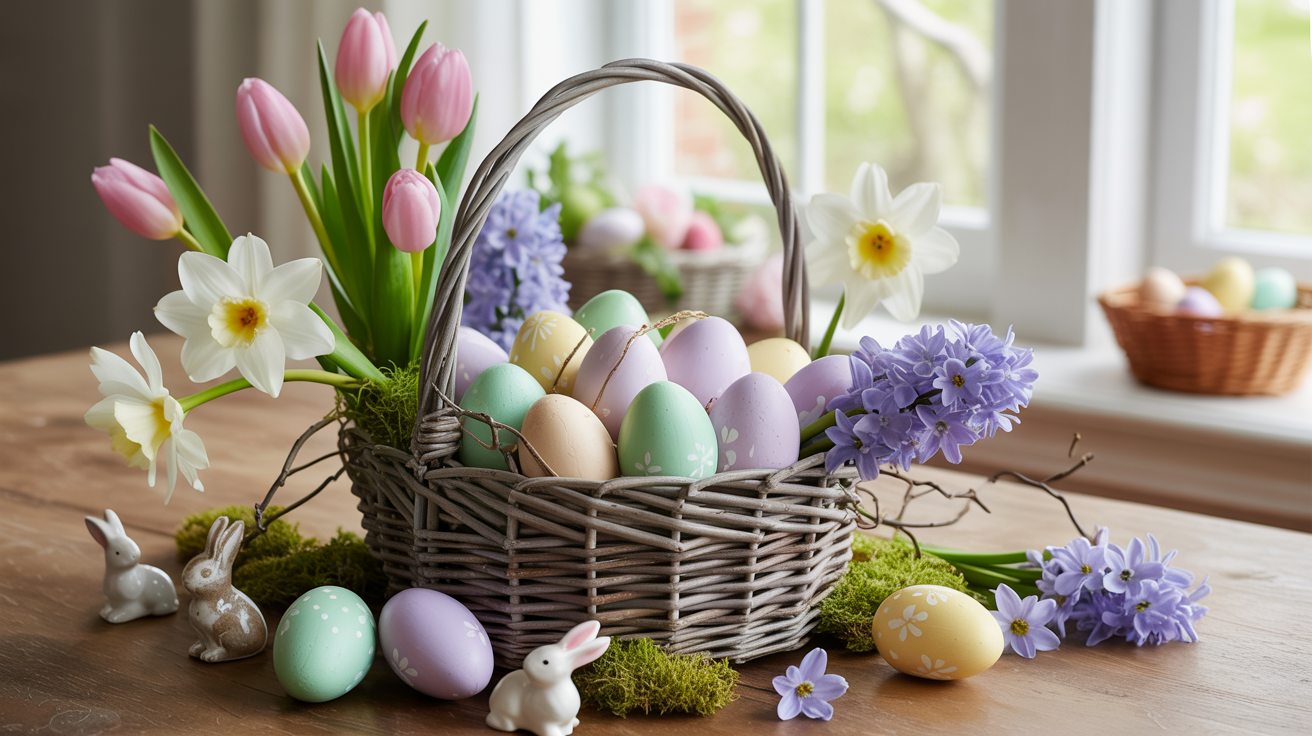
These richer hues are balanced with soft pastels (like powder pink, butter yellow, mint) that add playfulness without overwhelming. The juxtaposition of bold and gentle tones allows for maximalism that still feels grounded.
Color drenching — painting an entire room (walls, ceiling, trim) in one saturated hue — is also rising in popularity. This immersive technique creates a jewel-box effect, enveloping the space in warmth and drama.
1.3 Layered Textiles and Patterned Surfaces
Texture is king in this new maximalism. Designers layer patterned rugs, wallpapers, curated textiles, and mixed materials to build depth. Rather than striving for perfection, pieces are chosen for emotional resonance — the well-worn throw, the embroidered pillow, the handmade ceramic.
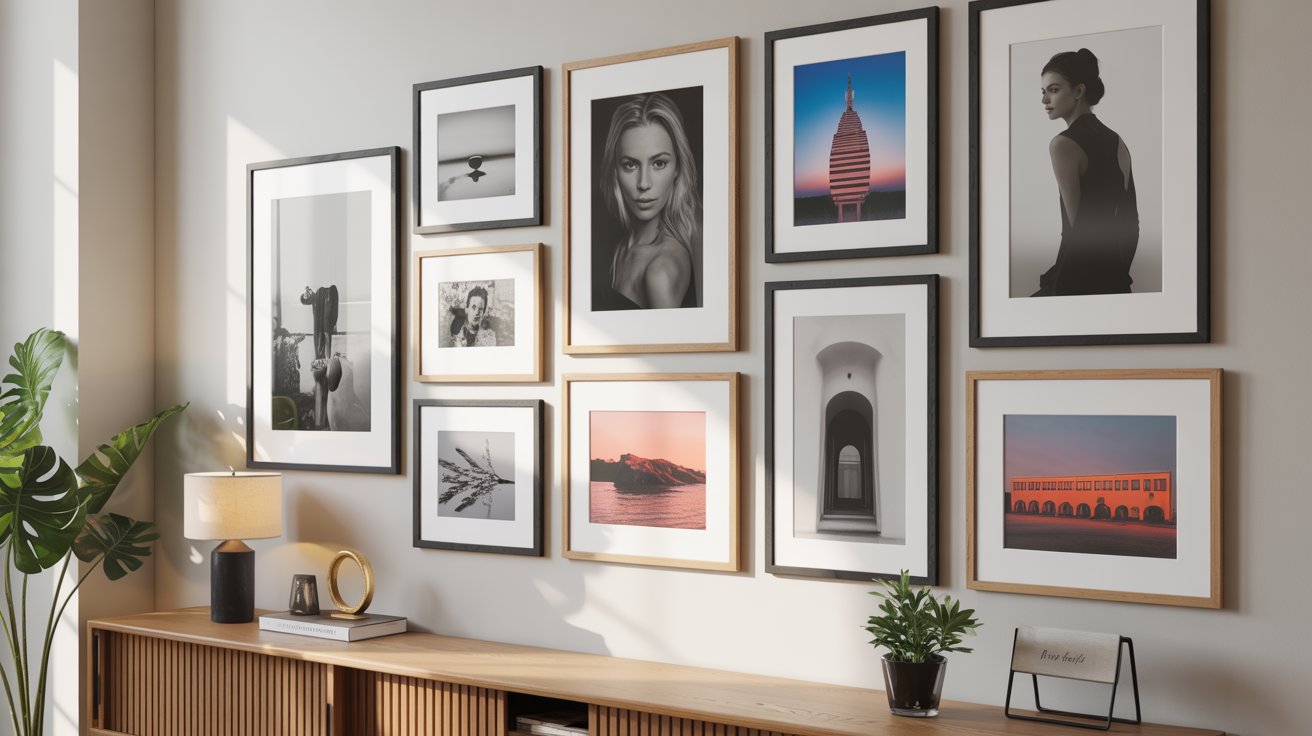
Gallery walls are also being refreshed: instead of matching frames and symmetrical layouts, 2026 favors eclectic clusters that mix art, photography, and personal mementos.
1.4 Nostalgia, Vintage & Curves
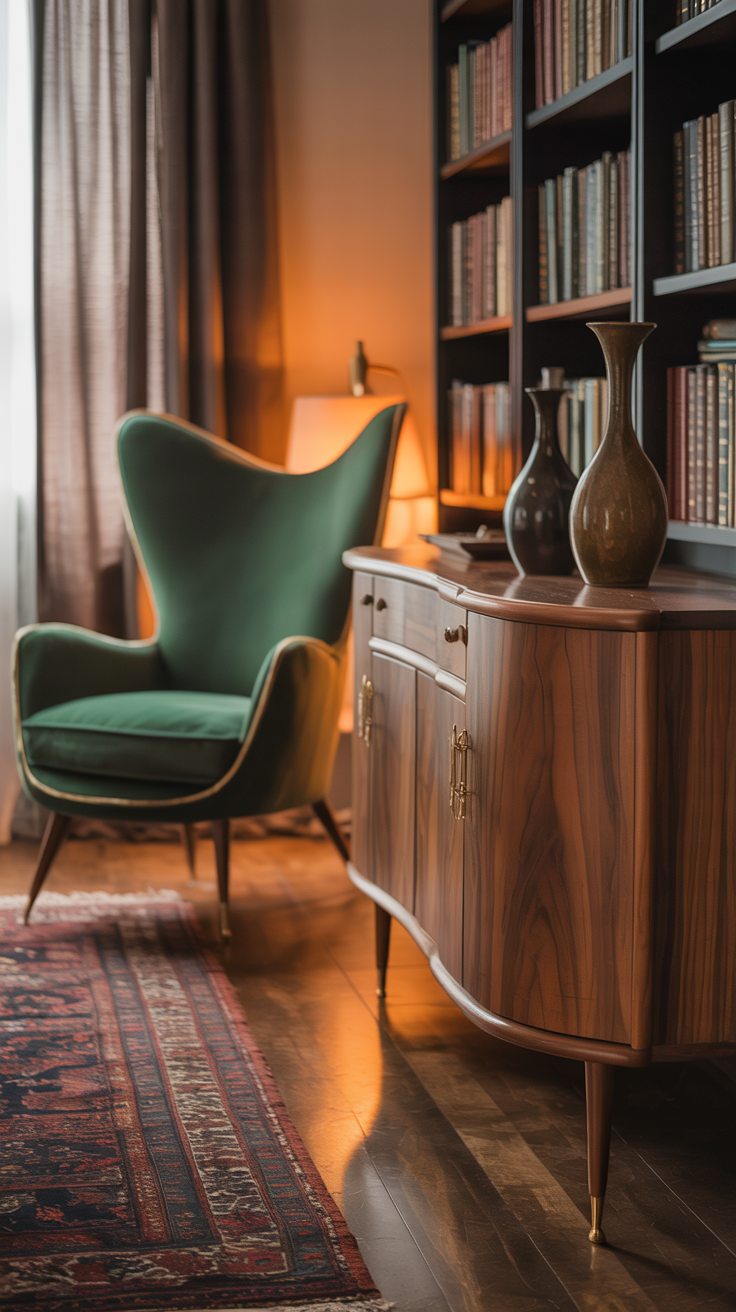
Vintage is bigger than ever. According to 1stDibs, designers are leaning into antiques and pieces from the 1920s onward. These items bring character, craftsmanship, and history — all integral to the emotional side of maximalism.
Curved, organic shapes also define this trend: wavy wooden silhouettes, rounded sofas, ribbed furniture — all soft, sculptural, and warm. These lines contrast beautifully with sharp, cold minimalism and feel more human.
2. Warm Minimalism: A Softer, More Inviting Simplicity
While maximalism is making noise, minimalism is not going anywhere — but it’s evolving. The dominant minimalism trend for 2026 is often called “warm minimalism.”
2.1 What Is Warm Minimalism?
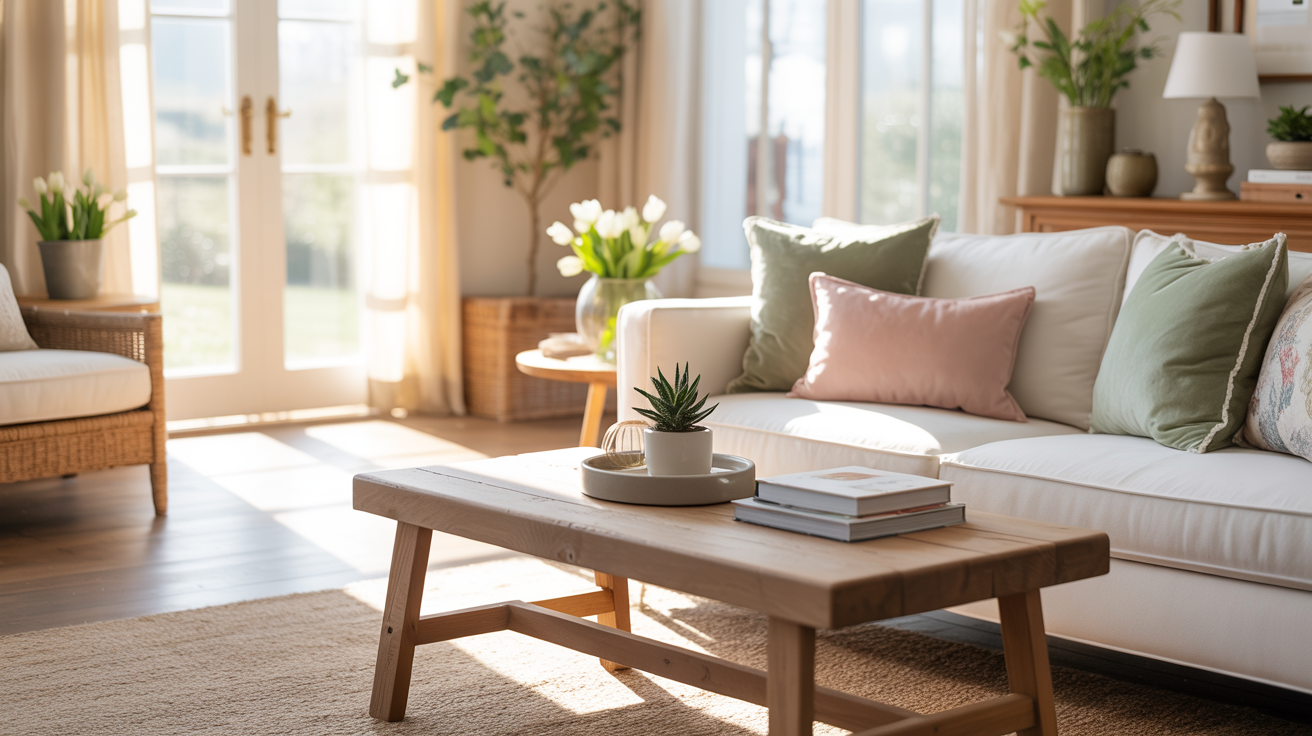
Warm minimalism blends the clean lines and pared-down nature of traditional minimalism with textures, natural materials, and cozy tones. It’s not about empty spaces, but about calm sophistication and emotional resonance.
2.2 Materials & Textures
In 2026, warm minimalism favors materials that convey quality and tactility:
Natural stone & marble: Bold veining and raw-edge slabs are used in countertops, accent walls, or decorative pieces.
Solid wood: Light woods like oak, maple, and ash are trending, often mixed deliberately with darker or contrasting stains.
Textiles: Linen, wool, velvet, and boucle add softness and warmth without compromising minimal aesthetics.
Metals: Minimalist spaces are punctuated with subtle touches of brushed brass, matte black, or polished chrome.
2.3 Curves & Organic Shapes
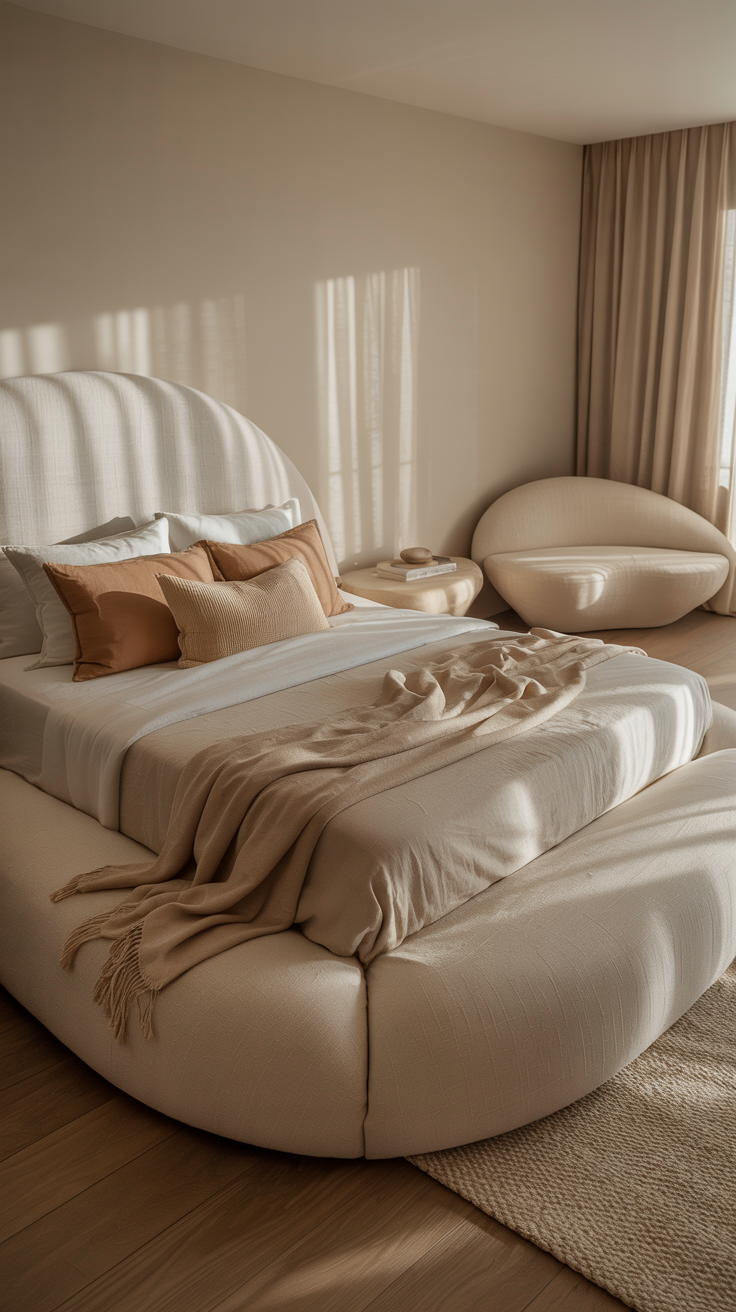
Sharp corners are giving way to more gentle, flowing silhouettes in minimalism too. Curved sofas, round tables, ribbed or textured surfaces — these shapes bring a softness that feels both modern and welcoming.
2.4 Color Palette
Warm minimalism leans into neutral, earthy, and warm tones: creamy whites, taupes, sand, terracotta, and clay. These colors are calming but never sterile, and they pair beautifully with natural materials.
2.5 Lighting & Atmosphere
Creating mood is essential. In 2026, lighting in minimalist interiors is layered: soft ambient light, accent lighting, and sculptural lamps that double as decor. Designers also emphasize scent, tactile surfaces, and “human‑centered tech” to make minimal spaces feel lived-in.
3. Curves, Organic Forms & Sculptural Furniture
One of the most consistent cross-cutting trends in 2026 is the rise of curves and organic shapes. Whether in maximalist or minimalist spaces, designers are favoring fluid lines that feel soft and welcoming.
Furniture: Expect to see rounded sofas, pebble-shaped side tables, drum-shaped ottomans, and sculptural chairs.
Architecture: Arched doorways, scalloped edges, ribbed walls, and curved niches are becoming more common.
Lighting: Sculptural light fixtures—such as wavy floor lamps or pendant lights with organic profiles—serve both function and form.
These curves help soften the rigidity of straight lines and make rooms more visually dynamic and emotionally inviting.
4. Earthy Vibrancy & Grounding Color Stories
4.1 The New Color Palette: Earthy Vibrancy
Designers are increasingly embracing what some call “earthy vibrancy” — a palette grounded in nature but rich with expressive depth. Shades like ochre, clay, olive green, muddy blue, deep plum, and terracotta are central.
These tones feel warm and rooted, with a designer sophistication that’s both calming and energizing. They work beautifully in both maximalist and minimalist spaces, depending on how they’re used.
4.2 Color Blocking & Accent Walls
To embrace bold color without going overboard, many designers are using color blocking—painting portions of a room (walls, ceilings, trims) in complementary or contrasting hues.Accent walls or color-drenched spaces are particularly popular in maximalist designs.
4.3 Textured Finishes & Surface Interest
Patterned textiles, textured wallpapers, and natural materials bring life to color-rich spaces. Whether in a maximalist room or a warm minimal design, texture helps maintain balance and depth.
5. Mixed Materials & Purposeful Contrasts
In 2026, design is all about intentional contrast, bringing together materials in a way that feels thoughtful, not chaotic.
5.1 Mixed Woods
Gone are the days of perfectly matched wood finishes. This year, designers are mixing tones—pale oak with walnut, black-stained with honeyed finishes—to add richness and unexpected cohesion.
This approach creates warmth and visual interest, offering a more organic, collected feel.
5.2 Bold Stone & Marble
Strong stone is making a statement. Designers are using dramatic stone slabs with bold veining, raw edges, and contrast in unexpected places: table tops, wall cladding, sculptural furniture.
This isn’t about cold luxury—it’s about tactile, high-impact materials that feel both timeless and sculptural.
5.3 Eco‑Luxury Materials
Sustainability continues to rise, but in 2026 it’s not rustic—it’s eco-luxury. Designers are selecting recycled or high-performance materials that mimic marble, leather, and other premium finishes.This gives you the look of luxury with a mindful, eco-conscious twist.
6. Personal Storytelling & Curated Maximalism
One of the defining differences between the maximalism of 2026 and past decor binges is the emphasis on personal narrative.
Curated collections: Designers encourage you to fill your space with things that matter—heirlooms, vintage finds, travel souvenirs—not just for show, but to communicate story.
Gallery walls: Instead of random art, walls may feature a mix of family photos, art prints, textiles, and mirrors, all integrated with purpose.
Handmade & artisan touches: Think ceramics with brushstroke patterns, embroidered wood, and handcrafted furniture.
This maximalist approach is not maximal in volume, but in meaning.
7. Tech Integration: Invisible, Smart, Seamless
2026 design trends are smart — but subtle.
Designers are moving away from bulky, visible gadgets. Instead, technology blends into the décor. Hidden speakers, touchless faucets, integrated charging stations, and embedded smart controls are becoming mainstream.
Smart lighting systems adapt throughout the day: bright for tasks, soft for relaxing, and sculptural for decorative impact.
Even sustainable design is tech-forward: eco-luxury materials, recycled composites, and energy-efficient systems are being integrated seamlessly.
8. Japandi & Minimalism Reimagined
If warm minimalism were a heart, Japandi is its soulful brain. This trend, already growing in popularity, is expected to be even more influential in 2026.
Philosophy: Japandi combines Japanese wabi-sabi (embracing imperfection, natural materials) with Scandinavian hygge (comfort, simplicity).
Palette: Greige, clay, sand, soft charcoal, and natural greens.
Materials: Bamboo, linen, rattan, smooth stone — all chosen for their organic quality.
Furniture: Balanced between structure and imperfection — think clean-lined pieces with gentle curves, and items that feel handmade or timeworn.
Japandi offers a minimalist approach that’s not sterile — it’s full of intention, comfort, and serenity.
9. Lighting as Sculpture & Atmosphere
Lighting in 2026 isn’t just functional; it’s part of the design story.
Modular and hybrid lighting: Fixtures that adapt—bright when you’re working, soft when relaxing—are on the rise.
Sculptural fixtures: Wavy, curved, and organic shapes dominate pendants, floor lamps, and sconces.
Three-point lighting: Designers emphasize layered lighting—ambient, task, and accent—so spaces feel dynamic yet calm.
Tactile surfaces: Light interacts with natural textures (linen, stone, wood), enhancing the materiality and mood of a room.
Lighting becomes both a tool and a statement, bridging function with emotion.
10. Sustainability & Eco-Luxury
Sustainability isn’t a trend — it’s a cornerstone of 2026 design. But it’s no longer about reclaimed barn wood or budget-friendly DIY. Instead, eco-luxury is leading.
Materials: Recycled stone, high-performance composites, and sustainable finishes that look and feel premium.
Furniture & finishing: Pieces made with ethically sourced wood, low-VOC finishes, and long-lasting craftsmanship.
Tech: Smart systems integrated with design, reducing waste and energy usage without sacrificing style.
Slow design: Investing in high-quality, timeless pieces rather than fast furniture. Designers are emphasizing emotional wear — furniture that tells a story, not trends that get replaced quickly.
11. Accent Walls, Architectural Details & Built-Ins
Decluttering is out; character is in.
Accent walls: Bold wallpapers, color-drenched surfaces, or textured finishes (stone, ribbing) are used to anchor rooms
Custom built-ins: Shelves, bookcases, and cabinetry tailored to your space and story. These help organize while adding personality.
Statement ceilings: Designers are paying more attention to the “fifth wall” — with paint, texture, or architectural detail.
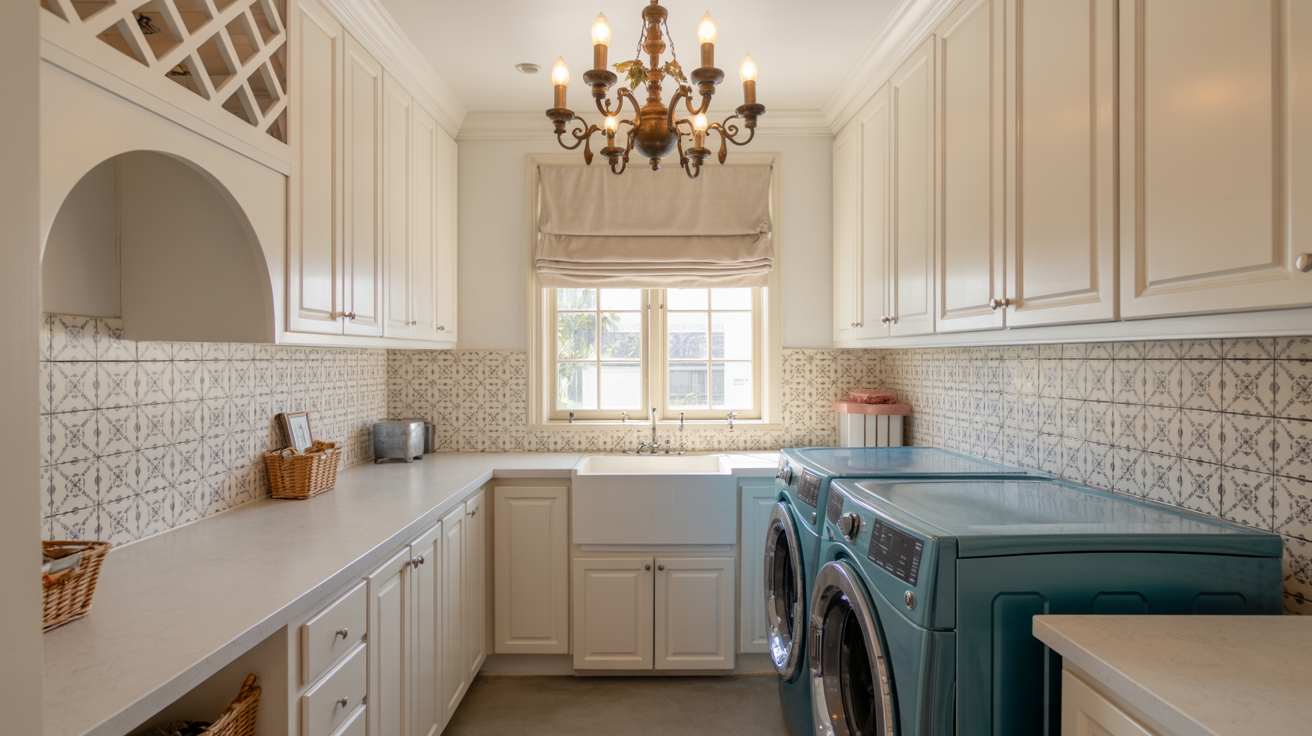
Curved architecture: Arched doorways, scalloped moldings, and rounded niches soften the edges of traditional layouts.
These design moves create visually rich, functional architecture without tipping into clutter.
12. Comfort & Fat Furniture
2026 emphasizes comfort—not just for sitting, but for living.
Fat furniture: Chunky, oversized sofas and chairs are in. These pieces are plush, sculptural, and designed to be the visual centerpieces of a room.
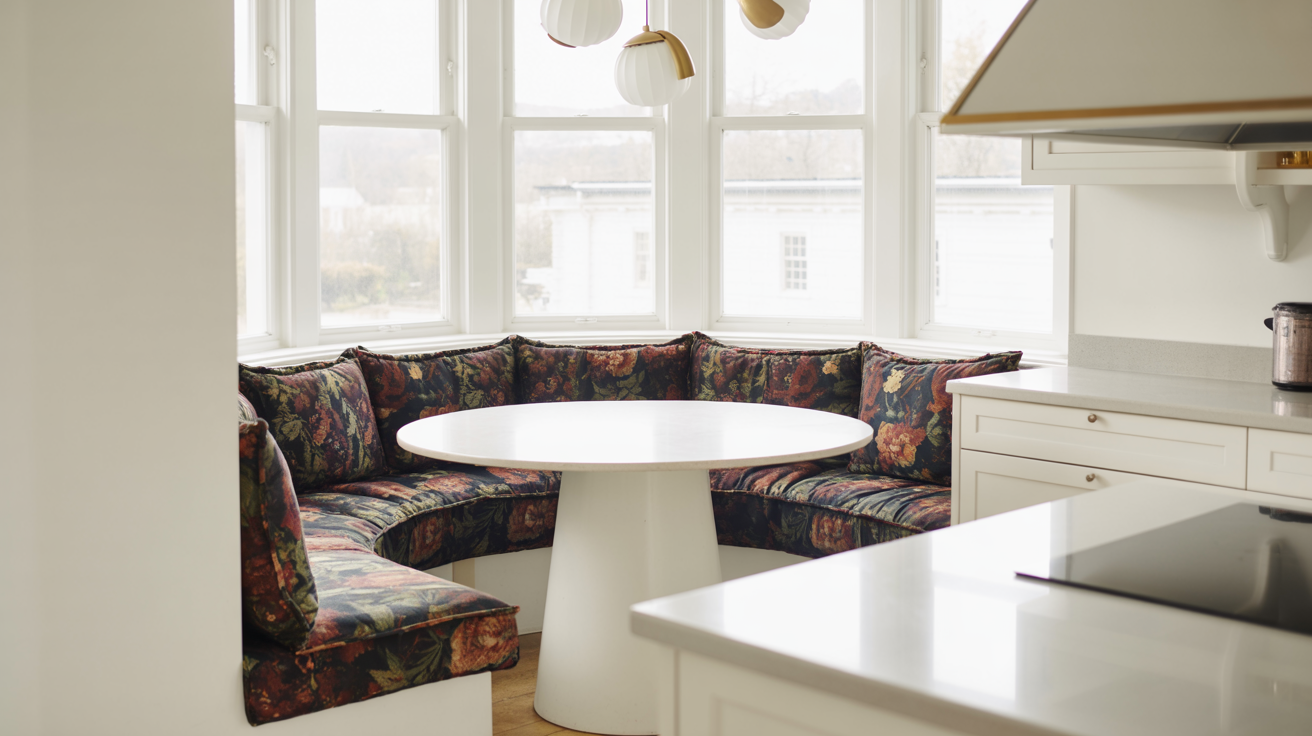
Cozy corners: Window nooks, reading benches, and soft seating areas layered with rich fabrics and textures.
Textile layering: Throws, pillows, rugs, and upholstery all layered to create a warm, human feel.
This trend isn’t about hoarding — it’s about making comfort look deliberate and beautiful.
13. Balance Between the Two Poles: Maximalism and Minimalism
One of the most powerful 2026 trends is how maximalism and minimalism are balancing each other rather than being rivals. Here’s how this tension plays out in real homes:
Zoned expressions: Use maximalist design in a statement room (like a study or dining room) and minimalism in tranquil zones (bedroom, meditation nook).
Anchoring pieces: In a maximalist space, include a few minimalist elements (clean-lined table, serene lamp) to ground the energy. In a minimal space, incorporate a bold textile or vintage piece for warmth and personality.
Harmony through color: Pair rich jewel or earth tones (maximal) with warm neutrals (minimal) to create a palette that feels expressive but calming
Curves as a bridge: Organic shapes and rounded furniture work equally well in both trends, bringing softness to minimal spaces and cohesion to layered ones.
14. How to Try These Trends Now (Without a Full Remodel)
If you love these 2026 design trends but aren’t ready to gut your space, here’s how to dip your toes in:
Small accent pieces: Add a sculptural lamp, a vintage mirror, or a bold pillow to test maximalism.
Color experiments: Try a color-drenched accent wall or paint your ceiling a saturated shade.
Textile swaps: Layer new throws, rugs, or pillows in jute, linen, velvet, or boucle to bring warmth to a minimalist room.
Curvy furniture: Introduce a rounded chair or side table to soften straight layouts.
Smart upgrades: Install a smart bulb or hidden charging station for tech that integrates invisibly.
Sustainable swaps: Replace one piece with an eco-luxury item — a marble tray, recycled-finish side table, or artisan-crafted pottery.
Built-ins & detail work: If you’re handy (or hiring a pro), consider adding a built-in shelf or accent ceiling feature.
15. Forecasted Challenges & Considerations
While these trends are powerful and inspiring, they come with some caveats:
Cost: High-quality materials (stone, custom furniture) and meaningful vintage pieces aren’t cheap.
Commitment: Maximalist color drenching or custom built-ins require commitment — both financially and aesthetically.
Balance: With strong trends on both ends, homeowners may struggle to balance expression and calm.
Sustainability vs affordability: Eco-luxury is great, but not always accessible; finding the right sustainable pieces can require more research.
Longevity: Trends cycle — so when choosing bold maximalist elements, it’s wise to pick items that feel personally meaningful, not just trendy.
2026’s interior design landscape is defined by intentional contrast. On one side, cozy maximalism returns in a thoughtful, personal way — rich color, layered textures, vintage soul, sculptural curves. On the other, warm minimalism refines simplicity by infusing it with humanity: natural materials, tactile surfaces, and a sense of calm.
Rather than seeing these trends as opposing, the magic happens when they coexist in balanced harmony. Whether you lean into one direction or blend both, the design priorities of 2026 are clear:
Meaning over excess
Quality over quantity
Warmth over sterility
Beauty with purpose
For homeowners, this is a powerful moment to shape spaces that are not just stylish, but deeply personal and grounded. By embracing these trends thoughtfully, you can future-proof your home in a way that feels both timely and timeless.