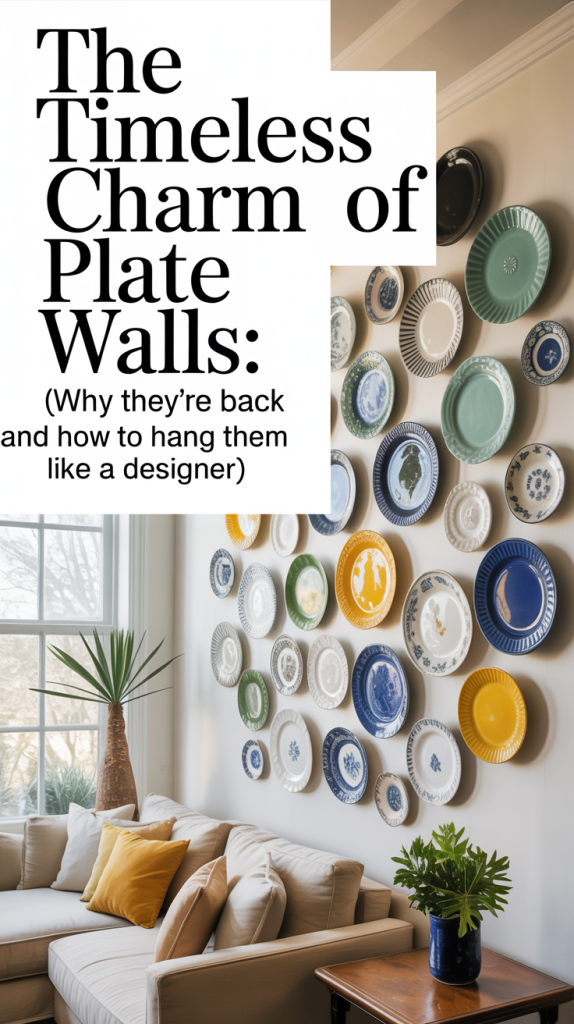
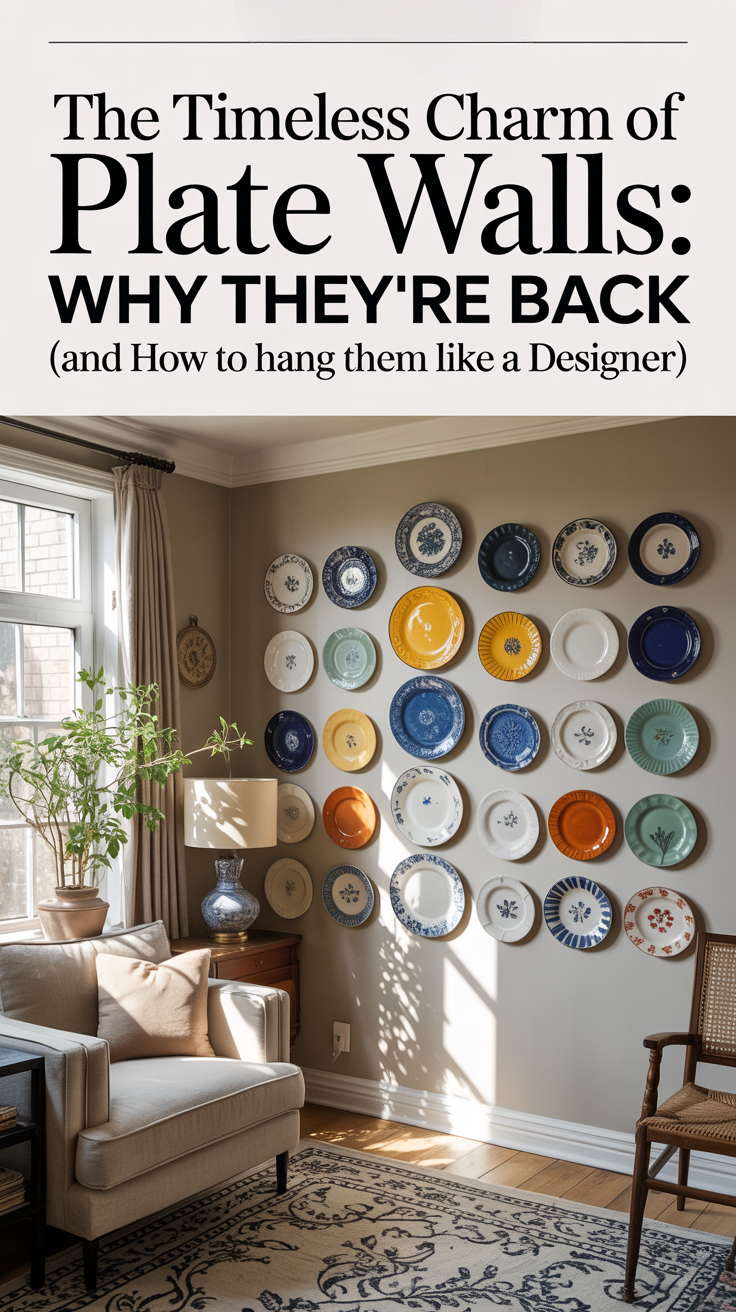
Interior design trends may come and go, but some classics always circle back. One of the most enduring? The plate wall. Once a staple of cozy cottages and traditional dining rooms, decorative plates hung in artistic clusters are making a strong comeback. And it’s easy to see why: plate walls are a beautiful mix of personal expression, timeless craftsmanship, and a gallery-style display that feels both nostalgic and fresh.
In this article, we’ll explore the history of the plate wall, why it’s trending again, and exactly how you can hang one in your home. Whether you’re using heirloom china, flea market finds, or modern ceramic art, this guide will walk you through every detail.
The History of Plate Walls
The practice of hanging plates on walls dates back centuries. In Europe, particularly during the 18th and 19th centuries, wealthy families showcased porcelain and china collections as a symbol of taste and status. These plates weren’t just for dining; they were decorative art pieces, often hand-painted and imported.
In Victorian homes, plate racks and wall hangings became common in kitchens and dining rooms. By the mid-20th century, plate walls shifted from aristocratic displays to a popular design feature in everyday homes. Families proudly hung wedding china, commemorative plates, or decorative sets picked up during travels.
What’s remarkable is how flexible the trend has always been. Plate walls could be formal, symmetrical arrangements above a dining buffet or eclectic mixes of sizes and patterns in a cottage kitchen.
Why Plate Walls Are Back
Today, in a world dominated by mass-produced wall art and generic prints, homeowners are craving something more personal and tactile. Here’s why plate walls are enjoying a renaissance:
Timeless appeal – Plates never go out of style. Unlike trendy wall decals or fast-fashion artwork, ceramics have a permanence that feels classic.
Customization – A plate wall is as unique as you make it. It can tell your story through heirlooms, thrifted treasures, or artisanal finds.
Affordable art – Plates can often be found at flea markets or thrift shops for just a few dollars each.
Texture and depth – Hanging plates creates a three-dimensional gallery wall. Unlike flat prints, they add shadows, shine, and texture.
Sustainability – Repurposing vintage or existing dishware aligns with today’s eco-conscious mindset.
Social media trend – On Pinterest and Instagram, plate walls are being rediscovered by influencers and interior designers, inspiring a new wave of creativity.

Where to Hang a Plate Wall
One of the best things about this look is its versatility. A plate wall can work in almost any room, not just the dining room. Consider these options:
Dining Room: The traditional choice, especially above a sideboard or buffet.
Kitchen: Perfect for smaller walls or spaces above a breakfast nook.
Living Room: Use plates as a focal point above a sofa or fireplace.
Hallway: Create visual interest in narrow spaces.
Bedroom: Softly colored plates can look charming above a bed, especially in cottage or vintage-inspired rooms.
Outdoor Patio Walls: Weather-resistant plates can add charm to garden spaces.
Choosing Plates for Your Display
The character of your plate wall depends entirely on the plates you choose.
Traditional Plates
Think blue-and-white china, floral motifs, or fine porcelain. These give a timeless, elegant look.
Eclectic Mix
Mix modern designs with vintage finds. Pair bold colors with delicate florals. The variety itself becomes the focal point.
Modern Minimalist
Stick to one color palette — for example, all white plates in varying textures, or matte black ceramics.
Travel Souvenirs
Showcase plates you’ve collected from different places. Each plate tells a story and sparks conversation.
Handmade or Artisanal
Support local potters or ceramicists by displaying one-of-a-kind works.
Planning Your Layout
Before hammering any nails, plan your design carefully.
Start with the largest plate – This becomes the anchor. Place it in the center or off-center depending on the style.
Mix sizes – Balance large dinner plates with smaller side plates and saucers.
Aim for flow – The arrangement should feel organic, like a cluster that “grows” naturally.
Symmetrical vs. Asymmetrical – Symmetrical arrangements feel formal and traditional. Asymmetrical layouts feel more modern and relaxed.
Use paper templates – Cut paper circles in the sizes of your plates and tape them to the wall. Rearrange until you like the composition.

Tools and Materials You’ll Need
Plate hangers: The most secure option, available in spring-loaded metal or adhesive styles.
Disc plate hangers: Adhesive discs that stick to the back of the plate, offering a nearly invisible mounting.
Picture hanging hooks: To support plate hangers.
Painter’s tape and paper templates: For planning layout.
Measuring tape and level: For symmetry and spacing.
Command strips (optional): For lightweight plates in rental spaces.
How to Hang Plates: Step-by-Step
Step 1: Gather and Clean Plates
Make sure each plate is clean and free of dust or grease so hangers adhere properly.
Step 2: Plan the Layout
Use paper templates taped to the wall. Try a few arrangements before deciding.
Step 3: Attach Plate Hangers
For spring hangers: clip onto the plate, making sure tension is snug.
For adhesive discs: wet the back, stick to plate, and let dry for 24 hours before hanging.
Step 4: Measure and Mark
Mark nail points with painter’s tape or pencil. Keep spacing consistent — usually 2–3 inches between plates.
Step 5: Hang Plates
Use picture hooks rated for the weight of each plate. Hang carefully and check alignment.
Step 6: Adjust
Step back and make adjustments until the display feels balanced.
Styling Tips for a Designer Look
Stick to a palette: Choose plates that share at least one color for cohesion.
Mix textures: Glossy porcelain next to matte ceramics adds depth.
Add surprise pieces: Slip in a platter, charger, or unusual shape.
Blend old and new: Heirlooms mixed with modern ceramics create timeless contrast.
Go big: A single plate wall can be more impactful than multiple small displays.
Modern Twists on the Classic Plate Wall
Designers today are reinterpreting plate walls in fresh ways:
All white collection: Different textures and shapes, unified by color.
Color-blocked arrangements: Group by color families for a modern art effect.
Oversized platters only: Bold and dramatic above a sofa or mantle.
Mixed-media gallery: Combine plates with framed art or mirrors.
Seasonal swap-outs: Rotate plates seasonally for a fresh look.
Common Mistakes to Avoid
Skipping the layout test – Hanging without planning usually leads to uneven results.
Using weak adhesive – Plates are heavy; use proper plate hangers.
Hanging too high – Keep the arrangement at eye level.
Overcrowding – Leave breathing room so each plate can shine.
Ignoring scale – A small wall needs fewer plates; a large wall can handle a dramatic cluster.
Caring for Your Plate Wall
Once hung, plates require little maintenance. Dust them gently with a microfiber cloth or feather duster. For high walls, use a duster with an extendable handle. If you ever want to rotate plates, remove carefully and replace with new hangers.
Why a Plate Wall is Timeless
A plate wall is more than decoration; it’s a form of storytelling. Each plate can hold meaning — a wedding gift, a flea market discovery, a souvenir from a trip. Unlike trendy prints, plate walls are deeply personal, grounding a room in history and memory.
And that’s why they’re back: in an era of mass-produced everything, people are searching for connection, authenticity, and beauty that lasts.
The plate wall proves that some design ideas never truly go out of style. With the right plates, a thoughtful layout, and a bit of care, you can create a display that feels both nostalgic and refreshingly modern. Whether you lean traditional with blue-and-white china or eclectic with a mix of handmade ceramics, a plate wall adds texture, personality, and timeless charm to your home.
So dust off those heirloom plates or start thrifting for treasures — it’s time to bring this classic look back in a big way.