Trends may come and go, but some patterns possess a timeless quality that allows them to be continually rediscovered and reimagined. In 2026, this classic check is experiencing a significant resurgence, moving beyond its traditional farmhouse and country associations to grace every room of the home with a fresh, contemporary spirit. Today I want to talk about the enduring appeal of gingham, its rich history, and the innovative ways designers are incorporating this pattern into modern interiors.
What is Gingham?
Gingham is a plain-woven fabric, typically made from cotton or a cotton blend, characterized by its distinctive checked pattern. The pattern is created by weaving together threads of two different colors, most commonly white and another hue, in a simple, evenly spaced grid. This process results in a design that is the same on both sides of the fabric. The beauty of gingham lies in its uncomplicated and balanced design, which has contributed to its lasting popularity for centuries.
While often used interchangeably, it is important to distinguish gingham from similar patterns like plaid and check. The primary difference lies in the complexity of the design. Gingham is defined by its two-color, evenly spaced check, which gives it a crisp and clean appearance. Plaid, on the other hand, is a more intricate pattern that involves multiple colors and stripes of varying widths, creating a richer and more layered look. The term check or checkered is a broader descriptor that can encompass any grid-like pattern, including gingham and buffalo check.
| Feature | Gingham | Plaid | Check |
|---|---|---|---|
| Colors | Two | Multiple | Varies |
| Pattern | Evenly spaced checks | Varying stripe widths | General grid pattern |
| Complexity | Simple | Complex | Varies |
| Feel | Crisp, tailored | Rich, heavier | Broad term |
A Journey Through Time: The History of Gingham
The story of gingham is a fascinating journey that spans continents and centuries. The fabric’s origins can be traced back to 17th-century Southeast Asia, with countries like Malaysia, Indonesia, and India being early producers. The name “gingham” itself is believed to be derived from the Malay word genggang, which means “striped” or “straight.” This etymology is significant because the earliest forms of gingham were not checked but striped fabrics.
Through the bustling trade routes of the Dutch East India Company, gingham made its way to Europe and eventually to colonial America. It was in the textile mills of Manchester, England, in the mid-18th century, that the striped pattern began to evolve into the checked design we are familiar with today. The affordability and durability of the fabric made it a popular choice for a wide range of uses, from clothing and aprons to household textiles like tablecloths and curtains.
While some sources suggest a possible connection to the town of Guingamp in Brittany, France, the stronger evidence points to its Southeast Asian origins. Regardless of its precise birthplace, gingham has woven itself into the cultural fabric of numerous societies, becoming a symbol of both rustic charm and classic style.
The Psychology of Gingham: Why We Love This Enduring Pattern
The enduring popularity of gingham can be attributed not only to its simple beauty but also to the powerful emotions it evokes. The pattern has a unique ability to tap into our collective consciousness, stirring feelings of nostalgia, comfort, and optimism. It reminds us of simpler times, of picnics in the park, of the comforting warmth of a country kitchen. This association with wholesome, happy memories is a key reason why gingham continues to be a beloved choice in interior design.
In a world that is often complex and fast-paced, the uncomplicated nature of gingham offers a sense of order and tranquility. Its balanced grid provides a visual anchor, creating a feeling of stability and calm. As interior designer Sean Symington notes, “Gingham has an inherent sense of familiarity, which is why it translates so effortlessly across different interiors.” This familiarity breeds a sense of comfort and security, making a house feel more like a home.
Furthermore, gingham possesses a youthful and optimistic spirit. Its cheerful and unpretentious character can instantly lift the mood of a room, infusing it with a sense of playfulness and lightheartedness. Whether used in a child’s bedroom or a sophisticated living space, gingham has a way of making a room feel more inviting and approachable.
Gingham’s Modern Revival: A Contemporary Twist on a Classic
While gingham has a rich history and a strong connection to traditional design, its current resurgence is characterized by a decidedly modern approach. Designers are breathing new life into this classic pattern by experimenting with color, scale, texture, and application. The result is a fresh and sophisticated take on gingham that feels both timeless and of the moment.
Juxtaposition with Modern Elements
One of the most effective ways to modernize gingham is to juxtapose it with clean lines and contemporary furnishings. When placed in a minimalist setting, gingham adds a layer of warmth and personality without detracting from the overall modern aesthetic. Imagine a sleek, modern living room with a single, oversized gingham armchair, or a minimalist kitchen where gingham-tiled floors provide an unexpected pop of pattern. This contrast between the traditional and the contemporary creates a dynamic and visually interesting space.
As noted by interior designer Caroline Kopp, even a small touch of gingham can have a significant impact. In one project, she used a small-scale gingham for the curtains in a girl’s bedroom, which, when paired with a fresh turquoise color palette and modern furniture, created a ”'”clean, modern look.” This approach demonstrates that gingham can be sophisticated and chic when used thoughtfully.
The Power of Color
Color is a powerful tool for reinventing gingham. While the classic red-and-white and blue-and-white combinations will always have their place, designers are now embracing a much broader and more sophisticated color palette. Muted, earthy tones like chocolate brown, olive green, tan, and mustard yellow lend a refined and elegant air to the pattern, moving it away from its country roots. These sophisticated hues allow gingham to be used in more formal settings, such as a master bedroom or a formal living room.
On the other end of the spectrum, bold and unexpected color combinations are being used to create a playful and contemporary feel. As interior designer Sarah Stacey suggests, “Bold and high-contrast color palettes in gingham update it and keep it from looking too sweet and traditional.” Think of vibrant pairings like coral and turquoise or pink and red, which can inject a space with energy and personality. For a softer, more serene look, fresh pastels like mint, lavender, and mushroom are becoming increasingly popular, creating a calming and inviting atmosphere.
| Color Palette | Mood & Application |
|---|---|
| Earthy Neutrals (Chocolate Brown, Olive, Tan) | Sophisticated, elegant; suitable for formal living areas and master bedrooms. |
| Bold & High-Contrast (Coral & Turquoise, Pink & Red) | Playful, energetic; ideal for accent pieces and creative spaces. |
| Modern Pastels (Mushroom, Sage Green, Lavender) | Calm, serene, and fresh; perfect for bedrooms and bathrooms. |
| Monochrome (Black & White, Gray & White) | Classic, graphic, and versatile; works well in both modern and traditional settings. |
Playing with Scale
Another key strategy for modernizing gingham is to play with its scale. The size of the check can dramatically alter the pattern’s impact on a room. A small, tight gingham can read as a subtle texture from a distance, adding a layer of visual interest without overwhelming the space. This makes it an excellent choice for larger pieces of furniture or for creating a delicate backdrop on walls or curtains.
Conversely, an oversized gingham makes a bold and confident statement. A large-scale gingham wallpaper, a dramatic upholstered headboard, or a statement rug can become the focal point of a room, creating a sense of drama and personality. According to designer Hannah Goldberg, “blowing up the pattern to an oversized gingham will create an attention-grabbing statement piece that reads more modern.” This approach is particularly effective in contemporary spaces where the pattern’s graphic quality can be fully appreciated.
Texture and Material
The material of the fabric itself plays a crucial role in defining the character of the gingham. The choice of textile can transform the pattern from rustic to refined, from casual to chic. Crisp cotton, for example, gives gingham a clean and contemporary feel, perfect for modern interiors. Linen, with its natural texture and relaxed drape, leans into a more traditional, European-inspired aesthetic.
Heavier fabrics like wool or flannel can give gingham a cozy, almost masculine quality, making it an excellent choice for a library or a winter-themed living room. For a touch of unexpected luxury, designers are even using gingham in materials like silk or with embroidered details. As designer Tess Twiehaus explains, “The contradiction feels more elevated and chic.” On walls, a gingham pattern printed on grasscloth wallpaper adds an extra layer of texture and dimension, creating a truly unique and sophisticated look.
Unexpected Applications
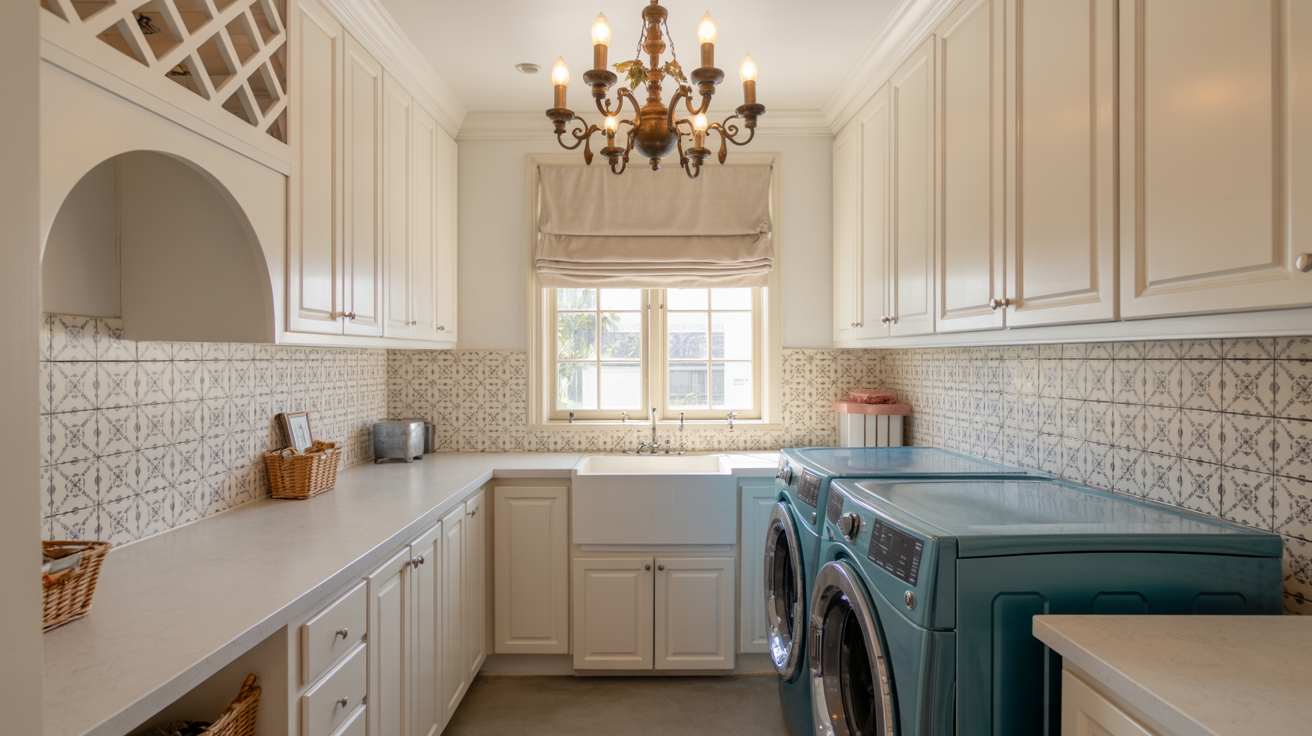
Perhaps the most exciting aspect of gingham’s modern revival is its application in unexpected places. Moving beyond traditional textiles, designers are incorporating the pattern into hard surfaces, most notably tile. A gingham-patterned tile floor or backsplash is a bold and creative way to introduce the pattern into a kitchen or bathroom. This innovative use of gingham puts a modern spin on the classic checkerboard floor, creating a look that is both nostalgic and refreshingly new. When executed with materials like zellige tile, the natural texture and imperfections of the tile add another layer of beauty and character to the pattern.
Gingham in Every Room: A Versatile Pattern for the Whole Home
The versatility of gingham is one of its greatest strengths. With careful consideration of color, scale, and texture, this adaptable pattern can be successfully incorporated into any room of the house, from the living room to the bathroom.
The Living Room: A Touch of Timeless Charm
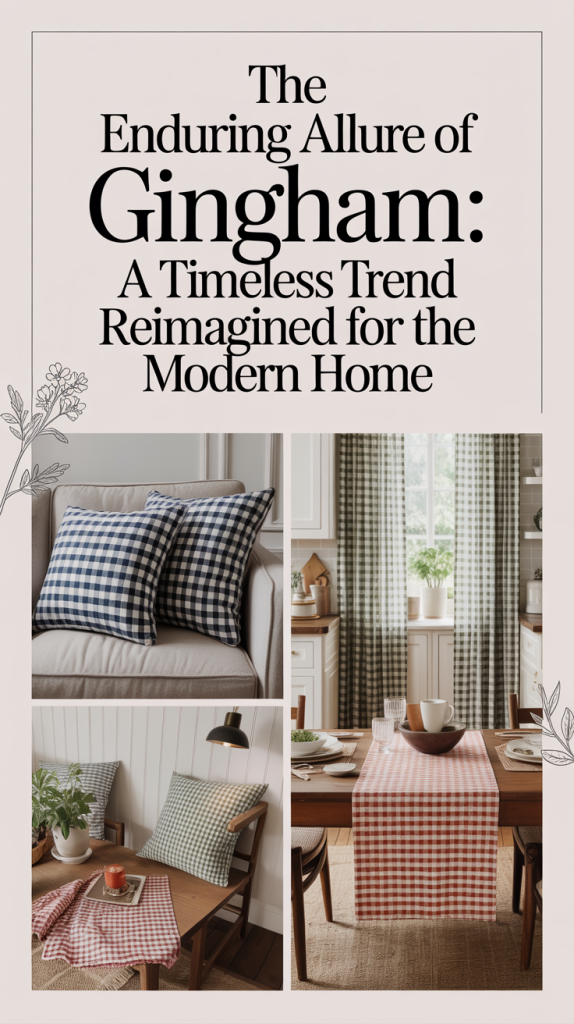
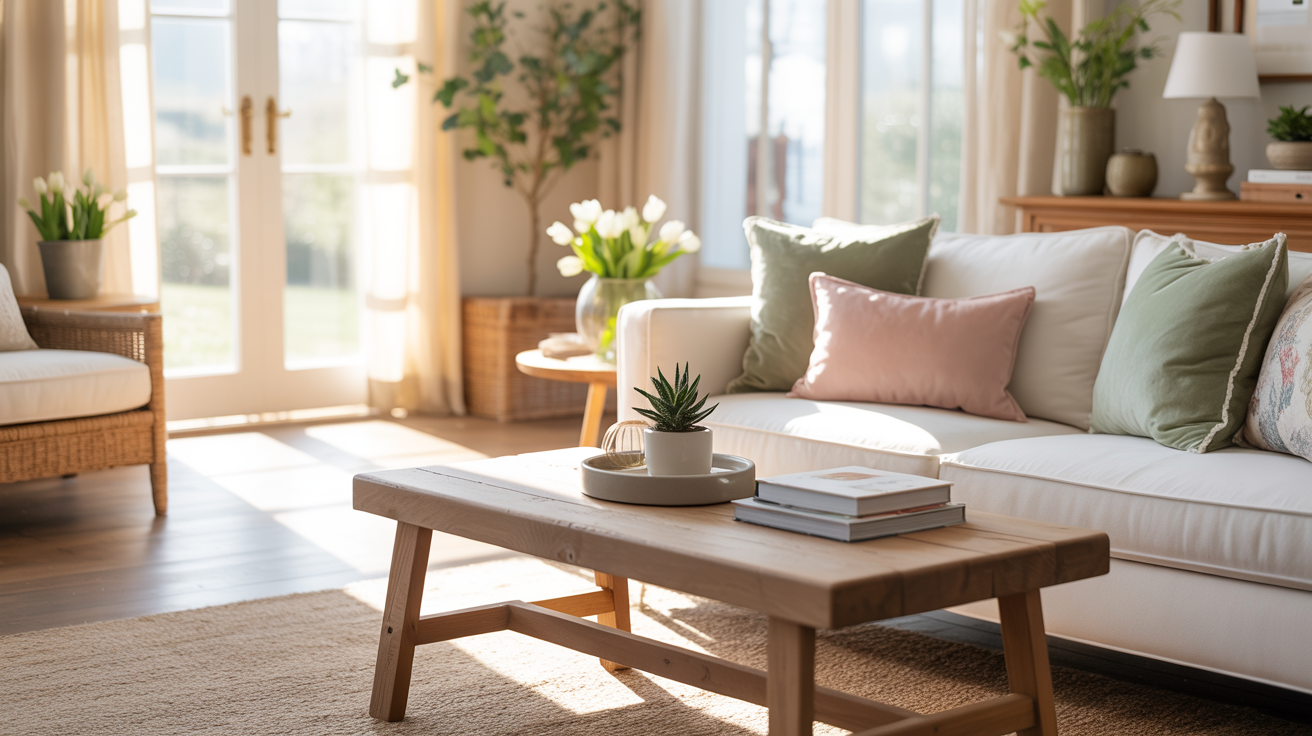
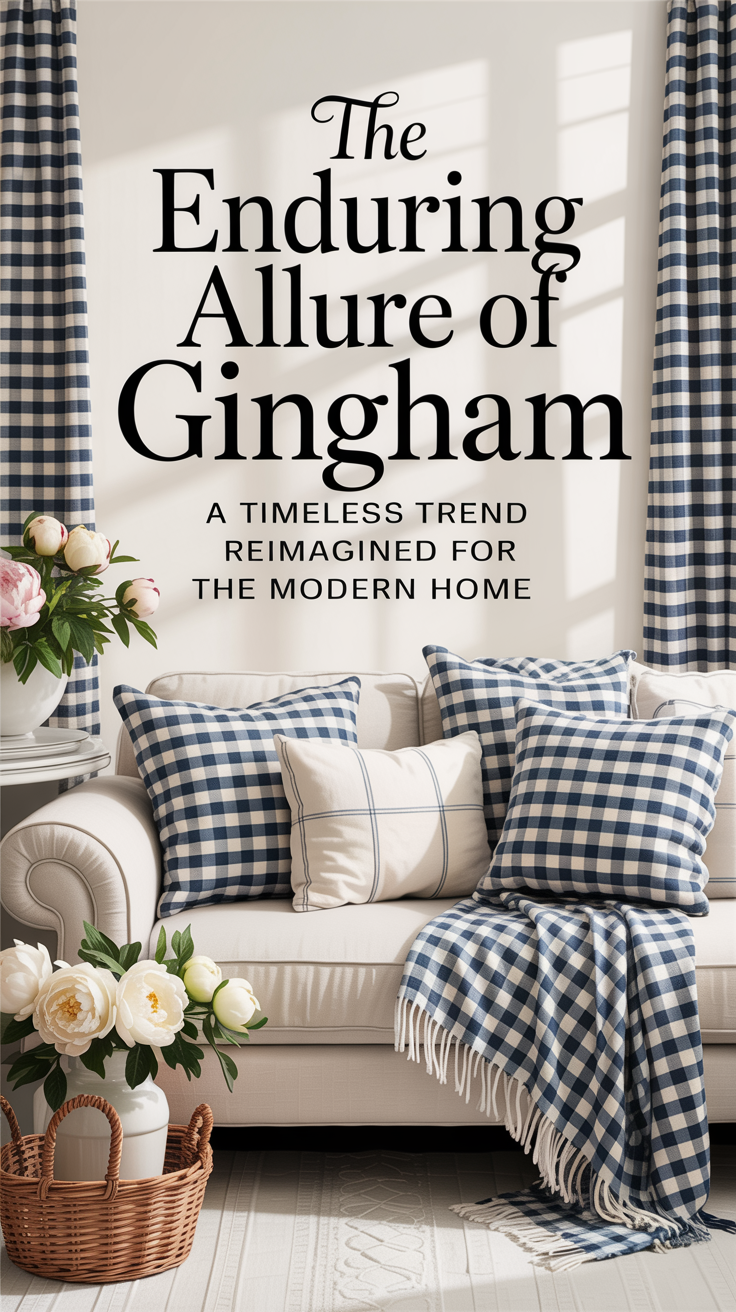
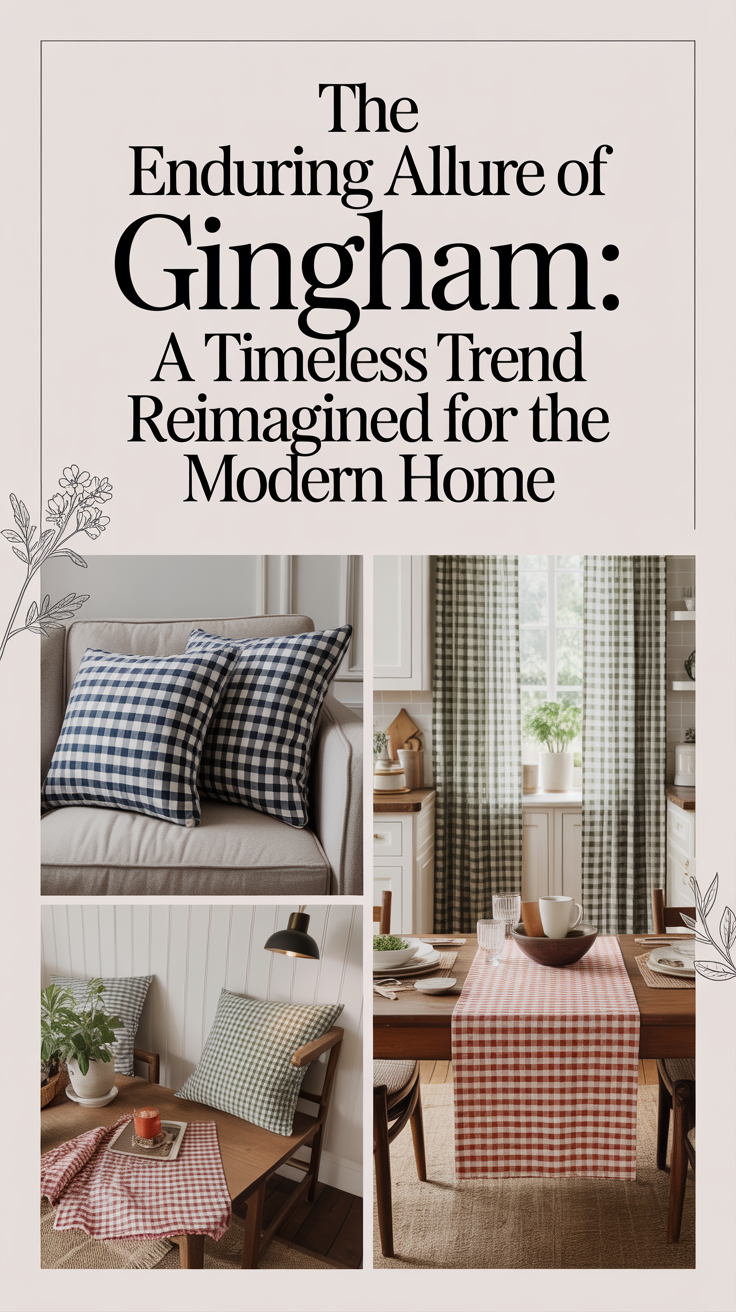
In the living room, gingham can be used to create a sense of comfort and hospitality. A classic gingham armchair can serve as a charming accent piece, while gingham cushions or a cozy throw can add a touch of pattern and warmth to a neutral sofa. For a more subtle approach, consider gingham curtains or a lampshade, which can introduce the pattern without dominating the space. When paired with natural materials like wood, stone, and aged metals, gingham feels timeless and intentional.
The Bedroom: A Serene and Stylish Retreat
The bedroom is a perfect space to embrace the softer side of gingham. Bedding in muted tones like sage green, soft blue, or mushroom can create a serene and inviting atmosphere. A gingham upholstered headboard can serve as a beautiful focal point, while a gingham bench at the foot of the bed adds a touch of tailored elegance. In a child’s room, a brighter gingham can create a playful and cheerful environment.
The Kitchen and Dining Room: A Nod to Nostalgia
Gingham has a long and storied history in the kitchen, and its appeal in this space remains as strong as ever. A gingham tablecloth or runner can instantly create a warm and inviting atmosphere for family meals. Gingham cafe curtains add a touch of rustic charm, while a gingham-patterned backsplash can provide a unique and stylish focal point. In the dining room, gingham upholstered chairs can add a touch of personality and pattern to the space.
The Bathroom: A Fresh and Unexpected Twist
In the bathroom, gingham can be used to create a fresh and unexpected look. A gingham shower curtain in a bold color can make a stylish statement, while gingham towels can add a touch of pattern and texture. For a more permanent design feature, consider a gingham tile floor or wainscoting, which can create a look that is both classic and contemporary.
Styling Gingham: Tips for a Cohesive and Chic Look
Successfully incorporating gingham into your home is all about balance and thoughtful curation. Here are some expert tips for styling this versatile pattern:
- Start Small: If you are new to using pattern, start with small accents like cushions, throws, or lampshades. These can be easily changed out and allow you to experiment with the pattern without making a major commitment.
- Mix and Match Patterns: Gingham pairs beautifully with other patterns, especially florals. The key to successful pattern mixing is to vary the scale of the prints. A large-scale floral, for example, can be paired with a small-scale gingham for a balanced and harmonious look.
- Balance with Solids: To prevent a room from feeling too busy, balance gingham with plenty of solid colors. Use a neutral wall color as a backdrop for gingham furnishings, or pair a gingham armchair with a solid-colored sofa.
- Layer Textures: Combining gingham with a variety of textures can create a rich and layered look. Pair a crisp gingham with soft velvets, chunky knits, and smooth leathers for a space that is both visually and texturally interesting.
Gingham for All Seasons
Another testament to gingham’s versatility is its ability to adapt to every season. By simply changing the color and fabric, you can make gingham feel appropriate for any time of year.
- Spring: Embrace the freshness of spring with gingham in soft pastels like light blue, mint green, and pale pink. Crisp cotton and linen fabrics are perfect for this time of year.
- Summer: Summer is the quintessential gingham season. Classic red-and-white or blue-and-white gingham evokes images of picnics and sunny days. Lightweight fabrics and bright, cheerful colors are the way to go.
- Autumn: As the weather cools, transition to a warmer palette of mustard yellow, burnt orange, and deep reds. Heavier fabrics like flannel and wool will add a cozy touch.
- Winter: For a cozy winter look, opt for gingham in deep, rich colors like navy, forest green, and burgundy. A black-and-white gingham can also create a chic and sophisticated winter look, especially when paired with plush textures like velvet and faux fur.
The Enduring Appeal of a Timeless Classic
Gingham’s resurgence in 2026 is a testament to its timeless appeal and remarkable versatility. This simple check, with its rich history and powerful emotional resonance, has proven its ability to adapt to the ever-changing landscape of interior design. From its humble origins as a striped fabric in Southeast Asia to its current status as a sophisticated design element in modern homes, gingham continues to capture our hearts and imaginations.
Whether used in a bold, contemporary statement or a subtle, classic accent, gingham has the power to transform a space, infusing it with warmth, character, and a touch of timeless charm. As we continue to seek comfort, familiarity, and a connection to the past in our homes, it is no surprise that we are once again embracing the enduring allure of gingham. This is one trend that is sure to stand the test of time, proving that true style never goes out of fashion.
Gingham and Sustainability: A Conscious Choice
In an era of increasing environmental awareness, the choices we make for our homes extend beyond aesthetics to include sustainability. Gingham, with its timeless appeal and natural origins, aligns well with a more conscious approach to consumption. The fabric is traditionally made from cotton, a natural and biodegradable fiber. By opting for organic cotton gingham, consumers can further reduce their environmental impact, as organic cotton is grown without the use of synthetic pesticides and fertilizers.
Moreover, the enduring nature of the gingham pattern encourages a move away from fast-fashion trends in home decor. Because gingham is a classic pattern that rarely goes out of style, pieces featuring this design are more likely to be kept and cherished for years to come. This longevity reduces the need for frequent replacements, which in turn minimizes waste and consumption. By investing in well-made gingham pieces, homeowners can create a stylish and sustainable home that transcends fleeting trends.
The Future of Gingham: An Evolving Classic
As we look to the future, the gingham trend shows no signs of fading. Instead, it is likely to continue evolving in new and exciting ways. We can expect to see even more innovation in terms of color, material, and application. Digital printing technologies may lead to new interpretations of the classic pattern, with gradients, distorted checks, and other creative variations becoming more common.
We may also see a greater fusion of gingham with other design styles. Imagine a minimalist Scandinavian interior with a bold, graphic gingham rug, or a bohemian-inspired space with layers of mismatched gingham textiles. The possibilities are endless. As designers and homeowners continue to experiment with this versatile pattern, one thing is certain: gingham will remain a beloved and relevant part of the interior design landscape for many years to come.
In conclusion, the resurgence of gingham in the world of interior design is a celebration of its timeless appeal and remarkable adaptability. This humble check, with its roots in Southeast Asian history and its journey through centuries of style, has proven its ability to transcend trends and remain a beloved staple in our homes. The modern interpretation of gingham is not about recreating a nostalgic past, but rather about reimagining a classic pattern for a contemporary audience. By playing with color, scale, and texture, and by juxtaposing it with modern elements, designers are showcasing the sophisticated and versatile nature of this enduring design. Whether it’s a bold statement piece or a subtle accent, gingham brings a sense of warmth, character, and effortless style to any space. As we continue to value comfort, personality, and sustainability in our homes, the enduring allure of gingham is set to captivate us for generations to come.