

A beautiful kitchen might catch your eye—but a functional kitchen changes your daily life. The way your kitchen is laid out determines how smoothly you cook, clean, and move throughout the space.
Whether you’re working with a compact apartment or a spacious open-plan home, the right layout can help you save time, reduce stress, and enjoy the process of cooking again.
Below is a fully expanded and strategically restructured guide to help you design a kitchen that truly works for you.
1. Open-Concept Islands That Define Without Dividing
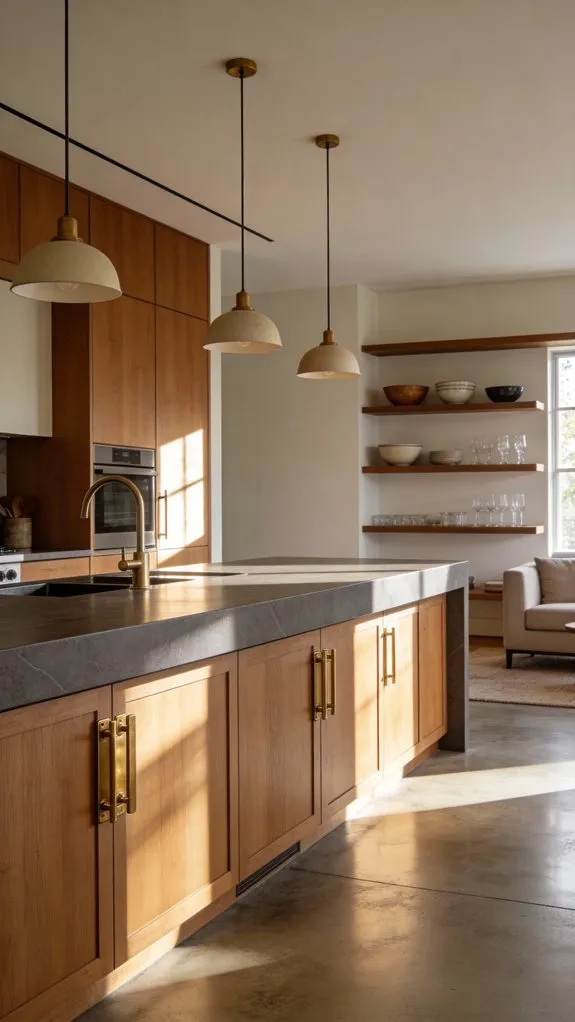
Open-concept homes are incredibly popular, but they come with one major challenge: lack of structure. Without walls, spaces can feel undefined and disorganized.
This is where kitchen islands become essential.
An island acts as the anchor of your kitchen, clearly separating it from living or dining areas while maintaining a seamless flow. Instead of building walls that block light and visibility, an island creates a natural boundary that keeps everything connected.
Beyond structure, islands add serious functionality. You can use them for:
- Meal preparation
- Casual dining
- Storage with built-in cabinets
- Housing appliances like sinks or cooktops
You can even incorporate multi-level surfaces—one side for cooking, the other for seating—so different activities can happen at the same time.
A well-designed island transforms your kitchen into a central hub for both function and connection.
2. Designing for Multiple Cooks Without Chaos
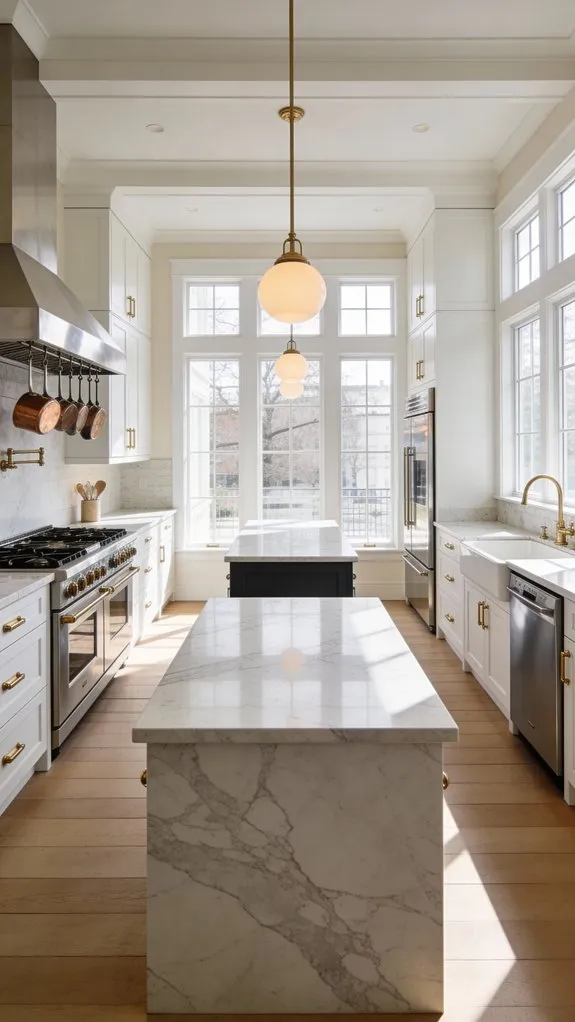
Kitchens aren’t always a one-person workspace. When multiple people are cooking, poor layout design quickly leads to frustration.
Think about situations where:
- Two people reach for the same drawer
- Someone blocks access to the stove
- Movement paths overlap constantly
To avoid this, your layout should support simultaneous use.
Start by creating:
- Separate prep zones
- Clear walking paths
- Enough counter space for more than one person
Positioning is key. For example, placing the sink and stove too close together can create bottlenecks. Instead, spread out high-use areas so multiple people can work without interfering with each other.
When done right, your kitchen becomes a collaborative space, not a stressful one.
3. The Work Triangle: Your Efficiency Foundation
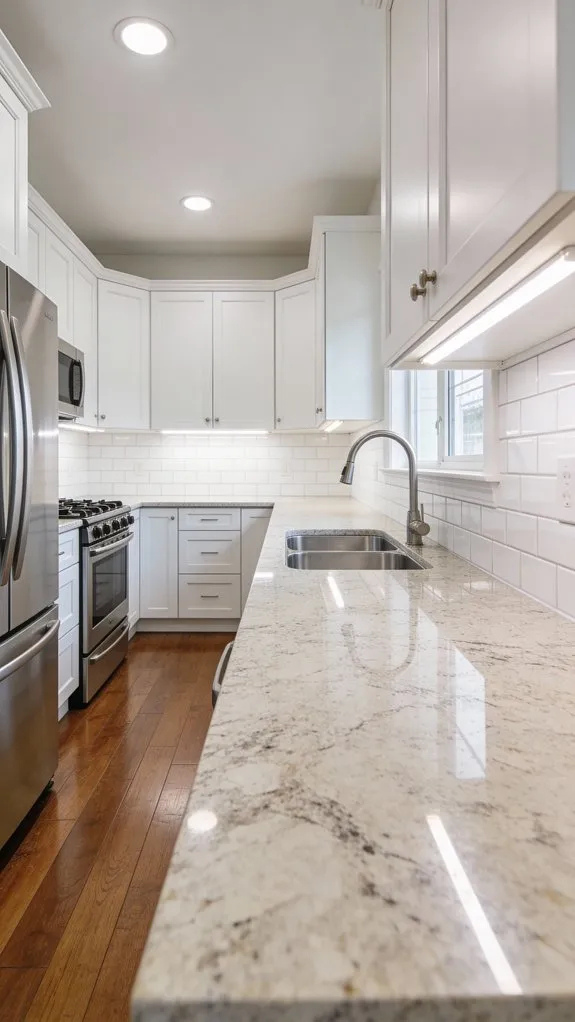
The work triangle is one of the most important principles in kitchen design—and for good reason.
It connects the three most-used areas:
- Refrigerator (storage)
- Sink (prep and cleaning)
- Stove (cooking)
The goal is to create a layout where moving between these points feels natural and efficient.
For best results:
- Each side of the triangle should be comfortably spaced
- The total distance should not be too short or too long
- There should be no obstacles interrupting movement
When your triangle is properly set up, you eliminate unnecessary steps. This not only saves time but also reduces fatigue, especially when cooking complex meals.
It’s a simple concept—but it has a huge impact on everyday usability.
4. Compact One-Wall Kitchens That Maximize Small Spaces
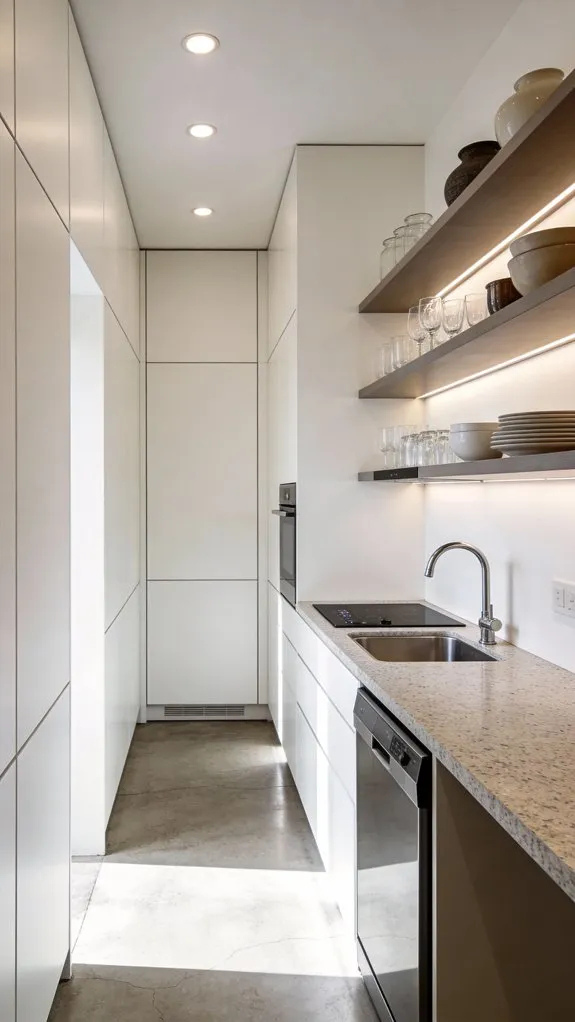
When you’re working with limited space, simplicity is key. A one-wall kitchen keeps everything aligned along a single surface, making it ideal for small homes or studio apartments.
At first glance, it might seem restrictive—but with smart design, it becomes highly efficient.
To maximize this layout:
- Use vertical space for storage (shelves, racks, cabinets)
- Choose compact or multi-functional appliances
- Add foldable or movable surfaces for extra prep space
You can also incorporate hidden storage solutions to keep clutter out of sight.
The result is a kitchen that feels clean, open, and surprisingly functional, even in tight spaces.
5. G-Shaped Layouts for Maximum Storage and Control
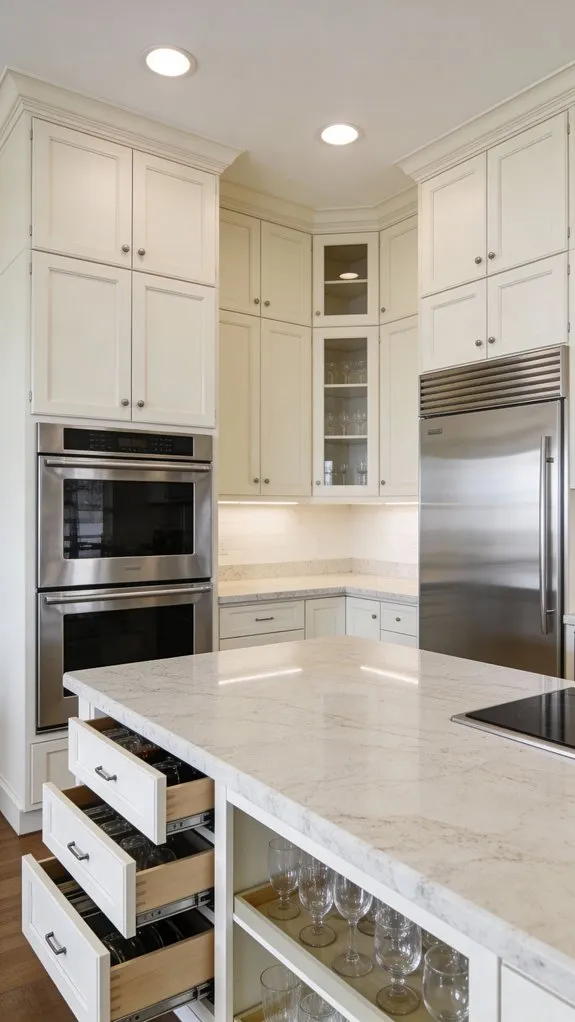
If you want a kitchen that surrounds you with everything you need, the G-shaped layout is a powerful option.
It builds on the U-shaped design by adding a peninsula extension, creating a more enclosed workspace.
This gives you:
- Additional counter space
- Extra cabinetry and storage
- A natural area for seating or interaction
The peninsula can act as a breakfast bar or a divider between the kitchen and living area.
This layout is perfect for those who want a highly functional “command center” kitchen where everything is within reach.
6. Smart Storage Solutions That Transform Any Layout
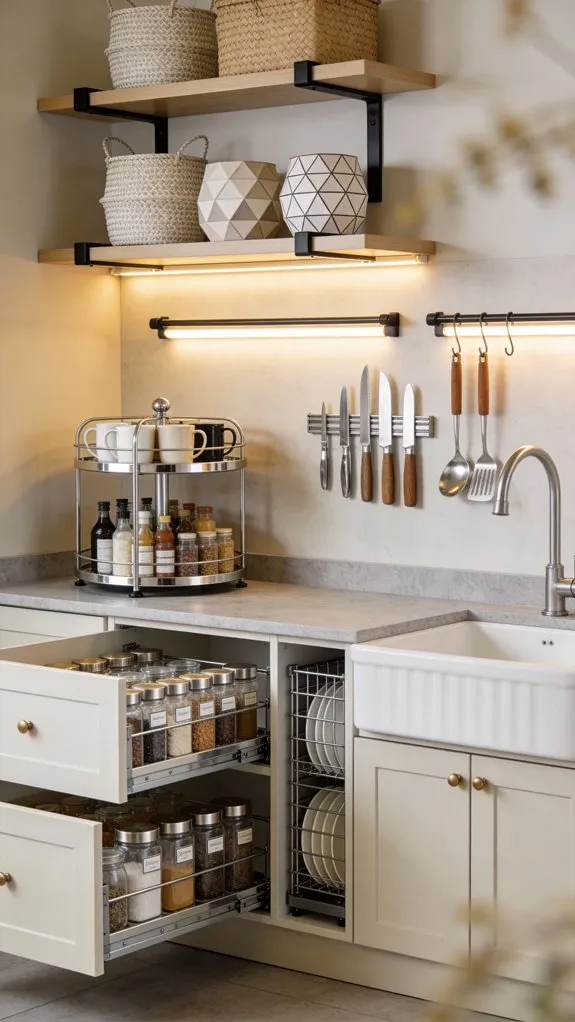
No matter how well your kitchen is laid out, poor storage can ruin its functionality.
That’s why smart storage is essential.
Instead of relying on traditional cabinets alone, think about:
- Pull-out drawers for easy access
- Vertical shelving to maximize height
- Hidden compartments like toe-kick drawers
- Magnetic strips for knives and tools
These solutions help you:
- Reduce clutter
- Keep items organized
- Make everything easier to find
When storage is designed intentionally, your kitchen becomes more efficient without needing more space.
7. L-Shaped Layouts That Balance Openness and Function
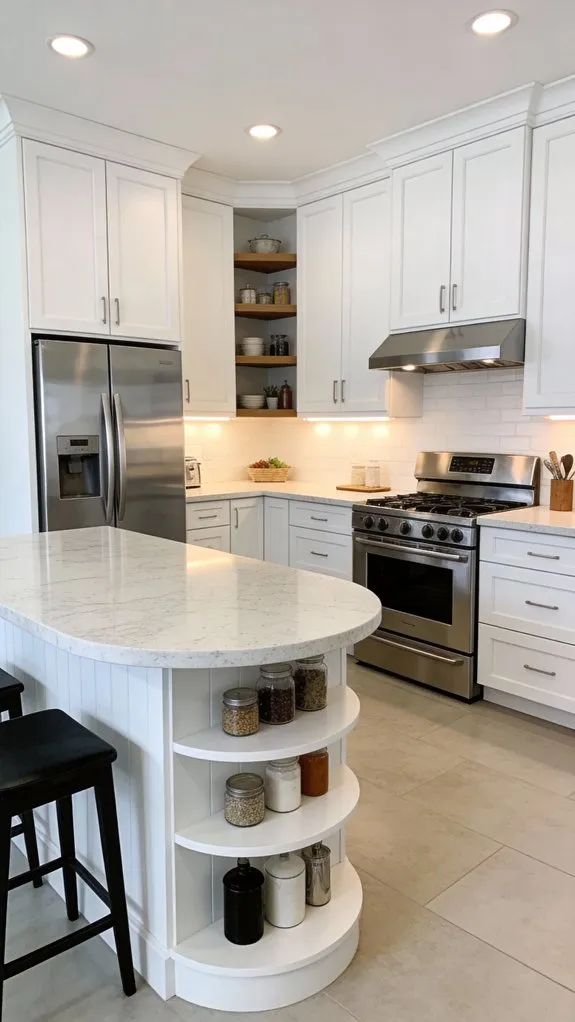
The L-shaped layout is one of the most flexible kitchen designs.
It uses two connected walls to create a natural workflow while leaving the rest of the space open.
This makes it ideal for:
- Open-plan homes
- Kitchens that connect to dining or living areas
- Spaces that need flexibility
One challenge is the corner area, which can easily become wasted space.
To solve this:
- Install lazy Susans
- Use pull-out corner drawers
- Add custom shelving solutions
With the right setup, this layout offers the perfect balance between efficiency and openness.
8. Pass-Through Kitchens That Keep You Connected
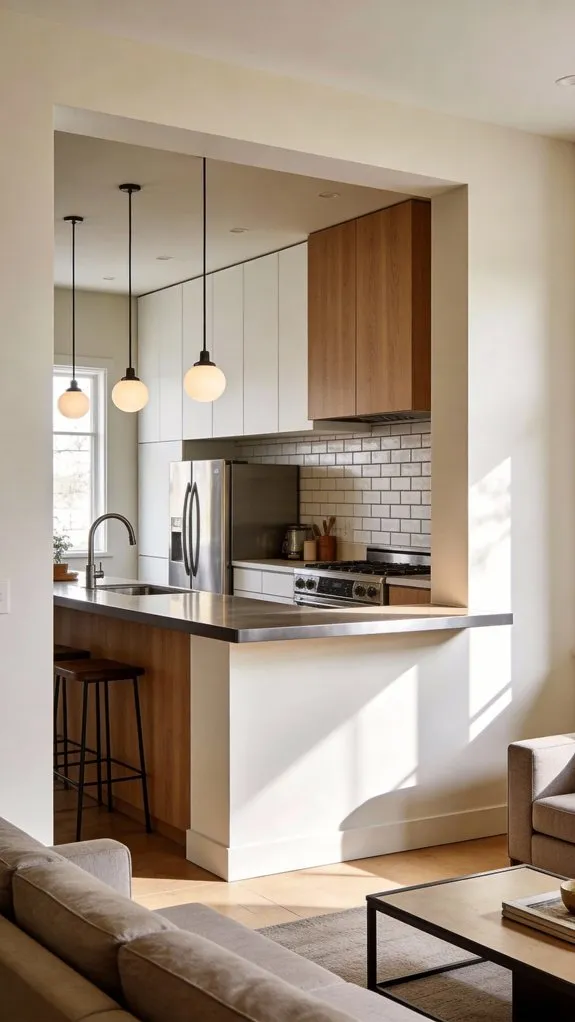
Pass-through kitchens are designed to connect spaces rather than separate them.
Instead of isolating the kitchen, they create an opening—often with a counter—that links it to the living or dining area.
This design:
- Encourages interaction
- Improves light and visibility
- Makes the home feel more spacious
It’s especially useful if you enjoy entertaining or want to stay connected while cooking.
Adding features like a bar counter or open shelving can further enhance both function and style.
9. U-Shaped Kitchens for Maximum Efficiency
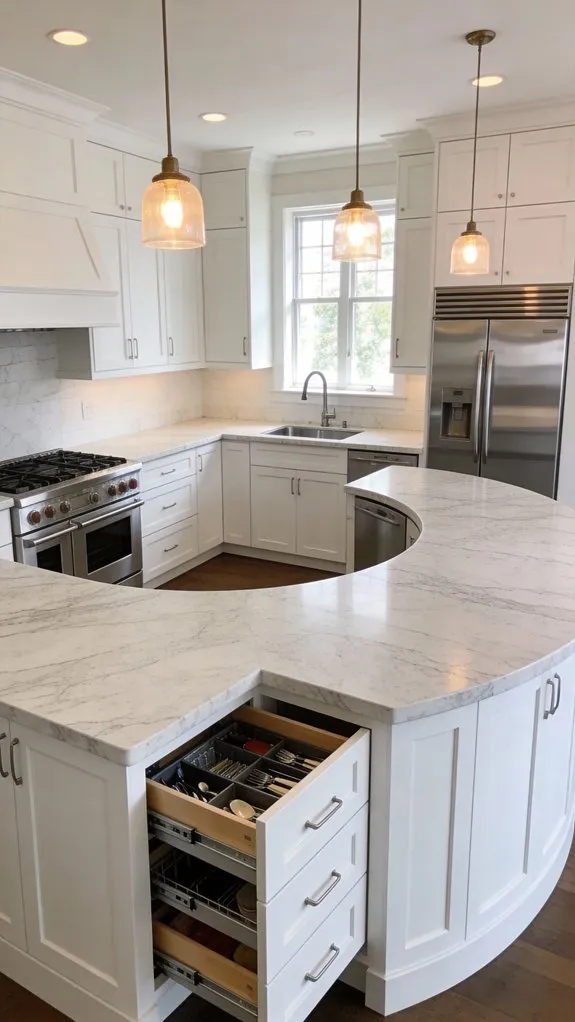
A U-shaped kitchen surrounds you with three walls of workspace, making it one of the most efficient layouts available.
Everything is within reach, which:
- Reduces movement
- Speeds up cooking
- Improves organization
It also provides plenty of storage and counter space, making it ideal for larger households or serious cooks.
Just make sure there’s enough space in the center to move comfortably—otherwise, it can feel cramped.
10. Creating Functional Zones for Better Workflow
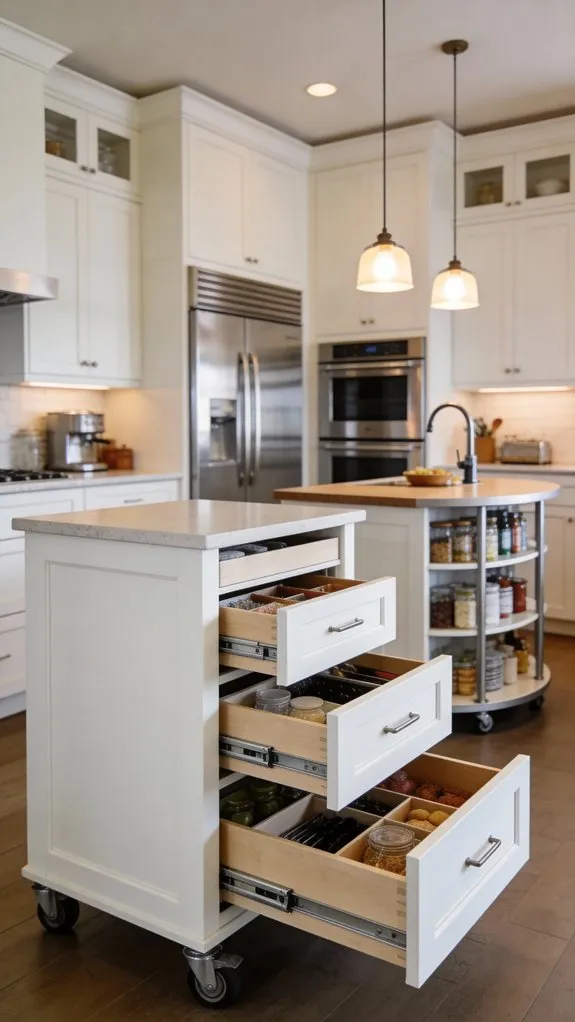
Modern kitchens benefit from being divided into dedicated zones.
Instead of one continuous workspace, you create areas for:
- Preparing food
- Cooking meals
- Cleaning up
- Storing ingredients and tools
This approach improves efficiency by keeping tasks organized and separated.
It’s particularly useful in busy kitchens, where multiple activities happen at once.
With proper zoning, everything feels more structured and easier to manage.
11. Peninsula Layouts That Add Function Without Extra Space
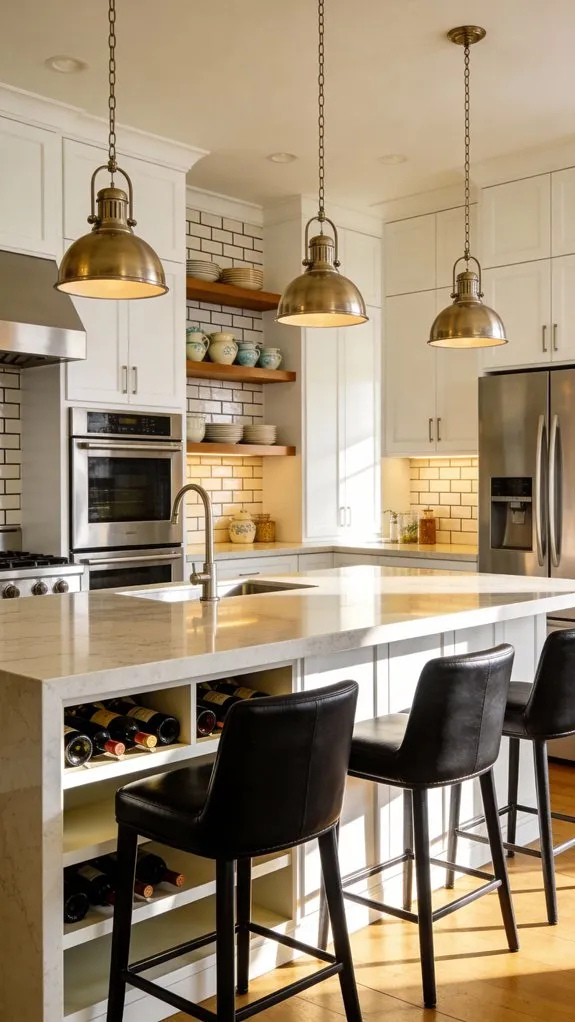
A peninsula is a smart way to expand your kitchen without needing a large footprint.
It extends from an existing counter or wall, creating additional workspace.
Benefits include:
- Extra prep area
- Built-in seating
- Additional storage
It also helps define the kitchen area in open spaces without closing it off.
This makes it a practical and space-efficient alternative to a full island.
12. Breakfast Nooks That Turn Kitchens Into Living Spaces
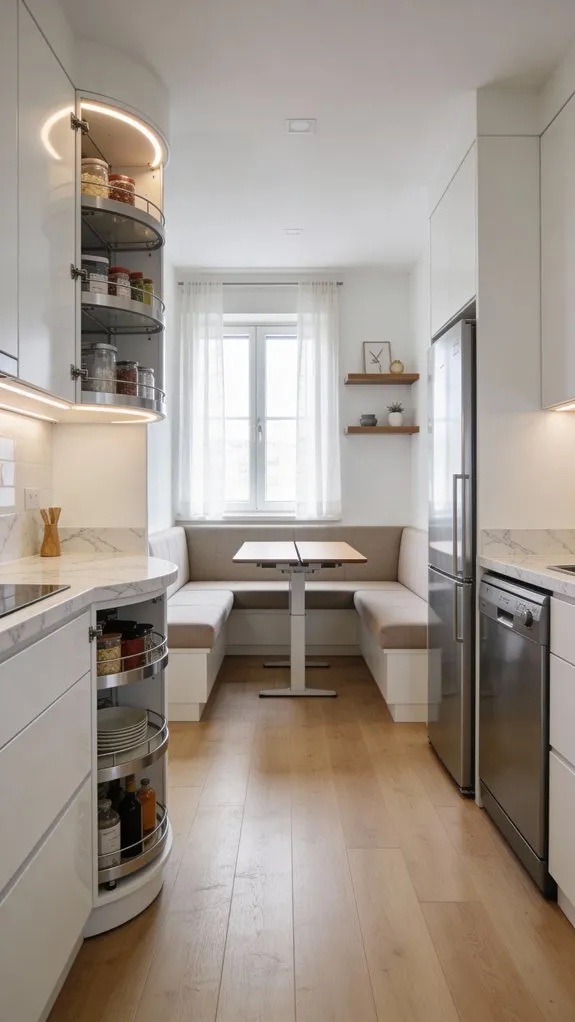
A breakfast nook adds warmth and personality to your kitchen.
Instead of just being a place to cook, your kitchen becomes a space where people gather.
To maximize this feature:
- Use built-in seating with storage underneath
- Choose compact tables
- Utilize corners effectively
It’s perfect for quick meals, casual conversations, or even working from home.
This small addition can make your kitchen feel more inviting and multi-functional.