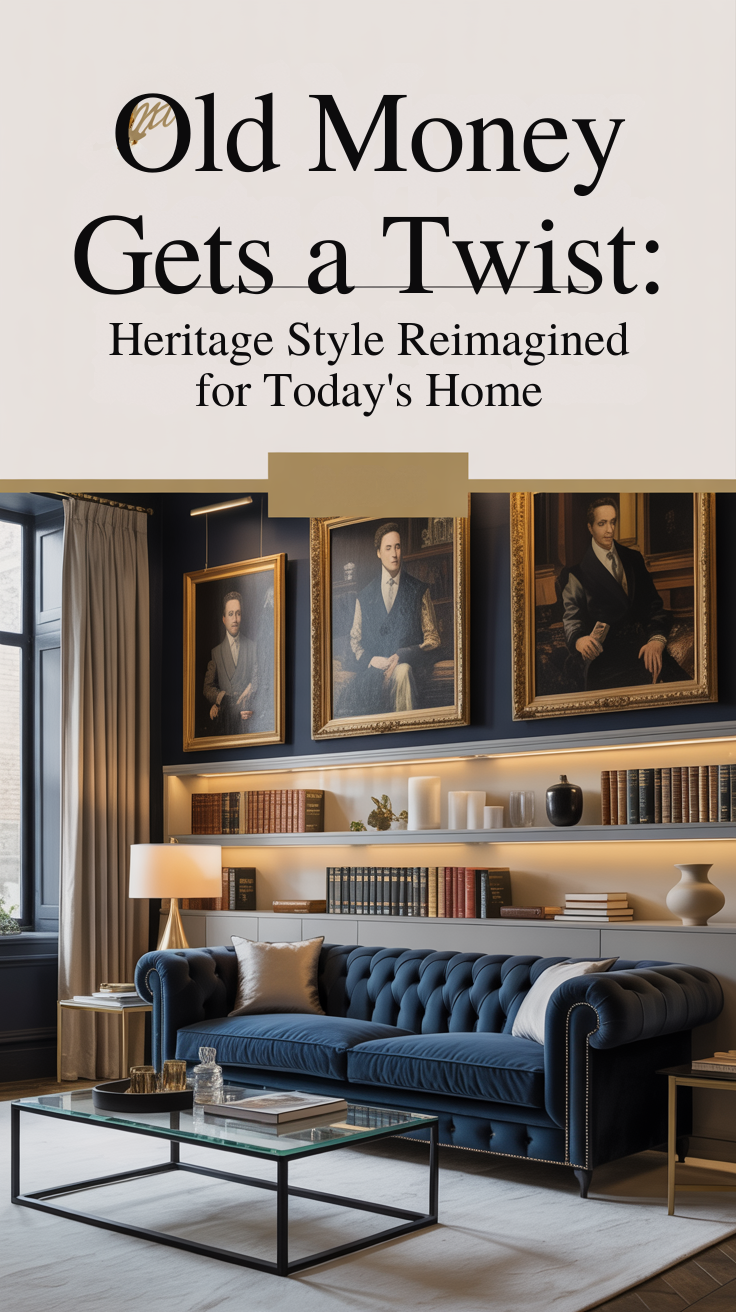
Once upon a time, “heritage style” conjured images of stately drawing rooms, heavy drapes, dark wood panelling, and dusty heirlooms passed down through generations. Think ornate moldings, tufted Chesterfields, patterned wallpaper, and little else. But in 2026, the concept of heritage is being re-written. It’s not about imitating grand estates—it’s about embracing history, character, and story, while living with comfort, ease, and modern purpose.
In this article we explore why heritage style is resurging, how it’s evolving into something fresh and relevant, and how you—whether you’re in a 1920s townhouse or a modern apartment—can bring this “old money gets a twist” aesthetic into your home with intention.
1. Why Heritage Style Is Back (and How It’s Changing)
Nostalgia Meets Authenticity
After years of ultra-minimalism, slick surfaces, and cold white boxes, many homeowners are craving character. A sense of story. A home that feels collected, not catalogue-perfect. As one recent design feature notes: “heritage maximalism … blends the charm of traditional interiors with the expressive vibrancy of maximalist style.”
That hunger for warmth, layered history, and furniture that feels loved rather than new is driving the return of heritage aesthetics.
But it’s not a full retreat into the past. According to another source: “Modern heritage is the hottest new design style of 2026. … spaces that feel rooted in history but lived for today.”
In short: It’s heritage with a twist—vintage soul rendered through modern living.
Practical Considerations
Several factors make this revival especially relevant now:
Access to vintage & second-hand: With apps and online marketplaces, quality heritage pieces are easier to source.
Sustainability mindset: Re-using, restoring, and layering existing pieces aligns with eco-conscious values.
Desire for personality: Homes are no longer blank canvases—they’re personal, layered, and reflective of their inhabitants.
2. The Signature Blueprint of “Heritage Gets a Twist”
What does this updated heritage aesthetic look like in practice? Here are its key features:
A. Rich Materials & Classic Details
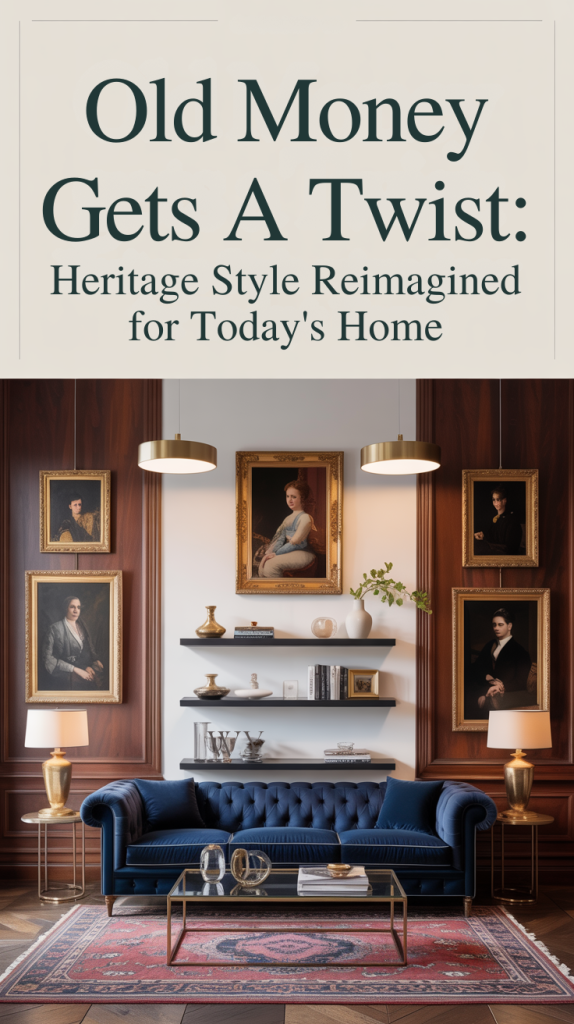
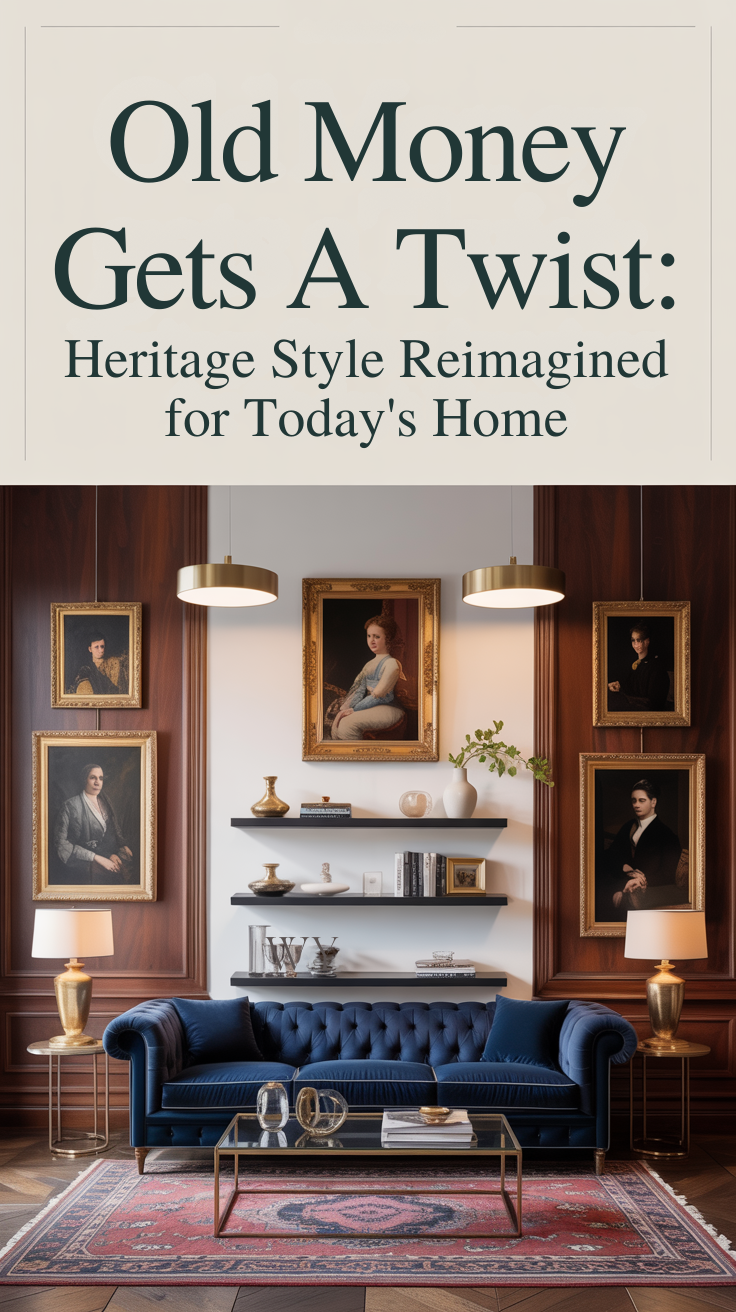
Heritage style often features materials like dark wood (walnut, mahogany), brass or bronze hardware, plaster moldings, parquet floors, patterned wallpapers and richly upholstered furniture. These invoke history and craftsmanship.
B. Storytelling Through Objects
Rather than being slick and ‘everything perfect,’ this style emphasizes pieces that feel collected over time—books, art, heirlooms, vintage rugs, antiques. Heritage maximalism emphasizes this narrative: “This look begins with strong foundations … then layered with texture and pattern.”
C. Balance of Old and New
The twist is in combining heritage pieces with contemporary accents: a mid-century sofa paired with a Georgian mirror; a vintage sideboard with modern artwork. The goal is not to replicate a period house but to live in history with today’s comfort.
D. Pattern, Texture & Depth
Wallpaper, but not the faint whisper of pattern; it’s patterned heavy, layered, intentional. Designers call it “pattern drenching” when heritage prints are embraced in modern homes. Southern Living Add fluted wood, woven textiles, leather, natural materials—dig in.
E. Color with Character
Inherit the palette of a stately home—hunter greens, navy, oxblood, matte black, old-brass—but use them in modern ways through accent walls, ceilings, or furniture. The rich colors anchor the space without feeling dated.
3. Room-by-Room Implementation
Living Room
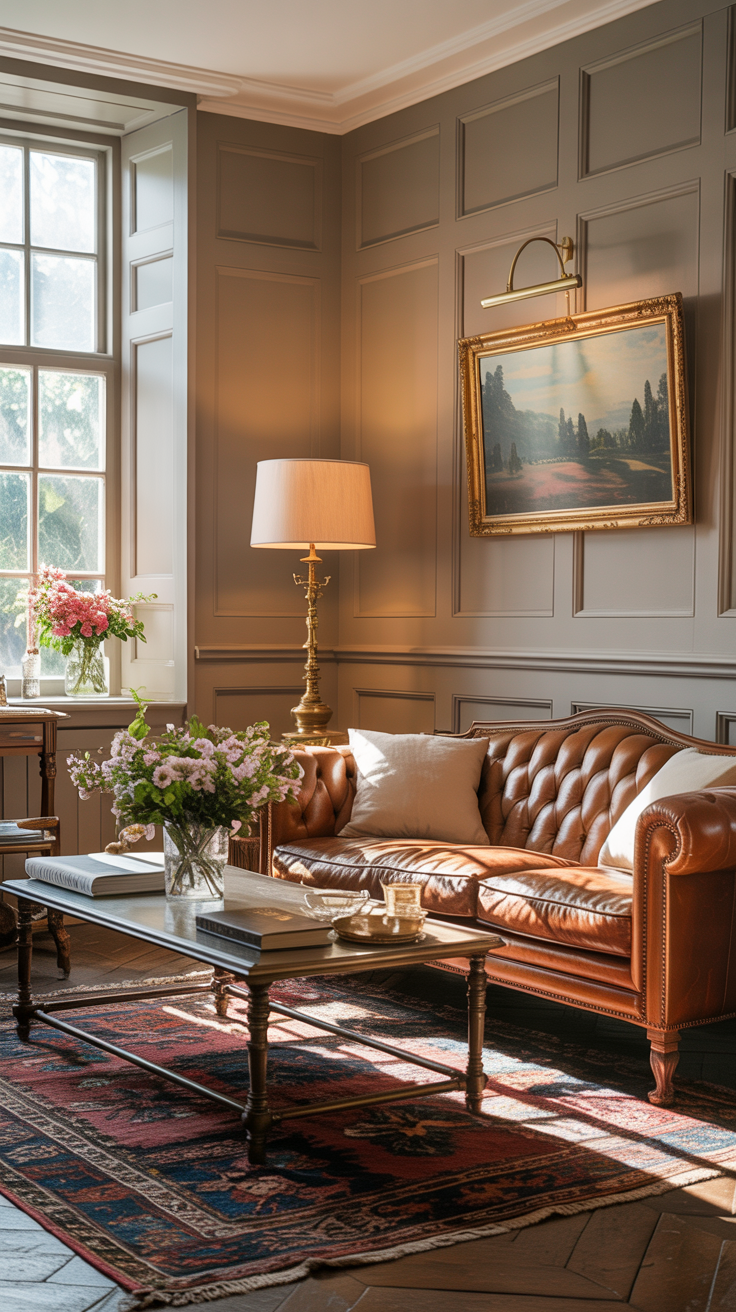
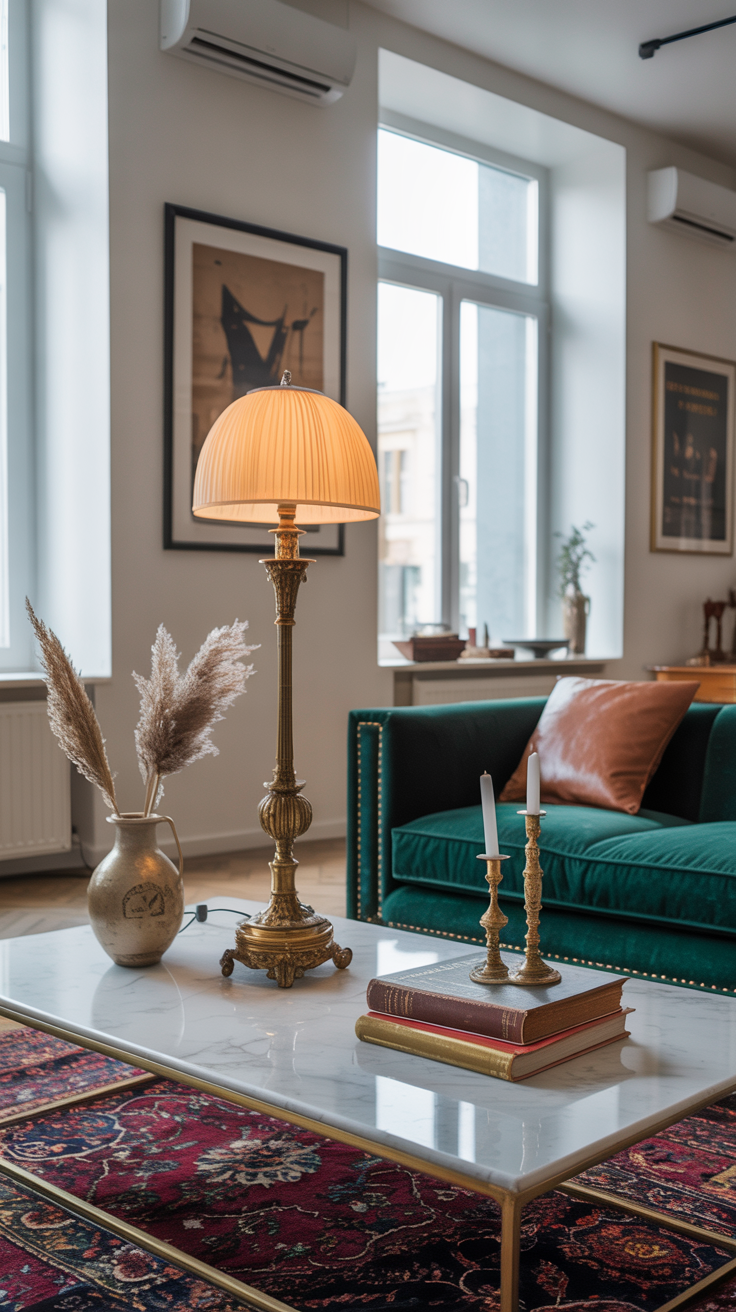
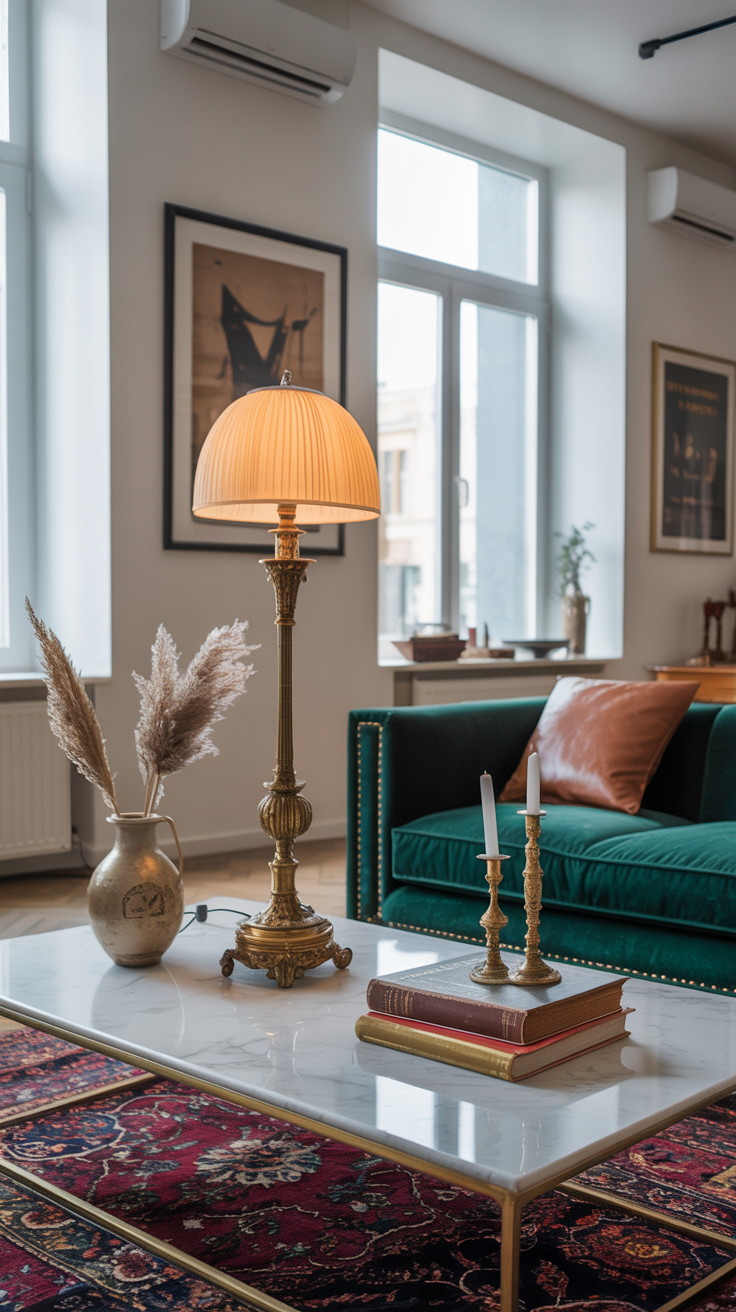
Start with anchor pieces: A vintage leather chesterfield or classic wingback give you immediate heritage tone.
Mix in modern seating: A sleek chair in velvet or a contemporary coffee table adds freshness.
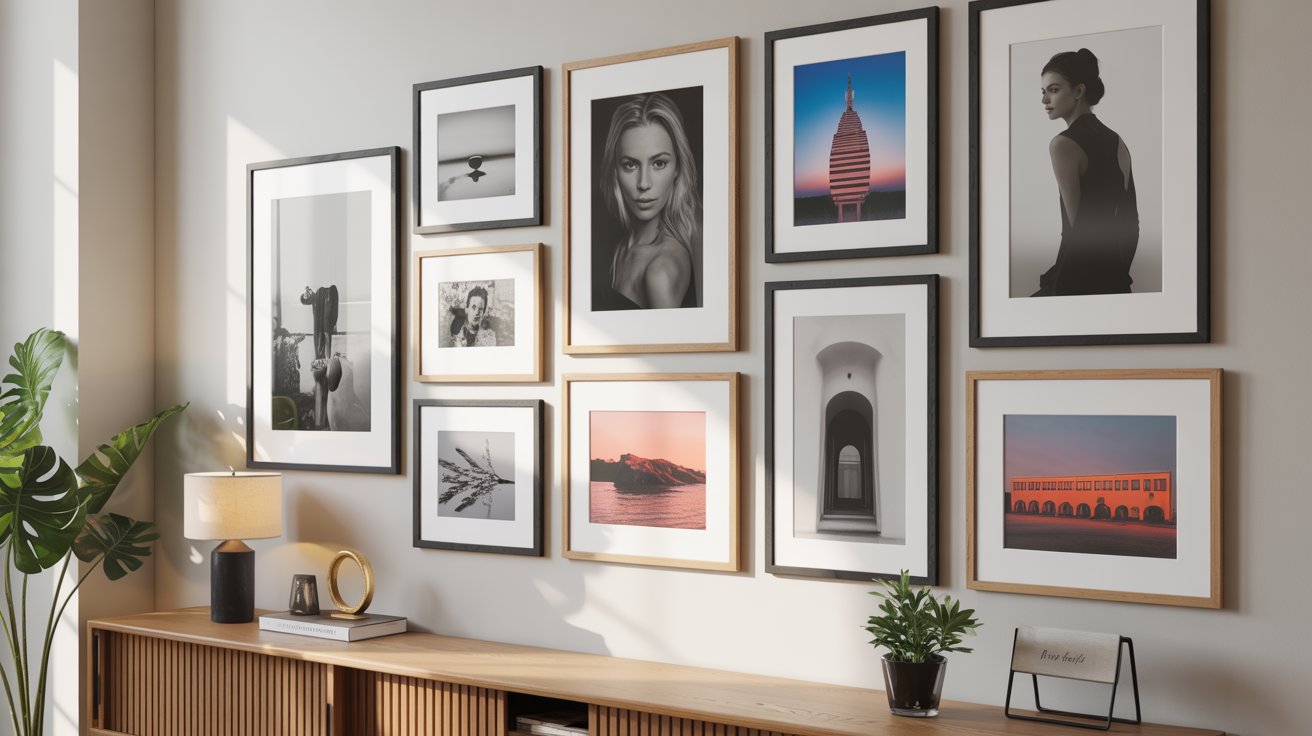
Define layers: Persian or kilim rug, stacked books, gallery wall of art with classic frames + modern prints.
Detail heavy: Crown moulding, a wainscoted feature wall, brass reading lamp, tufted ottoman.
Dining Room
Wood dining table with turned legs or a farmhouse circa classic.
Chairs mix: Upholstered club chairs at the ends + side chairs in cane or leather.
Statement lighting: A chandelier with antique brass or glass shades.
Decor touches: Sideboard with silverware, vintage mirror, patterned wallpaper behind shelving.
Bedroom
Bed frame: A brass or walnut bed in a classic style.
Textiles: Damask or toile prints on pillows, linen sheets, velvet throw.
Nightstands: Mix vintage jewellery box or mirror with modern lamp.
Walls: Moiré wallpaper, rich color on trims, or panelling painted a warm tone.
Kitchen & Bathroom
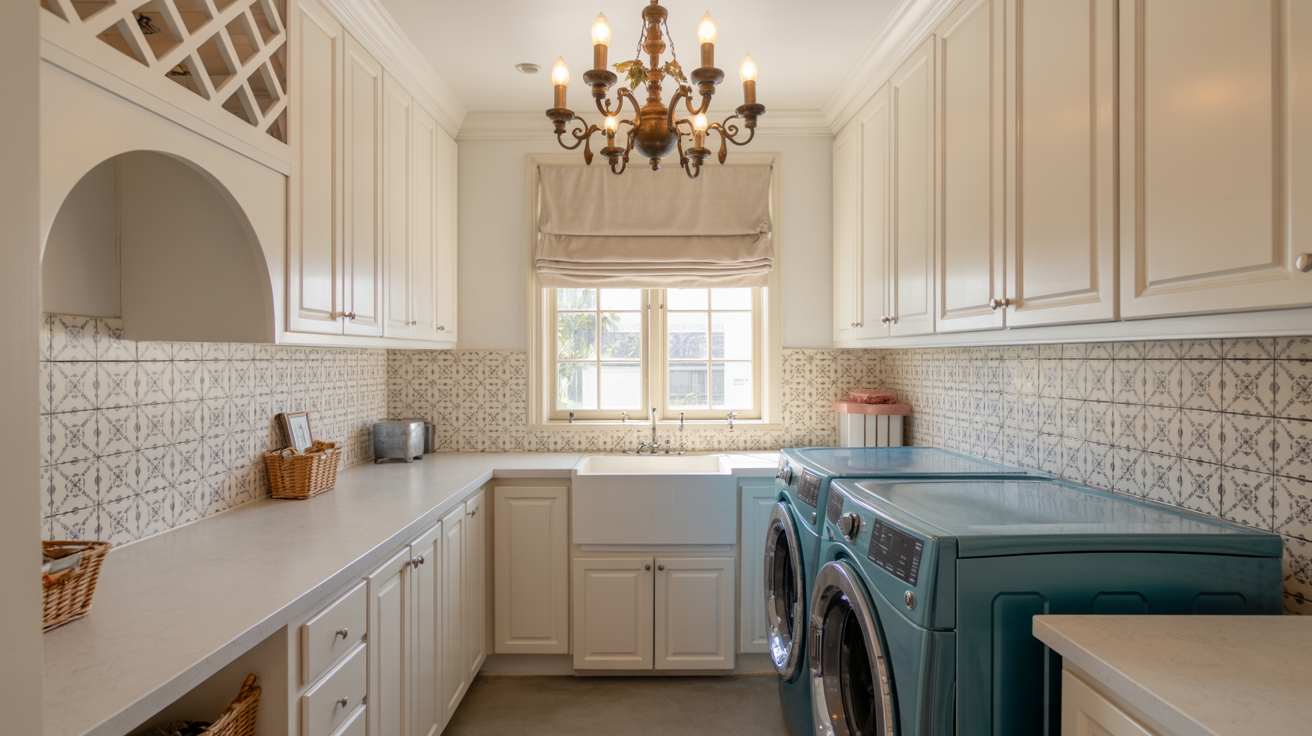
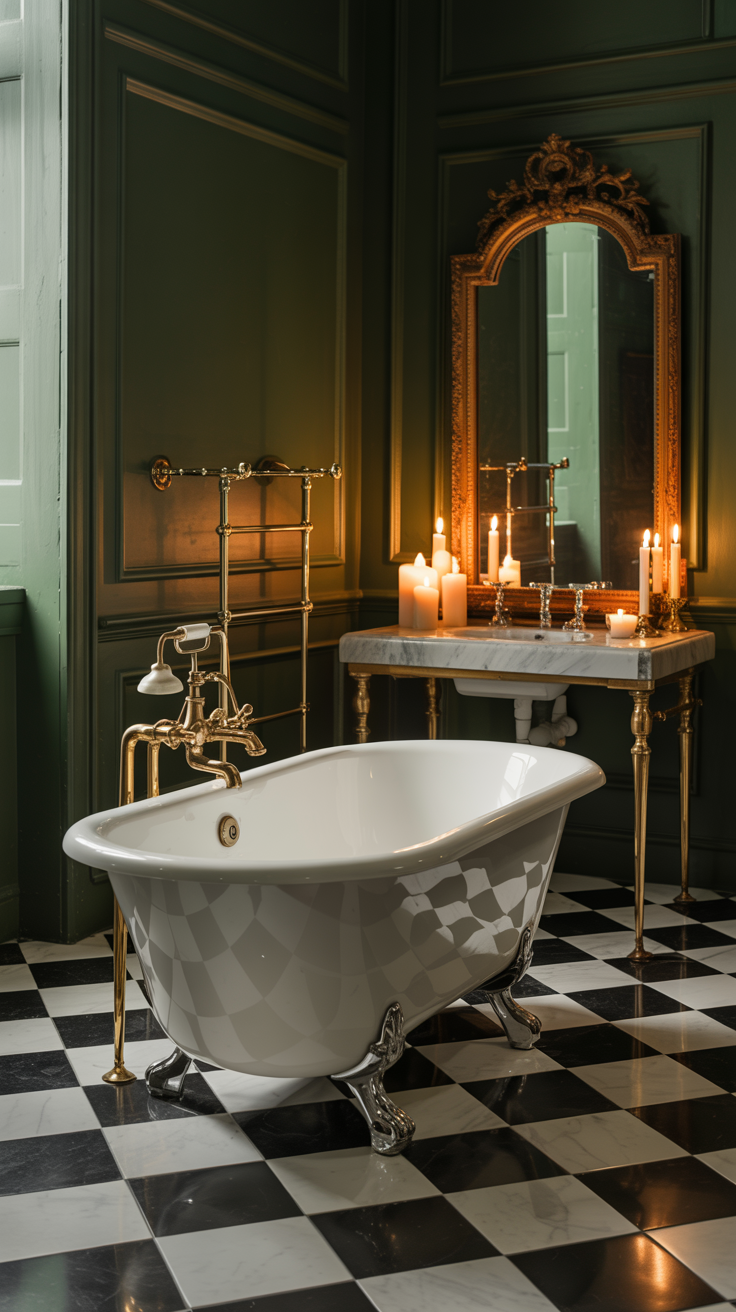
Heritage hardware: Cup-pulls, cross handles, farmhouse sink.
Tiles & surfaces: Checkerboard floor or metro tiles in bottle green; soapstone or honed marble.
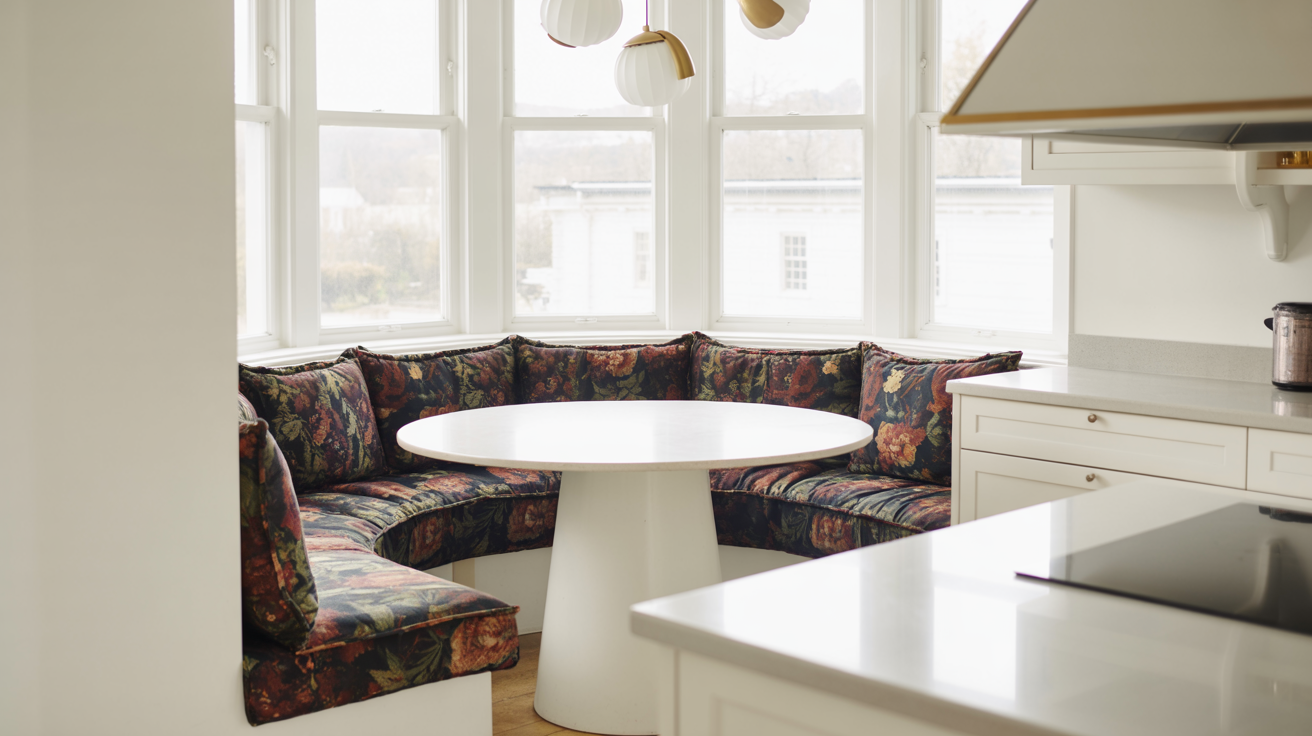
Mix old and new: Modern induction cooktop paired with antique brass accents; bathroom with vintage brass faucet plus contemporary freestanding tub.
4. The Spectrum of Heritage: From “Soft Heritage” to “Maximalist Revival”
Soft Heritage
Think of this as heritage with restraint. Rich but muted colors, subtle pattern, comfortable furnishings, heritage textures, but not heavy layering. A “quiet luxury” version of history. According to House Digest: “Soft heritage … blends classic design with contemporary simplicity.”
Heritage Maximalism
On the other end: Pattern-heavy, layer-rich, boldly historic. A modern reinvention of classic grandeur. Homes & Gardens describes it as: “collected, character-rich spaces stepping forward as a soulful reclamation of depth, history, and identity.”
You pick your intensity. Both are valid, both bring heritage charm, with different energy.
5. Why “Old Money Gets a Twist” Works in 2026
It Resists Trend Fatigue
Minimalism and ultra-slick homes dominated the 2010s. But they feel generic now. Heritage style carries intrinsic character—so your home feels personal, not trendy.
Emotional Anchor
In uncertain times, we crave comfort, history, depth. A space that feels rooted offers psychological reassurance.
Value-Driven
Quality craftsmanship, time-tested materials, vintage pieces—they often offer more longevity than short-lived trend items.
Personal Expression
Because heritage is rooted in story, not just style, it allows for meaningful layering: family heirlooms, collected travel artifacts, cultural references.
As one source states, heritage design is becoming more inclusive: “interior designers are incorporating Black, Asian, Native American, Indian, Hispanic and many other elements of homeowners’ cultural heritage into their decor.”
6. How to Get the Look: 7-Step Approach
Step 1 – Audit Your Existing Home
What original architectural details do you have? Mantels, mouldings, panelling, parquet? Keep these—they’re heritage gold.
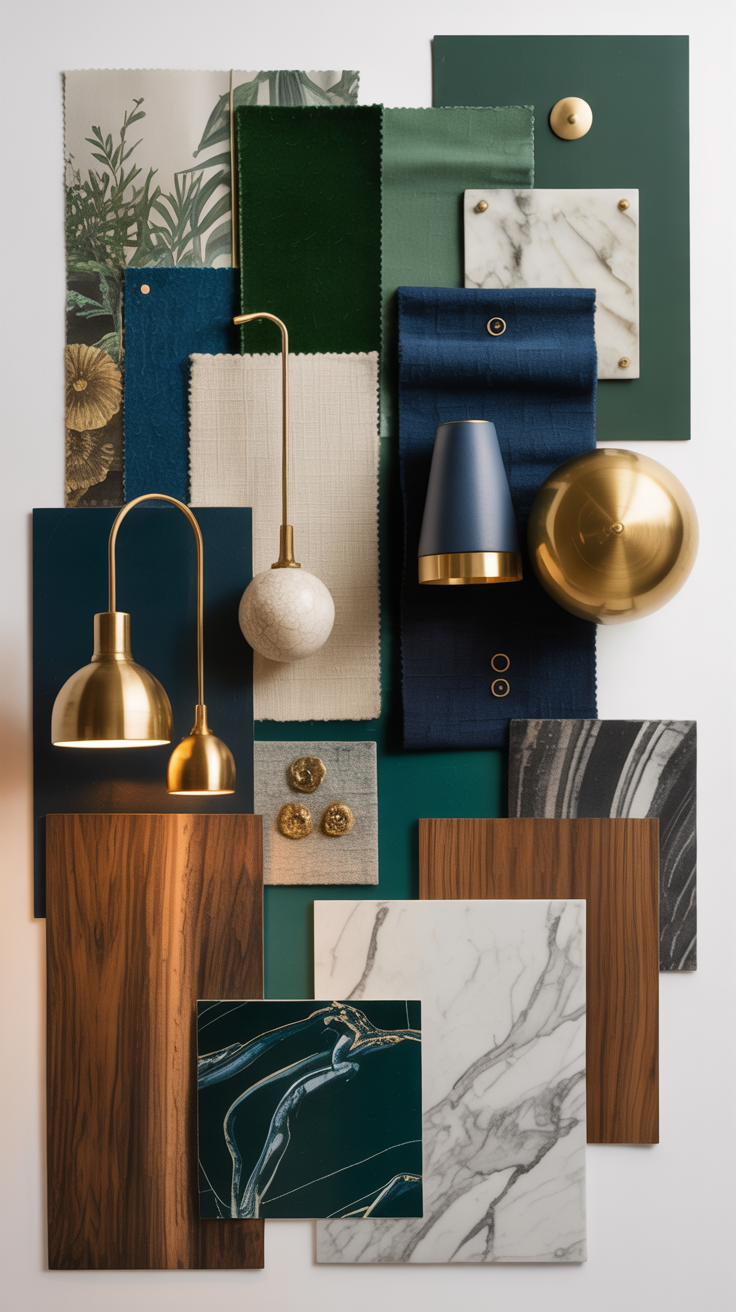
Step 2 – Select Your Foundation Palette
Choose two rich tones plus one neutral. Example: deep emerald + oxblood + warm ivory. Use the rich colors as accents, the neutral on large surfaces.
Step 3 – Invest in Anchor Furniture
Buy one “heritage” piece: vintage chest, carved wood sideboard, classic club chair. Let it set the tone.
Step 4 – Layer in Modern Pieces
Balance the anchor with contemporary pieces—sleek sofa, minimalist lighting, modern art. This ensures the space isn’t stuck in the past.
Step 5 – Add Pattern & Texture Thoughtfully
Choose wall treatments or textiles with heritage pattern—my favourite: wallpaper with classic motif behind a modern sofa. Use a mix of big and small scale patterns. Keep three to five patterns max.
Step 6 – Mix Metals & Materials
Match warm brass or bronze finishes with black or brushed nickel. Combine carved wood with velvet, leather, wool, and linen.
Step 7 – Personalize with Objects That Tell a Story
Display books, ceramics, heirlooms, travel finds. This turns décor into narrative. Consider creating a cabinet of curiosities or curated shelf of found objects.
7. Common Mistakes to Avoid
Going full period house museum: Without modern accents, heritage style can feel stuffy or outdated.
Over-patterning or mismatching: Layering patterns is fun but must be intentional—one lead pattern, complementary others.
Ignoring proportions: Large scale modern furniture mixed with small tiny heritage pieces can feel off. Balance scale wisely.
Colour overload: Heritage colors are rich—but ensure good lighting and neutrals so the space doesn’t feel too dark.
Forgetting function: All aesthetic must meet the demands of modern life. Heritage + comfort + modern conveniences win.
8. Case Studies & Inspiration
Heritage Apartment in the City
City apartment with original crown moldings and wood floors. Entryway painted deep forest green. A vintage sideboard from 1930s paired with a sleek linen sofa. Walls show curated collection of vintage travel posters in oak frames. Mixed metal lighting in brushed brass and matte black. Short term, the vibe is layered, personal, collected.
Suburban House Embracing Heritage Twist
Home built 1990s but homeowner restores heritage details: paint wainscoting Swarovski blue, install antique Persian rug, mid-century dining chairs, grand millennial but updated. Add tufted leather club chairs in living room, plaster frames on ceiling, and terrazzo coffee table—a mix of old and new.Modern Minimal Home Introducing Soft Heritage
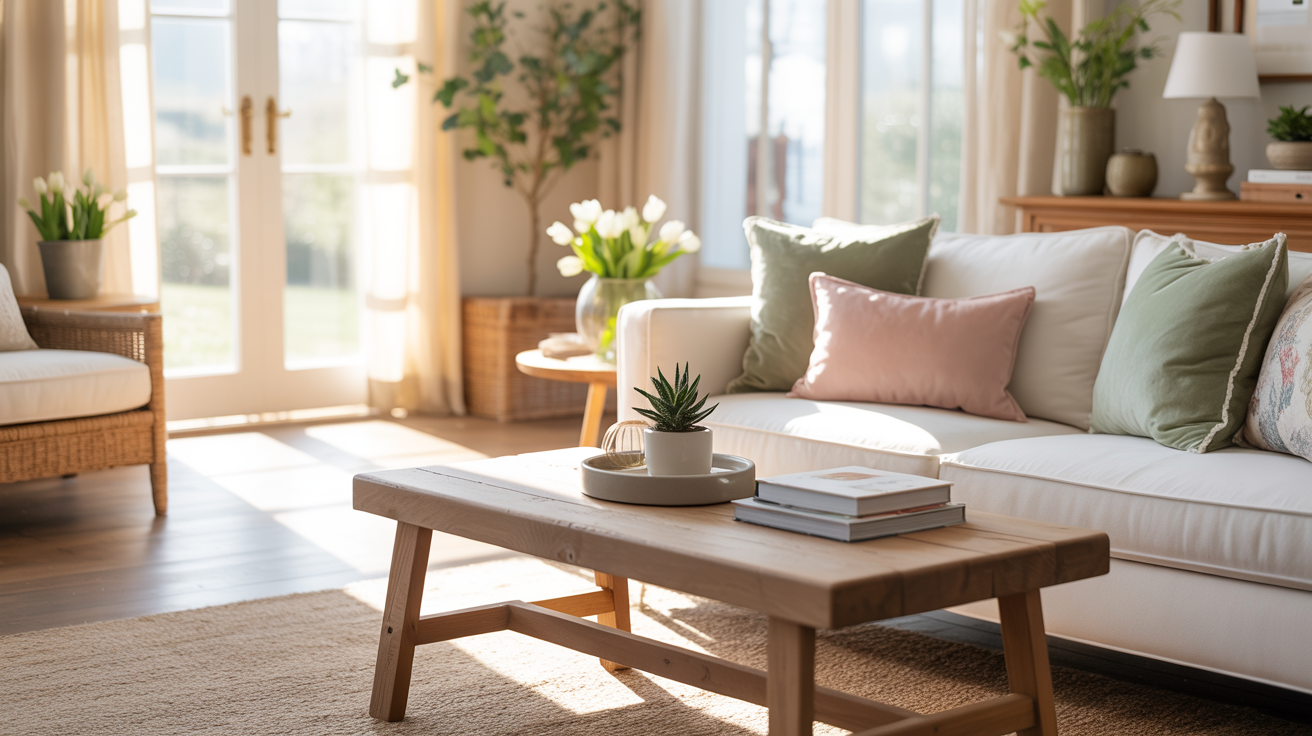
In a white-box open concept home, homeowner introduces heritage: linen curtains with traditional pattern, walnut bookcase, vintage brass lamps, checkerboard tile in powder room, moss-green accent wall. Furniture stays modern for crispness, but materials and colors bring warmth and depth.
9. The Future of Heritage Style: Why It Matters Long Term
Heritage style reimagined offers a bridge between timeless classic and tomorrow’s living. As design commentary notes, the resurgence is not a flash in the pan—it’s grounded in authenticity, craftsmanship and personal narrative.
As society strives for homes that feel meaningful, comfortable and rooted rather than aspirational-only, the “old money gets a twist” approach hits exactly the right tone.
And beyond décor trends, heritage design invites sustainability (reuse of existing architecture, furniture), cultural inclusion (heritage stories of various backgrounds) and wellness (spaces that feel calm, warm, purposeful).
Expect heritage pieces to stay relevant well into the late 2020s and beyond—especially as younger generations inherit, repurpose and remix them.
Make Heritage Yours
The beauty of this moment is that heritage style is being democratized. You don’t need a manor house or a family fortune. You need intention, story, and a commitment to layering something meaningful, something that feels of time, not just of now.
Whether you incorporate one statement piece, or you fully embrace pattern-rich layering, the goal remains the same: Create a home that feels rooted, collected, comfortable and individual.
Old money might invoke wealth and tradition, but today’s twist invites personality, adaptability, and good design. Your home becomes a story—a reflection of your journeys, your taste, and your life.
Here’s to heritage reimagined… and to a home that ages gracefully, beautifully, and uniquely with you.