Designing for a small space often feels like walking a tightrope. You want your home to feel comfortable, functional, and stylish, but the square footage can leave you second-guessing every choice. Should you avoid a large sofa? Will oversized artwork make the room feel smaller? Is that big statement light fixture too much?
Here’s the surprising truth: small spaces actually benefit from big pieces. The secret lies in understanding scale—how the size of furniture, décor, and architectural details relate to each other and the room itself. When scale is used intentionally, even the tiniest apartment can look more spacious, balanced, and luxurious.
This guide will walk you through the art of scale: why it matters, how to use oversized pieces in small rooms, what mistakes to avoid, and practical examples you can try at home.
What Is Scale in Interior Design?
In design, scale refers to how the size of objects relates to the size of the room and the other items within it. Think of it as the “visual math” of your home.
A chair that looks perfect in a large showroom might feel overwhelming in a studio apartment.
A tiny side table next to a massive sectional looks awkward because the scale is off.
An oversized mirror in a small entryway, on the other hand, can make the whole space feel twice as big.
Scale is all about proportion, balance, and context. Get it right, and your space feels cohesive. Get it wrong, and no amount of beautiful furniture can save the room from looking awkward.
Why Small Spaces Actually Need Big Pieces
It seems counterintuitive, but one of the biggest mistakes people make in small spaces is filling them with small furniture. Tiny sofas, petite side tables, little lamps—it all adds up to a room that feels cluttered, busy, and toy-like.
Here’s why bigger often works better:
Fewer pieces = less clutter. A single large sofa creates seating without needing three tiny chairs.
Creates a focal point. Big pieces anchor a space, giving your eye somewhere to rest.
Makes a room feel intentional. Oversized elements give even small spaces a sense of confidence.
Visually expands the room. Large mirrors, artwork, or rugs can trick the eye into thinking a space is bigger than it is.
Think of it like fashion: a bold statement coat in winter makes more sense than piling on four different sweaters.
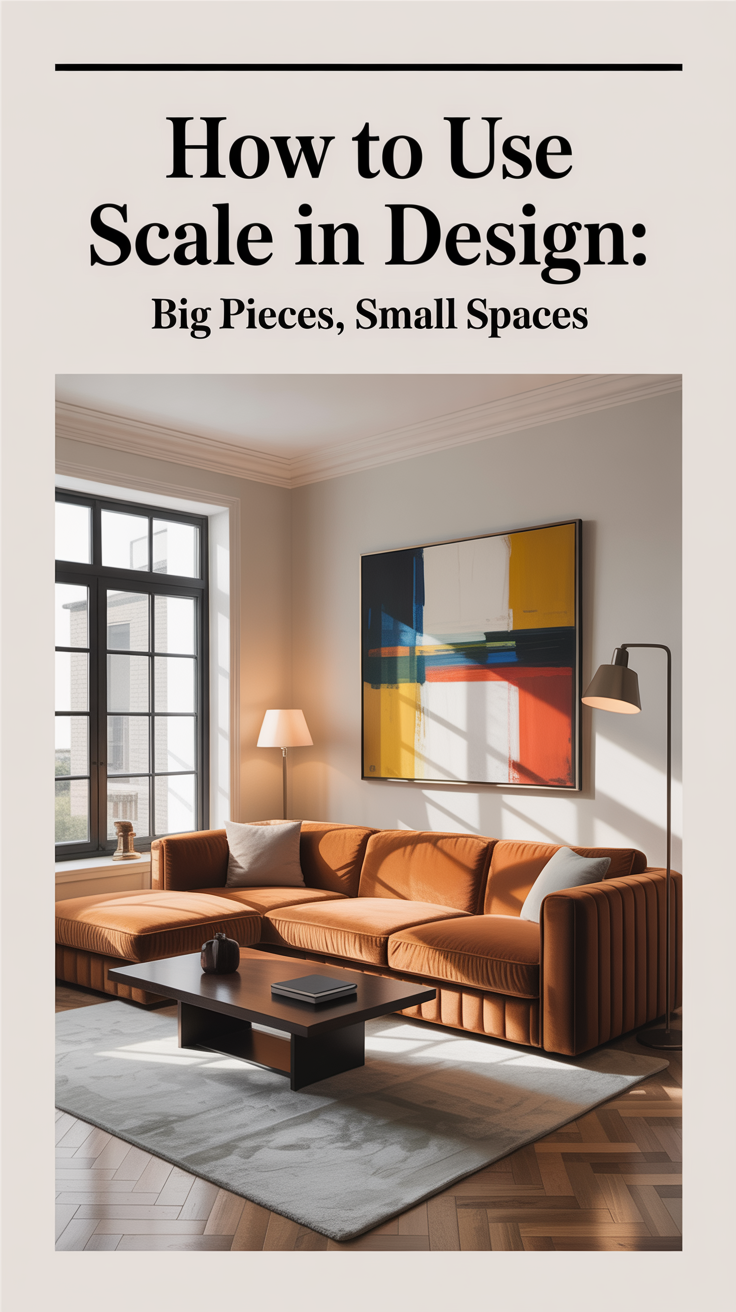
The Golden Rule: Balance
The key to using scale successfully is balance. You don’t want every piece in the room to be oversized—that’s overwhelming. Instead, mix large-scale items with supporting smaller pieces to create harmony.
Pair a large sectional with slim-legged chairs.
Balance a dramatic chandelier with streamlined furniture.
Ground a massive piece of artwork with a simple console.
It’s not about size for size’s sake; it’s about contrast and proportion.
Oversized Pieces That Work in Small Spaces
Sofas and Seating
A small sofa often feels cramped, while a larger one creates comfort and impact. Look for:
Sectionals that hug the wall.
Sofas with clean lines (avoid bulky arms).
A single statement armchair instead of multiple smaller chairs.
Rugs
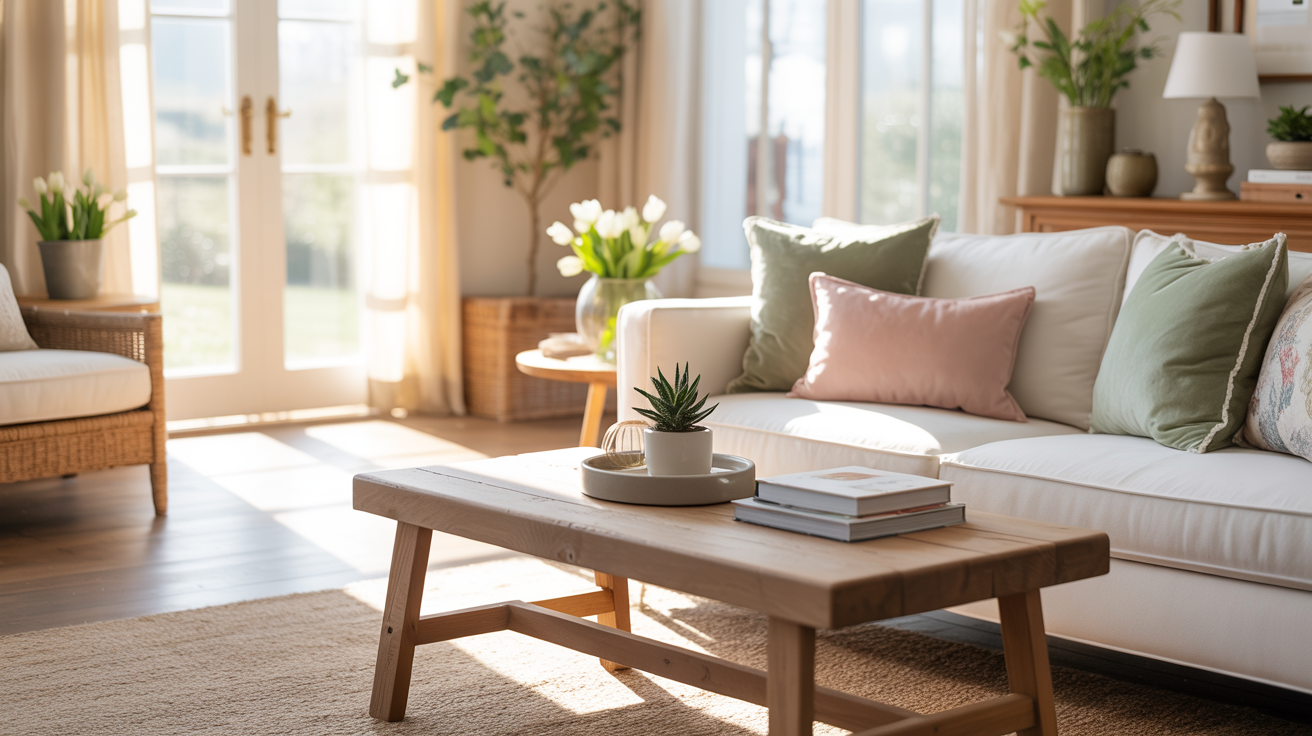
Nothing shrinks a room faster than a rug that’s too small. A large rug anchors the space and makes it feel more expansive. Ideally, all furniture legs should sit on the rug—or at least the front legs.
Artwork and Mirrors
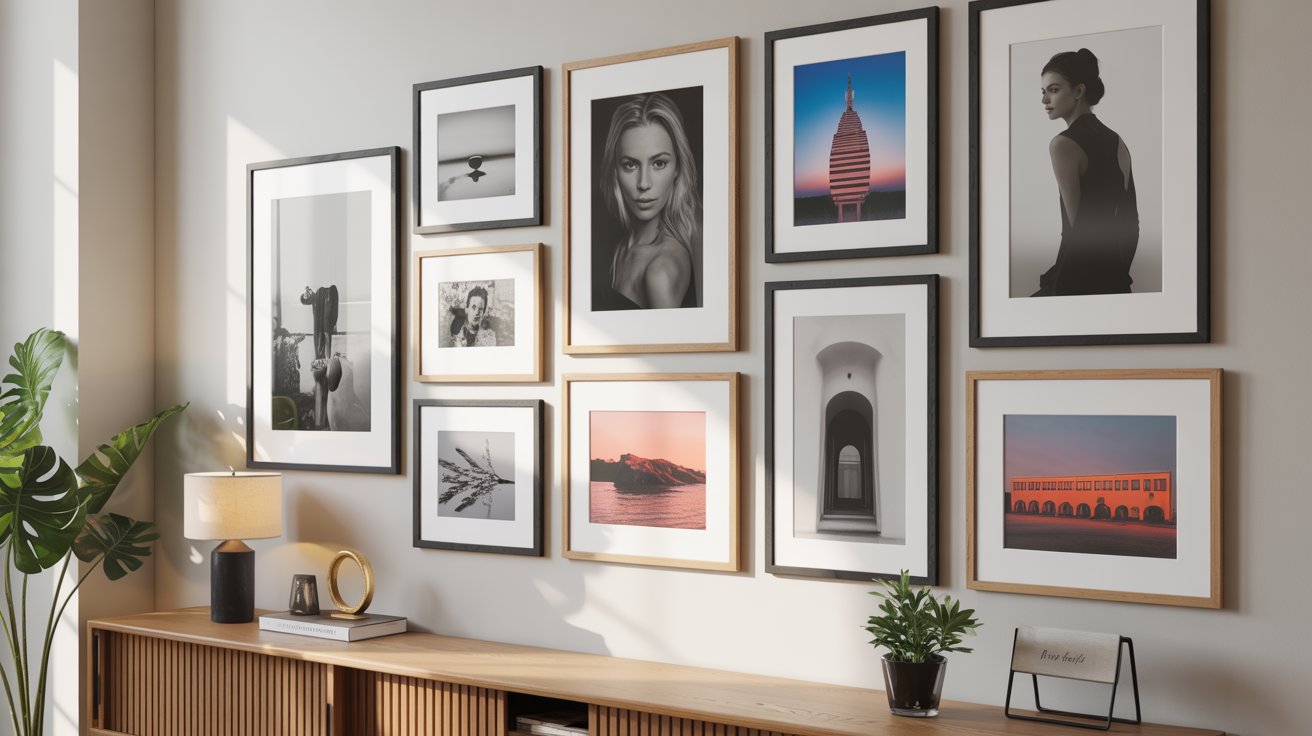
Skip gallery walls full of tiny frames. One oversized piece of art or a large mirror has more impact and makes the space feel bigger. Mirrors especially work magic by reflecting light and visually doubling square footage.
Lighting
A large pendant or chandelier draws the eye upward, giving the illusion of higher ceilings. In small dining areas or entryways, oversized lighting instantly elevates the mood.
Headboards and Beds
In a small bedroom, a tall headboard makes the bed the star of the room. Pair with smaller nightstands for balance.
Dining Tables
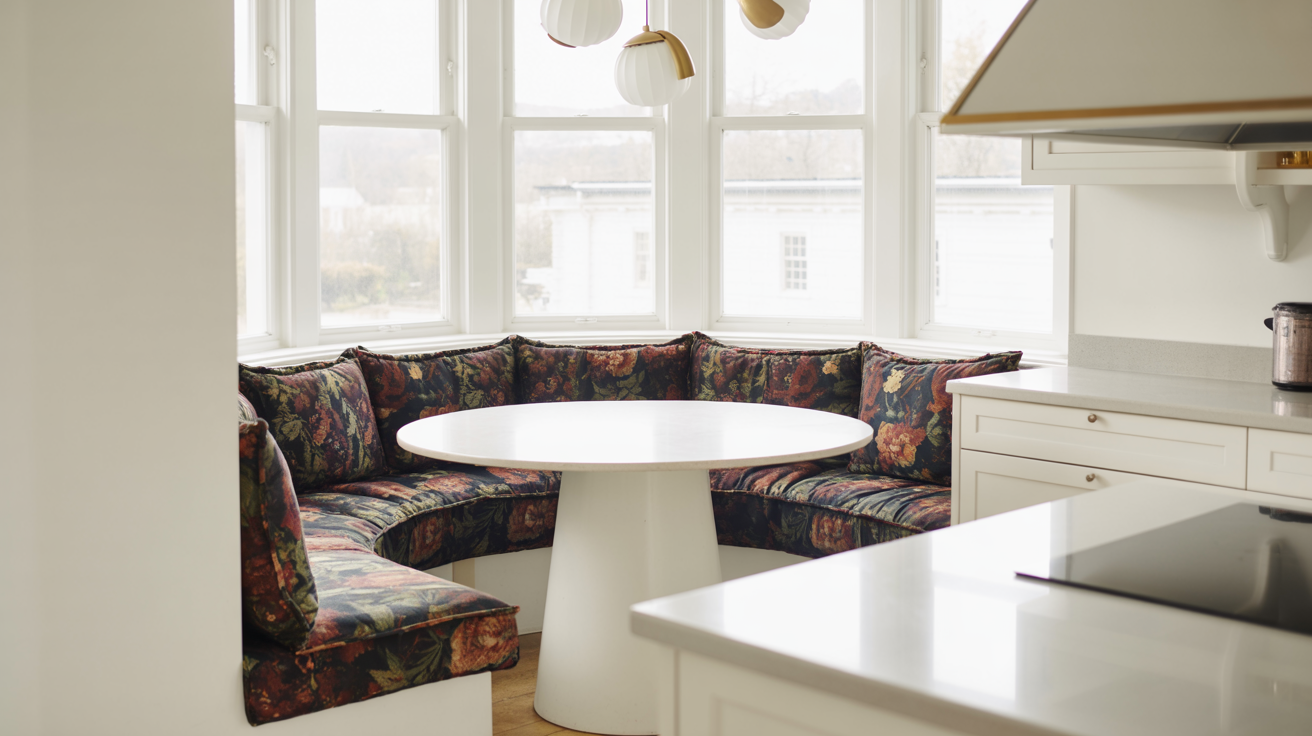
A slightly larger dining table often works better than a small round one. Bonus: it doubles as a work surface. Use slim chairs or benches to save space.
Statement Décor
Oversized vases, bowls, or sculptures look chic when used sparingly. They add personality without cluttering surfaces.
Case Studies: Big Pieces in Small Rooms
The Small Studio Living Room
A designer swapped a 60-inch loveseat for a full-size 84-inch sofa. Instead of feeling cramped, the space suddenly looked intentional, cozy, and pulled together. One large rug and a single oversized artwork completed the look.
The Tiny Dining Nook
A narrow apartment had a bistro table that felt lost in the corner. Replacing it with a rectangular dining table that extended wall-to-wall created a functional eating area that doubled as a workspace.
The Compact Bedroom
Instead of a small low-profile bed, a tall upholstered headboard became the focal point. Paired with floating nightstands, the room looked elevated and larger.
Mistakes to Avoid
Not every big piece will work in every small room. A few common pitfalls:
Bulky furniture: Avoid overstuffed sofas or pieces with heavy bases. Stick to streamlined silhouettes.
Too many oversized items: Pick one or two statement pieces per room, then balance with smaller accents.
Ignoring traffic flow: Make sure you can still walk comfortably around the space.
Undersized rugs and lighting: Going too small here makes everything else look off.
How to Test Scale Before You Buy
Use painter’s tape. Mark out the footprint of a piece on your floor to see how it fits.
Measure carefully. Always measure doorways, hallways, and staircases before buying.
Use digital tools. Many retailers now offer AR apps where you can “place” furniture in your space.
Think vertical. Scale isn’t just width and depth—height matters too.
Scale and Proportion in Different Design Styles
Minimalist: A single oversized sofa or piece of art paired with very few accessories makes a bold statement.
Traditional: Large headboards, big dining tables, and tall drapery feel timeless.
Eclectic: Oversized lighting or artwork can anchor the mix of smaller, collected pieces.
Modern: Clean, oversized silhouettes paired with open space create drama without clutter.
Tricks for Visually Expanding a Small Space
Even when using oversized pieces, these tricks help keep the room from feeling cramped:
Go vertical. Tall shelving, curtains hung near the ceiling, and high headboards draw the eye up.
Keep palettes light. White, beige, and soft neutrals make a room feel airier. Add pops of bold color through accents.
Use reflective surfaces. Mirrors, glass, and metallic finishes bounce light.
Choose legs. Furniture with visible legs (instead of solid bases) keeps the floor open and airy.
Limit visual clutter. A few big pieces beat many small knick-knacks.
The Confidence Factor
At the heart of it, using scale is about confidence. Small furniture often feels like a compromise, as if you’re apologizing for your space. Oversized pieces, when chosen well, send a different message: this is intentional, stylish, and functional. They show you’re not afraid to claim your space—even if it’s compact.
Small spaces don’t mean you have to think small. By understanding scale, you can transform tight rooms into stylish, comfortable, and even luxurious spaces. Choose one or two oversized pieces, balance them with smaller accents, and always keep proportion in mind.
Instead of shrinking your furniture to fit the room, let your furniture expand your space. Because when it comes to design, scale isn’t just about size—it’s about impact.