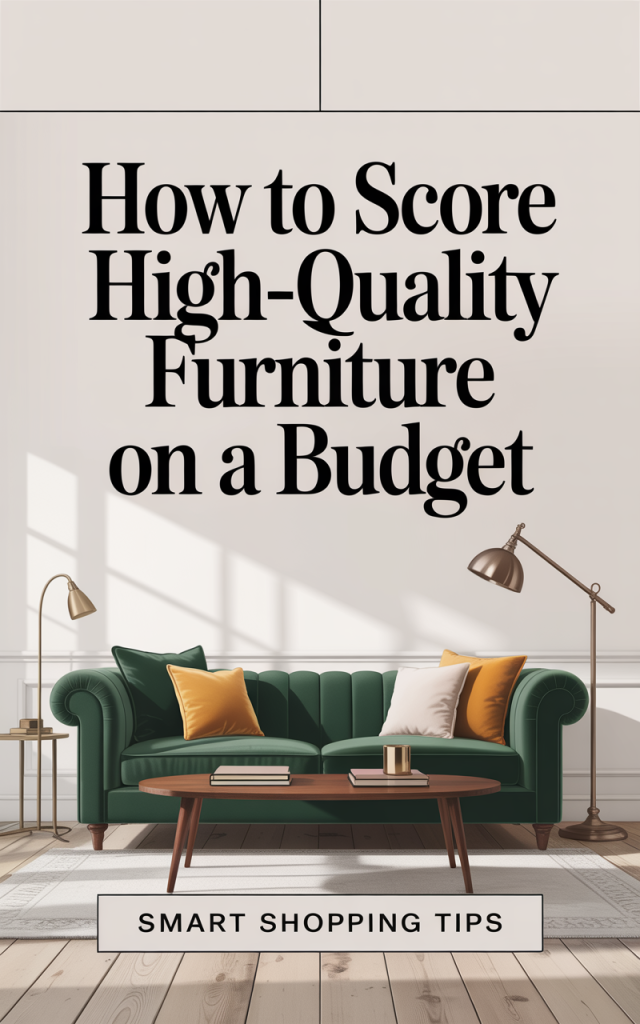
Furnishing your home should feel exciting—not stressful. Yet for many people, the moment they begin shopping for furniture, reality hits hard: good furniture is expensive. Like, shockingly expensive. Whether you’re decorating your first home, upgrading a long-lived space, or simply craving a refreshed look, you’ve likely discovered that price tags and quality don’t always match. That $2,000 sofa might be gorgeous but completely impractical. Meanwhile, a $500 option might be cute but destined to sag in six months.
The truth is, you don’t need a luxury budget to get high-quality furniture. What you do need is strategy, patience, and a bit of insider know-how. Designers, home stagers, and savvy thrifters have used the same methods for years—quietly scoring solid-wood dressers, designer chairs, heirloom-quality tables, and even brand-new pieces at a fraction of the price.
Today I want to break down everything you need to know to get premium furniture without the premium cost. Let’s discuss where to shop, what materials to look for, how to identify quality, and the exact money-saving strategies professionals use. Whether your style is modern, farmhouse, traditional, coastal, boho, or anything in between, these tips will help you transform your home without draining your bank account.
1. Start With a Strategy: Know What You Actually Need
Before you start shopping sales or scrolling Marketplace, take a moment to get intentional. One of the fastest ways to over-spend is buying furniture without a plan.
Make a Prioritized List
Break your home needs into three categories:
Must-haves (you need these now)
Nice-to-haves (you can wait a few months)
Wishlist items (long-term pieces you’ll upgrade eventually)
This prevents impulse purchases and helps you invest your budget where it matters most.
Know Your Measurements
You’d be surprised how many people buy a piece that doesn’t fit the room, doorway, or staircase. Before you start shopping:
Measure your room
Measure doorways and hallways
Sketch a rough layout
Keep notes in your phone
Having this info ready ensures you won’t pass on a perfect deal—or worse, bring home something unusable.
2. Understand What “High Quality” Really Means
Price does not equal quality. Knowing what makes furniture durable helps you spot gems even on a budget.
Look for Strong, Long-Lasting Materials
Here are the hallmarks of higher-quality construction:
Solid Wood
The gold standard. Look for oak, maple, teak, cherry, walnut, pine, or mango wood. Solid wood can be refinished, repaired, and lasts decades.
Real Wood Veneer
A thin slice of real wood layered over a sturdy interior like plywood. Veneer furniture can be beautiful and cost-effective if well-made.
Good Upholstery Materials
Quality sofas and chairs typically use:
High-density foam (1.8–2.5 rating)
Feather-wrapped cushions
Performance fabrics (crypton, sunbrella, high-quality poly-blends)
Kiln-dried hardwood frames
Avoid cheap particleboard frames—they warp quickly.
Sturdy Joinery
Dovetail joints, corner blocks, and metal brackets are all signs of well-constructed furniture.
Avoid These Low-Quality Red Flags
All particleboard construction
Thin plywood with no reinforcement
Cushions that immediately compress
Wobbly frames or thin legs
Drawers that slide roughly or feel loose
Once you learn these basics, you can easily identify high-quality pieces at thrift stores, outlet centers, garage sales, and online marketplaces.
3. Shop Secondhand Like a Pro
Secondhand shopping is the single best way to score high-quality furniture for cheap. Many older pieces were made of solid wood and built to last.
Facebook Marketplace Tips
This is a treasure trove—but you need strategy.
Search often: The best deals go fast. Check morning and evening.
Set keyword alerts: “Solid wood,” “Restoration Hardware,” “Pottery Barn,” “mid-century,” “West Elm,” “8-foot table,” “dresser,” etc.
Be quick but polite: Message promptly and ask, “Is this still available? I can pick up today.”
Zoom in on photos: Check hardware, joints, and any wear.
Bundle things: Sellers often give a discount if you buy more than one item.
Estate Sales
Estate sales often have extremely high-quality furniture:
Real wood
Classic, timeless pieces
High-end brands (Bassett, Thomasville, Ethan Allen, Henredon)
Go early for best selection; go late for best prices.
Thrift Stores
Goodwill, Habitat for Humanity ReStore, Salvation Army, and independent thrift shops can offer incredible finds.
Tips:
Shop middle-of-the-week after weekend donation drop-offs.
Inspect items for sturdiness.
Don’t be afraid to negotiate gently.
Auctions
Local auction houses and online auction sites often sell luxury furniture at 60–90% off retail.
Many people temporarily furnish second homes or Airbnb properties and then liquidate everything.
4. Don’t Overlook the Power of Refinishing
Even if a piece looks outdated, refinishing can completely transform it.
Paint Can Turn Anything Modern
A tired solid-wood dresser instantly becomes “designer” with a coat of paint and new hardware.
Trending colors include:
Soft taupe
Charcoal
Ivory
Muted sage
Deep navy
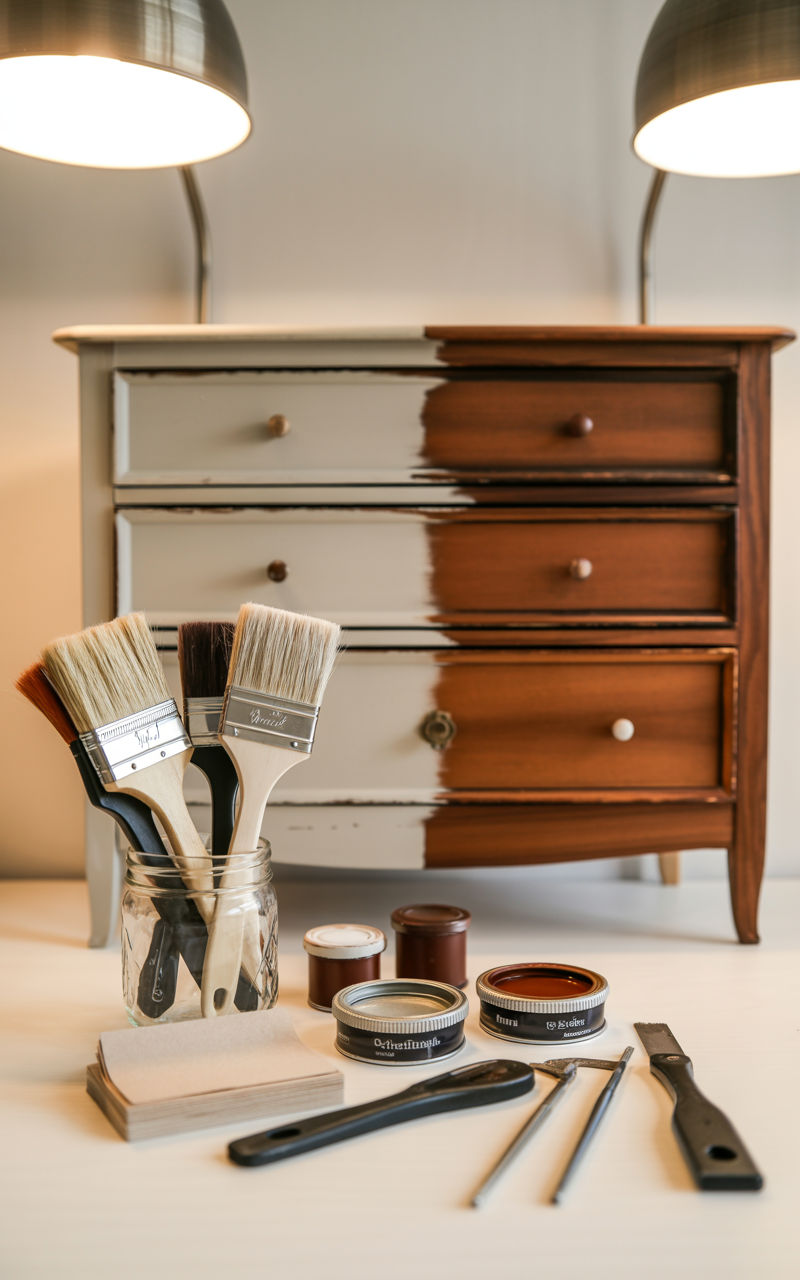
Staining Brings Out Natural Beauty
If you want a Restoration Hardware aesthetic, consider stripping and staining wood pieces to achieve light, weathered tones.
Hardware Makes a Huge Difference
Swap old brass pulls for matte black, brushed gold, or mixed metals and watch the piece transform.
The key idea: buy for structure, not finish. You can change the look easily.
5. Know When to Buy Retail (Yes—Sometimes It’s Worth It!)
Budget doesn’t always mean secondhand. You can buy brand-new high-quality furniture if you know where and when to look.
Shop at Outlet Stores
Many high-end retailers have outlets, including:
Restoration Hardware Outlet
West Elm Outlet
Pottery Barn Outlet
Crate & Barrel Outlet
Arhaus Outlet
Pieces are often 30–70% off—and sometimes more during end-of-season events.
Know the Retail Sales Calendar
Furniture discounts follow predictable cycles:
January – end-of-year clearance
February – President’s Day sales
May/June – Memorial Day & summer sales
August/September – new inventory pushes
November – Black Friday
If you plan ahead, you can save hundreds or thousands.
Check Open-Box Deals
Brands like Wayfair, Amazon Warehouse, Costco, and Target often offer open-box or returned items at major discounts. These items are usually unused.
Buy Floor Models
Ask your local furniture store if they sell floor models. These pieces typically have huge markdowns and minimal wear.
6. Explore Affordable Brands Known for Quality
Not all budget furniture brands are created equal. Some offer surprisingly good construction and style.
Great Affordable Stores
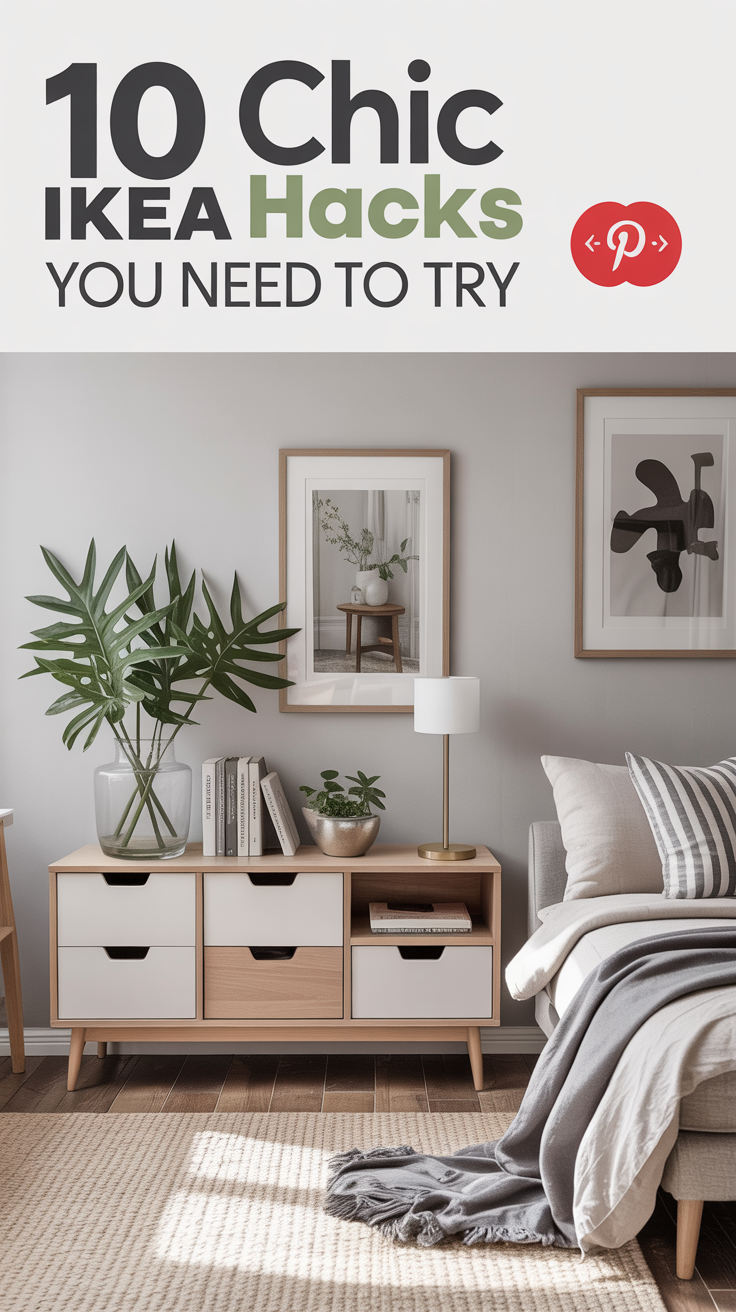
IKEA – Amazing for basics, solid wood options, and DIY hacks.
World Market – Stylish wood furniture at fair prices.
Home Depot / Lowe’s – Unexpectedly great for accent furniture.
Target (Threshold & Studio McGee) – Trendy pieces with decent durability.
Walmart (Better Homes & Gardens line) – Shockingly attractive wood pieces for the price.
Hidden-Gem Online Brands
Article – Mid-century modern, high quality for the price
Poly & Bark – Great sofas and leather options
AllModern – Trendy, affordable
Rove Concepts (sale events) – Modern, high end when discounted
7. Mix High and Low for a Designer Look
Interior designers do this constantly: splurge on key items, save on the rest.
Splurge On:
Sofa (you’ll sit on it daily)
Mattress
Quality dining table
Rug (if you want longevity)
Save On:
Side tables
Nightstands
Decorative chairs
Bookshelves
Console tables
This approach gives your home a high-end look without a high-end budget.
8. Learn How to Negotiate (Yes, It Works!)
People often forget furniture prices aren’t always fixed.
Where You Can Negotiate
Facebook Marketplace
Estate sales
Auctions
Thrift stores
Smaller retail shops
Floor model sales
Negotiation Tips That Feel Respectful
“Would you consider ___?”
“If I pick up today, can you do ___?”
“Would you take ___ if I pay cash?”
Always stay polite—kindness goes further than you’d think.
9. Repurpose What You Already Own
Before buying something new, look at what you have.
Try These Ideas:
Turn a dresser into a TV console
Use a bar cart as a nightstand
Paint a bookcase to give it new life
Swap furniture between rooms
Reupholster instead of replacing
Often, a space feels brand-new with simple tweaks.
10. Don’t Rush—Quality Deals Take Time
The biggest mistake people make is rushing the process. Great furniture deals show up regularly, but not always when you need them.
If you can, give yourself time to search. The perfect solid-wood dresser or discounted luxury sofa will appear.
Set alerts, check secondhand markets daily, and be ready to jump on a deal when it pops up.
Patience + strategy = savings.

11. Bonus Tips from Professional Home Stylists
Here are some insider strategies designers use to build beautiful spaces affordably:
Shopping “Off Season” Works
Buy outdoor furniture in fall. Buy indoor furniture mid-summer. Prices always dip between seasons.
Ask About Warehouse Sales
Many local furniture stores hold one or two warehouse liquidations per year with massive discounts.
Buy Timeless Pieces
Neutral, classic pieces go with any style—and you can change your décor around them over time.
Consider Reupholstery
A solid-frame chair with ugly fabric is still a gem. Reupholstery isn’t cheap, but it can make a vintage piece feel brand-new.
Follow Your Favorite Retailers on Social Media
Many stores post flash sales, scratch-and-dent items, or discontinued lines exclusively on Instagram or Facebook.
12. Your High-End Home Is More Achievable Than You Think
Creating a stylish, comfortable, high-quality home doesn’t have to drain your savings. With the right mindset—focusing on quality materials, smart shopping strategies, and patience—you can curate a space that feels luxurious without spending luxury prices.
The secret is simple: look beyond the showroom. High-quality furniture exists everywhere, if you know how to spot it.
From thrifted solid-wood dressers to discounted outlet sofas, estate-sale dining tables, refurbished vintage pieces, or smartly chosen retail buys, you can design a home that looks like it came straight from a magazine.
The goal isn’t just to save money—it’s to build a home filled with pieces you love, pieces that last, and pieces that reflect your style.
And with this guide, you’re well on your way.