Minimalism is one of the most popular interior design movements of the last decade. Its clean lines, uncluttered surfaces, and pared-back aesthetic promise serenity and focus in our increasingly chaotic lives. But for many homeowners, there’s a dilemma: while minimalism is visually appealing, it can sometimes feel cold, sterile, or impersonal.
So how do you embrace the elegance of minimalism while making your home warm, inviting, and livable? Let’s talk strategies, tips, and examples to help you achieve a minimalist home that still feels cozy and welcoming.
Why Minimalism Can Feel Cold
Before we dive into solutions, it’s important to understand why minimalism sometimes feels chilly or uninviting:
Neutral, Monochromatic Palettes
Minimalism often favors whites, grays, and blacks. While sleek and modern, these shades can feel stark without warmth or contrast.Sparse Furnishings
Fewer furniture pieces can make a space feel empty rather than airy. Without intentional layering or personal touches, minimalism risks feeling uninhabited.Hard, Clean Surfaces
Concrete countertops, metal legs, and smooth wood floors can lack tactile comfort, contributing to a sense of coldness.Lack of Personalization
Minimalism can sometimes feel like a showroom when it omits personal mementos, art, or textures that tell a story.
The key to warm minimalism is balancing simplicity with comfort, texture, and personality. Let’s explore how to do that.
Step 1: Start With a Warm Palette
Color is one of the simplest ways to make a minimalist space feel inviting:
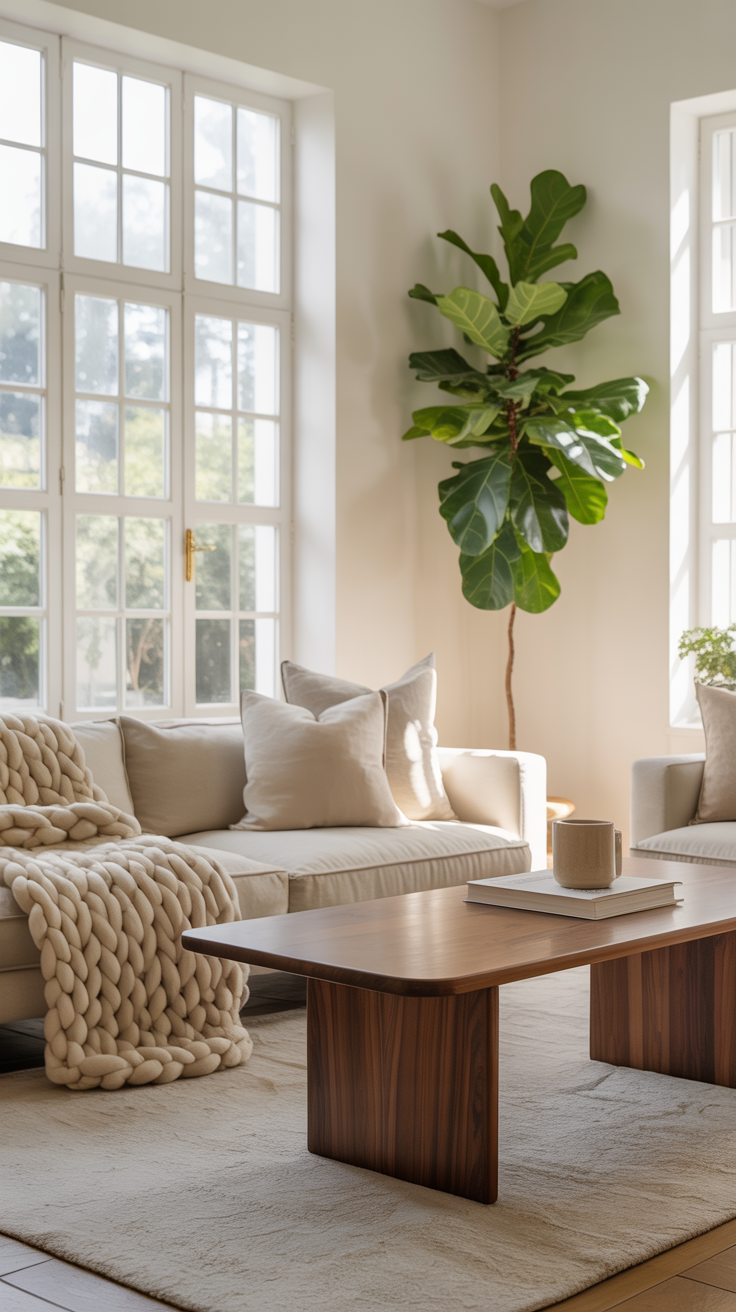
Soft Neutrals: Swap stark white walls for warm whites, creams, or taupes.
Earthy Hues: Incorporate beige, soft browns, clay, or terracotta tones to anchor your space.
Subtle Accents: Introduce muted greens, dusky blues, or blush tones in small doses to avoid visual clutter while adding warmth.
Tip: Minimalism doesn’t mean monotone. Layering different warm neutrals adds depth and makes a space feel lived-in.
Step 2: Incorporate Natural Materials
Natural materials create tactile warmth and add visual interest. Consider:
Wood: Opt for mid-tone or lighter woods for furniture, shelving, or floors. Live-edge or natural grain pieces are ideal.
Stone: Soft stone textures, like marble with subtle veining or limestone, can add character without overpowering.
Rattan & Wicker: Baskets, chairs, or light fixtures in these materials bring an organic touch.
Textiles: Linen, cotton, wool, and even velvet are great for layering warmth in a minimalist setting.
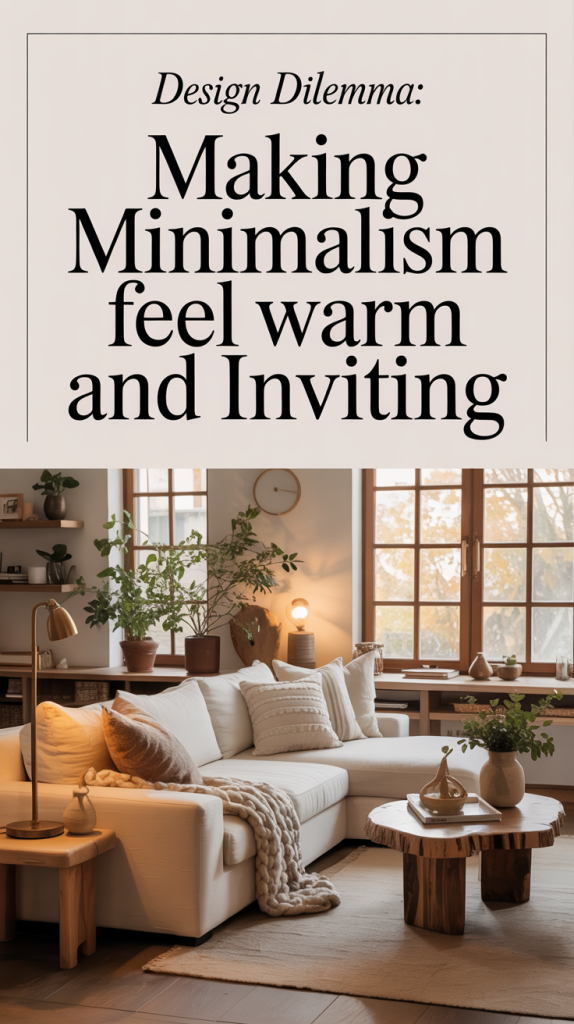
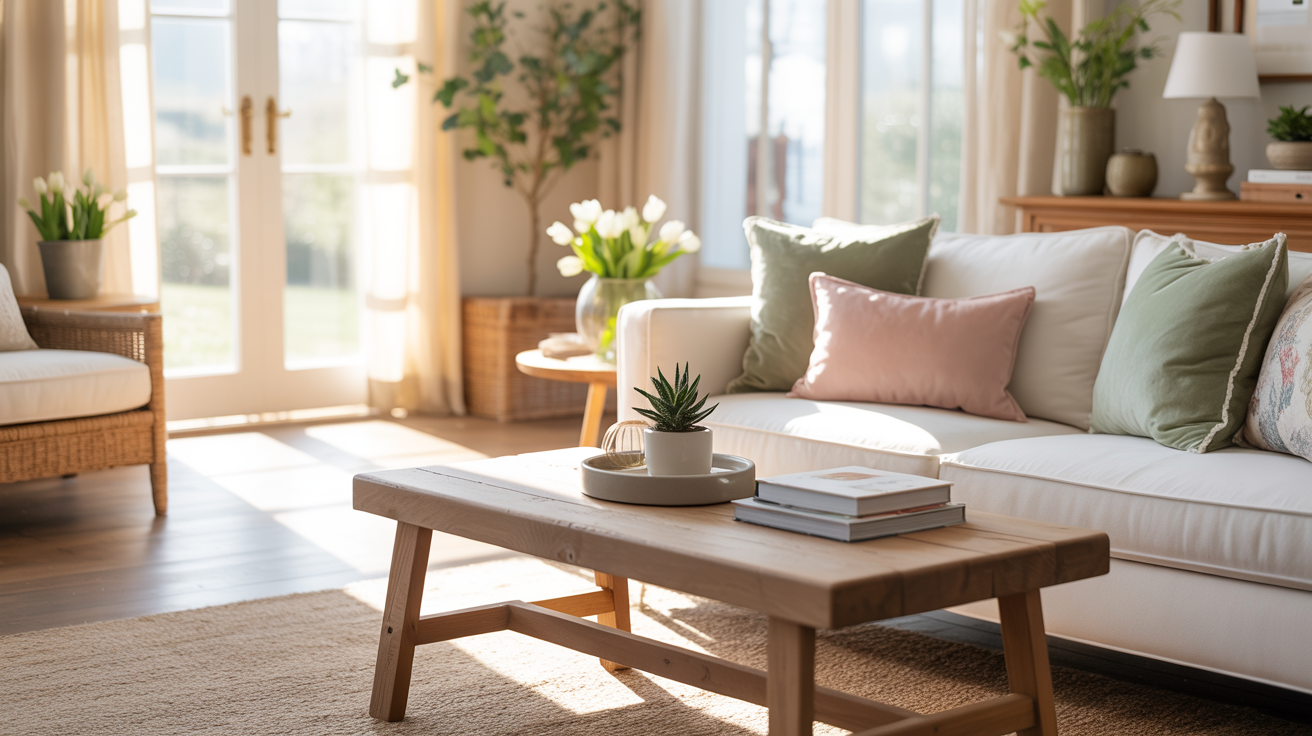
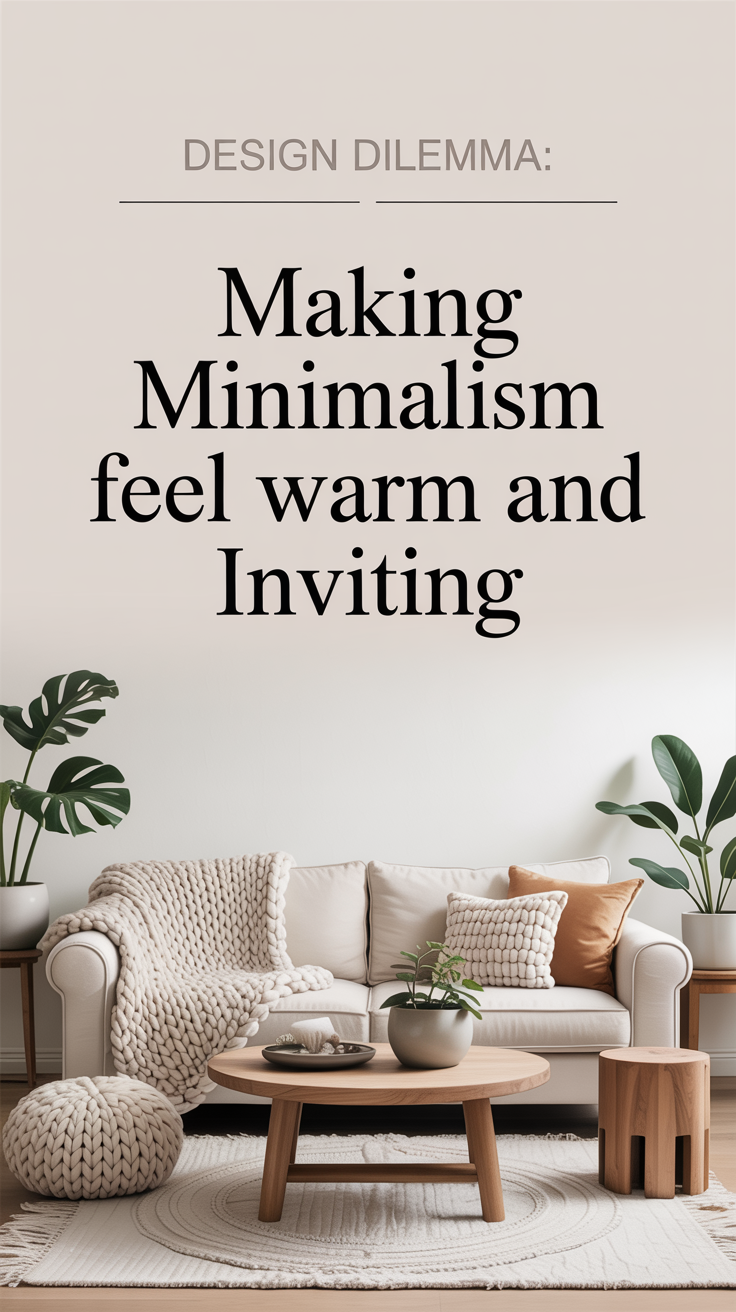
Example: A minimalist living room with a neutral sofa can feel cold on its own. Add a wool throw and a rattan coffee table for instant warmth.
Step 3: Layer Textures Thoughtfully
Texture adds dimension, making spaces feel cozy without cluttering:
Soft Rugs: A low-pile or handwoven rug grounds the room and invites bare feet.
Throws & Pillows: Choose a mix of materials, like linen, velvet, or boucle, in muted tones.
Wall Textures: Subtle textures, such as plaster walls, wood panels, or woven tapestries, create visual depth.
Curtains: Linen or cotton drapes soften a minimalist space and filter natural light beautifully.
Tip: Stick to a restrained palette; texture alone can create warmth without adding busy patterns.
Step 4: Balance Open Space With Intimate Zones
Minimalism emphasizes open space, but a room that’s too empty can feel cold. Create intimate areas for comfort:
Seating Nooks: Even a single chair with a small side table can make a corner feel welcoming.
Layered Furniture: Instead of one large sofa, consider pairing with a cozy accent chair or pouf.
Conversation Zones: Arrange seating to encourage interaction rather than just lining furniture against walls.
Tip: Use area rugs or soft lighting to delineate spaces and create a sense of intimacy within an open layout.
Step 5: Introduce Warm Lighting
Lighting is one of the most powerful tools for creating warmth:
Soft White Bulbs: Avoid harsh, bright lights. Aim for bulbs with 2700–3000K color temperature.
Layered Lighting: Combine overhead lighting, floor lamps, and table lamps to create depth.
Accent Lighting: Spotlights or wall sconces can highlight artwork, shelves, or architectural details.
Natural Light: Maximize windows, keep treatments light, and embrace sunlight to enhance warmth.

Example: A minimalist dining area can feel austere with just a pendant light. Add a floor lamp or small table lamps for a cozy glow in the evenings.
Step 6: Incorporate Greenery
Plants add life, color, and warmth while staying in line with minimalist principles:
Large Statement Plants: A fiddle-leaf fig or monstera adds drama and softness.
Small Potted Plants: Perfect for shelves, consoles, or kitchen counters.
Dried Botanicals: Pampas grass or dried flowers in neutral tones add texture without clutter.
Tip: Avoid overstuffing plants; one or two well-placed pieces can create impact without disrupting minimalist balance.

Step 7: Personalize With Meaningful Objects
Minimalism doesn’t mean removing all personality. Choose a few key items that reflect you:
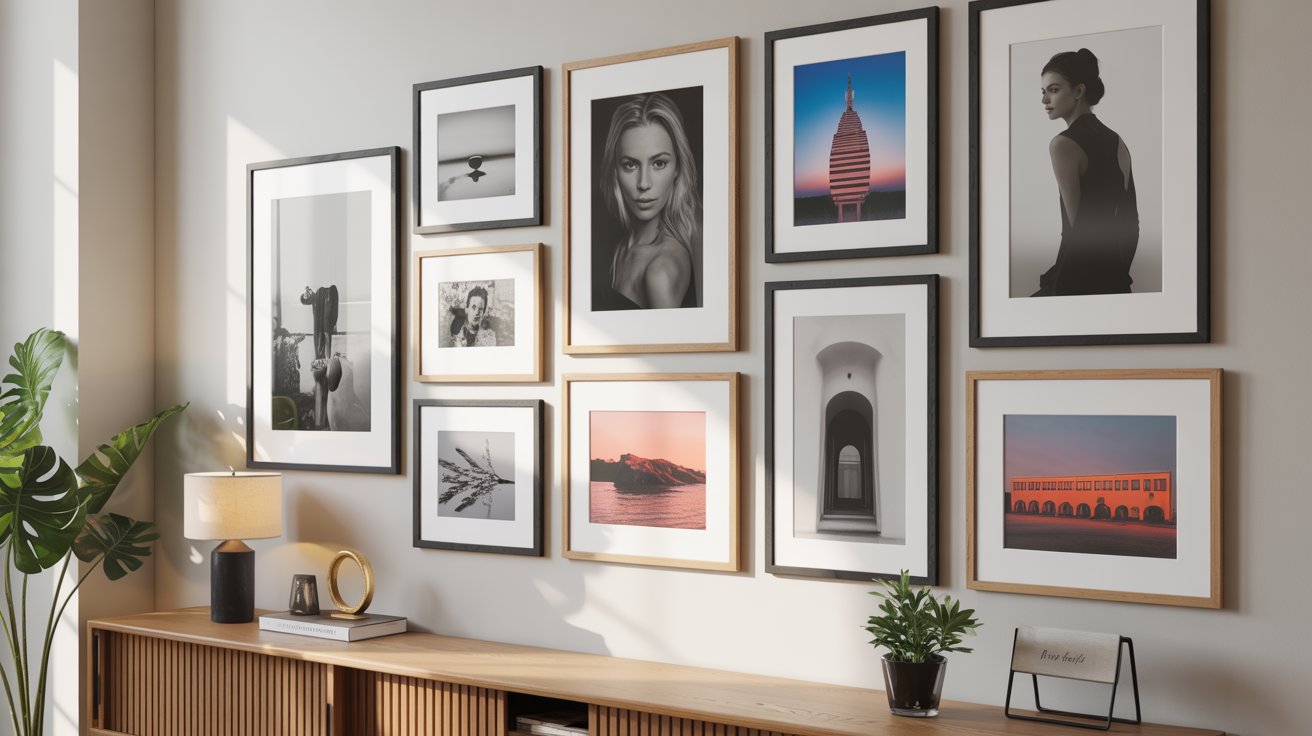
Art: One large statement piece is often better than a gallery wall.
Books: Stack a few favorites on a coffee table or shelf.
Sentimental Objects: A curated vase, travel memento, or heirloom can be a subtle personal touch.
Tip: Rotate items seasonally to keep the space dynamic and avoid feeling static.
Step 8: Mix Modern and Organic Shapes
The right shapes can influence how inviting a space feels:
Curved Furniture: Sofas, chairs, or tables with soft curves feel more approachable than rigid rectangles.
Organic Decor: Bowls, vases, or sculptures with natural forms add interest without clutter.
Geometric Accents: Introduce subtle angles or lines to contrast softness without feeling harsh.
Example: Pair a minimalist angular sofa with a round ottoman or curved coffee table to soften the look.
Step 9: Use Minimal Patterns Wisely
Patterns can add warmth without creating visual chaos if applied sparingly:
Textiles: Throw pillows or rugs in subtle, monochromatic patterns.
Art: One patterned print framed simply.
Wall Treatments: Soft geometric wallpaper or textured plaster.
Tip: Stick to one or two pattern elements per room to maintain minimalism’s calm aesthetic.
Step 10: Keep Surfaces Curated
Clutter quickly undermines warmth. Minimalism requires intentional curation:
Limit tabletop decor to 3–5 meaningful pieces.
Use trays or bowls to organize small items.
Leave empty space to allow items to “breathe.”
Example: A console table with a single vase, a small stack of books, and a candle can feel much warmer than one overcrowded with decor.
Step 11: Embrace Layered Textiles
Layering textiles adds warmth and tactile comfort:
Rugs on Rugs: Layer a small textured rug over a neutral base.
Throws on Seating: Draped throws invite touch and create a lived-in feel.
Mixed Fabrics: Linen, cotton, velvet, and wool together create depth and richness.
Tip: Keep colors restrained to preserve the minimalist vibe.
Step 12: Balance Minimalism With Function
Minimalism doesn’t mean sacrificing function for form. A warm minimalist home balances both:
Hidden Storage: Use furniture with drawers or cabinets to hide clutter.
Multipurpose Furniture: Ottoman with storage, foldable tables, or wall-mounted shelves.
Practical Decor: Objects that serve a purpose, like bowls for keys or trays for remotes.
Functionality enhances comfort and warmth without undermining minimalism.

Step 13: Introduce Warm Metals and Accents
Metal finishes can add subtle warmth:
Brass or Gold: Light fixtures, cabinet handles, or small decor pieces.
Matte Black or Bronze: Adds sophistication without feeling cold.
Wood-Metal Mixes: Combines warmth and modern minimalism effortlessly.
Tip: Stick to one or two metallic finishes per space to maintain cohesion.
Step 14: Mind the Senses
Warmth isn’t just visual; it’s also tactile and auditory:
Soft Textures: Cushions, throws, rugs, and curtains invite touch.
Sound: Rugs and textiles help absorb sound, reducing echo in minimalist spaces.
Scents: Candles, diffusers, or fresh flowers create a welcoming atmosphere.
Engaging multiple senses makes a minimalist space feel more human and cozy.
Step 15: Avoid Sterility With Intentional Imperfections
Perfection can feel cold. Embrace small imperfections:
Slightly uneven layers of books.
Organic shapes in decor items.
Handcrafted pottery or textiles with minor variations.
These subtle touches add warmth and authenticity.
Step 16: Minimalism Can Be Layered and Lived-In
The ultimate goal is balance. Minimalism doesn’t require a showroom look—your home should feel lived-in and approachable:
Rotate decor seasonally.
Combine textures, metals, and textiles strategically.
Allow negative space for visual calm.
Incorporate personal, meaningful touches.
The right balance will make your minimalist home feel serene, stylish, and inviting.
Step 17: Room-by-Room Warm Minimalist Tips
Living Room
Neutral sofa with cozy throws.
Wooden coffee table and side tables.
Layered lighting: floor lamp, table lamps, overhead light.
Large statement plant in a corner.
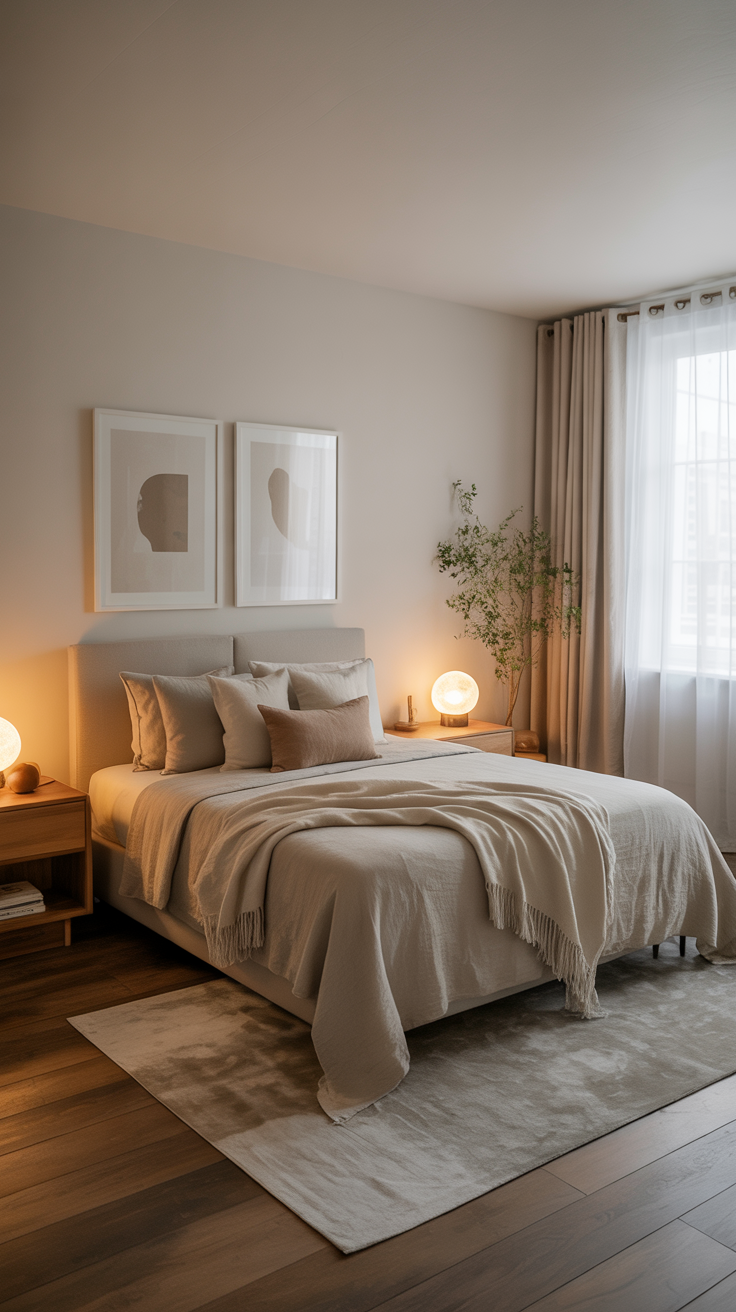
Bedroom
Warm bedding with layers of linen and cotton.
Wooden headboard or side tables.
Soft area rug.
Minimalist art above bed.
Entryway
Console table with curated tray or bowl.
Small potted plant or vase.
Warm overhead or table lighting.
Mirror to add depth and light reflection.
Kitchen
Wooden cutting boards as decor.
Ceramic jars for storage.
Minimal countertop items; keep essentials visible.
Subtle patterned or textured rug.
Step 18: Common Mistakes to Avoid
Too Much White: Stark whites can feel sterile; use warm neutrals instead.
Ignoring Texture: Smooth surfaces without tactile elements feel cold.
Overcrowding: Minimalism thrives on intentional spacing.
No Personal Touches: Sterile rooms feel like showrooms without personality.
Harsh Lighting: Use soft, layered lighting to create warmth.

Step 19: Seasonal Adjustments
Warm minimalism adapts beautifully to seasonal decor:
Fall/Winter: Throws, candles, warm-toned textiles, pinecones, and dried flowers.
Spring/Summer: Fresh flowers, lighter fabrics, airy curtains, and woven accents.
Rotating items seasonally maintains warmth without disrupting minimalism.
Step 20: Final Tips for Success
Curate thoughtfully: Every item should serve a purpose or enhance the aesthetic.
Layer strategically: Mix heights, textures, and materials.
Balance emptiness and objects: Let negative space breathe.
Incorporate natural elements: Wood, plants, and textiles invite warmth.
Prioritize lighting: Both natural and layered artificial lighting are essential.
Personalize: Minimalism should feel human and lived-in.
Minimalism doesn’t have to be cold, sterile, or uninviting. By layering textures, using warm neutrals, incorporating natural materials, and adding personal touches, you can create a home that is both serene and welcoming.
The key is balance. Every element, from furniture placement to lighting choices, should contribute to a cohesive, functional, and warm environment. When done thoughtfully, minimalism becomes a canvas for comfort—a space that feels calm, curated, and completely yours.
By following these strategies, your minimalist home can finally achieve the perfect combination of simplicity and warmth, turning design dilemmas into cozy, stylish living spaces.