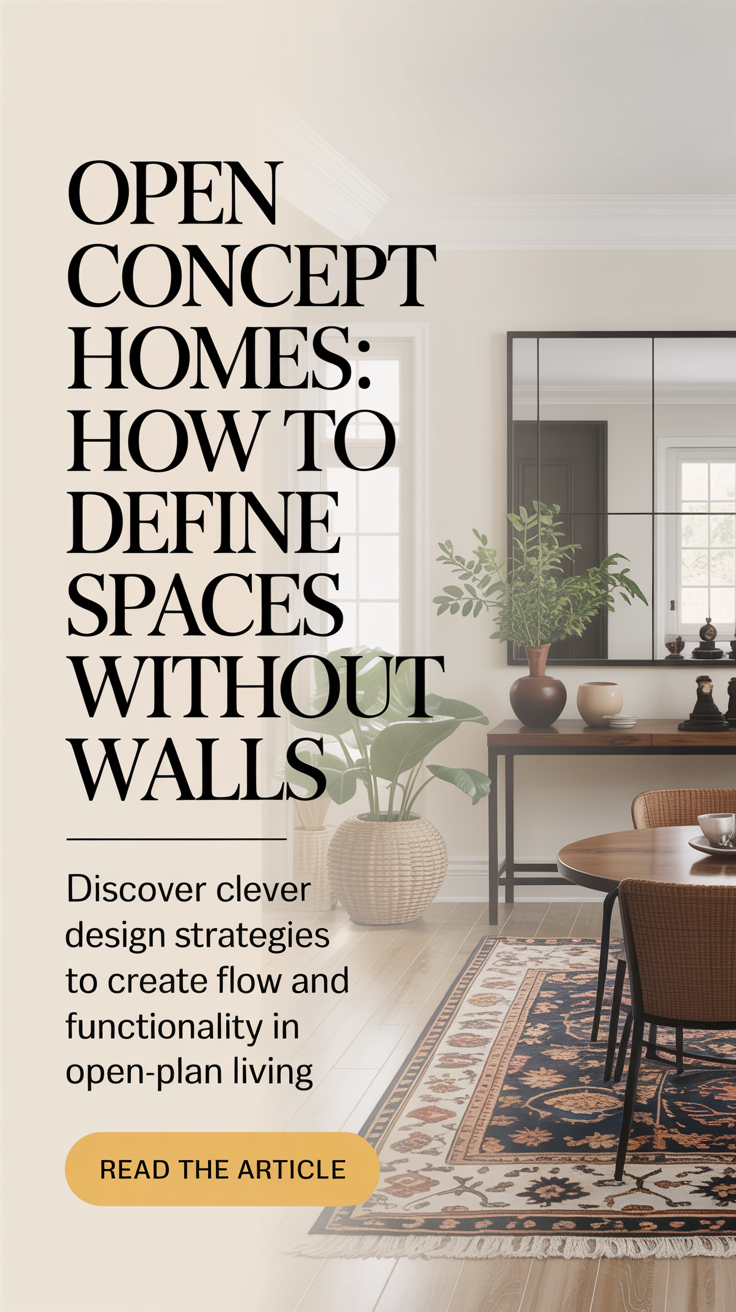
Open concept living has become a hallmark of modern residential design, celebrated for its ability to foster a sense of spaciousness, enhance natural light, and promote seamless interaction within a home. The removal of traditional walls between common areas—typically the kitchen, dining room, and living room—creates expansive, flowing interiors that appeal to contemporary lifestyles. This architectural trend, which gained significant traction in the mid-20th century and continues to dominate new constructions and renovations, reflects a desire for less formal, more connected living environments. The allure of an open floor plan lies in its promise of flexibility, improved sightlines, and a communal atmosphere, making it ideal for entertaining and family togetherness.
However, the very absence of walls that defines open concept living also presents its unique set of challenges. Without clear architectural boundaries, these large, undifferentiated spaces can sometimes feel overwhelming, lacking intimacy, and prone to visual clutter. Issues such as noise transfer, a perceived lack of privacy, and the difficulty of creating distinct functional zones often emerge as homeowners grapple with how to furnish and organize these vast areas. The art of defining spaces without walls is not merely about placing furniture; it is about employing a sophisticated blend of design principles and strategic interventions to imbue each area with its own identity and purpose, all while maintaining the cohesive flow that is the essence of open concept design.
This comprehensive article will delve into the intricacies of open concept homes, exploring both their undeniable benefits and their inherent challenges. More importantly, it will provide a detailed guide on how to master the art of spatial definition. We will examine a range of techniques, from clever furniture arrangements and the strategic use of color and lighting to innovative architectural elements and flexible room dividers. Our aim is to equip homeowners with the knowledge and inspiration to transform their open concept spaces into harmonious, functional, and aesthetically pleasing environments where every zone feels distinct yet perfectly integrated. By the end of this exploration, you will discover how to harness the full potential of your open concept home, creating a living space that is both expansive and intimately tailored to your needs.
Understanding Open Concept Living
To effectively define spaces within an open concept home, it is crucial to first understand the fundamental characteristics that underpin this design philosophy. Open concept living is more than just removing walls; it is a deliberate architectural choice with distinct advantages and disadvantages that shape the daily experience of a home.
A. Benefits: Flow, Light, Connection
The popularity of open concept floor plans is rooted in several compelling benefits that resonate with modern living:
•Enhanced Flow and Spaciousness: The most immediate and noticeable advantage is the uninterrupted flow between different functional areas. Without walls, a smaller home can feel significantly larger and more expansive. This visual continuity creates an airy atmosphere, making rooms feel less confined and more breathable. The absence of physical barriers allows for a natural progression from one activity to another, such as cooking in the kitchen while conversing with guests in the living room.
•Maximized Natural Light: Walls inherently block the spread of natural light. In an open concept layout, light from windows can penetrate deeper into the home, illuminating multiple areas simultaneously. This not only makes the space feel brighter and more inviting but can also reduce the need for artificial lighting during the day, potentially leading to energy savings. The increased light contributes to a more uplifting and positive ambiance.
•Improved Connection and Communication: Open floor plans are designed to foster interaction. Whether it’s a parent preparing dinner while keeping an eye on children playing, or guests mingling between the kitchen and living area during a party, these layouts encourage communication and a sense of togetherness. This communal aspect is particularly appealing to families and those who enjoy entertaining, as it allows hosts to remain part of the social activity even while performing tasks.
•Flexibility in Layout: The lack of fixed walls offers greater flexibility in furniture arrangement and the ability to reconfigure spaces as needs change. What might be a dining area today could be a larger living space tomorrow, or a temporary home office. This adaptability is a significant asset in dynamic households.
B. Challenges: Noise, Lack of Privacy, Decorating Dilemmas
Despite their many advantages, open concept homes are not without their drawbacks. These challenges often stem directly from the very features that make them appealing, necessitating thoughtful design solutions:
•Noise Transfer: The absence of walls means there are no physical barriers to absorb or block sound. Noise from the kitchen (appliances, dishes), the television in the living room, or conversations can easily travel throughout the entire open space. This can be disruptive, making it difficult for individuals to engage in different activities simultaneously without interference. For instance, someone trying to read quietly might be disturbed by cooking sounds or a TV show.
•Lack of Privacy: While open plans promote connection, they can also diminish privacy. There are fewer secluded nooks for quiet contemplation, private phone calls, or focused work. Every activity becomes somewhat public, which can be a significant concern for larger families or individuals who value personal space. The visual openness means there’s little escape from the goings-on in other areas of the main living space.
•Decorating Dilemmas and Cohesion: Decorating an open concept space requires a delicate balance. While each functional zone needs its own identity, the entire area must also maintain a cohesive aesthetic to avoid a disjointed or chaotic look. This can be challenging, as it demands a unified color palette, consistent material choices, and a thoughtful approach to furniture styles across multiple
areas. Furthermore, the limited wall space can make art placement and furniture arrangement more complex, as there are fewer natural anchors.
•Mess Visibility: In a traditional home, a messy kitchen or a cluttered living room can be easily hidden behind a closed door. In an open concept layout, any disarray in one area is immediately visible from all adjacent spaces. This necessitates a higher degree of tidiness and organization, as there are no walls to conceal everyday clutter, which can be a source of stress for some homeowners.
•Heating and Cooling Efficiency: Large, open spaces can be more challenging and expensive to heat and cool efficiently. Without walls to compartmentalize air, temperature regulation can be less precise, leading to potential drafts or uneven heating/cooling throughout the expansive area.
C. The Need for Definition
Given these challenges, the need for effective spatial definition in open concept homes becomes paramount. The goal is not to reintroduce walls, but to create a sense of order, purpose, and intimacy within the larger space. This involves subtly delineating functional zones—such as a living area, dining space, and kitchen—without sacrificing the open, airy feel. Successful definition allows each area to serve its intended purpose efficiently, provides a psychological sense of enclosure and privacy when needed, and helps to manage the visual and auditory aspects of open living. It transforms a potentially overwhelming expanse into a series of interconnected, harmonious, and highly functional environments. The following sections will explore various strategies to achieve this delicate balance, turning the challenges of open concept living into opportunities for innovative and personalized design.

Furniture Arrangement: The Primary Divider
In the absence of physical walls, furniture becomes the most powerful and versatile tool for defining spaces within an open concept home. Strategic furniture arrangement can create invisible boundaries, guide traffic flow, and establish distinct functional zones, all while maintaining the open and airy feel that is characteristic of these layouts. The key is to think of furniture not just as individual pieces, but as elements that collectively sculpt the space.
A. Floating Furniture: Creating Invisible Walls
One of the most effective techniques for defining zones in an open concept layout is to “float” furniture away from the walls. Instead of pushing all pieces against the perimeter, positioning them strategically in the middle of the room creates natural divisions and pathways.
1. Sofas and Sectionals as Boundaries
A sofa or sectional can act as a powerful anchor and a subtle room divider. By placing the back of a sofa to face a different functional area (e.g., the dining room or kitchen), you instantly create a visual and psychological barrier that delineates the living room zone. A sectional, with its inherent L-shape, is particularly adept at this, naturally enclosing a seating area and providing a clear separation from adjacent spaces. For instance, a sectional can define the living room in an open-plan kitchen-dining-living area, with its back facing the dining table. This creates a cozy, contained seating arrangement without blocking light or conversation.
When using sofas or sectionals as dividers, ensure there is still ample space for traffic flow around them. A minimum of 30-36 inches of clearance is generally recommended for comfortable passage. Consider placing a console table or a low bookshelf behind the floating sofa. This not only adds a functional surface for lamps, books, or decorative items but also reinforces the boundary, making the division feel more intentional and finished. The console table can also serve as a visual bridge, connecting the two spaces while still marking their separation.
2. Console Tables and Bookcases as Dividers
Beyond sofas, other pieces of furniture can serve as excellent, non-permanent room dividers:
•Console Tables: As mentioned, a console table placed behind a sofa can define a living area. In other contexts, a narrow console table can stand alone to separate an entryway from a living space or a dining area from a kitchen, providing a surface for keys, mail, or decorative accents without obstructing views.
•Low Bookcases or Shelving Units: A low, open-backed bookcase can be positioned perpendicular to a wall to create a subtle division. Unlike a solid wall, an open-backed unit allows light to pass through and maintains visual connection, preventing the space from feeling completely cut off. It also offers valuable storage and display opportunities for both sides of the divide. For example, a low bookcase can separate a home office nook from the main living area, providing a sense of enclosure for work while keeping the space integrated.
•Credenzas or Sideboards: Similar to console tables, these pieces can define zones while offering significant storage. Their height is often ideal for creating a visual break without feeling imposing.
B. Area Rugs: Anchoring Zones
Area rugs are indispensable tools in open concept design, acting as visual anchors that define specific zones and add warmth, texture, and color to the floor plan. They are the equivalent of drawing invisible rooms on your floor.
1. Importance of Size and Placement
The most common mistake when using rugs in open concept spaces is choosing one that is too small. An undersized rug can make a furniture grouping feel disconnected and float aimlessly within the larger space. Conversely, a properly sized rug grounds the furniture and clearly delineates the boundaries of a functional zone.
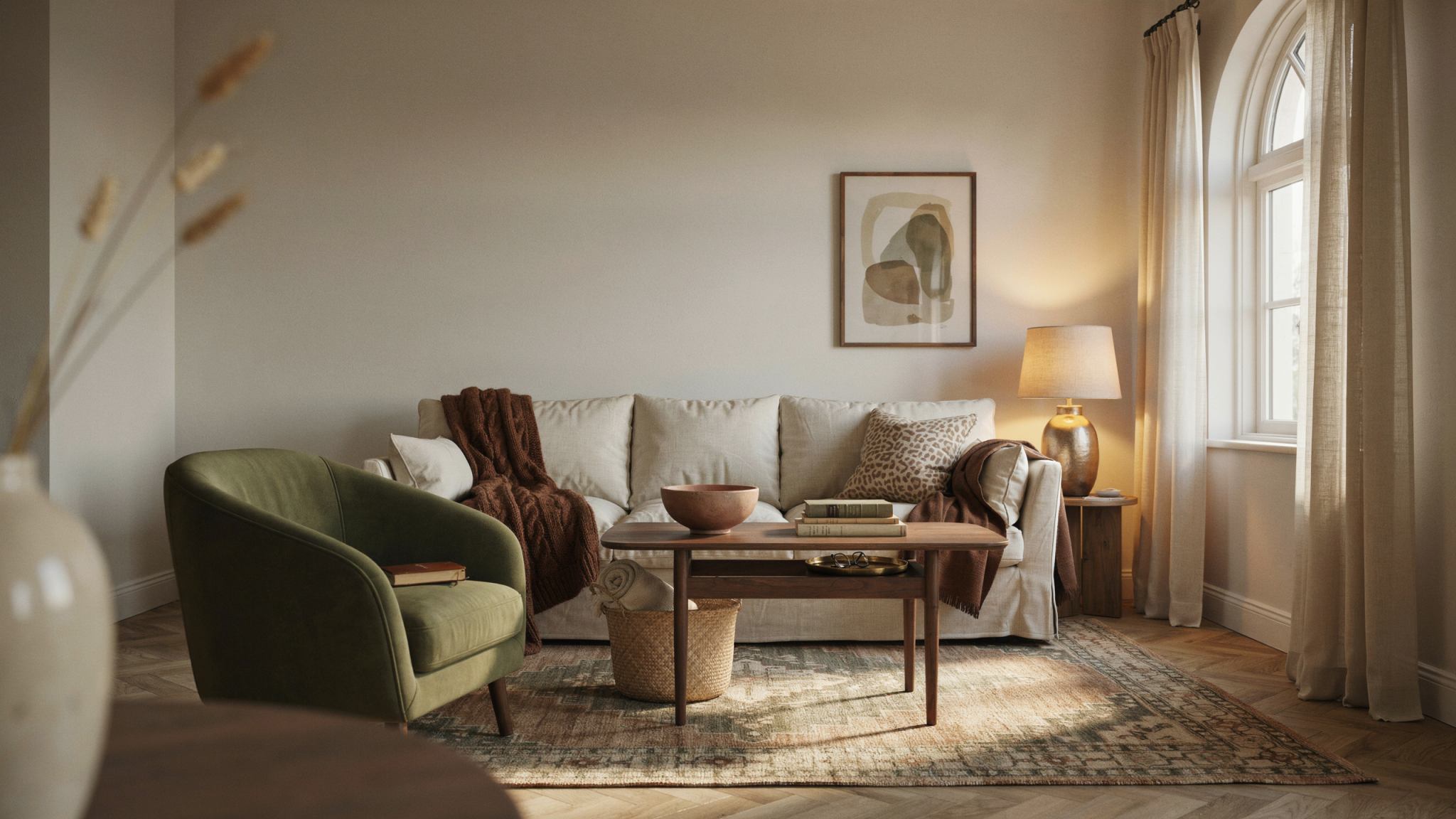
For a living area, the rug should be large enough so that at least the front two legs of all major upholstered pieces (sofa, armchairs) rest on it. Ideally, all furniture pieces within a seating arrangement should be entirely on the rug. This creates a cohesive grouping and prevents the furniture from looking like it’s adrift. For a dining area, the rug should be large enough to accommodate the dining table and all chairs, even when pulled out, without the chair legs falling off the rug. This ensures comfort and prevents snagging.
2. Using Multiple Rugs for Different Areas
In a large open space, using multiple rugs can effectively define different zones. For example, a large rug can anchor the main living room seating, while a smaller, complementary rug can define a reading nook or a children’s play area within the same open space. The key is to ensure the rugs complement each other in style, color, or texture to maintain overall cohesion. They don’t have to be identical, but they should feel like they belong together within the broader design scheme.
C. Strategic Groupings: Conversation Areas and Functional Zones
Beyond individual pieces, the way furniture is grouped is crucial for creating functional and inviting zones. Think about the primary activity that will take place in each area and arrange furniture to support that function.
•Conversation Areas: In a living room zone, arrange sofas and chairs to face each other or in an L-shape around a central coffee table. This encourages conversation and creates an intimate gathering space. Ensure there’s enough space between seating for comfortable interaction (typically 6-8 feet across a coffee table).
•Dining Zones: Position the dining table and chairs to clearly define the eating area. A buffet or sideboard can be placed against a nearby wall to reinforce this zone and provide storage for dinnerware.
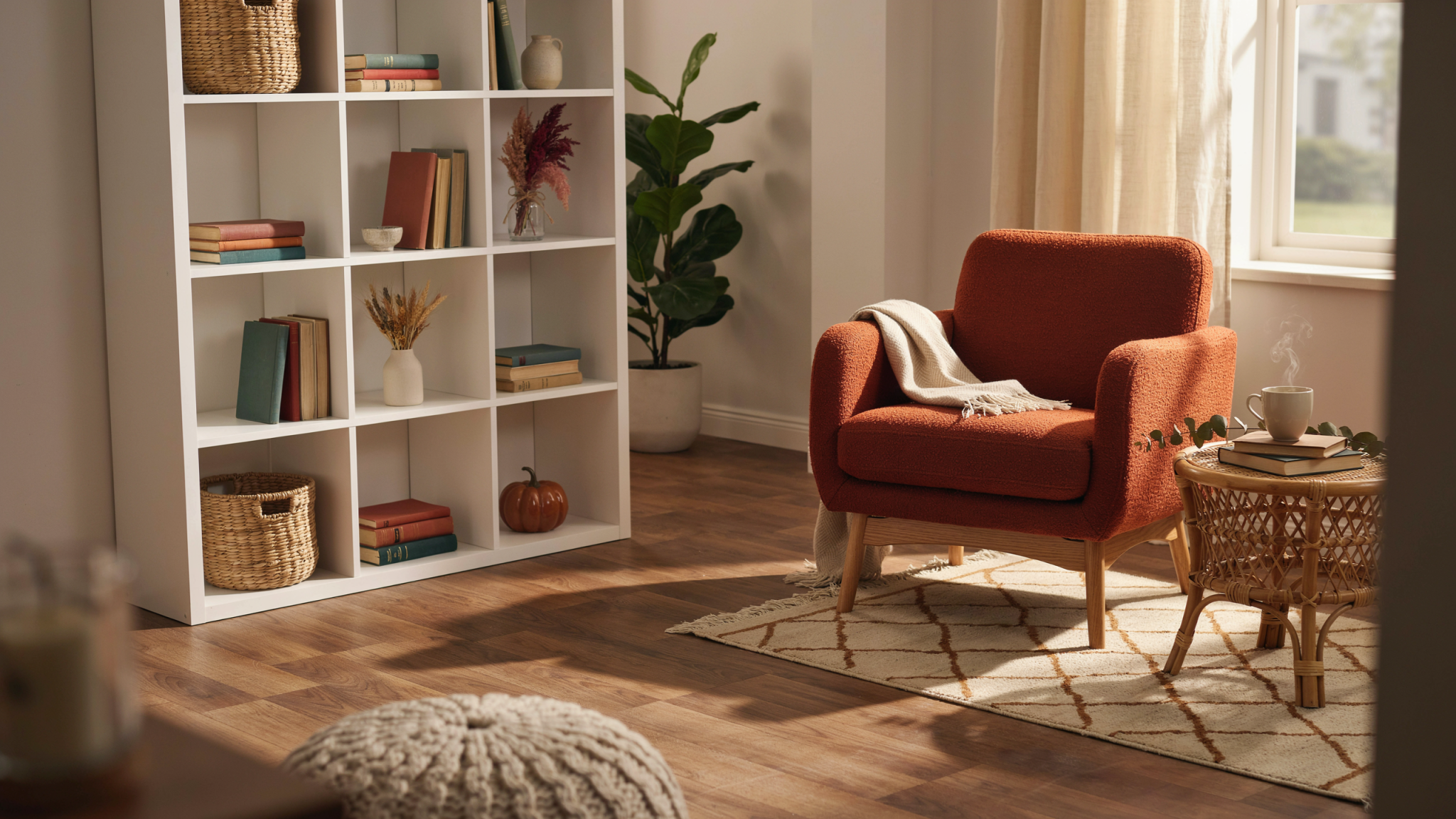
•Work Nooks: If incorporating a home office, use a desk and chair to create a dedicated workspace. A small armchair or a plant can be used to subtly separate this area from the main living space, providing a sense of focus without full enclosure.
By carefully considering the placement and grouping of furniture, you can effectively carve out distinct, purposeful zones within your open concept home, transforming a single large space into a series of interconnected, yet clearly defined, functional areas. This approach maximizes the utility of your home while preserving the desirable open feel.
Visual Cues: Color, Lighting, and Texture
While furniture arrangement provides the structural definition in an open concept home, visual cues such as color, lighting, and texture are the subtle yet powerful elements that imbue each zone with its unique character and purpose. These elements work in concert to create a cohesive yet differentiated aesthetic, guiding the eye and influencing the mood of each area without the need for physical barriers.
A. Color Palettes: Subtle Shifts and Cohesion
Color is a fundamental tool for defining zones and influencing the perception of space. In an open concept layout, maintaining a sense of overall cohesion is crucial, but subtle variations in color can effectively delineate different functional areas.
1. Consistent Base, Zoned Accents
The most effective strategy is to establish a consistent base color palette throughout the entire open space. This typically involves using a neutral color—such as white, cream, light gray, or a soft beige—on the majority of the walls. This creates a harmonious backdrop that unifies the different zones and allows the space to feel expansive and continuous. Once this base is established, you can introduce accent colors within each zone to give it a distinct identity. For example, the living area might feature throw pillows and artwork in cool blues, while the dining area incorporates warm terracotta tones in its decor. These accent colors, while different, should still complement the overarching neutral palette to maintain visual harmony. The repetition of a few key accent colors across different zones can also help to tie the entire space together, even if they are used in varying proportions.
2. Feature Walls and Architectural Elements
For a more pronounced, yet still subtle, division, consider a feature wall within a specific zone. A single wall painted in a deeper hue or adorned with a textured wallpaper can visually anchor that area, drawing the eye and signaling a change in function. For instance, a rich accent color on the wall behind the dining table can clearly define the dining zone, making it feel more intimate and distinct from the adjacent living or kitchen areas. Similarly, architectural elements like a fireplace or a built-in shelving unit can be highlighted with a contrasting color or material to emphasize their role as a focal point for a particular zone. The key is to use these bolder statements sparingly and intentionally, ensuring they enhance rather than disrupt the overall flow of the open space.
B. Layered Lighting: Illuminating Functions
Lighting is one of the most sophisticated tools for defining zones and creating ambiance in an open concept home. By layering different types of lighting, you can illuminate specific areas for their intended function while also contributing to the overall mood and visual separation.
1. Ambient, Task, and Accent Lighting for Zones
Effective lighting in an open concept space requires a multi-layered approach:
•Ambient Lighting: This provides the general illumination for the entire space, ensuring overall brightness. Recessed lighting, track lighting, or large ceiling-mounted fixtures can serve this purpose. The ambient lighting should be consistent across the open area to maintain a unified feel.
•Task Lighting: Within each functional zone, task lighting is crucial. In the kitchen, this might involve under-cabinet lighting for food preparation or pendant lights over an island. In the dining area, a chandelier or pendant light directly above the dining table clearly defines this zone and provides adequate illumination for meals. In the living area, floor lamps next to reading chairs or table lamps on side tables provide focused light for activities like reading or crafting. These localized light sources draw attention to the activity taking place in that specific zone.
•Accent Lighting: Used to highlight architectural features, artwork, or decorative elements, accent lighting adds depth and visual interest. Picture lights, wall sconces, or spotlights can draw the eye to specific points, subtly emphasizing the boundaries or focal points of a zone. For example, spotlights directed at a gallery wall in the living area can make that space feel distinct.
2. Statement Fixtures as Visual Markers
Beyond their functional role, light fixtures themselves can act as powerful visual markers. A striking chandelier over the dining table or a unique pendant light above a kitchen island immediately signals the purpose of that area. These statement pieces draw the eye and serve as vertical anchors, helping to define the boundaries of a zone without the need for walls. The style of the fixtures can also contribute to the overall aesthetic of each zone, even while maintaining a cohesive design language throughout the open space.
C. Texture and Materials: Adding Depth and Distinction
Texture and material choices are often overlooked but highly effective ways to define spaces and add richness to an open concept home. They engage the sense of touch and sight, creating subtle distinctions between zones.
1. Varying Textures for Different Areas
Introducing different textures can create a tactile and visual separation between zones. For instance, a plush, high-pile rug in the living area can create a cozy, inviting feel, contrasting with a smoother, more durable rug or a different flooring material in the dining or kitchen area. Upholstery choices can also vary: a velvet sofa in the living room might be complemented by linen dining chairs, each contributing to the distinct character of its zone. The key is to ensure these textural variations feel intentional and complementary, rather than random.
2. Repeating Materials for Cohesion
While varying textures can define zones, repeating certain materials or finishes throughout the open space is essential for maintaining overall cohesion. For example, if you have a specific wood tone in your kitchen cabinetry, incorporating that same wood tone in a coffee table in the living room or a sideboard in the dining area will create a visual thread that ties the entire space together. Similarly, using a consistent metallic finish (e.g., brass, matte black) for light fixtures, hardware, and decorative accents across all zones reinforces a unified design language. This balance between variation and repetition ensures that each zone feels distinct yet part of a larger, harmonious whole, preventing the open space from feeling disjointed or chaotic.
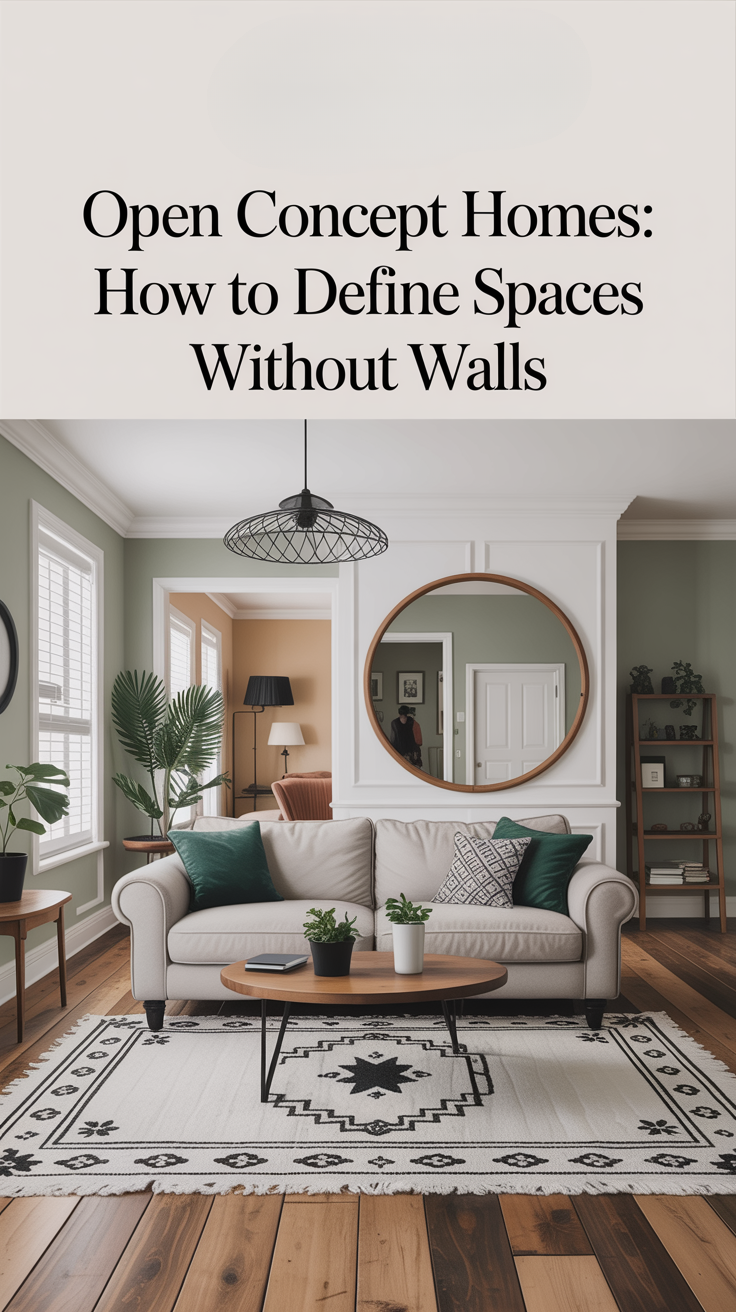
Architectural and Creative Solutions
Beyond furniture and visual cues, architectural and creative solutions offer more permanent and integrated ways to define spaces within an open concept home. These methods often involve subtle structural modifications or the incorporation of design elements that naturally delineate zones without erecting full walls. They provide a sense of separation while preserving the open flow and maximizing natural light.
A. Half-Walls and Pony Walls: Subtle Separation
Half-walls, also known as pony walls, are partial walls that extend only partway up to the ceiling, typically around 36 to 42 inches high. They are an excellent compromise for homeowners who desire some degree of separation and definition without completely closing off a space. These walls offer several advantages:
•Visual Division: A half-wall clearly marks the boundary between two functional areas, such as a kitchen and a dining room, or a living room and an entryway. It provides a visual break that signals a change in function without obstructing sightlines or the flow of light.
•Functional Surfaces: The top surface of a half-wall can serve as a countertop, a breakfast bar, a display shelf for decorative items, or even a convenient spot for charging devices. In a kitchen, it can house electrical outlets or provide a backsplash for a sink. This dual functionality adds practical value to the subtle division.
•Furniture Placement: Half-walls provide a solid backing for furniture, allowing a sofa or a console table to be placed against them, further reinforcing the definition of a zone. This can be particularly useful in creating a more enclosed feeling for a living area.
•Noise Reduction (Minimal): While not as effective as a full wall, a half-wall can offer a slight degree of acoustic separation, particularly for lower-frequency sounds, and can help contain some of the visual clutter from one area, such as dishes on a kitchen counter.
B. Built-in Shelving and Cabinetry: Functional Dividers
Custom built-in shelving units and cabinetry are powerful tools for defining spaces, offering both aesthetic appeal and invaluable storage. Unlike freestanding furniture, built-ins are integrated into the architecture, creating a seamless and sophisticated look.
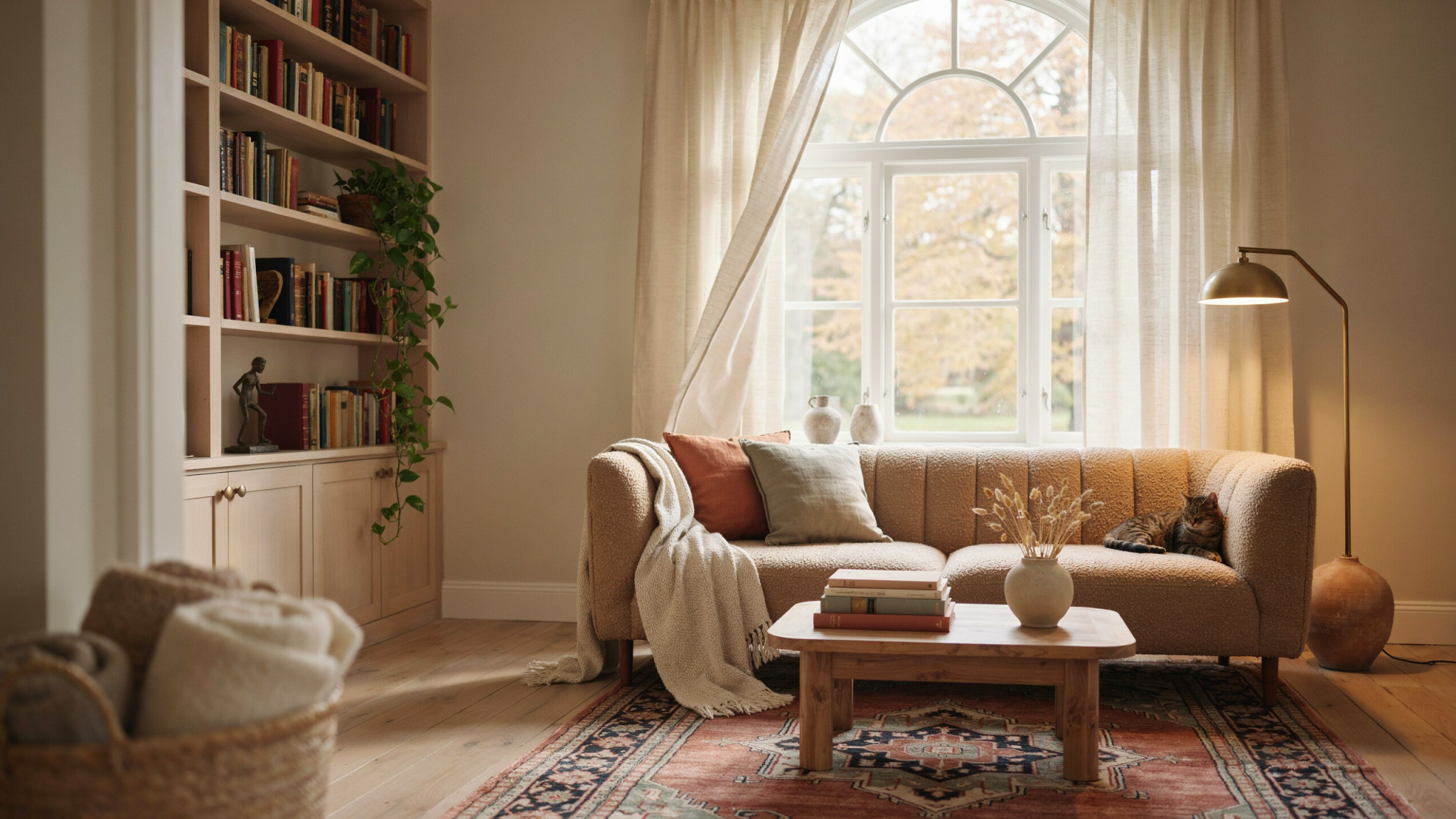
•Open Shelving Units: A tall, open shelving unit can be used as a room divider, allowing light to pass through while providing ample space for books, artwork, and decorative objects. The open design maintains a sense of connection between the spaces it divides, preventing a feeling of being completely cut off. For instance, a double-sided open bookshelf can separate a living room from a home office nook, offering storage and display for both sides.
•Closed Cabinetry: For areas requiring more privacy or hidden storage, built-in cabinetry can serve as a more solid divider. A custom cabinet unit can define a kitchen island from a dining area, providing storage for kitchen essentials on one side and acting as a buffet or serving station on the other. This creates a more substantial visual barrier while offering practical utility.
•Integrated Media Units: A built-in media unit can serve as a focal point for a living area while also acting as a subtle divider. By extending the unit slightly beyond the boundaries of the living zone, it can create a visual anchor that subtly separates it from an adjacent space.
C. Columns and Beams: Structural and Visual Delineation
In some open concept homes, existing structural columns or beams can be leveraged, or new ones can be introduced, to provide subtle yet effective spatial delineation. These elements add architectural interest while serving a functional purpose.
•Columns: A pair of decorative columns can frame an entryway or define the transition between a living room and a dining area. They provide a vertical visual break that hints at separate spaces without creating a solid barrier. Columns can be clad in various materials—wood, stone, or painted drywall—to match the home’s aesthetic and add a touch of elegance.
•Beams: Exposed ceiling beams, whether structural or decorative, can visually segment an open ceiling, creating a sense of overhead definition for different zones. Running a beam across the ceiling above a specific area, such as the dining table, can subtly suggest that this is a distinct space. This technique works particularly well in homes with high ceilings, adding architectural detail and warmth.
D. Level Changes: A Natural Break
Introducing subtle changes in floor level is a highly effective, albeit more involved, architectural solution for defining zones in an open concept home. A step up or down immediately signals a transition to a new space, creating a natural and intuitive division.
•Sunken Living Rooms: A classic example is a sunken living room, where the seating area is a few steps lower than the adjacent dining or kitchen space. This creates a cozy, intimate atmosphere for the living zone while maintaining an open connection to the rest of the floor plan. The change in elevation provides a clear boundary without any vertical barriers.
•Raised Platforms: Conversely, a raised platform can elevate a specific area, such as a dining nook or a home office, giving it a distinct presence within the larger open space. This is particularly useful for creating a sense of importance or separation for a functional zone. The edge of the platform itself acts as a natural divider, and the change in height can also be used to integrate hidden lighting or storage.
These architectural and creative solutions offer more permanent and integrated ways to define spaces. They require careful planning and often professional execution, but their ability to seamlessly blend functionality with aesthetic appeal makes them invaluable for creating a sophisticated and well-defined open concept home. By incorporating these elements, you can achieve a sense of distinct zones that enhance the usability and beauty of your living environment without sacrificing the cherished openness.
Flexible Dividers: Adaptable Separation
While architectural solutions offer permanent delineation, flexible dividers provide adaptable separation, allowing homeowners to modify the openness or privacy of a space as needed. These solutions are particularly valuable in open concept homes where the desire for connection might sometimes be balanced with a need for temporary visual or acoustic breaks. They offer versatility, style, and practicality, enabling dynamic use of the open floor plan.
A. Screens and Panels: Portable Privacy
Screens and panels are among the most versatile and aesthetically pleasing options for creating temporary divisions within an open concept space. They come in a wide array of styles, materials, and designs, making them suitable for various aesthetic preferences.
•Folding Screens (Room Dividers): Traditional folding screens are portable, lightweight, and easy to move, making them ideal for impromptu privacy or to conceal a messy area. They can be made from wood, fabric, paper, or metal, often featuring intricate designs or patterns that add a decorative element to the room. A screen can be used to create a temporary reading nook, shield a workspace from the main living area, or simply add a layer of visual interest. Their flexibility allows for quick adjustments to the room’s layout and function.
•Sliding Panels: More integrated than folding screens, sliding panels are typically mounted on tracks on the ceiling or floor, allowing them to glide smoothly to open or close off a space. These can range from solid panels that offer complete visual and some acoustic separation to translucent or slatted designs that allow light to filter through while still providing a sense of division. Sliding panels are excellent for separating a dining area from a living room for a more formal meal, or for closing off a home office at the end of the workday. They offer a more permanent feel than folding screens but retain the flexibility of being able to open up the space entirely.
•Decorative Panels: These can be fixed or movable, often featuring laser-cut patterns, woven textures, or artistic designs. They serve primarily as visual dividers, adding an architectural element and a focal point while allowing light and air to pass through. They can be used to define an entryway or to create a backdrop for a specific furniture grouping.
B. Curtains and Drapes: Soft Boundaries
Curtains and drapes offer a soft, elegant, and highly adaptable way to define spaces in an open concept home. Their textile nature introduces warmth, texture, and a touch of luxury, while their ability to be drawn open or closed provides instant flexibility.
•Ceiling-Mounted Tracks: For a seamless and dramatic effect, install curtains on ceiling-mounted tracks. This allows the fabric to hang from floor to ceiling, creating a continuous, soft wall when closed. Sheer curtains can provide a subtle visual separation while still allowing light to filter through, maintaining an airy feel. Heavier drapes can offer more privacy and acoustic dampening, making them suitable for temporarily enclosing a sleeping area in a studio apartment or creating a cozy media zone within a larger living space.
•Defining Zones: Curtains can be used to define specific zones, such as a dining area within a larger living space, or to create a private corner for reading or relaxation. When open, they blend into the background, preserving the open feel. When closed, they provide a clear, soft boundary. The choice of fabric, color, and pattern can significantly impact the mood and style of the defined space, allowing for personalization and aesthetic enhancement.
C. Large Plants and Greenery: Organic Division
Incorporating large plants and strategically placed greenery offers an organic, refreshing, and visually appealing way to divide spaces without walls. Plants bring life, color, and a natural element into the home, contributing to a sense of well-being and tranquility.
•Tall, Voluminous Plants: A tall, leafy plant, such as a Fiddle Leaf Fig, a Bird of Paradise, or a large snake plant, can be positioned to create a natural screen or a soft visual barrier between two areas. Placed at the edge of a living room seating arrangement, for example, it can subtly delineate the space from an adjacent dining area. The height and volume of the plant draw the eye, creating a natural break without blocking light or conversation entirely.
•Plant Stands and Groupings: Instead of a single large plant, a grouping of several medium-sized plants on varying height stands can create a more substantial green divider. This approach adds depth and texture, making the division feel more lush and intentional. Consider plants with different leaf shapes and colors to add visual interest.
•Green Walls or Vertical Gardens: For a more ambitious and striking solution, a small green wall or vertical garden can serve as an living, breathing room divider. This not only defines the space but also introduces a significant biophilic element, improving air quality and adding a unique artistic feature to the open concept home.
Flexible dividers are an invaluable asset in open concept homes, offering the ability to adapt the space to changing needs and moods. Whether through the portability of screens, the softness of curtains, or the organic beauty of plants, these solutions provide effective separation without sacrificing the inherent benefits of an open floor plan. They empower homeowners to create dynamic, versatile, and personalized living environments that can shift and evolve with their lifestyle.
Advanced Tips for Cohesion and Flow
Beyond the fundamental strategies for defining zones, a truly successful open concept home requires a nuanced approach to maintaining overall cohesion and ensuring a smooth, intuitive flow between spaces. These advanced tips focus on subtle design elements and thoughtful planning that elevate an open layout from merely functional to truly harmonious and inviting.
A. Maintaining a Consistent Style
One of the biggest challenges in an open concept home is preventing the space from feeling disjointed or like a collection of unrelated rooms. Maintaining a consistent design style throughout the entire open area is crucial for creating a unified and polished look. This doesn’t mean every piece of furniture needs to be identical, but rather that they should share a common aesthetic language.
•Unified Aesthetic: Choose a primary design style (e.g., modern, minimalist, bohemian, traditional, industrial) and let it guide your selections for furniture, decor, and finishes across all zones. For instance, if your kitchen has sleek, modern cabinetry, your living room furniture should echo that modernity with clean lines and contemporary materials. This creates a visual thread that ties the spaces together, even as they serve different functions.
•Repetition of Elements: Subtly repeat certain design elements, colors, or materials in each zone. If you have a particular wood tone in your dining table, incorporate that same wood in a coffee table or shelving unit in the living room. If a specific metal finish (like brushed brass or matte black) is used in kitchen hardware, echo it in light fixtures or decorative accents in the adjacent living area. This repetition creates a sense of continuity and thoughtful design, making the entire open space feel cohesive and intentional.
•Curated Collections: Avoid overcrowding any single zone with too many disparate items. Instead, curate collections of decor that align with your chosen style and distribute them thoughtfully across the open space. This ensures that each area feels decorated but not cluttered, contributing to the overall sense of calm and order.
B. Creating Clear Traffic Paths
Effective traffic flow is paramount in an open concept home. Without walls to naturally guide movement, it’s easy for pathways to become obstructed, leading to awkward navigation and a cramped feeling. Thoughtful planning of traffic paths ensures that movement through the space is intuitive, comfortable, and unimpeded.
•Minimum Clearance: Ensure that there is adequate space for people to move comfortably between furniture groupings and through the main thoroughfares. A general rule of thumb is to maintain at least 30-36 inches (75-90 cm) of clear pathway for primary routes, and slightly less (around 24 inches or 60 cm) for secondary paths. This prevents bottlenecks and allows for easy circulation, even when multiple people are using the space.
•Defining Pathways with Furniture: Use the back of sofas, console tables, or low bookcases to subtly define pathways. These pieces can act as gentle guides, directing foot traffic around functional zones rather than through them. For example, placing a sofa with its back to the kitchen creates a natural boundary for the living area, encouraging people to walk around it rather than cutting through the seating arrangement.
•Visual Cues for Movement: Consider using subtle visual cues on the floor to indicate pathways. A runner rug in a hallway section, or a slight change in flooring material (e.g., tile in the kitchen transitioning to wood in the living area), can subconsciously guide movement. The strategic placement of lighting can also illuminate pathways, making them more apparent.
•Avoiding Obstacles: Be mindful of placing large or bulky items directly in main traffic routes. If a piece of furniture must be in a pathway, ensure it is narrow or has a low profile to minimize obstruction. Swivel chairs or furniture on casters can offer flexibility, allowing pieces to be moved out of the way when necessary.
C. Personalizing Each Zone
While cohesion is important, each zone within an open concept home should also reflect its unique function and the personality of those who use it. Personalization adds warmth, character, and a sense of belonging to each area, preventing the entire space from feeling generic.
•Distinct Focal Points: Establish a clear focal point for each zone. In the living area, this might be a fireplace, a television, or a large piece of art. In the dining area, it could be a striking light fixture or a gallery wall. In the kitchen, a beautiful range hood or a unique backsplash can serve this purpose. These focal points help to define the area’s identity and draw the eye.
•Tailored Decor: While maintaining a consistent style, allow for variations in decor that speak to the function and mood of each zone. For example, the living area might feature soft throws and plush pillows for comfort, while the dining area could have more structured seating and elegant table settings. A small, curated collection of cookbooks in the kitchen area, or a selection of art prints in the living room, can add personal touches that differentiate the spaces.
•Sensory Experiences: Engage multiple senses to personalize each zone. Use different scents (e.g., a diffuser in the living room, fresh herbs in the kitchen), textures (e.g., a cozy rug in the seating area, smooth stone on a kitchen counter), and sounds (e.g., a small speaker for music in a specific zone) to create distinct atmospheres. These subtle sensory cues can enhance the feeling of moving from one defined space to another, even without walls.
By thoughtfully applying these advanced tips, you can ensure that your open concept home not only functions beautifully but also feels cohesive, inviting, and deeply personal. The balance between openness and definition is an art, and mastering it allows you to create a living environment that is both expansive and intimately tailored to your lifestyle.
Open concept homes, with their expansive layouts and seamless transitions, offer a compelling vision of modern living. They promise enhanced flow, abundant natural light, and a heightened sense of connection among inhabitants. However, the very absence of traditional walls that defines these spaces also introduces unique challenges related to noise, privacy, and the potential for visual ambiguity. The journey to mastering an open concept layout is therefore one of strategic design, where the goal is not to reintroduce physical barriers, but to subtly and effectively define distinct functional zones that coexist harmoniously within the larger whole.
Throughout this article, we have explored a comprehensive array of strategies to achieve this delicate balance. We began by understanding the inherent benefits and challenges of open concept living, establishing the critical need for thoughtful spatial definition. We then delved into the power of furniture arrangement, demonstrating how floating sofas, strategically placed console tables, and well-sized area rugs can act as invisible walls, anchoring zones and guiding traffic flow. Visual cues, including cohesive yet varied color palettes, layered lighting schemes, and the intelligent use of textures and materials, were highlighted as essential for imbuing each area with its own character while maintaining overall unity.
Further, we examined architectural and creative solutions, from the subtle delineation offered by half-walls and built-in cabinetry to the more structural impact of columns, beams, and changes in floor level. Finally, we explored flexible dividers such as screens, curtains, and large plants, which provide adaptable separation, allowing the space to evolve with changing needs. Advanced tips emphasized the importance of maintaining a consistent style, ensuring clear traffic paths, and personalizing each zone to reflect individual tastes and functions.
Ultimately, defining spaces in an open concept home is an art form that transforms a potentially overwhelming expanse into a series of interconnected, purposeful, and inviting environments. It is about leveraging design elements to create a sense of order, intimacy, and functionality without sacrificing the cherished openness. By applying these detailed explanations, tips, and examples, homeowners can confidently navigate the complexities of open concept living, crafting a home that is not only beautiful and modern but also perfectly tailored to their lifestyle, fostering both connection and individual comfort.