Back-to-School Blueprint: Creating a Home That Keeps Kids on Track

Summer’s winding down, and that familiar back-to-school buzz is starting. I don’t know about you, but this time of year brings a mix of excitement and maybe a little bit of dread. You know, the annual dance of stocking up on fresh notebooks, finding the perfect backpack, and mentally preparing for the whirlwind of school schedules, homework, and extracurriculars.   But what if this transition didn’t have to be a chaotic scramble? As an interior designer, I’ve seen firsthand how our living spaces can truly transform our daily lives. And when it comes to back-to-school, a little thoughtful planning and some smart organization can turn your home into a supportive launchpad for your kids’ academic adventures. It’s all about creating a comfortable, functional, and inspiring environment that helps everyone thrive.
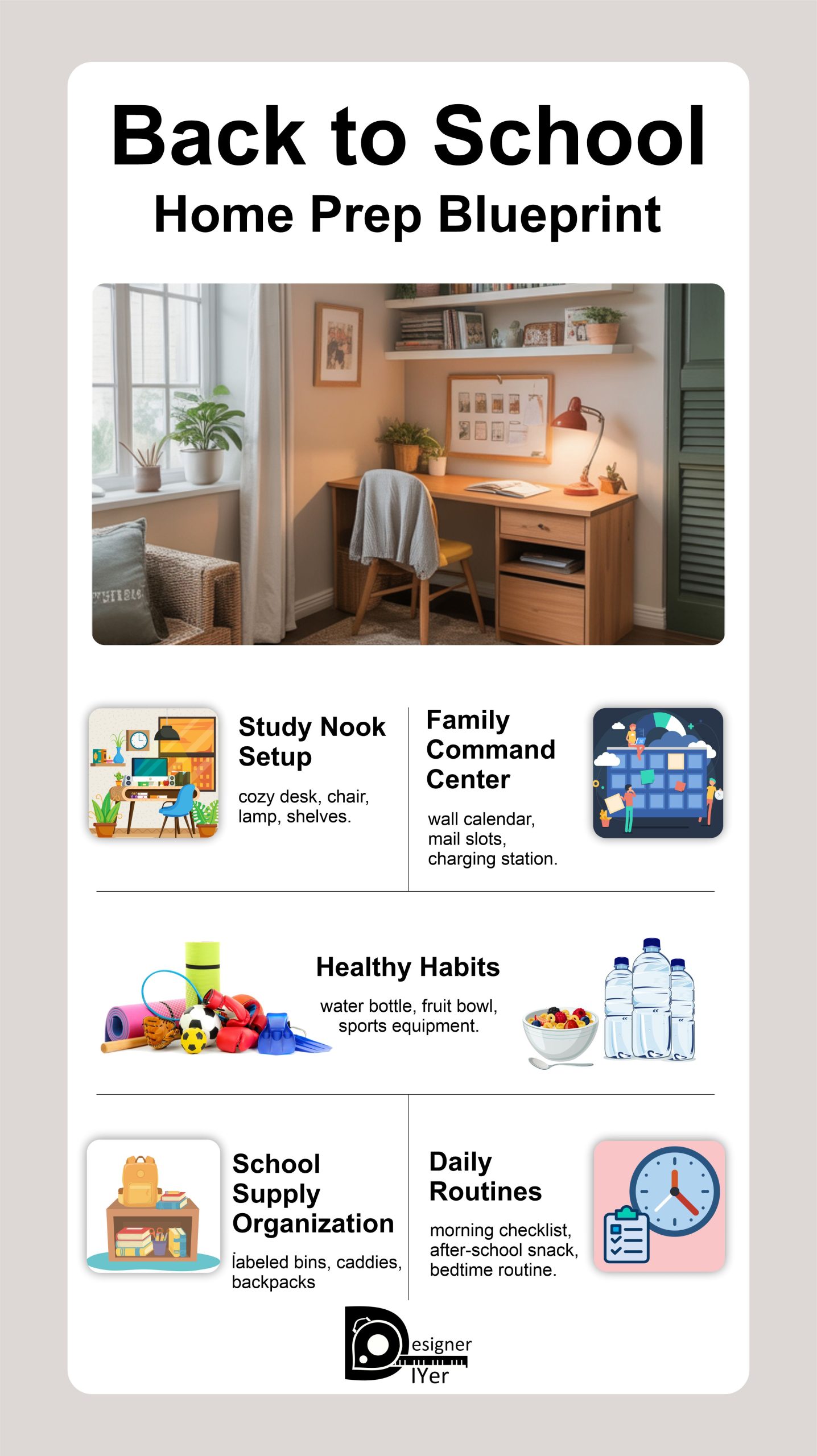
Today I want to cover some practical strategies for crafting a home that not only helps your kids stay on track but also fosters their independence and makes the whole family feel a little more settled. We’ll chat about setting up effective study spots, mastering daily routines, organizing school supplies, navigating the digital world, and even incorporating some healthy habits. 
The Study Nook: Creating a Productive Space

Let’s talk about creating a dedicated spot for learning: the study space. You don’t need a grand, custom-built library to make this work. It’s about making the most of your existing space. Whether it’s a quiet corner in a bedroom, a designated spot at the kitchen island, or a clever nook in the living room, having a consistent place for homework can make a big difference.
This dedicated area acts as a signal, helping kids transition from playtime to focused work. It can reduce those “Where should I do my homework?” questions and help establish a consistent routine. Plus, it’s a good way to minimize distractions – a living room floor with a blaring TV isn’t ideal for concentration.

Crafting an Effective Study Spot

So, how do we make this study space functional and inviting? It comes down to a few key details:
1.Location: Quiet, Well-Lit, and Accessible. Ideally, choose a spot that’s as free from household traffic and noise as possible. If a separate room isn’t an option, consider a quiet corner by a window, or designate specific “homework hours” for common areas. If noise is an issue, noise-canceling headphones can be helpful. Good lighting is crucial to prevent eye strain and maintain alertness. Natural light is best, but a good, adjustable desk lamp can also work well.
2.Comfortable Seating and Proper Desk Height. An uncomfortable chair can lead to fidgeting and a shortened attention span. Invest in a chair that offers good back support and allows feet to rest flat on the floor or on a footrest. The desk height should allow for elbows to be at a comfortable 90-degree angle when working. Adjustable desks and chairs are a practical choice as children grow.
3.Organization: Clear Desk, Accessible Supplies, Shelving. A cluttered workspace can lead to a cluttered mind. Keep the main desk area as clear as possible, with only the immediate task materials present. All necessary school supplies (pencils, pens, paper, rulers, calculators, etc.) should be neatly organized and easily accessible. Desk organizers, drawers, or small caddies can help. Shelving units or cubbies nearby are useful for textbooks, notebooks, and binders. Labeling these storage solutions can make it easier for children to put things away.
4.Personalization vs. Clutter: Finding the Balance. A study space should be functional and organized, but it doesn’t have to be sterile. Allowing children to personalize their area with a few meaningful items – a favorite picture, a small plant, or a motivational quote – can make the space more inviting. However, it’s important to balance personalization with avoiding excessive clutter that could become a distraction. The goal is to create an environment that feels comfortable and inspiring without being overwhelming.
Adapting Spaces for Different Ages and Situations

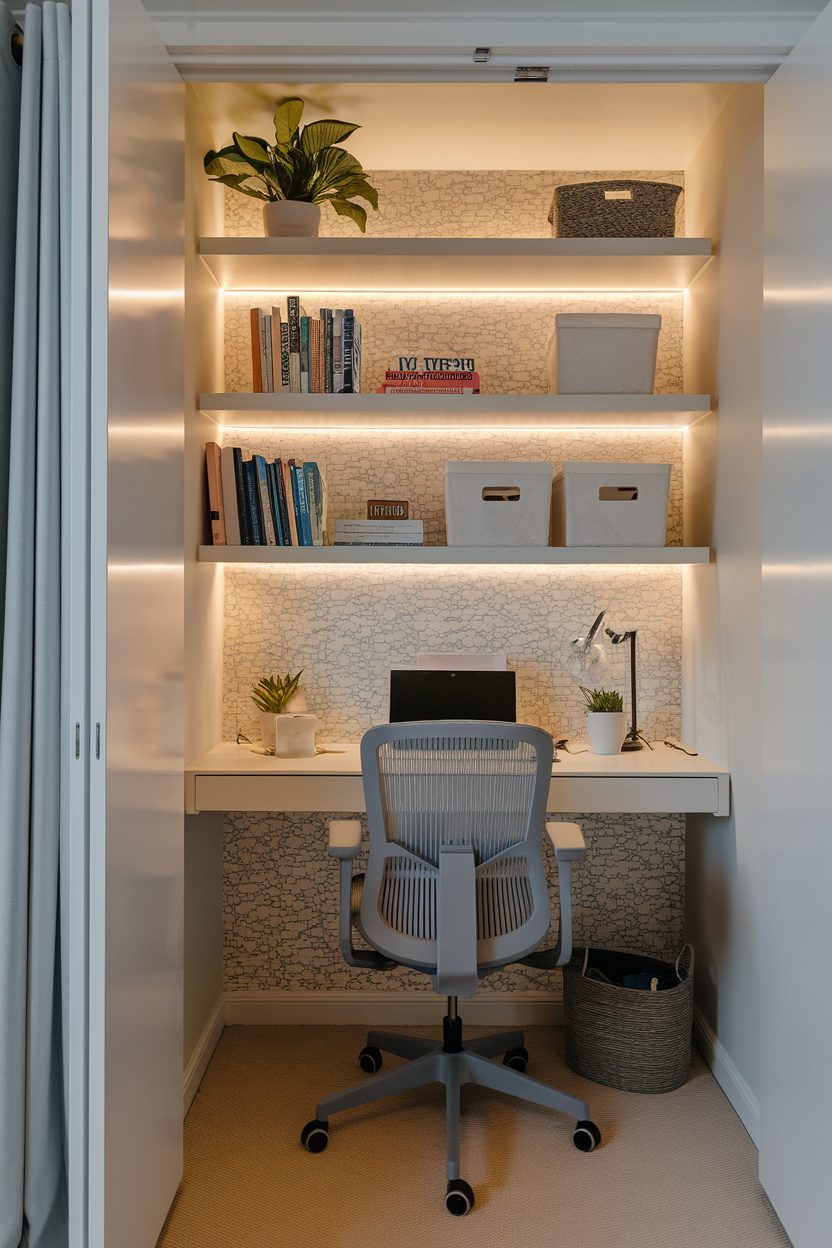
The ideal study space will vary depending on the child’s age and your home’s layout. For younger children, a small table and chair in a common area allows for easy supervision. As children get older and need more independence, a dedicated desk in their bedroom or a quiet corner of a den might be more suitable. In homes with limited space, creative solutions are often necessary.  For instance, my daughter Willa’s room is tight on space for a big desk, so we converted a hall closet to an awesome little pocket desk or “cloffice” just for her.  By the way, this was such an easy weekend DIY, check it out here.  A portable caddy with school supplies can transform a dining table into a temporary study zone. Wall-mounted desks or fold-down tables can maximize space in smaller rooms. For shared bedrooms, bunk beds with integrated desks or room dividers can create individual study areas. The key is flexibility and adapting these principles to fit your family’s unique needs.

Routine: Your Secret to a Smoother School Year

Beyond organizing physical spaces, establishing consistent daily routines is a powerful way to keep your family on track. Routines provide predictability, which can reduce anxiety for both kids and parents. When everyone knows what to expect, there tends to be less resistance and more harmony. Let’s look at how routines can help.
The Benefits of Predictability

1.Morning Routines: Starting the Day Calmly. How the day begins often sets the tone. A well-structured morning routine can help avoid frantic rushes and last-minute arguments. Ideally, this routine starts the night before, with clothes laid out and backpacks packed. In the morning, a consistent sequence of waking up, getting dressed, eating breakfast, and preparing to leave can make the process smoother. Visual aids, like a checklist or a picture schedule, can be especially helpful for younger children.
2.After-School Routines: Decompressing and Transitioning. The time right after school can be a critical period. Children often need time to unwind before starting homework. An effective after-school routine might include a snack, some free play, and then a designated time for homework. This structured transition helps children shift from school mode to home responsibilities, which can prevent procrastination.
3.Homework Routines: Consistency and Accountability. Consistency is important for homework. Establishing a regular time and place for homework each day helps children develop a habit of focused work. This doesn’t mean homework has to be done at the exact same minute every day, but rather within a consistent window (e.g., after a short break). Parents can offer support, but the responsibility for completing assignments should gradually shift to the child. A quick check-in at the end of the homework session can ensure tasks are completed.
4.Bedtime Routines: Ensuring Enough Rest. Adequate sleep is fundamental for a child’s cognitive function, mood, and academic performance. A consistent bedtime routine signals to the body that it’s time to wind down, promoting better sleep quality. This routine might include a warm bath, reading, or quiet playtime. It’s also important to limit screen time at least an hour before bedtime, as the blue light from devices can interfere with sleep.
Tools for Time Management

In addition to routines, various tools can help children manage their time effectiAvely:
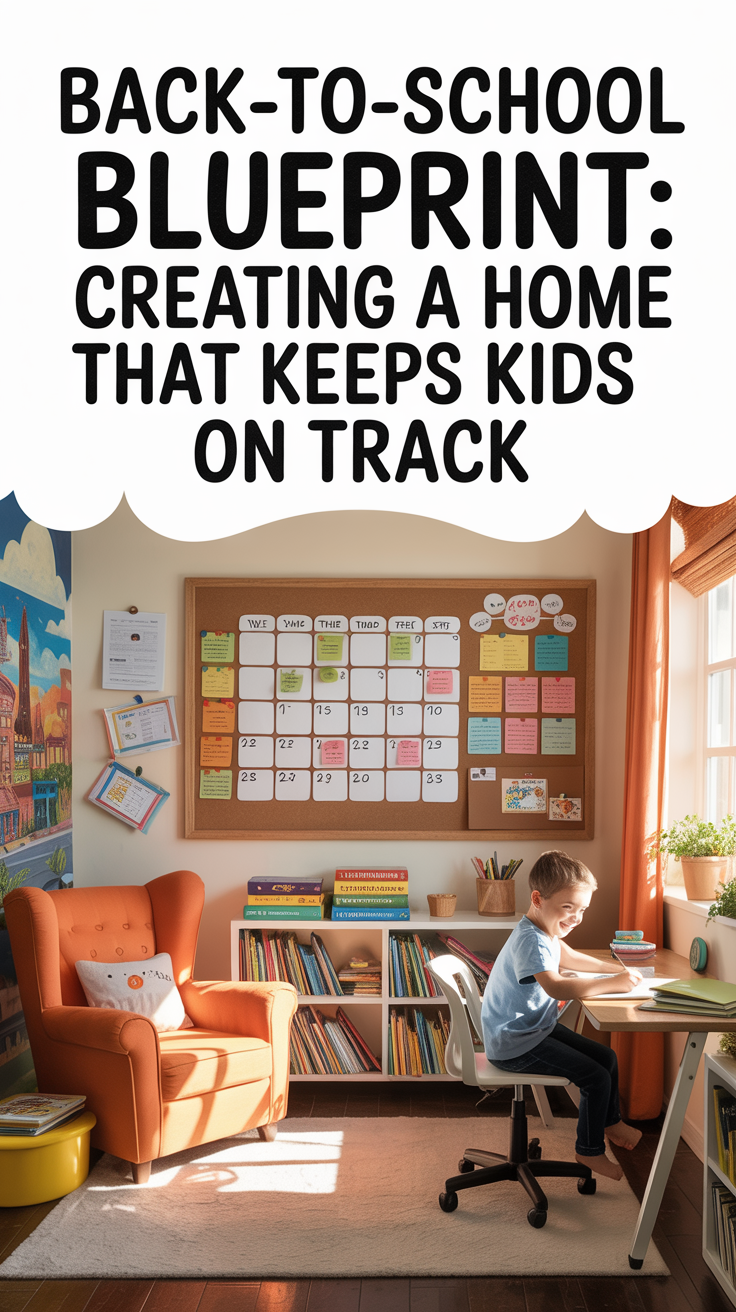
1.Planners and Calendars. For older children, a planner or calendar is a useful tool for tracking assignments, tests, and extracurricular activities. Whether digital or physical, consistent use is key. Parents can help by regularly reviewing the planner with their child, especially at the beginning of the week, to anticipate deadlines.
2.Checklists and Visual Schedules. For younger children or those who benefit from visual cues, checklists and visual schedules can be effective. These can be simple cards with pictures or words depicting each step of a routine, or a whiteboard where daily tasks are listed and checked off. Checking off an item can provide a sense of accomplishment.
3.Time-Blocking Techniques. As children mature, they can benefit from techniques like time-blocking, which involves allocating specific blocks of time for specific tasks. The Pomodoro Technique, for example, involves working for 25 minutes, followed by a 5-minute break. This method can help maintain focus during longer study sessions.

Creating a Family Command Center

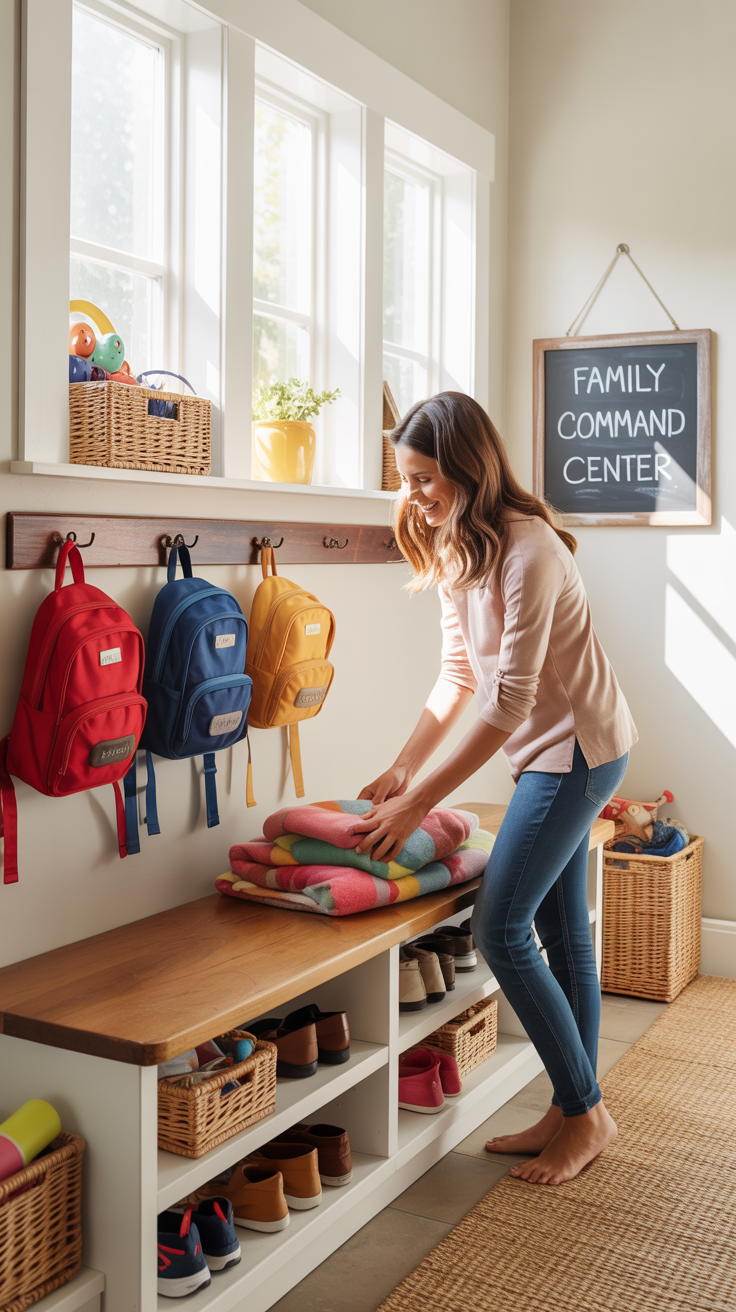
A family command center can serve as a central hub for household organization, where schedules, notes, and important documents are kept. This can be a dedicated wall in the kitchen, a bulletin board in the hallway, or a section of a mudroom. I discussed the command center in another article here which also includes some of our favorite products!  Key components often include:
A large calendar: To track family appointments, school events, and activities.
Individual mail slots or folders: For each family member to collect incoming papers and notices.
A whiteboard or chalkboard: For quick notes or daily reminders.
A charging station: For phones, tablets, and other devices, keeping them organized.
A designated spot for keys and wallets: To prevent last-minute searches.
The command center promotes transparency and shared responsibility, helping everyone in the family stay aware of schedules and expectations. It can reduce the need for constant verbal reminders and encourage children to take ownership of their commitments.

Organizing School Supplies and Paperwork

Let’s be honest. The amount of school supplies and paperwork that comes into our homes each year can feel overwhelming. One minute your entryway is clear, the next it’s buried under backpacks, permission slips, and a science project. But organizing these academic essentials isn’t just about neatness; it’s about efficiency, reducing lost items, and making sure your kids have what they need, when they need it.

Systematizing School Supplies

Before the school year begins, it’s a good idea to take inventory of existing supplies and buy new ones. Once you have them, they need a home. Here are a couple of approaches to organizing school supplies:
1.Central Supply Station vs. Individual Kits.
Central Supply Station: For families with multiple children, a central supply station can be very efficient. This means designating a specific cabinet, drawer, or shelving unit in a common area (like a pantry or home office) where all bulk school supplies are stored. Items like extra pencils, glue sticks, and paper are kept here. When a child needs a refill, they know where to go. This helps prevent individual stashes from running out unexpectedly.
Individual Kits: Complementing a central station, or as a standalone system for single-child households, individual kits ensure each child has their immediate necessities. This could be a pencil case for their backpack, a small caddy for their study desk, or a designated drawer in their room. These kits should contain items they use daily, such as pens, pencils, erasers, and a ruler. The goal is to minimize time spent searching for basic tools.
2.Storage Solutions: Bins, Caddies, Drawers. The right storage solutions are key to maintaining order. Clear plastic bins are great for seeing contents at a glance. Stackable drawers are perfect for smaller items like paper clips and sticky notes. Desk caddies keep frequently used items right where they need them. And for art supplies, consider rolling carts with multiple drawers or compartmentalized containers that can be easily moved.
3.Inventory and Restocking: Throughout the Year. A proactive approach to supply management involves checking supplies before school starts. Throughout the year, a quick monthly or bi-monthly check of the central supply station and individual kits can prevent last-minute trips to the store. Teach children to communicate when they are running low on an item, fostering responsibility.

Managing School Paperwork

School paperwork can accumulate quickly, from permission slips and newsletters to graded assignments and artwork. Without a system, these papers can create clutter and lead to missed deadlines. Here’s a systematic approach to managing the influx:
1.Incoming Papers: A System for Sorting. Establish a designated spot for all incoming school papers—a tray, a basket, or a wall-mounted file. As papers arrive, immediately sort them into categories: “Action” (forms to sign), “Review” (newsletters, graded papers), “File” (important documents to keep long-term), and “Recycle/Shred” (unnecessary notices). This immediate sorting helps prevent piles from forming.
2.Homework and Assignments: Designated Trays or Folders. Create a clear system for homework. This could be a “Homework In” tray for completed assignments, and a “Homework Out” tray for assignments that need to go back to school. For ongoing projects, dedicated folders or binders help keep all related materials together.
3.Important Documents: Creating a Filing System. For critical documents like report cards, test results, and medical forms, a reliable filing system is essential. A simple accordion file or a hanging file system with clearly labeled tabs (e.g., by child’s name, by school year) can ensure these papers are easily found when needed. Consider digitizing important documents by scanning them and saving them to a cloud-based service for backup and easy access.
4.Artwork and Memorabilia: Digital vs. Physical Storage. Children’s artwork and special school projects are keepsakes, but they can quickly accumulate. Decide on a manageable system for archiving. For physical items, a large, flat storage box per child, per year, can house a curated selection. For the rest, consider taking high-quality photographs and creating digital scrapbooks or photo books. This allows you to preserve memories without physical clutter.

Backpack and Lunchbox Management: Daily Routines

Establishing a consistent routine for managing backpacks and lunchboxes is important:
Evening Prep: Make it a habit for children to empty their backpacks as soon as they get home. All papers should be removed and sorted, lunchboxes emptied and cleaned, and any necessary items for the next day placed back inside. This helps prevent forgotten assignments.
Designated Drop Zone: Create a specific spot near the door or in a mudroom for backpacks and lunchboxes. Hooks for backpacks and a shelf or cubby for lunchboxes keep them organized and accessible.

Managing Digital Distractions

Technology offers incredible learning opportunities for our kids, but it can also be a source of distractions that pull them away from homework and family time. Let’s look at how to navigate this digital landscape thoughtfully.

Why Digital Distractions Are So Compelling

Apps and platforms are designed to be engaging, giving us little hits of dopamine that make them addictive. For kids, whose brains are still developing impulse control, resisting these digital temptations can be particularly challenging. The constant notifications, the fear of missing out on social media, and the instant gratification of games can make focusing on homework feel difficult.

Strategies for Managing Digital Distractions

Parents play an important role in helping children navigate the digital world responsibly. Here are some practical strategies:
1.Device-Free Zones and Times. Establish clear boundaries for technology use. Designate certain areas of the home as device-free zones, such as the dining table during meals or bedrooms after a certain hour. Similarly, implement device-free times, particularly during homework sessions and at least an hour before bedtime. This creates a physical and temporal separation from screens, allowing for better focus and improved sleep quality.
2.Parental Controls and Content Filters. Many devices, operating systems, and internet service providers offer built-in parental controls and content filtering options. These tools can be used to block access to distracting websites or apps during specific hours, set time limits for device usage, and filter inappropriate content. While not a substitute for open communication, these tools can provide a valuable layer of structure.
3.Central Device Charging Station. Instead of allowing devices to be charged in bedrooms overnight, create a central charging station in a common area, such as the kitchen or living room. This ensures that devices are not accessible during sleep hours, reducing the temptation for late-night screen use and promoting better sleep hygiene.
4.Teaching Digital Citizenship. Beyond rules and restrictions, it’s important to educate children about responsible digital citizenship. This includes discussions about online safety, privacy, cyberbullying, and the importance of critical thinking when consuming online information. Help them understand the impact of excessive screen time on their well-being and academic performance.

Leveraging Technology for Learning

While managing distractions is important, it’s equally vital to recognize and leverage the positive aspects of technology. The digital world offers a wealth of educational apps, online learning platforms, and interactive resources that can supplement classroom learning and make studying more engaging. Encourage children to explore these tools, whether it’s a language learning app, a virtual science lab, or an online tutorial for a challenging math concept. The goal is not to eliminate technology, but to cultivate a balanced and purposeful relationship with it.

Fostering a Positive Learning Environment

While physical organization and structured routines are vital, a truly effective home environment for academic success extends beyond the tangible. It encompasses the emotional and psychological landscape, fostering a mindset that embraces challenges, values effort, and views mistakes as opportunities for growth.

Beyond Organization: The Emotional Aspects of Learning

An organized desk and a well-managed schedule can certainly reduce friction, but they don’t automatically instill a love for learning or resilience in the face of academic difficulty. A positive learning environment at home is one where children feel safe to take risks, ask questions, and even fail, knowing that their efforts are valued more than immediate outcomes. It’s about creating an atmosphere where curiosity is encouraged, and learning is seen as a lifelong journey.

Encouraging Independence and Responsibility

One of the ultimate goals of creating an organized home for academic success is to empower children to become independent and responsible learners. This requires active parental guidance and a willingness to step back as children develop their capabilities.
1.Involving Children in the Organization Process. Children are far more likely to adhere to systems they have helped create. Involve them in decisions about their study space layout, how supplies are organized, or the structure of their daily routines. This involvement gives them a sense of ownership and responsibility, making them more invested in maintaining the order.
2.Allowing for Natural Consequences. While it’s tempting to fix every forgotten assignment or messy backpack, allowing children to experience the natural consequences of their disorganization (within safe and reasonable limits) can be a powerful teacher. Forgetting a textbook might mean a lower grade on a homework assignment, which can be a more impactful lesson than a parental lecture.

Celebrating Effort, Not Just Outcomes

In a performance-driven world, it’s easy to focus solely on grades and test scores. However, when parents consistently praise effort, perseverance, and the strategies children employ to overcome challenges, they reinforce the idea that intelligence is not fixed but can grow through hard work. This shifts the focus from a fear of failure to an embrace of learning opportunities.

Open Communication

Regular, open communication is the foundation of a positive learning environment. This means creating space for children to talk about their school day, their triumphs, and their struggles without fear of judgment. Active listening, asking open-ended questions, and validating their feelings can strengthen the parent-child bond and provide insights into areas where they might need support.

The Role of Parents as Facilitators

Ultimately, parents are facilitators of their children’s learning journey, not enforcers of rules. This involves providing the necessary tools and structures (like an organized home), offering guidance and support, and stepping back to allow children to develop their own problem-solving skills. It’s a delicate balance of providing enough structure to prevent chaos, while also allowing enough freedom for children to learn from their experiences and build self-efficacy.

Supporting Physical Well-Being for Academic Success

While organization, routines, and a positive mindset form the structural and psychological pillars of academic success, they are ultimately supported by the child’s physical well-being. A holistic approach recognizes that a child’s ability to learn, focus, and retain information is profoundly influenced by their sleep, nutrition, and physical activity.

Sleep: The Foundation of Cognitive Function

Sleep is not merely a period of rest; it is a critical time for brain development, memory consolidation, and emotional regulation. Children and adolescents require significant amounts of sleep—typically 9-11 hours for school-aged children and 8-10 hours for teenagers. Chronic sleep deprivation can lead to difficulty concentrating, impaired memory, reduced problem-solving skills, irritability, and even increased susceptibility to illness. To ensure adequate rest:
Prioritize a consistent sleep schedule: Going to bed and waking up at roughly the same time every day, even on weekends, helps regulate the body’s natural circadian rhythm.
Create a conducive sleep environment: The bedroom should be dark, quiet, cool, and free from electronic devices.
Establish a relaxing bedtime routine: A consistent wind-down routine signals to the body that it’s time to prepare for sleep.

Nutrition: Fueling the Brain

The brain requires proper fuel to function optimally. A diet rich in whole grains, lean proteins, fruits, and vegetables provides the sustained energy and nutrients necessary for cognitive performance. Conversely, diets high in sugar, processed foods, and unhealthy fats can lead to energy crashes, difficulty concentrating, and mood swings. Key nutritional considerations include:
Breakfast is essential: A nutritious breakfast kick-starts metabolism and provides the brain with glucose, improving concentration and memory throughout the morning.
Healthy snacks: Provide healthy options like fruits, nuts, and yogurt to sustain energy levels between meals.
Hydration: Encourage consistent water intake throughout the day, as dehydration can lead to fatigue and reduced cognitive function.
Limit sugary drinks and excessive caffeine: These can lead to energy spikes and crashes, negatively impacting focus and behavior.

Physical Activity: Boosting Focus and Reducing Stress

Regular physical activity is not just important for physical health; it also plays a crucial role in cognitive function and emotional well-being. Exercise increases blood flow to the brain, which can improve memory, attention, and problem-solving skills. It also serves as an excellent stress reliever and can help children manage anxiety and improve their mood. Encourage children to engage in at least 60 minutes of moderate-to-vigorous physical activity daily.

Balancing Academics with Extracurriculars and Downtime

While academic success is important, it’s equally vital to ensure children have a balanced life that includes extracurricular activities and unstructured downtime. Over-scheduling can lead to burnout, stress, and a lack of motivation. Extracurriculars provide opportunities for children to explore interests, develop social skills, and build confidence. Downtime, whether it’s reading for pleasure, engaging in creative play, or simply relaxing, allows the brain to rest and consolidate learning. A balanced schedule ensures that children are well-rounded, happy, and have the mental and emotional reserves to tackle their academic responsibilities effectively.
The back-to-school season presents a unique opportunity for families to lay a strong foundation for academic success. As we’ve explored, creating a home that keeps kids on track is a multifaceted endeavor that extends far beyond simply buying new school supplies. It involves establishing dedicated and organized study spaces, mastering daily routines and time management, systematizing the flow of school supplies and paperwork, and thoughtfully navigating the complexities of the digital landscape.
Ultimately, a well-organized home environment is a powerful catalyst, empowering children to thrive not only academically but also personally. By providing structure, fostering independence, promoting healthy habits, and cultivating a positive learning atmosphere, parents can significantly reduce stress for the entire family and equip their children with the essential skills and resilience needed for a successful school year and beyond. This blueprint is an invitation to transform your home into a supportive ecosystem where learning flourishes, and every child feels prepared, confident, and ready to embrace the journey of education.

Leave a Reply

Your email address will not be published. Required fields are marked *