As we settle into 2026, the way we view our homes continues to evolve in meaningful and exciting ways. The stark minimalism and cool gray palettes that defined the interior design landscape of the past decade have officially given way to a new era—one that prioritizes warmth, character, and intentional living. Homeowners are no longer chasing fleeting aesthetics; instead, they are investing in thoughtful, accessible upgrades that enhance both the beauty and functionality of their spaces. Whether you are planning a weekend do-it-yourself project or a more involved minor renovation, the trends of 2026 offer a wealth of options to refresh your home without the need for a complete overhaul.
This year, the prevailing philosophy is about creating environments that feel personal, calming, and built to last. From the resurgence of traditional details to the embrace of biophilic maximalism, the most popular home upgrades are those that strike a balance between style and substance. Let’s talk about the easy home upgrades that feel undeniably trendy in 2026, providing you with ideas to elevate every corner of your living space.
The Shift Toward Warmth and Earthy Tones
One of the most significant shifts in 2026 home design is the departure from all-white interiors and icy gray palettes. In their place, warm, earthy colors are taking center stage. Homeowners are craving richness and depth, opting for hues that evoke a sense of comfort and connection to the natural world.
Embracing Nature-Inspired Palettes
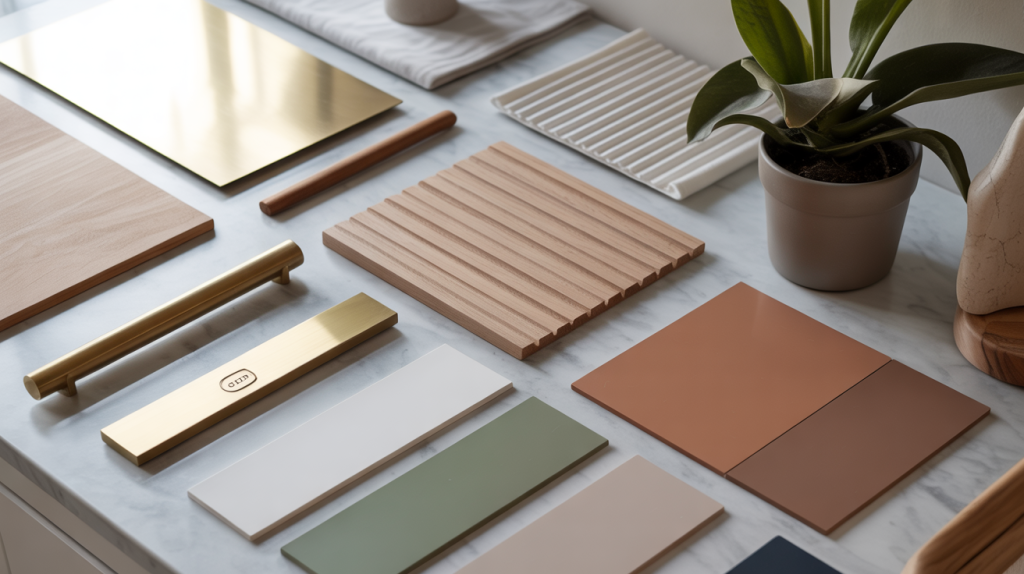
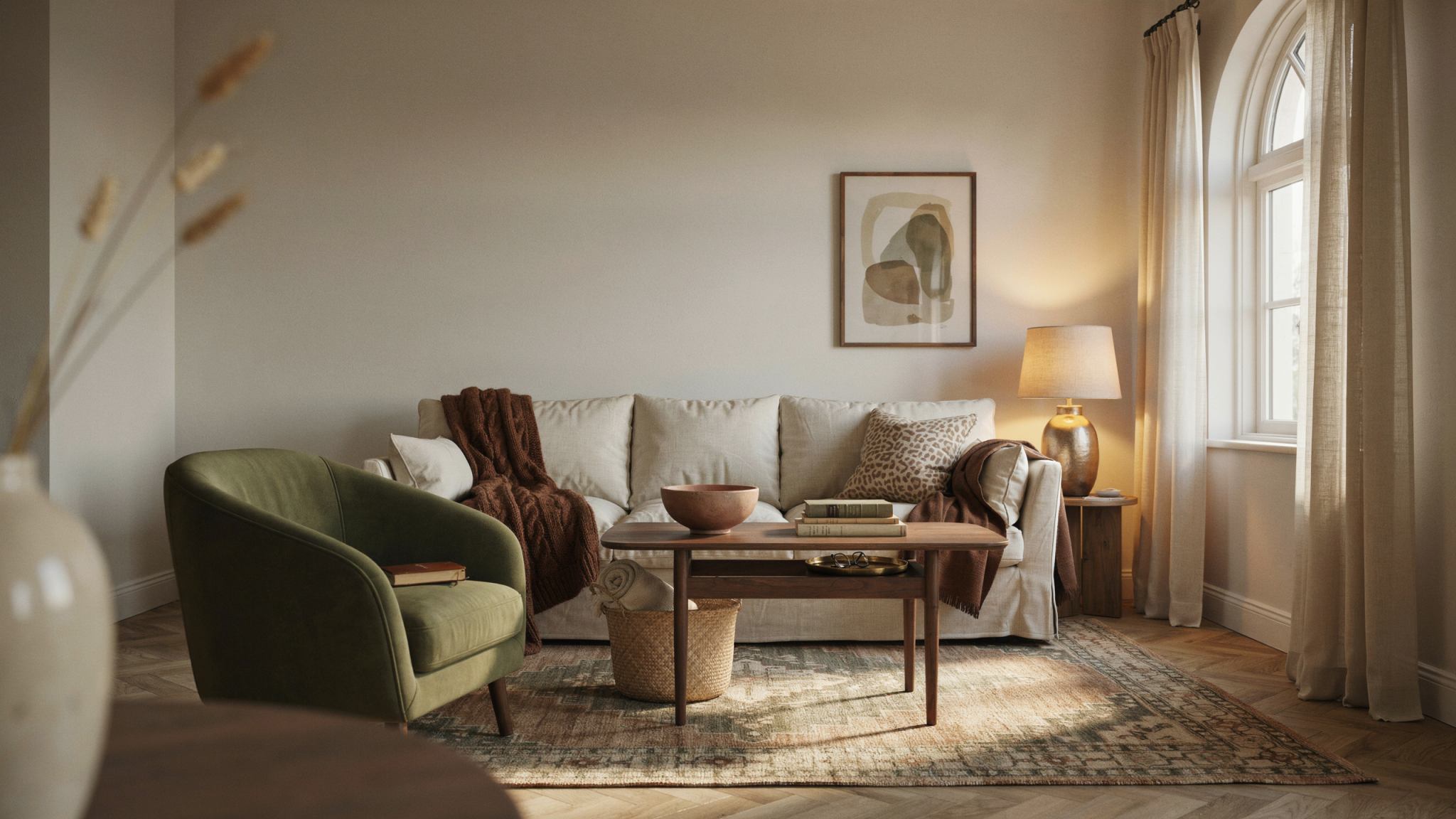
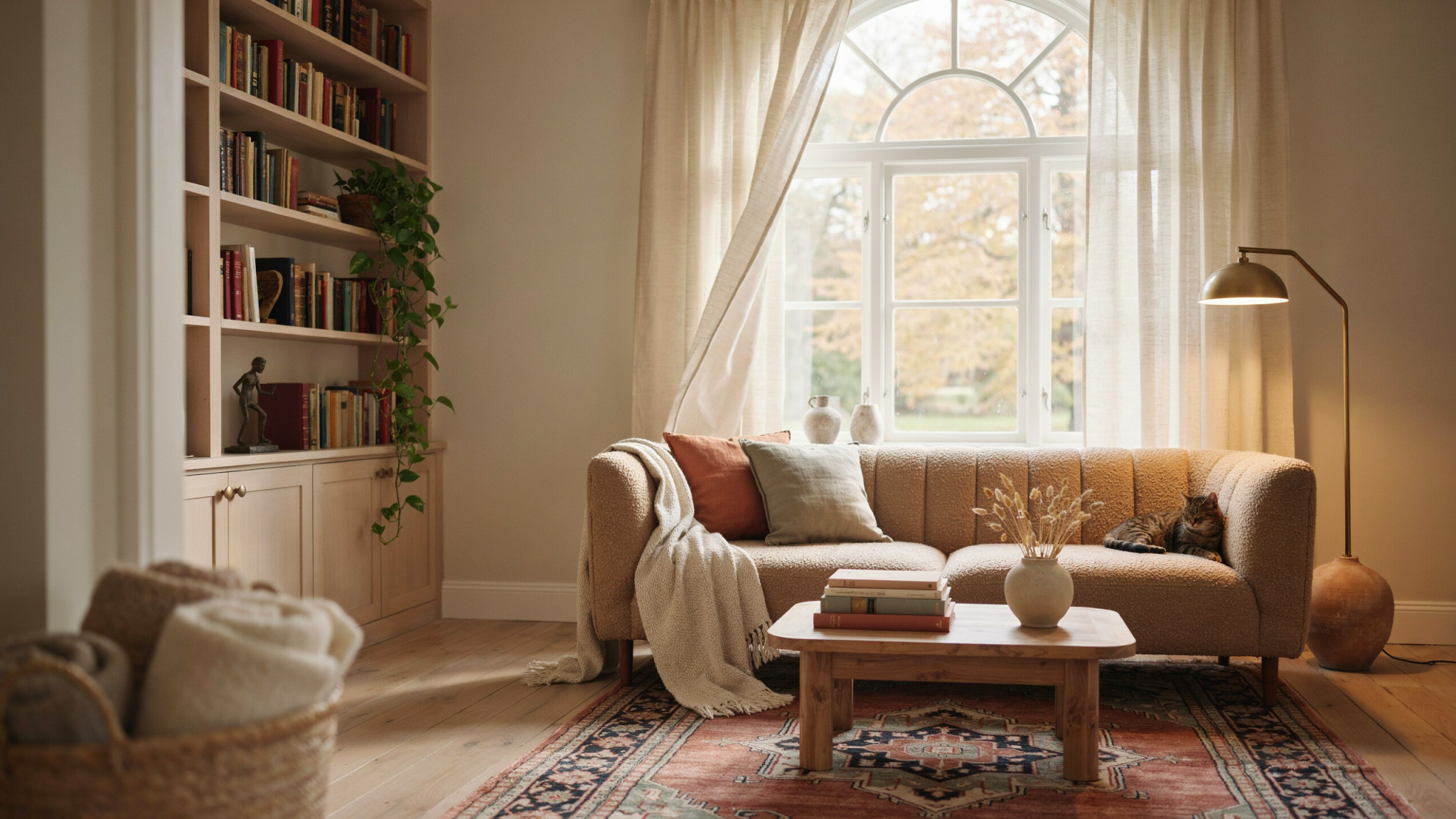
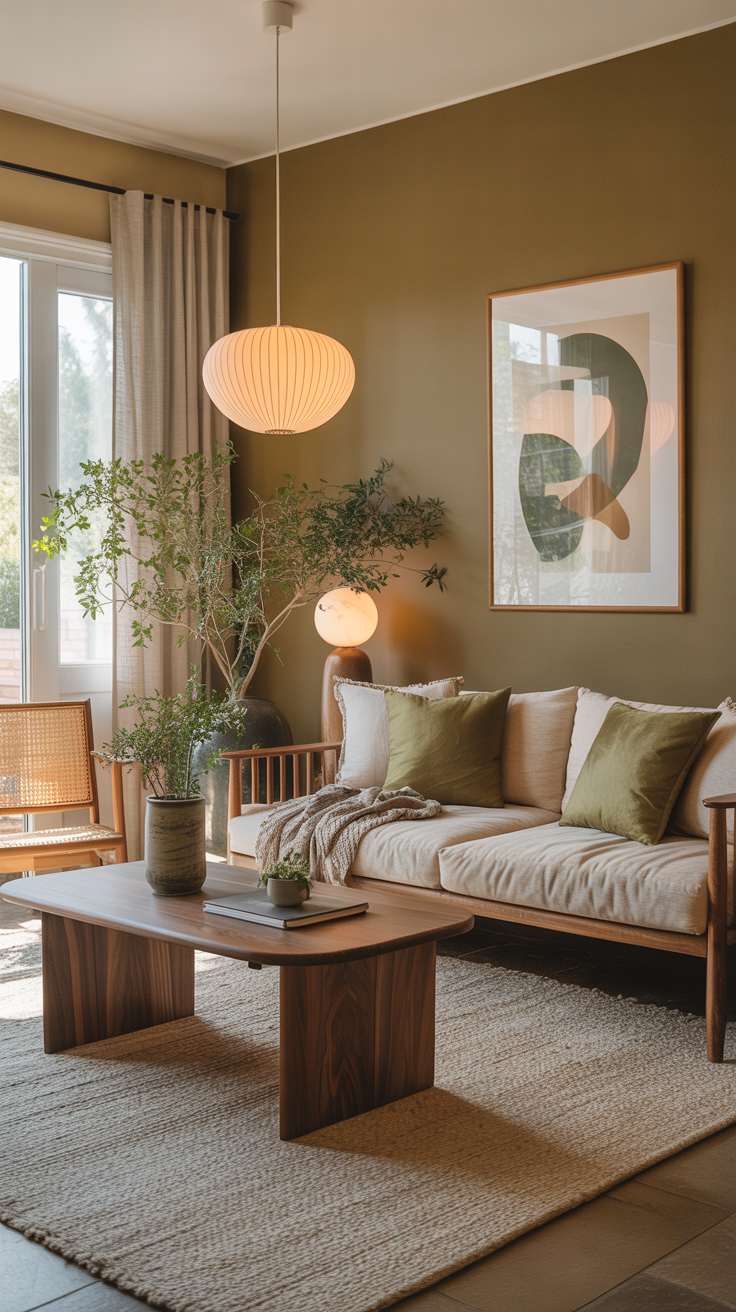
Terra cotta, sage green, olive, dusty blue, muted pastels, creamy beiges, and buttery yellows are dominating color schemes this year. These nature-inspired tones are incredibly versatile, working beautifully in kitchens, living rooms, and bedrooms alike. For those who still prefer lighter palettes, stark whites are being replaced by warmer neutrals such as canvas, parchment, and soft stone gray. These shades add subtle depth while maintaining a bright and airy feel, offering a sophisticated alternative to the clinical whites that have long dominated interiors.
Green, in particular, has emerged as the new neutral of 2026. Designers are reporting strong demand for sage, olive, forest, and deep green tones, especially in cabinetry, tile, upholstery, and stone. Once used sparingly as an accent color, green is now anchoring entire rooms, shaping the mood of kitchens, bathrooms, and living spaces. When paired with handmade tile, deeply veined marble, and warm wood tones, green creates layered interiors that feel timeless, organic, and deeply connected to nature.
The practical implication of this shift is wonderfully simple: a single can of paint can transform a room. Repainting kitchen cabinets in a deep sage or olive green, refreshing a bedroom in a warm, sun-washed beige, or adding a terracotta-toned accent wall in a living room are all low-cost, high-impact upgrades that immediately align your home with the defining aesthetic of the year.
The Return of Warm Wood Tones
Complementing the shift toward earthy colors is the resurgence of warm and medium wood tones throughout the home. Light oak, which dominated recent years, is making way for rift-sawn white oak, walnut, cherry, elm, hickory, and cerused finishes. Darker stains are also making a notable comeback, bringing added depth, lushness, and enduring elegance to kitchens, bathrooms, living rooms, and bedrooms.
These woods are prized for their versatility and inherent warmth. In kitchens, walnut or cherry cabinetry paired with soft neutrals or subtly veined marble countertops creates a welcoming, lived-in feel. In living areas and bedrooms, medium-toned flooring or wall paneling provides a cozy backdrop that harmonizes perfectly with deep greens, navy blues, muted terra cotta, and warm grays. If a full flooring replacement is beyond your current budget, adding a wooden side table, a walnut-toned bookshelf, or even a reclaimed wood floating shelf can introduce this trend into your home at a fraction of the cost.
Traditional Details and the “Grandma Chic” Revival
Traditional style is back, but it has been thoughtfully reimagined for the modern era. Today’s interpretation feels warm, grounded, and quietly elegant, drawing inspiration from English country aesthetics and modern Tudor influences. This trend, often affectionately referred to as “Grandma Chic,” celebrates craftsmanship, familiarity, and a touch of nostalgic charm that many find deeply comforting.
Softening Spaces with Curves, Arches, and Millwork
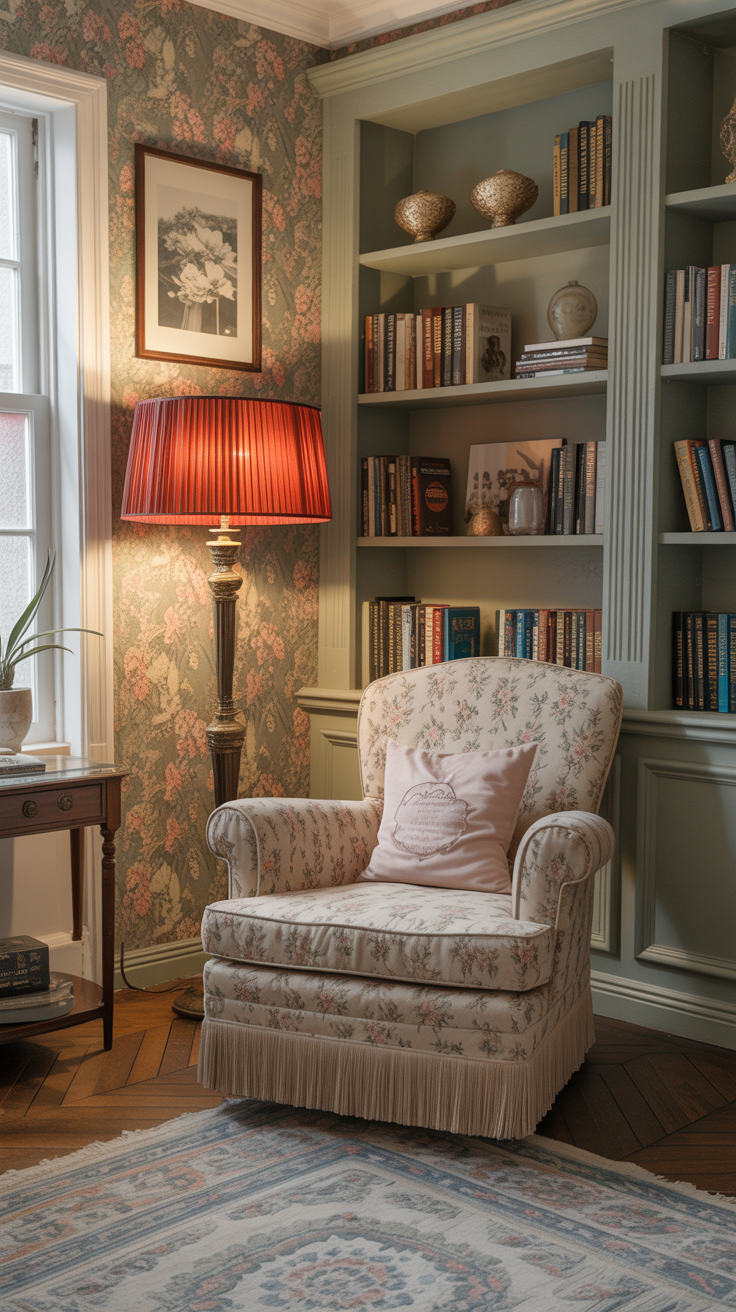
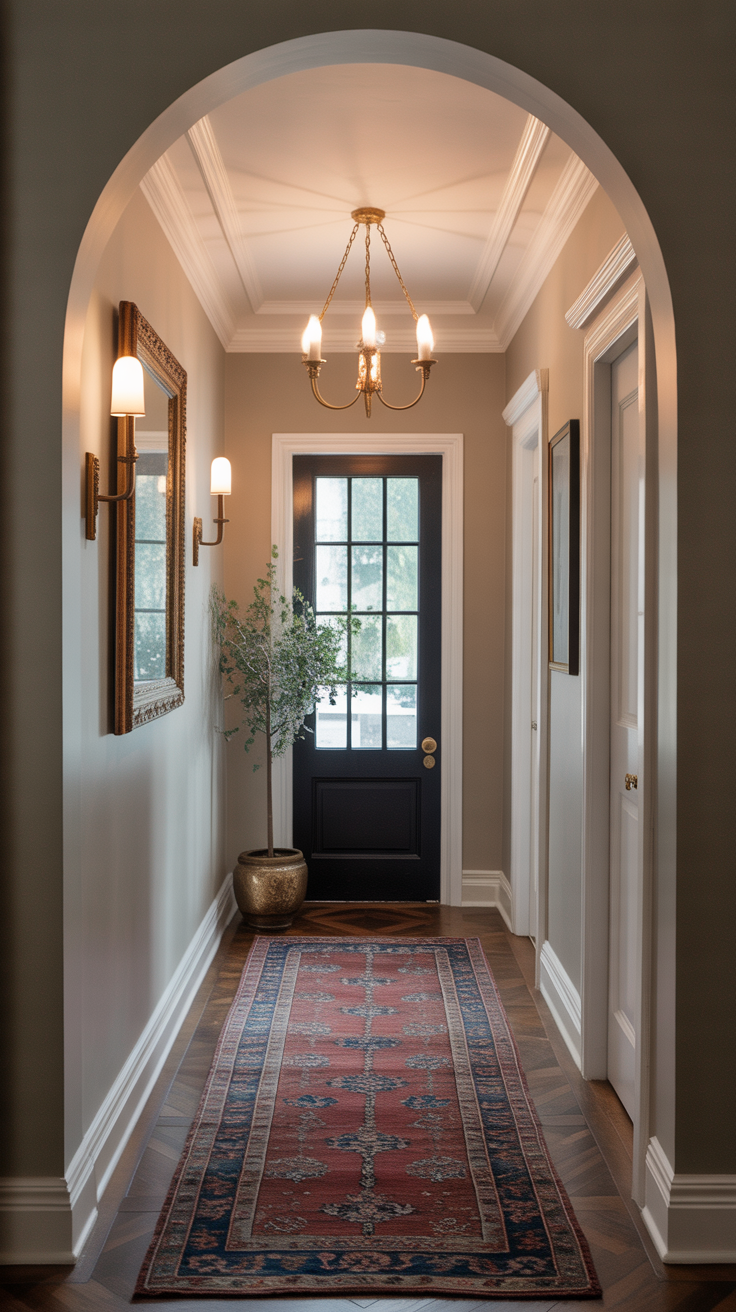
Throughout the home, curves, arches, and scalloped edges are being used to soften spaces and introduce a sense of organic elegance. In kitchens, arched range hoods and inset cabinetry bring a sense of bespoke craftsmanship. Built-ins, paneling, and detailed millwork add nuance and character to living rooms and dining areas, creating a sense of permanence and intention that flat, featureless walls simply cannot achieve.
The Grandma Chic trend also embraces pattern and softness in textiles and furnishings. Small printed fabrics, florals, ruffled or pleated skirts on upholstery, and shirred lamp shades are making a strong return. After years of minimalism that stripped away ornamentation, many homeowners are finding this expression of feminine elegance and tactile comfort incredibly refreshing. The key is to integrate a few of these elements into a more modern space rather than going all in, allowing the details to add warmth without overwhelming the overall design.
Polishing Pass-Through Spaces
Areas of the home that spent years being overlooked, hallways, entryways, and transitional spaces, are now being treated as genuine opportunities for design. Upgrading baseboards, adding crown molding, or applying a striking wallpaper to a narrow hallway can transform these pass-through areas into cohesive and elevated parts of the home. These smaller-scale renovations tend to be highly accessible in terms of both cost and skill level, yet they have an outsized impact on how the entire house feels, helping it appear more cohesive and complete from one room to the next.
The Evolution of Wallpaper: From Accent to Foundation
Wallpaper has firmly established itself as a cornerstone of 2026 interior design. It is no longer just for accent walls; it is being used to wrap entire rooms, creating immersive and expressive environments. The conversation around wallpaper has shifted away from novelty and toward intention, with homeowners and designers seeking patterns that feel grounded, artful, and emotionally resonant.
Cottage Cool and Heritage Revival Storytelling
The “Cottage Cool” trend offers a refined evolution of the cottagecore aesthetic that swept through social media in previous years. It favors subtle texture over busy pattern and restrained palettes over excessive sweetness. Woven stripes, linen-inspired textures, and softly embroidered designs bring a lovely softness and rhythm to bedrooms and reading nooks, acting as architectural layers rather than demanding focal points. The effect is calm and tactile, ideal for spaces that prioritize ease and focus.
Heritage storytelling is another defining wallpaper trend. Designs featuring historical motifs, folk traditions, and antique printing techniques are being thoughtfully reinterpreted for modern interiors. Wallpapers inspired by 19th-century block prints, folkloric watercolor florals, or whimsical woodland scenes offer a sense of continuity, grounding contemporary homes in something enduring. These patterns work particularly well in dining rooms, libraries, and entryways where a sense of history and character is especially welcome.
Biophilic Maximalism and Expressive Florals
Biophilic design, or the concept of connecting indoor spaces with the natural world, is evolving into something richer and more immersive in 2026. “Biophilic Maximalism” embraces layered ecosystems with full-scale natural scenes that encourage presence and a sense of calm. Wallpapers featuring sweeping ferns, dense forests, or detailed hand-painted illustrations of flora and fauna help recreate the emotional effect of being in nature, making them especially relevant for restorative spaces like bedrooms, home offices, and creative studios.
Modern expressionist florals are also having a major moment. These designs lean into scale, gesture, and painterly confidence, featuring oversized blooms set against rich, moody backgrounds. Unlike the delicate floral prints of the past, these wallpapers feel bold and artistic, adding a sense of drama and vitality to any room.
Lighting as a Statement Piece
Lighting in 2026 is about much more than mere illumination; it is about creating atmosphere and making a deliberate design statement. The trends this year highlight sculptural forms, warm finishes, and layered lighting schemes that dramatically enhance the mood and character of a room.
Sculptural Silhouettes and Warm Metals
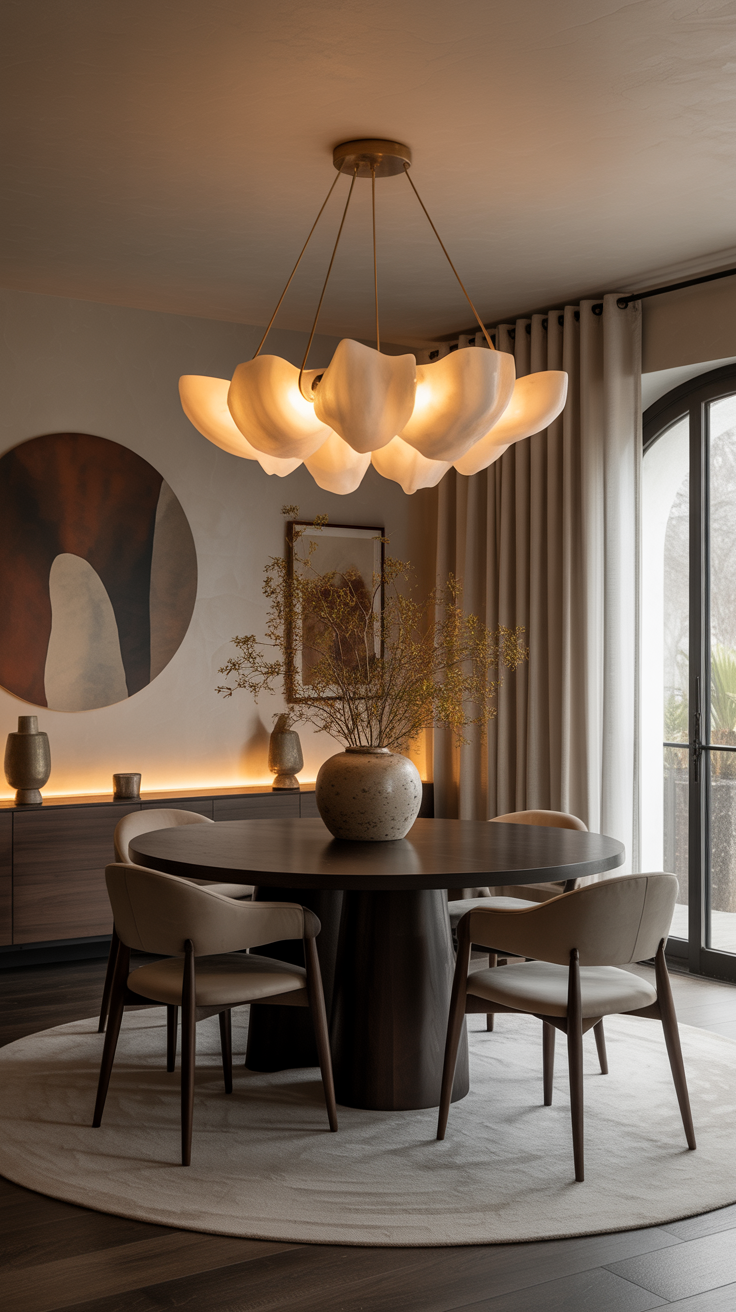
Lighting fixtures are increasingly acting as the jewelry of the home. Sculptural silhouettes are turning chandeliers, pendants, and floor lamps into true statement pieces that command attention and spark conversation. Warm metallic finishes like champagne, soft gold, and bronze continue to dominate, adding a touch of understated luxury that complements the earthy, nature-inspired palettes popular this year.
Alabaster and natural stone fixtures are also highly sought after, bringing an organic, tactile quality to lighting design. These materials diffuse light beautifully, creating a soft, flattering glow that feels both sophisticated and inviting. Swapping out a dated ceiling fixture for a sculptural pendant or replacing a basic table lamp with one featuring a natural stone base is one of the most impactful and relatively affordable upgrades you can make.
Layered Lighting and the Cordless Revolution
The concept of layered lighting, thoughtfully combining ambient, task, and accent lighting, is essential for creating cozy, inviting spaces. In 2026, there is a strong emphasis on decorative wall lights and sconces that add personality and depth to a room. A well-placed sconce on either side of a bed, a mirror, or a piece of art can instantly elevate the sophistication of a space.
The rise of cordless and rechargeable lamps has also revolutionized how we approach home lighting. These versatile fixtures can be placed anywhere, from a dining table centerpiece to a reading nook side table, without the constraint of electrical outlets. This flexibility allows homeowners to easily adjust the lighting to suit different activities and moods, making it one of the most practical and trendy upgrades of the year.
Designing for Wellness and the Spa-Inspired Home
As homes continue to serve as our primary sanctuaries, designing for wellness and relaxation has become a top priority. Homeowners are seeking ways to create spaces that actively support physical and mental well-being, turning everyday routines into restorative experiences.
Boutique Luxury Bathrooms
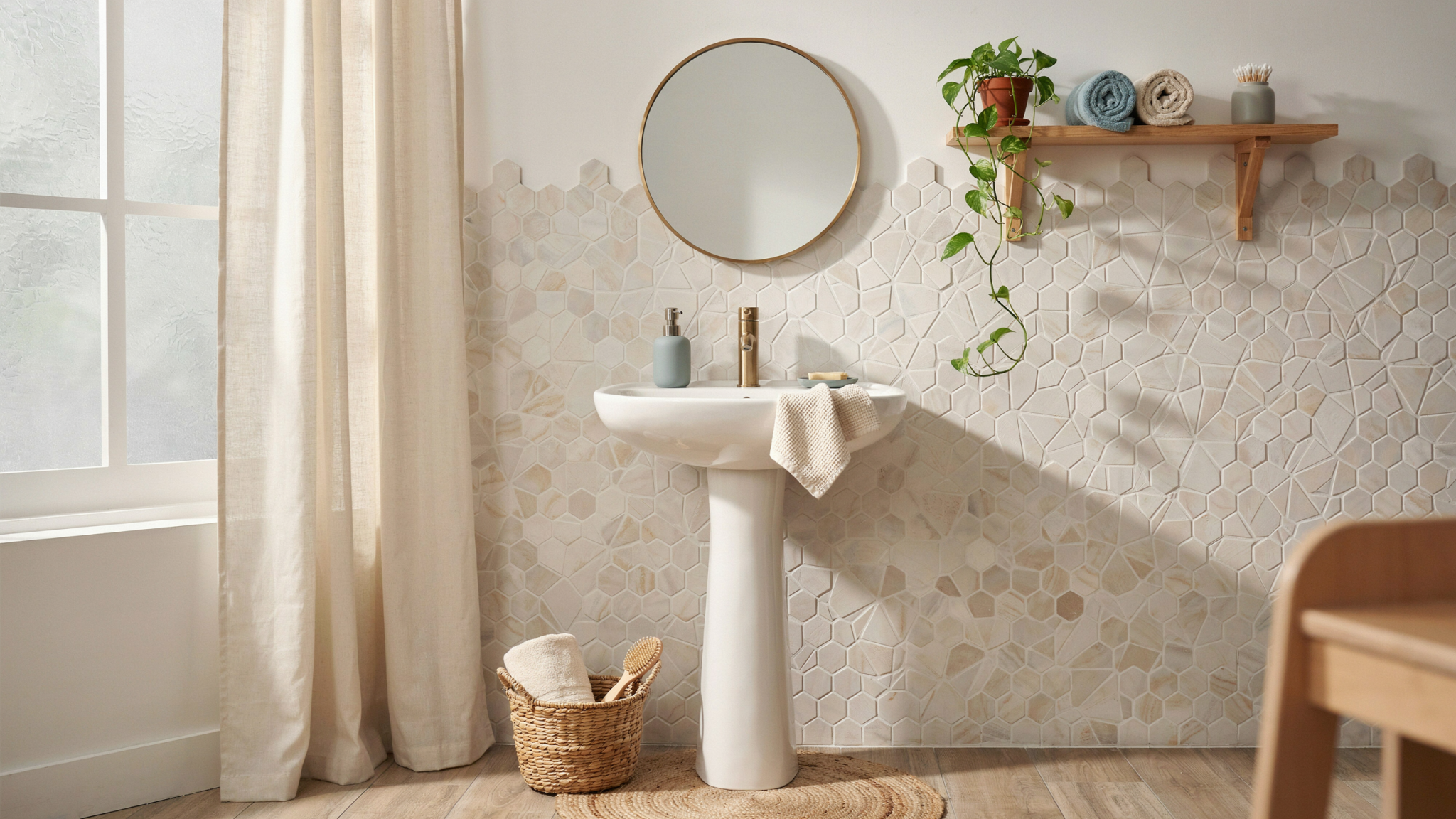
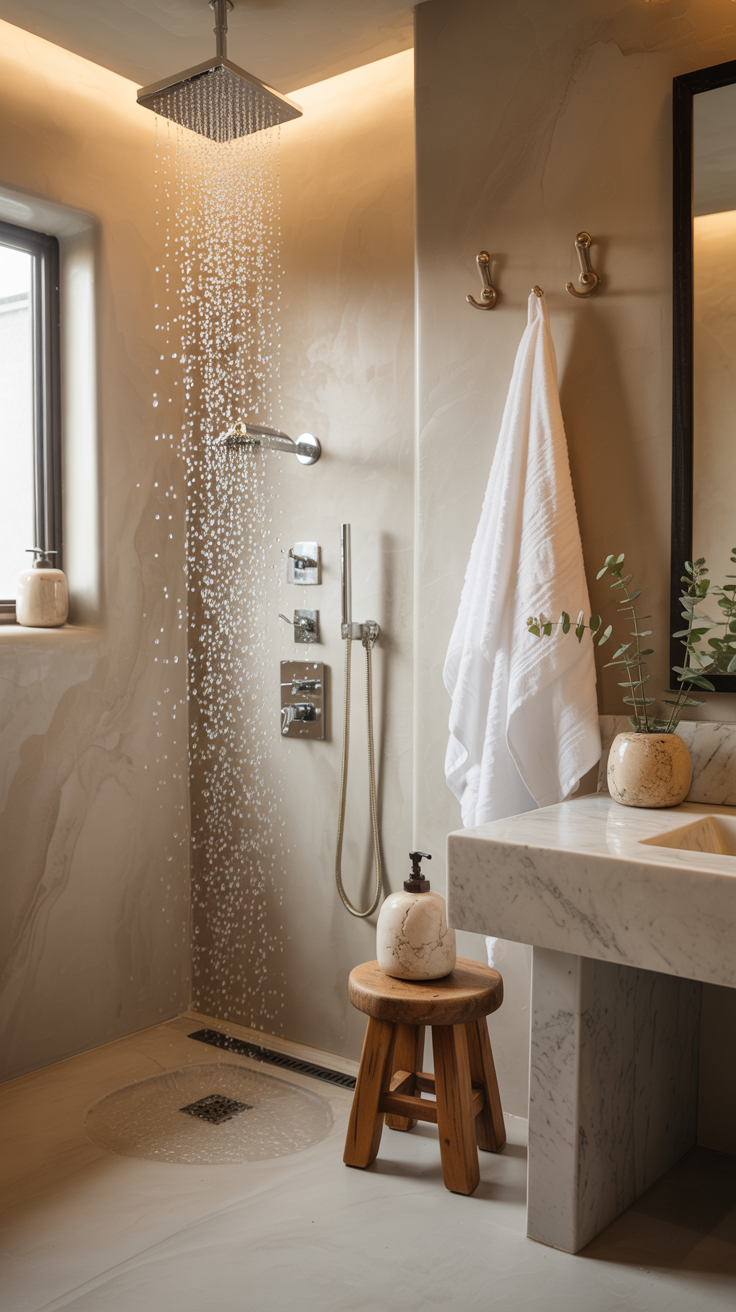
Bathrooms are evolving into personalized, spa-like escapes, and renovation activity in this room is surging. The latest upgrades focus on bespoke luxury and wellness features. Invisible technology, such as radiant floor heating and programmable smart showers, enhances comfort without cluttering the design. Steam showers, lighted mirrors, and heated towel bars are all popular additions that bring a boutique hotel sensibility to the everyday bathroom.
For those looking for more accessible upgrades, creating a DIY spa bathroom is a strong and achievable trend. Replacing a standard showerhead with a rain showerhead, adding a bamboo bath mat and teak accessories, incorporating candles and natural stone soap dishes, and choosing calming paint colors in muted blues, greens, or warm neutrals can collectively transform a basic bathroom into a genuinely restorative retreat. These changes require minimal investment but deliver a significant uplift in both aesthetics and atmosphere.
Dedicated Reading Nooks and Cozy Corners
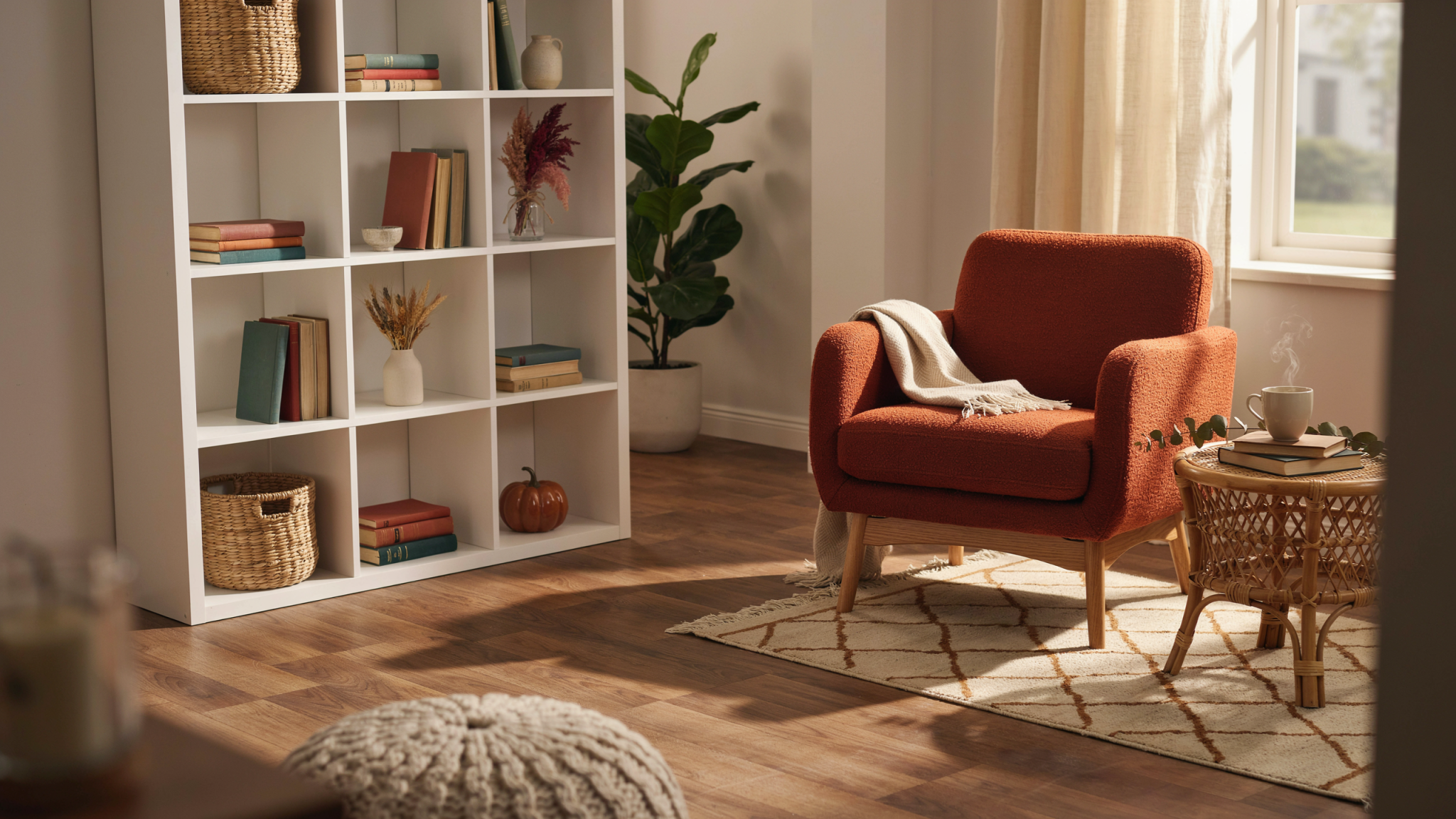
The desire for serene, uncluttered spaces has given rise to the popularity of dedicated reading nooks and cozy corners throughout the home. These inviting areas feature plush seating, layered lighting, and personal touches such as a small bookshelf, a soft throw, and a side table for a cup of tea. They can be created in almost any area of the home, a bay window, an alcove, a quiet corner of a bedroom, providing a dedicated space to escape, read, or simply breathe.
Elevated minimalism plays a supporting role in this trend. By removing needless clutter and investing in a few quality, timeless pieces, homeowners are creating calm atmospheres that support mindful breaks and hobbies. The goal is not an empty, sterile space but a curated one, where every object has a purpose and contributes to an overall sense of ease.
Smart and Functional Upgrades
While aesthetics are crucial, functionality remains at the core of 2026 home upgrades. Homeowners are looking for smart solutions that make daily life easier, more efficient, and more adaptable to changing needs.
AI-Driven Climate Control and Smart Home Technology
Technology is becoming more intuitive and seamlessly integrated into the home. AI-driven heating and cooling systems learn occupancy patterns and personal preferences, automatically adjusting to optimize comfort and energy use. This not only improves the living experience but also helps lower utility bills and reduce the home’s carbon footprint, all without requiring constant manual adjustments.
Smart home projects are on the rise across the board. From touchless faucets in the bathroom to smart lighting systems that adjust based on the time of day and occupancy, these upgrades make rooms more connected and functional. For those new to smart home technology, starting with a smart thermostat or a set of smart bulbs is an easy, affordable entry point that delivers immediate and tangible benefits.
Revitalizing Utility Rooms and Maximizing Storage
Functionality continues to inform how we approach secondary spaces like closets, mudrooms, pantries, and laundry rooms. Upgrading closet organizers, installing floating shelves, and adding labeled storage containers are popular projects aimed at making storage more intentional and visually appealing. In homes where every square foot matters, ensuring that even the most practical spaces feel considered and organized is a key trend.
In the kitchen, built-in storage is becoming the foundation of design. Maximizing space with large drawers, pull-out pantries, and appliance garages helps keep countertops clear and maintains the elevated minimalist aesthetic. Even simple additions like a pegboard wall for hanging utensils or a magnetic knife strip can make a kitchen feel more organized and purposeful.
Outdoor Living: Intimate Private Retreats
The focus on wellness and relaxation extends well beyond the interior of the home. In 2026, outdoor spaces are being transformed into intimate private retreats rather than expansive areas designed for large-scale entertaining.
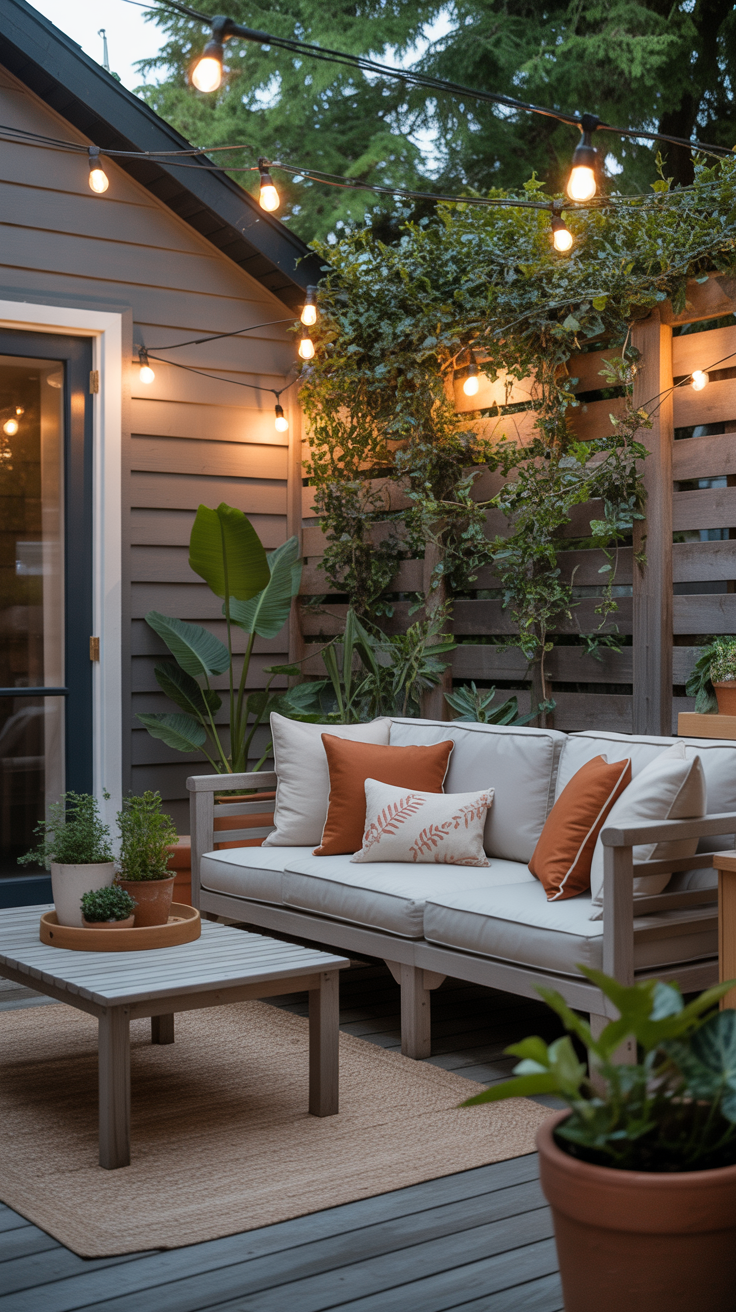
Creating Cozy Outdoor Sanctuaries
Homeowners are upgrading patios, decks, and gardens to serve as personal sanctuaries. The emphasis is on comfortable, weather-resistant seating, lush greenery, and soft, ambient lighting. String lights, solar-powered lanterns, and low-voltage pathway lighting create a warm, inviting atmosphere after dark. Potted plants, vertical gardens, and climbing vines add a layer of privacy and a sense of lush abundance that connects the outdoor space to the biophilic design principles popular indoors.
These outdoor upgrades are designed for small gatherings with close friends or for solitary moments of reflection—a morning coffee in the garden, an evening reading session on the deck. By focusing on intimacy and comfort rather than scale, homeowners are creating outdoor extensions of their living spaces that feel just as personal and intentional as any interior room.
Color Capping and Creative Paint Techniques
Paint remains one of the most accessible and transformative DIY upgrades available to any homeowner. In 2026, creative applications of paint are adding unexpected visual interest and personality to rooms across the home.
The Rise of Color Capping
The ceiling, often referred to as the “fifth wall,” is no longer being ignored. “Color capping” involves painting the ceiling a different color from the walls to help it stand out and add a new dimension to the room. This can be achieved by using a shade from the same color palette as the walls, just slightly lighter or darker, for subtle, sophisticated contrast, or by choosing a significantly different but complementary color for a bolder, more dramatic statement.
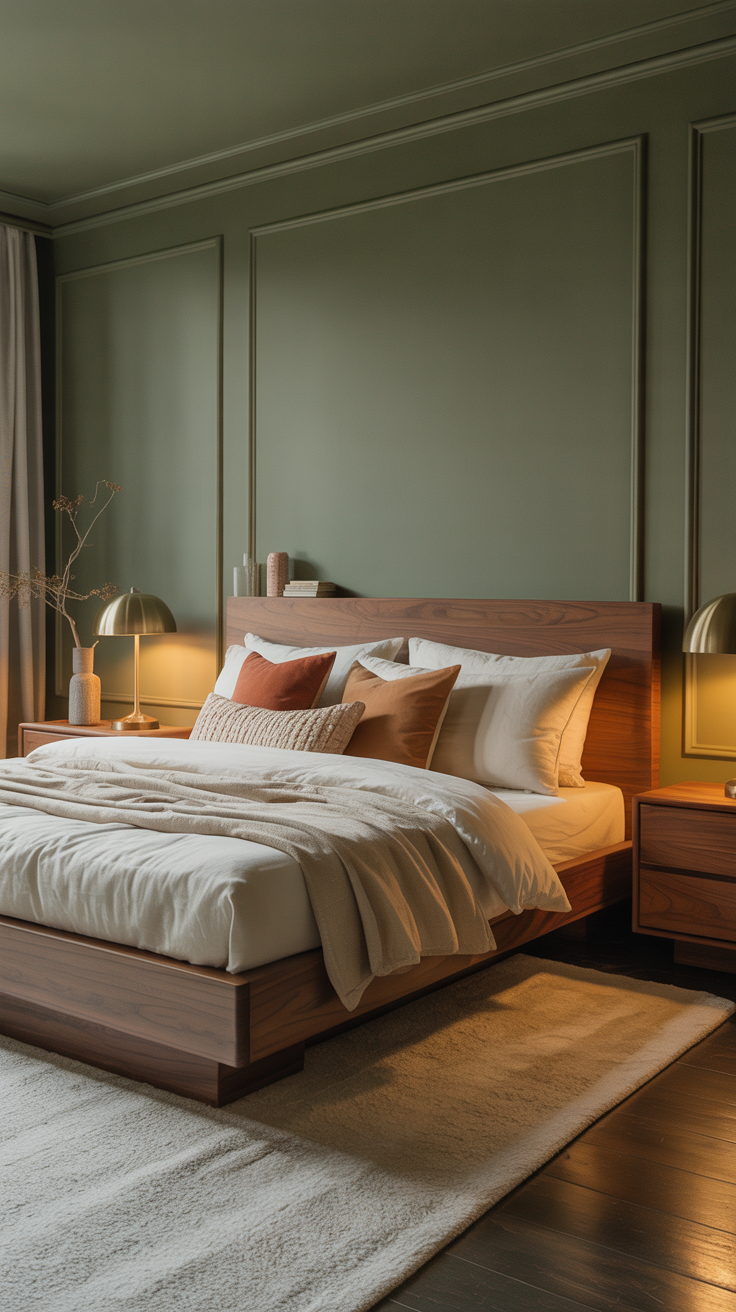
This technique works particularly well in rooms with higher ceilings, where a deep, moody ceiling color can create a sense of intimacy and enclosure. In smaller rooms, a lighter ceiling in a warm, creamy tone can make the space feel taller and more expansive while still adding warmth and character.
Painted Shelving, Trim, and Architectural Details
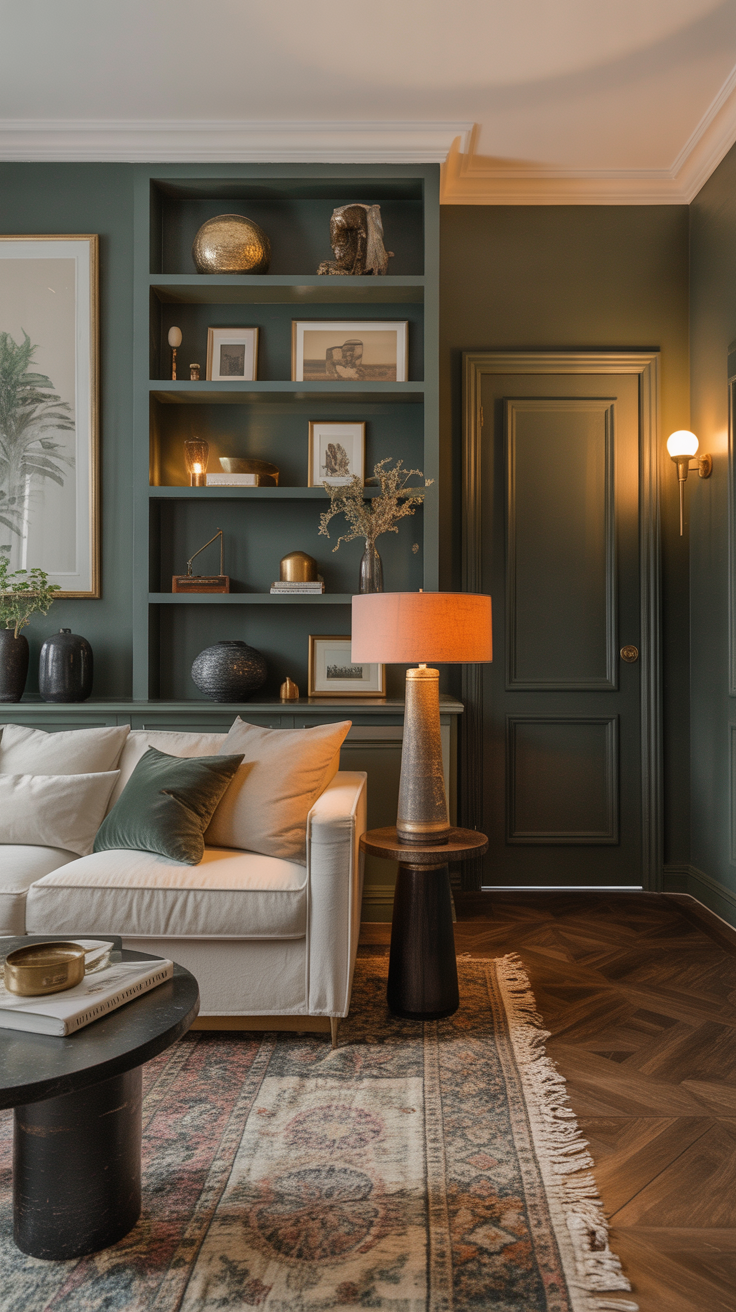
Another popular and highly accessible trend is painting existing shelving, built-ins, and architectural details. This affordable update breathes new life into storage areas and display spaces. Some choose to paint shelves in a bold, contrasting color to make them a striking focal point, while others use a similar tone to the walls to highlight the display without overwhelming the room.
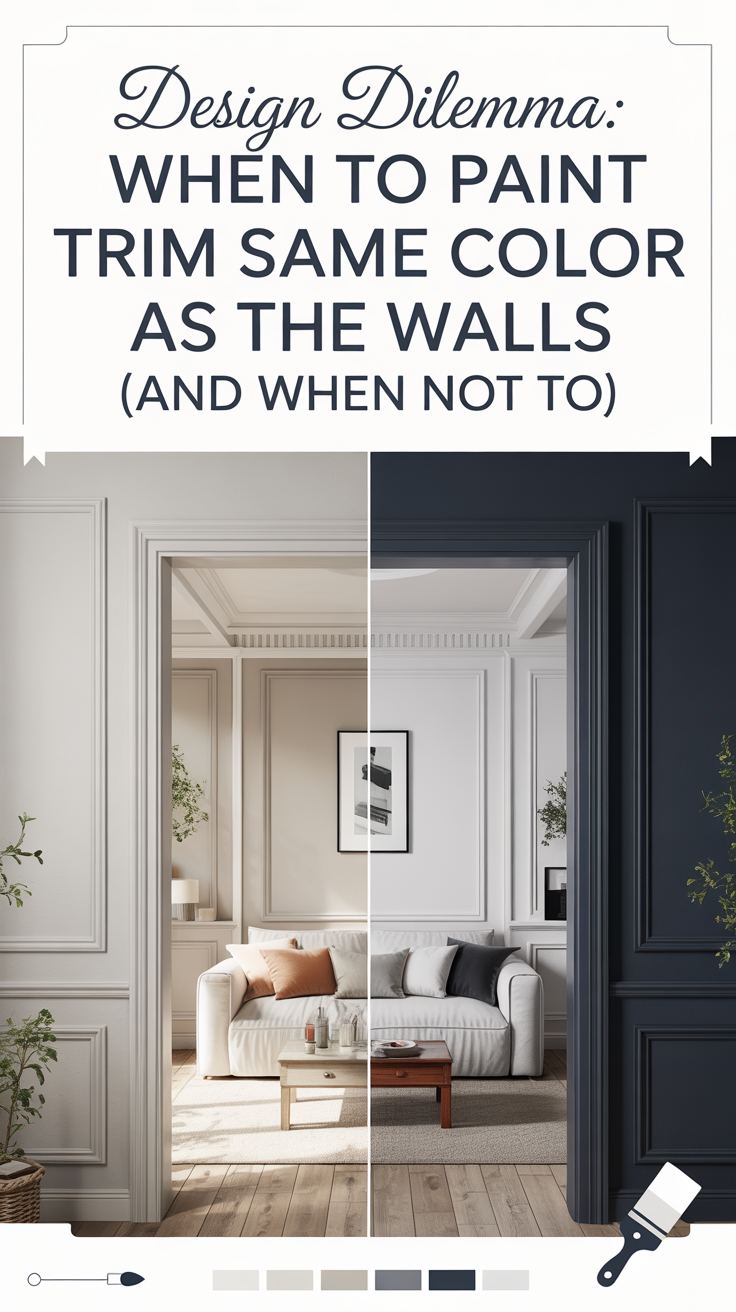
Painting trim, baseboards, and doors in darker, moodier colors or warm earthy tones adds a layer of sophistication and helps frame the room beautifully. Dark-painted doors, in particular, have become a signature detail in 2026 interiors, adding a sense of depth and drama that elevates the entire space.
Designing for the Future: Aging in Place
A practical and increasingly important trend in 2026 is designing for aging in place and multigenerational living. Homeowners are proactively addressing the needs of older household members, ensuring that the home remains safe, accessible, and comfortable for years to come.
Accessible Design That Doesn’t Sacrifice Style
Features such as wider walkways, single-level layouts, and easy-reach kitchen storage with large drawers are becoming standard considerations in home design. In bathrooms, curbless showers and the installation of grab bars, or at minimum, the structural blocking to allow for their future installation, are smart upgrades that blend seamlessly with modern design.
The good news is that accessible design no longer means institutional or clinical aesthetics. Today’s grab bars come in beautiful warm metal finishes, curbless showers are a hallmark of luxury spa bathrooms, and wider doorways simply make a home feel more open and airy. These thoughtful modifications not only support aging in place but also improve the overall flow and ease of use for everyone in the household, proving that practical and beautiful design are not mutually exclusive.
The home upgrade trends of 2026 reflect a collective and deeply human desire for spaces that are warm, personal, and genuinely functional. By moving away from stark minimalism and embracing earthy tones, traditional details, biophilic elements, and wellness-focused design, homeowners are creating sanctuaries that support well-being and intentional living.
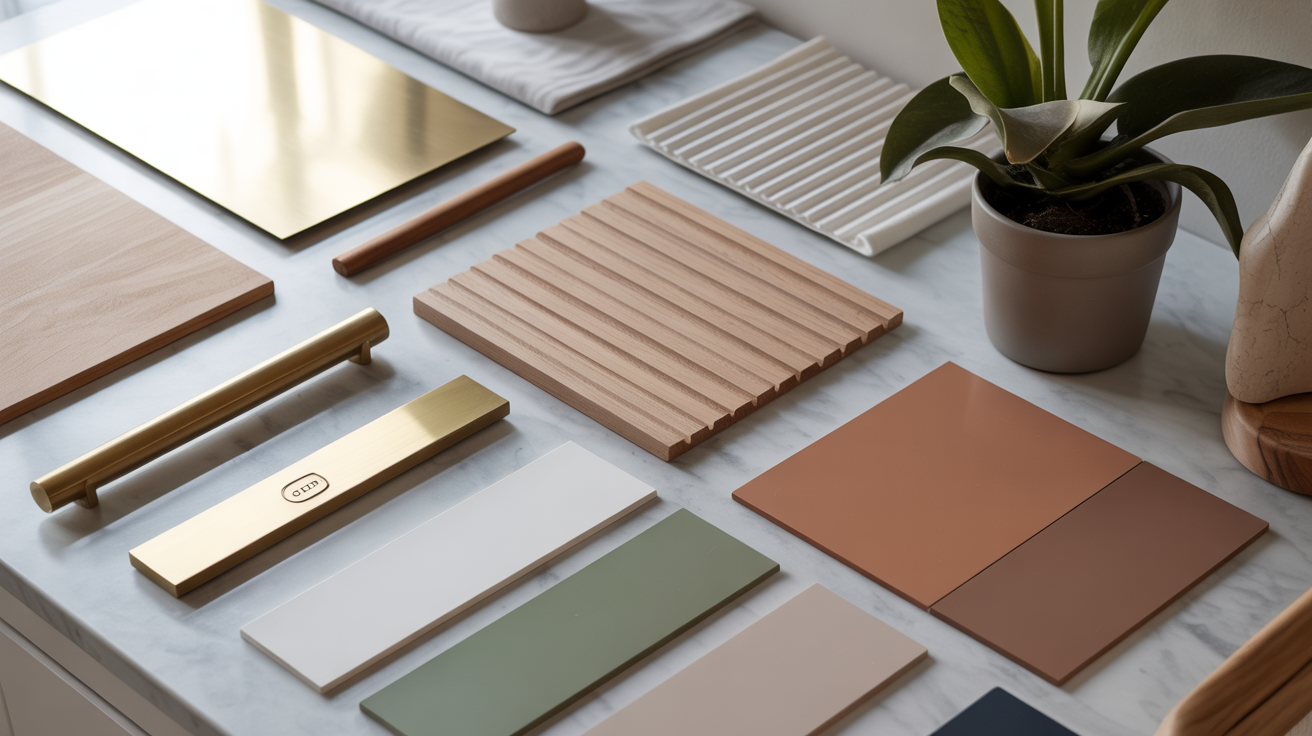
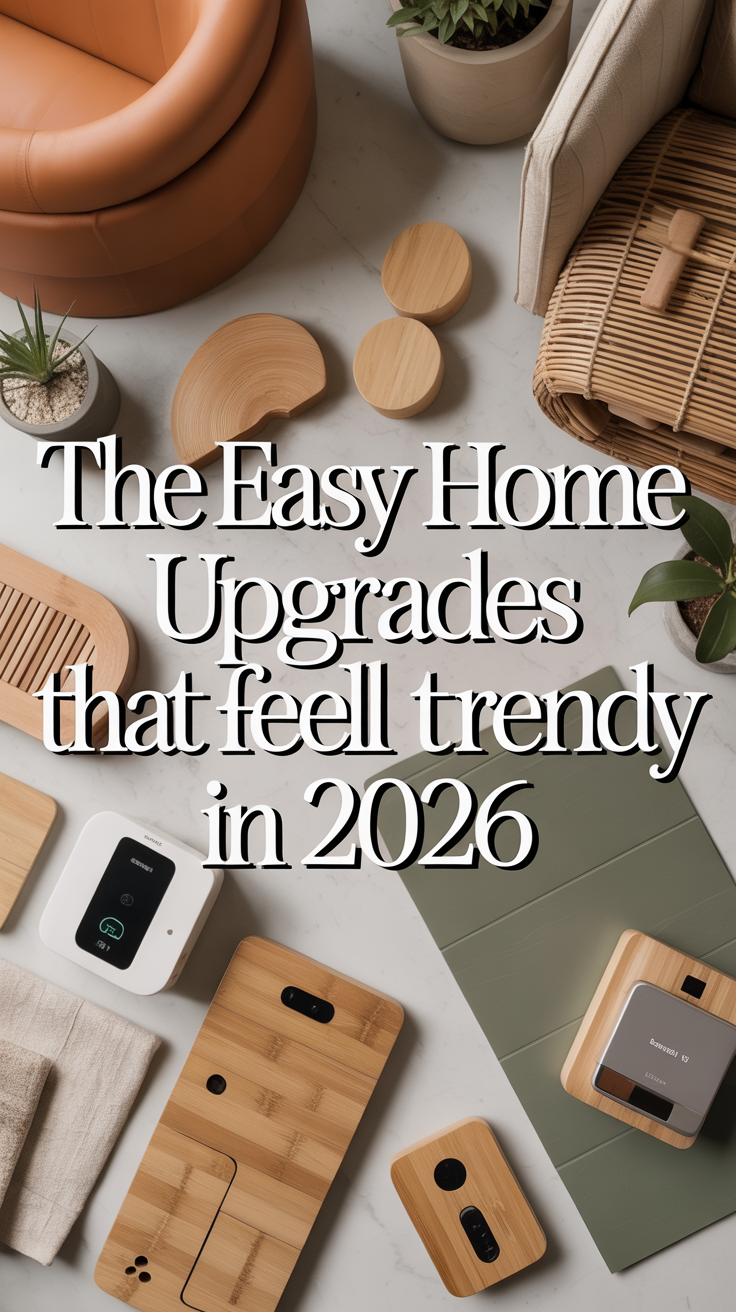
The most exciting aspect of this year’s trends is their accessibility. Whether you choose to refresh a room with a new coat of warm, nature-inspired paint, swap out a dated light fixture for a sculptural statement piece, hang an expressive botanical wallpaper, or carve out a cozy reading nook in a forgotten corner, these upgrades are within reach for most budgets and skill levels. The beauty of the 2026 design moment lies not in extravagance but in thoughtfulness—in the careful selection of materials, colors, and details that make a home feel like a true reflection of the people who live in it.
These are not fleeting fads destined to look dated in a few years. They are considered, enduring enhancements rooted in a desire for comfort, quality, and connection. Invest in them now, and your home will feel stylish, comfortable, and uniquely yours for many years to come.