Let’s be honest. For too long, we’ve treated our backyards like the forgotten room of the house. It’s the place where the lawnmower lives, where the kids’ toys go to rust, and where that sad, lonely grill waits for its two days of glory each summer. Maybe you’ve got a couple of plastic chairs that blow over in the wind, or a deck that’s seen better days. Sound familiar?
But what if I told you a revolution is brewing, and it’s happening right outside your back door?
Welcome to 2026, where the backyard is officially the new frontier of home design. This isn’t just about adding a few new patio chairs or slapping a fresh coat of stain on the deck. We’re talking about a complete reimagining of what our outdoor spaces can be. Think of it as a full-blown extension of your home—a place for cooking gourmet meals, for laughing with friends, for working on that side project, for unwinding after a long day. It’s a movement driven by our deep-seated need to reconnect with nature and a practical desire for more usable, life-enhancing space.
So, grab a cup of coffee (or a glass of wine—no judgment here), and let’s dive into the trends that are turning our backyards into the ultimate staycation destination.
The Green Revolution: Designing a Backyard That Gives Back
First things first: the eco-conscious mindset that’s reshaping our lives is finally taking root in our gardens. In 2026, a beautiful backyard is also a smart and sustainable one. It’s about creating a space that not only looks good but does good, for both the planet and your peace of mind. And here’s the best part—going green doesn’t mean sacrificing style. In fact, it’s quite the opposite.
DIY Tip: Ditch the Lawn (or at least, some of it!)
That perfect, green, manicured lawn? It’s a resource hog. I know, I know—it’s been the American dream for decades. But here’s the reality: a typical lawn can guzzle up to 10,000 gallons of water per year. Add in the fertilizers, the pesticides, the weekly mowing, the edging, the aerating… and suddenly that patch of green is looking more like a part-time job than a relaxing retreat.
The 2026 approach is all about strategic downsizing. Instead of a sea of green stretching from fence to fence, picture lush, oversized garden beds filled with gorgeous native plants, with graceful pathways of grass meandering between them like a storybook garden. You’ll save water, money, and your sanity. Plus, you’ll have a garden that’s actually interesting to look at, with layers of texture and color that change with the seasons. What’s not to love?
Become a Pollinator Pal
One of the most rewarding trends is the rise of the pollinator garden, and honestly, this one makes me a little emotional. Did you know that pollinators are responsible for one in every three bites of food we eat? Yet their populations are struggling. By planting native species—think zinnias, sunflowers, yarrow, and native wildflowers—you’re not just creating a beautiful landscape; you’re rolling out the welcome mat for bees, butterflies, and hummingbirds.
These gardens are buzzing with life, providing essential food and habitat for the tiny creatures that keep our ecosystems running. It’s a simple way to make a real difference, and the daily show of fluttering wings and busy bees is a reward in itself. Leave those seed heads standing through winter, and you’ll be feeding the birds, too. Your garden becomes a living, breathing ecosystem instead of just a static backdrop.
Get Smart with Rain
Ever heard of rainscaping? If not, buckle up, because it’s a game-changer. Instead of letting precious rainwater run off into the storm drains (where it can contribute to flooding and carry pollutants into our waterways), you can design your yard to capture and use it right where it falls.
A simple rain garden—a shallow depression filled with water-loving native plants—can transform a soggy problem area into a beautiful, functional feature. It absorbs and filters the water, preventing erosion and reducing the strain on your local water systems. Or, consider a dry creek bed. When it’s dry, it looks like a stunning landscape feature, complete with smooth river stones and flanking wildflowers. But during a storm? It becomes a babbling brook, safely channeling water away from your home’s foundation. It’s functional art at its finest.
Materials That Matter
We’re also getting smarter about what we build with. There’s a big shift happening away from chemically treated wood and synthetic materials that don’t age well. Instead, we’re seeing a surge in responsibly sourced, sustainably harvested woods like FSC-certified teak, cedar, and redwood. They’re beautiful, they’re durable, and they’re harvested in a way that doesn’t decimate forests.
But here’s where it gets really exciting: the world of composite decking and furniture has absolutely exploded. You can now find stunning, high-performance products made from recycled plastics, ocean waste, and even sawdust and agricultural waste. They look just like real wood—complete with grain patterns and natural color variations—but they’re incredibly durable and low-maintenance. No more annual staining or sealing. No more splinters. No more worry about rot or insects. It’s the best of both worlds, and it’s giving new life to materials that would otherwise end up in landfills.
Erasing the Line: Where Your Home Ends and Nature Begins
This is where the real magic happens, folks. The single biggest trend for 2026 is making the transition from your living room to your patio so seamless, you barely notice it. It’s about creating one unified living space that just happens to have a roof over one part and the open sky over another. When done right, it’s absolutely transformative.
Start from the Ground Up
How do you pull this off? It starts from the ground up—literally. Using the same flooring inside and out is a pro-level move that instantly connects the two spaces. Imagine large-format porcelain tiles that look like concrete or wood, flowing from your great room, right through a set of wide-open glass doors, and onto your patio. The visual barrier just… disappears. Your home suddenly feels twice as big, and your patio feels like it’s been invited to the party.
This continuity isn’t just about aesthetics, either. It makes the transition from inside to out feel effortless and natural, which means you’ll actually use your outdoor space more. No more awkward step down onto a totally different surface. It’s all one smooth, flowing experience.
Echo, Echo, Echo
But don’t stop at the floor. The key to nailing this trend is repetition. Echo design elements to tie it all together. Does your indoor fireplace have a stone facade? Carry that same stone to an outdoor fire pit or accent wall. Does your living room have a cool, wood-paneled ceiling? Extend it out to cover your patio or pergola. Even repeating the same style of light fixtures can make a huge difference. A series of modern sconces or woven pendants, repeated both inside and out, creates a visual thread that stitches the two spaces together.
Furniture That Blurs the Boundaries
And let’s talk about furniture, because this is where a lot of people get it wrong. Say goodbye to flimsy, uncomfortable patio sets that look like they belong at a roadside motel. The new wave of outdoor furniture is so stylish and comfortable, you could easily mistake it for its indoor cousins. We’re talking deep-seated sectionals you can sink into for hours, elegant dining tables ready for a proper dinner party, and fabrics that are both weather-proof and wonderfully soft.
The proportions are carefully matched to indoor furniture—same seat depth, same table height—so the visual continuity is seamless. It’s all about creating an outdoor living room that feels every bit as inviting as the one inside. When your guests walk out onto your patio, they shouldn’t feel like they’ve left the house. They should feel like they’ve just entered another beautifully designed room.
A Feast for the Senses: Designing a Backyard You Can Feel
A truly great outdoor space engages all of your senses. It’s not just about what you see; it’s about what you touch, smell, and hear. In 2026, we’re moving beyond the visual to create truly immersive backyard experiences. This is where you get to have some real fun with your design.
Texture is Everything
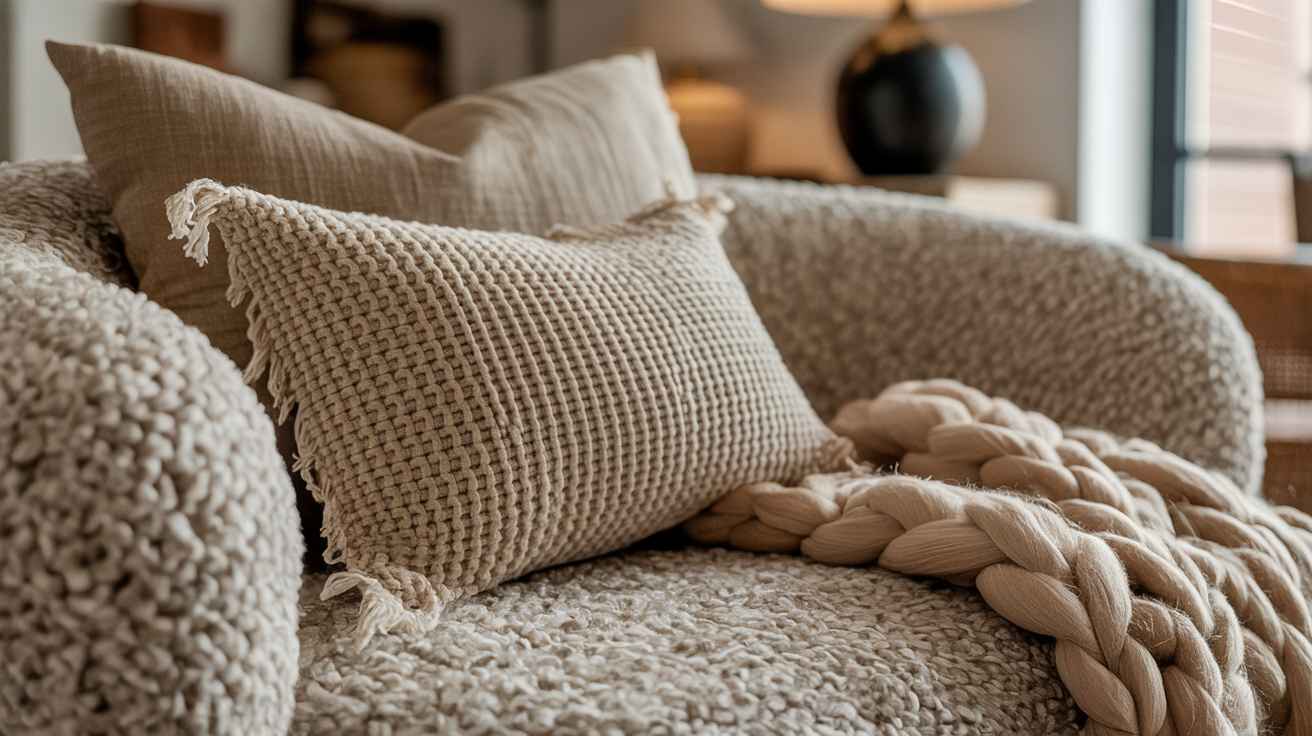
Think about adding layers of texture to your space. A coarse plaster wall can create a beautiful play of light and shadow throughout the day, with its rough surface catching the sun in interesting ways. A soft, open-weave jute rug feels amazing under bare feet and adds warmth to a seating area. Hand-forged iron used as a shade lattice creates intricate patterns of light and shadow that dance across your patio as the sun moves.
Even the planters you choose can add to the experience—look for ones with a rough, gritty glaze that invites you to touch them, or leave a wooden bench unfinished so you can feel the natural grain. It’s these little tactile details that make a space feel rich, grounded, and real. When everything in our lives is getting smoother and more digital, there’s something deeply satisfying about textures you can actually feel.
A Splash of Bold Color
While earthy, natural tones are always a great foundation—think warm beiges, soft taupes, and muted greens—2026 is the year to be brave with color. But we’re not just talking about a few colorful pillows (though those are nice, too). Think bigger. Think bolder.
How about painting a cozy seating nook a dramatic, deep oxblood red? Or lacquering a set of planters in a brilliant indigo, their glossy surfaces catching the light like jewels? High-gloss finishes, once reserved for indoor cabinetry, are making their way outdoors, and the effect is stunning. These surfaces retain their rich color even in full sun, adding a layer of sophistication and drama.
The key is controlled boldness. You’re not painting everything in sight; you’re using color as a structural element, creating focal points and adding personality. It transforms your patio from a generic outdoor space into something that feels uniquely you.
The Beauty of the Curve
Furniture is softening up, too, and I’m here for it. We’re seeing a move away from sharp, boxy frames and a return to gentle, organic curves. Sofas that arc gracefully, chairs that hug your body, tables with rounded edges—these pieces aren’t just more comfortable (though they definitely are). They also create a more natural, flowing feel in your outdoor space.
Many of these designs are a nod to mid-century modernism, which celebrated the seamless integration of form and function. But today’s versions are updated with modern materials and a contemporary sense of scale, resulting in pieces that feel both timeless and fresh. It’s a subtle shift that makes a huge impact on how your space feels.
DIY Tip: Create a Sensory Garden
This is a fun and easy project for any skill level, and it’s one of my favorites to recommend. Plant fragrant herbs like lavender, rosemary, and mint near your seating area. The scent will be incredible every time you brush past them, and you’ll have fresh herbs for your kitchen! Add some ornamental grasses that will rustle in the breeze—there’s something so soothing about that sound. And if you have the budget, add a small, bubbling water feature for gentle background noise that masks traffic and neighborhood sounds.
You’ve just created a multi-sensory oasis, and it didn’t require a design degree or a massive budget. Just a little thoughtfulness about engaging all the senses.
The All-Day, All-Season Backyard
Your backyard shouldn’t have to shut down when the sun goes down or the temperature drops. The 2026 outdoor space is a hardworking, multi-functional hub that’s ready for action, no matter the time of day or time of year. This is about maximizing your investment and getting the most out of every square foot.
The Rise of the Outdoor Room
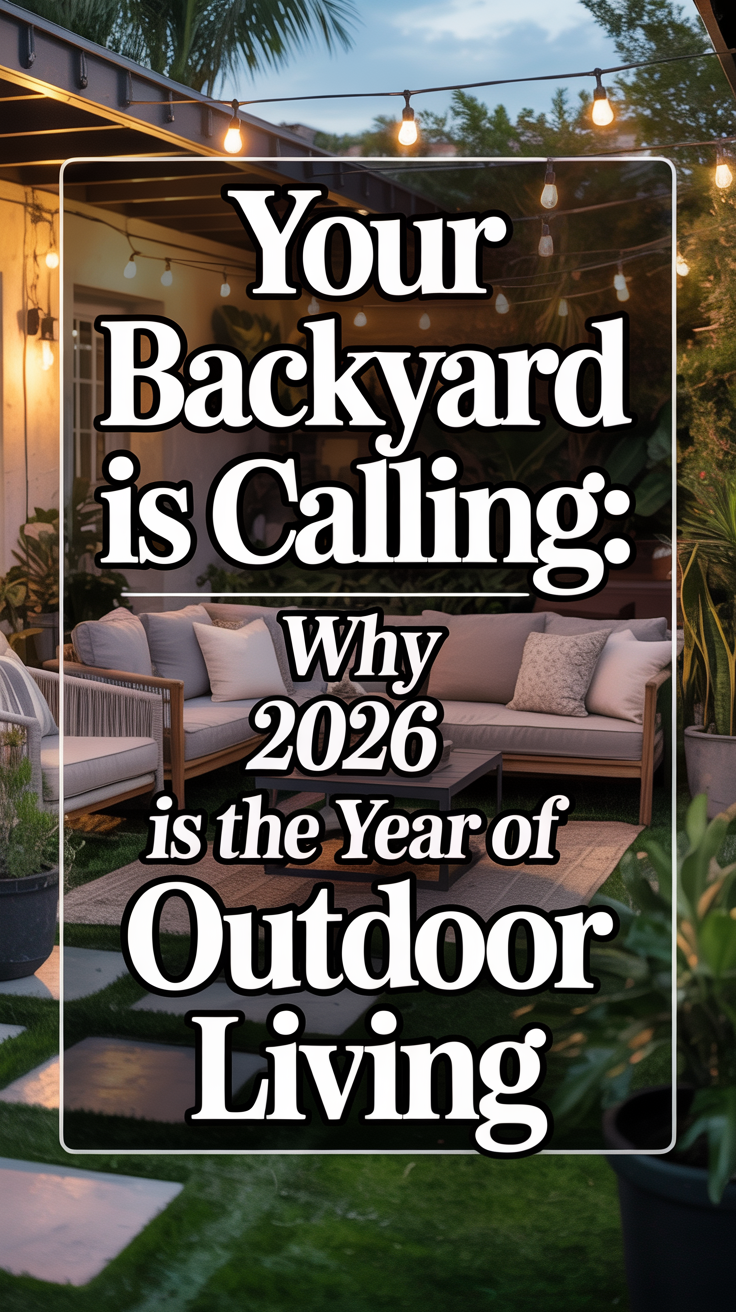
Think of your backyard not as one big, undefined space, but as a series of interconnected “rooms.” Just like inside your house, you can have a dedicated zone for cooking, another for dining, and another for just kicking back and relaxing. This approach makes your outdoor space feel more intentional and functional.
The Outdoor Kitchen: This is so much more than a grill on wheels, my friends. We’re talking full-on culinary workstations with built-in grills, pizza ovens, smokers, and even smart-tech to perfect your BBQ game. Some of these setups rival indoor kitchens, with prep sinks, refrigerators, and ample counter space. It turns cooking from a solo chore into the main event, and because you’re not isolated in an indoor kitchen, you can stay engaged with your guests the whole time.
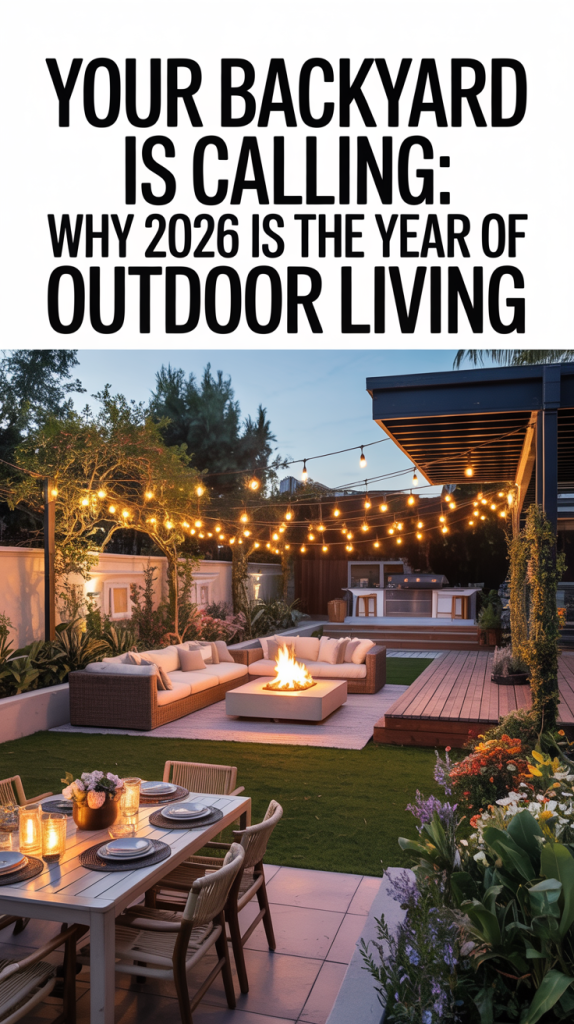
The Alfresco Dining Room: Imagine a dedicated space for dinner parties under the stars, with a proper table and comfortable chairs, all nestled under a charming pergola for shade and definition. This isn’t a folding table you drag out for special occasions. This is a permanent, beautifully designed dining space that’s ready whenever you are. String up some lights, add a centerpiece, and you’ve got an instant upgrade to any meal.
The Open-Air Living Room: This is your spot to unwind. Think comfy, deep-seated sofas clustered around a crackling fire pit or outdoor fireplace. Add some side tables for drinks, throw in some outdoor rugs to define the space, and you’ve got the perfect place to gather with friends or enjoy a quiet evening alone with a good book.
DIY Tip: Go Modular!
The secret to making this all work? Flexibility. Modular furniture is your best friend here. Look for sectionals that can be rearranged for different occasions—a big L-shape for movie night, broken down into smaller groupings for a cocktail party. Look for benches that double as storage for cushions and garden tools. The more adaptable your furniture is, the more you’ll get out of your space.
Stretching the Season
And why let a little chill stop the party? With discreetly integrated heaters tucked into overhead structures or along walls, you can extend your outdoor season well into fall and even winter. Motorized, louvered pergolas (sometimes called bioclimatic pergolas) are a game-changer, too. With the touch of a button, you can adjust the amount of sun and shade, and close them up completely when it rains.
Add some insulated upholstery that doesn’t look bulky, bamboo blinds to filter wind and light, and woven panels for additional wind protection, and you’ve got a space that’s comfortable from early spring through late fall. Your backyard is officially open for business (and pleasure) year-round.
Let Nature In: The Backyard That Breathes
This might be my favorite trend of all, because it’s about intentionally blurring the lines between your garden and your living space. It’s called biophilic design, which is a fancy way of saying that we humans have a deep-seated need to connect with nature. Studies have shown that exposure to nature reduces stress, lowers blood pressure, and improves overall wellbeing. By weaving plant life into the very structure of your outdoor space, you create an environment that’s not just beautiful, but genuinely good for your soul.
Living Edges
Instead of hard fences and rigid walls, imagine creating “living edges” with a row of tall, swaying grasses for privacy. Instead of a stark, 90-degree corner on your patio, picture a lush cluster of plants that softens the lines and makes the transition from hardscape to landscape feel organic. You can use vine-covered trellises to create natural screens, defining your outdoor rooms without boxing them in.
The goal is to let your garden become part of the architecture. Growth defines the space, rather than hard materials. It feels more natural, more alive, and it changes with the seasons, giving you a dynamic landscape that’s never boring.
DIY Tip: Go Vertical!
Don’t have a lot of space? Go up! A vertical garden, or living wall, is a stunning way to bring a ton of greenery to a small footprint. You can install one on a blank wall of your house, transforming it into a lush, vertical garden. Or use a freestanding one as a dramatic focal point on your patio.
Plant it with a mix of beautiful ornamentals for a living work of art, or create an edible wall with herbs, lettuces, and strawberries. Many modern vertical garden systems come with automated irrigation and drainage, making them surprisingly low-maintenance. It’s a garden and a piece of art, all in one.

Your Personal Oasis Awaits
The backyard of 2026 is a reflection of a bigger shift in how we want to live. We’re craving more connection—to nature, to our families, and to ourselves. We want spaces that are not only beautiful and functional but also sustainable and restorative. We want places that help us slow down, breathe, and remember what really matters.
This isn’t about having a perfect, magazine-worthy backyard overnight. Trust me, even the most stunning spaces you see on Instagram took time, trial and error, and probably a few plants that didn’t make it. It’s about seeing the potential right outside your door. It’s about taking these ideas and making them your own, one project at a time.
Start small. Plant a pollinator garden in that neglected corner. Add a comfortable chair to a sunny spot and make it your morning coffee destination. String up some lights and suddenly your patio is usable after dark. Swap out those sad plastic chairs for something you’d actually want to sit in. Each small step transforms your backyard from a forgotten space into a place you can’t wait to spend time in.
The great escape you’ve been dreaming of isn’t a plane ticket away—it’s waiting for you, right in your own backyard. Now, go answer the call.