

The concept of luxury in interior design has undergone a HUGE transformation in recent years. Gone are the days when high-end spaces were defined by stiff formality, untouchable surfaces, and a museum-like atmosphere that prioritized visual perfection over human comfort. Today, the most coveted aesthetic is one that invites you in, encourages you to linger, and tells a deeply personal story. This evolution has given rise to a design philosophy known as “lived-in luxury.
Lived-in luxury is the art of creating spaces that are undeniably elegant and sophisticated, yet inherently comfortable, warm, and authentic. It is a rebellion against the stark, cold minimalism that dominated previous decades, replacing it with a richer, more tactile approach to living. This aesthetic understands that true luxury is not just about how a room looks, but how it makes you feel. It is about the sensory experience of sinking into a plush sofa, the visual warmth of natural materials, and the emotional resonance of a home that reflects the lives of the people who inhabit it.
At its core, lived-in luxury embraces imperfection. It celebrates the gentle patina of a well-loved leather chair, the slight crease in high-quality linen bedding, and the curated mix of old and new that gives a space character. It is an approach that values quality over quantity, choosing pieces that will age beautifully and stand the test of time. By focusing on comfort, texture, and personal expression, lived-in luxury transforms a house into a sanctuary, place where you can truly unwind and feel at ease without sacrificing an ounce of style.
If you are looking to elevate your home while also making it feel more inviting and cozy, the principles of lived-in luxury is the perfect solution. Let’s talk about ten transformative ideas that will help you infuse your spaces with this effortless elegance, making your home feel instantly warmer and more luxurious.
1. Embrace the Power of Layered Textures
One of the most effective ways to introduce warmth and a sense of lived-in luxury to any space is through the thoughtful layering of textures. In a room where everything is smooth, sleek, and perfectly matched, the atmosphere can quickly feel sterile and uninviting. Texture is the antidote to this coldness; it adds visual weight, depth, and a tactile quality that begs to be touched.
To achieve this look, focus on combining a variety of materials that contrast and complement one another. Start with your foundational pieces, such as a plush, hand-knotted wool or silk rug that grounds the room and provides softness underfoot. Over this, layer furniture upholstered in rich, inviting fabrics like velvet, bouclé, or supple leather. These materials not only look luxurious but also offer a sensory experience that enhances comfort.
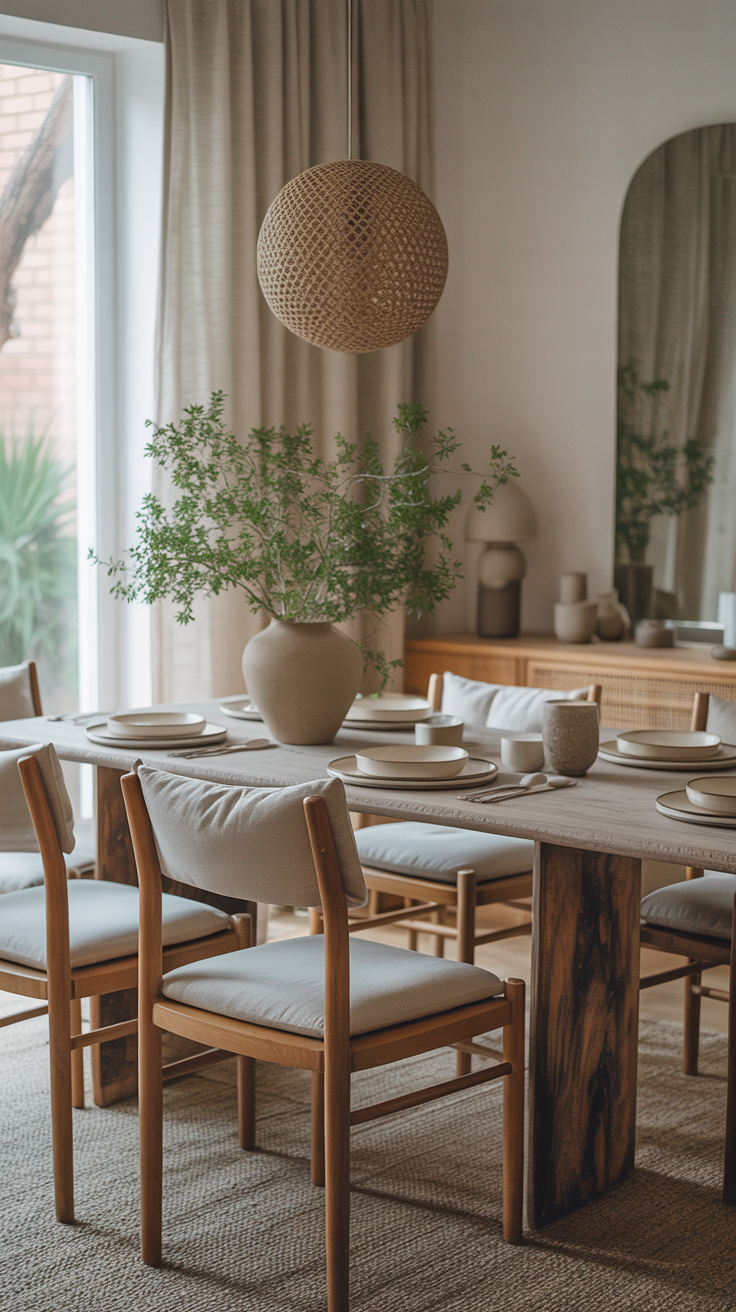
The magic of layering truly comes alive in the details. Drape a chunky knit or cashmere throw casually over the arm of a sofa or the foot of a bed. Mix and match decorative pillows in different fabrics—perhaps pairing a smooth silk cushion with a nubby linen or faux fur one. The key is to ensure that the layering feels deliberate yet effortless, avoiding a cluttered appearance while maximizing coziness.
Window treatments also play a crucial role in adding texture. Instead of stark blinds, opt for heavy, flowing drapes made of velvet or heavy linen. These can be paired with sheer curtains to allow for flexible light control while adding another layer of softness to the room. By engaging the senses through varied textures, you create an environment that feels rich, complex, and comforting.
2. Curate a Warm and Grounding Color Palette
Color is a powerful tool in interior design, capable of instantly altering the mood and perceived temperature of a room. While stark whites and cool grays have their place in certain design schemes, lived-in luxury relies heavily on a warm, grounding color palette to create an inviting atmosphere.
To cultivate this aesthetic, move away from clinical, high-contrast color schemes and embrace tones that evoke nature and comfort. Earthy neutrals form the perfect foundation for a lived-in luxury space. Think of rich taupes, warm beiges, soft creams, and deep, muddy browns. These colors provide a calm, sophisticated backdrop that allows other elements in the room to shine without competing for attention.
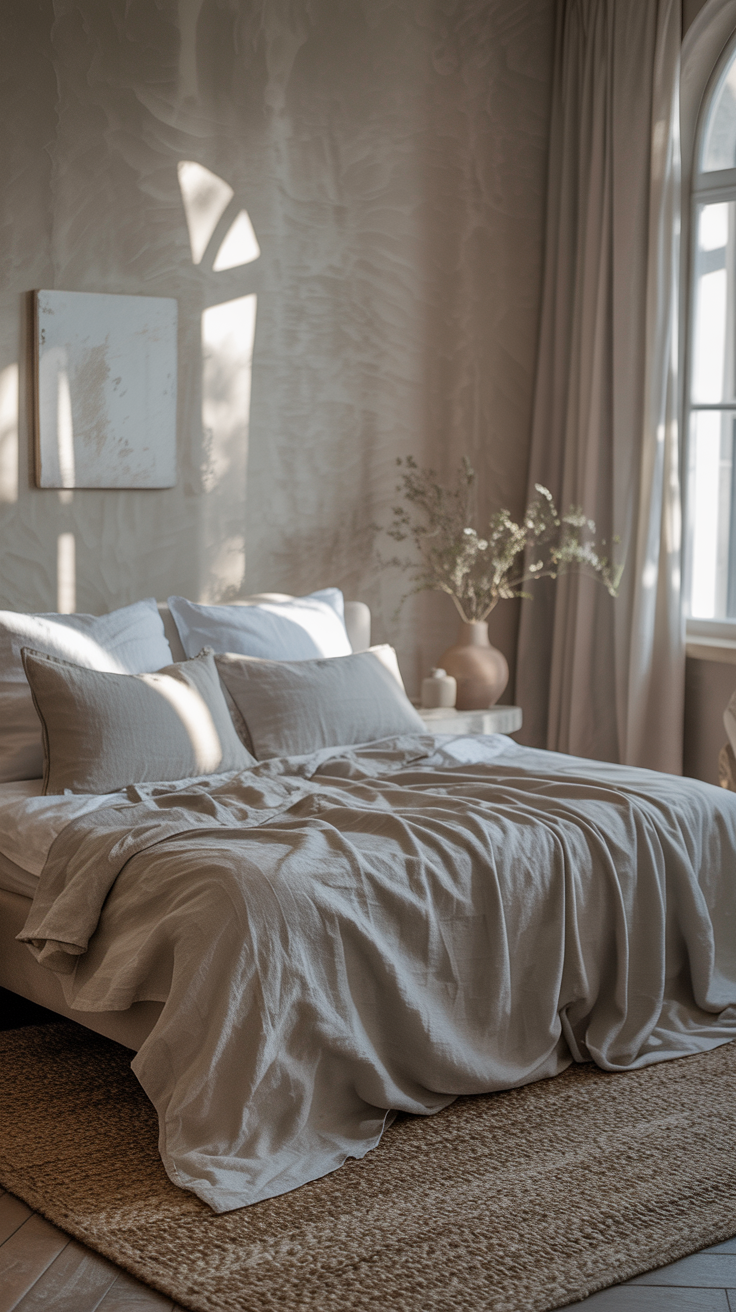
Once you have established a neutral base, you can introduce deeper, more saturated hues to add depth and personality. Colors like terracotta, olive green, deep plum, and burnt orange work beautifully as accents. These shades bring a sense of history and richness to a space, reminiscent of natural landscapes and time-worn materials.
When applying these colors, consider the finish as well as the hue. Matte or eggshell finishes on walls absorb light, creating a softer, more enveloping feel compared to high-gloss paints. You can also introduce color through natural materials, such as the warm tones of walnut or oak furniture, the varied hues of natural stone, or the rich patina of unlacquered brass hardware. By surrounding yourself with warm, earthy tones, you create a cocoon-like environment that feels both luxurious and deeply comforting.
3. Invest in High-Quality, Timeless Basics
The foundation of lived-in luxury is built upon quality. While the aesthetic is relaxed and approachable, it is never sloppy or cheap. To achieve a look that is both comfortable and elevated, it is essential to invest in high-quality, timeless basics that will serve as the anchor for your design scheme. Be sure to also check out my post on how to score high-quality furniture on a budget here 🙂
When selecting foundational pieces, such as sofas, dining tables, and beds—prioritize craftsmanship and durable materials. A well-made, solid wood dining table may show signs of wear over the years, but these marks will only add to its character and story, rather than detracting from its beauty. Similarly, a high-quality leather sofa will develop a rich patina over time, becoming softer and more inviting with each passing year.
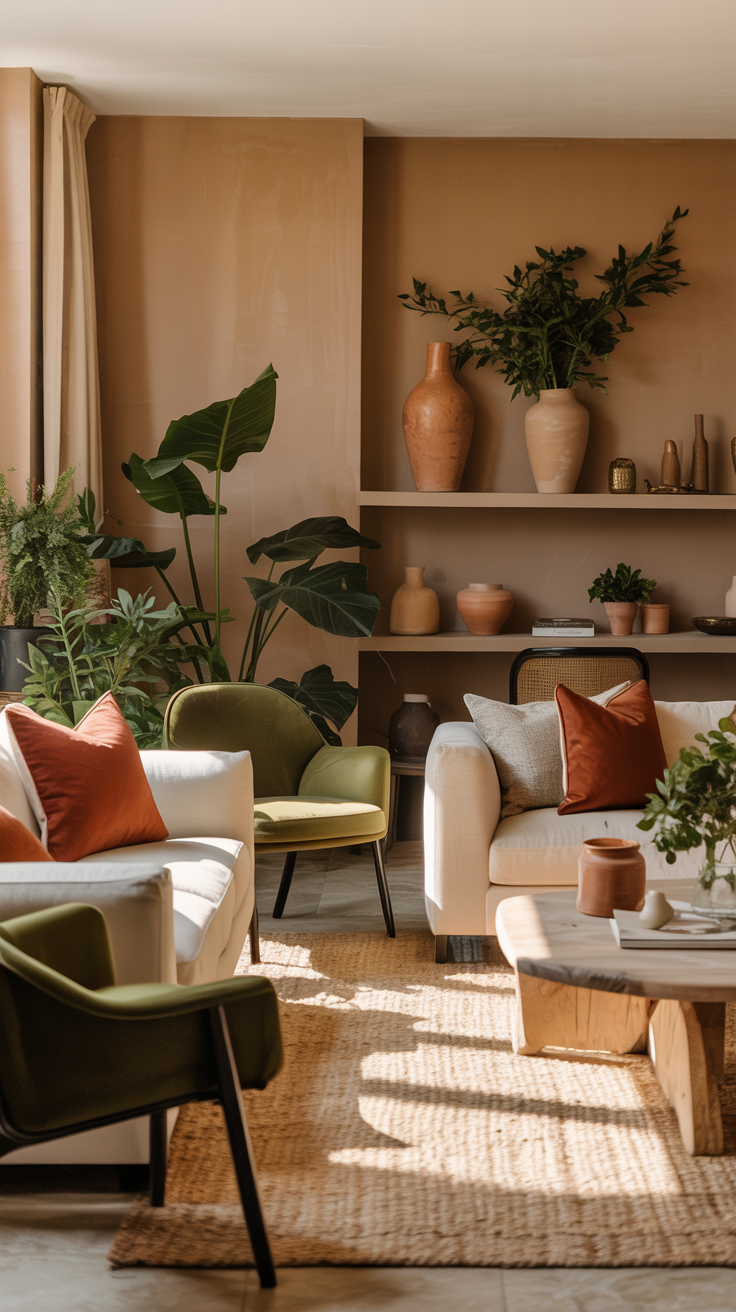
This principle extends beyond furniture to the materials used throughout your home. Opt for natural, authentic materials whenever possible. Choose solid hardwood floors over synthetic alternatives, natural stone countertops like marble or quartzite instead of manufactured surfaces, and pure linen or cotton for your bedding and upholstery. These materials possess an inherent luxury that cannot be replicated, and they age gracefully, contributing to the lived-in feel of the space.
Investing in quality also means choosing pieces with classic, enduring silhouettes rather than chasing fleeting trends. A beautifully proportioned, timeless piece of furniture will always look elegant, regardless of the current design fads. By building your home around these high-quality basics, you create a sense of permanence and substance that is the hallmark of true luxury.
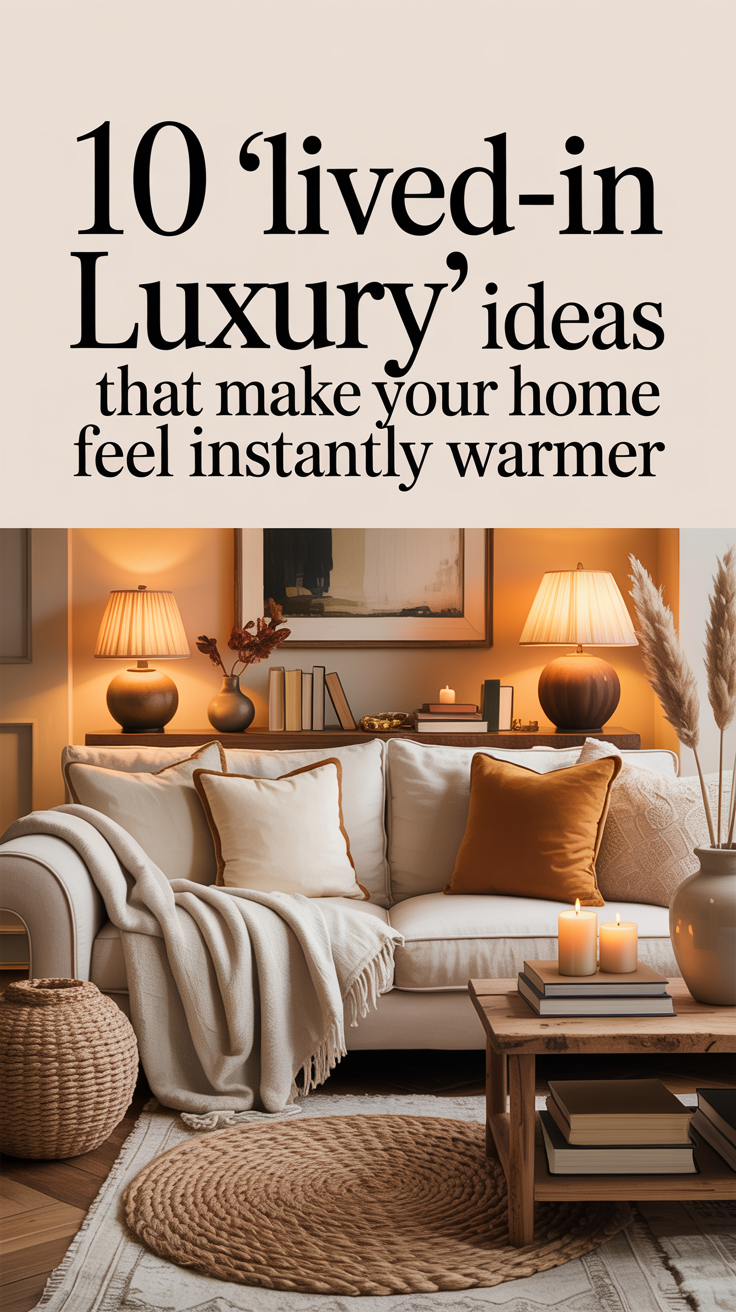
4. Master the Art of the “Collected” Look
A home that feels instantly warm and luxurious is rarely one that looks as though it was purchased entirely from a single showroom in one weekend. Instead, lived-in luxury embraces the “collected” look—a curated blend of old and new, high and low, that tells the story of the people who live there.
To achieve this aesthetic, you must be willing to mix different eras, styles, and origins. The contrast between a sleek, modern sofa and a weathered, antique coffee table creates a dynamic tension that makes a room feel interesting and layered. Incorporating vintage or antique pieces adds a sense of history and soul to a space, preventing it from feeling overly sterile or predictable.
When curating your collection, look for items that have personal meaning or a unique story. This could be a piece of art acquired during your travels, a family heirloom passed down through generations, or a quirky vintage find from a local flea market. These items serve as conversation starters and inject your personality into the design.
The key to mastering the collected look is balance. You want the space to feel curated, not cluttered. Give each piece room to breathe, and ensure that there is a unifying element, such as a consistent color palette or a recurring material, that ties the disparate items together. By thoughtfully combining the old with the new, you create a home that feels rich, authentic, and deeply personal.
5. Prioritize Deep, Sink-In Comfort
At the heart of lived-in luxury is the belief that a home should be a sanctuary. It’s a place where you can completely relax and let your guard down. Therefore, prioritizing physical comfort is absolutely essential. A room can be visually stunning, but if the furniture is stiff and unyielding, it will never feel truly luxurious or warm.
When selecting seating, look for pieces that invite you to sink in and stay awhile. Oversized sofas with deep seats and plush, down-wrapped cushions are ideal for creating a cozy, lounge-like atmosphere. Armchairs should be generously proportioned, offering enough room to curl up with a good book or a cup of tea.
The layout of your furniture also plays a crucial role in promoting comfort and connection. Arrange seating in a way that encourages conversation and interaction, rather than simply pointing everything toward a television screen. Create intimate groupings of furniture that feel cozy and inviting, ensuring that there is always a comfortable place to sit, regardless of the room’s size. I wrote a great post here about small living room layouts that work!
Comfort extends beyond just seating. Consider the tactile experience of every surface in your home. Ensure that rugs are soft underfoot, that bedding is made from breathable, high-quality natural fibers, and that throws and pillows are within easy reach. By making physical comfort a top priority, you transform your home into a space that actively nurtures and supports your well-being.
6. Cultivate a Sense of Imperfection
One of the defining characteristics of lived-in luxury is its rejection of the pristine, showroom-perfect aesthetic. A home that looks too perfect can feel unapproachable and intimidating, as though it is meant to be admired rather than lived in. To create a space that feels instantly warmer, you must cultivate a sense of imperfection.
This does not mean that your home should be messy or disorganized. Rather, it means embracing the natural wear and tear that comes with daily life. A slightly creased linen duvet cover, a stack of books casually arranged on a coffee table, or a vintage rug with faded colors all contribute to a relaxed, effortless elegance.