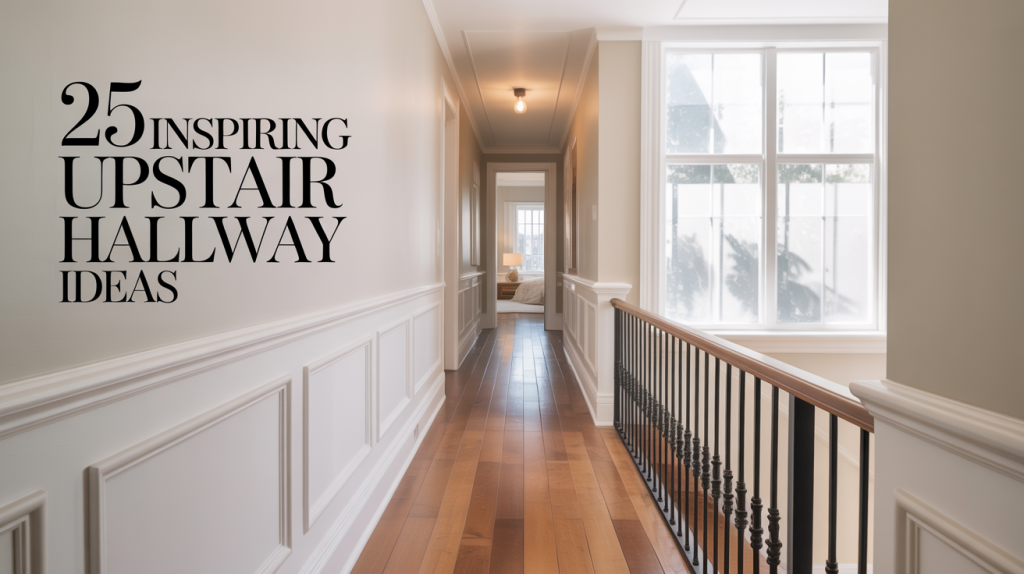
Upstairs hallways are often overlooked in home design, yet they present incredible opportunities to enhance your living space with both style and functionality. Whether you’re working with a narrow corridor, a spacious landing, or an intimate alcove, these transitional areas can become some of the most charming and purposeful spaces in your home. Rather than viewing your upstairs hallway as merely a pathway between rooms, consider its potential as a reading retreat, an art gallery, a storage solution, or a welcoming seating area.
The key to transforming any upstairs hallway lies in understanding its unique characteristics and matching design solutions to both your space constraints and lifestyle needs. A well-designed hallway can set the tone for your entire upper floor, creating a cohesive flow that enhances the overall ambiance of your home. From maximizing storage in tight quarters to creating dramatic focal points in generous landings, the possibilities are endless when you approach hallway design with intention and creativity.
In this comprehensive guide, we’ll explore 25 carefully curated ideas organized by space type and design style, making it easier for you to find solutions that perfectly match your specific situation. Each concept has been drawn from real homes and proven design principles, ensuring that these aren’t just beautiful ideas but practical solutions that can be adapted to various budgets and skill levels.
## Part I: Maximizing Narrow Hallways and Compact Spaces
Narrow hallways present unique design challenges, but they also offer intimate opportunities to create cozy, purposeful spaces that feel intentional rather than cramped. The secret to success in these areas lies in strategic use of vertical space, careful color choices, and multi-functional elements that serve both aesthetic and practical purposes.
### Classic Elegance in Tight Quarters
One of the most effective approaches for narrow hallways draws inspiration from traditional British design sensibilities. Picture a corridor where bold black spindles and trim create striking contrast against soft neutral walls, immediately elevating what could be a forgettable passageway into a space with genuine character. This design philosophy proves that you don’t need extensive square footage to make a significant impact.
The beauty of this approach lies in its restraint. Rather than overwhelming a narrow space with excessive decoration, a carefully curated selection of framed botanical prints can provide just the right amount of visual interest without creating clutter. The key is maintaining balance through symmetry and allowing natural light to play its part in opening up the space. A simple rustic wooden stool positioned strategically along the wall, perhaps topped with a fresh vase of tulips, adds both functionality and a welcoming touch that transforms the hallway from a mere transition zone into a thoughtfully designed space.
This style works particularly well in homes with traditional architecture, where the contrast between dark trim and light walls can highlight existing architectural details while creating a sense of depth that makes narrow spaces feel more substantial. The botanical prints serve a dual purpose, adding personality while drawing the eye upward, which helps create the illusion of height in confined spaces.
### Scandinavian Serenity for Small Spaces
For those drawn to minimalist aesthetics, the Scandinavian approach to narrow hallway design offers a masterclass in creating tranquility through simplicity. This design philosophy embraces the concept that less truly can be more, especially in compact spaces where every element must earn its place.
The foundation of this approach rests on natural materials and clean lines that work together to create a sense of calm. Natural wood flooring provides warmth and texture while maintaining the clean aesthetic that defines Scandinavian design. Discrete wall molding adds architectural interest without overwhelming the space, while a single slender console table serves as both a functional surface and a design element that doesn’t compete for visual attention.
Lighting plays a crucial role in this design approach, with soft candles providing ambient illumination that creates a warm, peaceful atmosphere. This type of lighting is particularly effective in narrow spaces because it creates pools of gentle light that make the area feel more intimate and welcoming rather than stark or clinical. The combination of natural materials, minimal furnishings, and thoughtful lighting demonstrates how even the smallest hallways can be transformed into attractive, functional spaces through proper styling and attention to detail.
This approach is especially well-suited for modern homes or apartments where space is at a premium, proving that size limitations don’t have to mean sacrificing style or functionality. The key is choosing each element carefully, ensuring that everything serves a purpose while contributing to the overall aesthetic vision.
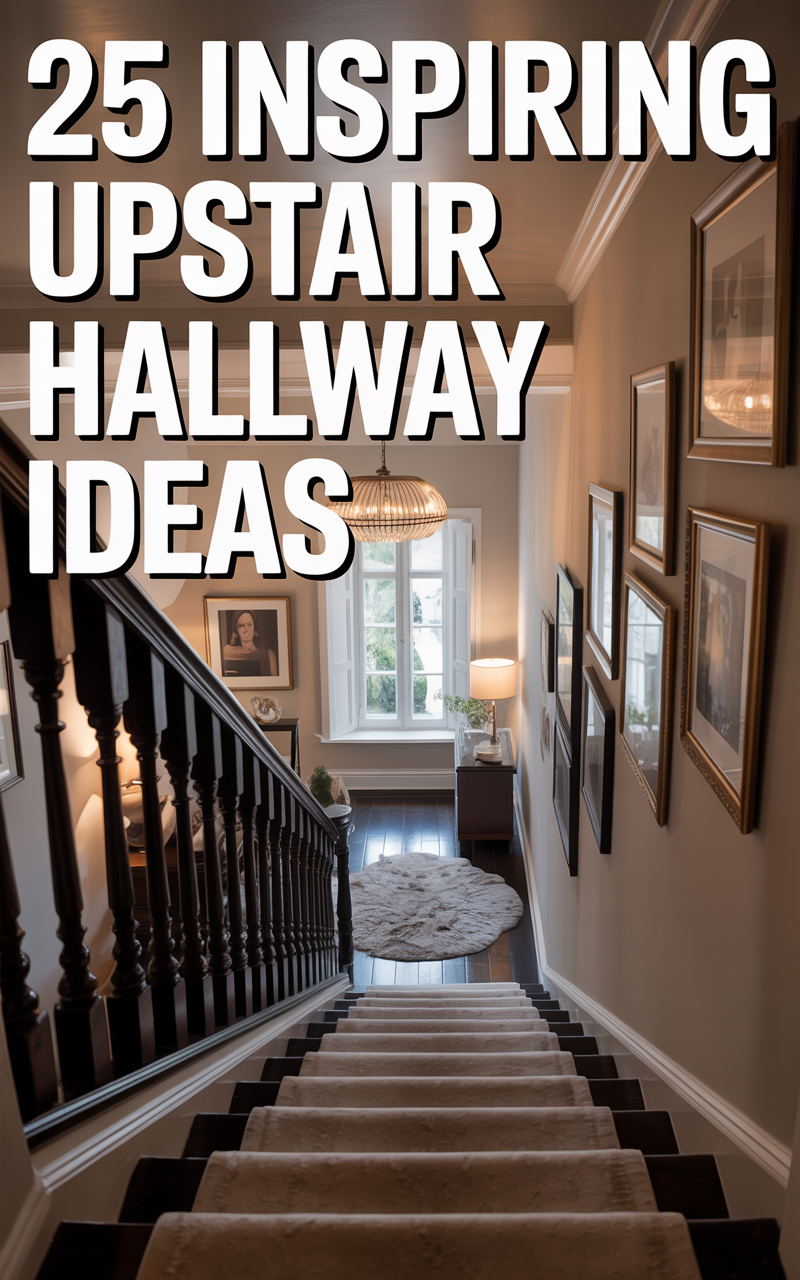
Minimalist Drama in Black and White
Sometimes the most powerful design statements come from the most restrained color palettes. A minimalist black and white approach to narrow hallway design can create stunning visual impact while maintaining the clean, uncluttered feel that makes small spaces feel larger and more open.
The centerpiece of this design strategy might be a sleek black bench that serves multiple functions while making a bold style statement. When paired with textured pillows and a soft throw, this simple piece of furniture becomes both a practical seating solution and a striking visual element that anchors the space. The contrast between the dark bench and white railings creates a dramatic focal point that draws attention and adds sophistication to what might otherwise be an overlooked area.
The addition of natural elements, such as a vase of dried pampas grass, introduces subtle texture and organic shapes that soften the stark contrast of the black and white palette. This type of natural accent adds a gentle bohemian element that prevents the space from feeling too rigid or cold, while maintaining the overall minimalist aesthetic.
This design approach is particularly effective for modern homes or contemporary renovations where clean lines and bold contrasts are already part of the architectural vocabulary. It’s also an excellent choice for DIY enthusiasts, as the concept can be executed with relatively few tools and a modest budget, yet delivers high visual impact that rivals much more complex design schemes.
Part II: Designing Spacious Landings and Generous Hallways
When you’re blessed with a generous upstairs landing or wide hallway, the design possibilities expand dramatically. These larger spaces can accommodate multiple functions and more elaborate design schemes, allowing you to create truly spectacular areas that serve as destinations in their own right rather than simple passageways.
Built-In Luxury and Integrated Storage
Spacious landings offer the perfect opportunity to incorporate built-in elements that combine comfort, storage, and style in seamless integration. Imagine a light-filled landing where an intelligent built-in bench becomes the centerpiece, surrounded by custom cabinets and set against a backdrop of horizontal shiplap that adds texture and visual interest to the space.
The genius of this approach lies in its ability to create a cohesive, custom look while maximizing functionality. The built-in bench, when designed with comfortable proportions and topped with textured pillows, becomes an ideal reading spot or a quiet retreat for children and guests. The surrounding cabinetry provides essential storage for linens, seasonal items, or household supplies, keeping these necessities hidden while maintaining the clean, uncluttered aesthetic that makes the space feel serene and welcoming.
Symmetrical arrangements work particularly well in larger spaces, as they create a sense of balance and intentionality that elevates the overall design. Monochrome artwork or family photographs arranged in matching frames can reinforce this symmetry while adding personal touches that make the space feel lived-in and loved. The addition of a statement light fixture, such as a gold pendant, serves both practical and aesthetic purposes, providing necessary illumination while adding a touch of elegance that signals this is a space worthy of attention and care.
This type of built-in solution works especially well in homes with traditional or transitional architecture, where the custom millwork can be designed to complement existing architectural details while creating a seamless integration between old and new elements.
Architectural Drama and Sophisticated Luxury
For those who appreciate bold design statements, spacious hallways provide the perfect canvas for creating sophisticated, luxury-inspired spaces that rival the most elegant hotel lobbies or high-end residential developments. This approach embraces the idea that transitional spaces can be just as important and impressive as primary living areas.
The foundation of this design philosophy often rests on striking architectural elements that create immediate visual impact. A dramatic black railing, for instance, can inject both structural beauty and theatrical flair into a space, serving as a sculptural element that defines the area while adding sophisticated contrast. When paired with smooth surfaces and carefully chosen sculptural elements, these bold architectural features create a sense of luxury and refinement that transforms an ordinary hallway into an extraordinary space.
Mirrored walls can play a crucial role in this type of design, serving multiple functions simultaneously. They reflect light to brighten the space, create the illusion of expanded square footage, and add a glamorous element that reinforces the luxury aesthetic. When combined with carefully arranged orchids or other elegant floral displays, these reflective surfaces create a sense of chic symmetry that feels both sophisticated and welcoming.
This approach works particularly well in homes with high ceilings and generous proportions, where the scale of the space can support bold design gestures without feeling overwhelming. The key is maintaining a careful balance between drama and elegance, ensuring that the space feels impressive without becoming ostentatious or uncomfortable.
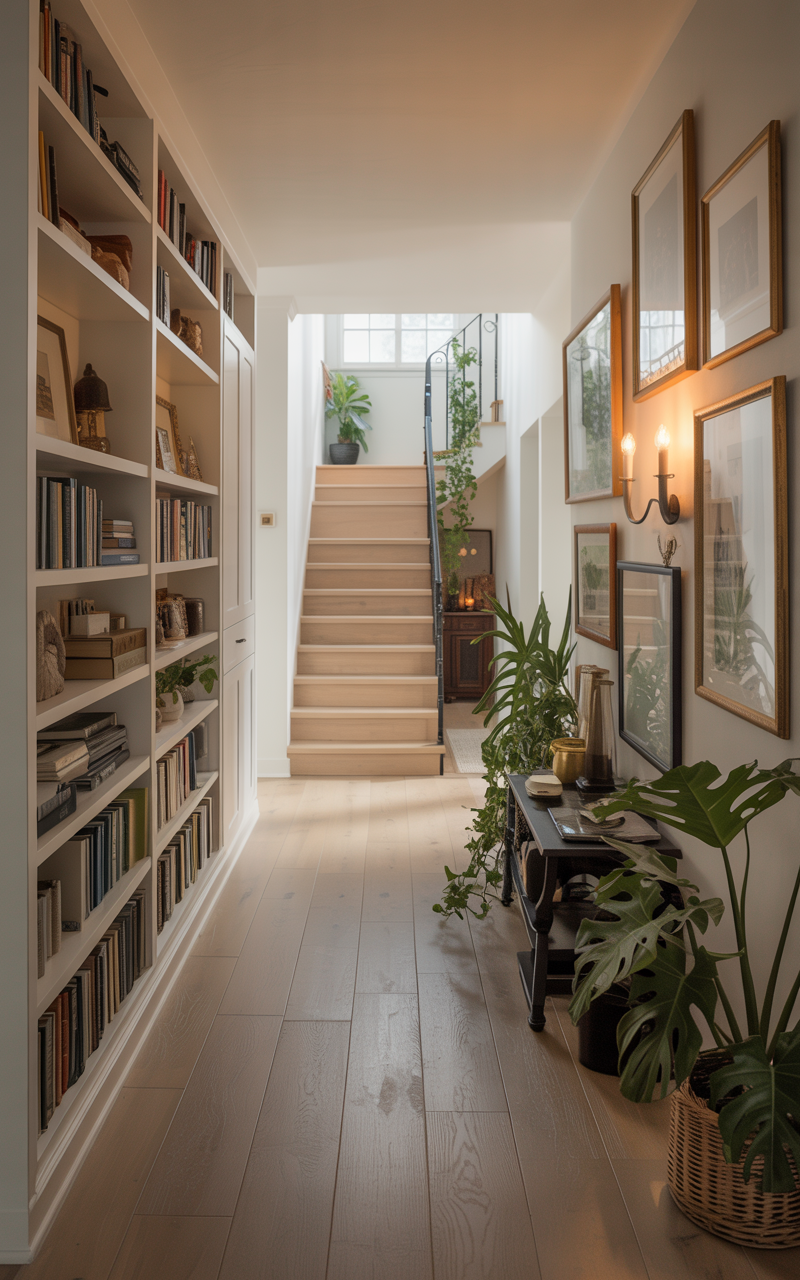
Light-Filled Elegance and Serene Sophistication
Natural light can be one of the most powerful design tools available, and spacious hallways with access to skylights or large windows offer unique opportunities to create breathtakingly beautiful spaces that feel both elegant and serene. This design approach celebrates the interplay between light and space, using both to create an atmosphere of calm sophistication.
A large skylight can transform an ordinary hallway into a dramatic, light-filled gallery where white walls and soft gray accents create a backdrop that feels both contemporary and timeless. The abundance of natural light makes colors appear more vibrant and spaces feel more generous, while creating an ever-changing display as the light shifts throughout the day.
The key to maximizing this type of natural lighting lies in choosing complementary elements that enhance rather than compete with the light. A carefully curated gallery of soft-toned artwork can add visual interest and personality without overwhelming the space or detracting from the beautiful natural illumination. The artwork should be chosen and arranged to create a quiet sophistication that feels intentional and cohesive.
Candlelit surfaces and delicate floral arrangements can add warmth and subtle decorative elements that complement the natural light without competing with it. These softer touches help create a layered lighting scheme that ensures the space remains welcoming and comfortable even when natural light is limited, such as during evening hours or cloudy days.
This approach represents the perfect marriage of modern design sensibilities with timeless elegance, creating spaces that feel both current and enduring. It’s particularly effective in contemporary homes or modern renovations where clean lines and abundant natural light are already part of the architectural vocabulary.
Part III: Functional Solutions for Family Living
Modern families need hallway spaces that work as hard as they do, providing practical solutions for daily life while maintaining the style and beauty that make a house feel like a home. The challenge lies in creating spaces that can handle the demands of busy family life while still feeling intentional and well-designed rather than purely utilitarian.
Stylish Organization with Rustic Appeal
One of the most successful approaches to family-friendly hallway design combines rustic charm with smart organizational solutions, creating spaces that feel both welcoming and highly functional. This design philosophy recognizes that families need places to store and organize the items that accumulate in daily life, from backpacks and jackets to sports equipment and seasonal accessories.
A built-in row of hooks paired with a sturdy wooden bench creates the foundation for this type of functional design. The hooks provide immediate storage for coats, bags, and other items that family members need to grab quickly as they come and go, while the bench offers a convenient place to sit while putting on shoes or sorting through belongings. This combination creates what designers often call a “drop zone” – a designated area where family members can easily manage their daily essentials.
The aesthetic appeal of this approach comes from the careful selection of materials and finishes that feel both durable and beautiful. Muted sage wall panels, for instance, can provide a rustic yet clean-lined backdrop that feels fresh and contemporary while hiding the inevitable scuffs and marks that come with heavy family use. The sage color is particularly effective because it’s both calming and practical, providing a neutral backdrop that works with a wide variety of accessories and seasonal decorations.
Neutral-toned accessories play a crucial role in tying this type of design together. A woven basket tucked beneath the bench can provide hidden storage for items like gloves, scarves, or pet supplies, while hanging greenery adds life and freshness to the space without requiring extensive maintenance. These natural elements help soften the utilitarian aspects of the design while reinforcing the rustic aesthetic that makes the space feel warm and welcoming.
This approach is particularly effective for families with children, as it provides clear, accessible storage solutions that even young family members can use independently. The durability of the materials and finishes means the space can handle heavy use while continuing to look intentional and well-maintained.
### Memory Walls and Family Galleries
For families who want to celebrate their shared history and create spaces that truly reflect their lives together, the hallway gallery wall represents one of the most meaningful and personal design approaches available. This concept transforms the hallway into a curated display of family memories, achievements, and milestones that tells the story of the people who live in the home.
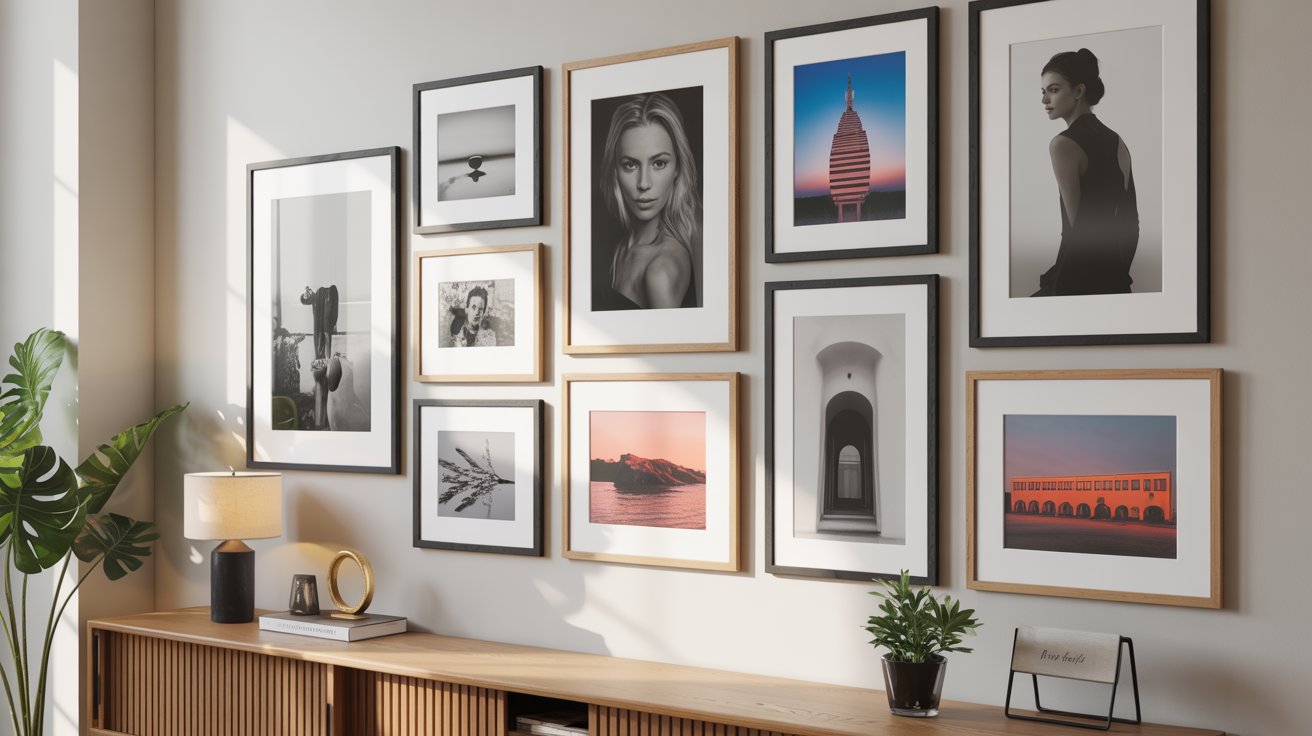
The foundation of a successful family gallery lies in thoughtful curation and consistent presentation. Matching gold frames arranged in a perfectly organized grid pattern create a sense of cohesion and intentionality that elevates family photographs from casual snapshots to a sophisticated art installation. The key is maintaining consistent spacing and alignment, which creates a professional, gallery-like appearance that feels both polished and personal.
The supporting elements in this type of design should reinforce the warm, family-focused atmosphere while providing practical functionality. Light wood railings and rich flooring create a grounded, traditional feel that suggests stability and permanence – qualities that families value in their homes. A round rustic table positioned strategically in the hallway can serve multiple purposes, providing a surface for fresh flowers, books, or seasonal decorations while creating a natural gathering point that encourages family members to pause and connect.
The addition of hallway carpeting or runners serves both practical and aesthetic purposes in family-focused designs. From a practical standpoint, carpeting helps reduce noise transmission between floors and provides a softer surface for children who might be playing or sitting on the floor. Aesthetically, a well-chosen runner can help define the space and create visual continuity that draws family members and guests through the hallway while highlighting the gallery display.
This type of design creates what psychologists call “environmental storytelling” – the space itself tells the story of the family’s life together, creating a sense of belonging and continuity that’s particularly important for children’s emotional development. It’s also highly adaptable, as new photographs and mementos can be added over time, allowing the display to grow and evolve with the family.
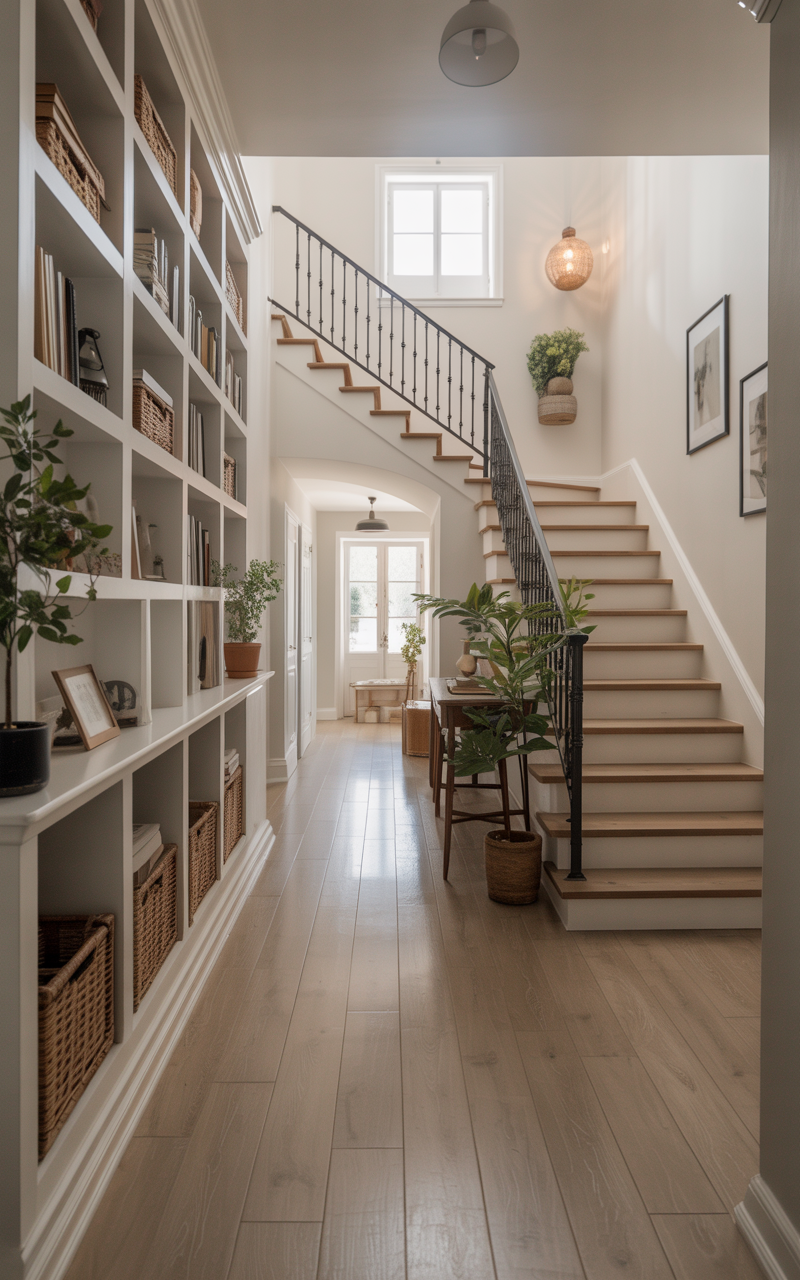
Multi-Generational Comfort and Timeless Appeal
Some hallway designs need to work for multiple generations, accommodating the needs of grandparents, parents, and children while maintaining a sense of style that feels appropriate for all ages. This type of design challenge requires careful attention to both aesthetic and functional considerations, creating spaces that are beautiful enough for adults to appreciate while practical enough for children to use comfortably.
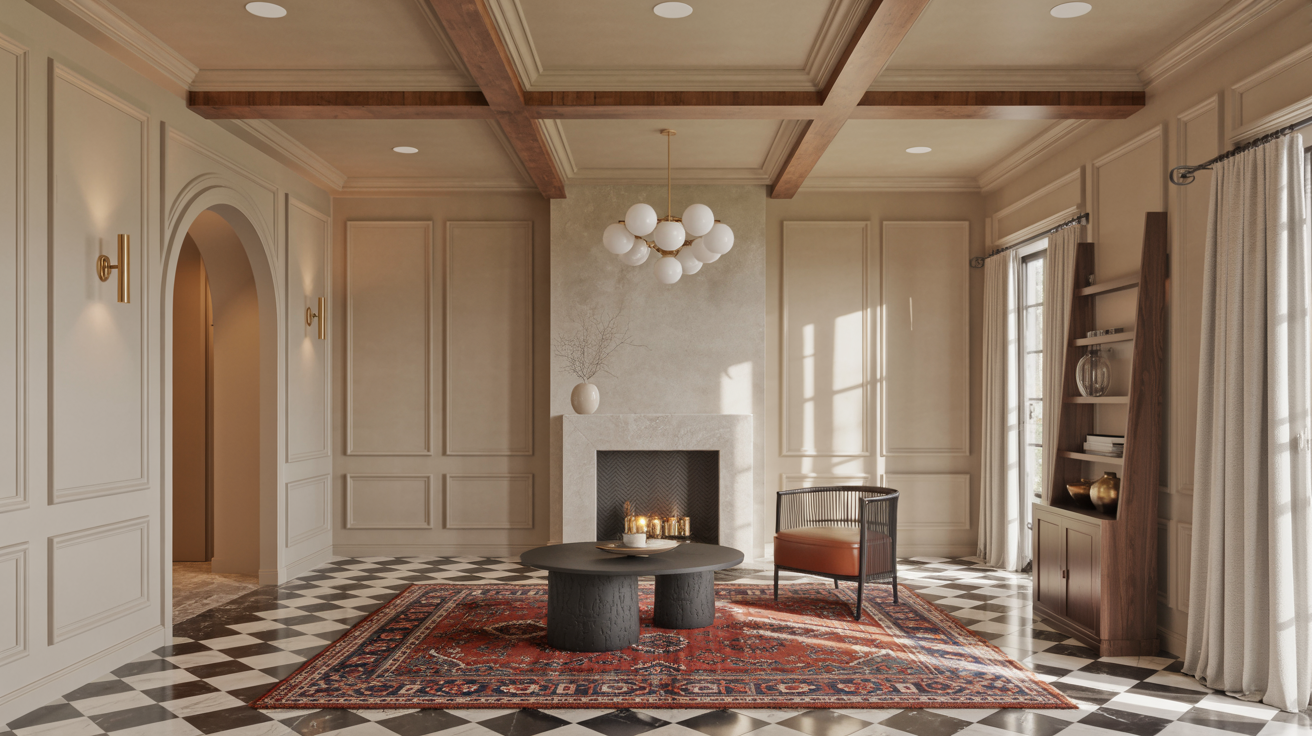
Traditional design elements often provide the best foundation for multi-generational spaces because they tend to have broad appeal and proven longevity. Classic tapestry and soft wall paneling, for instance, can create a sense of timeless elegance that feels appropriate for formal occasions while remaining comfortable and welcoming for everyday family life. These traditional elements also tend to age gracefully, developing character and patina over time rather than looking dated or worn.
Curved staircase railings and wall sconces add architectural interest and sophisticated lighting while maintaining the safety and functionality that’s essential for family spaces. The curved lines of traditional railings are often easier for elderly family members to grip comfortably, while wall sconces provide ambient lighting that’s both beautiful and practical for navigating stairs safely.
Floating plant shelves represent a perfect example of how traditional and contemporary elements can work together in multi-generational spaces. They provide opportunities to add life and color to the space through plants and flowers, while their clean, floating design feels fresh and contemporary. This type of element can be appreciated by design-conscious adults while providing opportunities for children to learn about plant care and responsibility.
The inclusion of structured seating, such as a striped bench, provides formal seating options that work for adult conversations while offering children a place to sit and read or play quietly. The key is choosing pieces that are both beautiful and durable, able to withstand the wear and tear of family life while maintaining their aesthetic appeal over time.
Part IV: Artistic Expression and Statement-Making Designs
For homeowners who view their living spaces as canvases for creative expression, hallways offer unique opportunities to make bold artistic statements that reflect personal style and create memorable experiences for both residents and guests. These approaches embrace the idea that transitional spaces can be just as important and impactful as primary living areas.
Gallery Walls and Artistic Installations
The concept of transforming a hallway into a personal art gallery represents one of the most sophisticated approaches to hallway design, creating spaces that function as both passageways and curated exhibitions. This design philosophy treats the hallway as a legitimate room in its own right, worthy of the same attention and investment as any other space in the home.
The foundation of a successful hallway gallery often begins with a dramatic backdrop that can support and enhance the artwork being displayed. A large floral mural, for instance, can create an immersive environment that transforms the entire hallway into an artistic experience. This type of bold wallpaper treatment requires confidence and commitment, but when executed well, it creates a space that guests will remember long after their visit.
The key to balancing such a dramatic backdrop lies in the careful selection and arrangement of complementary elements. Framed photographs and artwork should be chosen to either harmonize with or provide thoughtful contrast to the mural, creating a layered visual experience that rewards closer inspection. The frames themselves become part of the artistic composition, and choosing frames with golden rims or other distinctive details can add another layer of visual interest and sophistication.
Lighting plays a crucial role in gallery-style hallway designs, as proper illumination is essential for showcasing artwork effectively. Unexpected lighting solutions, such as dramatic ceiling fixtures or strategically placed accent lights, can create pools of illumination that highlight specific pieces while adding to the overall theatrical atmosphere of the space.
The flooring in artistic hallways often serves as a grounding element that balances the visual excitement of the walls and ceiling. A dark palette for the flooring can provide a sophisticated foundation that allows the artwork to take center stage, while a black railing can create structural definition that frames the artistic display without competing with it.
This approach works particularly well for homeowners who are serious art collectors or those who want their homes to reflect their creative personalities. It’s also an excellent solution for hallways that connect to home studios, libraries, or other spaces dedicated to creative pursuits.
### Eclectic Charm and Collected Beauty
Some of the most compelling hallway designs emerge from a more eclectic approach that celebrates the beauty of collected objects and the patina that comes with time and use. This design philosophy embraces imperfection and individuality, creating spaces that feel authentic and personal rather than professionally staged.
The centerpiece of this approach might be a carved wood cabinet that serves as both functional storage and artistic focal point. Handcrafted details and the natural variations that come with artisanal work add a sense of soul and authenticity that mass-produced furniture simply cannot match. When paired with a complementary mirror, these pieces create a vignette that feels both intentional and organic.
The beauty of eclectic design lies in its ability to incorporate seemingly disparate elements in ways that feel harmonious and meaningful. A traditional rocking horse might sit alongside a modern vase of tulips, creating a dialogue between old and new that reflects the layered history of the family and home. These unexpected combinations can create visual interest and conversation starters while telling the story of the people who live in the space.
Neutral tones often provide the best foundation for eclectic collections, as they allow individual pieces to shine while creating a cohesive backdrop that prevents the space from feeling chaotic or overwhelming. The key is maintaining a consistent color palette or material theme that ties diverse elements together while allowing each piece to maintain its individual character.
This approach is particularly appealing to homeowners who have collected meaningful objects over time and want to display them in ways that feel intentional rather than cluttered. It’s also an excellent choice for those who appreciate the imperfect beauty of handmade objects and want their homes to reflect values of craftsmanship and authenticity.
### French Country Elegance and Timeless Romance
The French country aesthetic brings a particular type of romantic elegance to hallway design, creating spaces that feel both sophisticated and warmly welcoming. This design approach draws inspiration from the relaxed luxury of French countryside homes, where beauty and comfort coexist in perfect harmony.
The foundation of French country hallway design often rests on a carefully curated palette of soft neutral hues that create a sense of calm and serenity. These gentle colors provide a sophisticated backdrop that can support both traditional and contemporary elements while maintaining the romantic atmosphere that defines this aesthetic. The key is choosing colors that feel warm and inviting rather than stark or clinical.
Traditional decorative elements play a crucial role in establishing the French country aesthetic. Wall moldings add architectural interest and historical reference while creating opportunities for subtle color variation and shadow play. A simple but beautiful mirror can serve as both a functional element and a decorative focal point, especially when chosen with an ornate or vintage-inspired frame that reinforces the romantic theme.
Layered textures are essential to creating the comfortable, lived-in feeling that makes French country design so appealing. A vintage-style rug can ground the space while adding pattern and softness underfoot. Light floral arrangements bring life and natural beauty to the space while reinforcing the connection to nature that’s central to country design philosophy.
The genius of French country design lies in its ability to feel both elegant and approachable, creating spaces that are beautiful enough for special occasions while comfortable enough for everyday living. This balance makes it particularly well-suited for hallways, which need to function as both impressive spaces for guests and comfortable, practical areas for family use.
This aesthetic works particularly well in homes with traditional architecture or those that have been renovated to incorporate period details. It’s also an excellent choice for homeowners who appreciate romantic, feminine design elements while wanting spaces that feel substantial and enduring rather than trendy or temporary.
## Part V: Implementation Strategies and Practical Considerations
Transforming your upstairs hallway from a neglected passageway into a stylish, functional space requires more than just inspiration – it demands careful planning, realistic budgeting, and strategic implementation. The most beautiful design concepts in the world won’t succeed if they’re not adapted to your specific space, lifestyle, and resources.
### Assessing Your Space and Defining Your Needs
Before diving into any hallway transformation project, it’s essential to conduct a thorough assessment of your existing space and clearly define what you hope to achieve. This foundational step will guide every subsequent decision and help ensure that your finished project meets both your aesthetic goals and practical needs.
Start by measuring your hallway carefully, noting not just the length and width but also the ceiling height, the location of doors and windows, and any architectural features that might influence your design choices. Pay attention to how natural light moves through the space throughout the day, as this will significantly impact your color and lighting decisions. Consider the traffic patterns in your home – is this a high-traffic area that needs to accommodate multiple family members moving through quickly, or is it a quieter space that could support more delicate design elements?
Think carefully about your storage needs and how the hallway might help address them. Many families find that upstairs hallways offer valuable opportunities for storing linens, seasonal clothing, or household supplies, but these storage solutions need to be integrated thoughtfully to avoid creating a cluttered or utilitarian appearance.
Consider your maintenance preferences and lifestyle realistically. If you have young children or pets, you’ll want to choose materials and finishes that can withstand heavy use and are easy to clean. If you travel frequently or have a busy lifestyle, you might want to avoid design elements that require frequent maintenance or seasonal updates.
### Budget-Conscious Approaches and DIY Solutions
Creating a beautiful hallway doesn’t require a massive budget, but it does require strategic thinking about where to invest your resources for maximum impact. Some of the most effective hallway transformations focus on a few key elements rather than attempting to change everything at once.
Paint represents one of the most cost-effective ways to dramatically transform any space, and hallways are no exception. A fresh coat of paint in a carefully chosen color can completely change the feeling of a hallway while providing a foundation for other design elements. Consider using paint to create architectural interest through techniques like wainscoting, accent walls, or subtle color blocking that can add visual depth without requiring expensive materials.
Lighting improvements often provide exceptional return on investment in hallway spaces. Replacing a basic overhead fixture with something more substantial and stylish can instantly elevate the entire space. Wall sconces can add both ambient lighting and architectural interest while being relatively affordable and straightforward to install for those with basic electrical skills.
Storage solutions can often be created or improved through DIY projects that don’t require extensive carpentry skills. Simple floating shelves, hooks, or even a basic bench can provide significant functional improvements while adding to the overall design aesthetic. The key is choosing projects that match your skill level and available time while contributing meaningfully to your overall design goals.
Artwork and accessories offer opportunities to add personality and style without major construction or renovation. A carefully curated gallery wall, a beautiful mirror, or a few well-chosen decorative objects can transform the feeling of a space while remaining within a modest budget. The key is choosing pieces that feel intentional and cohesive rather than random or scattered.
### Long-Term Planning and Seasonal Adaptability
The most successful hallway designs are those that can evolve and adapt over time, accommodating changing needs and preferences while maintaining their fundamental appeal. This long-term perspective is particularly important in hallways, which often need to serve multiple functions and accommodate different family members with varying needs.
Consider how your design choices will age and whether they’ll continue to feel appropriate as your family grows and changes. Classic design elements and neutral color palettes tend to have longer lifespans than trendy choices, making them wise investments for spaces that you don’t want to redesign frequently.
Think about seasonal adaptability and how you might modify your hallway design to reflect different times of year or special occasions. Simple changes like switching out artwork, adding seasonal flowers, or incorporating holiday decorations can keep the space feeling fresh and current without requiring major renovations.
Plan for future modifications and improvements by choosing foundational elements that can support various accessories and decorative changes. A well-designed lighting scheme, for instance, can accommodate different artwork or seasonal decorations, while quality built-in storage can adapt to changing organizational needs over time.
## Conclusion: Creating Hallways That Enhance Your Home and Life
The transformation of an upstairs hallway from a neglected afterthought into a stylish, functional space represents more than just an interior design project – it’s an investment in the daily experience of living in your home. Every time you or your family members move through these spaces, you’ll be reminded of the care and attention you’ve invested in creating a home that truly reflects your values and supports your lifestyle.
The key to successful hallway design lies in understanding that these spaces, while transitional in nature, have the potential to significantly impact the overall feeling and functionality of your home. Whether you choose to embrace minimalist serenity, traditional elegance, artistic expression, or family-friendly functionality, the most important consideration is ensuring that your design choices align with your specific needs, preferences, and lifestyle.
Remember that the best hallway designs are those that feel authentic to the people who live with them daily. While inspiration from magazines and design websites can provide valuable starting points, the most successful projects are those that are adapted and personalized to reflect the unique characteristics of your space and the specific needs of your family.
As you embark on your hallway transformation journey, approach the project with patience and flexibility. Some of the most beautiful and functional spaces evolve over time, with elements being added, adjusted, and refined as you live with the space and understand how it functions in your daily life. The goal is not perfection but rather the creation of a space that enhances your home and brings you joy every time you experience it.
Whether your hallway becomes a serene retreat, a functional storage solution, an artistic gallery, or a welcoming family space, the investment you make in thoughtful design will pay dividends in daily satisfaction and long-term home value. Your upstairs hallway has the potential to become one of the most beloved and well-used spaces in your home – it simply requires the vision to see its possibilities and the commitment to bring those possibilities to life.