The entryway, often the first space guests encounter and the last one residents leave, sets the tone for the entire home. In many modern dwellings, particularly apartments and smaller houses, this crucial area is often compact, presenting a unique design challenge. A tiny entryway can quickly become a cluttered bottleneck, overflowing with shoes, coats, bags, and mail, undermining both aesthetics and functionality. However, with thoughtful planning and clever design strategies, even the most diminutive entryways can be transformed into stylish, organized, and welcoming spaces that make a powerful first impression. This comprehensive guide explores innovative ideas to maximize both style and storage in tiny entryways, offering practical solutions, visual inspirations, and actionable advice to help you create an inviting and efficient transition zone in your home.
From multi-functional furniture to strategic use of vertical space and optical illusions, we will delve into various techniques that prove size is not a barrier to creating an entryway that is both beautiful and highly practical. The goal is to ensure that every item has its place, and the space feels open, airy, and reflective of your personal style, rather than cramped and chaotic. By implementing these ideas, you can turn a neglected corner into a hardworking hub that seamlessly integrates with the rest of your home’s aesthetic.
Maximizing Vertical Space: The Key to Small Entryway Storage
In tiny entryways, horizontal space is a luxury often unavailable. This makes vertical space the most valuable asset for storage and organization. Leveraging the height of your walls can dramatically increase storage capacity without encroaching on precious floor area. This approach not only keeps clutter off the ground but also draws the eye upward, making the space feel larger and more expansive.
Floating Shelves and Ledges
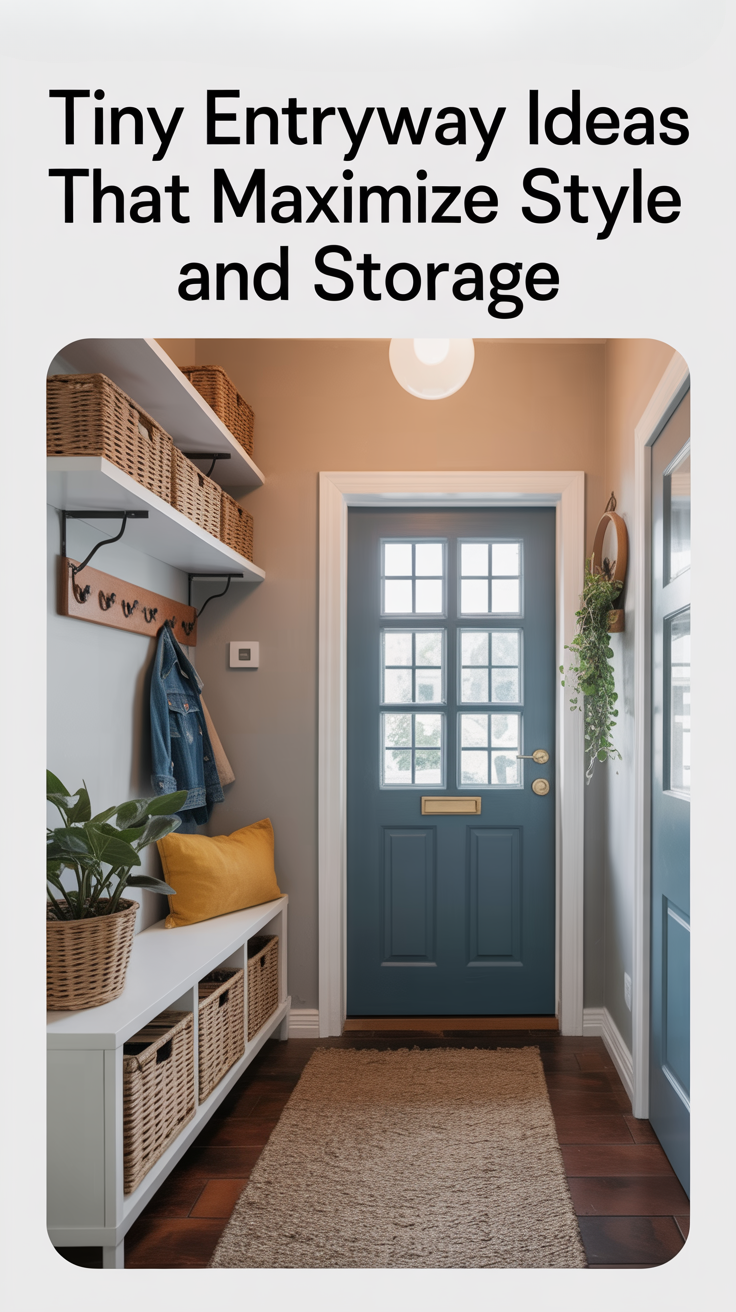
Floating shelves are a minimalist’s dream for small entryways. They provide surface area for keys, mail, decorative items, or even small plants without the bulk of a traditional console table. Their open design prevents the space from feeling cramped, and they can be installed at various heights to accommodate different needs. A single, slim floating shelf above a bench or hooks can serve as a perfect drop zone for everyday essentials. For a more integrated look, consider a floating shelf with a built-in drawer for hidden storage, keeping unsightly items out of view [2]. Ledges, similar to floating shelves but often shallower, offer a subtle way to display art or small decorative accents, adding personality without consuming much space.
Wall-Mounted Hooks and Racks
Hooks are indispensable in a small entryway. Staggered hooks can hold coats, bags, scarves, and even dog leashes, keeping them off chairs and floors. Opt for stylish hooks that complement your decor, turning functional elements into decorative ones. A peg rail, for instance, offers a classic and versatile solution, allowing for flexible arrangement of items [3]. For an even more efficient use of space, consider an over-the-door rack on the back of your front door. This often-overlooked area can provide significant storage for coats and scarves, provided there’s enough clearance for the door to open and close freely [4]. Wall-mounted coat racks, especially those with a slim profile, are excellent for narrow hallways, offering ample hanging space without protruding too much into the walkway.
Tall, Narrow Storage Units
When floor space is minimal, tall and narrow storage units can be a game-changer. Étagères or slim bookcases can take advantage of high ceilings, providing multiple shelves for storage and display. These units are ideal for showcasing plants, books, or decorative baskets that can hold smaller items. Cube storage systems, particularly vertical ones, offer flexible and customizable solutions for corralling clutter. These can be fitted with bins or baskets to hide shoes, hats, or gloves, maintaining a tidy appearance [5]. Lockers, while less common, can also provide robust storage for shoes and other items, especially for families, adding a unique, industrial touch.
Multi-Functional Furniture: Smart Choices for Small Spaces
In a tiny entryway, every piece of furniture must earn its keep by serving multiple purposes. Choosing items that combine storage, seating, and display functions is crucial for optimizing limited square footage. This approach reduces the number of individual pieces needed, thereby minimizing visual clutter and maximizing utility.
Storage Benches and Ottomans
A storage bench is perhaps one of the most versatile pieces for a small entryway. It provides a convenient spot to sit down and put on or take off shoes, while simultaneously offering hidden storage for footwear, bags, or other items that tend to accumulate near the door. Some benches come with built-in drawers or cubbies, making organization even easier. For a touch of whimsy and to completely conceal clutter, a skirted bench can be an excellent choice, providing out-of-sight storage for shoes and leashes. Ottomans with lift-off lids or internal compartments serve a similar purpose, offering flexible seating and discreet storage, and can be easily moved around as needed.
Slim Console Tables and Demilune Tables
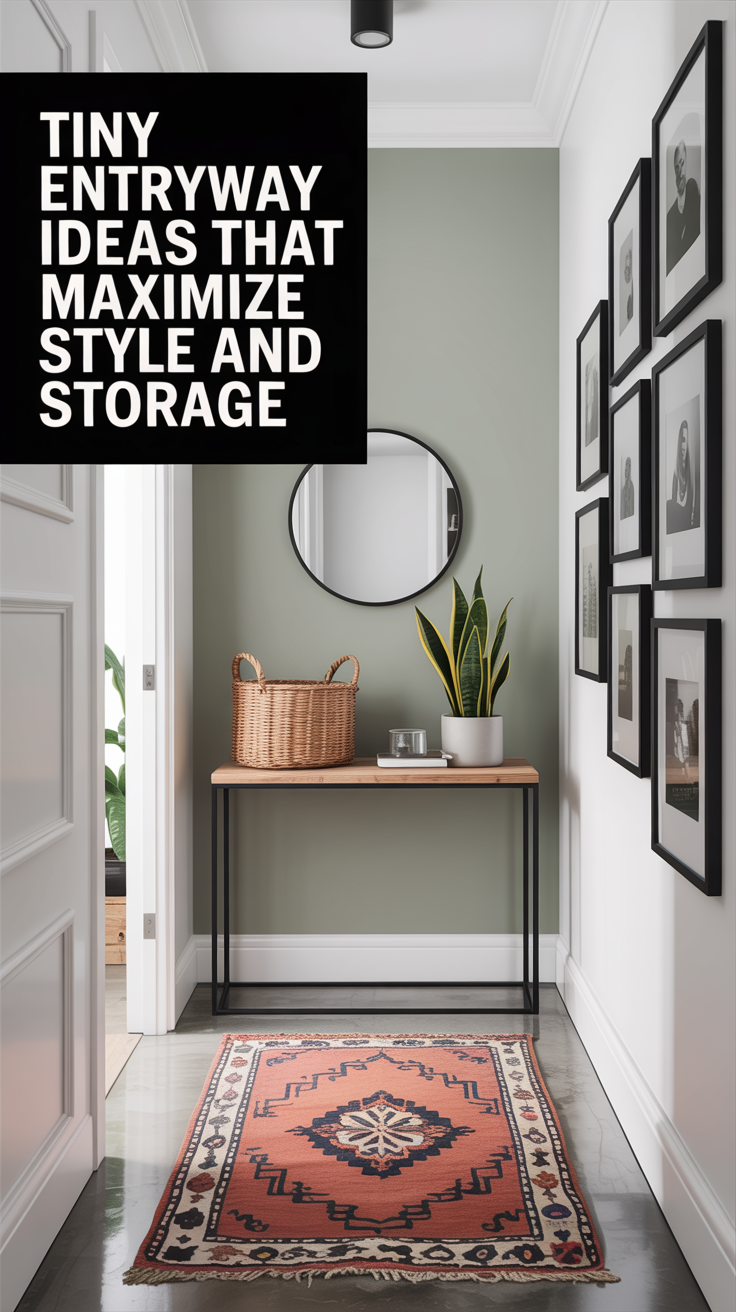
While a traditional, bulky console table might overwhelm a small entryway, slim versions or demilune tables are perfectly suited for the task. A demilune table, with its flat back and curved front, can be pushed flush against a wall, taking up minimal space while still providing a surface for keys, mail, and decorative accents . Many come with a drawer for closed storage, further enhancing their functionality. Similarly, a narrow console table, especially one with open shelving or a lower shelf, can offer valuable storage without feeling visually heavy . Opt for models with clean lines and light finishes to maintain an airy feel. A ‘twofer’ option, such as a mirror with a built-in ledge, can also serve as a mini-console for small essentials without occupying any floor space.
Hall Trees and Entryway Organizers
For those who prefer an all-in-one solution, a hall tree is an excellent choice. These pieces typically combine hooks for coats and bags, a bench for seating, and often a shoe rack or cubbies at the base. Vintage hall trees can add character and charm, while modern designs offer sleek, compact functionality. If a full hall tree is too large, consider a wall-mounted entryway organizer that integrates hooks, a small shelf, and perhaps a mail slot, providing a centralized drop zone for daily essentials. These integrated units are designed to maximize utility in a minimal footprint, ensuring that everything has its designated place upon entering or exiting the home.
Enhancing Style and Visual Appeal: Making a Grand Impression in a Small Space
Beyond functionality, a tiny entryway should also be a visually appealing space that reflects the home’s overall aesthetic. Thoughtful design choices can transform a cramped entry into an inviting and stylish prelude to your living areas. The key is to use elements that not only add beauty but also contribute to the illusion of a larger, more open space.
The Power of Mirrors
Mirrors are perhaps the most effective tool for enhancing both style and the perception of space in a small entryway. A well-placed mirror can reflect light, making the area feel brighter and more expansive. It also provides a convenient spot for a last-minute check before heading out the door. Full-length mirrors are particularly impactful, allowing you to check your entire outfit and visually doubling the perceived size of the entryway. For a more decorative touch, consider a framed mirror with an interesting shape or an ornate frame that serves as a focal point. Pairing a console table with a mirror is a classic combination that offers both utility and aesthetic appeal, creating a designated zone for essentials and decor. Mirrored panels or supersized wall mirrors can make an area feel significantly larger without the need for additional decor items.
Strategic Use of Color and Pattern
Color and pattern play a crucial role in shaping the perception of space. Light and bright colors on walls can make a small entryway feel more open and airy. White, pale grays, and soft pastels are excellent choices for reflecting light and creating a sense of spaciousness. However, a small entryway doesn’t mean you have to shy away from bold choices. A strategically chosen bold wallpaper or a vibrant paint color can add personality and make a powerful statement without overwhelming the space. For instance, a gorgeous mural display can greet guests with artistic flair [17]. Patterned floor tiles can also define the entryway area and add a striking visual element, especially if there isn’t much room for other features. If your entryway has an unconventional layout or disjointed hallways, connecting them visually with a consistent paint color can create a cohesive and stylish flow.
Lighting and Decorative Accents
Proper lighting is essential in any entryway, but especially in a small one, where natural light might be limited. Adequate lighting can make the space feel more welcoming and prevent it from appearing dark and drab. Consider a stylish pendant light or a flush-mount fixture that provides ample ambient light. Wall sconces can add a touch of elegance and provide task lighting without taking up floor space. If possible, frosted windows on the entry door can brighten the space with natural light, making it feel more open and inviting.
Decorative accents, even in a small space, can infuse personality and warmth. A small area rug can define the entryway zone and add texture and color. Wall-mounted plants or a tall floor plant can bring a touch of nature indoors, adding freshness and vibrancy. Art, whether a single bold painting or a curated gallery wall, can create a focal point and add color and dimension. Even a small stool, beyond its functional purpose, can add a dose of texture and visual interest. The key is to choose accents that are proportionate to the space and don’t contribute to clutter, ensuring that each item serves a purpose, whether functional or aesthetic.
Practical Tips for Organization and Maintenance: Keeping Clutter at Bay
Even with the most ingenious storage solutions and stylish decor, a tiny entryway can quickly revert to a state of disarray without consistent organization and maintenance. Implementing practical habits and utilizing small, smart accessories can make a significant difference in keeping your entryway functional and aesthetically pleasing.
Declutter Regularly
The first and most crucial step in maintaining an organized entryway is regular decluttering. Designate a specific time each week to sort through items that have accumulated. This includes mail, keys, loose change, and any other miscellaneous objects. Encourage family members to put items away immediately upon entering the home, rather than letting them pile up. A small catch-all dish or tray on a console table or floating shelf can provide a temporary home for keys and wallets, preventing them from being scattered.
Implement a Shoe System
Shoes are often a major contributor to entryway clutter. A dedicated shoe system is essential. This could be a shoe cabinet, a shoe rack under a bench, or even simple baskets. The IKEA Bissa cabinet is often recommended for its slim profile and ability to hide shoes without visual chaos. For families, assigning each member a designated spot for their shoes can help maintain order. Consider a ‘shoes-off’ policy at the door to minimize dirt tracking and keep the entryway cleaner.
Utilize Baskets and Bins
Baskets and bins are invaluable for containing smaller items and maintaining a tidy appearance. They can be placed on shelves, under benches, or even integrated into cube storage units. Use them to store hats, gloves, scarves, pet supplies, or even reusable shopping bags. Choosing baskets with lids can further enhance the clean look by hiding contents from view. Seagrass baskets, for example, add texture and warmth while providing hidden storage.
Create a Drop Zone
A designated ‘drop zone’ is a small area where you can immediately place items upon entering. This could be a small section of a floating shelf, a console table, or even a wall-mounted organizer. The key is to make it convenient and intuitive. This zone should ideally include hooks for keys, a spot for mail, and perhaps a small tray for sunglasses or other pocket contents. The goal is to prevent items from migrating further into the home and creating clutter elsewhere.
Personalize with Purpose
While functionality is paramount, don’t forget to infuse your personality into the space. A small piece of art, a favorite plant, or a unique decorative object can make the entryway feel more welcoming and less utilitarian. However, be mindful of scale; choose items that are proportionate to the space and don’t add to visual clutter. Every item should either serve a purpose or bring you joy, contributing to both the style and the serene atmosphere of your tiny entryway.
A tiny entryway, far from being a design limitation, presents a wonderful opportunity for creative problem-solving and thoughtful design. By embracing strategies that maximize vertical space, incorporate multi-functional furniture, and enhance visual appeal through clever use of color, mirrors, and lighting, even the smallest entry can become a highly efficient and stylish gateway to your home. The key lies in intentional choices: selecting pieces that serve dual purposes, utilizing every available inch of wall space, and maintaining a consistent approach to organization. Remember that the entryway is more than just a pass-through; it’s the first impression your home makes and the last one it leaves. With the right ideas and a commitment to decluttering, your tiny entryway can transform from a source of frustration into a beautifully organized and welcoming space that reflects your personal style and enhances the overall flow of your home. It proves that with smart design, even the smallest spaces can achieve grand results.