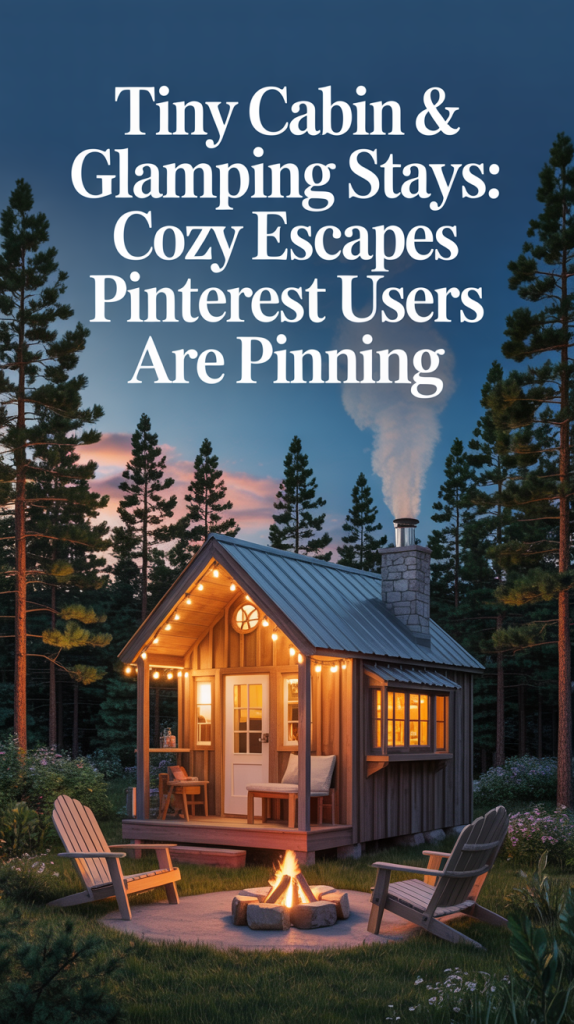
There’s a special kind of magic in tiny cabins and glamping hideouts: the way woodsmoke smells at dusk, how string lights halo the trees, the quiet that lets you hear your own thoughts again. Over the past few years Pinterest boards have filled with dreamy photos of tiny cabins tucked into pines, bell tents rimed with fairy lights, A-frame getaways balanced over lakes, and luxe safari tents with plunge pools. These mini-escapes offer something we crave more than ever: experience over stuff, sleep under stars instead of fluorescent bulbs, and a chance to press pause.
This long, practical guide will walk you through everything you need to know to plan, find, and enjoy the coolest tiny cabin and glamping getaways — from where to look and how to score the best hideouts, to packing lists, design inspo, ethical tips, activities, and sample itineraries. Bookmark it, pin it, and use it to plan the kind of cozy escape people write home about.
Why Tiny Cabins & Glamping? The Appeal of Small, Wild Escapes
Before we get tactical, let’s talk about why these escapes have captured hearts:
Accessible immersion in nature. You don’t need weeks or expert gear. Many glamps include cozy beds, heat, and sometimes private bathrooms — all close to hiking, water, or skiing.
Design-forward retreats. Tiny cabins, yurts, and geodesic domes are often lovingly designed: reclaimed wood, built-in benches, vintage textiles, curated light fixtures — Instagram and Pinterest gold.
Disconnect becomes easy. With limited outlets and no constant hum of city life, devices naturally lose their grip.
Micro-adventures = big mental health gains. Shorter stays still reduce stress and restore creativity.
Flexible budgets. You can splurge on a luxe safari tent or book a rustic tiny cabin that’s incredibly affordable — there’s an option for practically every wallet.
Types of Tiny Cabin & Glamping Stays (so you can choose your vibe)
Not all glamps are created equal. Here’s a quick tour of the most popular formats so you can match the shelter to your mood:
Tiny Cabins & Micro-Homes
Solid structures, sometimes with kitchens and bathrooms, often off-grid or partially off-grid.
Vibes: hygge, rustic modern, Scandinavian minimalism.
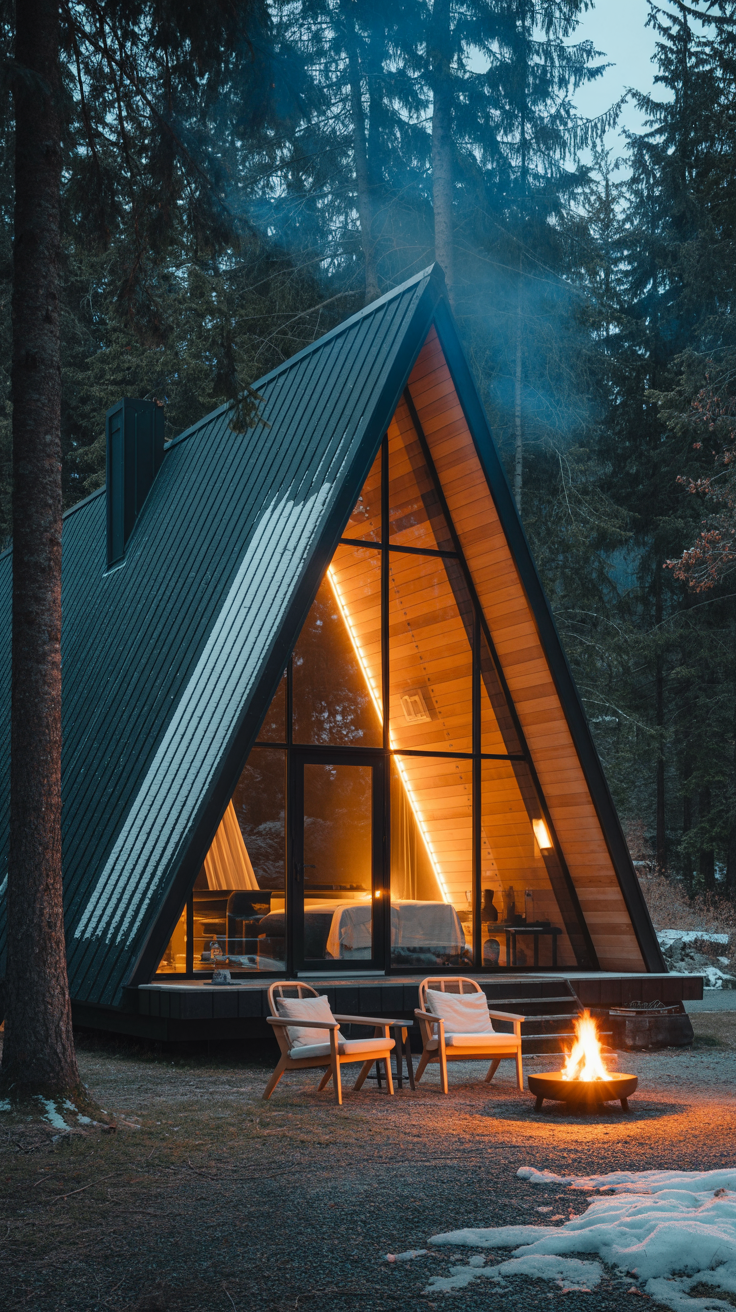
A-Frames
Iconic triangular silhouettes, often large windows and lofted sleeping areas.
Vibes: mid-century or contemporary cabin chic.
Yurts
Circular canvas structures on wooden platforms, with lots of light and often a wood stove.
Vibes: nomadic romance, boho comfort.
Safari/Canvas Tents
Elevated platforms with real beds, rugs, and sometimes en-suite bathrooms; perfect for a luxe “outdoorsy” feel.
Vibes: safari-glam, romantic.
Domes & Geodesic Structures
Futuristic shapes with panoramic windows and unique interior layouts.
Vibes: modern, stargazing-focused.
Shepherd’s Huts & Converted Trailers
Cozy, on-wheels or fixed micro-cottages loaded with charm and character.
Vibes: vintage, whimsical.
Treehouses
Suspended among branches — a childhood dream made adult-comfortable.
Vibes: high-adventure with comfort.
Cabins with Tiny Luxuries
Private hot tubs, wood-fired saunas, outdoor showers, or private lakes make these extra special.
Where to Find the Coolest Glamping Hideouts: Platforms & Search Strategies
Finding truly memorable glamping stays takes more than typing “glamping near me.” Use multiple channels and these search tricks to locate the best spots.

1. Dedicated Glamping Platforms
Glamping Hub and Hipcamp are curated marketplaces for tents, yurts, cabins, and tiny houses. They let you filter by amenities (bathrooms, hot tubs, pet-friendly), location, and property type.
Pluses: Good filters, host previews, and often higher-quality listings.
Must-do: Read recent reviews — they often reveal the vibe, noise, and any quirks.
2. General Short-Term Rental Sites
Airbnb and Vrbo still host a huge variety of tiny cabins and A-frames. Use search filters for “unique stays” or search specific keywords (“A-frame,” “yurt,” “tiny cabin”).
Pro tip: Use the map feature to find clusters of stays in scenic regions (lakes, national parks).
3. Local Glamping Operators & Ranches
Small local operators may not list on major platforms. Search “glamping” + the region name (e.g., “glamping Shenandoah Valley”) and check the operators’ own sites for promo photos, event calendars, and special packages.
4. Instagram & TikTok (Visual Discovery)
Hashtags like #TinyCabin, #GlampingLife, #AFrameCabin, #YurtLife are gold for visual inspiration. Many hosts post there and link to direct booking pages.
Use saves and collections to compile favorites for a future trip.
5. Pinterest (of course!)
Search curated boards: “Tiny Cabin Getaways,” “Cozy Glamping,” or “A-Frame Cabin Escapes.” Pinterest pins often link directly to blogs, booking pages, or small holiday rental websites you won’t find otherwise.
6. Facebook Groups & Local Tourism Pages
Regional “short-term rentals” groups and outdoor recreation groups sometimes share hidden gems. Local tourism websites list permitted glamping sites and authorized operators — great for planning in protected areas.
7. Word of Mouth & Newsletters
Boutique hosts sometimes open a limited number of bookings via email newsletter. If you find a host you love, sign up for their waitlist.
How to Evaluate a Listing — What to Look For (and What to Ask)
A great photo doesn’t guarantee a great stay. Use this checklist to avoid disappointment.
Photos: Look for cues
Clear night and daylight photos. If a listing only shows stylized daylight shots, ask for nighttime photos (to judge outdoor lighting).
Multiple angles. Good listings show the sleeping area, bathroom, exterior, and views.
Detail shots. Look for heating sources, kitchen setup, and finishes.
The Fine Print: Amenities & Logistics
Bathroom situation. Is it indoor plumbing or composting toilet/outdoor shower?
Heating & cooling. Wood stove? Electric heater? These matter in shoulder seasons.
Accessibility. How far from the road? Is there a steep walk or stairs?
Power & Wi-Fi. If you need a digital detox, great; if you need to check email, confirm connectivity.
Cooking setup. Full kitchen, kitchenette, or just a campfire grill?
Parking & check-in. Is the parking spot a walk away? Do you need 4×4 in winter?
Pets. If you plan to bring pets, confirm pet policy and any area restrictions.
Reviews: Read deeply
Recent reviews first. These reflect current host standards.
Noise & pests. Look for mentions of road noise, neighbor behavior, or insects.
Host responsiveness. Great hosts are communicative and give local tips.
Questions to Message the Host
“Is the water year-round and safe to drink?”
“How far is the nearest grocery or gas station?”
“Do you provide firewood, cookware, or bedding?”
“Is there good mobile reception?”
“Any rules about campfires or generator use?”
When to Book & How to Score the Best Spots
Small, unique properties fill fast. Here’s how to win:
Book shoulder seasons for quieter, cheaper stays where weather is still pleasant (late spring, early fall).
Weekdays beat weekends. If you can travel Monday–Thursday, you’ll face lower prices and more availability.
Last-minute openings can show up; set notifications on listings and check between 1–3 weeks prior for cancellations.
Off-peak deals: Many boutique hosts offer discounts for longer stays (3+ nights) or midweek bookings.
Be flexible: If you’re open to a region rather than a specific property, you’ll find more options.
Loyalty & referral programs: Some platforms or hosts reward repeat bookings or referrals.
What to Pack for Cozy Glamping & Tiny Cabin Trips
Less is more — but not too little. Here’s a pragmatic packing list optimized for comfort and joy.
Essentials
Layers: base layers, fleece, lightweight puffer, rain shell
Comfy pajamas and slippers
Wool socks (seriously)
Comfortable shoes for hiking and camp shoes for lounging
Reusable water bottle and a thermos for coffee
Headlamp or quality flashlight (with spare batteries)
Phone charger and power bank (unless you’re happy offline)
Personal toiletries & quick-dry towel
Prescription meds and basic first-aid kit

Cozy Extras
Favorite mug and coffee or tea
Portable speaker for music
Soft throw or blanket (if you prefer your own)
A good book or journal
Travel board game or cards
Binoculars for birding and stargazing app on your phone
Outdoor & Safety
Bear spray (where needed) and food storage containers
Waterproof matches/lighter and small campfire kit
Map, compass, or offline map downloaded to your phone
Weather-appropriate gear (microspikes in winter, sun hat in summer)
Activities to Make Your Tiny Cabin or Glamping Stay Memorable
Getting outdoors is the point — but leave room to savor slow moments, too. Here’s a balanced activity list.
Low-effort, high-reward
Morning coffee at sunrise. Bring a travel mug and pick a view.
Simple nature walks — no need for epic hikes; a 30–60 minute loop often does wonders.
Stargazing. Download a stargazing app and let your eyes adjust after an unplugged night.
Photography walk. Tiny cabins and surrounding textures are perfect for casual photography.
Adventure & exploration
Hiking & trail scouting tailored to your fitness level.
Kayaking or paddleboarding if the property has water access.
Mountain biking near many cabin communities.
Snowshoeing or cross-country skiing in winter destinations.
Cozy & social
Board games or puzzle night by candlelight.
Campfire cooking: s’mores, foil packet dinners, or cast-iron skillet desserts.
Outdoor soak: private hot tub or a heated plunge if available.
Wellness sessions: morning stretching, guided meditation, or couple’s yoga.
Design & Styling Tips for the Perfect Tiny Cabin Mood (Pin-worthy perfection)
Whether you’re booking or building your own tiny retreat, these elements help create a universally cozy and photogenic atmosphere.
Layered textiles: throw blankets, textured rugs, and mixed pillows amp cozy vibes.
Warm ambient lighting: fairy lights, lanterns, and bedside lamps beat harsh overhead lights.
Natural materials: wood, stone, and woven baskets keep the cabin grounded.
Functional built-ins: benches with storage, foldout beds, and modular shelving optimize tiny spaces.
Scent & sound: a wax candle, essential oil diffuser, or a playlist set the tone.
Curated clutter: keep surfaces minimal but meaningful — a stack of books, a map, and a small vase with local greens.
Sustainability & Responsible Glamping
Part of the joy of escaping to nature is preserving it. Be thoughtful about how you travel and stay.
Leave no trace. Pack out trash, avoid hiking off designated trails, and respect wildlife.
Support local hosts & businesses. Buy firewood, food, and gifts locally when possible.
Mind water use. Many off-grid places have limited water supply.
Ask hosts about waste systems. Composting toilets and greywater systems need special handling.
Use refillable containers for toiletries and bring reusable cutlery and plates.
Safety & Etiquette (so your cozy escape stays cozy)
Confirm emergency routes. Know where the nearest hospital and ranger station are.
Respect quiet hours and neighbors — many tiny cabin sites have close proximity.
Fire safety. Follow local rules about open fires; never leave a campfire unattended.
Keep wildlife secure. Store food properly and never feed wild animals.
Be a considerate guest. Leave the space as you found it and communicate clearly with hosts.
Sample 2-3 Night Itineraries
Here are three plug-and-play itineraries depending on whether you want chill, active, or family-friendly.
A. The Slow Unwind — 2 Nights (Romantic / Restorative)
Day 1: Arrive late afternoon, light the wood stove, cook a simple skillet dinner, and sip local wine by lantern light.
Day 2: Sunrise coffee and reading; midmorning short hike; picnic lunch; nap; sunset hot tub or soak; candlelit board game night.
Day 3: Slow breakfast, pack a to-go pastry from a local bakery, and a scenic drive home.
B. The Adventure Mini-Break — 3 Nights (Active)
Day 1: Arrive, gear check, early evening trailhead hike.
Day 2: Full day of kayaking or mountain biking; riverside cookout; stargazing.
Day 3: Easy hike with viewpoint picnic; visit a nearby farm or town; campfire dinner.
Day 4: Breakfast and depart — stop at a scenic lookout.
C. The Family Cozy Escape — 2 Nights (Kids)
Day 1: Arrive, set up a kids’ craft (pinecone ornaments), family movie night with popcorn.
Day 2: Morning nature scavenger hunt; easy hike; build a safe campfire and roast s’mores; bedtime stories in the loft.
Day 3: Pancakes and pack up; stop by a local farm stand on the way home.
Budgeting Your Getaway — How Much Should You Expect to Spend?
Costs vary widely by region, season, and level of luxury. Here’s a rough guide:
Budget rustic cabin: $80–$150/night (basic amenities, shared bathrooms sometimes)
Mid-range tiny cabin / yurt: $150–$300/night (private bathroom, cozy furnishings)
Luxe glamping site: $300–$800+/night (hot tubs, private bath, premium location)
Tips to save:
Travel in shoulder season.
Book midweek.
Share costs with friends for a group stay.
Look for last-minute deals or longer-stay discounts.
The Little Extras That Make a Big Difference
Pack a favorite playlist that fits the escape mood.
Bring a small binocular for birding and distant views.
Include a printed map or film camera to disconnect and make analog memories.
Prep one special meal (cooked in advance and reheated) so you can fully relax on arrival night.
Wrapping Up: The Tiny Cabin Mindset
Tiny cabins and glamping stays are more than pretty photos — they’re a practical way to reconnect, rest, and rebuild perspective. The best getaways strike a balance between simplicity and comfort: good bedding, ambient light, a place to make coffee at sunrise, and a landscape that invites slow exploration.
When searching for your next escape, lean into visuals to discover options (Pinterest, Instagram), but let logistics and reviews guide your choice. Plan thoughtfully, pack what you’ll actually use, and prioritize experiences over checklists. And when you open the door to your tiny cabin, breathe in intentionally: you’re not just stepping into a shelter, you’re stepping into a different pace.
Ready to pin the perfect hideout? Start with a region you love, filter for the “unique stays,” and add a cozy blanket to your packing list. The quiet, the stars, the hush of a forest morning — it’s waiting.