For decades, the bedroom has been a largely functional space, a room defined by its primary purpose: sleep. Its design has often been an afterthought, a private domain secondary to the more public-facing areas of the home like the kitchen and living room. However, a profound cultural shift is underway. As the lines between work and home continue to blur and the collective consciousness gravitates towards mindfulness and mental health, the bedroom is being radically reimagined. No longer just a place for rest, it is transforming into a sanctuary—a meticulously crafted environment engineered for holistic wellbeing.
In 2026, the concept of luxury in the bedroom is not about opulence, but about restoration. It is a physiological experience, a haven designed to quiet the mind, soothe the senses, and recharge the human spirit. This evolution is manifesting in three powerful, interconnected design movements: the Color-Drenched Bedroom, the Cocoon Bedroom, and the Analog Bedroom. Together, they represent a new chapter in interior design, one where our most personal spaces become our most powerful tools for self-care. As one designer aptly puts it, “Wellness is no longer an extra room; it has become a main consideration that clients have in mind from the beginning of the design process.” This shift reflects a deeper understanding that our homes, and particularly our bedrooms, are not just shelters but active participants in our physical and mental health.
The Color-Drenched Bedroom: An Immersion in Serenity
The era of the sterile, all-white bedroom is officially drawing to a close. In its place, a bold and deeply atmospheric approach is taking hold: color drenching. This technique involves enveloping a room—walls, trim, ceiling, and sometimes even furniture—in a single, saturated hue. The effect is a profound sense of immersion, a cohesive and enveloping quality that eliminates the visual noise of contrasting surfaces. By removing the hard stops where one color ends and another begins, the eye can relax, allowing the brain to enter a state of repose more quickly. This is not about loud, jarring color, but about rich, nuanced tones that create a specific mood.
Interior designers are turning to sophisticated palettes to achieve this effect. Deep blue-grays, smoky olive greens, and earthy, clay-inspired shades are proving particularly popular. These colors are chosen for their psychological impact; they are grounding, calming, and read as serene by day and deeply sophisticated by night. As designer Zoë Feldman notes, “Painting walls, trim, and ceilings in one rich hue turns a bedroom into a cohesive, atmospheric retreat.” This approach can also have a surprising effect on the perception of space. By blurring the boundaries of the room, color drenching can make smaller bedrooms feel larger and more expansive, creating a boundless, infinite quality.
The trend extends beyond paint. Monochromatic bedding, headboards, and drapery are used to layer tones within the same color family, adding textural depth without breaking the immersive spell. A low, upholstered headboard in a velvet that is a shade darker than the matte walls behind it, paired with linen bedding in a slightly lighter tone, creates a rich, sensory experience. This is sensory minimalism—a design philosophy that prioritizes a layering of textures over a cacophony of colors. The result is a bedroom that feels less like a decorated room and more like a holistic environment, a tranquil womb that insulates its inhabitant from the visual chaos of the outside world.
Moving away from the harsh whites and cold grays that dominated the previous decade, designers are embracing nature-inspired tones that create a grounding effect. Sage and olive greens evoke the calming presence of forests and foliage, while warm beiges and mushroom neutrals bring to mind the earthy comfort of natural landscapes. Soft taupes and clay-inspired shades add warmth without overwhelming the senses. These colors pair beautifully with natural materials, creating a cohesive narrative that connects the interior space to the natural world beyond. The psychological effect is profound: these tones reduce visual noise, allowing the mind to settle and prepare for rest. In a world saturated with stimulation, the color-drenched bedroom offers a respite, a place where the eyes can rest and the mind can wander freely without distraction.
Implementing this trend requires a thoughtful approach. The key is to select a color that resonates personally, one that evokes the desired emotional response. For some, a deep, moody blue-gray might feel like a protective cocoon, while for others, a warm, earthy terracotta might provide the sense of grounding they seek. Once the color is chosen, the commitment must be total. This means painting not just the walls, but also the trim, the ceiling, and even the backs of built-in shelving units. The goal is to create a seamless, unbroken field of color that wraps around the inhabitant. To avoid a flat, one-dimensional look, it is essential to layer in different finishes and textures. A matte wall paint can be paired with a semi-gloss trim in the same color to create subtle variation. Textiles in complementary tones—think tone-on-tone bouclés, sueded plasters, and brushed oaks—add depth and tactile interest without disrupting the monochromatic harmony.
The Cocoon Bedroom: Engineering a Sensory Haven
If color drenching provides visual calm, the “Cocoon Bedroom” trend offers a sanctuary for all the other senses. This movement is about creating a padded, upholstered, and layered environment that prioritizes tactile comfort and, most importantly, acoustic silence. In an increasingly noisy world, silence has become the ultimate luxury, and designers are employing sophisticated techniques to engineer it directly into the bedroom.
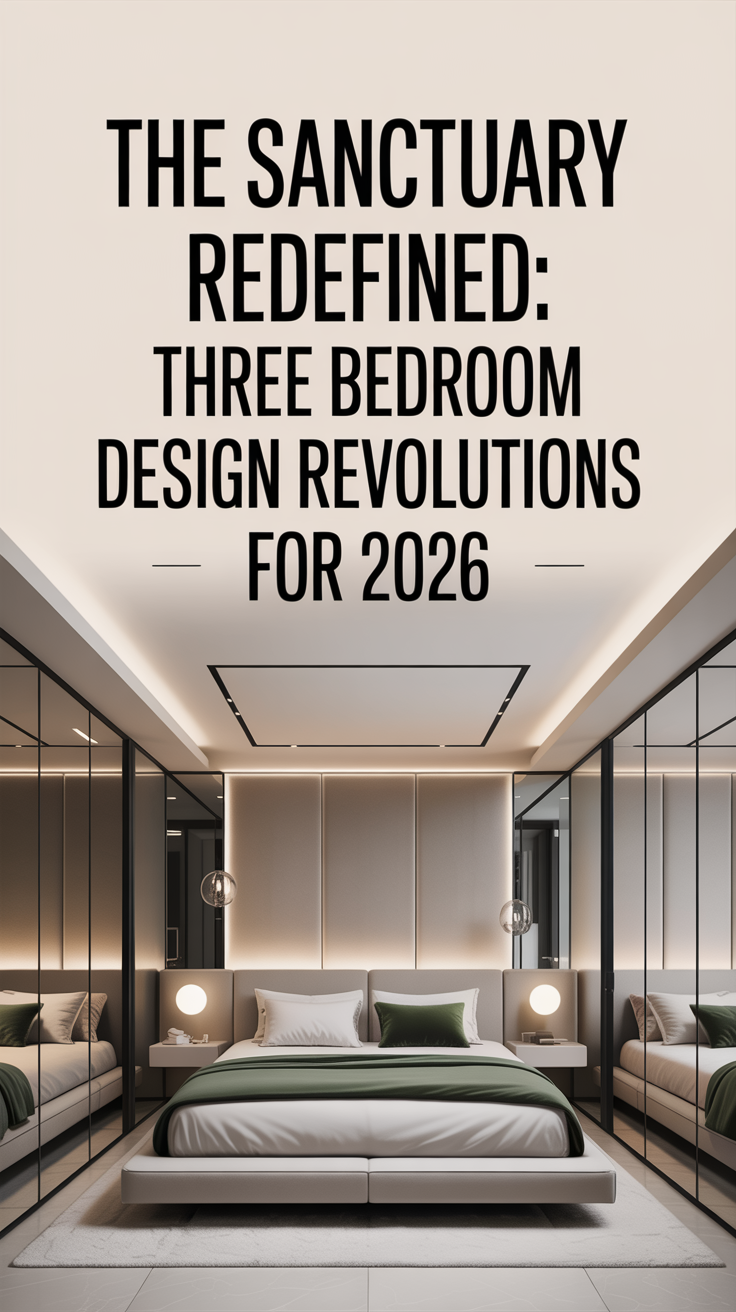
The most prominent feature of this trend is the use of upholstered wall panels. Extending from floor to ceiling, and often wrapping around corners, these soft, padded surfaces do more than just add a touch of visual softness. They are the frontline in the battle against noise. Fabric and padding absorb sound in a way hard surfaces cannot, creating superior sound dampening that can significantly reduce both exterior noise and interior reverberation. This is the secret behind the profound quietness of a high-end hotel room, and it is now becoming a staple of luxury residential design. Materials like silk, mohair, high-performance velvets, and washed linen are being used not just for their beauty, but for their acoustic properties, creating a space that feels as quiet as it looks.
The science behind this is straightforward but powerful. Hard surfaces like drywall, glass, and wood reflect sound waves, causing them to bounce around a room and create echoes and reverberations. Soft, porous materials like fabric and foam, on the other hand, absorb these sound waves, preventing them from bouncing back into the room. When upholstered panels are installed on walls, they act as a buffer, capturing sound before it can reverberate. This is particularly effective in urban environments, where external noise from traffic, neighbors, and street activity can be a constant intrusion. By wrapping the bedroom in soft, sound-absorbing materials, designers are creating a cocoon-like effect, a space that feels insulated from the chaos of the outside world.
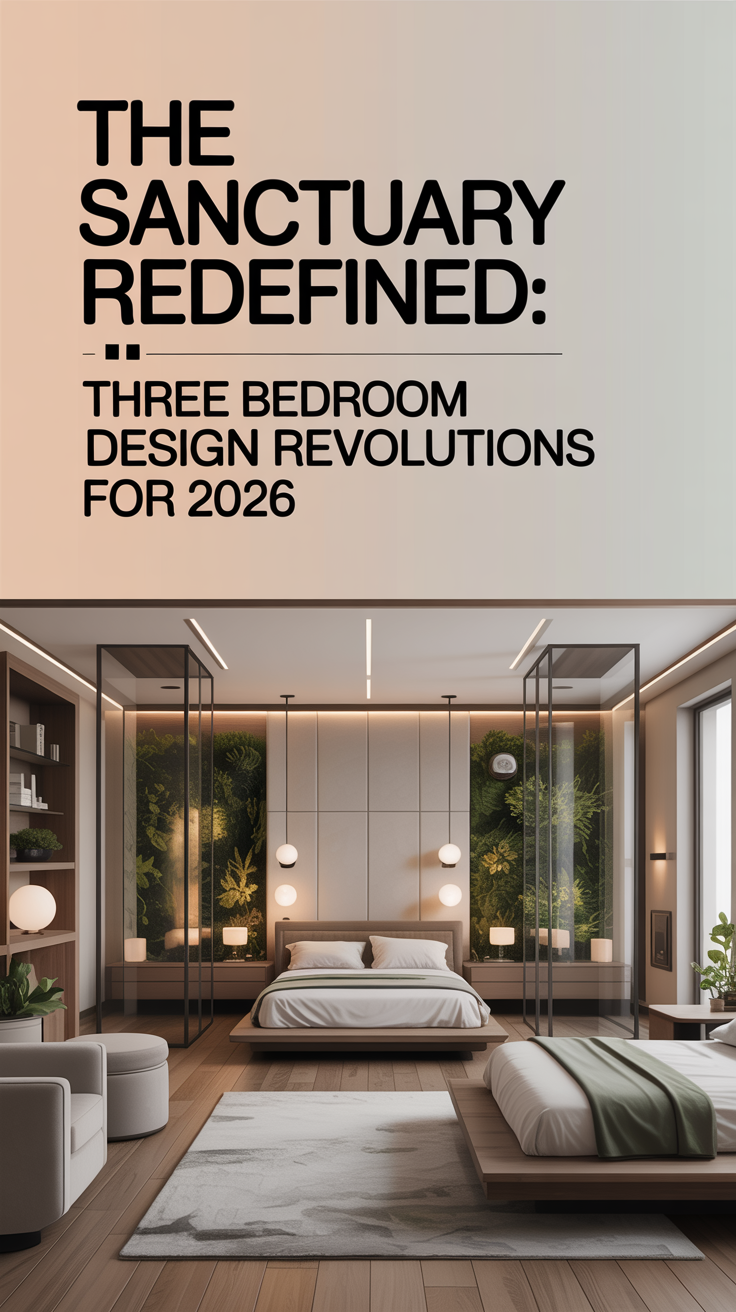
This pursuit of sensory deprivation extends to every surface. Sharp, ninety-degree angles are being replaced by soft, curvilinear forms in a practice known as neuro-ergonomics. Furniture is designed to trigger a psychological sense of safety; arched bed frames, rounded nightstands, and soft, circular seating nooks are psychologically proven to lower heart rates. The furniture is designed to “hug” the inhabitant, reinforcing the bedroom’s role as a protective shell. Underfoot, plush, custom-milled wool carpets and oversized rugs are replacing hard surfaces to absorb footfall and further dampen sound. The tactile experience of walking barefoot on a soft, warm surface is a small but significant pleasure, one that contributes to the overall sense of comfort and wellbeing.
Beyond the visible and tactile, the Cocoon Bedroom is also about engineering the invisible. Atmospheric engineering is becoming a key component of high-end design. Medical-grade HEPA filtration systems are being integrated into millwork to ensure the air is pure, removing allergens, dust, and pollutants that can disrupt sleep and affect respiratory health. Localized humidity control systems maintain a consistent level between 40% and 60%—the optimal range for respiratory health and skin hydration during sleep. These systems operate silently in the background, ensuring that the air is as carefully curated as the furniture and finishes. The result is an environment that supports the body’s natural processes, allowing for deeper, more restorative sleep.
Lighting, too, is a critical layer in the Cocoon Bedroom. The trend is moving far beyond simple dimmers to fully automated circadian lighting systems. These systems mimic the natural arc of the sun, shifting the color temperature of the light throughout the day—from a cool, blue-white light in the morning to promote alertness, to a warm, amber glow in the evening to stimulate melatonin production and prepare the body for sleep. This is achieved through layered, indirect lighting, such as recessed cove lighting that washes walls in a soft glow, reducing glare and creating a gentler visual field. Every element is meticulously calibrated to create an environment that supports the body’s natural rhythms and promotes deep, restorative rest.
The implementation of circadian lighting requires a thoughtful approach to both technology and design. The system typically involves programmable LED fixtures that can shift their color temperature throughout the day. In the morning, the lights are set to a cool 4000K to 6000K range, mimicking the bright, blue-tinged light of dawn. This stimulates cortisol production, helping the body wake up and feel alert. As the day progresses, the lights shift to a more neutral 3500K to 4000K range, providing balanced, focused light for activities like reading or getting dressed. In the evening, the lights transition to a warm 1800K to 2700K range, a soft, amber glow that signals to the brain that it is time to wind down. This shift stimulates melatonin secretion, the hormone responsible for regulating sleep. The lighting is often controlled via a central system that can be programmed to follow a specific schedule, or it can be adjusted manually to suit individual preferences. The key is to avoid bright, overhead lighting in the evening, opting instead for soft, low-level floor lamps and warm LEDs that create a calming atmosphere.
The materials used in the Cocoon Bedroom are chosen not just for their aesthetic appeal but for their tactile and functional properties. Real wood veneers, such as oak and ash, bring warmth and authenticity to the space. Textured fabrics like linen, wool, and bouclé add depth and visual interest while also contributing to the room’s acoustic performance. Matte finishes are preferred over glossy ones, as they absorb rather than reflect light, creating a softer, more restful environment. The focus is on tactile comfort—furniture that looks beautiful but also feels warm and inviting. This emphasis on natural, authentic materials is part of a broader movement towards sustainability and responsible sourcing, with clients increasingly seeking out handcrafted, responsibly sourced pieces that have a clear and ethical provenance.
The Analog Bedroom: Disconnecting to Recharge
The final, and perhaps most culturally significant, trend is the rise of the Analog Bedroom. In a hyper-connected world where digital devices have infiltrated every corner of our lives, a powerful counter-movement is emerging: the deliberate creation of tech-free zones. The bedroom is the epicenter of this movement, with a growing number of homeowners demanding spaces where they can truly disconnect and recharge. Designers report that the “analog bedroom” is now one of their top client requests, a clear indication of a societal shift in our relationship with technology.
This trend manifests in a number of ways. The most direct is the complete removal of technology from the primary bedroom. Televisions, once a common feature, are being banished. Clients are requesting WiFi-free zones, sometimes even going so far as to have designers block the signal from entering the bedroom. The goal is to create a space that is free from the constant hum of notifications, the sleep-disrupting blue light of screens, and the psychological pressure of being perpetually online. As Gray Davis of Meyer Davis states, “Our clients are asking for spaces that feel warmer and more soulful…that support how people actually live and feel.” In 2026, how people want to feel in their bedrooms is, increasingly, disconnected.
The science supporting this trend is compelling. Research has shown that exposure to blue light from screens in the hours before bed can suppress melatonin production, making it harder to fall asleep and reducing the quality of sleep. The constant connectivity enabled by smartphones and laptops can also create a state of hypervigilance, where the brain is always on alert for the next notification or email. This makes it difficult to truly relax and unwind. By creating a tech-free zone in the bedroom, homeowners are giving their brains permission to switch off, creating a clear boundary between the demands of the day and the rest required for the night.
Where technology is deemed essential, it is being seamlessly and invisibly integrated. Televisions are concealed behind moving artwork or within custom panels that slide open only when needed. Charging stations are hidden within nightstand drawers, and smart home controls are accessed via discreet, tactile buttons rather than glowing screens. The focus is on minimizing the digitized presence, allowing the bedroom to return to its primary function as a place of rest. This approach requires careful planning and custom millwork, but the result is a space that feels clean, uncluttered, and free from the visual reminders of the digital world.
This trend is not simply about removing devices; it is about creating new rituals. The space once occupied by a television might now be home to a comfortable armchair and a reading lamp, encouraging a return to analog activities like reading a book. Some designs incorporate a “restorative nook,” a small, dedicated space for meditation or journaling, complete with its own unique lighting scene and ergonomic seating. This acts as a buffer zone, a place for mental transition between the demands of the day and the surrender required for deep sleep. The restorative nook is distinct from a home office; it is not a place for productivity but for reflection and unwinding. It might feature a soft, low-slung chair, a small side table for a cup of tea or a journal, and a warm, dimmable lamp. The goal is to create a space that encourages quiet, contemplative activities that help the mind slow down and prepare for rest.
The Analog Bedroom is a conscious choice to prioritize sleep quality and mental wellness over constant connectivity, a recognition that true rest requires a sanctuary free from the digital world. It is about reclaiming control over our attention and our time, creating a space where we are not servants to our devices but masters of our own rest. This trend is not about rejecting technology entirely but about being intentional about where and when it is allowed into our lives. The bedroom, as the most private and personal space in the home, is the ideal place to draw this boundary.
A Synthesis of Sanctuary
These three movements—Color-Drenching, the Cocoon, and the Analog Bedroom—are not isolated trends but a deeply interconnected design philosophy. They work in concert to create a singular, powerful experience of sanctuary. The immersive calm of a color-drenched room is amplified by the acoustic silence of upholstered walls. The tactile comfort of a cocoon-like space is enhanced by the mental peace of an analog environment. The warm, dimmable glow of a circadian lighting system is most effective in a room free from the competing blue light of a television screen.
Together, they represent a holistic approach to design, where every element—from the color on the walls to the texture of the carpet, from the quality of the air to the absence of a screen—is chosen for its ability to contribute to a state of rest and restoration. This is not about following trends for the sake of aesthetics but about making deliberate choices that support wellbeing. It is about understanding that the bedroom is not just a room but a tool, one that can be optimized to help us sleep better, feel better, and live better.
Investing in these trends is more than a design choice; it is an investment in personal wellbeing. It is a declaration that in our fast-paced, always-on world, the most valuable commodity is a peaceful mind and a well-rested body. For those looking to embrace this new paradigm, the journey can begin small: a new coat of paint in a single, enveloping color; a plush, oversized rug to soften sound; a commitment to leaving phones and laptops outside the bedroom door. Each step is a move towards reclaiming the bedroom as a true sanctuary.
For those ready to commit more fully, the integration of upholstered wall panels can transform the acoustic quality of the space. Working with a designer or contractor, panels can be custom-built to fit the dimensions of the room, wrapped in a fabric that complements the overall color scheme. The addition of a circadian lighting system, while requiring an upfront investment, can have a profound impact on sleep quality and overall health. These systems can be integrated into existing fixtures or installed as part of a larger renovation. The key is to approach the project with intention, understanding that each element is contributing to a larger goal: the creation of a space that actively supports rest and restoration.
The shift towards wellness-led bedroom design also reflects a broader cultural movement towards sustainability and responsible consumption. Clients are increasingly seeking out materials that are not only beautiful and functional but also ethically sourced and environmentally friendly. This means choosing low-VOC paints and finishes that do not off-gas harmful chemicals, selecting PFA-free upholstery that is free from toxic flame retardants, and opting for bio-based building materials that have a lower environmental impact. Handcrafted, responsibly sourced furniture is valued not just for its quality but for the story it tells, the connection to the maker and the materials. This emphasis on narrative materiality adds a soulful dimension to the room, transforming it from a collection of expensive items into a curated sanctuary that reflects the values and personal history of the homeowner.
The future of bedroom design is clear: it is a future centered on wellness. The trends of 2026 are not about fleeting aesthetics but about a fundamental re-evaluation of what we need from our most private spaces. The bedroom is no longer a passive backdrop to our lives but an active participant in our health and happiness. By embracing the principles of the Color-Drenched, Cocoon, and Analog Bedroom, we can transform our homes into powerful engines of restoration, creating sanctuaries that will not only help us sleep better but live better too.
This is not just a trend; it is a timeless and essential evolution in the art of living well. As we move forward, the bedroom will continue to evolve, shaped by our growing understanding of the connection between our environment and our wellbeing. The spaces we create today will be the sanctuaries we rely on tomorrow, the quiet havens that allow us to recharge, restore, and face the world with renewed energy and clarity. In 2026 and beyond, the bedroom is no longer just a place to sleep—it is a place to heal, to dream, and to truly come home to ourselves.