As someone who spends my days immersed in interiors, I see trends come and go faster than most people realize. Some ideas take hold and stick around for years, while others vanish almost as quickly as they appear. Right now, a few trends are dominating client requests, social media feeds, and design shows—while other styles are quietly fading away.
The key to a timeless, stylish home isn’t chasing every trend blindly. It’s about knowing what’s in, what’s out, and how to use trends to enhance your home without overwhelming it. When done thoughtfully, incorporating trends can make your space feel curated, vibrant, and reflective of your personality.
In this article, I’m breaking down the top trends I’m seeing this season. I’ll highlight what’s gaining momentum, what’s fading, and give practical advice on how to integrate these trends into your home without breaking the bank or committing to something you might outgrow.
Trend #1: Color Drenching – Whole-Room Hues That Make a Statement
One of the most exciting things happening in design right now is a move away from accent walls toward painting entire rooms in a single, bold, or muted color. This trend, called color drenching, takes walls, trim, ceilings, and sometimes even doors into a single cohesive hue, creating an immersive and intentional space.
The effect is dramatic: rooms instantly feel more curated, more enveloping, and surprisingly cozy. I’ve seen homes where color-drenched spaces completely transform the mood of a room. A muted sage-green bedroom, for instance, can feel calming and restorative, while a warm clay dining area invites intimacy and connection. Soft powder-blue bathrooms give off spa-like vibes, encouraging you to slow down and take a deep breath.
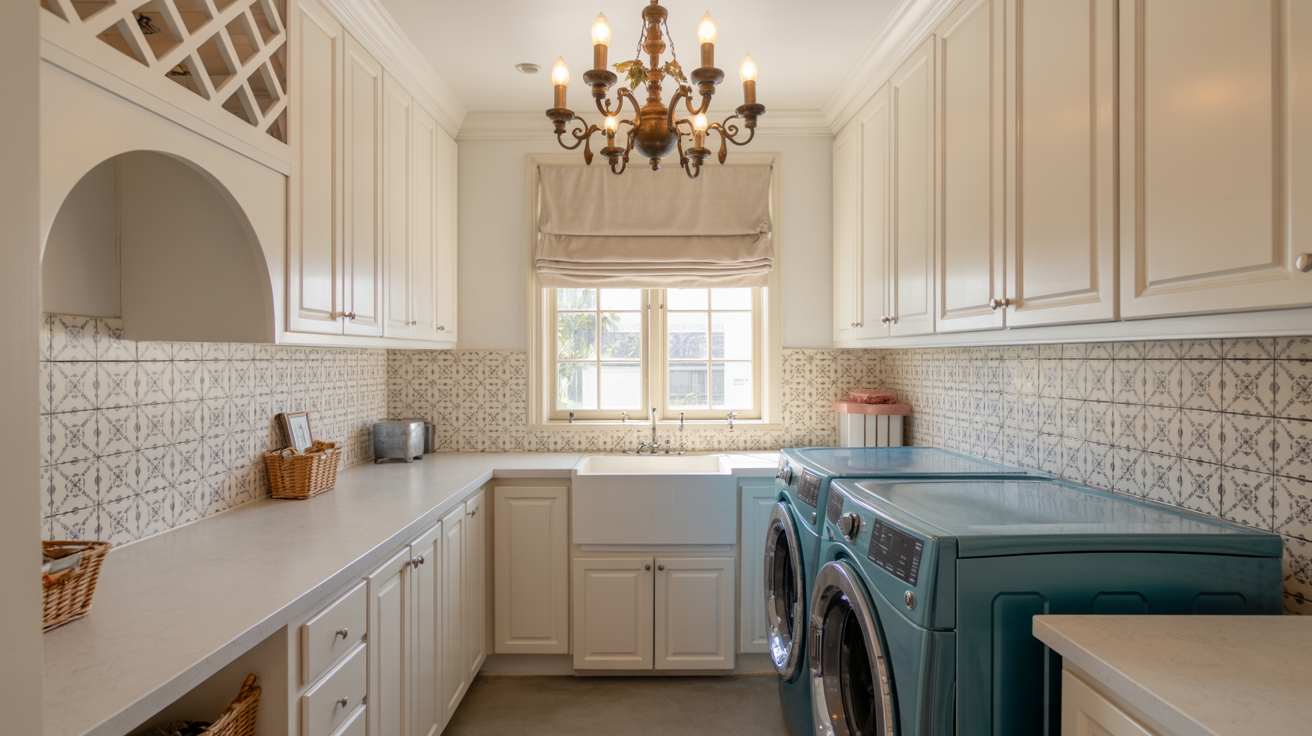
If the idea of committing to a single color seems intimidating, start small. Try drenching a pantry, a powder room, or a laundry room. These smaller areas offer a perfect testing ground without feeling overwhelming. Once you see the visual impact, it’s much easier to translate that confidence into larger spaces like your living room or master bedroom.
Additionally, color drenching works beautifully when paired with textures and natural materials. A monochrome room with a mix of velvet, linen, and wood looks layered and luxurious rather than flat. This technique adds depth, dimension, and a designer touch without relying on contrasting colors.
How to Make Color Drenching Work for You
Pick a calming base: Muted greens, soft blues, and warm neutrals are trending because they feel timeless and serene.
Consider natural lighting: Rooms with a lot of natural light can handle deeper, richer tones, while darker spaces may benefit from lighter shades.
Add accents carefully: Color drenching doesn’t mean avoiding contrast entirely. Metallic fixtures, textured rugs, and neutral furnishings can help balance bold walls.
By thinking of color as a foundation rather than an accent, you can create rooms that feel intentional, inviting, and effortlessly stylish.
Trend #2: Versatile Furniture That Grows With Your Life
Gone are the days of buying a sofa and leaving it in one spot for a decade. Right now, my clients are gravitating toward flexible, multi-functional furniture—pieces that adapt to your home, your lifestyle, and your changing needs.
Modular sofas are a perfect example. These can be reconfigured depending on the season, your mood, or even the layout of your room. One week it might form an L-shape for movie nights; the next week, it can become a series of individual pieces for entertaining guests.
Beyond modular sofas, this trend extends to tables, shelving, and even storage solutions. Nesting tables, extendable dining tables, and stackable storage units give your home flexibility and longevity, reducing the need to constantly replace furniture.
This trend reflects a broader shift toward sustainable and intentional living. Investing in versatile furniture isn’t just practical—it’s chic, modern, and smart for anyone looking to design a home that evolves over time. It also allows for experimentation: you can refresh a room’s layout without buying new pieces, which is both budget-friendly and eco-conscious.
Tips for Choosing Versatile Furniture
Think modular: Sofas, chairs, and shelving units that can be rearranged or expanded grow with your space.
Opt for neutral bases: A neutral-colored sofa or table allows you to play with colorful accents that can change seasonally.
Mix with statement pieces: Pair functional furniture with one or two bold statement items, like a vintage chair or sculptural lamp, for interest.
Trend #3: Colorful Trim – Small Details, Big Personality
If you’ve ever wanted to add personality to a space without committing to full walls of color, colorful trim is your answer. Painting baseboards, crown molding, or even interior doors in a contrasting hue adds unexpected vibrancy and playfulness.
When using colorful trim, I recommend repeating the color elsewhere in the room. For instance, a deep navy door can be echoed in a throw pillow, an artwork frame, or even a small accessory. This creates visual cohesion and makes the design feel intentional rather than accidental.
Even a small pop of color can transform a room. A cheerful coral baseboard in a neutral living room instantly feels curated and fun. A muted teal on a powder room door can add sophistication without overwhelming the space.
Tips for Using Colorful Trim
Start with doors or baseboards: These are impactful without taking over the room.
Coordinate with textiles: Repeat trim colors in pillows, rugs, or art for continuity.
Use painter’s tape for precision: Clean lines make even bold trim feel polished and professional.
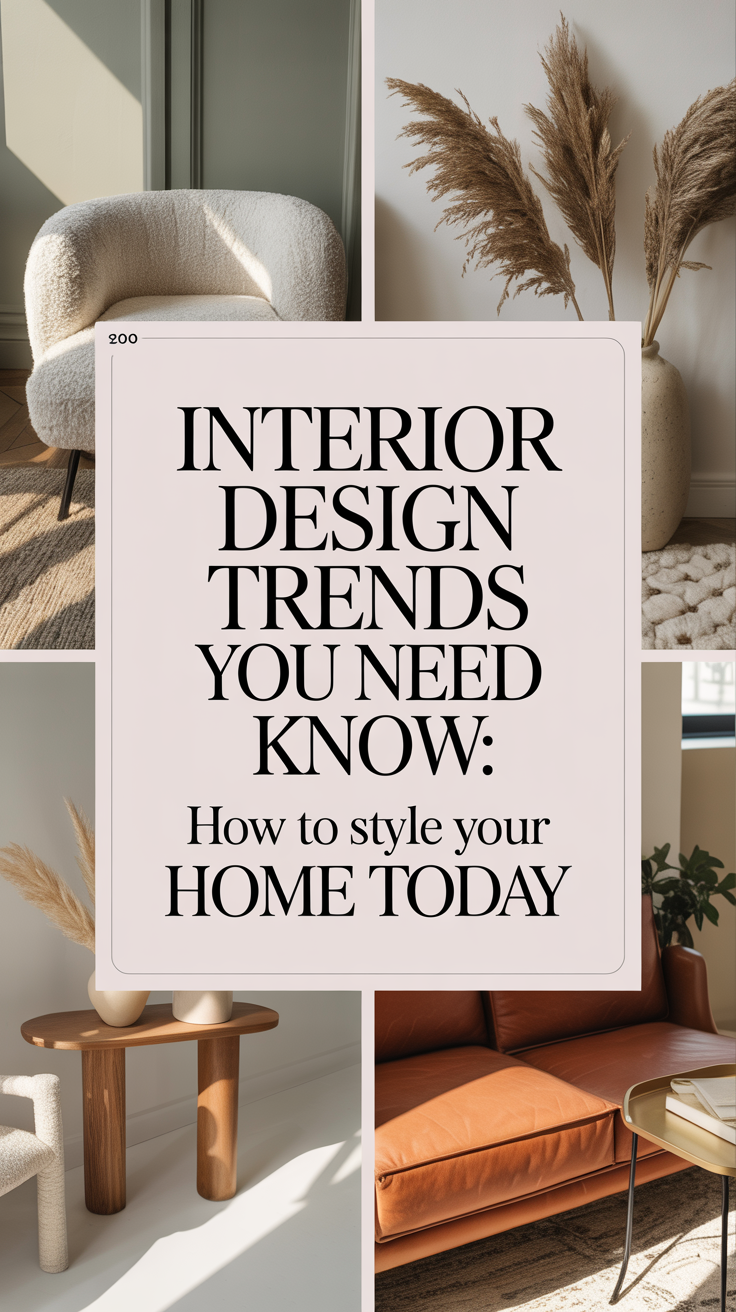
Trend #4: Mixing Styles – Vintage Meets Modern
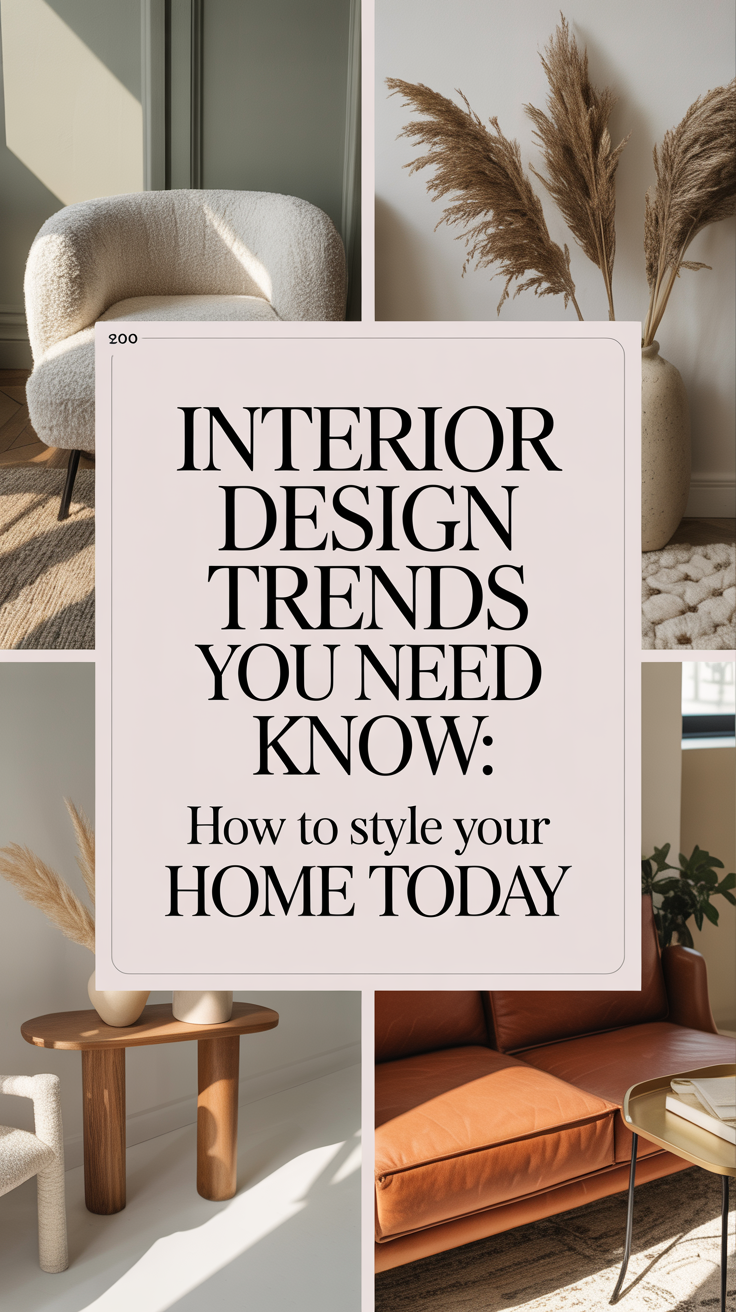
Contrast is one of the easiest ways to make a room feel curated, lively, and collected. Right now, one of my favorite trends is mixing design styles—pairing vintage with modern, rustic with sleek, or oversized with delicate.
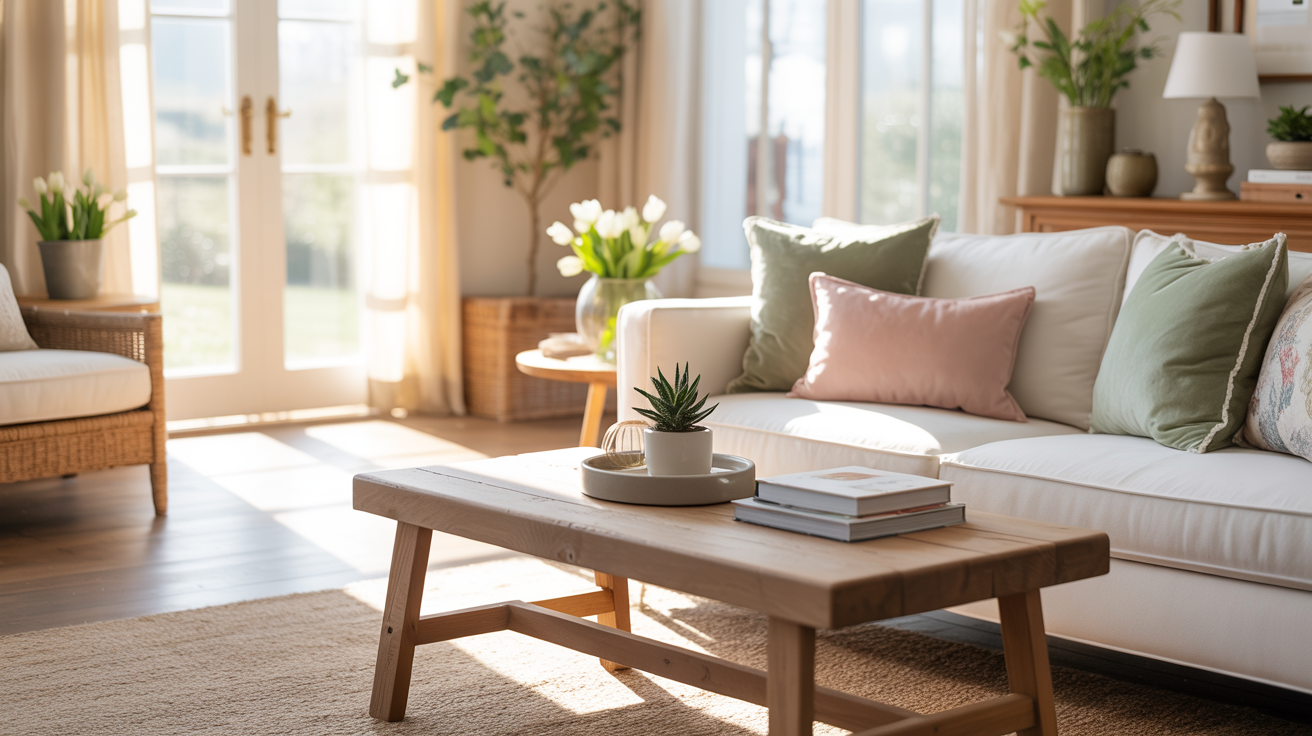
Think of a clean-lined, contemporary sofa paired with a weathered farmhouse coffee table. Or a delicate floral print framed in a chunky antique frame. The juxtaposition creates interest and tells a story, making the space feel lived-in rather than manufactured.
This approach is also budget-friendly: instead of buying all-new pieces, you can mix vintage finds with modern staples to create a unique, layered look.
Tips for Mixing Styles Successfully
Balance textures: Pair soft fabrics with hard surfaces to create depth.
Stick to a color story: Even when styles clash, a cohesive color palette keeps the room harmonious.
Include statement pieces: One bold vintage piece in a modern room instantly elevates the design.
What’s Out: Beige Monochromes
For years, beige was synonymous with minimalist chic. Today, however, all-beige interiors are losing popularity. While beige can be beautiful in moderation, entire rooms dominated by a single beige tone can feel flat, uninspired, and dated.
My clients are craving pops of color. A moss-green throw on a sofa, a buttery yellow lamp in a corner, or a patterned wallpaper can breathe life into a neutral room. These small doses of color make spaces feel dynamic, energetic, and personalized.
What’s Out: Builder-Grade Lighting
Lighting is more than functional—it shapes mood, highlights textures, and influences how a room feels. Generic, builder-grade fixtures often make even beautiful spaces feel cold and impersonal.
Swapping out basic lights for fixtures with character can transform a room instantly. Vintage chandeliers, brass pendants, woven rattan shades, and linen drum fixtures add warmth, texture, and visual interest. Good lighting makes a room feel intentional and elevates your overall design.
What’s Out: Matching Furniture Sets
Matching furniture sets can feel safe, but they often make rooms feel flat and predictable. From bedrooms to living rooms, uniform pieces lack contrast and depth.
Instead, curate pieces from different collections. Mix finishes, materials, and scales for a more layered, collected look. The slight “friction” between styles makes a space feel thoughtful, intentional, and full of personality.
What’s Out: All-White Kitchens
All-white kitchens were once a hallmark of clean, modern design—but now they’re being replaced by kitchens with depth, texture, and contrast.
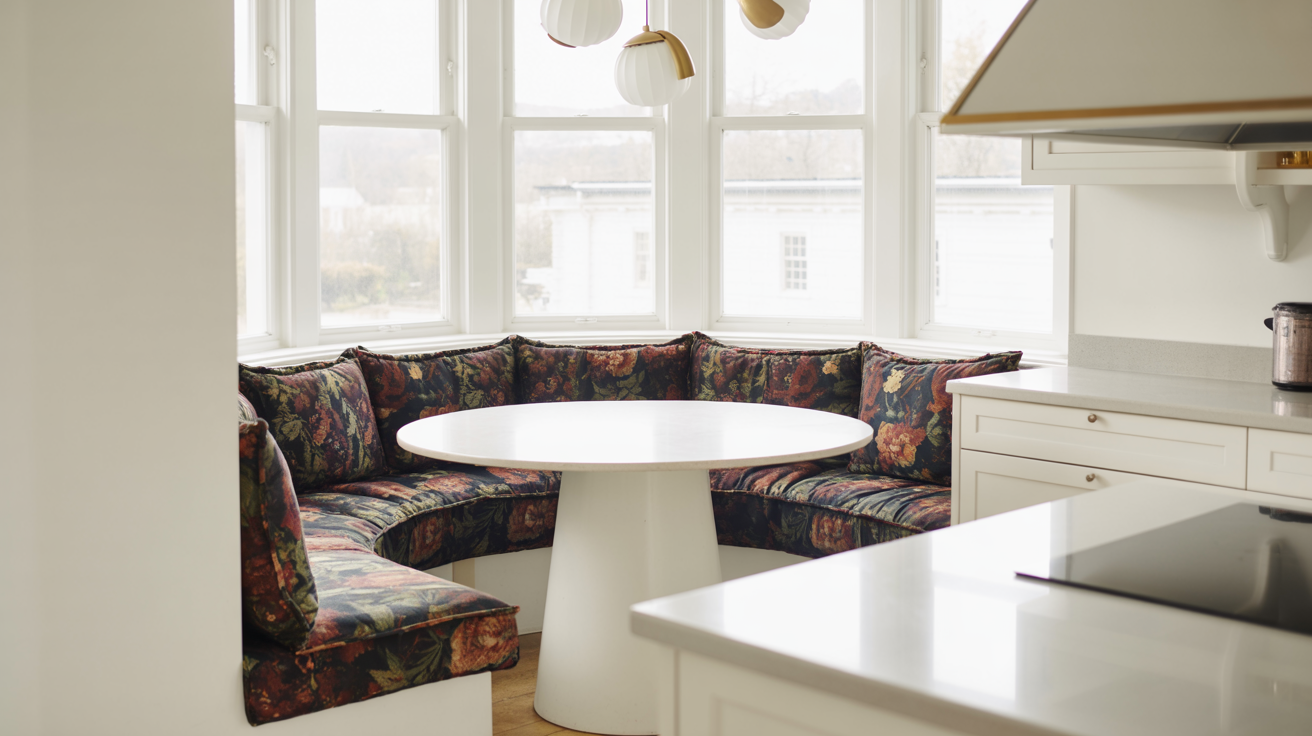
White-on-white can feel sterile and cold, especially if there’s no variation in hardware, backsplash, or countertops. Designers and homeowners are now exploring two-toned cabinetry, textured tile, natural wood accents, and bold hardware. These subtle shifts create warmth, dimension, and a more inviting environment.

How to Incorporate Trends Without Overdoing It
Trends are exciting, but your home should reflect your personality, not a magazine spread. Here’s how to use these trends thoughtfully:
Start small: Experiment with a powder room, accent wall, or single furniture piece.
Mix old and new: Blend trends with items you already love to create a timeless feel.
Layer textures: Combine wood, metal, and soft fabrics for depth and interest.
Prioritize comfort: Beauty is important, but livability is crucial.
Invest in versatility: Modular furniture, adaptable lighting, and moveable décor can evolve with your tastes.
Design trends are always evolving, but your home should tell your story. Currently, vibrant colors, versatile furniture, playful trim, and mixing styles are gaining traction, while all-beige interiors, builder-grade lighting, matching furniture sets, and sterile all-white kitchens are fading.
Incorporating trends with intention, while keeping your lifestyle in mind, creates a home that feels modern, comfortable, and uniquely yours. Remember: design isn’t about following rules—it’s about creating a space that brings you joy every day.
By understanding what’s in, what’s out, and how to layer trends with timeless design principles, you can make your home look thoughtfully curated without being overrun by fleeting fads.