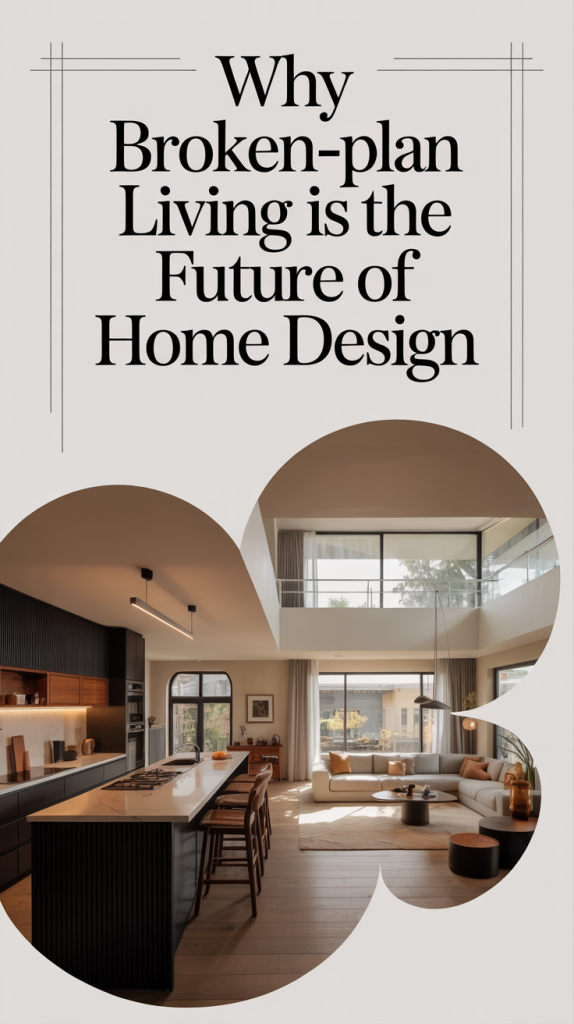
For decades, the great debate in residential architecture has been a binary one: open-plan versus closed-plan. On one side, the airy, light-filled expanse of the open-concept home, a symbol of modern, communal living. On the other, the traditional, compartmentalized layout of the closed-concept home, with its clearly defined rooms and sense of privacy. But as we move into 2026 and beyond, a third option is emerging, one that offers the best of both worlds: the broken-plan layout.
This hybrid approach to home design is a direct response to the shortcomings of its predecessors. While open-plan living is great for entertaining and creating a sense of spaciousness, it can also be noisy, cluttered, and lacking in privacy. Closed-plan living, on the other hand, can feel isolating and restrictive, especially for modern families who crave connection and togetherness. The broken-plan layout seeks to solve these problems by creating a home that is both connected and compartmentalized, open and intimate.
So, what exactly is a broken-plan layout? It’s a design that uses subtle, strategic divisions to create distinct zones within a larger, open space. Instead of solid walls and doors, it employs a range of architectural and design elements—from half-walls and built-ins to changes in floor level and strategic furniture placement—to delineate different areas and their functions. The result is a home that feels both spacious and cozy, a place where you can be together with your family but also have your own private nook.
This article will be your guide to the world of broken-plan living. We will explore the many creative and beautiful ways to achieve this layout, from architectural interventions to clever decorating tricks. We will delve into the benefits of this approach, from improved acoustics and reduced clutter to enhanced flexibility and a greater sense of intimacy. Whether you are building a new home, planning a renovation, or simply looking for ways to improve the flow and function of your current space, the principles of broken-plan living offer a wealth of inspiration for creating a home that is truly the best of both worlds.
The Architectural Toolkit – Structural and Semi-Permanent Divisions
The most impactful way to create a broken-plan layout is through architectural interventions. These are the structural or semi-permanent elements that are built into the fabric of the home, creating clear and intentional divisions between spaces. While they require a greater degree of commitment than simple decorating tricks, they also offer the most profound and lasting results.
The Power of the Partial Wall
The partial or half-wall is a cornerstone of broken-plan design. It’s a simple yet incredibly effective way to divide a space without completely closing it off. A low wall between a kitchen and a living room, for example, can hide the mess of cooking while still allowing for conversation and connection. A taller, three-quarter height wall can create a more distinct sense of separation, perfect for carving out a home office or a cozy reading nook. The top of a half-wall can also be used as a display ledge, a breakfast bar, or even a place to house a television.
The Elegance of the Archway and the Tunnel
There is something inherently graceful and inviting about an archway. It creates a sense of passage and transition, a gentle suggestion of a new space without the hard barrier of a door. A wide, arched opening between a living room and a dining room, for example, can create a beautiful sense of flow while still giving each room its own distinct identity. For a more dramatic and unexpected touch, consider a tunnel. A short, enclosed passageway between two spaces can create a moment of architectural drama and a delightful sense of surprise.
The Transparency of Glass
Glass is a designer’s secret weapon in creating broken-plan layouts. It allows you to divide a space physically without dividing it visually. A floor-to-ceiling glass partition wall, for example, can create a quiet, sound-proof home office without sacrificing the light and openness of the main living area. Fluted or reeded glass can provide a degree of privacy while still allowing light to filter through, and the texture of the glass itself can become a beautiful design element.
The Drama of the Level Change
A change in floor level is a powerful and often overlooked way to create a sense of separation. The classic sunken living room of the 1970s is a perfect example of this. By stepping down into the living space, you create an immediate sense of intimacy and coziness, a clear demarcation from the adjacent dining or kitchen area. Even a single step up to a raised dining platform can be enough to create a distinct zone and a more formal dining experience.
| Architectural Toolkit | Key Characteristics | The Effect |
|---|---|---|
| Partial Walls | Low or three-quarter height walls that divide a space. | Creates a sense of separation without completely closing off a room. |
| Archways & Tunnels | Curved openings and enclosed passageways. | Creates a graceful sense of transition and architectural drama. |
| Glass Partitions | Floor-to-ceiling glass walls, often with texture or framing. | Divides a space physically without dividing it visually. |
| Level Changes | Sunken or raised areas within a larger space. | Creates a powerful and immediate sense of zoning and intimacy. |
The Furniture Fix – Using Built-ins and Freestanding Pieces to Divide and Conquer
Not every broken-plan solution needs to be a major architectural undertaking. In fact, some of the most effective and flexible ways to divide a space can be achieved through the strategic use of furniture, both built-in and freestanding. This approach is less permanent, more adaptable, and often more budget-friendly, making it a great option for renters or those who are not ready to commit to a full renovation.
The Double-Duty Built-In
A custom built-in is a fantastic way to create a sense of separation while also adding much-needed storage. A floor-to-ceiling bookcase, for example, can act as a beautiful and functional room divider, creating a cozy library or reading nook on one side and a more open living area on the other. A central, two-sided fireplace is another classic broken-plan element, providing warmth and a focal point to two separate zones. The key is to design a built-in that is both beautiful and hardworking, a piece that feels like an intentional and integral part of the home’s architecture.
The Strategic Sofa
The humble sofa is one of the most powerful tools in your broken-plan arsenal. The placement of your sofa can single-handedly define the boundaries of your living area. By floating your sofa in the middle of a room, rather than pushing it up against a wall, you create a clear and immediate sense of a contained seating area. An L-shaped sectional is particularly effective at this, creating a cozy corner that feels distinct from the surrounding space. The back of the sofa can also be used to anchor a console table, creating a stylish and functional drop zone for keys, mail, and other daily essentials.
The Versatile Room Divider
The classic folding screen or room divider is making a major comeback, and for good reason. It’s an incredibly versatile and low-commitment way to create a temporary or semi-permanent division in a space. A beautiful, decorative screen can be used to hide a messy desk, create a more intimate dining area, or simply add a layer of texture and pattern to a room. The beauty of a room divider is its flexibility; it can be easily moved, repositioned, or removed altogether as your needs change.
The Power of the Rug
Never underestimate the power of a rug to define a space. An area rug acts as a visual anchor, grounding the furniture that sits on it and creating a clear and contained zone. In a large, open-plan space, you can use multiple rugs to define different areas, such as a seating area, a dining area, and a play area. The key is to choose rugs that are the right size for each zone—all of the furniture in a seating area, for example, should be sitting either completely on the rug or at least with its front legs on the rug.
| The Furniture Fix | Key Characteristics | The Benefit |
|---|---|---|
| Built-Ins | Custom bookcases, fireplaces, or storage units. | Creates a permanent, functional, and architecturally integrated division. |
| Sofa Placement | Floating sofas and sectionals in the middle of a room. | Defines the boundaries of a seating area without the need for walls. |
| Room Dividers | Freestanding screens and partitions. | Offers a flexible, low-commitment, and decorative way to divide a space. |
| Area Rugs | Used to anchor furniture and define zones. | Creates a clear and contained sense of space in an open-plan layout. |
The Sensory Shift – Using Color, Light, and Texture to Create Atmosphere
Beyond the physical divisions of walls and furniture, there are more subtle, sensory ways to create a broken-plan layout. These are the design elements that appeal to our senses, creating a distinct shift in atmosphere from one zone to another. By using color, light, and texture in a strategic and intentional way, you can create a home that is not just visually zoned, but also emotionally and experientially zoned.
The Art of Color Coding
Color is one of the most powerful and cost-effective tools for defining a space. By using different colors on the walls, ceiling, or even the floor, you can create a clear and immediate sense of a contained zone. This could be as simple as painting a single feature wall in a bold color to define a dining area, or as dramatic as color-drenching an entire reading nook—walls, ceiling, and trim—in a deep, moody hue. Wallpaper is another fantastic tool for this, allowing you to create a jewel-box-like entry or a playful, patterned play area within a larger, more neutral space.

The Magic of Layered Lighting
Lighting is not just about illumination; it’s about creating mood and atmosphere. A well-designed lighting plan can be used to create distinct zones within an open-plan space. A dramatic, low-hanging chandelier over a dining table, for example, can create a sense of intimacy and occasion, while a series of recessed spotlights can provide bright, functional light in a kitchen area. The use of floor lamps and table lamps in a living area can create a soft, warm glow that is perfect for relaxing and unwinding. By layering different types of light at different heights, you can create a rich and dynamic environment with a variety of different moods and atmospheres.
The Power of Texture and Materiality
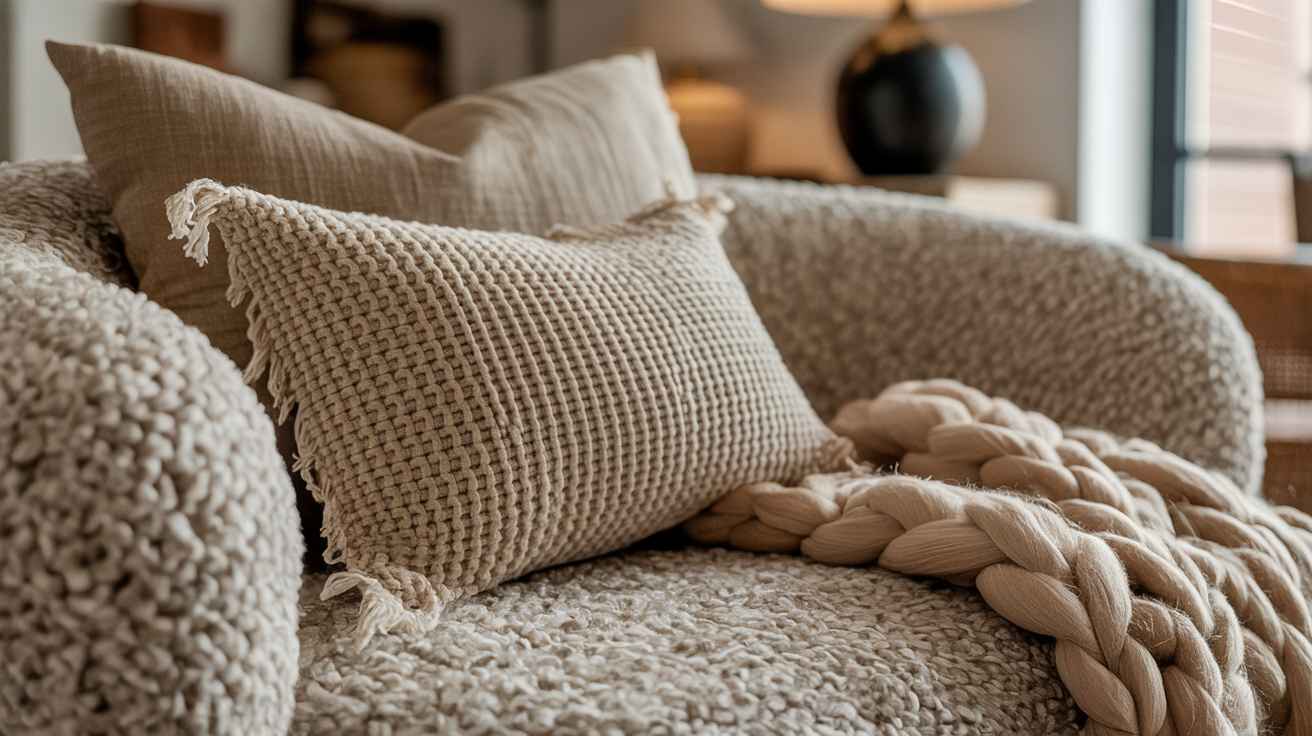
A change in material or texture can create a subtle but powerful sense of transition from one space to another. This is most commonly seen in flooring, where a shift from warm wood in a living area to cool, practical tile in a kitchen can create a clear and functional division. But this principle can also be applied to walls and ceilings. A wall of exposed brick in a dining area, a ceiling of reclaimed wood beams in a living room, or a swath of plush, velvet curtains around a seating area can all be used to create a distinct sense of place and a rich, layered, and tactile experience.
| The Sensory Shift | Key Characteristics | The Effect |
|---|---|---|
| Color Coding | Using paint and wallpaper to define zones. | Creates a clear and immediate sense of a contained and atmospheric space. |
| Layered Lighting | Using a variety of light sources at different heights. | Creates distinct moods and atmospheres for different zones. |
| Texture & Materiality | Using changes in flooring, wall treatments, and textiles. | Creates a subtle but powerful sense of transition and a rich, tactile experience. |

The Dawn of a More Flexible Home
The rise of the broken-plan layout is more than just a fleeting design trend; it’s a reflection of a fundamental shift in the way we live. We are craving homes that are more flexible, more adaptable, and more attuned to our individual needs. We want spaces that can be both communal and private, both open and intimate, both beautiful and hardworking.
The broken-plan layout offers a solution to this modern dilemma. It is a design philosophy that is built on the principles of balance, flexibility, and intentionality. It is about creating a home that is not just a collection of rooms, but a series of interconnected and meaningful spaces, each with its own distinct character and purpose.
As we have seen, there are countless ways to achieve a broken-plan layout, from the grand architectural gesture to the simple, strategic placement of a rug. The key is to think creatively, to look beyond the binary of open versus closed, and to embrace the rich and rewarding possibilities of the in-between. Whether you are starting from scratch or working with an existing space, the principles of broken-plan living can help you to create a home that is more beautiful, more functional, and more uniquely you. The future of home design is here, and it is broken in the best possible way.