Our homes are more than just structures; they are living spaces that reflect our personalities, moods, and the rhythm of our lives. Just as nature undergoes a cyclical transformation with each passing season, our living environments can also evolve to embrace the unique characteristics of spring, summer, fall, and winter. Seasonal interior design is not merely about swapping out decorations; it’s about creating an atmosphere that resonates with the outside world, influencing our well-being and keeping our interiors fresh and inviting. This comprehensive guide will explore how to seamlessly transition your home decor throughout the year with simple yet impactful design tweaks, focusing on elements like color palettes, textures, lighting, and accessories. We’ll delve into practical strategies for each season, ensuring your home remains a sanctuary that adapts gracefully to every change. Furthermore, we’ll provide a special section dedicated to embracing the autumn ambiance and decorating for Halloween without the need for a trip to conventional retail stores like Hobby Lobby, emphasizing DIY solutions and natural elements.
Seasonal interior design offers a dynamic approach to home aesthetics, allowing homeowners to continuously refresh their spaces without undertaking major renovations. It acknowledges that our needs and preferences shift with the weather and the holidays, and our homes should be flexible enough to accommodate these changes. By thoughtfully integrating seasonal elements, we can enhance the comfort, functionality, and visual appeal of our living areas, making them feel more connected to the natural world and more aligned with our current emotional states. This iterative process of decorating not only keeps our homes from feeling stagnant but also provides an opportunity for creative expression and personal reflection. Whether it’s the vibrant energy of spring, the relaxed vibe of summer, the cozy warmth of autumn, or the serene tranquility of winter, each season presents a unique canvas for design. The beauty of simple design tweaks lies in their accessibility and affordability, making seasonal transitions achievable for everyone, regardless of budget or design expertise. It’s about making smart choices that maximize impact with minimal effort, transforming your home into a responsive and ever-evolving haven.
General Principles of Seasonal Interior Design: The Foundation of Transformation
At the heart of successful seasonal home transitions lies a foundational understanding of interior design principles that can be adapted throughout the year. These principles allow for a cohesive and impactful shift in your home’s aesthetic, ensuring that each seasonal update feels intentional and harmonious. By focusing on key elements such as color palettes, textures, and decorative accessories, homeowners can create spaces that not only look beautiful but also evoke the appropriate mood and comfort for the time of year.
The Power of Color Palettes
Color is arguably the most influential element in setting the mood and tone of a space. Each season naturally lends itself to specific color schemes that can be integrated into your home to reflect the outdoor environment and evoke a sense of seasonal appropriateness. According to the Rocky Mountain College of Art + Design (RMCAD) blog, specific color palettes align better with each individual season, forming the perfect foundation for a refreshed seasonal design strategy.
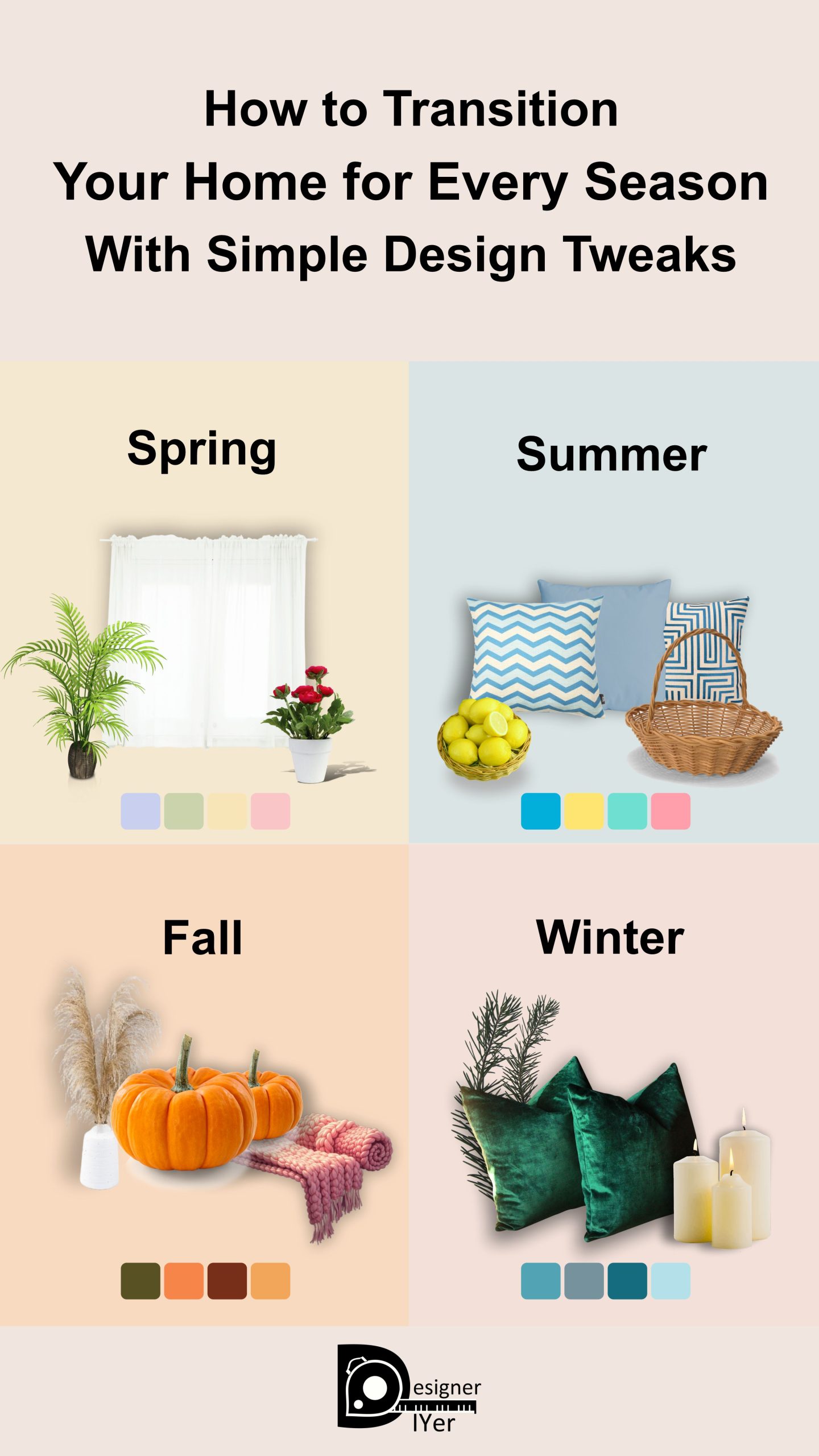
•Spring: As nature awakens, spring calls for vivid and refreshing colors. Think of the blossoming flowers and new growth, translating into hues like soft greens, delicate lilacs, cheerful yellows, and pale pinks. These colors breathe life and lightness into a space, mirroring the renewal outside.
•Summer: The warmer months invite cool and refreshing tones that combat the heat and create a serene atmosphere. Light blues, reminiscent of clear skies and tranquil waters, pale yellows, and soft oranges can bring a sense of calm and openness, ideal for a relaxed summer vibe.
•Fall: Autumn ushers in a desire for warmth and coziness. The landscape transforms into a rich tapestry of deep, earthy tones. Incorporate colors such as deep browns, vibrant pumpkin oranges, rich crimson reds, luxurious burgundies, and shimmering golds to create an inviting and comforting ambiance that reflects the harvest season.
•Winter: During the colder, darker months, the focus shifts to creating a warm and intimate indoor sanctuary. Berry reds, deep evergreen, sophisticated navy blues, and crisp off-whites are ideal for fostering a sense of warmth and festive cheer, providing a comforting contrast to the chilly outdoors.
These color shifts can be achieved through various means, from painting an accent wall to swapping out throw pillows, blankets, and decorative objects. The goal is to subtly infuse the seasonal palette without committing to permanent changes that would require extensive redecoration.
Embracing Textures and Materials
Beyond color, the tactile quality of textiles and materials plays a crucial role in defining the seasonal feel of a room. The fabrics you choose can significantly impact the perceived warmth, comfort, and airiness of your living space.
•Spring and Summer: For the warmer seasons, lightweight and breathable materials are paramount. Opt for cottons, linens, and sheer fabrics for curtains, throw blankets, and upholstery. These materials create a breezy, open feel, allowing for better airflow and a sense of freshness. Consider swapping out heavy drapes for lighter sheers and replacing thick rugs with natural fiber alternatives like jute or sisal.
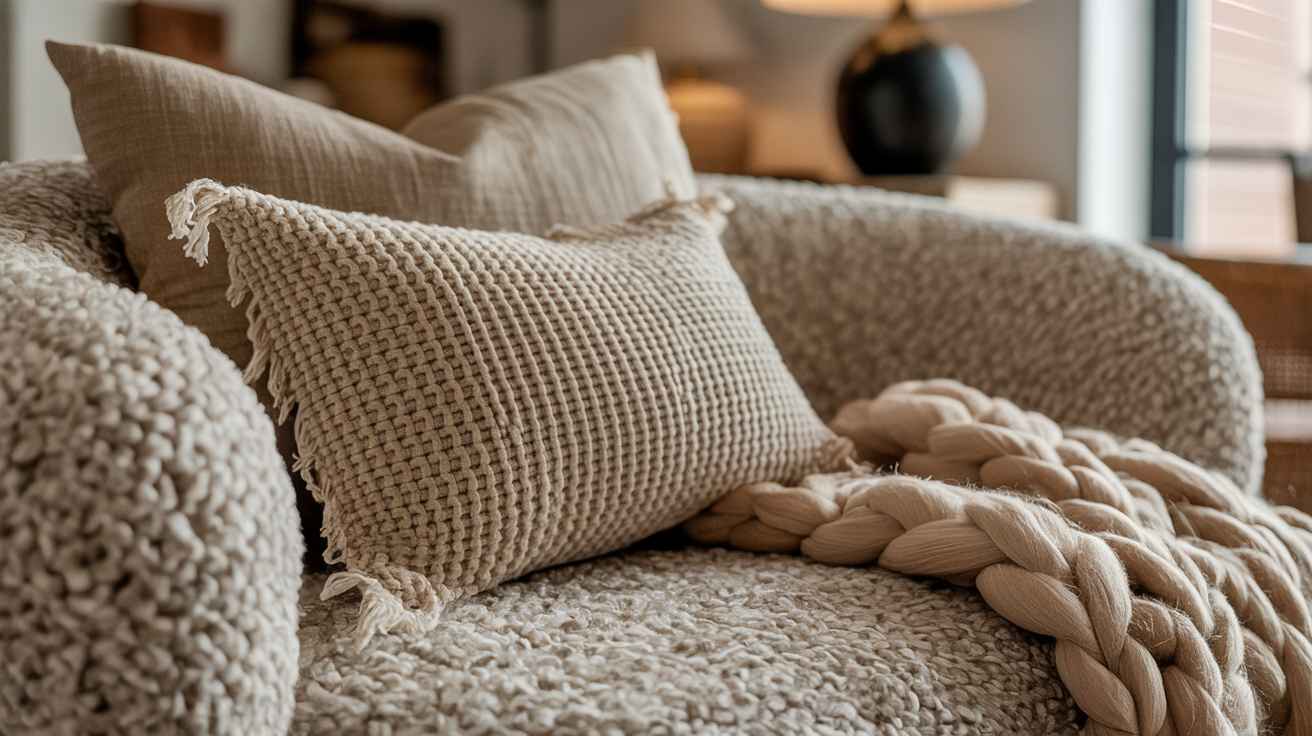
•Fall and Winter: As temperatures drop, the desire for warmth and coziness increases. Transition to heavier, more luxurious materials such as wool, flannel, faux fur, and velvet. These textures add depth, warmth, and a sense of comfort, making your home feel like a snug retreat. Layering textiles, such as adding a chunky knit throw over a sofa or a plush rug underfoot, can significantly enhance the cozy ambiance.
Layering different textures throughout the year is a versatile strategy that adds visual interest and depth to any room. Experiment with various materials to create a rich sensory experience that evolves with the seasons.
The Art of Decorative Accessories
Decorative accessories are the easiest and most impactful tools for seasonal transformation. They offer an opportunity for creative expression and can instantly infuse a room with the spirit of the season without requiring significant investment or effort.
•Versatility is Key: Choose accessories that can be easily swapped out or repurposed. Vases, bowls, trays, candles, and small sculptures can be updated with seasonal elements. For instance, a clear glass vase can hold fresh spring blooms, vibrant summer fruits, autumnal branches, or evergreen boughs in winter.
•Personal Touch: Your accessories should reflect your personal style, whether it’s elegant, refined, quirky, or vintage. DIY projects can add a unique and personalized touch to your seasonal decor, making your home truly one-of-a-kind.
•Strategic Placement: Consider focal points in your home, such as mantels, coffee tables, entryways, and dining tables. These areas are prime locations for seasonal displays that can capture attention and set the tone for the entire room. Grouping objects in odd numbers (e.g., threes or fives) and playing with varying heights and textures can create visually appealing vignettes.
By thoughtfully integrating these general principles—color palettes, textures, and decorative accessories—you lay a strong foundation for effortlessly transitioning your home through every season. These elements work in concert to create a harmonious and inviting atmosphere that celebrates the unique beauty of each time of year.
Practical Strategies for Seamless Seasonal Transitions
While understanding the aesthetic elements of seasonal design is crucial, implementing these changes efficiently and effectively requires practical strategies. These approaches focus on minimizing effort, maximizing impact, and ensuring that your seasonal transitions are smooth, budget-friendly, and clutter-free.
Declutter and Reset: The Blank Canvas Approach
Before introducing new seasonal elements, the most fundamental step is to declutter and reset your space. This creates a clean, organized foundation, allowing new decor to truly shine. This process involves removing unnecessary items, organizing existing belongings, and ensuring that your core decor pieces are neutral and versatile enough to serve as a backdrop for any seasonal theme. A clutter-free environment not only enhances the visual appeal of your home but also contributes to a more peaceful and calming atmosphere, positively impacting your mental well-being. Consider a thorough clean-out at the beginning of each major seasonal shift, storing away items that don’t serve a purpose or don’t align with the upcoming season.
Multi-Functional Furniture: Versatility Year-Round
Investing in multi-functional furniture is a smart strategy for effortless seasonal transitions. Pieces that can adapt to different purposes reduce the need for excessive seasonal purchases and save valuable space. For example, a sofa that converts into a bed for guests, a coffee table with hidden storage, or ottomans that double as seating and storage can be invaluable. These versatile pieces can be easily updated with seasonal throw pillows, blankets, or decorative items, allowing you to change the look and feel of a room without replacing large furniture items. This approach not only makes seasonal decorating easier but also promotes a more sustainable and minimalist lifestyle.
Strategic Lighting: Illuminating the Seasonal Mood
Lighting is a powerful tool for transforming the ambiance of a room and is often overlooked in seasonal decor. Adjusting your lighting can significantly impact the mood and feel of your space, aligning it with the natural light cycles of each season.
•Winter: During the darker winter months, warm, dimmable lighting creates a cozy and inviting atmosphere. Incorporate lamps with soft, ambient light, use candles, and consider string lights to add a festive glow. Smart lighting solutions can be particularly useful here, allowing you to program different lighting scenes for various times of day or moods.
•Spring and Summer: As days lengthen, embrace cool, natural lighting. Maximize natural light by opening curtains and blinds, and use sheer window treatments to allow sunlight to flood the room. Lighter lampshades and cooler-toned bulbs can enhance the feeling of freshness and airiness.
By strategically adjusting your lighting, you can enhance the seasonal mood and create a comfortable environment that adapts to the changing light conditions throughout the year.
Updating Wall Decor: A Fresh Perspective
Wall decor offers a relatively easy and impactful way to refresh a room’s aesthetic for the season. Unlike painting, which is a more permanent change, updating wall decor can be a quick and reversible process.
•Removable Wallpaper and Decals: These options allow for temporary bursts of color or pattern that can be easily removed when the season changes. Think of a floral pattern for spring, a coastal theme for summer, or a rich, earthy design for fall.
•Artwork and Prints: Swapping out framed artwork or prints is a simple yet effective way to introduce seasonal themes. You can have a collection of prints that you rotate throughout the year, featuring landscapes, abstract art, or seasonal motifs. Consider creating a gallery wall where individual pieces can be easily interchanged.
•Mirrors: Large decorative mirrors not only add elegance but also reflect light, making a room feel more spacious and brighter, which is particularly beneficial during darker seasons.
Mobile Storage Solutions: Flexibility and Organization
For those who enjoy a more extensive collection of seasonal decor, mobile storage solutions are invaluable. Rolling shelves, carts, and trolleys provide flexible storage that can be easily moved and reconfigured as needed. This allows you to bring out seasonal items when needed and tuck them away neatly when not in use, preventing clutter and simplifying the transition process. These solutions are particularly useful for items like seasonal dishware, extra throw blankets, or holiday decorations.
Layering Rugs and Mats: Grounding the Seasonal Look
Flooring, particularly through the use of rugs and mats, can significantly contribute to the seasonal feel of a room. Layering rugs can add warmth, texture, and color, grounding your seasonal decor.
•Winter: Opt for plush, thick rugs in warm colors or rich textures to add insulation and coziness. Layering a smaller, decorative rug over a larger, neutral one can create a luxurious feel.
•Spring and Summer: Switch to lighter, natural fiber rugs like cotton, jute, or sisal. These materials are cooler underfoot and contribute to an airy, open aesthetic. Smaller, brightly colored accent rugs can also be introduced to add pops of seasonal color.
By strategically using rugs, you can define spaces, add comfort, and effortlessly change the foundational feel of a room to match the season. These practical strategies, when combined with an understanding of seasonal aesthetics, empower you to transform your home with ease and confidence throughout the year.
Design Tips for Each Season: A Seasonal Journey
Each season presents unique opportunities to refresh your home, drawing inspiration from the natural world and the changing rhythms of life. By focusing on specific design tweaks tailored to spring, summer, autumn, and winter, you can ensure your home remains a dynamic and inviting space year-round. The RMCAD blog provides excellent guidance on design tips for each season, helping to curate spaces that are refreshing, inviting, and perfectly aligned with seasonal trends [1].
Spring Revitalization: Embracing Renewal and Freshness
Spring is a season of rebirth and renewal, and your home decor should reflect this vibrant energy. After the dormancy of winter, people often seek to brighten their homes with airy hues and fresh blooms. The goal is to infuse your space with a sense of lightness, growth, and optimism.
•Brighten with Color: Introduce pops of bright and bold colors through throw pillows, decorative accents, and fresh flowers. Think pastels mixed with vibrant greens and yellows to mimic blooming gardens. These small additions can instantly uplift a neutral base.
•Maximize Natural Light: Open up curtains and blinds to let in as much natural light as possible. Clean windows to ensure maximum light penetration. Consider sheer window treatments that allow light to filter in while maintaining privacy. Natural light not only brightens a room but also boosts mood and energy levels.
•Bring Nature Indoors: Fresh flowers are the quintessential spring decor. Arrange bouquets of tulips, daffodils, or hyacinths in prominent areas. Beyond flowers, consider potted herbs or small indoor plants to add living greenery and a touch of the outdoors. These elements bring life and a refreshing scent into your home.
•Lighten Textiles: Swap out heavy winter throws and blankets for lighter, breathable fabrics like cotton and linen. Change out dark-colored cushion covers for lighter, brighter ones. This simple change can make a room feel instantly airier and more inviting.
Summertime Vibes: Cultivating Relaxation and Openness
Summer is synonymous with relaxation, fun, and a carefree spirit. Your home decor should reflect this by creating a cool, comfortable, and open atmosphere that encourages leisure and enjoyment. The RMCAD blog suggests focusing on elements that evoke a vacation-style vibe.
•Cool Color Palettes: Lean into cool and refreshing hues such as light greens and blues. These colors have a naturally calming effect and make any space feel lighter and more expansive. Incorporate them through accent pieces, artwork, or even subtle wall colors.
•Incorporate White Linen: White linen is a summer staple for a reason. Its crisp, clean look and breathable texture make it ideal for slipcovers, throw blankets, and even lightweight drapes. It instantly brings a sense of coastal elegance and keeps things feeling cool and comfortable.
•Sheer Fabrics for Windows: Replace heavy drapes with sheer fabrics to allow breezes to flow through your home and to maximize natural light. This creates an airy, open feel and connects your indoor space with the outdoors.
•Natural Materials: Introduce elements like wicker, rattan, and light wood to enhance the relaxed, natural aesthetic. Think woven baskets, light wood furniture, or decorative pieces made from natural fibers. These materials add texture without adding visual weight.
•Minimalist Approach: During summer, consider a more minimalist approach to decor. Less clutter can make a space feel more open and breathable, aligning with the relaxed summer mood.
Autumn Ambiance: Embracing Warmth and Coziness
As the leaves begin to change and the air turns crisp, autumn calls for a shift towards warmth, coziness, and a celebration of the harvest. Your home should become a comforting retreat, inviting you to snuggle up and enjoy the season. The RMCAD blog suggests leveraging natural elements and mood lighting for fall decor [1].
•Natural Elements from the Harvest: Utilize the bounty of the season. Pumpkins, gourds, and hardy mums are classic fall decor items that can be arranged in various ways—on mantels, as centerpieces, or on doorsteps. These bring an authentic touch of autumn indoors.
•Rich Color Palettes: Embrace the warm, earthy tones of fall: deep browns, pumpkin oranges, crimson reds, burgundies, and golds. These colors can be introduced through throw blankets, pillows, candles, and decorative objects. They instantly create a sense of warmth and richness.
•Textural Layers: Add layers of cozy textures. Think chunky knit blankets, velvet pillows, and wool throws. These invite touch and create a sense of comfort and luxury, perfect for cooler evenings.
•Mood Lighting: As daylight hours shorten, enhance your home with additional mood lighting. Use lamps with warm-toned bulbs, candles, and string lights to create a soft, inviting glow. This helps balance the increasing darkness outside and makes your home feel more intimate and welcoming.
•Scented Accents: Incorporate autumnal scents through candles, diffusers, or natural elements like cinnamon sticks, cloves, and dried oranges. Scents like pumpkin spice, apple cinnamon, or woodsmoke can significantly enhance the cozy fall ambiance.
Winter Warmth: Creating a Serene and Festive Sanctuary
Winter is a time for introspection, celebration, and creating a warm, inviting sanctuary from the cold. Your decor should focus on comfort, festive cheer, and a sense of calm. The RMCAD blog highlights the benefits of decorating for the holiday season during winter for social and emotional health.
•Warm Hues and Mood Lighting: Continue to emphasize warm hues and soft, ambient lighting. Berry reds, deep greens, navy blues, and off-whites are ideal. Use multiple light sources—lamps, candles, and string lights—to create a layered and inviting glow.
•Natural Elements: Incorporate evergreen boughs, pinecones, holly berries, and poinsettias. These natural elements bring the beauty of winter foliage indoors and add a festive touch without being overtly holiday-specific.
•Luxurious Textures: Layer plush fabrics like faux fur, velvet, and cashmere. These materials add a sense of luxury and warmth, making your home feel like a cozy haven. Think faux fur throws, velvet pillows, and thick wool rugs.
•Festive Accents (Optional): If celebrating holidays, blend traditional elements with modern trends. This could mean classic ornaments with a contemporary twist, or a minimalist approach to holiday decor that still feels festive. Focus on creating a cohesive look rather than overwhelming the space with too many disparate items.
•Embrace the Hearth: If you have a fireplace, make it a focal point. Decorate the mantel with seasonal garlands, candles, and cherished objects. The warmth and glow of a fire are central to winter coziness.
By following these seasonal design tips, you can ensure your home is always in harmony with the changing year, providing a comfortable and aesthetically pleasing environment for every season.
Transitioning to Fall and Decorating for Halloween Without a Trip to Hobby Lobby
As autumn arrives, the desire to infuse our homes with the cozy warmth of fall and the playful spookiness of Halloween becomes strong. However, achieving this aesthetic doesn’t require a trip to large craft stores like Hobby Lobby, which often promote mass-produced, generic decor. Instead, a more authentic, budget-friendly, and environmentally conscious approach involves leveraging natural elements, repurposing existing items, and embracing DIY creativity. This method not only personalizes your decor but also connects your home more deeply with the changing season.
Embracing Nature’s Bounty: The Foundation of Authentic Fall Decor
The most accessible and beautiful fall decor comes directly from nature. A walk in a local park, a visit to a farmers’ market, or even a stroll through your own backyard can yield a treasure trove of decorative elements. These natural items bring an unparalleled authenticity and organic beauty that manufactured decor often lacks.
•Pumpkins and Gourds: Beyond the traditional orange pumpkin, explore the vast array of shapes, sizes, and colors available at local farms or grocery stores. Heirloom pumpkins, with their unique hues of white, green, blue, and variegated patterns, offer a sophisticated touch to any display. Arrange them in varying heights and groupings on mantels, entryways, dining tables, or even scattered on your porch. Small gourds can be used as filler in bowls or vases, adding texture and visual interest.
•Leaves and Branches: The vibrant colors of fallen leaves are a hallmark of autumn. Collect beautifully colored leaves and use them to create simple garlands by stringing them together, or scatter them artfully on tabletops as a natural runner. Branches, especially those with interesting twists or remaining leaves, can be placed in tall vases for a dramatic, rustic centerpiece. Dried branches can also be adorned with small, lightweight ornaments for a subtle Halloween touch.
•Pinecones and Acorns: These natural treasures add wonderful texture and a touch of the forest to your decor. Gather them and arrange them in clear glass bowls, apothecary jars, or woven baskets. They can also be incorporated into DIY wreaths or used as accents around candles. A light spray of metallic paint can transform them for a more elegant look, or leave them natural for rustic charm.
•Corn Husks and Wheat: Often found at farmers’ markets or craft stores specializing in natural materials, corn husks can be tied into bundles for a rustic display or used to create simple, textural garlands. Bundles of dried wheat provide a classic autumnal touch, perfect for centerpieces or standing displays in corners.
•Succulents: While not strictly autumnal, succulents can withstand cooler fall temperatures outdoors and thrive indoors, making them versatile additions. Their unique shapes and textures can complement natural fall elements, offering a modern twist to traditional decor.
Repurposing and DIY: Unleashing Your Creativity
Before buying new, look around your home for items that can be repurposed or transformed with a little creativity. DIY projects not only save money but also result in unique, personalized decor that tells a story.
•Mason Jars: These versatile jars are a DIY decorator’s best friend. For fall, fill them with small gourds, acorns, or colorful leaves. Add a tea light or small LED candle for a warm glow. For Halloween, paint them with spooky silhouettes, wrap them in gauze to resemble mummies, or fill them with
plastic spiders for a creepy effect.
•Old Books: Stack old books with worn covers and tie them with twine or ribbon in fall colors for a charming, rustic display. For Halloween, you can subtly distress them further or even add faux spiderwebs for a haunted library look.
•Fabric Scraps: If you have fabric scraps in autumnal colors (oranges, browns, deep reds, creams), they can be used to create small decorative pumpkins by stuffing and tying them, or cut into leaf shapes and strung together as a garland.
•Printable Art: The internet is a treasure trove of free printable fall and Halloween-themed art. Search for vintage botanical prints, spooky silhouettes, or whimsical autumn illustrations. Print them out and place them in existing frames around your home. This is an incredibly cost-effective way to change your wall decor seasonally.
•Outdoor Elements: If you have access to them, hay bales can create a substantial outdoor fall display. Combine them with pumpkins, corn stalks, and mums for a classic autumnal scene. For Halloween, add some strategically placed faux spiders or cheesecloth for a spooky touch.
•Minimalist Halloween: You don’t need elaborate setups to create a Halloween vibe. A single, well-placed faux spider on an existing wreath, a few printed
creepy pictures in family photo frames, or a simple arrangement of dark-colored candles can be surprisingly effective. Focus on subtle hints rather than overwhelming displays.
Budget-Friendly and Sustainable Approaches
Decorating without retail shopping naturally leads to more budget-friendly and sustainable practices. By utilizing what you already have, foraging for natural elements, and engaging in DIY projects, you reduce waste and consumption.
•Thrift Store Finds: Before heading to a big box store, explore local thrift stores or second-hand shops. You might find inexpensive vases, bowls, candle holders, or even old picture frames that can be repurposed and integrated into your fall or Halloween decor. A simple coat of spray paint can transform a dated item into a modern accent.
•Focus on Scent: The power of scent to evoke a season is often underestimated. Instead of relying solely on visual decor, incorporate natural elements that release autumnal aromas. Simmer pots with orange peels, cinnamon sticks, cloves, and star anise create a warm, inviting fragrance. Scented candles (if you have them) in pumpkin spice, apple cinnamon, or woodsmoke can also enhance the cozy fall ambiance without needing additional visual clutter.
•Community Swaps and Sharing: Connect with friends, family, or local community groups for decor swaps. You might be able to trade items you no longer use for new-to-you pieces, fostering a sense of community and reducing the need for new purchases.
By embracing these creative and resourceful approaches, you can transform your home for fall and Halloween into a personalized, charming, and festive space that truly reflects the spirit of the season, all without stepping foot into a large retail chain. It’s about celebrating the beauty of nature, the joy of creation, and the warmth of home-grown traditions.
A Home in Harmony with the Seasons
Transitioning your home for every season with simple design tweaks is an art form that transforms your living space into a dynamic reflection of the world outside. It’s a practice that goes beyond mere aesthetics, influencing our mood, well-being, and connection to the natural rhythms of the year. By understanding the foundational principles of seasonal interior design—the strategic use of color palettes, textures, lighting, and decorative accessories—homeowners can effortlessly adapt their environments to suit the unique characteristics of spring, summer, fall, and winter.
From the vibrant renewal of spring to the relaxed openness of summer, the cozy warmth of autumn, and the serene comfort of winter, each season offers a fresh canvas for creative expression. The beauty of this approach lies in its simplicity and accessibility. It doesn’t demand extensive renovations or significant financial outlay; rather, it encourages thoughtful choices, repurposing, and a keen eye for the natural elements that surround us.
The specific focus on transitioning to fall and decorating for Halloween without relying on conventional retail stores like Hobby Lobby underscores a broader philosophy: that authentic, personalized, and sustainable decor can be achieved through creativity, resourcefulness, and a deep appreciation for nature’s bounty. By embracing DIY projects, utilizing natural elements like pumpkins, leaves, and pinecones, and repurposing existing items, you not only create unique displays but also contribute to a more mindful and environmentally conscious lifestyle.
Ultimately, a home that gracefully transitions with the seasons is a home that feels alive, responsive, and deeply connected to its inhabitants and its environment. It becomes a sanctuary that continuously offers comfort, inspiration, and a sense of harmony, making every moment spent within its walls a celebration of the ever-changing beauty of the year.