In the deeply personal world of fragrance, the holy grail has always been the discovery of a “signature scent”—a single, perfect perfume that encapsulates our entire being. We spend years searching for this elusive elixir, a potion that announces our presence, whispers our secrets, and lingers as a ghostly reminder after we’ve left a room. But what if the very premise of this quest is flawed? What if our multifaceted, ever-evolving identities cannot be captured in a single bottle? This is the revolutionary idea behind one of today’s most exciting fragrance trends: scent stacking.
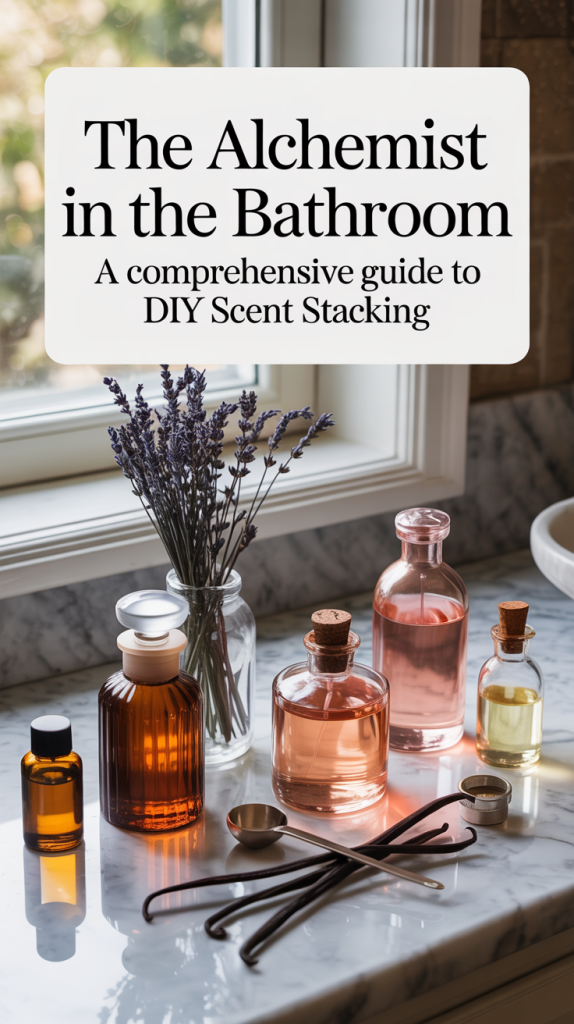
Scent stacking, also known as fragrance layering, is the art of becoming your own perfumer. It’s the conscious and creative act of combining multiple scented products—from body washes and lotions to oils and perfumes—to create a fragrance that is utterly unique to you. This is not about haphazardly spritzing on different scents and hoping for the best. It is a thoughtful, intentional process, a daily ritual that transforms your bathroom into a personal laboratory and you into a scent alchemist. It’s a rebellion against the notion that we must choose one olfactory identity, and an embrace of the idea that we can create a new one every single day, perfectly tailored to our mood, the season, or the occasion.
This comprehensive guide will walk you through the philosophy, history, and practical techniques of DIY scent stacking. We will demystify the world of fragrance notes and families, provide a step-by-step guide to building your scent wardrobe, and offer concrete recipes for creating your own personalized, unforgettable fragrance. Prepare to move beyond the search for a signature scent and begin the journey of creating your own.
A Tradition as Old as Time: The History of Scent Stacking
While scent stacking may be a trending topic on social media, it is far from a new concept. The practice is rooted in ancient traditions that span cultures and millennia. In ancient Mesopotamia, worshippers were required to purify their bodies through a ritual of bathing and then anointing themselves with layers of scented oils and perfumes before prayer. The very air of their temples was a complex olfactory tapestry, with priests sprinkling fragrant water on the walls while clouds of incense billowed from the corners. This was scent stacking on a grand, spiritual scale.
In the Middle East, the tradition of layering has been a cornerstone of personal fragrance for centuries. It is a deeply ingrained cultural practice to use fragrant woods like oud and bakhoor to scent both the home and clothing, creating a smoky, foundational base layer. Upon this base, concentrated perfume oils, or attars, are applied to the skin, often followed by a final spritz of a Western-style spray perfume. The result is a scent of incredible depth, complexity, and longevity, a personal fragrance cloud that is both powerful and intimately tied to the individual.
What we are seeing today is a modern, Western interpretation of this ancient art form. It’s a democratization of the perfumer’s craft, empowering individuals to move from passive consumers to active creators. The rise of niche perfume houses, single-note fragrances, and a wider variety of scented body products has created the perfect ecosystem for this trend to flourish. We now have unprecedented access to the individual building blocks of fragrance, and with a little knowledge, we can all learn to build our own olfactory masterpieces.
The Why: The Benefits of Building Your Scent
Before we dive into the “how,” it’s important to understand the “why.” The benefits of adopting a scent stacking ritual go far beyond simply smelling good.
- Uniqueness and Personal Expression: The most obvious benefit is the creation of a scent that is truly one-of-a-kind. In a world where popular fragrances can be found on every street corner, scent stacking ensures that you will never smell like anyone else. Your fragrance becomes a unique expression of your personality, a secret formula known only to you. It’s the ultimate form of olfactory self-expression.
- Increased Longevity and Sillage: One of the most common complaints about modern perfumes is their lack of staying power. Scent stacking is the most effective solution to this problem. By layering different formats of fragrance, you create a scent that lasts all day. The science is simple: a well-moisturized base holds onto fragrance molecules more effectively. When you start with a scented body lotion or oil, you are creating a primed canvas for your perfume. The lighter, more volatile top notes of a spray perfume may fade after a few hours, but the deeper, richer notes of the oil or lotion will remain, creating a scent that evolves beautifully over time.
- Mood-Based Customization: Scent stacking allows you to become the master of your own mood. Feeling sluggish on a Monday morning? You can create an invigorating blend of citrus and mint to awaken your senses. Preparing for a cozy, rainy afternoon? You can swaddle yourself in a warm, comforting cocoon of vanilla, sandalwood, and amber. Your fragrance wardrobe becomes a toolkit for emotional and psychological well-being, allowing you to curate your scent to match, or even influence, your state of mind.
- A Mindful Daily Ritual: In our fast-paced world, the act of scent stacking forces us to slow down. It transforms the mindless, habitual act of spritzing on a perfume into a mindful, creative ritual. It requires you to be present, to pay attention to your senses, and to make intentional choices. This daily moment of creative self-care can be a powerful anchor in your day, a small but significant act of devotion to your own well-being.
The Building Blocks: Understanding Fragrance Structure
To become a successful scent alchemist, you must first understand the basic language of perfumery. Every fragrance is a pyramid of notes that unfold over time. Understanding this structure is the key to successful layering.
- Top Notes: These are the first notes you smell when you spray a perfume. They are made of small, light molecules that evaporate quickly, usually within the first 15-30 minutes. Top notes are often bright, fresh, and sparkling, like citrus (bergamot, lemon), herbs (mint, lavender), and light fruits (grapefruit, berry).
- Middle Notes (or Heart Notes): As the top notes fade, the heart of the fragrance emerges. These notes form the main character of the perfume and typically last for a few hours. They are often floral (rose, jasmine, lily), green (grass, leaves), or spicy (cinnamon, clove).
- Base Notes: These are the final, foundational notes of the fragrance. They are made of large, heavy molecules that evaporate slowly, lingering on the skin for many hours. Base notes provide depth, richness, and longevity. Common base notes include woods (sandalwood, cedarwood), resins (amber, frankincense), musks, and gourmand notes (vanilla, chocolate).
When you are layering, you are essentially playing the role of a perfumer, deciding which top, middle, and base notes you want to combine to create a harmonious and compelling story.
The Scent Stacking Method: A Step-by-Step Guide
Now, let’s get practical. There are several methods for scent stacking, ranging from the simple to the complex. The best approach is to start with the basics and gradually become more adventurous as your confidence grows.
Step 1: Prime Your Canvas
This is the most crucial and often overlooked step. Fragrance clings best to well-moisturized skin. Always begin your scent stacking ritual on clean, hydrated skin. The ideal time is right after a shower, when your pores are open and your skin is still slightly damp.
- The Unscented Base: If you are a beginner, the safest way to start is with an unscented, high-quality body lotion or oil. This will create a perfectly primed, neutral canvas that will increase the longevity of any fragrance you apply on top without interfering with its scent.
- The Scented Foundation: For a more advanced approach, start with a scented body wash, followed by a matching or complementary body lotion or oil. This is the “full body” method of scent stacking, creating a foundational layer of fragrance that will last all day. This is the secret to a scent that doesn’t just sit on your skin, but seems to radiate from your very being.
Step 2: Choose Your Players
This is where the creative fun begins. The key is to start simple. A good rule of thumb is to never layer more than two or three different scents at a time, especially when you are starting out. Overloading the senses can lead to a muddled, overwhelming result.
- The Monogamous Match: The easiest way to begin is by using different products from the same fragrance line. If you love a particular perfume, invest in the matching body lotion. This is a foolproof way to increase the longevity and intensity of your favorite scent.
- The Harmonious Pairing: The next step is to choose two fragrances that share a common note or belong to the same fragrance family. For example, you could layer a rose-forward perfume with a perfume that has rose as a heart note, but with a different top or base. Or, you could layer two different woody scents together to create a more complex, forest-like aroma. This creates a harmonious blend that feels cohesive and intentional.
- The Bold Contrast: This is the most advanced and creative form of scent stacking. It involves pairing fragrances from different families to create a surprising and unique juxtaposition. This requires a bit of knowledge and experimentation, but the results can be spectacular. A classic example is adding a bright, citrusy top note to a deep, ambery base, or layering a sweet, gourmand vanilla with a smoky, leathery scent.
Step 3: The Art of Application
Once you’ve chosen your scents, the order and location of application are key.
- Heaviest First: Always apply the heaviest, richest, or most dominant fragrance first. This will create the foundational base upon which the lighter scents can dance. If you are layering a perfume oil with a spray, apply the oil first. If you are layering a deep, woody scent with a light, citrusy one, apply the woody scent first.
- Strategic Placement: Apply your fragrances to your pulse points, where the skin is warmest and will help to diffuse the scent throughout the day. These include the wrists, the crooks of the elbows, behind the knees, the base of the throat, and behind the ears. A common technique is to apply the heavier base scent to your wrists and the lighter top scent to your neck and shoulders. This creates a beautiful sillage, or scent trail, as you move.
- Don’t Rub, Just Dab: After applying fragrance to your wrists, resist the urge to rub them together. This crushes the delicate molecules of the top notes and can alter the development of the fragrance. Simply dab your wrists together gently, or let them air dry.
A Beginner’s Guide to Scent Combinations
To help you get started, here are some classic and foolproof scent pairing categories:
| If you want to add… | Pair it with… | The Result |
|---|---|---|
| Freshness & Sparkle | A heavy floral, amber, or woody scent | A bright, uplifting opening that makes a rich scent more wearable during the day. |
| Warmth & Sweetness | A citrus, floral, or woody scent | A creamy, comforting, and sensual dry-down that adds depth and coziness. |
| Depth & Richness | A light floral or citrus scent | A sophisticated, earthy foundation that adds longevity and a touch of mystery. |
| Creamy Florality | A sharp citrus or a deep woody scent | A soft, romantic heart that can either brighten a dark scent or ground a fleeting one. |
Concrete Examples:
- To make a heavy winter amber wearable in the spring: Start with your amber perfume on your wrists, then spritz a light, fresh neroli or bergamot fragrance on your neck and clothes.
- To create a cozy, sophisticated vanilla: Start with a simple, single-note vanilla body oil, then layer a smoky sandalwood or cedarwood perfume on top.
- To make a simple rose scent more intriguing: Apply your rose perfume first, then add a dab of a dark, earthy patchouli oil to your pulse points.
Building Your Scent Wardrobe: The Essential Toolkit
To become a true scent alchemist, you need a well-stocked laboratory. Building a scent wardrobe is a slow, intentional process. It’s not about owning hundreds of perfumes, but about owning a curated collection of versatile building blocks.
- The Single-Note Soliflores: Invest in a few high-quality, single-note fragrances. These are the primary colors of your scent palette. Essential starting points include a good vanilla, a clean musk, a bright citrus (like bergamot or grapefruit), a classic floral (like rose or jasmine), and a solid wood (like sandalwood or cedarwood). These can be used to amplify or alter any other fragrance in your collection.
- The Versatile Body Products: Find a few scented body lotions or oils that you love and that pair well with a variety of scents. A simple vanilla, amber, or musk-scented lotion is an incredibly versatile tool that can serve as the foundation for countless combinations.
- The Discovery Set: The best way to experiment without breaking the bank is to purchase discovery sets from perfume houses you admire. These sets of small sample vials allow you to live with a variety of scents and test out different layering combinations before committing to a full bottle.
Scent stacking is more than just a trend; it is a paradigm shift. It is an invitation to engage with fragrance in a more creative, personal, and mindful way. It liberates us from the endless, and often fruitless, search for a single “signature scent” and empowers us to become the authors of our own olfactory story. The goal is not to find a final, perfect combination, but to embrace the daily ritual of creation.
So, start small. Be curious. Trust your instincts. Pull out those half-forgotten bottles from the back of your cabinet and see them not as past mistakes, but as future possibilities. Your next favorite fragrance is not waiting to be discovered on a store shelf; it is waiting to be created, by you, in the quiet, creative laboratory of your own home. The journey of scent stacking is the destination, and it is a journey that promises to make every day a little more beautiful, a little more personal, and a lot more fragrant.
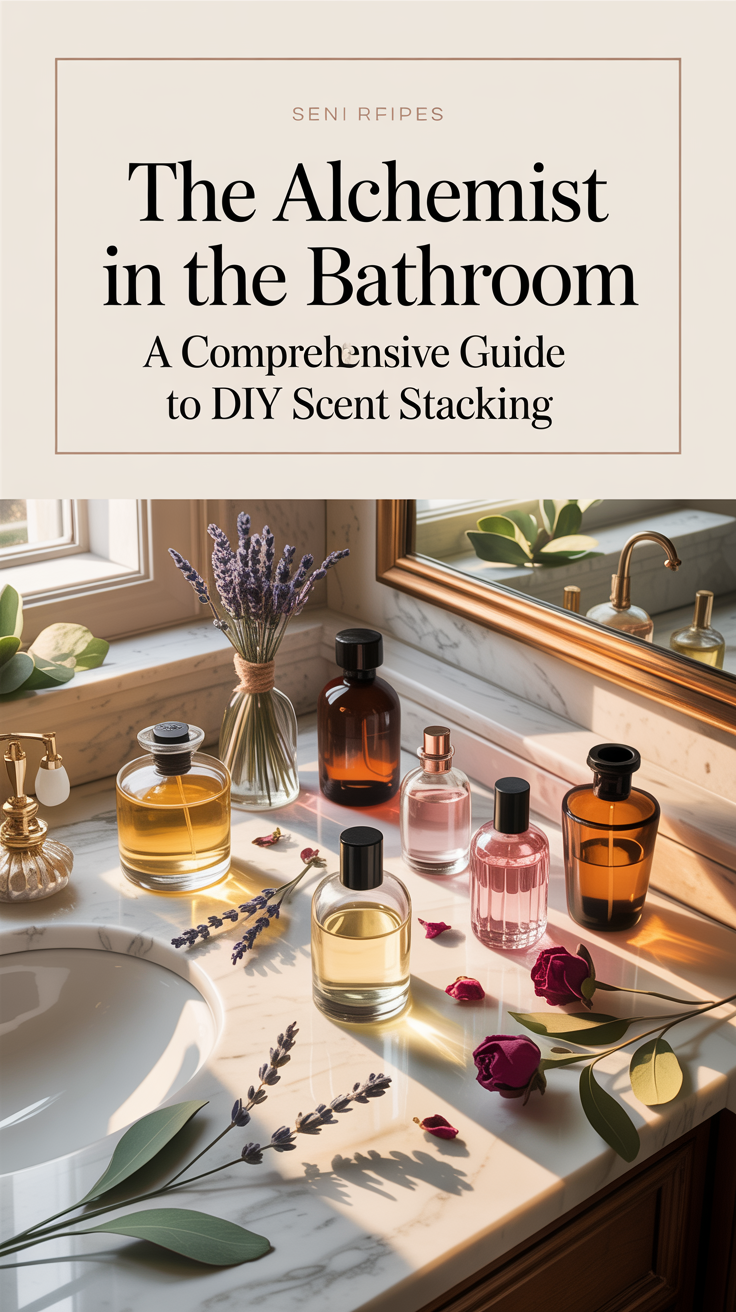
The Philosophy of Scent: Beyond Smelling Good
At its core, fragrance is a form of communication. It is a silent language that speaks volumes about our identity, our mood, and our intentions. The scents we choose to wear are a form of personal branding, a carefully curated message we send out into the world. For decades, the fragrance industry has sold us the fantasy of the “signature scent”—the idea that we can, and should, find a single perfume that perfectly encapsulates our complex identity. This concept, while romantic, is fundamentally limiting. It suggests that we are static beings, that the person we are today is the same person we will be tomorrow, next year, or in a decade. It leaves no room for growth, for evolution, for the simple fact that our moods and desires are as changeable as the weather.
Scent stacking is a direct and beautiful rebellion against this rigid philosophy. It is an acknowledgment that we are not monolithic beings, but a collection of different selves. There is the professional self, the romantic self, the creative self, the quiet and introspective self. Each of these facets of our personality deserves its own unique olfactory expression. Scent stacking provides the tools to create a “scent of the day,” a fragrance that is not just a static signature, but a dynamic and responsive reflection of our inner world. It is a move away from a fragrance monologue and towards a lifelong fragrance dialogue.
This practice also taps into a deep, primal part of our human nature. The act of blending and creating is a fundamentally human impulse. From the earliest cave paintings to the most complex culinary creations, we are driven to take the raw materials of the world and transform them into something new, something that is uniquely ours. Scent stacking allows us to bring this creative impulse into our daily grooming ritual. It elevates the simple act of getting ready from a mundane chore into a moment of artistic expression. It is a small but powerful way to reclaim a sense of agency and creativity in a world that often feels overwhelming and prescriptive.
A Deeper Dive into Fragrance Families
To move from simple pairings to truly masterful combinations, a basic understanding of the major fragrance families is essential. Think of these as the genres of the fragrance world. While there are many sub-families and nuances, most perfumes can be categorized into one of these broad groups. Knowing their fundamental characteristics will help you make more intuitive and successful layering choices.
- Floral: This is the largest and most popular fragrance family. It can range from the scent of a single flower (a “soliflore,” like rose or lily) to a complex bouquet of many different blossoms. Florals can be light and fresh (like daisy or freesia), powdery and romantic (like iris or violet), or rich and intoxicating (like tuberose or ylang-ylang).
- Fresh: This family encompasses a range of clean, bright, and uplifting scents. It includes sub-families like Citrus (bergamot, lemon, mandarin), Green (cut grass, green tea, galbanum), and Aquatic (sea salt, rain, ocean breeze). These scents are generally characterized by their vibrant, energetic top notes.
- Woody: These fragrances are warm, dry, and earthy. They are built around notes derived from woods and mosses. Common woody notes include Sandalwood (creamy, milky, and soft), Cedarwood (dry, pencil-shavings aroma), Vetiver (smoky and earthy), and Patchouli (dark, earthy, and slightly sweet).
- Amber (formerly known as Oriental): This family is characterized by its rich, warm, and sensual scents. It is a complex blend of resins, spices, and sweet notes. Key ingredients include Amber itself (a warm, resinous accord), Frankincense and Myrrh (smoky, balsamic resins), and exotic spices like Cinnamon, Clove, and Nutmeg.
- Gourmand: A more modern fragrance family, gourmand scents are built around edible, dessert-like notes. They are often sweet, comforting, and nostalgic. The most prominent gourmand note is Vanilla, but this family also includes Chocolate, Coffee, Caramel, and various fruits and spices used in baking.
Understanding these families allows you to make educated guesses about what will work together. Layering two scents from the same family (a “Harmonious Pairing”) is a safe and effective way to add depth. Layering scents from different families (a “Bold Contrast”) is where the true alchemy begins.
Advanced Techniques and Pro Tips
Once you’ve mastered the basics, you can begin to incorporate more advanced techniques into your scent stacking ritual.
- The Temporal Unfolding: Think about how you want your scent to evolve throughout the day. You can create a fragrance that tells a story. For example, you could start with a bright, citrusy body wash in your morning shower (the energetic beginning of your day), apply a soft, floral body lotion (the heart of your workday), and then, in the late afternoon, spritz on a warm, ambery perfume to transition into a cozy evening. Your scent will have a narrative arc, with different chapters revealing themselves over time.
- The Environmental Scent: Your personal fragrance does not exist in a vacuum. Consider the scents of your environment. If you use a specific laundry detergent or fabric softener, that clean, musky scent is already a part of your base layer. You can choose to either complement it or contrast with it. Similarly, if you burn a specific candle or incense in your home, that scent will cling to your clothes and hair, becoming a part of your overall olfactory signature.
- The Hair and Fabric Trick: For a more subtle, diffused sillage, consider applying fragrance to your hair and clothing. A light mist of perfume on a hairbrush before you brush your hair can leave a beautiful, delicate scent trail. Similarly, a spritz of fragrance on a scarf or the lining of a jacket can create a gentle aura of scent that is less intense than applying it directly to the skin. Be cautious with delicate fabrics, and always test on an inconspicuous area first.
- The Art of the Single Note: Don’t underestimate the power of a simple, single-note fragrance. A high-quality vanilla, musk, or sandalwood oil can be the most versatile tool in your scent wardrobe. A dab of vanilla can sweeten and soften a sharp floral. A touch of musk can add a clean, skin-like sensuality to any fragrance. A hint of sandalwood can ground a fleeting citrus. These single notes are the salt, pepper, and olive oil of your fragrance kitchen—they make everything else taste better.
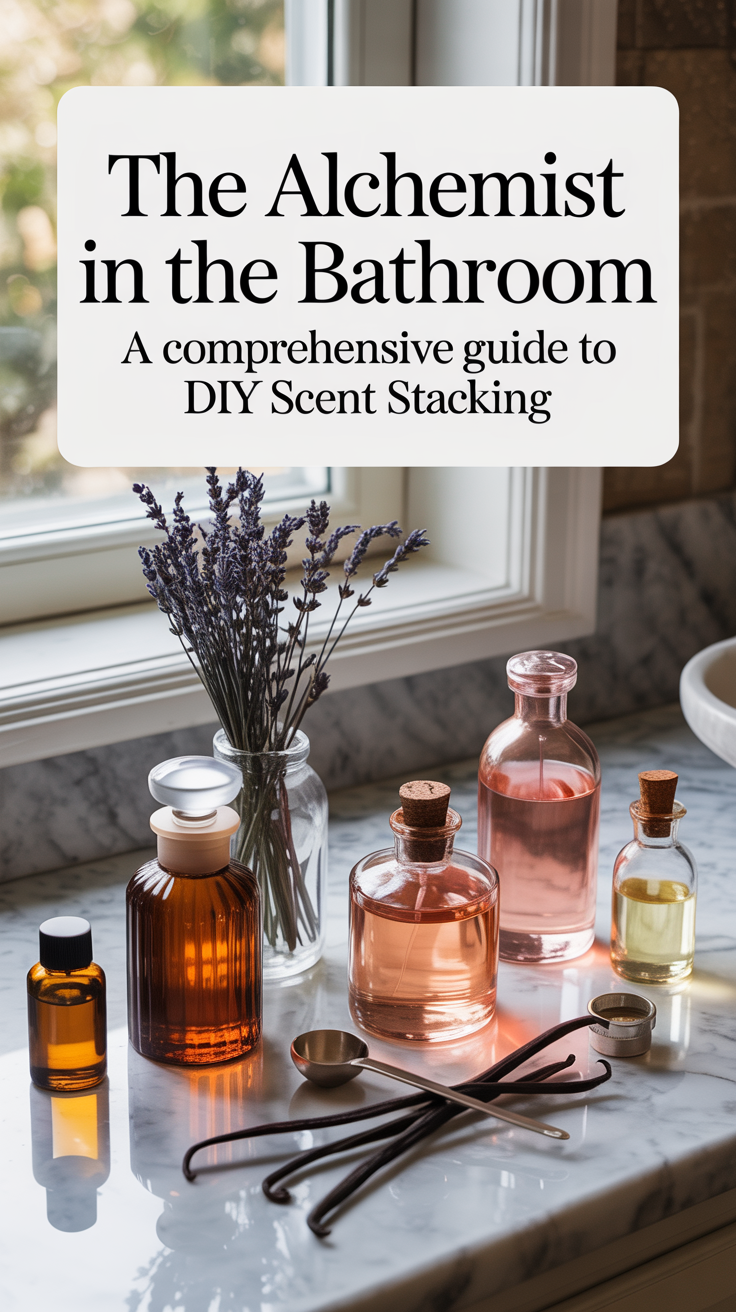
A Final Word of Encouragement
The most important rule of scent stacking is that there are no rules. The guidance provided in this article is just that—guidance. It is a starting point, a set of training wheels to help you build your confidence. But the ultimate measure of success is your own pleasure. If you love the way a combination smells, then it is a successful combination. Do not be afraid to experiment, to make mistakes, to create something that no one else would think of. Your personal taste is the only compass you need.
So, go forth and play. Dig out those old perfumes you thought you’d never wear again. Invest in a few simple, single-note oils. Pay attention to the scents that bring you joy in your everyday life. Your journey into the world of scent stacking is a journey back to yourself. It is a celebration of your own complexity, your own creativity, and your own unique, unforgettable essence. The world has enough signature scents. What it needs is your scent, in all its layered, evolving, and beautiful glory. ”’