In an era where urban living is increasingly common and efficient use of space is paramount, the small living room has become a ubiquitous challenge for homeowners and renters. A cramped or poorly arranged living area can significantly impact daily life, affecting everything from relaxation and entertainment to the overall sense of well-being within a home. The perception of space, and indeed its functional reality, is heavily influenced by how a room is laid out and furnished. A small living room, if not thoughtfully designed, can feel suffocating, cluttered, and unwelcoming, undermining its primary purpose as a central gathering and comfort zone.
However, the constraints of a small footprint do not equate to a compromise on style, comfort, or functionality. On the contrary, small spaces often inspire some of the most ingenious and aesthetically pleasing design solutions. The key lies not in wishing for more square footage, but in understanding and applying strategic layout principles that maximize every available inch, enhance visual spaciousness, and cater to the specific needs of its inhabitants. Effective layout in a small living room is not just about fitting furniture; it’s about creating an illusion of grandeur, optimizing traffic flow, and fostering an atmosphere that feels both expansive and intimate.
This comprehensive article aims to demystify the art and science of designing small living rooms. We will delve into the fundamental challenges posed by limited dimensions and awkward configurations, providing practical, actionable advice on how to overcome them. From initial assessment techniques to core design principles, and from innovative furniture choices to the subtle power of accessories, we will explore a myriad of strategies. Our goal is to empower you with the knowledge and inspiration to transform your compact living area into a highly functional, visually appealing, and utterly comfortable sanctuary that truly works for you. Prepare to unlock the full potential of your small living room, turning perceived limitations into distinct design advantages.
Understanding Your Small Space: Initial Assessment
Before embarking on any design endeavor, particularly in a small living room, a thorough initial assessment is not just recommended—it is absolutely essential. This foundational step involves moving beyond assumptions and engaging in a precise, objective evaluation of the space’s physical attributes and your personal requirements. Without this critical understanding, even the most well-intentioned design efforts can fall short, leading to layouts that feel forced, inefficient, or simply don’t meet your lifestyle needs.
A. Measuring and Mapping: The Foundation of Good Design
The first and most crucial step is to accurately measure your living room. This goes beyond simply noting the length and width. You need to capture every dimension: wall lengths, ceiling height, the width and height of windows and doors, and the distance from corners to architectural features like fireplaces, built-in shelves, or radiators. Don’t forget to measure the dimensions of any existing furniture you plan to keep, as well as the doorways and hallways through which new furniture must pass. A tape measure, graph paper, and a pencil are your best friends here. Create a scaled floor plan, marking all fixed elements. This visual representation will serve as your blueprint, allowing you to experiment with furniture placement without the physical strain of moving heavy items.
B. Identifying Challenges: Awkward Shapes, Traffic Flow, Focal Points
Once you have your measurements and floor plan, it’s time to identify the inherent challenges of your small living room. Small spaces often come with their own unique quirks:
•Awkward Shapes: Is your room long and narrow, L-shaped, or does it have unusual angles or alcoves? These shapes can make furniture arrangement tricky, but they also present opportunities for creative zoning or custom solutions.
•Traffic Flow: How do people move through the room? Are there multiple doorways creating busy pathways? A well-designed small living room maintains clear, unobstructed pathways, typically at least 24-30 inches wide, to ensure comfortable movement without constantly bumping into furniture. Sketching these pathways on your floor plan will highlight potential bottlenecks.
•Focal Points: Every living room benefits from a focal point—a natural anchor that draws the eye and around which furniture can be arranged. This could be a fireplace, a large window with a view, a television, or a prominent piece of art. In small spaces, identifying or creating a single, strong focal point helps to unify the room and prevent visual clutter. If your room lacks a natural focal point, consider creating one with a media console, a gallery wall, or a striking piece of furniture.
C. Defining Your Needs: Functionality and Lifestyle
Beyond the physical dimensions, the most effective small living room layouts are those that genuinely reflect your lifestyle and functional requirements. Ask yourself critical questions:
•Primary Use: What is the main purpose of this room? Is it primarily for quiet reading, entertaining guests, watching movies, working from home, or a combination of these? The answer will dictate the type and quantity of furniture needed.
•Occupancy: How many people typically use the room? Is it just for one or two, or do you frequently host larger gatherings? This will inform seating capacity.
•Storage Needs: What items do you need to store in the living room? Books, blankets, media equipment, games, or decorative items? Adequate storage is crucial in small spaces to prevent clutter.
•Aesthetic Preferences: What style do you gravitate towards? Minimalist, cozy, modern, traditional? Your personal aesthetic should guide your choices in furniture, colors, and decor, ensuring the space feels authentically yours.
By meticulously measuring, identifying challenges, and defining your needs, you lay a robust foundation for a small living room layout that not only looks good but genuinely works. This preparatory phase, though seemingly tedious, is the most critical step in transforming a challenging small space into a functional and inviting haven. It allows for informed decisions, minimizes costly mistakes, and ultimately leads to a design that feels intentional and perfectly tailored to your home.
Core Principles for Small Living Room Design
With a solid understanding of your space and needs, the next step is to apply a set of core design principles that are universally effective in making small living rooms feel larger, more organized, and more inviting. These principles are not rigid rules but rather guiding philosophies that, when implemented thoughtfully, can dramatically alter the perception and functionality of a compact area. They address the fundamental elements of visual space: light, color, and order.
A. Maximizing Light and Airiness
Light is arguably the most powerful tool in a designer’s arsenal for creating a sense of spaciousness. A well-lit room, whether through natural or artificial means, feels more open, airy, and welcoming. In a small living room, maximizing light is not just a suggestion—it’s a necessity.
1. Natural Light: Window Treatments and Mirrors
Natural light is a precious commodity in any home, and in a small living room, it should be celebrated and amplified. The first step is to assess your window treatments. Heavy, dark, or overly ornate curtains can absorb light and visually shrink a room. Instead, opt for lightweight, sheer fabrics that allow sunlight to filter through while still providing a degree of privacy. Blinds or shades that can be fully retracted are also excellent choices. If privacy is a major concern, consider top-down/bottom-up shades, which allow you to let in light from the top while keeping the bottom portion of the window covered.
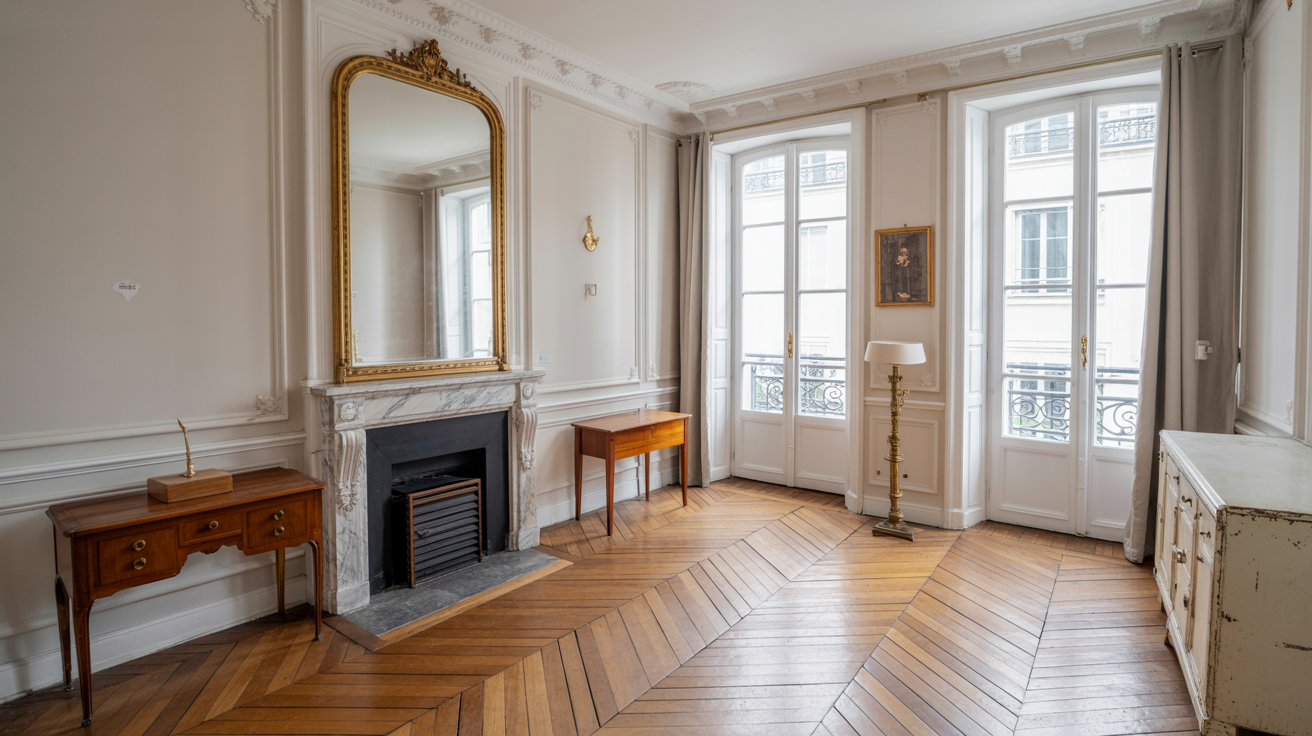
Mirrors are a classic and highly effective trick for enhancing natural light. A large mirror placed on a wall opposite a window will reflect both the light and the view, creating an illusion of depth and doubling the amount of light in the room. Even smaller, strategically placed mirrors can bounce light into darker corners, making the entire space feel brighter and more dynamic.
2. Artificial Light: Layering for Ambiance and Function
Artificial lighting is just as important as natural light, especially in the evenings or in rooms with limited window access. A single, central overhead fixture is often insufficient and can cast harsh shadows. The key to effective artificial lighting is layering, which involves using a combination of different light sources to create a balanced and versatile lighting scheme.
•Ambient Lighting: This is the overall illumination of the room, typically provided by a ceiling fixture (like a flush-mount or a stylish chandelier that doesn’t hang too low) or recessed lighting. It provides a comfortable level of brightness without being overpowering.
•Task Lighting: This is focused light for specific activities, such as reading or working. Floor lamps and table lamps are excellent sources of task lighting. A floor lamp tucked into a corner can illuminate a reading chair, while a table lamp on a side table provides light for both tasks and general ambiance.
•Accent Lighting: This type of lighting is used to highlight specific features, such as artwork, architectural details, or plants. Picture lights or small, adjustable spotlights can add depth and visual interest to the room.
By layering these three types of lighting, you can create a warm, inviting atmosphere that is also highly functional, making your small living room feel more spacious and thoughtfully designed.
B. The Power of Color and Palette
Color has a profound psychological impact on our perception of space. The right color palette can make a small living room feel open and serene, while the wrong one can make it feel cramped and chaotic.
1. Light Colors and Neutrals: Expanding Perception
It’s a well-known design principle that light colors—whites, creams, soft grays, and pale pastels—reflect more light and can make a room feel larger and more open. Painting the walls and ceiling in a light, neutral color creates a seamless, expansive backdrop that visually pushes the walls outward. This doesn’t mean your room has to be boring. You can introduce subtle variations in tone and texture to add depth and interest.
2. Monochromatic Schemes: Cohesion and Calm
A monochromatic color scheme, which uses different tones, shades, and tints of a single color, is another powerful strategy for small spaces. By using a limited color palette, you create a sense of cohesion and calm, reducing visual clutter and making the room feel more unified and spacious. For example, you could use a soft gray on the walls, a slightly darker gray for the sofa, and various shades of gray in the rug and accessories.
3. Strategic Pops of Color
While a neutral or monochromatic base is recommended, this doesn’t mean you have to shy away from color entirely. Strategic pops of color, introduced through accessories like throw pillows, artwork, or a statement piece of furniture, can add personality and visual interest without overwhelming the space. The key is to use color intentionally and in moderation, drawing the eye to specific points of interest.
C. Decluttering and Organization: Less is More
Clutter is the enemy of small spaces. A disorganized, cluttered living room will always feel smaller than it actually is. Embracing a “less is more” philosophy is crucial for maintaining a sense of openness and order.
1. Vertical Storage Solutions
When floor space is limited, think vertically. Tall, narrow bookshelves, floating shelves, and wall-mounted cabinets draw the eye upward, creating an illusion of height while providing valuable storage space without occupying a large footprint. Vertical storage helps to keep floors clear, which is essential for maintaining a sense of spaciousness.
2. Hidden Storage
Multi-functional furniture with hidden storage is a small living room’s best friend. Storage ottomans, coffee tables with drawers or shelves, and media consoles with closed cabinets can all help to conceal clutter, keeping everyday items out of sight but within easy reach. This allows you to maintain a clean, uncluttered aesthetic without sacrificing convenience.
3. Regular Purging
Finally, the most effective way to combat clutter is to be ruthless about what you keep in your living room. Regularly purge items that you no longer use or love. A small space requires intentionality and discipline. By being mindful of what you bring into the room and regularly decluttering, you can maintain a sense of order and spaciousness that makes your small living room a true sanctuary.
By mastering these core principles of light, color, and organization, you set the stage for a successful small living room layout. These foundational elements work together to create a visually expansive, harmonious, and functional space, proving that size is no barrier to great design.
Strategic Layouts That Actually Work
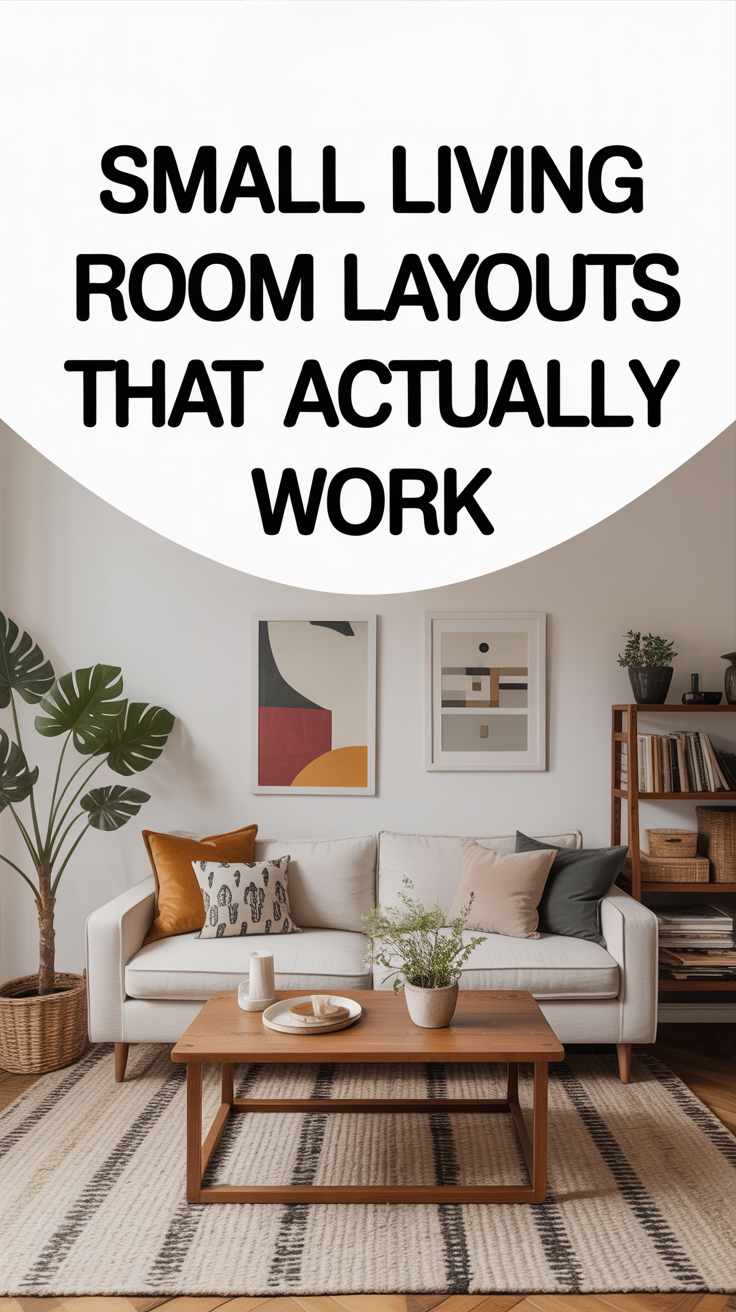
Once you’ve assessed your space and embraced the core design principles, the next critical step is to implement a strategic furniture layout. This is where the theoretical meets the practical, transforming a potentially challenging small room into a highly functional and aesthetically pleasing area. The goal is to create a layout that optimizes traffic flow, maximizes seating, and establishes a clear focal point, all while maintaining a sense of openness and comfort.
A. The Classic “L” Shape (Sofa + Armchair)
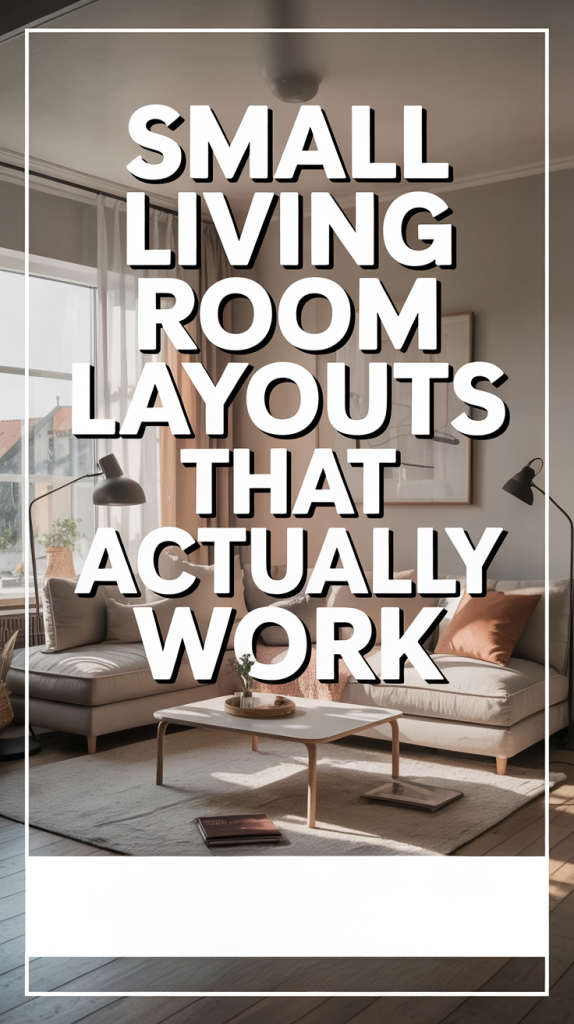
One of the most enduring and effective layouts for small living rooms, particularly those that are somewhat rectangular, is the classic “L” shape. This configuration typically involves a sofa placed against one wall, complemented by an armchair positioned perpendicular to it, forming an “L” with a coffee table in the center. This arrangement is highly versatile and promotes conversation and comfort.
1. Optimizing for Conversation and Comfort
The “L” shape naturally encourages interaction by facing seating towards each other, creating a cozy conversation zone. It allows multiple people to sit comfortably without feeling cramped. The sofa provides ample space for lounging, while the armchair offers a dedicated spot for reading or individual relaxation. This setup is ideal for families or individuals who frequently entertain a small group of guests.
2. Placement Considerations (Walls, Windows)
When implementing an “L” shape, consider the room’s architectural features. Placing the longest side of the sofa against the longest wall often works best, leaving the other walls free for circulation or other furniture. If there’s a prominent window, position the sofa to face it or perpendicular to it to take advantage of natural light and views. Avoid blocking windows or doorways with large pieces of furniture. Ensure there’s enough space (at least 18 inches) between the sofa and the coffee table for comfortable access, and adequate clearance around the armchair.
B. The “Floating” Layout (Furniture Away from Walls)
Counterintuitive as it may seem, pulling furniture away from the walls, or “floating” it, can actually make a small living room feel larger and more dynamic. This technique is particularly effective in open-concept spaces or rooms with unusual shapes, as it helps to define zones and create a sense of spaciousness.
1. Creating Zones in Open Concepts
In open-plan living areas, where the living room might merge with a dining area or kitchen, floating furniture is invaluable for delineating distinct functional zones without the need for physical barriers. A sofa placed in the middle of the room, perhaps with a console table behind it, can effectively mark the boundary of the living area, creating a clear sense of purpose for each space. This approach prevents the room from feeling like a vast, undefined expanse.
2. Defining Space with Rugs
When floating furniture, an area rug becomes an essential tool for anchoring the layout and visually defining the living room zone. The rug should be large enough so that at least the front legs of all major furniture pieces (sofa, armchairs) rest on it. This creates a cohesive grouping and prevents the furniture from looking like it’s adrift in the room. A well-chosen rug adds warmth, texture, and a sense of completeness to the floating arrangement.
C. The “Symmetrical” Layout
Symmetry brings a sense of order, balance, and formality to a room, which can be particularly calming and effective in a small space. This layout typically involves mirroring furniture placement around a central focal point.
1. Balance and Harmony
In a symmetrical layout, a central focal point (like a fireplace or a television) is flanked by identical or similar pieces of furniture. For example, two matching armchairs or small sofas facing each other, with a coffee table in between, and perhaps two identical side tables with lamps. This creates a visually harmonious and balanced arrangement that is easy on the eye and promotes a sense of calm. The predictability of symmetry can make a small room feel less chaotic and more intentional.
2. Best for Rectangular Rooms
Symmetrical layouts tend to work best in rectangular or square rooms where there is a clear central axis. They can be more challenging in irregularly shaped rooms. The key is to ensure that the mirrored elements are proportionate to the room’s size, avoiding pieces that are too bulky and would overwhelm the space.
D. The “Asymmetrical” Layout
While symmetry offers balance, asymmetry provides visual interest and a more dynamic feel. An asymmetrical layout uses different-sized or different-shaped pieces of furniture that are balanced by their visual weight rather than their exact duplication.
1. Dynamic and Visually Interesting
An asymmetrical arrangement might feature a sofa on one side of a focal point and two smaller armchairs on the other, or a large piece of art balanced by a grouping of smaller pieces. The goal is to achieve visual equilibrium without strict mirroring. This approach can make a small room feel less rigid and more curated, allowing for more personality and flexibility in furniture choices.
2. Utilizing Different Sized Pieces
This layout is excellent for incorporating existing furniture that doesn’t match perfectly or for creating a more eclectic look. For instance, a two-seater sofa could be balanced by a single, more substantial armchair and a floor lamp. The trick is to ensure that the overall composition feels balanced, even if the individual elements are not identical. This requires a good eye for proportion and visual weight.
E. Adapting to Awkward Spaces (Narrow, Long, Irregular)
Small living rooms often come with their own set of architectural quirks. Narrow rooms, long corridors, or irregularly shaped spaces can present unique layout challenges, but with creative thinking, they can be transformed into functional and inviting areas.
1. Dividing Zones with Furniture
In long and narrow rooms, avoid pushing all furniture against the walls, as this can create a bowling alley effect. Instead, consider dividing the room into distinct zones. A small sofa or loveseat can define the main seating area, while a console table or a narrow bench placed behind it can create a subtle division, perhaps leading to a small reading nook or a workspace at the far end. This breaks up the length and makes the room feel more purposeful.
2. Using Console Tables and Benches
Console tables and benches are invaluable in awkward spaces. A slim console table can be placed against a wall in a narrow hallway section of a living room, providing a surface without impeding traffic. Benches, especially backless ones, can offer flexible seating that doesn’t visually block the space and can be tucked away when not in use. In an L-shaped room, a small bench can fill an odd corner, providing extra seating or a surface for decorative items.
By thoughtfully applying these strategic layouts, you can overcome the limitations of a small living room and create a space that is not only functional but also reflects your personal style and enhances your daily living experience. The key is to be flexible, experiment with different arrangements, and always prioritize comfort and flow.
Smart Furniture Choices for Small Spaces
Beyond the overall layout, the individual pieces of furniture you select play a pivotal role in the success of a small living room. In compact environments, every item must earn its place, offering not just aesthetic appeal but also maximum functionality. Smart furniture choices can make a significant difference in how spacious, organized, and comfortable your living room feels.
A. Multi-Functional Furniture
Multi-functional furniture is the cornerstone of small space design. These pieces are designed to serve more than one purpose, effectively doubling their utility and minimizing the need for additional items. Investing in such pieces is a strategic move that saves space and enhances efficiency.
1. Storage Ottomans, Sofa Beds, Nesting Tables
•Storage Ottomans: An ottoman with a lift-off lid or a hinged top can serve as extra seating, a footrest, or even a makeshift coffee table, all while concealing blankets, magazines, or remote controls. This is an invaluable piece for decluttering and adding flexible utility.
•Sofa Beds (or Sleeper Sofas): For those who occasionally host overnight guests but lack a dedicated guest room, a comfortable sofa bed is a game-changer. Modern sofa beds are far more stylish and comfortable than their predecessors, offering a practical solution without compromising on the living room’s primary function.
•Nesting Tables: A set of nesting tables provides flexible surface area. The smaller tables can be pulled out when needed for drinks or snacks and then tucked away neatly under the larger one when not in use. This adaptability is perfect for accommodating varying needs without cluttering the floor.
2. Drop-Leaf Tables, Console-to-Dining Tables
•Drop-Leaf Tables: While often associated with dining rooms, a small drop-leaf table can be used as a side table or even a compact desk in a living room, expanding only when extra surface area is required. Some designs are sleek enough to blend seamlessly into a living room setting.
•Console-to-Dining Tables: These ingenious pieces transform from a slim console table, perfect for an entryway or behind a sofa, into a full-sized dining table capable of seating multiple guests. This is an ideal solution for open-concept living where a dedicated dining area is not feasible.
B. Scale and Proportion
Choosing furniture that is appropriately scaled to the size of your room is perhaps the most critical aspect of small space furnishing. Oversized pieces will overwhelm a small living room, making it feel even smaller and cramped, while undersized pieces can look lost and fail to provide adequate comfort or function.
1. Avoiding Oversized Pieces
Resist the temptation to buy that plush, sprawling sectional if your living room is compact. Instead, opt for a streamlined sofa or a loveseat with clean lines. Armchairs should be slender, not bulky. Every piece should fit comfortably within its designated area, allowing for clear pathways and visual breathing room. Think about the overall footprint and visual weight of each item.
2. Leggy Furniture for Visual Lightness
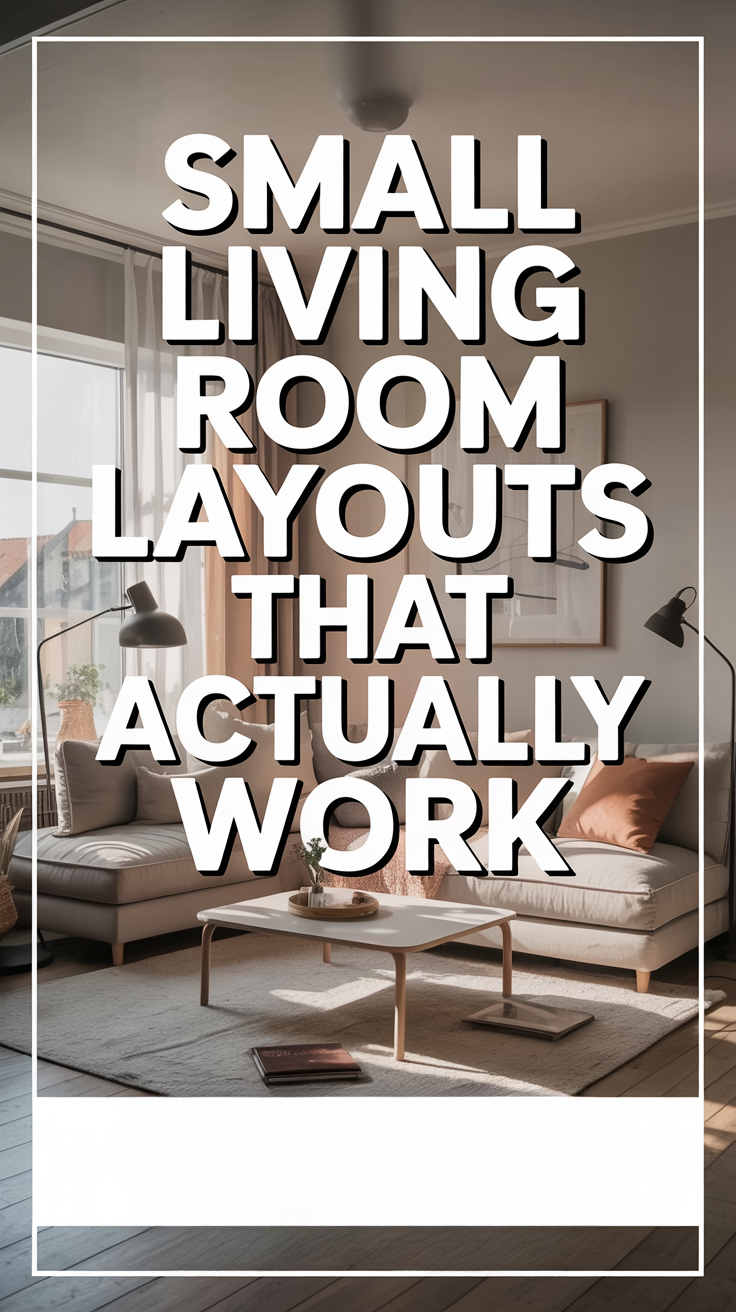
Furniture with exposed legs, such as sofas, chairs, and coffee tables that sit off the floor, creates a sense of lightness and allows the eye to see more of the floor space. This visual continuity tricks the brain into perceiving the room as larger than it is. In contrast, furniture that sits directly on the floor (like bulky recliners or solid block sofas) can appear heavy and block sightlines, making the room feel denser and more confined.
C. Verticality: Shelving and Wall-Mounted Units
When horizontal space is at a premium, the only way to go is up. Utilizing vertical space is a fundamental strategy for maximizing storage and display opportunities in a small living room without encroaching on precious floor area.
1. Built-ins vs. Freestanding
•Built-ins: Custom built-in shelving or cabinetry can be an excellent investment for small living rooms. They utilize every available inch, often fitting snugly into alcoves or around windows, providing seamless storage that looks integrated and intentional. While more expensive upfront, they offer unparalleled efficiency and a high-end finish.
•Freestanding: For a more budget-friendly or flexible option, tall, narrow freestanding bookshelves or display units can be very effective. Look for open-backed designs or those with a mix of open and closed storage to maintain a sense of airiness while still providing ample space for books, decor, and hidden clutter.
2. Floating Shelves
Floating shelves are a minimalist’s dream for small spaces. They provide display and storage without the visual bulk of traditional shelving units. They can be installed above a sofa, next to a window, or in an awkward corner, offering a clean, unobtrusive way to personalize your space and keep essential items within reach.
D. Transparency: Glass and Acrylic Furniture
Creating an illusion of space is a powerful tool in small living room design, and transparent furniture is a master of this trick. Pieces made from glass or acrylic seem to disappear into the room, allowing light to pass through and maintaining open sightlines.
1. Creating an Illusion of Space
A glass coffee table, for instance, provides a functional surface without visually breaking up the floor space. An acrylic side chair offers extra seating that doesn’t add visual weight to the room. These transparent elements allow the eye to travel through them, making the room feel less cluttered and more expansive. They are particularly effective when placed in front of a window or a beautiful rug, as they don’t obstruct the view.
2. Minimalist Aesthetic
Beyond their space-enhancing qualities, glass and acrylic furniture also lend a modern, minimalist aesthetic to a room. Their sleek, unobtrusive nature complements a clean design philosophy, which is often beneficial in small spaces where simplicity reigns supreme. By carefully selecting furniture that is multi-functional, appropriately scaled, utilizes vertical space, and incorporates transparent elements, you can furnish your small living room in a way that feels both practical and profoundly stylish. Each piece becomes a strategic asset in the quest for a functional and visually expansive home.
Accessories and Decor: The Finishing Touches
Once the major furniture pieces are in place and the core layout is established, it’s time to turn attention to accessories and decor. In a small living room, these elements are not mere afterthoughts; they are powerful tools that can enhance the sense of space, add personality, and complete the design. The key is thoughtful selection and strategic placement, ensuring each item contributes to the overall aesthetic without overwhelming the room.
A. Mirrors: Reflecting Light and Space
Mirrors are perhaps the most classic and effective decorative element for making a small room feel larger and brighter. Their ability to reflect light and create an illusion of depth is unparalleled.
1. Strategic Placement
The most impactful placement for a mirror is typically on a wall directly opposite a window. This allows the mirror to capture and reflect the natural light, effectively doubling its presence in the room. It also reflects the outdoor view, bringing a sense of the outside in and expanding the perceived boundaries of the room. If placing opposite a window isn’t feasible, positioning a large mirror behind a sofa or above a console table can still add depth and reflect ambient light, making the space feel more open. Avoid placing mirrors where they reflect clutter, as this will only amplify the mess.
2. Different Styles and Sizes
Mirrors come in a vast array of styles and sizes, allowing them to integrate seamlessly into any decor. A large, frameless mirror can offer a sleek, modern look, while a mirror with an ornate frame can add a touch of vintage elegance. Consider a gallery wall composed of several smaller mirrors of varying shapes and sizes to create a dynamic visual display that also contributes to the illusion of space.
B. Rugs: Defining Zones and Adding Warmth
Area rugs are essential for grounding a furniture arrangement, adding warmth, texture, and color, and—crucially in small spaces—defining distinct zones within an open-concept layout.
1. Importance of Size
The biggest mistake people make with rugs in small living rooms is choosing one that is too small. An undersized rug can make the room feel disjointed and even smaller. Ideally, a rug should be large enough so that at least the front two legs of all major upholstered pieces (sofa, armchairs) rest on it. This creates a cohesive grouping and visually anchors the seating area. If your living room is part of an open-plan space, a well-sized rug clearly delineates the living zone from other areas, such as the dining room or entryway.
2. Texture and Pattern
Texture adds depth and interest without necessarily adding visual clutter. A plush shag rug can make a room feel cozy, while a flat-weave rug can offer a more streamlined look. Patterns can also be used strategically. A subtle, geometric pattern can add a modern touch, while a bold pattern can serve as a focal point. Just be mindful not to choose an overly busy pattern that might overwhelm a small space; sometimes, a solid color with rich texture is the best choice.
C. Art and Wall Decor: Drawing the Eye Upward
Wall decor is an opportunity to express personality and draw the eye upward, which helps to emphasize ceiling height and create a sense of spaciousness.
1. Large Statement Pieces vs. Gallery Walls
In a small living room, a single, large piece of art can often be more impactful than many small pieces. A large painting or print can serve as a powerful focal point, drawing attention and creating a sense of depth. It simplifies the visual landscape, preventing the cluttered look that can arise from too many small items. Alternatively, a carefully curated gallery wall, with pieces arranged cohesively, can also work. The key is to ensure the gallery wall feels intentional and not haphazard, with a consistent theme or color palette.
2. Vertical Arrangements
When hanging art or other wall decor, consider vertical arrangements. Hanging pieces slightly higher than usual, or arranging a series of prints vertically, can draw the eye up towards the ceiling, enhancing the perception of height. This trick is particularly effective in rooms with lower ceilings.
D. Greenery: Bringing Life into the Room
Plants bring life, color, and a touch of nature into any space, and small living rooms are no exception. They can soften harsh lines, add organic texture, and improve air quality.
1. Small Plants, Hanging Plants
Choose plants that are proportionate to your space. A large, sprawling plant might overwhelm a small room, but smaller potted plants on shelves, side tables, or windowsills can add charm without taking up too much space. Hanging plants are an excellent solution for small living rooms, as they utilize vertical space and add greenery at eye level without occupying any floor area. Consider a stylish plant hanger from the ceiling or a wall-mounted planter.
2. Avoiding Overcrowding
While greenery is beneficial, it’s important not to overcrowd the room with too many plants. A few well-chosen plants can make a significant impact. The goal is to enhance the space, not to turn it into a jungle. Consider the size and shape of the plant, its pot, and its placement to ensure it complements the overall design.
By carefully selecting and strategically placing mirrors, rugs, art, and greenery, you can add layers of personality and sophistication to your small living room. These finishing touches are what transform a functional space into a truly inviting and aesthetically pleasing sanctuary, proving that even the smallest rooms can be rich in style and comfort.
Advanced Tips and Tricks
Beyond the fundamental principles and strategic furniture choices, there are several advanced tips and tricks that can elevate the design of a small living room, pushing the boundaries of what’s possible in a compact space. These techniques often involve more significant interventions or a deeper understanding of design psychology, but they yield impressive results in maximizing both functionality and aesthetic appeal.
A. Custom Built-ins: Maximizing Every Inch
Custom built-in furniture is arguably the most effective way to maximize space and create a seamless, high-end look in a small living room. While a more significant investment than freestanding pieces, built-ins are tailored precisely to your room’s dimensions, utilizing every available inch that might otherwise go to waste.
Built-in shelving, for instance, can be designed to fit perfectly into awkward alcoves, around windows, or on either side of a fireplace, providing extensive storage and display space without protruding into the room. A custom media unit can integrate the television, sound system, and storage for media accessories, creating a clean, uncluttered wall. Window seats with integrated storage underneath offer both seating and hidden storage, transforming a simple window into a cozy nook. Built-ins create a streamlined appearance, making the room feel larger and more organized because they eliminate gaps and visual breaks that freestanding furniture often creates. They also offer a bespoke quality that significantly enhances the perceived value and sophistication of the space.
B. Sliding Doors and Pocket Doors: Saving Floor Space
Traditional swing doors, while common, can consume valuable floor and wall space in a small living room, limiting furniture placement and disrupting traffic flow. Replacing them with sliding doors or pocket doors can be a transformative solution.
•Sliding Doors: These doors glide along a track, either on the outside of the wall (barn doors) or within a double-door frame. They require no swing space, freeing up the area immediately adjacent to the doorway for furniture or decor. Modern sliding doors come in various styles, from sleek glass panels that enhance light to solid wood designs that add warmth and privacy.
•Pocket Doors: Even more space-efficient, pocket doors slide directly into a compartment within the wall, disappearing completely when open. This creates an entirely unobstructed doorway and maximizes both floor and wall space on either side. While pocket doors require more extensive renovation, their ability to completely open up a room or discreetly close it off makes them an excellent choice for small living rooms, especially those adjacent to other compact areas like a kitchen or hallway.
By eliminating the need for door swing, these alternatives allow for more flexible furniture arrangements and contribute to a more open and fluid feel within the small living room.
C. Strategic Use of Wallpaper and Accent Walls
While light, neutral colors are generally recommended for small spaces, strategic use of wallpaper or an accent wall can add depth, character, and visual interest without overwhelming the room. The key is intentionality and moderation.
An accent wall, painted in a deeper hue or covered with a subtle patterned wallpaper, can draw the eye to a specific area, such as behind the sofa or around a fireplace. This creates a focal point and adds a layer of sophistication. When choosing a pattern, consider subtle textures or small-scale designs that don’t feel too busy. Vertical stripes can subtly enhance the perception of ceiling height, while a wallpaper with a delicate, repeating motif can add elegance without visual clutter. The trick is to use it sparingly—one wall is usually sufficient—and ensure the colors and patterns complement the overall neutral palette of the rest of the room. This approach adds personality and depth, making the small living room feel more curated and less monotonous.
D. Professional Help: When to Call an Interior Designer
While many small living room challenges can be tackled with DIY enthusiasm, there are instances where professional guidance can be invaluable. An experienced interior designer brings a fresh perspective, technical expertise, and access to resources that can unlock the full potential of your space.
Consider hiring a designer if you are struggling with particularly awkward layouts, have specific functional requirements that seem impossible to meet, or if you simply feel overwhelmed by the myriad of choices. Designers can create detailed floor plans, source unique multi-functional furniture, advise on custom built-ins, and help you navigate complex decisions regarding lighting, color, and materials. They can also save you time and money by preventing costly mistakes and ensuring that your investment in furniture and renovations is well-placed. For a truly optimized and cohesive small living room that perfectly reflects your style and needs, a professional touch can make all the difference, transforming a challenging space into a masterpiece of compact living.
The journey to creating a functional and beautiful small living room is one of thoughtful assessment, strategic planning, and creative execution. As we have explored, the perceived limitations of a compact space are, in fact, opportunities for ingenious design solutions that prioritize efficiency, comfort, and aesthetic appeal. By understanding your space, embracing core design principles, making smart furniture choices, and utilizing decor strategically, you can transform any small living room into a haven that truly works for you.
We began by emphasizing the critical importance of an initial assessment—measuring, mapping, identifying challenges, and defining your lifestyle needs. This foundational step ensures that every subsequent design decision is informed and purposeful. We then delved into core principles, highlighting how maximizing light and airiness, employing thoughtful color palettes, and rigorously decluttering can dramatically expand the perception of space. Strategic layouts, from the classic “L” shape to floating arrangements and symmetrical designs, offer blueprints for optimizing furniture placement and traffic flow. The selection of multi-functional, appropriately scaled, and visually light furniture was underscored as essential for maintaining openness and providing practical utility. Finally, we examined how accessories like mirrors, rugs, and art, along with advanced techniques such as custom built-ins and space-saving doors, can add the finishing touches that elevate a small living room from merely functional to truly exceptional.
Ultimately, the goal is not to make a small room feel enormous, but to make it feel perfectly proportioned, inviting, and tailored to your life. By applying these strategies, homeowners can confidently approach their small living rooms, turning what might initially seem like a constraint into a canvas for creativity and smart design. Embrace the challenge, trust the process, and enjoy the profound satisfaction of a small living room that is both a testament to clever design and a comfortable, functional sanctuary.